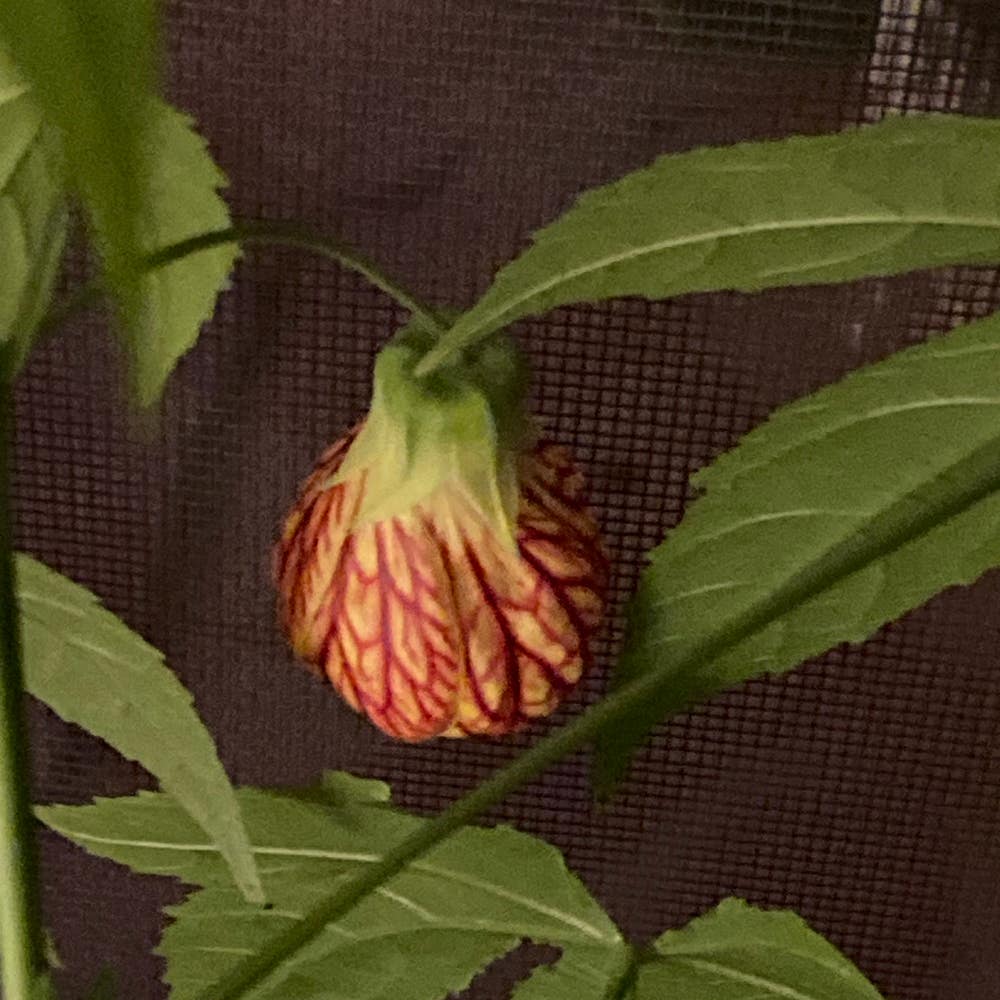
🌼 Introduction to Hoary Abutilon
Abutilon incanum
By the Greg Editorial Team
Jan 23, 2025•11 min read
This article was created with the help of AI so we can cover more plants for you. May contain errors. See one? Report it here.
- 🌞 Hoary Abutilon needs 6-8 hours of sunlight for optimal growth and health.
- 🌱 Well-draining, fertile loam with pH 6.0-7.5 is ideal for planting.
- 💧 Regular watering is crucial; keep soil moist but avoid waterlogging for healthy roots.
How to Grow
Choosing a Location 🌞
To thrive, Hoary Abutilon needs full sun to partial shade, ideally receiving 6-8 hours of sunlight daily. Make sure to space your plants adequately to allow for air circulation and healthy growth.
Soil Preparation 🌱
For optimal growth, plant in well-draining, fertile loam with a pH level between 6.0 and 7.5. It's crucial to ensure the soil does not retain excess moisture, as this can lead to root problems.
Planting Techniques 🌼
When planting, space your Hoary Abutilon 2-3 feet apart to give them room to flourish. Be sure to plant them at the same depth they were in their nursery containers to avoid transplant shock.
Watering Requirements 💧
Keep the soil consistently moist but not waterlogged by watering regularly. Using a soaker hose or drip irrigation can help distribute moisture evenly, promoting healthy root development.
Fertilizing Schedule 🌿
A balanced NPK fertilizer (10-10-10) is ideal for feeding your plants. Fertilize every 4-6 weeks during the growing season to support vigorous growth and blooming.
Pruning Practices ✂️
Prune your Hoary Abutilon in late winter or early spring, just before new growth begins. Focus on removing dead or damaged stems and shaping the plant to your liking for a tidy appearance.
Ongoing Care 🔍
Regularly monitor your plants for signs of pests or diseases to catch any issues early. Adjust your watering and fertilizing routine based on seasonal changes to keep your plants healthy year-round.
With these tips, you'll be well on your way to cultivating a thriving Hoary Abutilon that adds beauty to your garden. Next, let’s explore how to propagate this lovely plant!
Propagation
🌱 Seed Propagation
To propagate Hoary Abutilon from seeds, start by sowing them about 1/4 inch deep in well-draining soil. This method thrives best when the temperature hovers around 70°F (21°C), creating the perfect environment for germination.
✂️ Cutting Propagation
Another effective way to propagate this plant is through cuttings. Simply take 4-6 inch cuttings from healthy stems, ideally in spring or early summer, to encourage robust growth.
Propagation can be a rewarding experience, allowing you to expand your garden with new plants. Whether you choose seeds or cuttings, both methods can lead to a flourishing display of Hoary Abutilon in your landscape.
As you explore propagation, consider the next steps in nurturing your plants to ensure they thrive.
Lifecycle
Lifecycle Stages 🌱
The lifecycle of Hoary Abutilon consists of several distinct stages: seed, seedling, vegetative growth, flowering, and seed production. Understanding these stages helps you appreciate the plant's development and care needs.
Annual or Perennial 🌍
In cooler climates, Hoary Abutilon behaves as an annual, completing its lifecycle within a single growing season. Conversely, in warmer regions, it thrives as a perennial, returning year after year.
Time to Maturity ⏳
From seed to flowering, expect a timeframe of approximately 3-4 months. This relatively quick maturation allows gardeners to enjoy blooms in a single season.
Lifespan 🌿
Under optimal conditions, Hoary Abutilon typically has a lifespan of 2-3 years. With proper care, you can maximize its longevity and beauty in your garden.
As you delve deeper into the lifecycle of Hoary Abutilon, consider how each stage influences your gardening practices. Next, we will explore the plant's size and growth characteristics.
Size
Mature Height and Spread 🌱
Hoary Abutilon typically reaches a mature height of 3 to 6 feet, with a similar spread. This moderate growth rate can vary based on environmental conditions, so don’t be surprised if your plant grows differently than expected.
Growth Rate Influences 🌞
Several factors influence the growth rate of Hoary Abutilon. Soil quality, sunlight exposure, and water availability all play crucial roles in determining how tall and wide your plant will ultimately grow.
Size Variability 📏
Expect some variability in size due to these environmental factors. A well-cared-for plant in optimal conditions will thrive, while one in less favorable circumstances may not reach its full potential.
As you cultivate your Hoary Abutilon, keep these size considerations in mind. Understanding how these plants grow will help you provide the best care and set realistic expectations for your garden.
Roots
🌱 Root System Characteristics
The Hoary Abutilon features a fibrous root system that plays a crucial role in its growth. These roots can extend 12-18 inches deep and spread widely, allowing the plant to absorb nutrients and water efficiently.
⚠️ Common Root-Related Issues
One common issue is root rot, often caused by overwatering. Symptoms include wilting and yellowing leaves, signaling that the roots are struggling to function properly.
Another problem is becoming rootbound, which occurs when the roots grow too densely in the pot. Signs of this include stunted growth and roots emerging from drainage holes, indicating the plant needs more space.
👀 Visual Cues for Healthy vs. Unhealthy Roots
Healthy roots are typically firm and white, with no foul odor. In contrast, unhealthy roots appear dark and mushy, indicating rot and a need for immediate attention.
By understanding these root characteristics and issues, you can better care for your Hoary Abutilon, ensuring it thrives in your garden. Next, let’s explore the benefits this beautiful plant brings to your outdoor space.
Benefits
Top 5 Benefits 🌟
Hoary Abutilon is not just another plant; it brings a wealth of benefits to your garden.
Ornamental Appeal
With its vibrant flowers and lush foliage, this plant adds a splash of color and texture to any landscape. It’s a visual treat that can brighten up even the dullest corners of your garden.
Attracts Pollinators
The flowers of Hoary Abutilon are a magnet for bees and butterflies. By planting it, you’re not just beautifying your space; you’re also supporting local pollinator populations.
Erosion Control
This plant plays a crucial role in stabilizing soil, especially in wetland areas. Its root system helps prevent erosion, making it a practical choice for environmentally conscious gardeners.
Cultural Significance
Hoary Abutilon has deep roots in various traditional practices and landscaping techniques. Incorporating it into your garden connects you to a rich history of plant use.
Medicinal Uses
Historically, this plant has been utilized for various herbal remedies. While it’s essential to consult with a professional before using it medicinally, its potential benefits add another layer of value.
These benefits make Hoary Abutilon a fantastic addition to any garden, enhancing both aesthetics and ecological health. As you consider your planting options, think about how this versatile plant can contribute to your outdoor space.
Next, let’s explore the concept of companion planting and discover which plants thrive alongside Hoary Abutilon.
Companion Plants
🌱 Concept of Companion Planting
Companion planting is all about creating a harmonious garden environment. It enhances diversity, improves pest management, and boosts overall plant health.
🌼 Best Companion Plants
When it comes to Hoary Abutilon, consider these excellent companions:
- Marigolds: Known for their pest-repelling properties, they help keep harmful insects at bay.
- Bee Balm: This vibrant flower attracts pollinators, ensuring your garden buzzes with life.
- Black-eyed Susans: They share similar care needs, making them easy partners in your garden.
🚫 Plants to Avoid
Be cautious with plants that have drastically different watering or light requirements. Mixing these can lead to competition and stress for your Hoary Abutilon.
Companion planting not only enriches your garden's ecosystem but also makes it more resilient. By choosing the right partners, you can create a thriving space that benefits all your plants. Next, let’s explore the toxicity of Hoary Abutilon to humans and pets.
Toxicity to Humans
Hoary Abutilon is not classified as toxic by major poison control centers or health organizations. This means you can enjoy its beauty without worrying about harmful effects on humans.
However, there are potential minor issues to keep in mind. Some individuals may experience mild skin irritation or digestive discomfort if they consume the plant excessively.
⚠️ Cautionary Measures
It's always wise to exercise caution. If you notice any unusual symptoms after contact or ingestion, seek medical advice promptly.
This proactive approach ensures that you can appreciate your Hoary Abutilon without any worries. Now that we've covered its safety for humans, let's explore how it interacts with our furry friends.
Toxicity to Dogs
Hoary Abutilon is not toxic to dogs, according to major pet poison control centers. This means you can enjoy this beautiful plant without worrying about your furry friends getting sick.
However, it's worth noting that excessive consumption might lead to mild gastrointestinal upset. To keep your dog safe, consider placing the plant out of reach and monitoring their behavior around new additions to your garden.
By taking these simple precautions, you can ensure a harmonious relationship between your plants and pets. Enjoy the vibrant beauty of Hoary Abutilon while keeping your canine companions safe and sound.
Next, let’s explore how this plant interacts with our feline friends.
Toxicity to Cats
Hoary Abutilon is confirmed safe for cats by major pet poison control centers. This means you can enjoy its beauty without worrying about your feline friends.
However, like many plants, it can cause mild gastrointestinal upset if consumed in excessive amounts. It's always a good idea to keep an eye on your cat's behavior around new plants.
🐱 Tips for Cat Owners
Placement: Position Hoary Abutilon where cats cannot easily access it. This helps prevent any curious nibbling.
Monitoring: Observe your cat for any unusual interactions with the plant. If you notice anything odd, consult your vet.
By taking these simple precautions, you can enjoy the vibrant colors of Hoary Abutilon while keeping your furry companions safe. Now, let’s explore the common problems that can arise when growing this lovely plant.
Problems
Common Problems 🌱
Growing Hoary Abutilon can be a rewarding experience, but it’s not without its challenges. Understanding common problems can help you maintain a healthy plant.
Incorrect Watering 🚰
Watering issues are among the most frequent problems. Overwatering leads to yellowing leaves, while underwatering causes wilting.
Incorrect Light Conditions ☀️
Light conditions also play a crucial role in plant health. If your Hoary Abutilon exhibits leggy growth or scorched leaves, it may not be receiving the right amount of sunlight.
Diseases 🦠
Fungal diseases can plague your plant, with powdery mildew and rust being the most common culprits. Keeping an eye on your plant's foliage can help catch these issues early.
Root Problems 🌿
Root health is vital for overall plant vitality. Symptoms of root rot include squishy roots, which indicate overwatering and poor drainage.
Leaf Issues 🍃
Leaf problems can manifest in various ways. Scorching, yellowing, and fuzzy growth often signal pest infestations or diseases that need immediate attention.
By being vigilant and addressing these common problems, you can ensure your Hoary Abutilon thrives. Next, let’s explore the pests that might invade your garden and how to manage them effectively.
Bugs
🐜 Common Pests
When growing Hoary Abutilon, be on the lookout for common pests that can disrupt its health.
Spider Mites
These tiny pests create fine webbing and cause stippled leaves. They thrive in dry conditions, so keep an eye out for them, especially during hot weather.
Scale Insects
Scale insects leave a sticky residue on leaves and can lead to yellowing foliage. They often cluster on stems, making them easy to spot if you check regularly.
Mealybugs
Look for cotton-like masses on stems and leaves, which indicate a mealybug infestation. These pests can weaken your plant by sucking its sap.
Aphids
Aphids are small green or black insects that cause leaf curling. They reproduce quickly, so it's crucial to address them as soon as you notice them.
Whiteflies
These tiny white insects often hide on the undersides of leaves. They can cause significant damage if not controlled, as they feed on plant sap.
🛠️ Managing Pest Issues
Regular monitoring is key to keeping your Hoary Abutilon healthy. If you spot any of these pests, act quickly to prevent infestations from spreading.
Next, let’s explore what animals might be interested in munching on your Hoary Abutilon.
What Eats
🦌 Common Animals
When it comes to the hoary abutilon, several animals might find it a tasty treat.
- Deer: Look for signs like chewed leaves and broken stems, indicating they've had a nibble.
- Rabbits: These little critters often leave evidence of nibbling on the lower leaves.
- Squirrels: You might notice scratching or digging around the base of the plant, as they explore for food.
- Birds: Peck marks on flowers and leaves can signal that birds are enjoying your plant.
- Rodents: Signs of tunneling or nibbling on roots can indicate these small mammals are taking a bite.
🚫 Deterrent Methods
To protect your hoary abutilon from these hungry visitors, consider a few deterrent methods.
- Chemical control: Using repellents or sprays can effectively deter larger animals from munching on your plants.
- Organic control: Physical barriers like fencing or netting can keep animals at bay while allowing your plants to thrive.
By implementing these strategies, you can enjoy the beauty of your hoary abutilon without the worry of it becoming a buffet for local wildlife. Next, let’s explore the common pests that might also pose a threat to your plant's health.
⚠️ Safety First
This content is for general information and may contain errors, omissions, or outdated details. It is not medical, veterinary advice, or an endorsement of therapeutic claims.
Always consult a qualified healthcare professional before using any plant as food, medicine, or supplement.
Never eat any plant (or feed one to pets) without confirming its identity with at least two trusted sources.
If you suspect poisoning, call Poison Control (800) 222-1222, the Pet Poison Helpline (800) 213-6680, or your local emergency service immediately.
Spotted an error? Please report it here.
Grow your Hoary Abutilon flourishingly 🌱 with Greg's custom watering alerts and expert care tips that make nurturing this beauty a breeze!