🍬 What is a Helichrysum 'Licorice Splash'? Complete Guide
Helichrysum petiolare 'Licorice Splash'
By the Greg Editorial Team
Jan 24, 2025•8 min read
This article was created with the help of AI so we can cover more plants for you. May contain errors. See one? Report it here.
Unlock the secret to a stunning garden with Helichrysum 'Licorice Splash' 🌼—your guide to effortless growth starts here!
- 🌞 Helichrysum 'Licorice Splash' needs 6-8 hours of sunlight for optimal growth.
- 🌱 Best in USDA zones 9-11, this plant thrives in warm, dry conditions.
- 💧 Water every 1-2 weeks, allowing soil to dry out between waterings for health.
How to Grow
Choosing a Location 🌞
Helichrysum 'Licorice Splash' thrives in full sun, requiring at least 6-8 hours of direct sunlight daily. This plant prefers warm, dry conditions and is best suited for USDA zones 9-11.
Soil Preparation 🏜️
For optimal growth, use well-drained sandy or loamy soil. Aim for a soil pH between 6.0 and 7.0, and consider incorporating organic matter to enhance drainage.
Planting Techniques 🌱
When planting, dig a hole 1-2 inches deep and space your plants 12-18 inches apart to ensure good air circulation. The best time to plant is in spring, after the last frost has passed.
Watering Requirements 🚰
After planting, give your Helichrysum a thorough watering. Moving forward, allow the soil to dry out between waterings, typically every 1-2 weeks.
Fertilizing Schedule 🍽️
Use a balanced, slow-release fertilizer to nourish your plants. Fertilize every 4-6 weeks during the growing season for best results.
Pruning and Ongoing Care ✂️
Regular pruning is essential; trim back spent flowers and any leggy growth to encourage bushiness. Keep an eye out for pests and diseases to maintain plant health.
Outdoor vs. Container Growing 🏡
Helichrysum 'Licorice Splash' is perfect for outdoor garden beds that receive ample sunlight. If you prefer container growing, choose pots with drainage holes and ensure consistent watering.
This guide provides a solid foundation for growing Helichrysum 'Licorice Splash.' Next, let’s explore how to propagate this stunning plant effectively.
Propagation
🌱 Seed Propagation Steps
Propagating Helichrysum 'Licorice Splash' from seeds is straightforward. Start by collecting seeds from mature flowers, ensuring they are fully developed.
Next, sow the seeds in seed trays, covering them lightly with soil. Keep the soil consistently moist until germination occurs, which typically takes 7-14 days. This method is easy and perfect for beginners.
✂️ Cutting Propagation Methods
For those looking for a slightly more advanced technique, cutting propagation is an excellent option. Begin by taking 4-6 inch cuttings from healthy stems, ensuring they are vigorous and free from disease.
RemHelichrysum 'Licorice Splash' cuttings and dip the cut ends in rooting hormone to encourage root development. Plant the cuttings in a well-draining medium and keep the soil moist until roots develop, which usually takes about 2-3 weeks. This method requires a bit more attention but can yield great results.
📚 Summary of Propagation Techniques
Both seed and cutting propagation methods are effective for growing Helichrysum 'Licorice Splash'. Choose the method that best suits your gardening style and enjoy the process of nurturing these beautiful plants.
Ready to dive deeper into the lifecycle of Helichrysum 'Licorice Splash'? Let's explore its fascinating stages next!
Lifecycle
Lifecycle Stages 🌱
Helichrysum 'Licorice Splash' is a perennial plant, meaning it can thrive for multiple growing seasons. This resilience makes it a favorite among gardeners looking for lasting beauty.
Germination Process 🌼
Under optimal conditions, seeds germinate within 7-14 days. This quick turnaround sets the stage for a vibrant plant.
Seedling Development 🌿
Once germinated, the seedling stage lasts about 2-4 weeks. During this time, the plant develops its first true leaves, marking a significant growth milestone.
VegetatHelichrysum 'Licorice Splash'the seedling stage, expect a vigorous growth period of 4-6 weeks. This is when Helichrysum 'Licorice Splash' really takes off, preparing for its stunning blooms.
Flowering and Seed Production 🌸
Typically, this plant blooms in late summer. The flowering phase not only adds visual appeal but also allows for seed production, ensuring future generations.
Lifespan and Growth Rate ⏳
With proper care, Helichrysum 'Licorice Splash' can live for several years. Its moderate growth rate means it reaches maturity in about 3-4 months, rewarding gardeners with lush foliage and vibrant flowers.
This lifecycle overview highlights the beauty and resilience of Helichrysum 'Licorice Splash'. Understanding these stages helps you nurture this plant effectively, ensuring it thrives in your garden. Next, let’s explore how to size this remarkable plant for your space.
Size
Mature Height and Spread 🌱
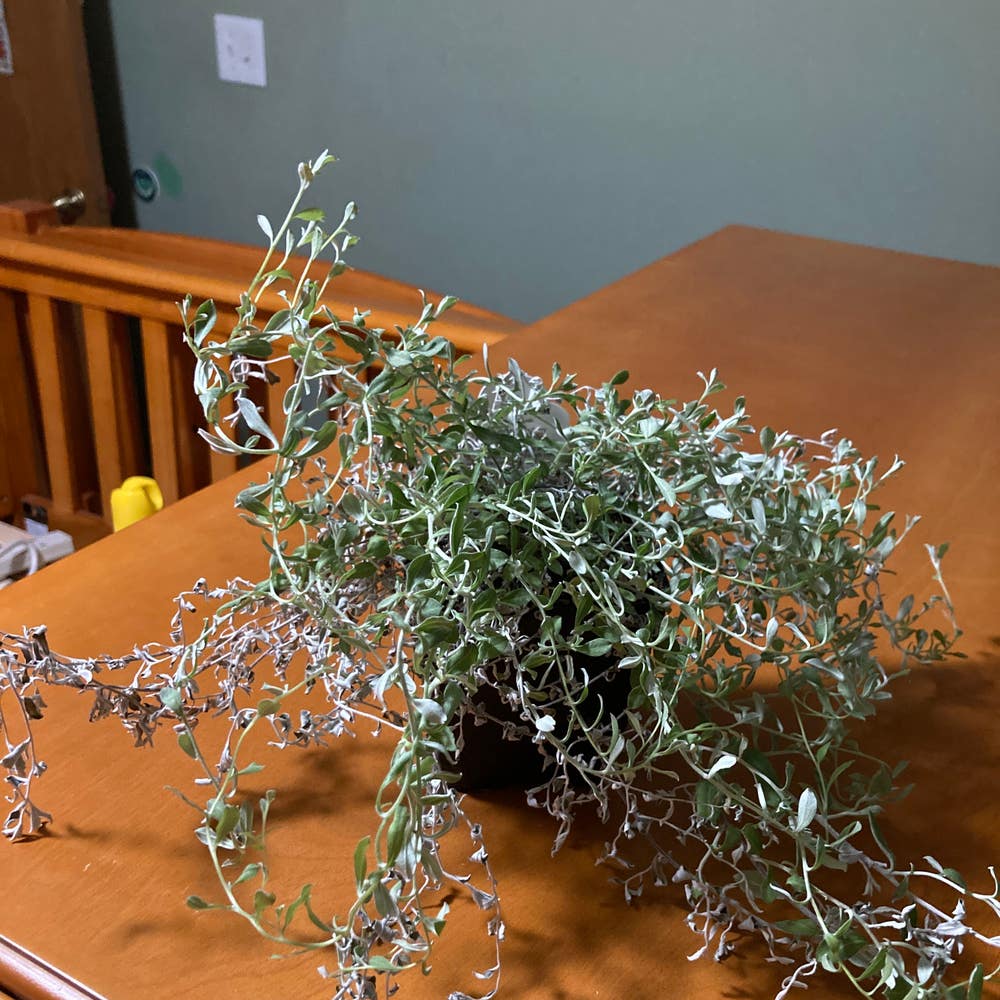
Helichrysum 'Licorice Splash' typically reaches a mature height of 12 to 18 inches. Its spread can extend up to 24 inches wide, making it a lovely addition to any garden or landscape.
Growth Rate and Size Variability 📈
This plant has a moderate growth rate, which can vary significantly based on its growing conditions. Factors like soil quality and sunlight exposure play a crucial role in determining how large your plant will ultimately grow.
Factors Affecting Size 🌍
Soil quality is vital; nutrient-rich soils encourage larger and healthier plants. Additionally, consistent watering practices ensure that the plant remains hydrated, further promoting robust growth. Helichrysum 'Licorice Splash' will help you cultivate a thriving Helichrysum 'Licorice Splash' that can truly shine in your garden. Next, let’s explore the common problems you might encounter while growing this beautiful plant.
Problems
Common Problems 🌱
Helichrysum 'Licorice Splash' can face several common issues that affect its health and growth.
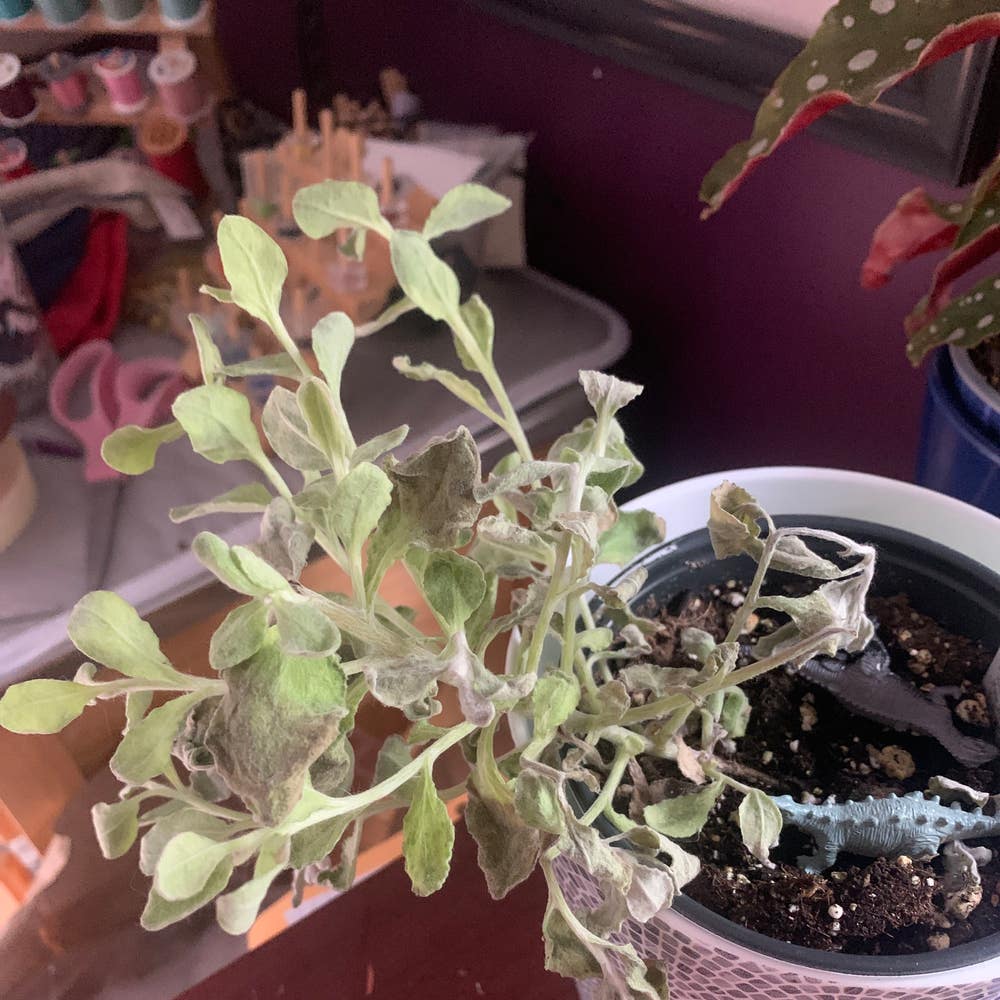
- Incorrect watering: Underwatering leads to wilting, while overwatering causes yellowing leaves.
- Incorrect light conditions: If your plant is leggy, it’s a sign it’s not getting enough light.
- Incorrect temperature: Cold temperatures can stunt growth, so keep your plant warm.
- Diseases: Be on the lookout for powdery mildew and root rot, which can be detrimental.
- Leaf issues: Scorching or yellowing leaves often indicate nutrient deficiencies.
Identifying Symptoms and Causes 🔍
Recognizing the signs of distress is crucial for timely intervention.
Look for wilting, yellowing, or leggy growth to diagnose watering and light issues.
Cold temperatures can be identified by stunted growth, while diseases often present as unusual spots or mold on leaves.
Solutions for Each Problem 🛠️
Addressing these problems requires a proactive approach.
- Adjust watering practices: Ensure you’re watering correctly—allow the soil to dry out between waterings.
- Improve light exposure: Move your plant to a sunnier spot if it’s leggy.
- Treat diseases: Use appropriate fungicides to combat powdery mildew and root rot.
By staying vigilant and responsive, you can keep your Helichrysum 'Licorice Splash' thriving. Next, let’s explore potential pest issues that may arise.
Bugs
🐛 Potential Pest Issues
Helichrysum 'Licorice Splash' is generally pest-resistant, making it a favorite among gardeners. However, it can still fall victim to a few pesky invaders.
🔍 Identification and Damage
- Spider Mites: Look for fine webbing on the leaves and stippled damage, which indicates these tiny pests are at work.
- Mealybugs: These appear as cotton-like masses on stems and leaves, sucking the sap and weakening your plant.
- Aphids: Small and green, these insects cause leaf curling and can quickly multiply if not addressed.
🧪 Treatment Options
To combat these pests, consider using neem oil or insecticidal soap, both of which are effective and eco-friendly. You can also introduce beneficial insects like ladybugs, which will help keep pest populations in checHelichrysum 'Licorice Splash'lant and addressing any pest issues promptly, you can ensure your Helichrysum 'Licorice Splash' thrives beautifully. Next, let’s explore what animals might be interested in snacking on your plants.
What Eats
🦌 Common Animals
Helichrysum 'Licorice Splash' can attract a few common garden pests.
- Deer: Look for signs like chewed leaves and broken stems.
- Rabbits: They often nibble on the lower foliage, leaving telltale signs of their presence.
- Squirrels: These critters may dig around the base of the plant, causing disruption.
👀 Signs of Animal Presence
Identifying animal activity is crucial for protecting your plants.
Keep an eye out for tracks, droppings, and any damaged foliage that could indicate unwanted visitors.
🚫 Deterrent Methods
Preventing damage from theseHelichrysum 'Licorice Splash'rd.
- Chemical repellents: These can deter deer and rabbits effectively.
- Physical barriers: Consider using fencing or netting to keep pests at bay.
By employing these strategies, you can safeguard your Helichrysum 'Licorice Splash' and enjoy its beauty without the worry of animal interference.
Toxicity to Humans
Helichrysum 'Licorice Splash' is generally considered safe for humans, as it is not listed as toxic by major poison control centers. However, it's wise to be cautious; excessive contact or ingestion can lead to minor issues like mild skin irritation or digestive discomfort.
If you experience any unusual symptoms after handling or consuming the plant, it's best to seek medical advice. Staying informed and cautious can help you enjoy your gardening experience without worry.
Toxicity to Dogs
Helichrysum 'Licorice Splash' is safe for dogs, as confirmed by pet poison control centers. This means you can enjoy this beautiful plant without worrying about your furry friends getting sick.
However, if your dog consumes a large amount, it may experience minor gastrointestinal upset. It's always a good idea to monitor your dog's behavior around the plant and place it out of reach to prevent any potential nibbling.
In summary, while Helichrysum 'Licorice Splash' poses no significant toxicity risk to dogs, keeping an eye on their interactions with the plant is wise. This way, you can ensure a harmonious garden environment for both your plants and pets.
Next, let’s explore the plant's toxicity to cats, as it's important to know how Helichrysum 'Licorice Splash' affects our feline friends too.
Toxicity to Cats
Helichrysum 'Licorice Splash' is safe for your feline friends, as it is not classified as toxic by major pet poison control centers.
However, if a cat consumes too much of the plant, it may experience mild gastrointestinal upset.
🛡️ Precautionary Measures
To keep your curious kitty safe, position the plant in areas that are out of reach.
It's also wise to monitor your cat's behavior around the plant to ensure they don't nibble on it excessively.
By taking these simple steps, you can enjoy the beauty of Helichrysum 'Licorice Splash' without worrying about your furry companion's health.
Next, let’s explore how this plant interacts with dogs and what you need to know about its safety for them.
⚠️ Safety First
This content is for general information and may contain errors, omissions, or outdated details. It is not medical, veterinary advice, or an endorsement of therapeutic claims.
Always consult a qualified healthcare professional before using any plant as food, medicine, or supplement.
Never eat any plant (or feed one to pets) without confirming its identity with at least two trusted sources.
If you suspect poisoning, call Poison Control (800) 222-1222, the Pet Poison Helpline (800) 213-6680, or your local emergency service immediately.
Spotted an error? Please report it here.
Grow your Helichrysum 'Licorice Splash' flourishingly 🌱 with Greg's tailored care reminders and expert tips to keep your plant thriving all season long!