🌵 Everything You Need to Know About Grant's Cholla
Cylindropuntia x grantiorum
By the Greg Editorial Team
Feb 18, 2025•11 min read
This article was created with the help of AI so we can cover more plants for you. May contain errors. See one? Report it here.
Elevate your garden with Grant's Cholla 🌵, a stunning cactus that thrives on minimal care and adds unique charm!
- 🌞 Grant's Cholla thrives in full sun for at least six hours daily.
- 🌱 Ideal soil is sandy or rocky with a pH of 6.0 to 7.0.
- 💧 Water infrequently; let soil dry completely between waterings to prevent root rot.
How to Grow Grant's Cholla
🌞 Choosing a Location
To successfully grow Grant's Cholla, start by selecting a location that receives full sun exposure for at least six hours daily. It's also crucial to protect the plant from heavy rainfall and frost, which can hinder its growth.
🌱 Soil Preparation
Grant's Cholla thrives in well-draining sandy or rocky soil. Aim for a pH level between 6.0 and 7.0, which is slightly acidic to neutral, to create the ideal growing environment.
🌿 Planting Techniques
When planting, ensure seeds or cuttings are placed 2-3 inches deep. For outdoor planting, maintain a spacing of 3-4 feet apart to allow for healthy growth and airflow.
💧 Watering Requirements
Watering should be infrequent; allow the soil to dry completely between waterings. During winter months, reduce watering to prevent over-saturation.
🌼 Fertilizing Tips
Feed your Grant's Cholla lightly with a cactus-specific fertilizer during the growing season, which spans spring and summer. Look for a low nitrogen, balanced NPK ratio of 10-10-10 to support healthy development.
✂️ Pruning Methods
Pruning is minimal for Grant's Cholla. Simply remove any dead or damaged segments as needed, using clean, sharp pruning shears to prevent infection.
🌍 Ongoing Care for Outdoor and Container Growing
For container care, ensure pots have drainage holes and use a cactus mix soil to promote healthy root growth. If growing outdoors, keep an eye out for pests and diseases, and consider adding occasional mulch to retain moisture.
With these guidelines, you'll be well on your way to cultivating a thriving Grant's Cholla that adds beauty and resilience to your landscape. Next, let's explore the fascinating world of propagation techniques for this remarkable plant.
Propagation
🌱 Methods of Propagation
Grant's Cholla can be propagated through two primary methods: seeds and cuttings. Both techniques are straightforward and can yield healthy new plants.
📋 Step-by-Step Propagation Instructions
For Seeds:
- Soak seeds: Begin by soaking the seeds in water for 24 hours before planting. This helps to soften the seed coat and encourages germination.
- Sow seeds: Plant the seeds about 1/4 inch deep in a well-draining cactus mix. This depth provides the right environment for growth.
- Moisture maintenance: Keep the soil consistently moist until germination occurs, which typically takes 2-4 weeks. Be careful not to overwater, as this can lead to rot.
For Cuttings:
- Select segments: Choose healthy segments that are 4-6 inches long from a mature plant. Ensure the segments are free from disease or damage.
- Callousing: Allow the cuttings to callous for 1-2 days before planting. This step is crucial as it helps prevent rot when the cuttings are placed in soil.
- Planting: Place the calloused cuttings in well-draining soil and water sparingly until they establish roots. Overwatering can hinder their growth.
With these methods, you can easily expand your collection of Grant's Cholla. Propagation not only enhances your garden but also deepens your connection to these resilient plants.
Next, let’s explore the lifecycle of Grant's Cholla and understand how it grows and develops over time.
Lifecycle
Lifecycle Stages 🌱
Understanding the lifecycle of Grant's Cholla is essential for successful cultivation. It begins with germination, which takes about 2-4 weeks under optimal conditions.
Next, the seedling stage lasts for 4-6 weeks after germination. During this time, the plant establishes its roots and begins to grow.
As spring and summer roll in, Grant's Cholla enters the vegetative growth phase, where it experiences rapid growth. This is the time to appreciate its vibrant transformation.
Flowering typically occurs in late spring to early summer, showcasing beautiful blooms that attract pollinators. After flowering, the plant produces seeds within its fruit, completing the cycle.
Lifespan and Growth Timeline ⏳
Grant's Cholla can live an impressive 20-30 years when grown in ideal conditions. This longevity makes it a valuable addition to any garden.
It takes approximately 3-5 years for the plant to reach maturity. During this time, patience pays off as you witness its growth and beauty flourish.
With a solid understanding of its lifecycle, you're better equipped to nurture Grant's Cholla effectively. Next, let’s explore its size and growth habits to further enhance your gardening knowledge.
Size
Mature Height and Spread 🌵
Grant's Cholla typically reaches a mature height of 3 to 5 feet. Its spread can range from 2 to 4 feet wide, making it a striking addition to any landscape.
Growth Habits and Rate 📈
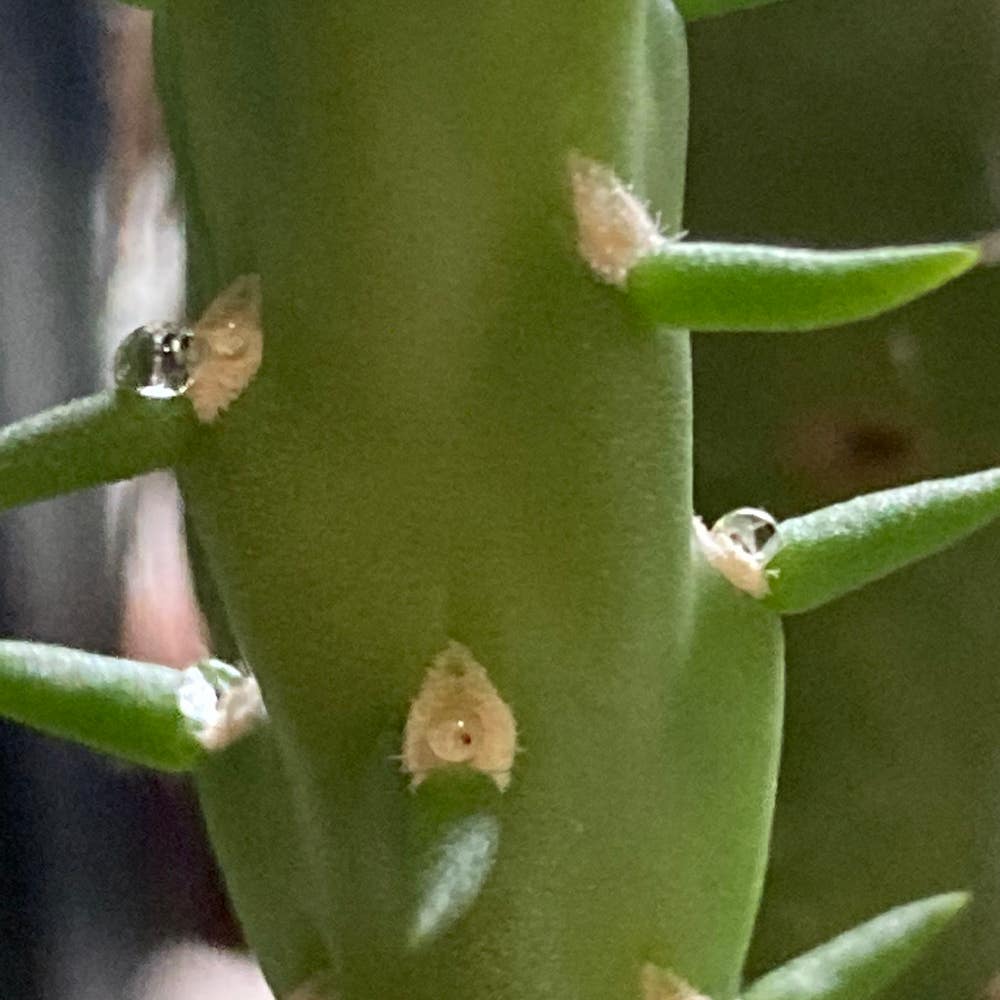
This cactus exhibits an upright growth habit with cylindrical segments. Its growth rate is moderate, largely influenced by environmental conditions such as sunlight and water availability.
Size Variability Based on Conditions ⚖️
The size of Grant's Cholla can vary significantly based on several factors. Soil quality, water availability, and sunlight exposure all play crucial roles in determining how large this resilient plant can grow.
Understanding these aspects of size can help you create the ideal environment for your Grant's Cholla. With the right care, you can enjoy its unique beauty for years to come.
Next, let’s explore the fascinating lifecycle of Grant's Cholla and what to expect as it matures.
Roots
Root System Characteristics 🌱
Grant's Cholla features a fibrous root system complemented by a taproot. This combination allows the plant to reach depths of up to 2 feet and spread laterally as much as 3 feet.
Common Root-Related Issues ⚠️
One of the most common problems is root rot, which stems from overwatering. Symptoms include mushy roots and wilting, signaling that the plant is in distress.
Identifying Healthy vs. Unhealthy Roots 🔍
Healthy roots are typically firm and exhibit a white or light tan color. In contrast, unhealthy roots appear dark, mushy, or may even emit a foul smell.
Recognizing and Addressing Rootbound Conditions 🪴
If you notice roots growing out of drainage holes or circling the pot, your plant may be rootbound. The best solutions are to repot the cholla into a larger container or prune the roots to stimulate new growth.
Understanding the root system and its health is crucial for the overall well-being of Grant's Cholla. Proper care can prevent many issues and ensure your plant thrives.
Next, let's explore the benefits of growing Grant's Cholla and why it deserves a spot in your garden.
Companion Plants
🌱 Concept of Companion Planting
Companion planting is a gardening strategy that enhances diversity and promotes healthy growth among plants. By selecting the right companions, you can create a thriving ecosystem that benefits all species involved.
🌼 Best Companion Plants for Grant's Cholla
When growing Grant's Cholla, consider these excellent companions:
Agave
Agave plants share similar care needs and thrive in dry conditions, making them perfect partners for Grant's Cholla.
Desert Marigold
This vibrant flower attracts beneficial insects, enhancing pollination and adding visual appeal to your garden.
Yucca
Yucca plants have comparable environmental requirements and are resistant to pests, making them ideal companions for your cholla.
🚫 Plants to Avoid Near Grant's Cholla
While many plants can thrive alongside Grant's Cholla, it's best to avoid heavy feeders. These species require high moisture or nutrient levels, which can compete with the cholla's needs and hinder its growth.
By carefully selecting companion plants, you can create a harmonious garden that supports the health and vitality of Grant's Cholla. This thoughtful approach not only enhances your garden's aesthetics but also fosters a balanced ecosystem.
Next, let's explore the fascinating topic of Grant's Cholla's toxicity to humans.
Toxicity to Humans
Safety of Grant's Cholla for Humans 🌱
Grant's Cholla is generally safe for humans, as it is not listed as toxic by major poison control centers and health organizations. However, consuming large quantities may lead to mild skin irritation or minor digestive discomfort.
Cautionary Advice ⚠️
Even though it's considered safe, it's wise to exercise caution. If you experience any unusual symptoms after contact or ingestion, seek medical advice promptly.
This knowledge can help you enjoy your gardening experience with peace of mind, knowing that Grant's Cholla is a low-risk addition to your plant collection. Next, let's explore the safety of Grant's Cholla for our furry friends, including dogs and cats.
Edible
Edible Parts of Grant's Cholla 🌵
Grant's Cholla offers delicious young pads and vibrant flowers that are safe to eat. Just remember to remove the spines before enjoying these unique treats.
Identification, Harvesting, and Preparation 🌱
The best time to harvest young pads is in spring. After collecting them, simply remove the spines and prepare them by cooking or grilling for a delightful addition to your meals.
Nutritional Value and Health Benefits 🥗
These edible parts are not just tasty; they are also packed with vitamins and minerals. Consuming them may aid digestion and provide hydration, making them a nutritious choice.
Traditional or Cultural Uses 🍽️
Indigenous peoples have long valued Grant's Cholla in their culinary traditions. It's often featured in traditional dishes, such as stews or salads, showcasing its versatility and cultural significance.
This fascinating plant not only enriches your garden but also your plate. Next, let’s explore the safety of Grant's Cholla for pets, ensuring a harmonious home for both plants and animals.
Toxicity to Dogs
Safety of Grant's Cholla for Dogs 🐶
Grant's Cholla is generally safe for dogs, as it is not listed as toxic by major pet poison control centers and veterinary organizations. However, if consumed in large quantities, it may cause mild gastrointestinal upset.
Tips for Introducing Grant's Cholla to Homes with Dogs 🏡
To keep your furry friends safe, place Grant's Cholla out of their reach and monitor their behavior around the plant. While it's considered safe, it's always wise to keep an eye on pets near any plants and consult a veterinarian if you notice any unusual symptoms.
This knowledge allows you to enjoy the beauty of Grant's Cholla while ensuring your dog's well-being. Next, let’s explore how this unique plant interacts with our feline companions.
Toxicity to Cats
Safety of Grant's Cholla for Cats 🐱
Grant's Cholla is not considered toxic by major pet poison control centers and veterinary organizations. However, if consumed in large quantities, it may cause mild gastrointestinal upset.
Tips for Introducing Grant's Cholla to Homes with Cats 🏡
To keep your feline friends safe, place Grant's Cholla out of their reach and observe their behavior around the plant. While it's generally safe, it's wise to monitor your pets and consult a veterinarian if you notice any unusual symptoms after contact or ingestion.
By taking these precautions, you can enjoy the beauty of Grant's Cholla while ensuring your cats remain healthy and happy.
Bugs
🐜 Potential Pest Issues for Grant's Cholla
While Grant's Cholla is generally pest-resistant, it can still fall victim to a few pesky invaders. Keeping an eye out for these pests can help maintain the health of your plant.
🔍 Identification and Damage Caused by Pests
Spider Mites
These tiny pests leave fine webbing on the plant and cause stippled leaves. Their presence can lead to reduced vigor, making your cholla look less than its best.
Mealybugs
Look for cotton-like masses on the stems; these bugs can stunt growth significantly. Their sticky residue can also attract other pests, compounding the problem.
Aphids
These small green insects can be a nuisance, causing yellowing leaves and distorted growth. They reproduce quickly, so early detection is key to preventing an infestation.
🛠️ Treatment Options for Pest Control
Neem Oil
This natural pesticide is effective against a variety of pests. Simply apply it as needed to keep your Grant's Cholla safe from harm.
Insecticidal Soap
Targeting soft-bodied insects, insecticidal soap can be sprayed directly on affected areas. This method is both effective and safe for your plant.
By staying vigilant and employing these treatments, you can protect your Grant's Cholla from unwanted pests and ensure it thrives in your garden. Next, let’s explore what animals might be interested in snacking on your cholla.
What Eats Grant's Cholla
🦌 Common Animals That May Damage Grant's Cholla
Grant's Cholla can attract a variety of hungry critters.
- Deer: Look for chewed segments and missing pads as signs of their presence.
- Rabbits: Nibbled edges and absent flowers indicate these furry foragers have been around.
- Squirrels: Digging around the base and chewed stems are telltale signs of squirrel activity.
👀 Signs of Animal Presence and Damage
Identifying animal damage is crucial for protecting your cholla.
Keep an eye out for:
- Chewed leaves or segments
- Tracks around the plant
- Droppings nearby
These signs can help you determine which animal is causing the trouble.
🚫 Deterrent Methods for Protecting Grant's Cholla
Preventing damage to your Grant's Cholla is essential for its health.
- Fencing: Installing barriers can effectively keep larger animals like deer at bay.
- Repellents: Consider using commercial or homemade sprays to deter herbivores from munching on your plants.
By taking these steps, you can help ensure your cholla thrives without unwanted visitors.
⚠️ Safety First
This content is for general information and may contain errors, omissions, or outdated details. It is not medical, veterinary advice, or an endorsement of therapeutic claims.
Always consult a qualified healthcare professional before using any plant as food, medicine, or supplement.
Never eat any plant (or feed one to pets) without confirming its identity with at least two trusted sources.
If you suspect poisoning, call Poison Control (800) 222-1222, the Pet Poison Helpline (800) 213-6680, or your local emergency service immediately.
Spotted an error? Please report it here.
Cultivating Grant's Cholla successfully 🌵 is easy with Greg's tailored care reminders and expert tips, ensuring your cactus thrives beautifully for years to come!