☂️ Giant Umbrella Sedge Explained: Key Information
Cyperus ustulatus
By the Greg Editorial Team
Jan 23, 2025•11 min read
This article was created with the help of AI so we can cover more plants for you. May contain errors. See one? Report it here.
- 🌞💧 Giant Umbrella Sedge thrives in moist, well-drained soils with full sun to partial shade.
- 🌱 Fertilize in spring and summer for optimal growth; prune in late winter for shape.
- 🐾 Generally safe for pets, but large quantities may cause mild gastrointestinal upset.
How to Grow
🌞 Choosing the Right Location
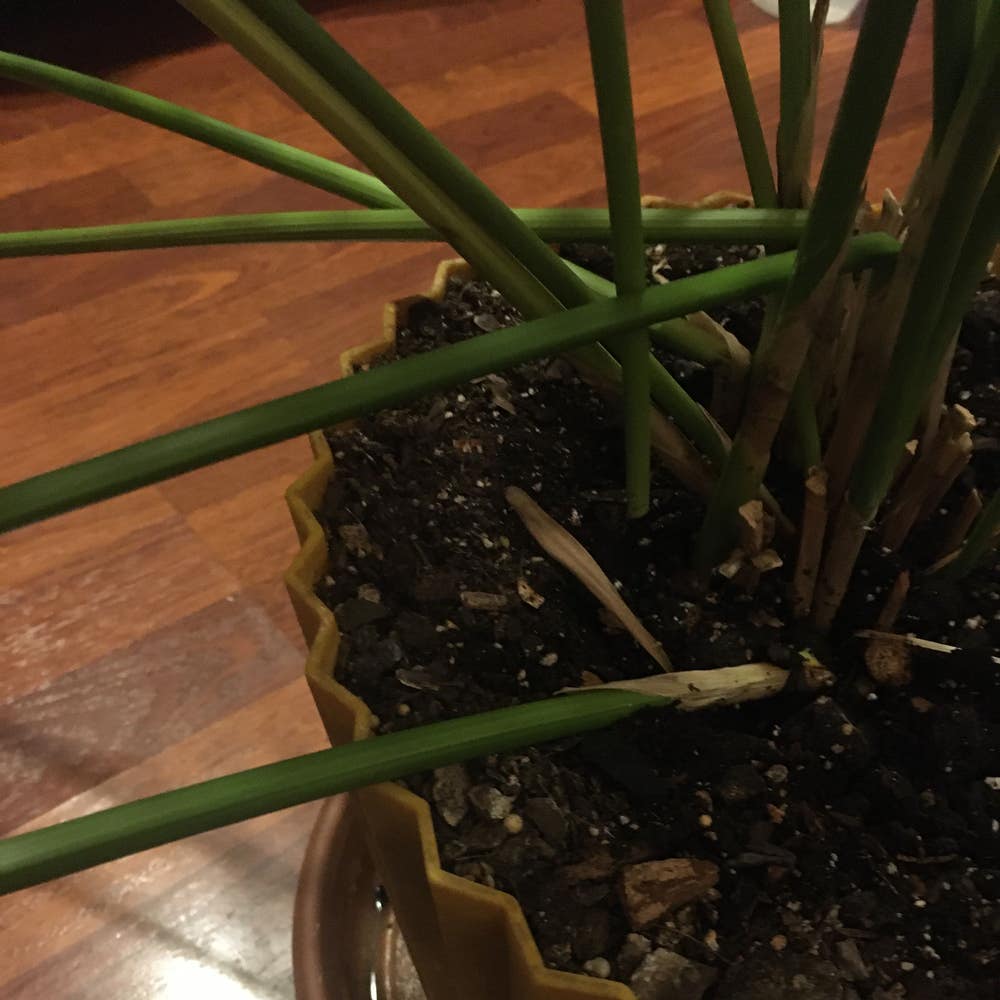
To thrive, Giant Umbrella Sedge prefers full sun to partial shade. Additionally, positioning it near water sources helps retain moisture, which is crucial for its growth.
🌱 Soil Preparation and Amendments
This plant flourishes in moist, well-drained soils with a pH range of 6.0 to 7.5. Incorporating organic matter enhances drainage and fertility, setting the stage for robust growth.
🌿 Planting Techniques and Spacing
When planting, aim for a depth of 2-3 inches. Space the plants 18-24 inches apart to allow for optimal growth and airflow.
💧 Watering Requirements and Frequency
Keep the soil consistently moist, especially during dry spells. Be vigilant for signs of overwatering, like yellowing leaves, or underwatering, indicated by dry, crispy foliage.
🌼 Fertilizing Schedule and Types of Fertilizers
Fertilize in early spring and mid-summer to support healthy growth. A balanced NPK fertilizer or organic options work best for this plant.
✂️ Pruning and Maintenance Practices
Prune during late winter to early spring to maintain shape and health. Regular maintenance ensures your Giant Umbrella Sedge remains vibrant and lush.
🪴 Container Growing Considerations
If growing in containers, choose pots that are at least 5 gallons in size. Ensure they have drainage holes and use appropriate soil to promote healthy root development.
With these guidelines, you’re well on your way to cultivating a thriving Giant Umbrella Sedge. Next, let’s explore how to propagate this beautiful plant effectively.
Propagation
Division Method 🌱
The best time to divide your Giant Umbrella Sedge is in early spring or fall. This ensures the plant can recover quickly and thrive in its new location.
To successfully divide the plant, follow these steps:
- Dig up the clump carefully to avoid damaging the roots.
- Separate the clump into sections, ensuring each has roots attached.
- Replant the sections immediately to minimize stress.
Seed Propagation Method 🌼
For seed propagation, collect seeds after the flowering period. Timing is crucial to ensure you gather viable seeds for the next growing season.
Germination requires warm, moist conditions. This environment helps seeds sprout effectively, leading to healthy seedlings.
Tips for Successful Propagation 🌿
Keeping the soil moist during propagation is essential. This consistency helps prevent stress on the young plants.
Additionally, monitor for pests and diseases throughout the process. Early detection can save your plants from potential harm and ensure a successful propagation experience.
With these methods, you can expand your Giant Umbrella Sedge collection and enjoy its beauty in various spots around your garden.
Lifecycle
🌱 Germination Process
Germination of Giant Umbrella Sedge seeds typically takes between 14 to 30 days. This period is crucial as it sets the foundation for healthy growth.
🌿 Seedling Development
Once germinated, seedlings begin to show their initial leaf growth and establish roots. This early development phase is vital for their future success.
🌳 Vegetative Growth Phase
The vegetative growth phase lasts about 1 to 2 years until the plants reach maturity. During this time, they focus on building a robust structure and expanding their foliage.
🌼 Flowering and Seed Production
Flowering occurs from late summer to early fall, showcasing beautiful clusters that resemble umbrellas. This is also when the plant produces seeds, ensuring its continuation.
⏳ Lifespan and Growth Rate
Giant Umbrella Sedge has an average lifespan of 3 to 5 years. With a moderate growth rate, it typically reaches full size in about 2 to 3 years, making it a relatively quick addition to your garden.
Understanding the lifecycle of Giant Umbrella Sedge helps in planning its care and maximizing its potential in your landscape. Next, we will explore the size characteristics of this fascinating plant.
Size
Mature Height and Spread 🌱
Giant Umbrella Sedge typically reaches a mature height of 3 to 5 feet, making it a striking addition to any landscape. Its spread usually ranges from 2 to 3 feet, allowing it to create a lush, full appearance.
Growth Rate and Time to Full Size ⏳
This plant has a moderate growth rate, taking approximately 2 to 3 years to reach its full size. Patience is key, as the wait will reward you with a robust and vibrant plant.
Size Variability Based on Growing Conditions 🌍
The size of Giant Umbrella Sedge can vary significantly based on several factors. Soil quality, water availability, and light exposure all play crucial roles in determining how large and healthy your plants will grow.
In optimal conditions, expect them to thrive and reach their full potential. Conversely, less-than-ideal conditions may stunt their growth, so it's essential to provide the right environment for these beauties.
With the right care, you can enjoy the impressive stature and lush foliage of Giant Umbrella Sedge in your garden. This adaptability makes it a versatile choice for various landscaping projects.
As we explore the next section, we'll delve into the roots of this fascinating plant and their significance in its overall health and growth.
Roots
🌱 Type of Root System
The Giant Umbrella Sedge features a rhizomatous root system. This means it spreads through underground stems, allowing it to establish itself in various environments.
📏 Root Depth and Spread Characteristics
Typically, the roots extend 12-18 inches deep. They can spread several feet horizontally, making them effective at anchoring the plant in moist soils.
⚠️ Common Root-Related Issues and Solutions
One common issue is root rot, which manifests as yellowing leaves and mushy roots. To combat this, improve drainage and adjust your watering practices to prevent excess moisture.
👀 Identifying Healthy vs. Unhealthy Roots
Healthy roots are firm and exhibit a white or light tan color. In contrast, unhealthy roots appear dark, mushy, or may even emit a foul smell.
🪴 Recognizing Rootbound Plants and Management Strategies
Signs of a rootbound plant include roots growing out of the drainage holes. To remedy this, consider repotting or dividing the plant to give it more space to thrive.
Understanding the root system of the Giant Umbrella Sedge is crucial for its successful growth. With proper care, you can ensure a robust and healthy plant that enhances your garden's beauty.
Benefits
🌍 Environmental Benefits
Giant Umbrella Sedge plays a crucial role in erosion control. Its robust root system stabilizes soil in wet areas, preventing runoff and promoting healthier ecosystems.
🌿 Aesthetic Appeal in Landscaping
This plant adds visual interest to any garden with its tall, arching leaves and unique flower clusters. Its striking appearance can elevate the overall design of your landscape.
🐦 Wildlife Attraction
Giant Umbrella Sedge is a haven for wildlife. It attracts birds and beneficial insects, contributing to a vibrant and dynamic garden environment.
🕊️ Cultural Significance and Symbolism
Historically, this plant has been used in traditional landscaping and water gardens. Its presence often symbolizes tranquility and natural beauty.
🏡 Practical Uses in Garden Design
Versatile in nature, Giant Umbrella Sedge fits well in various garden settings. Whether used in borders or as part of water features, it enhances both functionality and aesthetics.
With its myriad benefits, incorporating Giant Umbrella Sedge into your garden can create a thriving, beautiful space. Next, let's explore companion plants that work harmoniously with this remarkable species.
Companion Plants
🌱 Explanation of Companion Planting
Companion planting is all about creating a harmonious garden by pairing compatible species. This practice not only enhances growth but also promotes a healthier ecosystem.
🌼 Best Companion Plants
For Giant Umbrella Sedge, consider planting native wetland plants and ornamental grasses. These companions thrive under similar moisture and light conditions, making them ideal partners.
🚫 Plants to Avoid
Avoid pairing Giant Umbrella Sedge with drought-tolerant species. These plants have different water needs, which can lead to competition and stress.
🌍 Benefits of Companion Planting
Companion planting boosts biodiversity and can help reduce pest populations. By fostering a diverse plant community, you create a more resilient garden environment.
Transitioning to the next section, understanding the potential problems when growing Giant Umbrella Sedge is crucial for maintaining a thriving garden.
Toxicity to Humans
🛡️ Safety of Giant Umbrella Sedge for Humans
The Giant Umbrella Sedge is generally safe for humans, as it is not listed as toxic by major poison control centers. However, it's wise to be cautious; contact or ingestion in large amounts may lead to mild skin irritation or digestive discomfort.
Always monitor for any unusual symptoms after contact or ingestion. While serious reactions are rare, staying informed can help ensure a safe experience with this plant.
Toxicity to Dogs
🐶 Safety of Giant Umbrella Sedge for Dogs
The Giant Umbrella Sedge is not considered toxic by major pet poison control centers. This means you can enjoy this plant in your garden without worrying about severe health risks for your furry friends.
However, if your dog consumes large quantities, it may experience mild gastrointestinal upset. Symptoms could include a bit of nausea or an upset stomach, but these are generally not serious.
🏡 Tips for Introducing the Plant to Homes with Dogs
To ensure a safe environment, consider the placement of the Giant Umbrella Sedge. Position it in areas that are less accessible to your dog, especially if they are prone to munching on plants.
Monitoring your dog's behavior around the plant is crucial. If you notice any unusual interest or chewing, it might be time to rethink its location or provide alternative distractions.
This way, you can enjoy the beauty of the Giant Umbrella Sedge while keeping your canine companion safe and sound.
Toxicity to Cats
Safety of Giant Umbrella Sedge for Cats 🐱
Giant Umbrella Sedge is not considered toxic to cats by major pet poison control centers. This means you can enjoy this plant in your home or garden without worrying about serious health risks for your feline friends.
However, if consumed in large quantities, it may cause mild gastrointestinal upset. It's always a good idea to monitor your cat's behavior after introducing any new plant into your environment.
Tips for Introducing the Plant to Homes with Cats 🏡
To ensure a safe coexistence, consider placing the Giant Umbrella Sedge in areas that are less accessible to your cats. This can help minimize any potential nibbling.
Additionally, keep an eye on your cat's behavior around the plant. If you notice any unusual symptoms or excessive interest in the plant, it may be wise to relocate it or provide alternative safe plants for them to explore.
With these precautions, you can enjoy the beauty of Giant Umbrella Sedge while keeping your furry companions safe.
Problems
🌱 Common Problems Faced When Growing
Growing Giant Umbrella Sedge can be rewarding, but it comes with its share of challenges. The most common issues stem from incorrect watering, inadequate light, and temperature fluctuations.
🔍 Identifying Symptoms and Causes
Recognizing the signs of distress in your plants is crucial. Overwatering often manifests as yellowing leaves and wilting, while underwatering leads to dry, crispy leaves that signal a need for moisture.
🛠️ Solutions for Resolving Issues
To remedy these problems, start by adjusting your watering practices based on the symptoms observed. Additionally, ensure your plants receive the right amount of light and maintain a stable temperature to promote healthy growth.
By staying vigilant and responsive to your Giant Umbrella Sedge's needs, you can cultivate a thriving plant that enhances your garden's beauty. Next, let's explore the potential pest issues that could affect your sedge.
Bugs
🐛 Potential Pest Issues
Giant Umbrella Sedge can face a variety of pest issues, but it's generally resistant to many common garden pests. However, some pests can still pose a threat, so it's essential to stay vigilant.
🔍 Identification of Common Pests
Two of the most common pests to watch for are spider mites and aphids.
- Spider Mites: Look for fine webbing on the leaves, which is a telltale sign of their presence.
- Aphids: These tiny insects leave behind a sticky residue and can cause leaves to curl.
⚠️ Damage Caused by Pests and Treatment Options
Pests can cause significant damage if left unchecked. Spider mites can weaken your plant, while aphids can stunt growth and lead to further complications.
To combat these pests, consider the following effective treatments:
- Insecticidal Soap: This is a safe option that can eliminate pests without harming your plant.
- Neem Oil: A natural pesticide that disrupts the life cycle of pests.
- Beneficial Insects: Introduce ladybugs or lacewings, which feed on aphids and help keep their populations in check.
By staying proactive and using these treatments, you can maintain the health of your Giant Umbrella Sedge and enjoy its beauty in your garden. Next, let’s explore what animals might be munching on your plants.
What Eats Giant Umbrella Sedge
🦌 Common Animals That May Damage
Giant Umbrella Sedge can attract a variety of herbivores. Deer, rabbits, and squirrels are the most common culprits that may munch on this plant.
🕵️♂️ Signs of Animal Presence and Damage
Identifying animal damage is crucial for effective management. Look for signs like chewed leaves, tracks around the plant, and droppings nearby.
🚫 Deterrent Methods for Managing Animal Interactions
To protect your Giant Umbrella Sedge, consider using deterrents. Chemical repellents can be effective, but you might also explore organic methods, such as planting deterrent species nearby to keep these animals at bay.
By being proactive, you can enjoy the beauty of your Giant Umbrella Sedge while minimizing unwanted nibbling from local wildlife.
⚠️ Safety First
This content is for general information and may contain errors, omissions, or outdated details. It is not medical, veterinary advice, or an endorsement of therapeutic claims.
Always consult a qualified healthcare professional before using any plant as food, medicine, or supplement.
Never eat any plant (or feed one to pets) without confirming its identity with at least two trusted sources.
If you suspect poisoning, call Poison Control (800) 222-1222, the Pet Poison Helpline (800) 213-6680, or your local emergency service immediately.
Spotted an error? Please report it here.
Nurture your Giant Umbrella Sedge to flourish beautifully 🌱 with Greg's tailored watering alerts and expert care tips that make plant parenting a breeze!