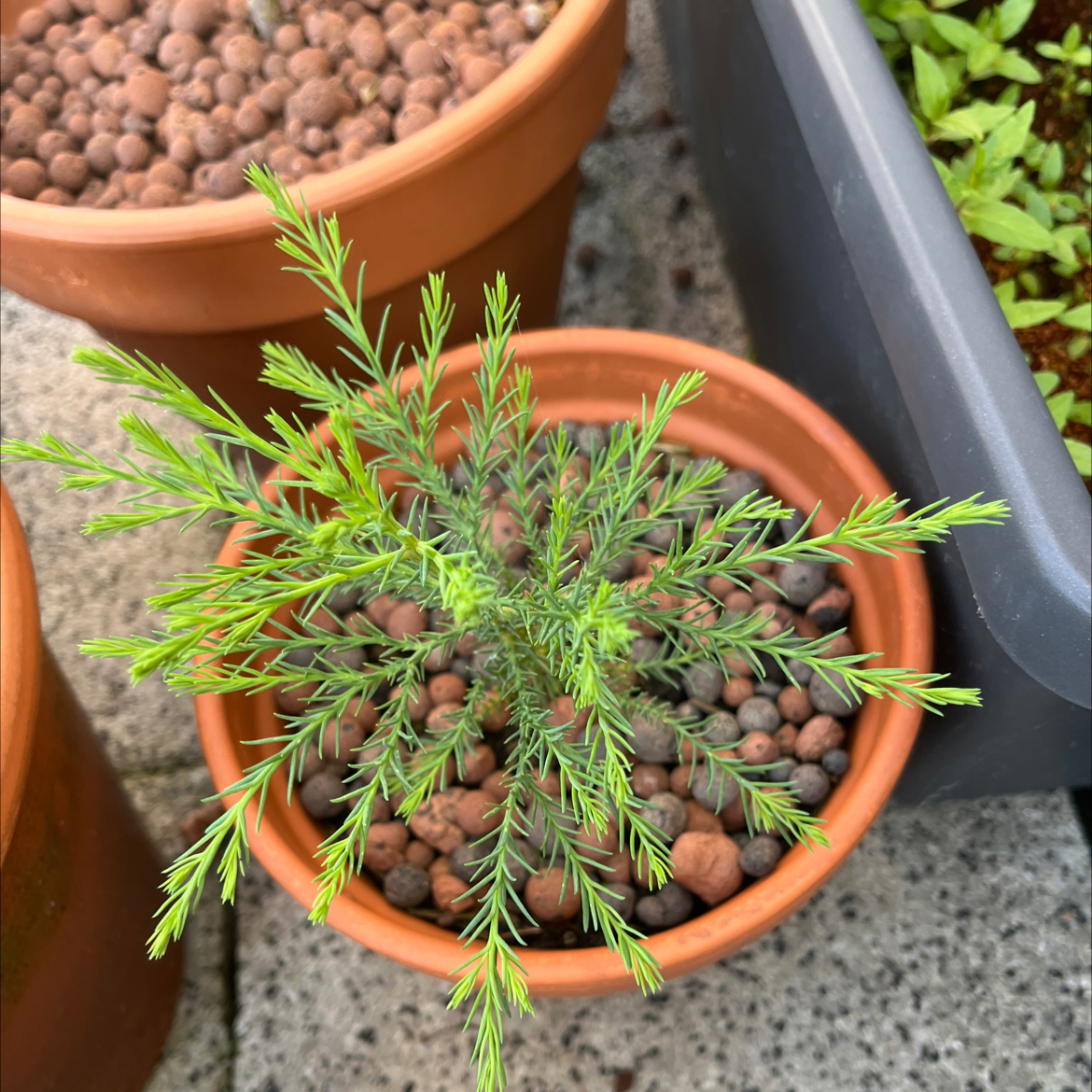
Best Soil for Giant Sequoia
What Soil Does a Giant Sequoia Need?
In the Sierra Nevada of California, Giant Sequoia grows in deep, moderately fertile, well-drained soils at elevations between 5,000 and 7,000 feet. These soils are granitic in origin, coarse-textured, and slightly acidic from centuries of decomposed needle and bark litter. Giant Sequoias develop massive, shallow lateral root systems that require oxygen-rich, well-aerated soil to function.
Giant Sequoia is an outdoor landscape tree, not a container plant. Soil preparation for planting focuses on the native garden bed rather than a potting mix. The most important characteristic is drainage — Giant Sequoias do not tolerate waterlogged soils and will decline or die if planted in poorly drained sites, despite their association with mountain snowmelt environments (where soils are coarse and drain rapidly even with abundant moisture).
In garden beds, the soil should be deep, loose, and moderately acidic. Sandy loam and loam soils are ideal. Heavy clay soils require significant amendment with compost and coarse grit to improve drainage and prevent the waterlogging that kills sequoia roots. The shallow but wide-spreading lateral root system needs aerated soil across a large area, not just in the planting hole. When preparing a site, loosen soil and incorporate compost across a wide radius, not just the immediate planting hole.
Once established, Giant Sequoias benefit from a deep layer of organic mulch (wood chips, bark, or pine needles) applied in a wide ring around the base. This mulch mimics the natural duff layer of the Sierra Nevada forest floor, moderating soil temperature, retaining moisture, and slowly enriching the soil with organic matter as it decomposes.
What Soil Preparation Does Giant Sequoia Need?

What pH Does My Giant Sequoia Need?
Giant Sequoia grows best in slightly acidic soil with a pH of 5.5–6.5, reflecting the naturally acidic conditions created by granite parent rock and decomposed conifer needle litter in its Sierra Nevada home. Test garden soil with a meter or test strips before planting — this is especially important if your site has heavy alkaline clay or a history of lime application.
Above pH 7.0, Giant Sequoias can develop iron and manganese deficiencies, showing up as yellowing between leaf veins on new growth and slow establishment. Below pH 5.0, excessive acidity can impair root function and nutrient uptake. In alkaline urban or suburban soils, sulfur applications made several weeks before planting can lower pH to the target range.
When Should I Refresh the Soil Around My Giant Sequoia?
Giant Sequoias planted in the ground do not need soil replacement, but the soil around the base benefits from annual organic matter additions. Topdressing with 2–4 inches of wood chip mulch each year (keeping mulch a few inches away from the trunk) mimics the natural forest duff layer and gradually improves soil structure and organic content.
Avoid deep cultivation around established trees — the shallow lateral roots spread widely and are easily damaged by digging. If soil compaction is a problem in high-traffic areas around the tree, aeration (using a soil aerator or chisel) without disturbing the roots is a better solution than amendment by digging.
How Do I Prepare the Planting Site for a Giant Sequoia?
Giant Sequoias develop a massive but surprisingly shallow root system that spreads wide rather than deep. They need deep, well-drained soil with good moisture retention, similar to the mountain loam of their native Sierra Nevada groves.
For clay soil, amend a wide area with compost, bark, and coarse sand to improve drainage and give roots room to spread without hitting compacted layers. Sandy soil needs generous amounts of compost and organic mulch to hold the steady moisture a young sequoia requires during establishment. Choose an open site with full sun and enough space for a tree that will eventually become enormous.
Got More Questions?
About This Article
