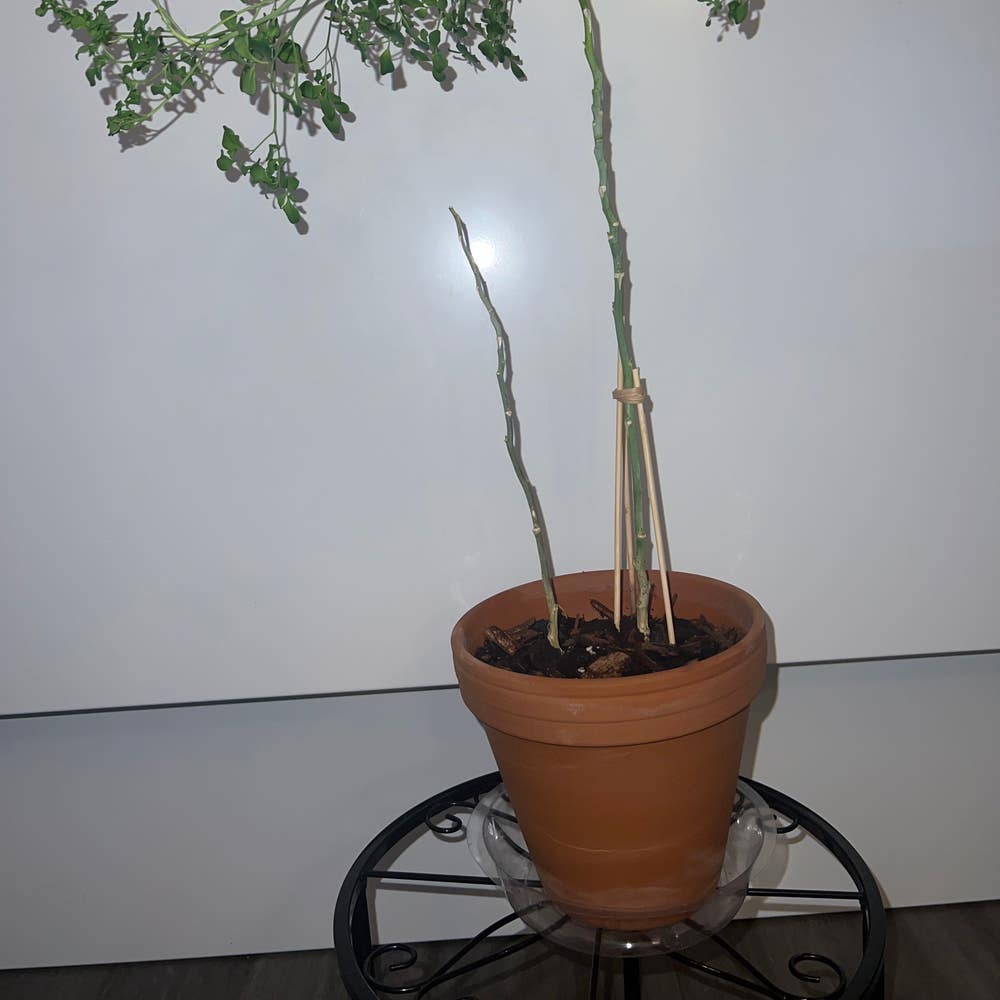
Understanding Fringed Rue: The Basics
Ruta chalepensis
By the Greg Editorial Team
Jan 10, 2025•12 min read
This article was created with the help of AI so we can cover more plants for you. May contain errors. See one? Report it here.
Elevate your garden's beauty and biodiversity 🌿 with Fringed Rue, the perfect shade-loving plant! 🐝
- 🌳 Fringed Rue thrives in shade, perfect for those tricky garden spots!
- 💧 Keep soil consistently moist but avoid waterlogging to prevent root rot.
- ⚠️ Fringed Rue is toxic; handle with care to avoid poisoning symptoms.
How to Grow
Choosing a Location 🌳
Fringed Rue thrives in partial to full shade, making it perfect for those shadier spots in your garden. Moist environments are crucial, as the right location significantly impacts its growth and overall health.
Soil Preparation 🏞️
For optimal growth, aim for well-drained soil rich in organic matter. A slightly acidic to neutral pH level, between 6.0 and 7.0, will help your Fringed Rue flourish.
Planting Techniques 🌱
The best time to plant Fringed Rue is in early spring or fall. Ensure you space the plants 12-18 inches apart to allow for adequate air circulation.
Watering Requirements 💧
Consistent moisture is key; keep the soil evenly moist but avoid waterlogging. Adjust your watering schedule based on the weather conditions to maintain the right balance.
Fertilizing Guidelines 🌿
Light feeding in early spring is recommended to kickstart growth. A balanced organic fertilizer will provide the nutrients your plants need without overwhelming them.
Pruning and Ongoing Care ✂️
Regularly prune by removing dead or damaged leaves to encourage new growth. Keep an eye out for pests and diseases, as ongoing care is essential for a healthy plant.
Outdoor vs. Container Growing 🏡
Container growing is ideal for limited spaces, but ensure proper drainage to prevent root issues. Outdoor growing allows Fringed Rue to benefit from natural conditions, enhancing its growth potential.
With these guidelines in mind, you're well on your way to successfully cultivating Fringed Rue. Next, let's explore the various propagation methods to expand your garden even further!
Propagation
🌱 Seed Propagation Methods
To propagate Fringed Rue from seeds, start by collecting them when they are fully mature. Sow the seeds at a depth of 1/4 inch in well-drained soil to ensure optimal germination.
✂️ Division of Established Plants
Dividing established plants is best done in early spring or fall. Carefully separate the roots and replant them to encourage new growth and maintain plant health.
🌿 Cuttings and Their Care
For cuttings, select healthy stems that are 4-6 inches long. Use a rooting medium that combines peat and perlite for the best results, providing a nurturing environment for the cuttings to thrive.
This propagation knowledge sets the stage for understanding the lifecycle of Fringed Rue, where we’ll explore its growth stages and development.
Lifecycle
Lifecycle Stages 🌱
Fringed Rue is primarily a perennial plant, meaning it lives for multiple years. Its lifecycle includes several key stages: seed germination, seedling development, vegetative growth, flowering, and seed production.
Germination Process 🌱
The germination process for Fringed Rue typically takes between 14 to 30 days under optimal conditions. For best results, maintain a temperature range of 65-75°F (18-24°C) during this period.
Seedling Development 🌱
Healthy seedlings are characterized by strong stems and vibrant leaves. These indicators signal that the plant is thriving and ready to progress to the next growth stage.
Flowering and Seed Production 🌼
Fringed Rue usually flowers from late spring to early summer. After the flowering phase, seeds mature in pods, ready for collection and propagation.
Lifespan and Growth Rate ⏳
The overall lifespan of Fringed Rue ranges from 3 to 5 years. It has a moderate growth rate, typically reaching maturity within 2 to 3 years, depending on environmental conditions.
This lifecycle understanding is crucial for successful cultivation and care of Fringed Rue, ensuring you can enjoy its beauty and benefits for years to come. Next, let's explore the size of this fascinating plant.
Size
Mature Height and Spread 🌱
Fringed Rue typically reaches a height of 2 to 4 feet, making it a striking addition to any garden. Its spread ranges from 1 to 2 feet wide, allowing for a lush, full appearance without overwhelming nearby plants.
Growth Rate and Time to Full Size ⏳
This perennial takes about 2 to 3 years to reach its full size. Several factors influence its growth rate, including soil quality, moisture levels, and light conditions, so providing optimal care can enhance its development.
Understanding these size characteristics helps you plan your garden layout effectively. With the right conditions, Fringed Rue can thrive and become a beautiful focal point in your landscape.
Next, let's explore the fascinating lifecycle of Fringed Rue and how it develops from seed to maturity.
Roots
🌱 Root System Characteristics
Fringed Rue features a fibrous root system that plays a crucial role in its growth. These roots are typically shallow but spread extensively, allowing the plant to absorb moisture and nutrients efficiently.
🚫 Common Root-Related Issues
One of the most common problems with Fringed Rue is root rot, which occurs due to overwatering. Signs of root rot include wilting leaves and yellowing foliage, indicating that the roots are struggling to function properly.
🔍 Identifying Healthy vs. Unhealthy Roots
Healthy roots are firm and white, signaling that the plant is thriving. In contrast, unhealthy roots appear dark, mushy, or may even emit a foul smell, which is a clear indication that something is wrong.
🪴 Recognizing Rootbound Plants and Solutions
If you notice roots growing out of the drainage holes of your pot, your plant may be rootbound. The best solution is to repot the plant into a larger container, giving it more space to grow and flourish.
Understanding the root system of Fringed Rue is essential for its care and maintenance. By keeping an eye on root health, you can ensure your plant remains vibrant and healthy. Next, let’s explore the benefits of growing Fringed Rue in your garden.
Benefits
Fringed Rue offers a multitude of benefits that make it a fantastic addition to any garden. Here are five compelling reasons to consider growing this unique plant.
🌼 Aesthetic Appeal
The unique foliage and delicate flowers of Fringed Rue can significantly enhance your garden's beauty. Its striking appearance adds texture and interest, making it a visual delight.
🐝 Attracts Pollinators
This plant is a magnet for pollinators, including bees and butterflies. By planting Fringed Rue, you contribute to the health of local ecosystems and support biodiversity.
📜 Cultural Significance
Fringed Rue has a rich history in traditional medicine, particularly among indigenous peoples. Its use in herbal remedies highlights its cultural importance and connection to nature.
🌱 Low Maintenance
Once established, Fringed Rue requires minimal care. Its resilience makes it an excellent choice for gardeners looking for low-maintenance options.
🌍 Biodiversity
Adding Fringed Rue to your garden promotes biodiversity. This plant supports various wildlife and contributes to a balanced ecosystem, enriching your outdoor space.
Incorporating Fringed Rue into your garden not only beautifies your surroundings but also fosters a thriving environment for both plants and wildlife. Next, let’s explore the concept of companion planting and how it can further enhance your gardening experience.
Companion Plants
🌱 Concept of Companion Planting
Companion planting is a gardening strategy that pairs plants to enhance growth, improve pest management, and boost overall garden diversity. By selecting the right companions, you can create a thriving ecosystem that benefits all plants involved.
🌼 Best Companion Plants
When growing Fringed Rue, consider pairing it with hostas, ferns, and astilbes. These plants share similar moisture and light requirements, making them ideal companions that can coexist harmoniously in your garden.
🚫 Plants to Avoid
It's best to steer clear of heavy feeders or aggressive plants that compete for nutrients. Such plants can hinder the growth of Fringed Rue, leading to an unbalanced garden environment.
By understanding companion planting, you can cultivate a more resilient garden. This knowledge not only enhances the health of your Fringed Rue but also contributes to a vibrant and diverse ecosystem.
Toxicity to Humans
💀 Toxic Parts
Fringed Rue contains alkaloids, which are toxic compounds found in its leaves and stems. These substances can pose health risks if ingested or improperly handled.
🤢 Symptoms of Poisoning
Exposure to Fringed Rue can lead to several unpleasant symptoms. Common reactions include nausea, vomiting, diarrhea, and dizziness.
🚪 Routes of Exposure
There are multiple ways to come into contact with these toxic compounds. Ingestion, skin contact, and inhalation of smoke from burning the plant are all potential routes of exposure.
🚑 When to Seek Medical Care
If you experience symptoms after exposure to Fringed Rue, it's crucial to seek medical attention immediately. Prompt care can help mitigate any adverse effects and ensure your safety.
Understanding the toxicity of Fringed Rue is essential for safe gardening and plant handling. Always exercise caution and educate others about the potential risks associated with this plant.
Edible
🍽️ Edible Parts
Fringed Rue offers delightful culinary potential, particularly in its young leaves and shoots. Remember to enjoy these in moderation, as they can be potent.
🌱 Identification and Harvesting Techniques
When harvesting, focus on selecting young, tender leaves for the best flavor. Avoid older parts, as they can be tougher and less palatable.
🥗 Nutritional Value
These young leaves are not just tasty; they are also packed with nutritional benefits. They provide essential vitamins A and C, along with antioxidants that support overall health.
⚠️ Food Safety Considerations
Before diving into your culinary adventure, ensure you can accurately identify Fringed Rue. Proper identification is crucial to avoid any adverse effects from consuming the wrong plant parts.
As you explore the edible aspects of Fringed Rue, keep in mind the importance of safety and moderation. This plant can be a unique addition to your diet, enhancing both flavor and nutrition. Next, let’s delve into the potential toxicity of Fringed Rue, particularly concerning pets.
Toxicity to Dogs
Toxic Parts 🐶
Fringed Rue contains alkaloids that are toxic to dogs, similar to those found in humans. It's crucial to be aware of these components to prevent accidental ingestion.
Symptoms of Poisoning 🤢
If a dog consumes Fringed Rue, symptoms may include drooling, vomiting, and weakness. These signs can indicate a serious reaction, so monitoring your pet is essential.
Prevention Measures 🛡️
To keep your furry friends safe, supervise their outdoor time and consider removing Fringed Rue from your garden. Taking these precautions can help prevent any unfortunate incidents.
Being proactive about your dog's safety ensures a happy and healthy environment for both pets and plants. If you suspect your dog has ingested any part of the plant, don't hesitate to consult a veterinarian for guidance.
Toxicity to Cats
⚠️ Toxic Parts
Fringed Rue contains alkaloids that can be harmful to cats. These toxic components are primarily found in the leaves and stems, making them a potential danger for curious felines.
🤢 Symptoms of Poisoning
If a cat ingests Fringed Rue, it may exhibit symptoms such as vomiting, diarrhea, and tremors. These signs indicate that immediate attention is needed to ensure your pet's safety.
🛡️ Prevention Measures
To protect your cat, keep them indoors as much as possible. When outside, supervise their time to prevent them from nibbling on this plant and other potentially harmful flora.
By being proactive, you can enjoy your garden while keeping your furry friends safe. Next, let’s explore how to identify and manage common problems that may arise with Fringed Rue.
Problems
Common Problems 🌱
Fringed Rue can face a few common challenges that every gardener should be aware of.
- Overwatering: This is a frequent issue, leading to yellowing leaves and wilting.
- Incorrect Light Conditions: If your plant is exposed to too much direct sunlight, you might notice leaf scorch.
- Diseases: Fungal problems, such as powdery mildew, can also plague your plant.
Identifying Symptoms and Causes 🔍
Recognizing these issues early is crucial for effective management.
Keep an eye on changes in leaf color and overall growth. Yellowing leaves often indicate overwatering, while scorched edges suggest too much sun exposure.
Solutions for Each Problem 🛠️
Fortunately, most problems have straightforward solutions.
- For Overwatering: Adjust your watering schedule to allow the soil to dry out slightly between waterings.
- For Incorrect Light Conditions: Provide shade during the hottest parts of the day to protect your plant.
- For Diseases: Treat fungal issues promptly with appropriate fungicides or natural remedies.
By staying vigilant and responsive, you can keep your Fringed Rue thriving and healthy.
Bugs
🐛 Potential Pest Issues
Fringed Rue is generally resilient, but it can still attract certain pests. Keeping an eye on your plants is essential to catch any issues early.
🔍 Identification of Pests
Common pests that may invade your Fringed Rue include spider mites, aphids, and mealybugs. Each of these pests can cause significant damage if not addressed promptly.
⚠️ Damage Caused by Pests
Signs of pest damage often manifest as wilting leaves, discoloration, and stunted growth. If you notice these symptoms, it's time to investigate further.
🧴 Treatment Options
To combat these pests, consider using insecticidal soap or neem oil. Manual removal of pests can also be effective, especially for small infestations.
By staying vigilant and employing these treatment options, you can keep your Fringed Rue healthy and thriving. Next, let’s explore what animals might be nibbling on your plants and how to deter them effectively.
What Eats
Common Animals 🦌
Fringed Rue can attract a variety of hungry critters. The most common culprits include deer, rabbits, and squirrels, all of which may find the plant's foliage irresistible.
Signs of Animal Presence 🐾
To identify if these animals are munching on your Fringed Rue, look for clear indicators. Chewed leaves, droppings scattered around, and tracks in the soil can all signal their presence.
Damage Caused by Animals 🥴
The damage from these animals can be quite noticeable. You may experience leaf loss and stunted growth, which can hinder the plant's overall health and beauty.
Deterrent Methods 🚧
To protect your Fringed Rue from these pests, consider implementing a few control methods. Fencing around your garden, using repellents, and incorporating companion planting can effectively deter these hungry visitors.
By taking these precautions, you can enjoy the beauty of Fringed Rue without the worry of it becoming a snack for local wildlife. Next, let’s explore the common problems that can arise when growing this unique plant.
⚠️ Safety First
This content is for general information and may contain errors, omissions, or outdated details. It is not medical, veterinary advice, or an endorsement of therapeutic claims.
Always consult a qualified healthcare professional before using any plant as food, medicine, or supplement.
Never eat any plant (or feed one to pets) without confirming its identity with at least two trusted sources.
If you suspect poisoning, call Poison Control (800) 222-1222, the Pet Poison Helpline (800) 213-6680, or your local emergency service immediately.
Spotted an error? Please report it here.
Unlock the beauty of Fringed Rue in your garden 🌱 by using Greg's tailored watering reminders and care tips to keep your plants thriving and healthy!