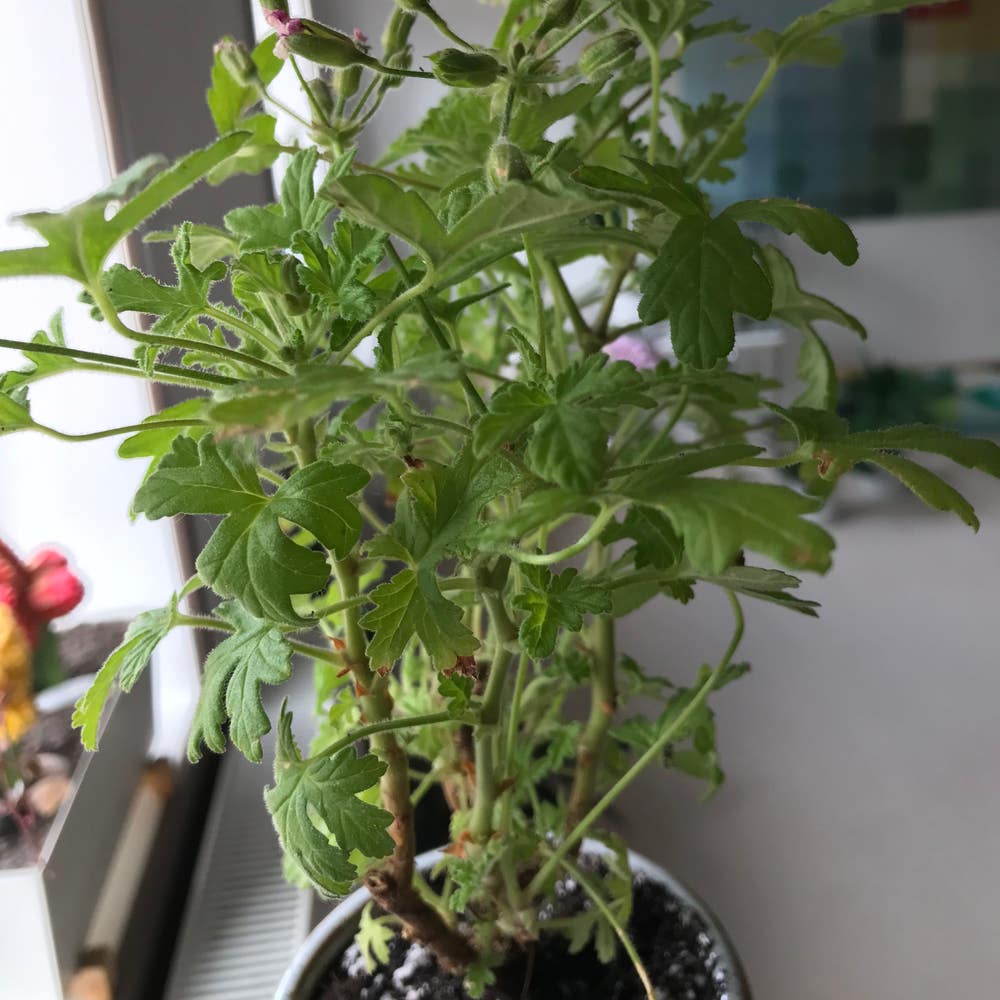
🌼 Ultimate Guide to French Mallow
Malva nicaeensis
By the Greg Editorial Team
Jan 23, 2025•12 min read
This article was created with the help of AI so we can cover more plants for you. May contain errors. See one? Report it here.
Elevate your garden with French mallow 🌼, a vibrant plant that attracts pollinators and offers culinary delights!
- 🌞 French mallow thrives in full sun to partial shade, perfect for diverse gardens.
- 🌱 Well-drained, fertile loam with pH 6.0-7.5 is optimal for growth.
- 🌼 Regular watering and monthly fertilization ensure healthy growth and flowering.
How to Grow
Choosing a Location 🌞
French mallow thrives in full sun to partial shade, making it versatile for various garden settings. When deciding between outdoor planting or container growth, consider the space available and the plant's light requirements.
Soil Preparation 🌱
For optimal growth, French mallow prefers well-drained, fertile loam. Aim for a soil pH between 6.0 and 7.5 to ensure nutrient availability and plant health.
Planting Techniques 🌼
When planting seeds, bury them at a depth of 1/4 inch. Space the seeds 12-18 inches apart to allow for adequate growth and airflow.
Watering Requirements 🚰
Regular watering is essential to maintain consistent moisture levels in the soil. Watch for signs of overwatering, such as wilting leaves, or underwatering, indicated by crispy leaf edges.
Fertilizing Schedule 🍽️
Use a balanced NPK fertilizer to support healthy growth. Apply it monthly during the growing season for the best results.
Pruning Methods ✂️
Prune French mallow after flowering to encourage new growth. This technique not only shapes the plant but also promotes overall health and vitality.
Ongoing Care 🛡️
Keep an eye out for pests and diseases that may affect your plants. Adjust your care routine seasonally to meet the changing needs of your French mallow.
With these guidelines, you'll be well on your way to cultivating a thriving French mallow garden. Next, let’s explore how to propagate this delightful plant for even more blooms!
Propagation
🌱 Seed Propagation Steps
Seed propagation is a straightforward way to grow French mallow. Start by collecting seeds from mature plants, ensuring they are fully developed.
Next, sow the seeds in spring, ideally after the last frost. Keep the soil consistently moist until germination occurs, which typically takes 7 to 14 days.
✂️ Cutting Propagation Methods
If you prefer a quicker method, consider cutting propagation. Select healthy stems that are about 4 to 6 inches long for the best results.
Use a rooting medium, such as a mix of peat moss and perlite, to encourage root development. Maintain a humid environment for 2 to 3 weeks until roots form, ensuring a successful transition to new growth.
With these propagation techniques, you can easily expand your French mallow collection and enjoy its beauty in your garden. Next, let’s explore the lifecycle of this vibrant plant.
Lifecycle
Lifecycle Stages 🌱
The lifecycle of French mallow unfolds in distinct stages. It begins with germination, which takes about 7-14 days, followed by the seedling stage lasting 2-4 weeks.
Vegetative Growth 🌿
Next, the plant enters vegetative growth, a phase that spans 4-8 weeks. During this time, it establishes a robust structure, preparing for the vibrant display to come.
Flowering and Seed Production 🌸
After vegetative growth, flowering occurs over 8-12 weeks, showcasing stunning blooms. This is followed by seed production, which typically happens from late summer to fall.
Duration Until Maturity ⏳
From seed to full maturity, French mallow takes approximately 3-4 months. This relatively quick turnaround makes it a rewarding choice for gardeners eager to see results.
Growth Speed ⚡️
Under optimal conditions, French mallow is a fast-growing plant. With the right care, you can enjoy its beauty and benefits in no time.
As you explore the lifecycle of French mallow, consider how each stage contributes to its overall health and productivity. Next, we’ll delve into the size of this remarkable plant and what you can expect in terms of growth.
Size
Mature Height and Spread 🌱
French mallow typically reaches an average height of 2 to 4 feet, making it a striking addition to any garden. Its spread ranges from 1 to 2 feet, allowing it to fill space without overwhelming neighboring plants.
Growth Rate and Size Variability ⚡️
The growth rate of French mallow can be moderate to fast, heavily influenced by its growing conditions. Factors such as soil quality and sunlight exposure play a significant role in determining how large and lush your plants will become.
Impact of Growing Conditions on Size 🌍
Growing conditions can dramatically affect the size of French mallow. Overwatering can lead to stunted growth, while nutrient-rich soil and ample sunlight can promote robust development, resulting in a healthier, more vibrant plant.
Understanding these dynamics helps you create the ideal environment for your French mallow, ensuring it thrives and reaches its full potential. As you cultivate your plants, keep an eye on these factors to optimize their growth and beauty.
Roots
Characteristics of the Root System 🌱
French mallow features a fibrous root system that helps anchor the plant securely in the soil. Typically, these roots extend 12-18 inches deep, allowing the plant to access moisture and nutrients effectively.
Common Root-Related Issues ⚠️
One common problem is root rot, which manifests as wilting and yellowing leaves. To combat this, ensure proper drainage in your planting area.
Identifying healthy roots is crucial for plant health. Healthy roots are firm and white, while unhealthy roots may appear brown and mushy, indicating potential issues.
Recognizing Rootbound Conditions 🔄
If you notice roots growing out of drainage holes, your French mallow may be rootbound. This condition can hinder growth and nutrient uptake.
To resolve rootbound issues, consider repotting the plant into a larger container or amending the soil to provide more space for root expansion. This simple step can rejuvenate your plant and promote healthier growth.
With proper attention to the root system, your French mallow can thrive and flourish. Next, let’s explore the benefits of this beautiful plant.
Benefits
Top 5 Benefits 🌼
French mallow is not just a pretty face in the garden; it offers a multitude of benefits.
Ornamental Appeal: With its vibrant flowers, French mallow adds a splash of color to any landscape, making it a favorite among gardeners.
Pollinator Magnet: This plant attracts essential pollinators like bees and butterflies, supporting local ecosystems and enhancing biodiversity.
Culinary Uses: The leaves and flowers are edible, providing a unique addition to salads and dishes, making it a versatile choice for culinary enthusiasts.
Medicinal History: Historically, French mallow has been used for various ailments, showcasing its long-standing significance in herbal medicine.
Soil Improvement: As it grows, French mallow contributes organic matter to the soil, improving its quality and fertility.
Cultural Significance 🎭
Beyond its practical benefits, French mallow holds cultural significance.
It symbolizes resilience and beauty across various cultures, often representing the strength of nature. This connection to cultural heritage adds an enriching layer to its presence in gardens, making it more than just a plant—it's a testament to the enduring bond between humans and nature.
Incorporating French mallow into your garden not only enhances its beauty but also connects you to a rich tapestry of ecological and cultural narratives.
Companion Plants
Companion Planting 🌱
Companion planting is a fantastic way to enhance your garden's diversity. It promotes pest management and fosters beneficial symbiotic relationships between plants.
Best Companion Plants 🌼
When it comes to French mallow, consider planting it alongside borage, marigolds, and nasturtiums. These companions share similar care needs and can help repel pests, making your garden healthier and more vibrant.
Plants to Avoid 🚫
However, not all plants are good neighbors. Certain brassicas can compete for nutrients, so it's best to keep them away from your French mallow to ensure optimal growth.
By choosing the right companions, you can create a thriving garden ecosystem that benefits all your plants. Next, let’s explore the fascinating topic of toxicity and safety for pets around French mallow.
Toxicity to Humans
🛡️ Safety for Humans
French mallow is generally considered safe for human contact and consumption. Major poison control centers do not list it as toxic, which is reassuring for gardeners and culinary enthusiasts alike.
⚠️ Cautionary Advice
While the risks are minimal, it's wise to exercise caution with any plant. If you experience unusual symptoms after contact or ingestion, seek medical advice promptly. Always better to be safe than sorry!
Edible
🌿 Edible Parts
French mallow is a delightful plant with several edible components. You can enjoy its leaves, flowers, and young seed pods, while the mature seeds and woody stems are best avoided.
🍽️ Harvesting and Preparation
For the best flavor, harvest young leaves and flowers in the spring and early summer. These fresh ingredients can elevate your salads, enrich soups, or be steeped to make a refreshing tea.
🥗 Nutritional Value
This vibrant plant is not just tasty; it’s also packed with nutrients. French mallow is rich in vitamins A and C, antioxidants, and dietary fiber, making it a healthy addition to your diet.
🌍 Cultural Uses
In Mediterranean cuisine, French mallow has a storied history. It’s been used in various traditional dishes, showcasing its versatility and cultural significance in enhancing flavors and nutrition.
With its edible parts and rich nutritional profile, French mallow is a fantastic plant to incorporate into your meals. As you explore its culinary uses, you'll discover a world of flavors and health benefits waiting to be enjoyed.
Toxicity to Dogs
Safety for Dogs 🐶
French mallow is not listed as toxic by major pet poison control centers. However, consuming large quantities may lead to mild gastrointestinal upset in dogs.
Tips for Introducing to Homes with Dogs 🏡
To keep your furry friends safe, place French mallow plants out of their reach. It's also wise to monitor their behavior around the plant, watching for any unusual reactions that may arise.
By taking these simple precautions, you can enjoy the beauty of French mallow while ensuring your dog's safety. Now, let's explore how this plant interacts with our feline companions.
Toxicity to Cats
🐱 Safety for Cats
French mallow is not listed as toxic by major pet poison control centers, making it a safe choice for homes with feline friends. However, if consumed in large quantities, it may cause mild gastrointestinal upset.
🏠 Tips for Introducing to Homes with Cats
To keep your curious cats safe, place French mallow plants elevated or out of reach. It's also wise to monitor their behavior closely for any unusual reactions, ensuring a harmonious coexistence with your greenery.
With the right precautions, you can enjoy the beauty of French mallow while keeping your cats safe and sound. Next, let's explore how to identify and manage common problems that may arise when growing this delightful plant.
Problems
Common Problems 🌱
Growing French mallow can be rewarding, but it comes with its share of challenges. Here are the most common problems you might encounter:
- Incorrect Watering: Overwatering leads to wilting, while underwatering results in crispy leaves.
- Incorrect Light Conditions: If your plants are yellowing or stretching towards the light, they may not be getting enough sun.
- Diseases: Watch for fungal issues like powdery mildew and rust, which can affect plant health.
- Root Problems: Root rot is indicated by squishy roots, a sign that drainage needs improvement.
- Leaf Issues: Scorching or yellowing leaves can signal stress from environmental factors.
Identification and Solutions 🔍
Identifying these problems early can save your plants. Here’s how to recognize and address each issue:
Incorrect Watering: Check the soil moisture. If it’s soggy, cut back on watering; if it’s dry, increase your watering frequency.
Incorrect Light Conditions: Assess the light your plants receive. Move them to a sunnier spot if they’re stretching or consider using grow lights.
Diseases: Look for white powdery spots or rust-colored patches. Treat fungal issues with fungicides and ensure good air circulation around your plants.
Root Problems: Inspect roots if you suspect rot. Trim away any mushy roots and repot in fresh, well-draining soil.
Leaf Issues: For scorching leaves, check for excessive sun exposure. Adjust their location or provide some shade during peak sunlight hours.
By staying vigilant and proactive, you can keep your French mallow thriving and vibrant. Next, let’s explore the pests that might threaten your plants.
Bugs
Potential Pest Issues 🐜
French mallow can be susceptible to a variety of pests that may threaten its health. Understanding pest resistance and susceptibility is crucial for maintaining vibrant plants.
Identification of Pests 🔍
Common pests that target French mallow include:
- Spider Mites: Tiny, spider-like creatures that create fine webs and cause stippling on leaves.
- Aphids: Small, soft-bodied insects that cluster on new growth, sucking sap and causing leaf curling.
- Mealybugs: White, cottony pests that can be found in leaf axils, leading to sticky residue and potential mold growth.
- Whiteflies: Small, white flying insects that also feed on sap, often leaving behind a sooty mold.
Damage and Treatment Options 💊
Identifying the damage caused by these pests is essential for effective treatment.
- Spider Mites: Look for webbing and yellowing leaves. Treatment includes increasing humidity and using insecticidal soap.
- Aphids: Signs include curled leaves and sticky honeydew. A strong water spray or neem oil can help control them.
- Mealybugs: Check for white, cottony masses. Remove them manually or treat with alcohol-soaked cotton swabs.
- Whiteflies: Watch for flying insects when disturbed and yellowing leaves. Yellow sticky traps and insecticidal soap can be effective.
By staying vigilant and addressing pest issues promptly, you can keep your French mallow thriving and beautiful. Next, let’s explore the common problems that may arise in your garden.
What Eats
🦌 Common Animals
French mallow can attract a variety of hungry herbivores. Common culprits include deer, rabbits, squirrels, and groundhogs, all of which may find your vibrant plants irresistible.
🔍 Signs of Damage
Identifying damage from these animals is crucial for timely intervention. Look for chewed leaves, tracks around the garden, and droppings that indicate their presence.
🚫 Deterrent Methods
Protecting your French mallow from these pests can be achieved through various methods. Consider both chemical and organic control options, such as:
- Chemical deterrents: Use commercial repellents designed to deter herbivores.
- Organic methods: Employ natural solutions like garlic spray or planting strong-smelling herbs nearby.
By implementing these strategies, you can safeguard your plants and enjoy their beauty without the worry of unwanted nibblers.
⚠️ Safety First
This content is for general information and may contain errors, omissions, or outdated details. It is not medical, veterinary advice, or an endorsement of therapeutic claims.
Always consult a qualified healthcare professional before using any plant as food, medicine, or supplement.
Never eat any plant (or feed one to pets) without confirming its identity with at least two trusted sources.
If you suspect poisoning, call Poison Control (800) 222-1222, the Pet Poison Helpline (800) 213-6680, or your local emergency service immediately.
Spotted an error? Please report it here.
Cultivate a vibrant garden 🌼 with French mallow by using Greg's personalized watering reminders and tailored fertilization plans to ensure your plants thrive beautifully!