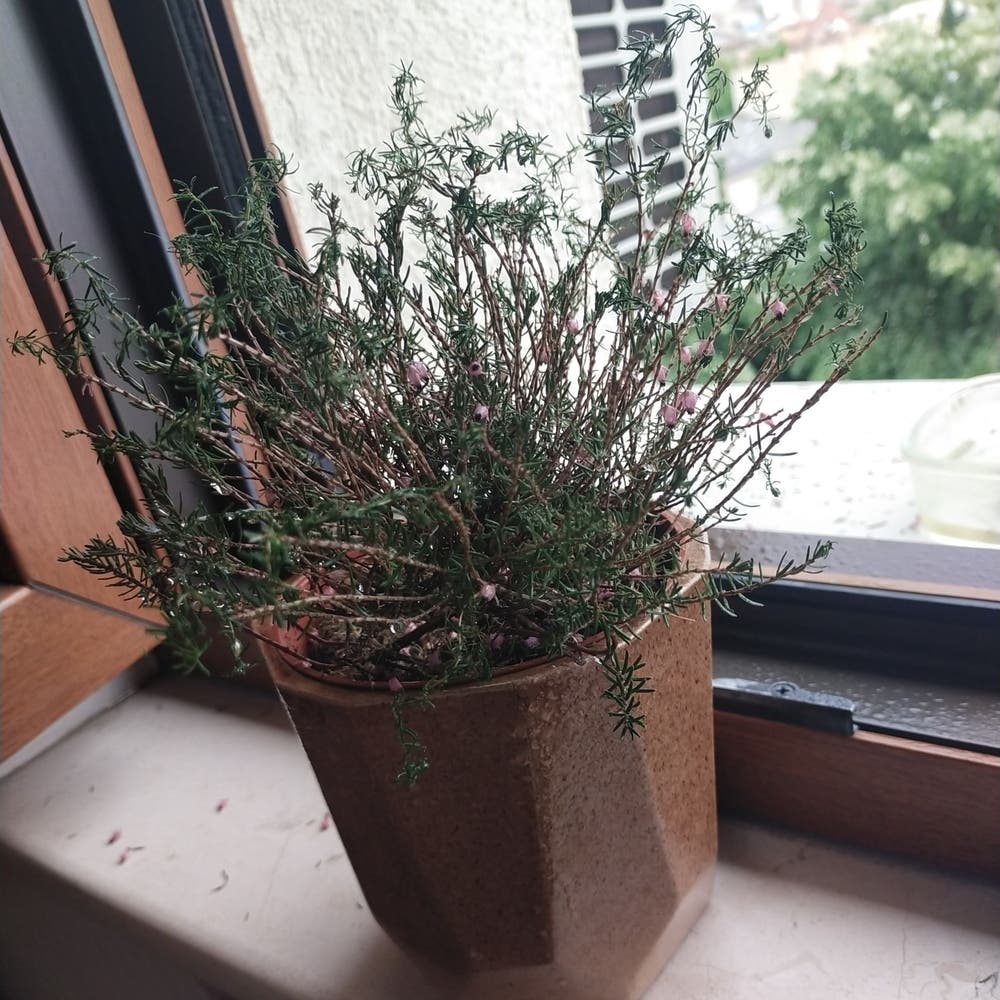
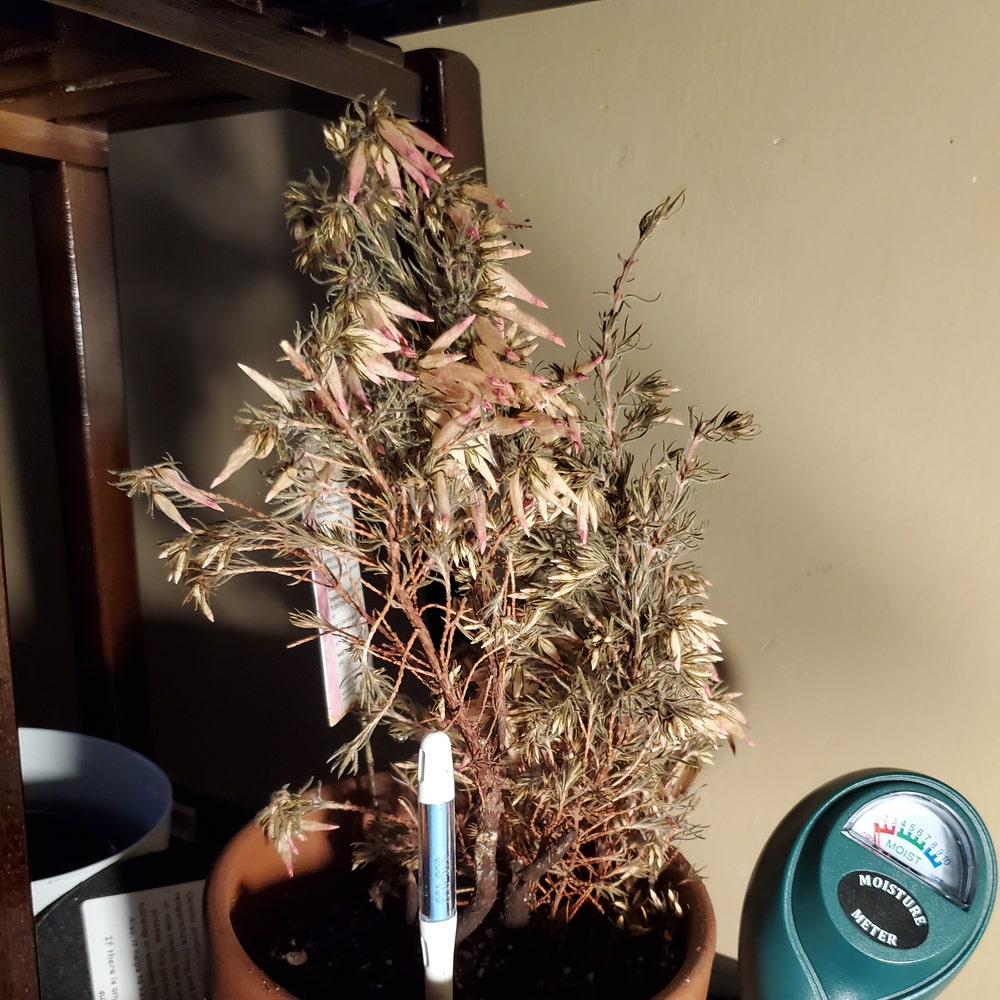
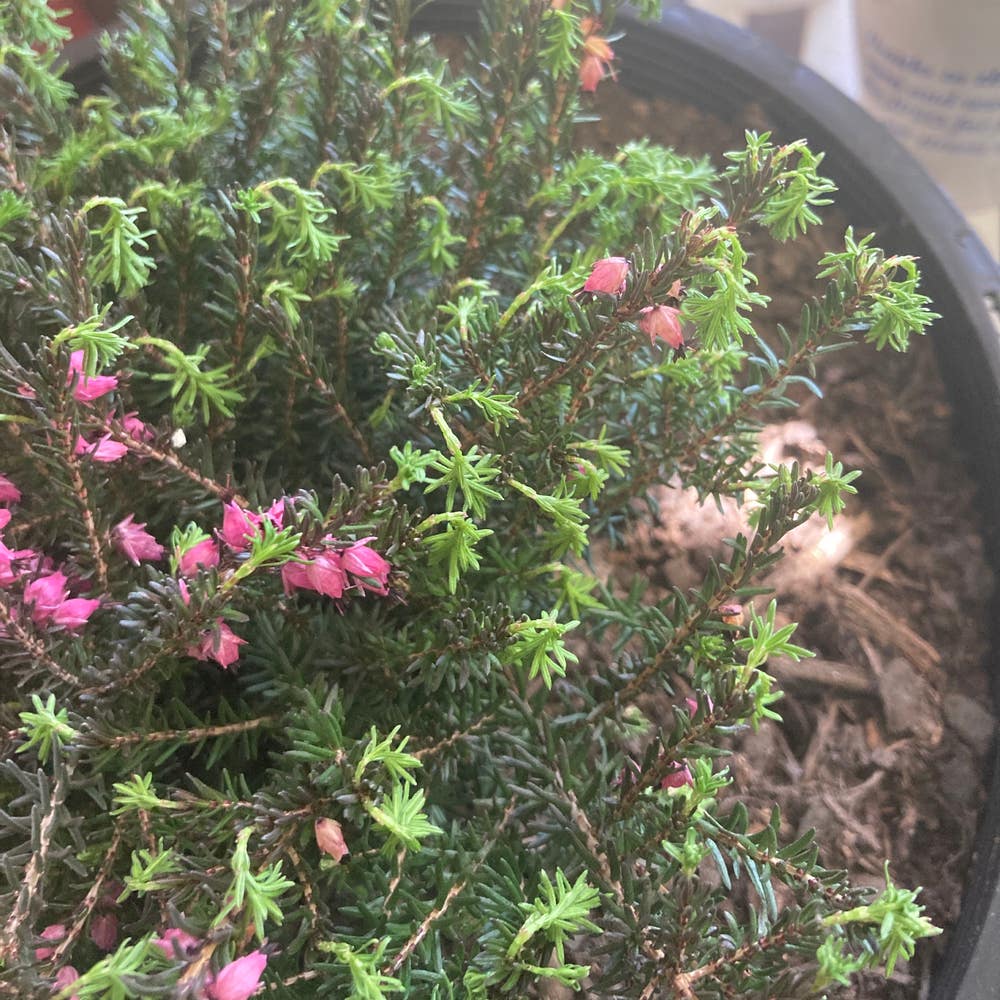
Formosan Heath: A Comprehensive Overview
Erica formosa
By the Greg Editorial Team
Feb 02, 2025•12 min read
This article was created with the help of AI so we can cover more plants for you. May contain errors. See one? Report it here.
Cultivate stunning Formosan Heath 🌸 for vibrant blooms and to support local wildlife in your garden!
- 🌞🌿 Formosan Heath thrives in various light conditions, from partial shade to full sun.
- 💧 Consistent soil moisture is vital; avoid waterlogging to prevent root rot.
- 🌱 Acidic, well-drained soil with a pH of 4.5-6.0 ensures healthy growth.
How to Grow
Choosing a Location 🌍
When selecting a spot for your Formosan Heath, consider its light requirements. It thrives in partial shade to full sun, making it versatile for various garden settings.
Temperature is another key factor; this plant prefers moderate climates and should be protected from extreme heat. Additionally, it flourishes in humid environments, so aim for a location that can provide that moisture.
Soil Preparation 🏞️
The right soil is crucial for healthy growth. Formosan Heath prefers acidic, well-drained soils with a pH between 4.5 and 6.0.
Good drainage is essential to prevent root rot. Ensure your planting area allows excess water to escape easily.
Planting Techniques 🌱
Proper planting techniques can set your Formosan Heath up for success. Space your plants 2-3 feet apart to allow for optimal growth and airflow.
When planting, ensure you place them at the same depth as they were in their nursery container. This helps maintain their health and encourages robust growth.
Watering Requirements 💧
Watering is vital for maintaining soil moisture. Aim to keep the soil consistently moist but avoid waterlogging, which can harm the roots.
Using drip irrigation or watering at the base of the plant can help prevent wetting the foliage, reducing the risk of fungal diseases.
Fertilizing 🌿
Fertilizing your Formosan Heath properly will promote healthy growth. Use an acidic fertilizer specifically formulated for ericaceous plants.
A good schedule is to fertilize every 4-6 weeks during the growing season. This ensures your plant receives the nutrients it needs to thrive.
Pruning ✂️
Pruning is an important aspect of ongoing care. The best time to prune is late winter or early spring, just before new growth begins.
Focus on removing dead or damaged branches and shaping the plant to encourage a healthy structure. This will help maintain its aesthetic appeal.
Ongoing Care 🔍
Regular monitoring is key to keeping your Formosan Heath healthy. Check for signs of stress or disease, such as yellowing leaves or wilting.
Adjust your care based on seasonal changes. This adaptability will help your plant flourish throughout the year.
With these guidelines, you can cultivate a thriving Formosan Heath that enhances your garden's beauty and vitality. Next, let's explore how to propagate this stunning plant for even more growth opportunities.
Propagation
🌱 Seed Propagation
To propagate Formosan Heath from seeds, start by soaking them in water for 24 hours. This simple step kickstarts the germination process, ensuring better results.
Next, maintain optimal conditions by keeping the temperature between 20-25°C (68-77°F). This warm environment is crucial for successful germination, so monitor it closely.
✂️ Cutting Propagation
Another effective method is cutting propagation. For this, take 4-6 inch cuttings from healthy stems, ensuring you select vigorous growth for the best chance of success.
Timing is key here; late spring or early summer is the ideal window for taking cuttings. This period allows the plant to thrive and increases the likelihood of rooting.
With these propagation techniques, you can expand your Formosan Heath collection effortlessly. Whether through seeds or cuttings, nurturing new plants can be a rewarding experience.
Next, let’s explore the lifecycle of Formosan Heath and understand its growth stages.
Lifecycle
Lifecycle Stages 🌱
The lifecycle of Formosan Heath consists of several distinct stages: seed or cutting, germination, seedling, vegetative growth, flowering, and seed production. Each phase is crucial for the plant's development and overall health.
Lifespan ⏳
Typically, Formosan Heath is a perennial plant, thriving for several years under the right conditions. This longevity makes it a valuable addition to any garden.
Time to Maturity ⏲️
It takes approximately 2-3 years for Formosan Heath to reach its full size. Patience is key, as this moderate growth rate allows the plant to establish a robust structure.
Growth Speed and Influencing Factors ⚡️
The growth speed of Formosan Heath can vary based on several factors, including care practices and environmental conditions. Providing optimal light, water, and nutrients will encourage healthy growth and vibrant blooms.
In summary, understanding the lifecycle of Formosan Heath is essential for successful cultivation. By nurturing each stage, you can enjoy the beauty and benefits this plant brings to your garden. Next, let’s explore how to effectively propagate this stunning plant.
Size
Mature Height and Spread 🌱
Formosan Heath typically reaches a height of 2 to 4 feet, making it a versatile choice for various garden settings. Its spread can extend 2 to 3 feet wide, allowing it to fill space without overwhelming neighboring plants.
Growth Rate and Factors Affecting Size 📈
This plant exhibits a moderate growth rate, which can be influenced by several factors. Soil quality, light exposure, and water availability all play crucial roles in determining how quickly and robustly your Formosan Heath will grow.
Environmental conditions can lead to variability in size. For instance, optimal care can promote fuller growth, while neglect may stunt its development. Understanding these factors can help you cultivate a thriving plant that enhances your garden's beauty.
As you plan your garden, consider how the size of Formosan Heath will fit into your landscape. With the right attention, this plant can become a stunning focal point in your outdoor space.
Next, let’s explore the root system characteristics that support the growth of Formosan Heath.
Roots
Root System Characteristics 🌱
Formosan Heath features a fibrous root system that is typically shallow. These roots spread outwards, allowing the plant to efficiently absorb moisture and nutrients from the surrounding soil.
Common Root-Related Issues ⚠️
One of the most common problems is root rot, which occurs due to overwatering. To prevent this, ensure proper drainage in the planting area.
Another issue is being rootbound, where the roots become cramped in their container. Signs of this include stunted growth and roots circling the pot.
Visual Cues for Healthy vs. Unhealthy Roots 👀
Healthy roots are firm, white, and spread out evenly. In contrast, unhealthy roots appear dark, mushy, or may even emit a foul smell.
Tips for Managing Root Problems 🛠️
To recognize rootbound plants, look for roots growing out of the drainage holes.
If you find a rootbound plant, consider repotting it into a larger container or amending the soil to provide more space and nutrients.
By addressing these root issues promptly, you can help your Formosan Heath thrive and flourish.
Benefits
Aesthetic Appeal 🌸
Formosan Heath is a stunning addition to any garden. Its vibrant flowers not only catch the eye but also elevate the overall beauty of your outdoor space.
Cultural Significance 🎎
This plant holds a special place in Taiwanese culture. It is often used in traditional medicine, showcasing its importance beyond mere aesthetics.
Wildlife Attraction 🐝
Formosan Heath is a haven for pollinators. By planting it, you contribute to the local ecosystem, providing essential habitats for bees and butterflies.
Soil Improvement 🌱
This plant plays a vital role in maintaining soil acidity. Its presence can enhance soil quality, benefiting surrounding plants and promoting a healthier garden environment.
Erosion Control 🌍
The robust root system of Formosan Heath helps stabilize soil. This is particularly beneficial in gardens prone to erosion, ensuring that your landscape remains intact and thriving.
By incorporating Formosan Heath into your garden, you not only enjoy its beauty but also support cultural practices, wildlife, and soil health. Next, let’s explore companion planting and how to enhance your garden's diversity.
Companion Plants
🌱 Companion Planting Benefits
Companion planting is a fantastic way to enhance garden diversity and promote healthy growth. By selecting the right plants to grow alongside your Formosan Heath, you can create a thriving ecosystem that benefits all your plants.
🌼 Compatible Companion Plants
When choosing companions for your Formosan Heath, consider these options:
Azaleas
Azaleas thrive in similar soil and light conditions, making them excellent companions. Their vibrant blooms can complement the beauty of your Formosan Heath.
Rhododendrons
Like azaleas, rhododendrons prefer acidic soils and can flourish in similar environments. They add a lush, colorful backdrop to your garden.
Ferns
Ferns are fantastic for providing ground cover and retaining humidity. Their delicate foliage contrasts beautifully with the bold leaves of Formosan Heath.
🚫 Plants to Avoid
While some plants thrive alongside Formosan Heath, others can hinder its growth.
Heavy Feeders
Avoid planting heavy feeders that require high nitrogen. These plants can compete for nutrients, potentially stunting the growth of your Formosan Heath.
By carefully selecting companion plants, you can create a vibrant and healthy garden. This thoughtful approach not only enhances the beauty of your space but also supports the overall health of your plants. Next, let’s explore the potential toxicity of Formosan Heath to humans and pets.
Toxicity to Humans
🛡️ Safety of Formosan Heath for Humans
Formosan Heath is generally considered safe for humans. Major poison control centers do not list it as toxic, making it a low-risk plant for handling and even ingestion in small amounts.
However, it's important to note that excessive consumption may lead to mild skin irritation or digestive discomfort. If you experience any unusual symptoms after contact or consumption, it's wise to seek medical advice.
In summary, while Formosan Heath can be enjoyed without much concern, moderation is key. Always exercise caution, especially if you're trying something new in your garden or kitchen.
This plant's safety profile allows you to appreciate its beauty and benefits without the worry of toxicity. Now, let’s explore how Formosan Heath interacts with our furry friends!
Toxicity to Dogs
Safety of Formosan Heath for Dogs 🐶
Formosan Heath is generally safe for dogs, as it is not listed as toxic by major pet poison control centers. However, if your furry friend decides to munch on it, they might experience mild gastrointestinal upset, especially if they consume large quantities.
Proper Placement 🏠
To keep your dog safe, it's wise to place Formosan Heath out of reach. This helps prevent any curious snouts from getting into trouble.
Monitor Behavior 👀
Always keep an eye on your dog's behavior around the plant. If you notice any unusual interest or nibbling, it may be time to reassess its placement or consider alternative plants.
As you care for your Formosan Heath, remember that while it's not harmful, being proactive about your dog's safety is key. Next, let's explore how this plant interacts with our feline friends.
Toxicity to Cats
Safety of Formosan Heath for Cats 🐱
Formosan Heath is generally safe for cats, as it is not listed as toxic by major pet poison control centers. However, if your feline friend decides to munch on it, they may experience mild gastrointestinal upset if they consume large quantities.
Proper Placement 🏡
To keep your curious cats safe, position Formosan Heath plants where they cannot easily access them. This simple step can prevent any unwanted nibbling and ensure your plants thrive.
Monitor Behavior 👀
Always keep an eye on your cat's behavior around the plant. If you notice any signs of interest or nibbling, it might be time to reconsider the plant's location or provide alternative distractions.
In summary, while Formosan Heath poses minimal risk to cats, it's wise to take precautions. By being proactive, you can enjoy the beauty of this plant while keeping your furry companions safe and sound.
Problems
Common Problems Faced 🌱
Growing Formosan Heath can be rewarding, but it comes with its share of challenges. Understanding these common problems can help you maintain a healthy plant.
Incorrect Watering 🚰
Watering is crucial for your plant's health. Signs of overwatering include yellowing leaves, while underwatering leads to wilting.
Incorrect Light Conditions ☀️
Light exposure plays a significant role in growth. Too much sun can cause leaf scorch, whereas insufficient light results in leggy growth.
Incorrect Temperature 🌡️
Temperature fluctuations can stress your plant. Cold stress may lead to leaf drop, so keep an eye on the climate.
Diseases 🦠
Formosan Heath is susceptible to certain diseases. Fungal issues like powdery mildew and root rot can develop if conditions aren't right.
Leaf Issues 🍃
Leaf health is a direct indicator of your plant's well-being. Look out for scorching, yellowing, or fuzzy growth, as these can signal underlying problems.
By being aware of these issues, you can take proactive steps to ensure your Formosan Heath thrives. Next, let’s explore the potential pest issues that may affect your plant.
Bugs
Potential Pest Issues 🐜
Formosan Heath is known for its moderate pest resistance, but it can still fall victim to certain pests. Keeping an eye out for these intruders is essential for maintaining plant health.
Identification and Damage 🔍
Spider Mites: These tiny pests leave behind fine webbing and cause stippled leaves, which can indicate a serious infestation.
Aphids: Look for sticky residue on leaves and distorted growth, as these pests can quickly multiply and weaken your plant.
Treatment Options 🧴
To combat these pests, consider using Neem Oil, which is effective against a variety of insects while being gentle on your plants.
Insecticidal Soap is another great option; it's safe for soft-bodied insects and won't harm your Formosan Heath.
By staying vigilant and employing these treatment methods, you can keep your Formosan Heath thriving and beautiful. Next, let’s explore what animals might be interested in snacking on your plants.
What Eats Formosan Heath
🦌 Common Animals That May Damage
Formosan Heath can attract a variety of garden visitors. Deer are notorious for munching on these plants, leaving behind chewed leaves and broken branches.
Rabbits also enjoy snacking on the lower foliage, which can lead to noticeable damage if they frequent your garden.
🐿️ Signs of Animal Presence
Keep an eye out for signs of animal activity. Squirrels may strip bark or dig around the base of your plants, indicating their presence.
Rodents can also be a concern; look for gnaw marks on the stems as a telltale sign of their nibbling habits.
🚫 Deterrent Methods
To protect your Formosan Heath, consider using deterrents. Chemical repellents specifically designed for deer and rabbits can be effective in keeping these critters at bay.
For a more natural approach, try planting strong-smelling herbs nearby. These can act as organic deterrents, making your garden less appealing to hungry animals.
Incorporating these strategies will help safeguard your plants, allowing them to thrive without unwanted visitors. Now that you know how to protect your Formosan Heath, let’s explore the common problems that may arise in its care.
⚠️ Safety First
This content is for general information and may contain errors, omissions, or outdated details. It is not medical, veterinary advice, or an endorsement of therapeutic claims.
Always consult a qualified healthcare professional before using any plant as food, medicine, or supplement.
Never eat any plant (or feed one to pets) without confirming its identity with at least two trusted sources.
If you suspect poisoning, call Poison Control (800) 222-1222, the Pet Poison Helpline (800) 213-6680, or your local emergency service immediately.
Spotted an error? Please report it here.
Cultivating Formosan Heath successfully 🌱 is easy with Greg's tailored care reminders and expert tips, ensuring your plant flourishes in any garden setting!