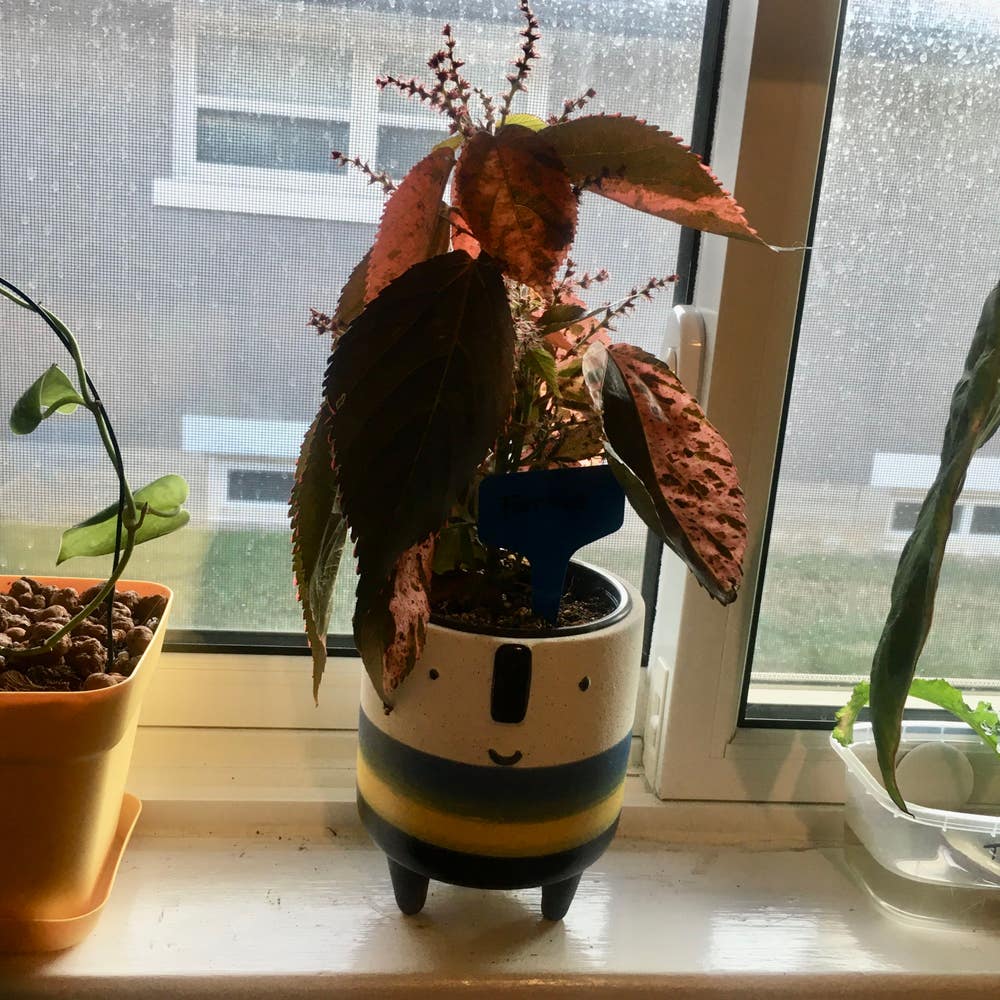
What is a Firetail Chenille? Complete Guide 🔥
Acalypha pendula 'Fire Tail'
By the Greg Editorial Team
Jan 10, 2025•12 min read
This article was created with the help of AI so we can cover more plants for you. May contain errors. See one? Report it here.
Elevate your garden's beauty and attract pollinators with the stunning Firetail Chenille! 🌼🌱
- 🌞 Firetail Chenille needs 6-8 hours of sunlight for optimal growth.
- 🌱 Keep soil moist but not waterlogged to prevent root rot.
- 🦋 Attracts pollinators like hummingbirds, enhancing garden biodiversity.
How to Grow
🌞 Choosing a Location
To thrive, Firetail Chenille needs full sun to partial shade, ideally receiving 6-8 hours of sunlight daily. It flourishes in warm climates, with temperatures ranging from 20°C to 30°C (68°F to 86°F) being optimal.
🌱 Soil Preparation
This plant prefers well-draining, fertile soil to support its growth. Aim for a slightly acidic to neutral pH, ideally between 6.0 and 7.0, and ensure good drainage to prevent root rot.
🌿 Planting Techniques
When planting, space your Firetail Chenille 18-24 inches apart to allow for optimal growth. Make sure to plant at the same depth as it was in the nursery pot to promote healthy establishment.
💧 Watering Requirements
Regular watering is essential to keep the soil consistently moist but not waterlogged. Water at the base of the plant to avoid wetting the foliage, which can lead to disease.
🌼 Fertilizing Schedule
Use a balanced, water-soluble fertilizer with an NPK ratio of 10-10-10. Fertilize every 4-6 weeks during the growing season to support robust growth.
✂️ Pruning Methods
Prune your Firetail Chenille in early spring to encourage bushier growth. Focus on removing dead or damaged stems and spent flowers to keep the plant healthy and vibrant.
🔍 Ongoing Care
Regularly monitor your plant for signs of stress or nutrient deficiencies. Adjust your care routine seasonally, such as reducing watering during the winter months to match the plant's needs.
With these guidelines, you'll be well on your way to cultivating a thriving Firetail Chenille. Next, let's explore how to propagate this beautiful plant!
Propagation
🌱 Seed Propagation
Sowing seeds for your Firetail Chenille is straightforward. Start by placing seeds in well-draining soil, lightly cover them, and water gently to keep the soil moist.
Germination typically takes about 7-14 days, especially under warm conditions. Keep an eye on your seeds, and soon you'll see those little sprouts breaking through the soil!
✂️ Cutting Propagation
If you prefer to propagate through cuttings, choose healthy stems from your Firetail Chenille. Cut just below a node and remove the lower leaves to prepare your cutting for rooting.
You can root the cuttings in water or a moist potting mix. In about 2-4 weeks, you should see roots developing, readying your new plants for their own journey in the garden.
With these propagation methods, you can easily expand your collection of Firetail Chenille and share the beauty with friends or neighbors!
Lifecycle
Lifecycle Stages 🌱
The Firetail Chenille is an annual plant, meaning it completes its entire life cycle within a single growing season. It progresses through several distinct stages: germination, seedling stage, vegetative growth, flowering, and seed production.
Germination Process and Timeline ⏳
Germination is a critical phase for the Firetail Chenille, typically taking about 7-14 days under optimal conditions. Providing warmth and moisture during this time is essential for successful sprouting.
Lifespan and Growth Rate 📈
Once germinated, the Firetail Chenille reaches full maturity in approximately 3-4 months. Its growth rate can be classified as moderate to fast, influenced by factors like sunlight, soil quality, and watering practices.
Understanding these lifecycle stages is crucial for successful cultivation. By monitoring each phase, you can ensure your Firetail Chenille thrives throughout its growing season.
Size
Mature Height and Spread 🌱
Firetail Chenille plants can reach a mature height of 3 to 4 feet, making them a striking addition to any garden. They typically spread about 2 to 3 feet wide, creating a lush, vibrant display.
Growth Rate and Time to Reach Full Size ⏳
Under ideal conditions, these plants can achieve their full size in approximately 3 to 4 months. This moderate growth rate allows gardeners to enjoy their beauty relatively quickly.
Size Variability Based on Growing Conditions 🌈
It's important to note that growth can vary significantly based on several factors. Sunlight exposure, soil quality, and watering practices all play crucial roles in determining how tall and wide your Firetail Chenille will grow.
As you cultivate your Firetail Chenille, keep an eye on these conditions to ensure optimal growth. Adjusting care based on your observations will help you achieve the best results.
Roots
Description of Root System 🌱
Firetail Chenille features a fibrous root system that spreads widely. This design allows the plant to absorb nutrients efficiently, although the roots do not penetrate deeply into the soil.
Common Root-Related Issues ⚠️
Root health is crucial for the overall vitality of Firetail Chenille. Overwatering can lead to root rot, while a rootbound condition occurs when the roots fill the container, restricting growth.
Visual Cues for Healthy vs. Unhealthy Roots 👀
Healthy roots are firm and white, spreading throughout the soil, indicating a thriving plant. In contrast, unhealthy roots appear brown, mushy, or may emit a foul smell, signaling potential problems.
Tips for Managing Root Health 🛠️
To recognize rootbound plants, look for roots growing out of drainage holes. If you encounter this issue, consider repotting into a larger container or trimming the roots to encourage healthy growth.
Maintaining root health is essential for the success of your Firetail Chenille. By keeping an eye on these indicators, you can ensure your plant thrives and flourishes.
As we move forward, let's explore the benefits of growing Firetail Chenille and how it can enhance your garden.
Benefits
Attracts Pollinators 🦋
Firetail Chenille is a magnet for pollinators like hummingbirds and butterflies. Its vibrant flowers not only beautify your garden but also play a crucial role in supporting local ecosystems.
Ornamental Appeal 🌼
This plant adds a unique texture and a splash of color to any landscape. Its striking appearance can elevate the aesthetic of your garden, making it a favorite among gardeners.
Air Purification 🌬️
Beyond its beauty, Firetail Chenille contributes to improved air quality. It filters pollutants, helping to create a healthier environment for you and your family.
Erosion Control 🌍
Firetail Chenille is effective in stabilizing soil in garden beds and landscapes. Its root system helps prevent erosion, making it a practical choice for sloped areas or gardens prone to washouts.
Cultural Significance 🎉
In various cultures, Firetail Chenille holds traditional importance. It is often used in ceremonies and practices, adding a layer of cultural richness to its cultivation.
These benefits make Firetail Chenille not just a pretty face in the garden but a valuable addition to any outdoor space. As you consider planting this vibrant species, think about how it can enhance both your garden's beauty and its ecological impact.
Next, let’s explore companion planting and how to maximize the benefits of your Firetail Chenille by pairing it with the right plants.
Companion Plants
Understanding Companion Planting 🌱
Companion planting is a gardening technique that enhances diversity and promotes plant health. By strategically placing plants together, you can improve pest management and create a thriving ecosystem.
Compatible Companion Plants 🌼
Here are some excellent companions for Firetail Chenille:
- Marigolds: These vibrant flowers repel pests and attract beneficial insects, making them a perfect partner.
- Petunias: Not only do they add visual appeal, but they also deter aphids, protecting your Firetail Chenille.
- Basil: This herb shares similar care needs and can enhance the flavor of nearby plants, making it a great addition to your garden.
Plants to Avoid Planting Near 🚫
While many plants thrive alongside Firetail Chenille, it's best to steer clear of nightshades. These plants can compete for nutrients and attract similar pests, potentially harming your Firetail Chenille's growth.
By choosing the right companions, you can create a vibrant and healthy garden that supports your Firetail Chenille's growth. This thoughtful approach to planting not only enhances your garden's beauty but also fosters a more resilient ecosystem.
Next, let's explore the potential toxicity of Firetail Chenille to humans, dogs, and cats.
Toxicity to Humans
Parts of the Plant That May Cause Irritation 🌿
The Firetail Chenille can be a beautiful addition to your garden, but it's important to be aware that its leaves and sap may cause irritation. Handling these parts without care can lead to discomfort.
Symptoms of Irritation 🤕
If you come into contact with the plant, you might experience skin rashes, itching, or mild gastrointestinal upset. Eye irritation is also possible, so it's best to be cautious.
Guidance on When to Seek Medical Care 🚑
Most irritations are self-limiting, but if symptoms persist or worsen, seeking medical care is advisable. It's always better to err on the side of caution when it comes to your health.
Tips for Safe Handling 🧤
To minimize the risk of irritation, wear gloves when handling the Firetail Chenille. Afterward, make sure to wash your hands thoroughly to remove any residual sap or plant material.
By following these simple precautions, you can enjoy the beauty of the Firetail Chenille while keeping irritation at bay. Next, let’s explore how this plant can affect our furry friends, particularly dogs.
Toxicity to Dogs
Parts of the Plant That May Irritate Dogs 🌿
The Firetail Chenille plant has specific parts that can cause irritation in dogs. Primarily, the leaves and sap are the culprits.
Symptoms of Discomfort in Dogs 🐶
If your dog comes into contact with the plant, you might notice some discomfort. Common symptoms include drooling, pawing at the mouth, mild vomiting, or skin irritation.
When to Seek Veterinary Care 🚑
Most cases of irritation are self-limiting and resolve on their own. However, if symptoms persist or worsen, it’s wise to seek veterinary care for your furry friend.
Clear Statement on Toxicity Level ⚠️
Overall, Firetail Chenille is not considered severely toxic to dogs. While it may cause mild to moderate irritation, it’s generally safe with proper handling.
As a responsible pet owner, being aware of these potential irritants can help you create a safer environment for your dog. Always monitor your pets around new plants and consult your vet if you have concerns.
Toxicity to Cats
Parts of the Plant That May Irritate Cats 🌿
Firetail Chenille can be a bit prickly for our feline friends. The leaves and sap are the specific parts that may cause irritation.
Symptoms of Discomfort in Cats 😿
If your cat has a run-in with this plant, you might notice some signs of discomfort. Common symptoms include drooling, pawing at the mouth, mild vomiting, or skin irritation.
When to Seek Veterinary Care 🏥
Most of the time, the irritation is self-limiting and will resolve on its own. However, if symptoms persist or worsen, it’s wise to seek veterinary care.
Clear Statement on Toxicity Level ✔️
Rest assured, Firetail Chenille is not considered severely toxic to cats. It may cause mild to moderate irritation, but it’s generally not a cause for alarm.
As you care for your Firetail Chenille, keep an eye on your curious cats. Understanding its effects can help you create a safe environment for both your plants and your pets.
Problems
🌱 Common Problems Faced When Growing
Growing Firetail Chenille can be rewarding, but it comes with its share of challenges. Understanding these common problems can help you maintain a healthy plant.
💧 Incorrect Watering
Watering is crucial for Firetail Chenille. Overwatering can lead to yellowing leaves, while underwatering results in wilting.
☀️ Incorrect Light Conditions
Light plays a significant role in plant health. Insufficient light can cause leggy growth, whereas too much sun may scorch the leaves.
🌡️ Incorrect Temperature
Temperature is another vital factor. Cold drafts can stunt growth, so maintaining ideal temperatures is essential for thriving plants.
🦠 Diseases
Fungal diseases, such as powdery mildew and root rot, can affect Firetail Chenille. Prevention is key, so keep an eye out for any signs of distress.
🍃 Leaf Issues
Leaf problems often indicate underlying issues. Yellowing or fuzzy growth can signal nutrient deficiencies or pest infestations, requiring immediate attention.
By being aware of these common problems, you can take proactive steps to ensure your Firetail Chenille flourishes. Next, let’s explore the potential pest issues that may arise while caring for this vibrant plant.
Bugs
Potential Pest Issues 🐜
Firetail Chenille is moderately resistant to pests, but that doesn’t mean it’s invincible. Certain pests can still pose a threat, so it's essential to stay vigilant.
Identification and Damage Caused by Pests 🔍
Spider Mites
Look for fine webbing on leaves, which indicates their presence. These tiny pests can cause significant leaf discoloration if left unchecked.
Scale Insects
These pests leave a sticky residue and can lead to yellowing leaves. Their presence can weaken your plant over time.
Mealybugs
Identified by their cotton-like masses on stems, mealybugs can stunt growth. They’re not just unsightly; they can also sap your plant's vitality.
Effective Treatment Options for Pest Control 🛠️
Neem Oil
This natural pesticide is effective against a variety of pests. It’s a great option for those looking to maintain an organic garden.
Insecticidal Soap
Targeting soft-bodied insects like aphids and mealybugs, insecticidal soap is another effective treatment. It’s easy to apply and can help keep your plants healthy.
Regular Inspection
Early detection is crucial for pest management. Make it a habit to inspect your Firetail Chenille regularly to catch any issues before they escalate.
By staying proactive and informed, you can protect your Firetail Chenille from unwanted pests and ensure it thrives. Next, let’s explore what animals might be interested in snacking on your beautiful plant.
What Eats Firetail Chenille
🦌 Common Animals That May Damage
Firetail Chenille can attract a variety of hungry critters.
- Deer: Look for chewed leaves and broken stems as telltale signs of their presence.
- Rabbits: These little nibblers often leave evidence of their appetite by munching on lower leaves and stems.
- Squirrels: They might dig around the base or chew on the stems, causing noticeable damage.
🕵️♂️ Signs of Animal Presence and Damage Types
Identifying animal damage is crucial for timely intervention.
- Chewed foliage: Look for irregular bites on leaves.
- Droppings: Small piles near the plant can indicate animal visitors.
- Tracks: Paw prints around the base can help you identify which animals are causing trouble.
🚫 Methods for Deterring or Managing These Animals
Protecting your Firetail Chenille from these pests can be straightforward.
- Chemical deterrents: Consider using commercial repellents or homemade solutions like garlic spray to keep animals at bay.
- Physical barriers: Installing fencing or netting can effectively shield your plants from larger animals.
- Companion planting: Surround your Firetail Chenille with plants that deter pests or attract beneficial wildlife, creating a more resilient garden ecosystem.
By staying vigilant and employing these strategies, you can help ensure your Firetail Chenille thrives without unwanted visitors. Next, let’s explore the common problems you might face while growing this vibrant plant.
⚠️ Safety First
This content is for general information and may contain errors, omissions, or outdated details. It is not medical, veterinary advice, or an endorsement of therapeutic claims.
Always consult a qualified healthcare professional before using any plant as food, medicine, or supplement.
Never eat any plant (or feed one to pets) without confirming its identity with at least two trusted sources.
If you suspect poisoning, call Poison Control (800) 222-1222, the Pet Poison Helpline (800) 213-6680, or your local emergency service immediately.
Spotted an error? Please report it here.
Nurture your Firetail Chenille to bloom brilliantly 🌺 with Greg's tailored watering alerts and expert care tips that ensure your plant thrives while attracting delightful pollinators!