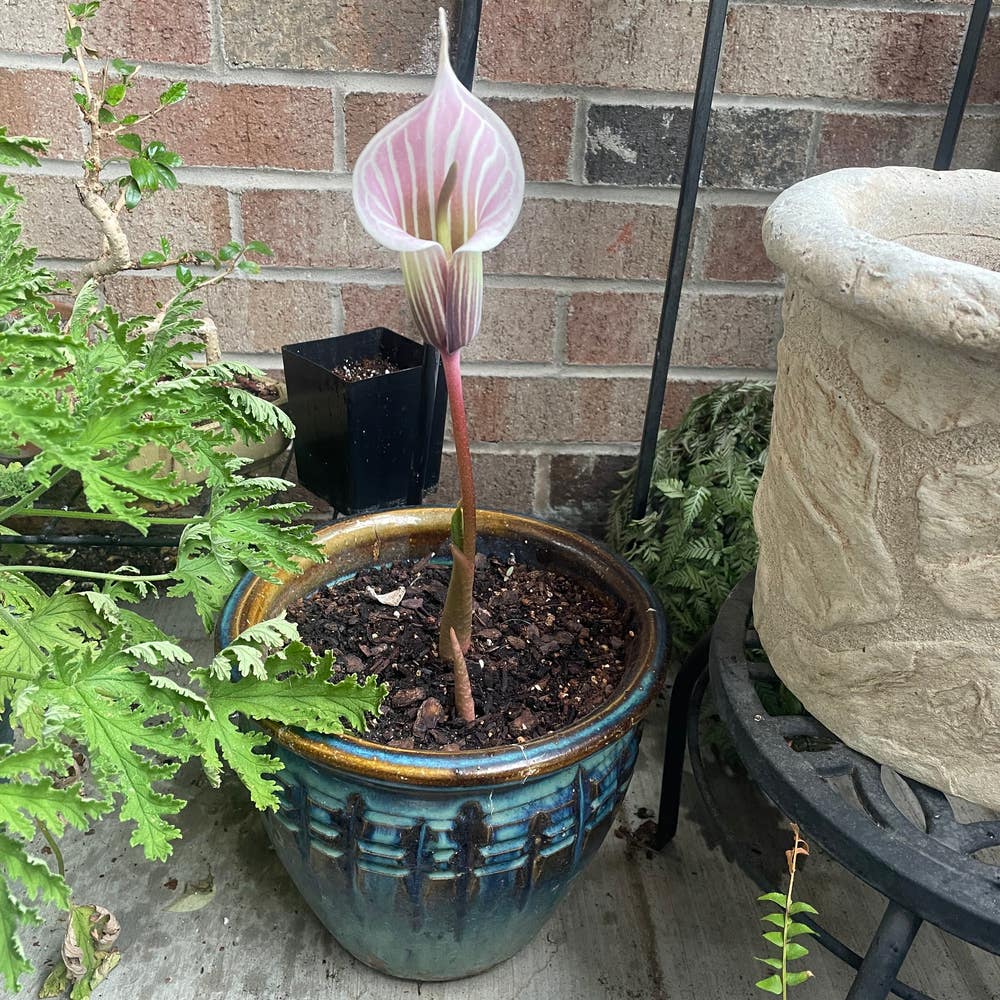
Introduction to Farges' Jack-in-the-Pulpit
Arisaema fargesii
By the Greg Editorial Team
Feb 04, 2025•10 min read
This article was created with the help of AI so we can cover more plants for you. May contain errors. See one? Report it here.
- 🌱 Farges' Jack-in-the-Pulpit thrives in moist, shaded areas with indirect sunlight.
- ⚠️ All parts are toxic; keep away from pets and children to prevent poisoning.
- 🌼 Enhance garden aesthetics and biodiversity with its unique flowers and lush foliage.
How to Grow
Choosing a Location 🌳
Farges' Jack-in-the-Pulpit thrives in moist, shaded areas with indirect sunlight. This ideal location not only protects the plant from harsh direct sun but also helps retain essential soil moisture.
Soil Preparation 🌱
To ensure robust growth, use rich, organic, well-draining soil. Enhance fertility by incorporating compost or leaf mold, which provides vital nutrients.
Planting Techniques 🌼
When planting, dig a hole that is 2-3 inches deep. Space each plant 12-18 inches apart to allow for natural clumping growth, creating a lush display.
Watering Requirements 💧
Consistency is key; maintain moisture without waterlogging the soil. Regular watering is especially crucial during dry spells to keep the plant healthy.
Fertilizing 🌿
Opt for a balanced, slow-release fertilizer to nourish your plants. Fertilize in early spring and again in mid-summer for optimal growth.
Pruning and Ongoing Care ✂️
Regularly prune by removing dead or yellowing leaves to promote overall health. Keep an eye out for any signs of stress or disease to address issues promptly.
With these steps, you'll create a thriving environment for your Farges' Jack-in-the-Pulpit. Next, let’s explore how to propagate this fascinating plant!
Propagation
🌱 Seed Propagation
To propagate Farges' Jack-in-the-Pulpit from seeds, you need to start with cold stratification. This process requires the seeds to be chilled for 30-60 days, mimicking winter conditions.
Timing is crucial; sow your seeds in late winter or early spring for the best results. This ensures they germinate when conditions are optimal for growth.
✂️ Division of Rhizomes
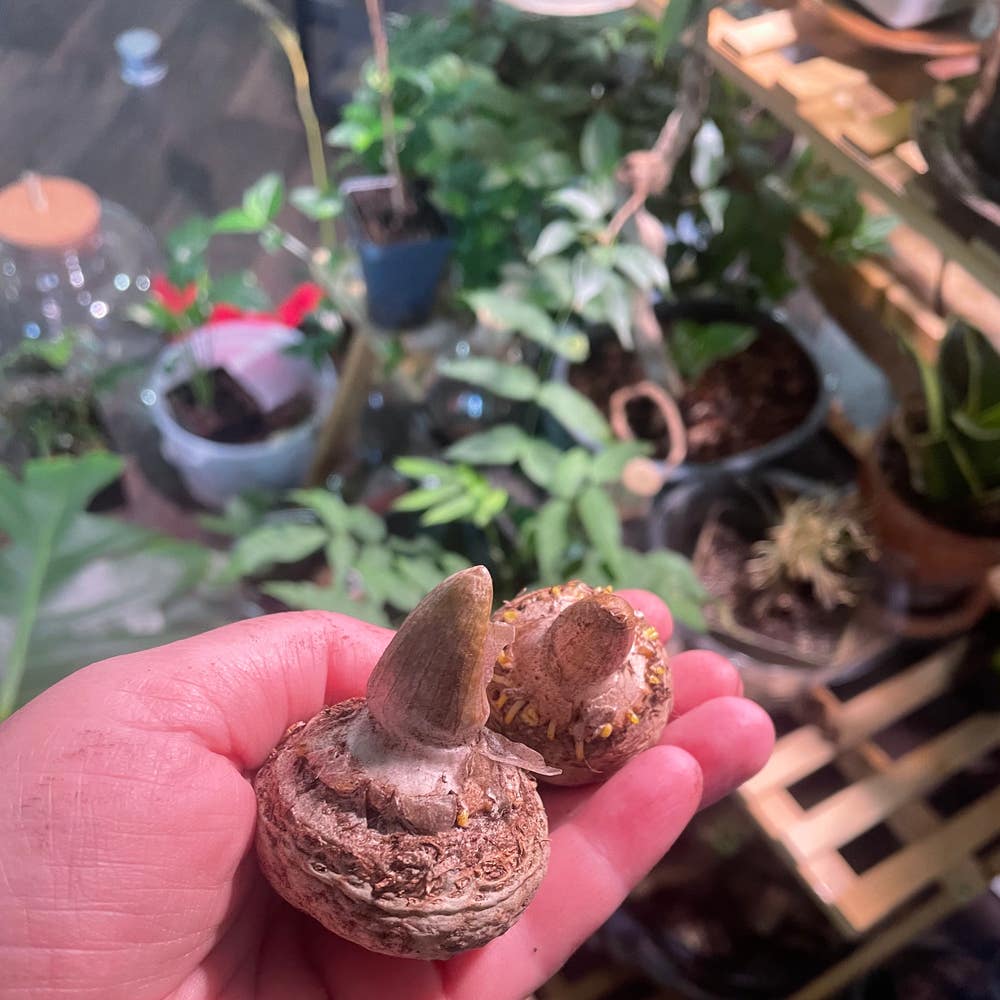
Dividing rhizomes is another effective propagation method. The best time to do this is in early spring or fall when the plant is not under stress.
When dividing, carefully separate the rhizomes, making sure each piece has roots attached. This technique helps maintain the health and vigor of your plants while allowing you to expand your garden.
With these propagation methods, you can enjoy the beauty of Farges' Jack-in-the-Pulpit in multiple spots around your garden. Next, let’s explore the lifecycle of this fascinating plant.
Lifecycle
Lifecycle Stages 🌱
Farges' Jack-in-the-Pulpit goes through several distinct stages during its lifecycle. These include seed or cutting, germination, seedling, vegetative growth, flowering, and seed production.
In optimal conditions, this plant can live for 5 to 10 years, providing a long-term addition to your garden.
Growth Rate 📈
This plant has a moderate growth rate, typically reaching heights of 1 to 3 feet.
Several factors influence its growth, including soil quality, moisture levels, and light conditions. Ensuring the right environment can significantly enhance its development.
Size
Mature Height and Spread 🌱
Farges' Jack-in-the-Pulpit typically reaches a height of 1 to 3 feet, making it a striking addition to any shaded garden. These plants can also form clumps that spread up to 2 feet wide, creating a lush, vibrant display.
Growth Rate and Factors Affecting Size 📈
The growth rate of this plant is moderate, generally influenced by soil quality and moisture levels. Size variability can occur based on environmental conditions, so providing optimal care can lead to more robust growth.
In summary, understanding the size characteristics of Farges' Jack-in-the-Pulpit helps in planning your garden layout effectively. Next, let’s explore the fascinating lifecycle of this unique plant.
Roots
🌱 Root System Characteristics
Farges' Jack-in-the-Pulpit features a rhizomatous root system, which allows it to spread and thrive in its environment. These roots can extend 12-18 inches deep, providing stability and access to moisture.
⚠️ Common Root-Related Issues
One common issue is root rot, often caused by overwatering. Symptoms include mushy roots, which can lead to plant decline if not addressed promptly.
Another problem is becoming rootbound, which occurs when the roots fill the container. Signs of this include stunted growth and a lack of vigor in the plant.
👀 Visual Cues for Healthy vs. Unhealthy Roots
Healthy roots are firm, white, and spread out, indicating a thriving plant. In contrast, unhealthy roots appear dark, mushy, or foul-smelling, signaling potential problems that need immediate attention.
Understanding these root characteristics and issues is crucial for maintaining a healthy Farges' Jack-in-the-Pulpit. Proper care can help prevent these problems and ensure your plant flourishes.
Next, we will explore the benefits of cultivating this unique plant in your garden.
Benefits
Aesthetic Appeal 🌺
Farges' Jack-in-the-Pulpit boasts a unique and striking appearance that enhances the visual interest of any shade garden. Its distinctive hooded flowers and lush foliage create a captivating focal point.
Attracts Pollinators 🐝
The flowers of this plant are not just beautiful; they also serve a vital role in attracting pollinators. Bees and other beneficial insects are drawn to its blooms, supporting local ecosystems.
Cultural Significance 📜
In various cultures, Farges' Jack-in-the-Pulpit has been utilized in traditional medicine. This historical use adds depth to its presence in gardens, connecting nature with cultural heritage.
Biodiversity Enhancement 🌿
Adding Farges' Jack-in-the-Pulpit to your garden contributes to biodiversity. It supports a healthy ecosystem by providing habitat and food for various wildlife.
Conversation Piece 🗣️
With its unique characteristics, this plant often becomes a topic of discussion among plant enthusiasts. Its intriguing features spark curiosity and foster connections among gardeners.
As you consider incorporating Farges' Jack-in-the-Pulpit into your garden, remember these benefits. They not only enhance your space but also contribute positively to the environment. Next, let’s explore the concept of companion planting and how it can further enrich your gardening experience.
Companion Plants
🌱 Concept of Companion Planting
Companion planting is all about creating a harmonious garden environment. By pairing plants that support each other, you can enhance biodiversity and improve pest management.
🌼 Best Companion Plants
Farges' Jack-in-the-Pulpit thrives alongside ferns and hostas. These companions share similar moisture and light needs, making them perfect partners in your shade garden.
- Ferns: Their lush foliage complements the unique shape of Jack-in-the-Pulpit, creating a visually appealing landscape.
- Hostas: With their broad leaves, hostas not only add beauty but also help retain soil moisture, benefiting all plants involved.
🚫 Plants to Avoid
While many plants can coexist peacefully, some can be aggressive and outcompete Farges' Jack-in-the-Pulpit for resources. Avoid planting with species known for their invasive tendencies, as they can overshadow your prized plant and disrupt the balance of your garden.
By carefully selecting companion plants, you can create a thriving ecosystem that enhances the beauty and health of your garden. This thoughtful approach not only supports your plants but also enriches your gardening experience.
Toxicity to Humans
⚠️ Toxic Parts of the Plant
Farges' Jack-in-the-Pulpit is not just a pretty face; its roots and leaves harbor toxic compounds. This means that while it can beautify your garden, it also requires caution.
🤢 Symptoms of Poisoning
If ingested, the plant can lead to unpleasant symptoms such as nausea, vomiting, diarrhea, abdominal pain, and dizziness. These reactions can vary in severity, making awareness crucial.
🥴 How Poisoning Can Occur
Poisoning typically occurs through the ingestion of plant parts or exposure to its sap. Even a small nibble can lead to discomfort, so it's best to keep this plant out of reach.
🚑 When to Seek Medical Care
If someone experiences severe symptoms or has ingested any part of the plant, immediate medical attention is essential. Don't hesitate to seek help; it's better to be safe than sorry.
Understanding the toxicity of Farges' Jack-in-the-Pulpit is vital for anyone considering adding it to their garden. With proper precautions, you can enjoy its beauty while keeping yourself and others safe.
Toxicity to Dogs
🐶 Toxic Parts of the Plant
Farges' Jack-in-the-Pulpit is toxic to dogs, with all parts of the plant containing harmful compounds. This includes the roots, leaves, and flowers, making it crucial for pet owners to be vigilant.
🤢 Symptoms of Poisoning
If a dog ingests any part of this plant, symptoms may include drooling, vomiting, diarrhea, and weakness. These signs can vary in severity, so prompt attention is essential.
⚠️ How Poisoning Can Occur
Poisoning can occur through the ingestion of plant material or even exposure to the sap. Dogs are naturally curious, so they may nibble on or play with the plant, leading to potential health risks.
🛡️ Prevention Measures
To keep your furry friends safe, supervise their outdoor time and consider removing Farges' Jack-in-the-Pulpit from your garden. Creating a pet-friendly environment is key to preventing accidental poisoning.
By being aware of these risks and taking preventive measures, you can enjoy your garden while ensuring your dog's safety. Next, let’s explore the toxicity of Farges' Jack-in-the-Pulpit to cats.
Toxicity to Cats
🐱 Toxic Parts of the Plant
Farges' Jack-in-the-Pulpit is entirely toxic to cats. Every part, from the roots to the leaves, contains harmful compounds that can pose serious health risks.
🤢 Symptoms of Poisoning
If a cat ingests any part of this plant, symptoms may include drooling, vomiting, diarrhea, and weakness. These signs can vary in severity, so it's crucial to monitor your pet closely.
⚠️ How Poisoning Can Occur
Poisoning typically occurs through ingestion of the plant material or exposure to its sap. Cats are naturally curious, which can lead them to nibble on or play with the plant.
🛡️ Prevention Measures
To keep your feline friend safe, it's best to keep cats indoors and supervise their outdoor time. Additionally, consider removing Farges' Jack-in-the-Pulpit from your garden to eliminate any risk of exposure.
By taking these precautions, you can enjoy your garden while ensuring your cat stays healthy and safe. Next, let’s explore the potential toxicity of Farges' Jack-in-the-Pulpit to dogs.
Problems
Common Issues 🌱
Farges' Jack-in-the-Pulpit can face a couple of common problems that every gardener should watch for. Overwatering is a frequent culprit, leading to yellowing leaves and root rot, while incorrect light conditions can result in leggy growth and poor flowering.
Identifying Symptoms 🔍
Recognizing the symptoms early can save your plant. Yellowing leaves often signal overwatering or a nutrient deficiency, while stunted growth may indicate poor light conditions or root-related issues.
Solutions for Each Problem 🛠️
To tackle overwatering, adjust your watering schedule and improve drainage to keep the roots healthy. If your plant is struggling with light, consider relocating it to a spot that better suits its needs for optimal growth.
By staying vigilant and proactive, you can ensure your Farges' Jack-in-the-Pulpit thrives in your garden. Next, let's explore the pests that might threaten its health.
Bugs
Common Pests 🐜
Farges' Jack-in-the-Pulpit can attract a few pesky critters. Spider mites are notorious for their webbing and stippled leaves, which can signal an infestation.
Aphids are another common foe, often leaving curled leaves and a sticky residue in their wake. Both pests can wreak havoc on your plant's health if not addressed promptly.
Identification and Damage Caused 🔍
Identifying these pests early is crucial. Damage from spider mites and aphids can weaken your plants, leading to reduced growth and vitality.
If you notice signs of distress, it’s essential to act quickly to prevent further harm.
Treatment Options for Pest Control 🧴
For effective pest control, consider using insecticidal soap or neem oil. These treatments are not only effective but also relatively safe for your garden ecosystem.
Regular monitoring and prompt action can keep your Farges' Jack-in-the-Pulpit thriving and pest-free.
What Eats Farges' Jack-in-the-Pulpit
🦌 Common Garden Animals
Farges' Jack-in-the-Pulpit can attract a variety of garden animals. Deer, rabbits, and squirrels are known to nibble on its leaves and stems, potentially causing significant damage.
👀 Signs of Animal Presence
You can easily spot signs of animal activity around your plants. Look for browsing damage, which appears as irregularly chewed edges on leaves and stems, indicating that these critters have taken a liking to your Jack-in-the-Pulpit.
🚫 Deterrent Methods
To protect your plants, consider implementing a few deterrent methods. Chemical repellents can be effective, but physical barriers like fencing or netting are often the best way to keep these hungry visitors at bay.
By taking these precautions, you can enjoy the beauty of Farges' Jack-in-the-Pulpit without the worry of it becoming a snack for local wildlife.
⚠️ Safety First
This content is for general information and may contain errors, omissions, or outdated details. It is not medical, veterinary advice, or an endorsement of therapeutic claims.
Always consult a qualified healthcare professional before using any plant as food, medicine, or supplement.
Never eat any plant (or feed one to pets) without confirming its identity with at least two trusted sources.
If you suspect poisoning, call Poison Control (800) 222-1222, the Pet Poison Helpline (800) 213-6680, or your local emergency service immediately.
Spotted an error? Please report it here.
Transform your garden with the vibrant beauty of Farges' Jack-in-the-Pulpit 🌿, and let Greg guide you with tailored care reminders to keep your plant thriving for years to come!