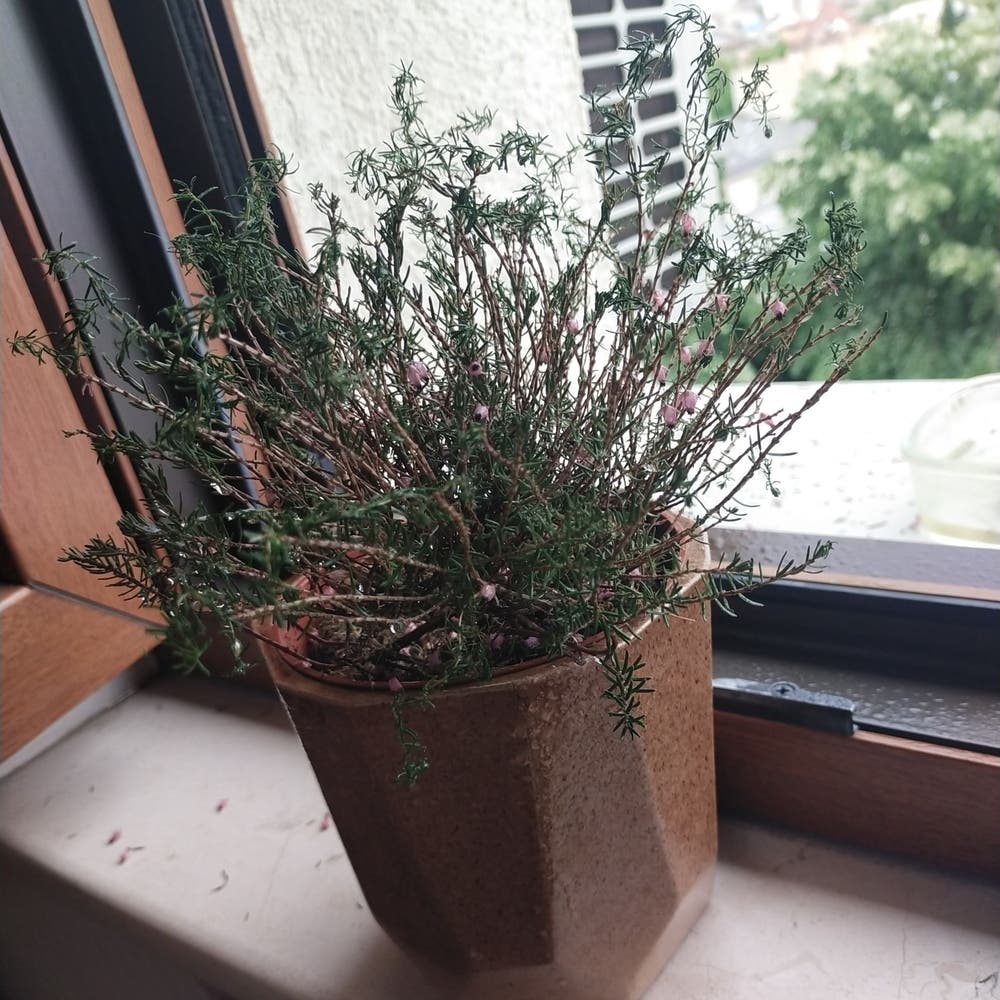
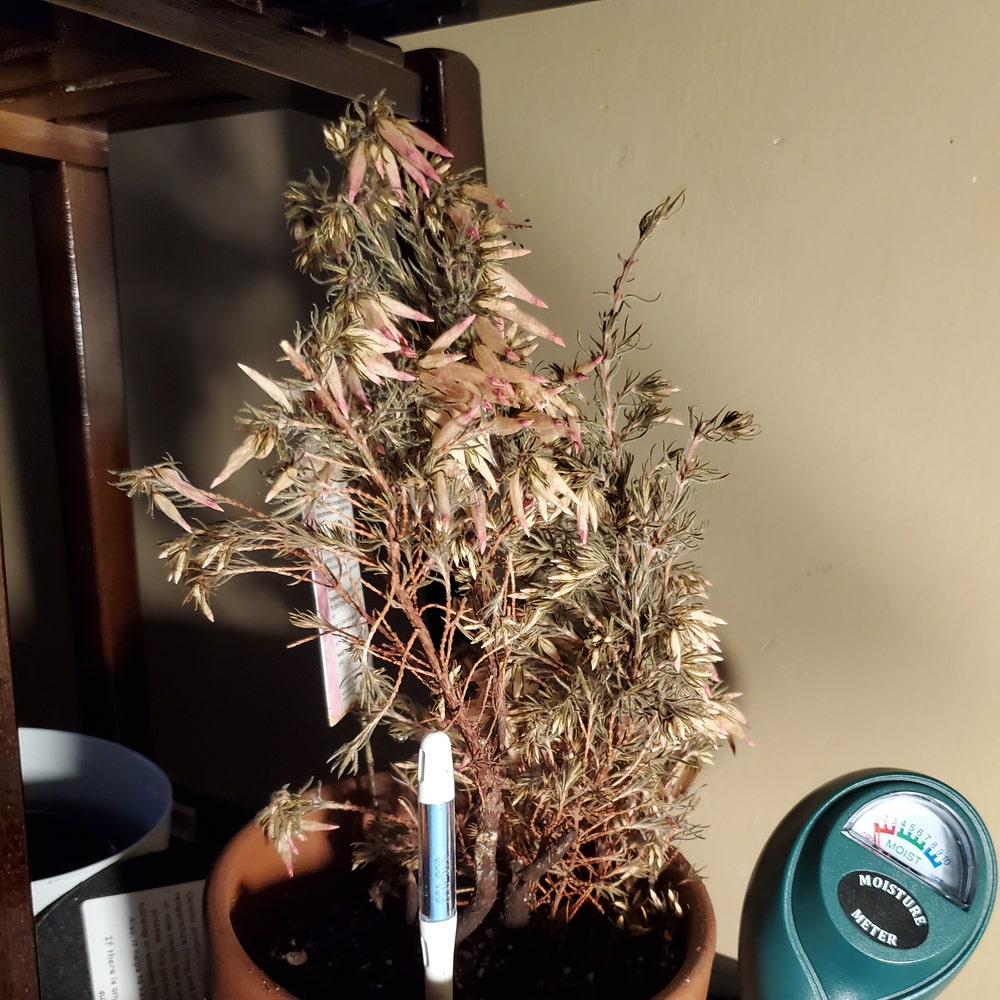
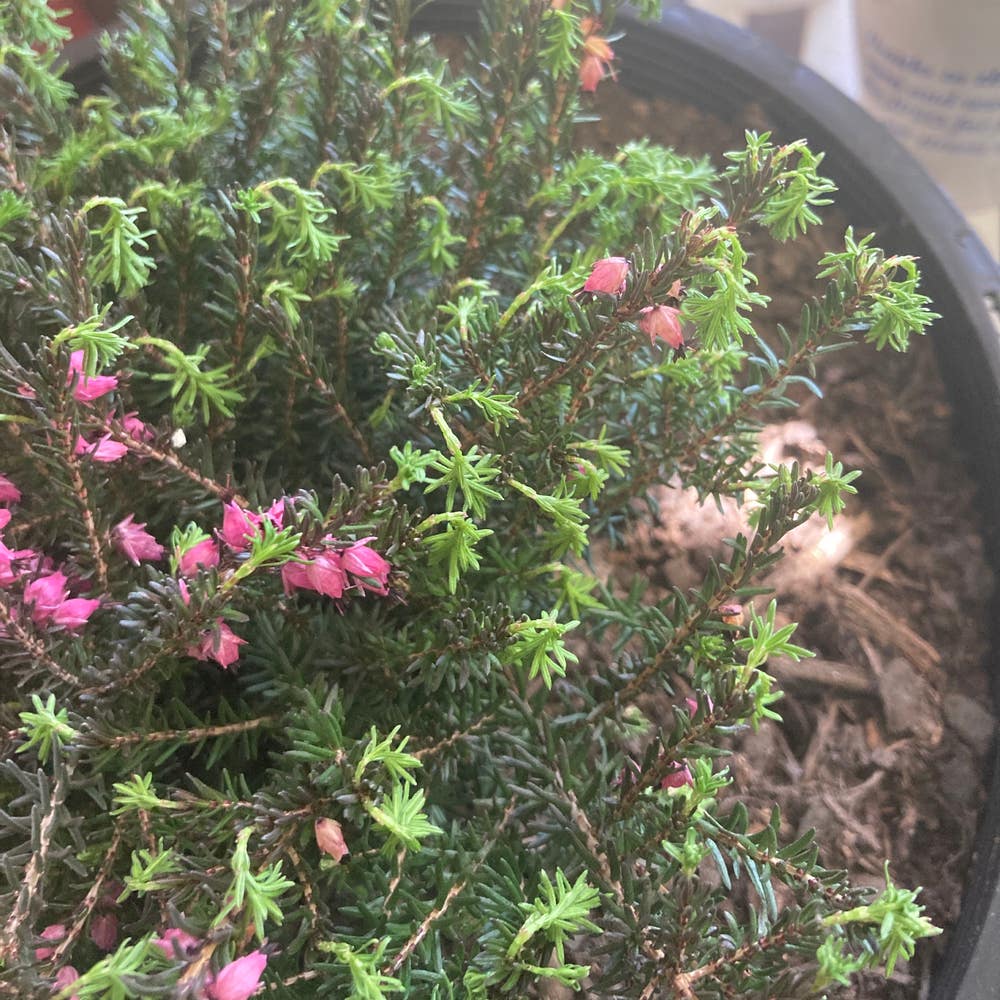
Ultimate Guide to Erica zitzikammensis var. zitzikammensis
Erica zitzikammensis var. zitzikammensis
By the Greg Editorial Team
Feb 28, 2025•10 min read
This article was created with the help of AI so we can cover more plants for you. May contain errors. See one? Report it here.
- 🌞 Erica zitzikammensis needs 6-8 hours of sunlight for optimal growth.
- 🌱 Prefers acidic, well-drained soil with a pH of 5.5 to 6.5.
- 🐞 Monitor for pests and diseases regularly to maintain plant health.
How to Grow
Choosing the Right Location 🌞
To thrive, Erica zitzikammensis var. zitzikammensis needs full sun to partial shade, ideally receiving 6-8 hours of sunlight daily. Ensure you provide enough space between plants to promote air circulation and healthy growth.
Soil Preparation 🏜️
This plant flourishes in acidic, well-drained soils with a pH between 5.5 and 6.5. To enhance drainage, mix in sand or perlite, ensuring the roots have the best environment to thrive.
Planting Techniques 🌱
When planting, place the root ball at the same depth as it was in the nursery pot. For optimal growth, space your plants 12-18 inches apart, allowing them room to expand.
Watering Requirements 🚰
Initially, water your plants regularly until they are established, then gradually reduce the frequency. Always water at the base to keep foliage dry and prevent fungal issues.
Fertilizing 🍽️
Use a slow-release, acidic fertilizer to nourish your Erica zitzikammensis. Fertilize in early spring and again in mid-summer to support robust growth.
Pruning ✂️
Prune your plants after flowering to encourage bushier growth. Trim back spent flowers and any dead or damaged stems to keep your plant healthy and vibrant.
Ongoing Care 🛡️
Regularly monitor your plants for pests and diseases to catch any issues early. Adjust your watering and fertilizing routines based on seasonal changes to keep your plants thriving year-round.
With these guidelines, you can cultivate a healthy Erica zitzikammensis var. zitzikammensis that will enhance your garden's beauty and biodiversity. Next, let’s explore how to propagate this stunning plant effectively.
Propagation
🌱 Seed Propagation
To propagate Erica zitzikammensis var. zitzikammensis from seeds, start by sowing them in spring. Lightly cover the seeds with soil, ensuring they have just the right amount of light and warmth to thrive.
Germination typically takes 2-4 weeks under optimal conditions. Keep the soil moist but not soggy to encourage healthy growth.
✂️ Cutting Propagation
Another effective method is cutting propagation. For this, take 4-6 inch cuttings from healthy stems, ensuring you choose vigorous growth for the best results.
The ideal time for this technique is late spring or early summer. This timing allows the cuttings to root effectively and establish themselves before the harsher conditions of winter.
With these propagation methods, you can expand your garden and enjoy the beauty of Erica zitzikammensis var. zitzikammensis in various locations. Next, let’s explore the lifecycle of this fascinating plant.
Lifecycle
Lifecycle Stages 🌱
The lifecycle of Erica zitzikammensis var. zitzikammensis spans approximately 2-3 years. During this time, the seeds germinate within a quick 2-4 weeks under optimal conditions.
Lifespan ⏳
This resilient plant generally lives for 5-10 years when provided with the right care. Its longevity makes it a valuable addition to any garden, offering beauty and ecological benefits for years to come.
Understanding the lifecycle of this plant can help you appreciate its growth patterns and care needs. As you nurture it, you'll witness its journey from seed to a vibrant, mature specimen.
Size
Mature Dimensions 🌱
Erica zitzikammensis var. zitzikammensis typically reaches a mature height of 1 to 3 feet. Its spread can extend from 1 to 2 feet wide, making it a compact yet vibrant addition to your garden.
Growth Rate 📈
This plant exhibits a moderate growth rate, which can be influenced by factors such as soil quality and sunlight exposure. Providing optimal conditions will encourage robust growth and a flourishing display.
Understanding the size and growth characteristics of Erica zitzikammensis is crucial for planning your garden layout. With the right care, this plant can thrive and enhance your outdoor space beautifully.
As we move forward, let’s explore the roots of this fascinating plant and their significance in its overall health.
Roots
🌱 Root System Characteristics
The Erica zitzikammensis var. zitzikammensis features a fibrous root system that plays a crucial role in its growth and stability. These roots typically spread laterally, reaching depths of 12-18 inches, allowing the plant to efficiently absorb nutrients and water.
⚠️ Common Root-Related Issues
While this plant is generally resilient, it can face some common root-related challenges. Root rot can occur if the soil is overly saturated, while rootbound conditions may arise if the plant is confined to a pot for too long.
👀 Visual Cues for Healthy vs. Unhealthy Roots
Monitoring root health is essential for the overall vitality of your plant. Healthy roots are firm and white, indicating good condition, whereas unhealthy roots appear dark and mushy, signaling potential problems that need immediate attention.
Understanding the root system of Erica zitzikammensis var. zitzikammensis not only helps in its care but also enhances your gardening experience. With proper attention to root health, you can ensure your plant thrives beautifully in your garden.
Next, let’s explore the benefits this stunning plant brings to your landscape.
Benefits
🌼 Supports Local Pollinators
Erica zitzikammensis var. zitzikammensis plays a vital role in supporting local ecosystems. Its blooms attract bees and birds, making it a haven for pollinators.
🎨 Adds Vibrant Color and Texture
This plant brings a splash of color and unique texture to any garden. Its striking flowers can brighten up landscapes, creating visual interest throughout the growing season.
🧑🌾 Low Maintenance
Once established, this variety requires minimal care, making it perfect for water-wise gardens. Its resilience means you can enjoy a beautiful garden without constant upkeep.
🌍 Cultural Significance
This plant holds a special place in South African heritage and traditional practices. Incorporating it into your garden connects you to a rich cultural history.
🦋 Enhances Biodiversity
Erica zitzikammensis var. zitzikammensis is versatile and fits well into various garden designs. By planting it, you contribute to biodiversity, supporting a wider range of wildlife.
Incorporating this plant into your garden not only beautifies your space but also fosters a thriving ecosystem. Next, let’s explore the best companion plants to pair with Erica zitzikammensis for a harmonious garden.
Companion Plants
Best Companions 🌱
When growing Erica zitzikammensis var. zitzikammensis, consider pairing it with other fynbos species like Protea and Leucadendron. These plants share similar care requirements, making them ideal companions in your garden.
Benefits of Companion Planting 🌼
Companion planting not only enhances the aesthetic appeal of your garden but also promotes healthier plants. By grouping species with similar pest management properties, you can create a more resilient ecosystem.
Plants to Avoid 🚫
While companion planting can be beneficial, it's essential to avoid heavy feeders such as tomatoes or corn. These plants can compete for nutrients, potentially stunting the growth of your Erica zitzikammensis.
Incorporating the right companions can elevate your gardening experience. By fostering a diverse plant community, you contribute to a thriving environment that supports local wildlife and enhances your garden's beauty.
Next, let's explore the toxicity of Erica zitzikammensis to humans, dogs, and cats, ensuring you know how to safely enjoy this vibrant plant.
Toxicity to Humans
Erica zitzikammensis var. zitzikammensis is not listed as toxic by major poison control centers. This means you can enjoy its beauty without major concerns about toxicity.
However, it's wise to be cautious. Ingesting large quantities may lead to mild skin irritation or digestive discomfort.
Always exercise caution with any plant. If you experience unusual symptoms after contact or consumption, seek medical advice promptly.
This plant can be a delightful addition to your garden, but awareness is key to ensuring a safe experience.
Toxicity to Dogs
When it comes to Erica zitzikammensis var. zitzikammensis, dog owners can breathe a sigh of relief. This plant is not listed as toxic to dogs by major pet poison control centers.
However, it's important to note that excessive consumption may lead to mild gastrointestinal upset. Keeping an eye on your furry friend is always a good practice.
🐶 Tips for Introducing the Plant
To ensure a safe introduction of this plant into your garden, consider its placement carefully. Position it in an area that is less accessible to your dog.
Additionally, monitor your dog's behavior around the plant. This way, you can quickly address any curiosity they might have about it.
With these precautions, you can enjoy the beauty of Erica zitzikammensis var. zitzikammensis without worrying about your dog's health. Now, let's explore how this plant interacts with cats.
Toxicity to Cats
When it comes to the safety of Erica zitzikammensis var. zitzikammensis for our feline friends, you can breathe easy. This plant is not listed as toxic to cats by major pet poison control centers.
However, it's important to note that excessive consumption might lead to mild gastrointestinal upset. Keeping an eye on your cat's behavior around the plant can help prevent any potential issues.
🐱 Tips for Introducing the Plant
To ensure a safe environment, consider the following tips:
- Proper Placement: Position the plant in an area that is less accessible to your cat.
- Monitoring Behavior: Observe your cat's interactions with the plant, especially during the initial introduction.
By taking these precautions, you can enjoy the beauty of Erica zitzikammensis var. zitzikammensis while keeping your furry companions safe.
As we move on, let’s explore the potential problems that may arise when growing this vibrant plant.
Problems
Common Issues 🌱
Growing Erica zitzikammensis var. zitzikammensis can be rewarding, but it’s essential to be aware of potential problems that may arise.
Incorrect Watering
One of the most common issues is incorrect watering. Overwatering can lead to yellowing leaves, while underwatering results in wilting.
Light and Temperature Issues
Light and temperature also play a crucial role in the plant's health. Too much sun can cause leaf scorch, whereas insufficient light may lead to leggy growth.
Diseases
Fungal diseases are another concern for this plant. Watch out for powdery mildew and rust, which can affect overall vitality and appearance.
By staying vigilant and addressing these common issues promptly, you can ensure your Erica zitzikammensis thrives beautifully in your garden. Next, let’s explore the potential pest issues that could affect your plant.
Bugs
Potential Pest Issues 🕷️
While Erica zitzikammensis var. zitzikammensis boasts moderate pest resistance, it can still fall prey to a few unwelcome visitors. Spider mites and mealybugs are the most common culprits, often sneaking in when conditions are just right.
Treatment Options 💧
If you notice these pests, don’t fret! Effective treatment options are readily available. Neem oil is a popular choice, as it disrupts the life cycle of pests without harming the plant. Insecticidal soap is another effective solution, smothering the bugs while being gentle on your beloved plant.
Prevention Tips 🚫
To keep your plant thriving, regularly inspect for signs of infestation. Early detection is key to preventing a full-blown pest problem. Maintaining good air circulation and proper watering can also help deter pests from making your plant their home.
Conclusion 🏁
By staying vigilant and using the right treatments, you can protect your Erica zitzikammensis var. zitzikammensis from pests. With a little care, your plant will flourish, adding beauty to your garden without the hassle of unwanted bugs. Next, let’s explore what animals might be interested in snacking on your plant.
What Eats
Common Animals 🦌
When it comes to Erica zitzikammensis var. zitzikammensis, several common animals may take a liking to its foliage. Deer, rabbits, and squirrels are known culprits that can cause noticeable damage.
Signs of Animal Presence 🐾
Keep an eye out for signs of these furry visitors. Browsing damage on leaves and tracks around your garden can indicate that your plants are being nibbled on.
Deterrent Methods 🚫
To protect your precious plants, consider using deterrent methods. Chemical repellents can be effective, but organic options like fencing or natural barriers may be more appealing for eco-conscious gardeners.
By being proactive, you can enjoy the beauty of your Erica zitzikammensis without the worry of unwanted munchers. Now that you know what might eat your plants, let’s explore how to keep them healthy and thriving!
⚠️ Safety First
This content is for general information and may contain errors, omissions, or outdated details. It is not medical, veterinary advice, or an endorsement of therapeutic claims.
Always consult a qualified healthcare professional before using any plant as food, medicine, or supplement.
Never eat any plant (or feed one to pets) without confirming its identity with at least two trusted sources.
If you suspect poisoning, call Poison Control (800) 222-1222, the Pet Poison Helpline (800) 213-6680, or your local emergency service immediately.
Spotted an error? Please report it here.
Cultivate a thriving Erica zitzikammensis 🌱 that supports local pollinators with Greg's tailored care reminders and expert tips to ensure your plant flourishes beautifully!