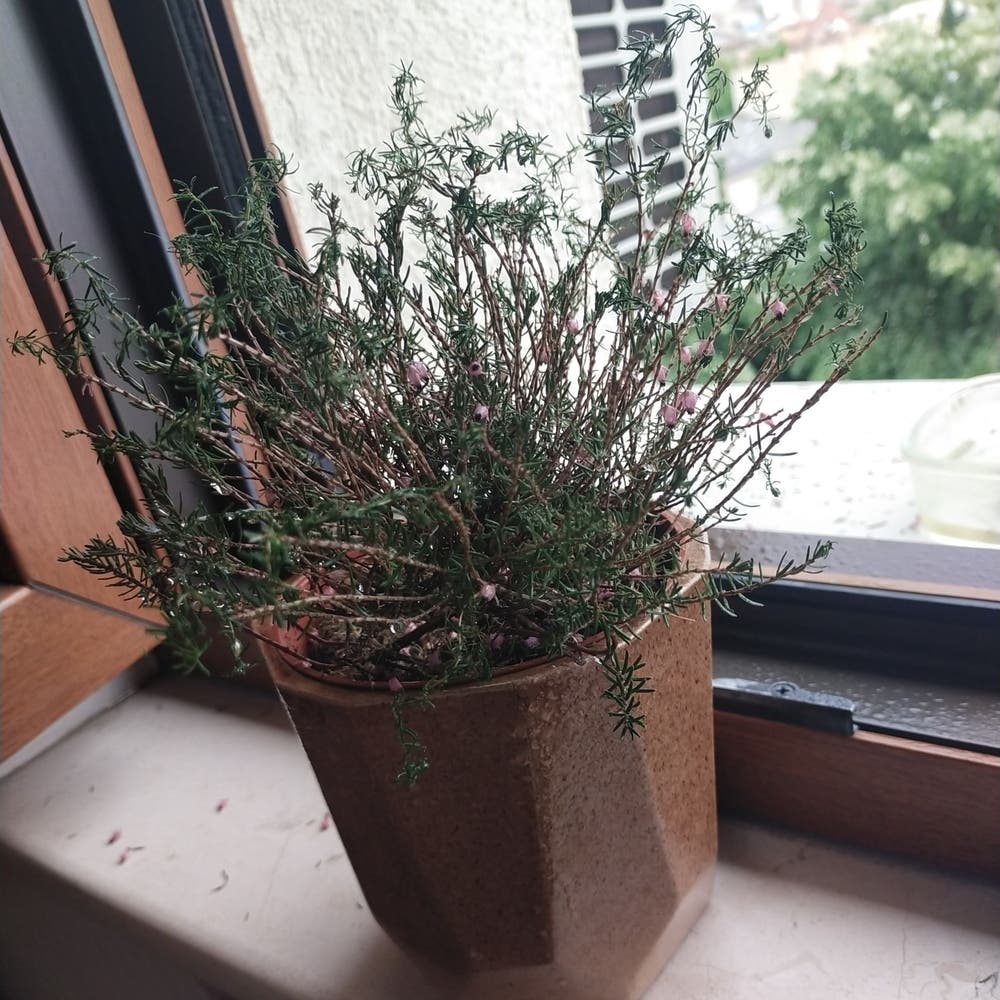
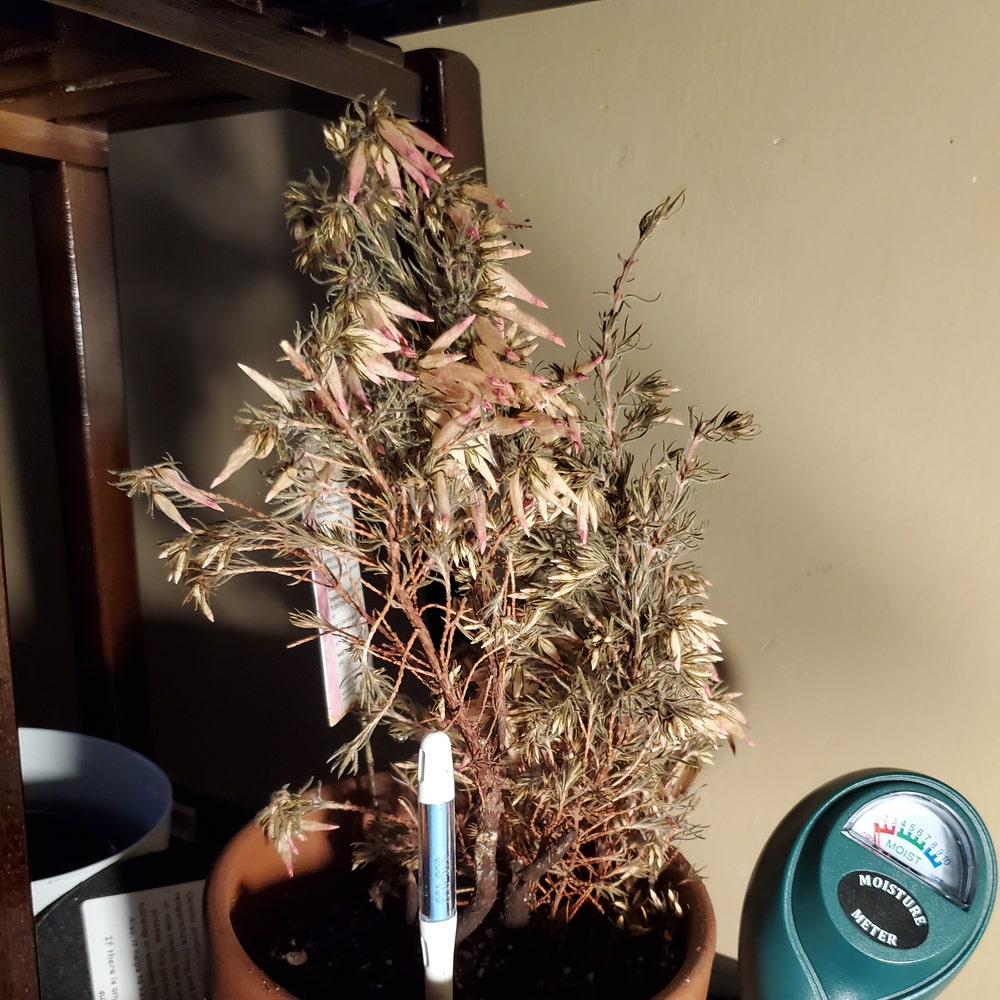
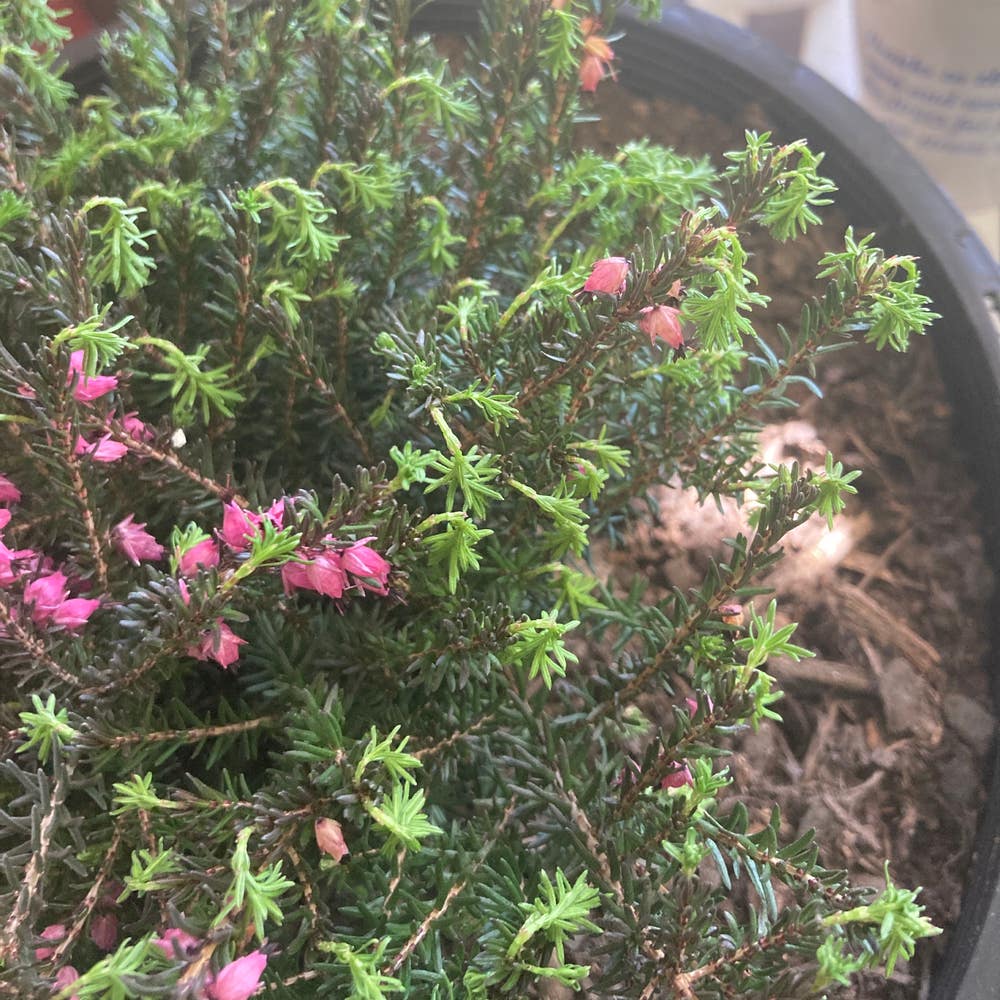
Overview of Erica x Pallens 🌸
Erica x pallens
By the Greg Editorial Team
Feb 28, 2025•12 min read
This article was created with the help of AI so we can cover more plants for you. May contain errors. See one? Report it here.
Elevate your garden's beauty effortlessly with Erica x Pallens, a vibrant plant that thrives with simple care! 🌼
- 🌞 Erica x Pallens thrives in full sun, needing at least six hours of sunlight daily.
- 🌱 Acidic, well-drained soil with pH 5.5-6.5 is essential for healthy growth.
- 🌿 Regular watering and pruning promote bushier growth and prevent common issues.
How to Grow
Choosing a Location 🌞
To thrive, Erica x Pallens needs full sun to partial shade, ideally receiving a minimum of six hours of sunlight daily. When deciding between outdoor planting or container placement, consider the plant's growth habits and the specific light conditions of your space.
Soil Preparation 🌱
This plant prefers acidic, well-drained soil with a pH between 5.5 and 6.5. To enhance soil quality, incorporate organic matter or peat moss, which will improve drainage and nutrient availability.
Planting Techniques 🌿
When planting, ensure the root ball is level with the soil surface to promote healthy growth. Space your plants 12 to 18 inches apart to allow for optimal air circulation and development.
Watering Requirements 💧
Regular watering is essential, especially during dry spells. Allow the soil to dry slightly between waterings, and watch for signs of overwatering, like wilting leaves, or underwatering, which can lead to yellowing foliage.
Fertilizing Schedule 🌼
Use a balanced, slow-release fertilizer to nourish your Erica x Pallens. Apply it in early spring and again in mid-summer for the best results.
Pruning Methods ✂️
Prune your plants after flowering to encourage bushier growth. Lightly trim spent flowers and any leggy growth to maintain a tidy appearance and promote new blooms.
Ongoing Care for Outdoor and Container Growth 🐞
Keep an eye out for pests and diseases that may affect your plants. Adjust your care routine seasonally based on climate changes to ensure your Erica x Pallens remains healthy and vibrant.
With these guidelines, you'll set your Erica x Pallens up for success, ensuring a flourishing display in your garden or containers. Next, let's explore the fascinating world of propagation techniques for this resilient plant.
Propagation
🌱 Seed Propagation Steps
Seed propagation is a rewarding way to expand your Erica x Pallens collection. Start by collecting seeds from mature flowers.
Next, sow the seeds in a seed tray filled with a light soil mix. Keep the soil moist and maintain a temperature of 20°C (68°F) to encourage germination.
✂️ Cutting Propagation Techniques
Cutting propagation is another effective method to grow new plants. Begin by selecting healthy stems during spring or early summer.
Cut 4-6 inch sections and remove the lower leaves to prepare the cutting. Dip the cuttings in rooting hormone and plant them in a well-draining medium.
To ensure success, maintain humidity around the cuttings until roots develop, which typically takes 2-4 weeks.
With these propagation techniques, you can easily multiply your Erica x Pallens and enjoy their beauty in various spaces. Next, let’s explore the lifecycle of this fascinating plant.
Lifecycle
Lifecycle Stages 🌱
Understanding the lifecycle of Erica x Pallens is essential for successful cultivation. It begins with germination, which takes about 2-3 weeks for seeds to sprout.
Next is the seedling stage, lasting 4-6 weeks, where the young plants establish their roots. Following this, the vegetative growth phase kicks in, characterized by rapid growth over several months.
As winter fades, the plants enter the flowering stage, typically occurring in late winter to early spring. After flowering, the cycle continues with seed production, allowing you to collect seeds for future planting.
Lifespan and Growth Timeline ⏳
With proper care, Erica x Pallens can thrive for 3-5 years. It generally takes about 1-2 years to reach maturity, making it a rewarding addition to your garden.
This timeline highlights the importance of patience and attention during the early stages, ensuring your plants flourish and contribute beauty to your space.
As you nurture these plants, you'll witness their growth and enjoy the vibrant blooms they produce, enhancing your gardening experience.
Next, let's explore the size of Erica x Pallens and how it can fit into your garden design.
Size
Mature Height and Spread 🌱
Erica x Pallens typically reaches a mature height of 12 to 24 inches. Its spread can range from 18 to 24 inches, making it a compact yet vibrant addition to any garden.
Growth Rate and Size Variability 📏
This plant exhibits a moderate growth rate, which can be influenced by various environmental factors. Size variability is common, as conditions like soil quality and sunlight exposure play significant roles in determining its final dimensions.
Impact of Growing Conditions on Size 🌍
The growing conditions you provide can greatly affect the size of Erica x Pallens. Factors such as soil type, watering practices, and sunlight availability will directly influence how robust and expansive your plants become.
Understanding these aspects will help you create the ideal environment for your Erica x Pallens, ensuring they thrive and reach their full potential. Next, let’s explore the root system characteristics that support this beautiful plant's growth.
Roots
Characteristics of the Root System 🌱
The Erica x Pallens features a fibrous root system that is both shallow and spreading. This structure allows the plant to efficiently absorb nutrients and water from the top layers of soil.
Common Root-Related Issues and Solutions 🚨
Root rot is a common concern, often indicated by wilting and yellowing leaves. To prevent this, ensure the soil is well-drained and avoid overwatering.
Squishy roots can signal overwatering as well. Adjust your watering practices to allow the soil to dry out slightly between waterings.
Identifying Healthy vs. Unhealthy Roots 🔍
Healthy roots are typically firm and white, indicating vitality. In contrast, unhealthy roots appear dark and mushy, suggesting potential problems.
Recognizing and Addressing Rootbound Conditions 🪴
Signs of a rootbound plant include roots growing out of the drainage holes. If you notice this, consider repotting or performing root pruning to encourage healthier growth.
By keeping an eye on your plant's roots, you can ensure it thrives and remains vibrant. This attention to detail will set the stage for a flourishing Erica x Pallens in your garden.
Next, let’s explore the benefits of incorporating this stunning plant into your landscape.
Benefits
Top 5 Benefits 🌟
Ornamental Value
Erica x Pallens is a stunning addition to any garden, boasting vibrant colors that can brighten up your landscape. Its beautiful blooms create a visual feast, making it a favorite for garden enthusiasts.
Attracts Pollinators
This plant is a magnet for pollinators like bees and butterflies. By planting Erica x Pallens, you not only enhance your garden's beauty but also support local ecosystems.
Drought-Resistant
Once established, Erica x Pallens is remarkably drought-resistant. This means less frequent watering, allowing you to enjoy a flourishing garden with minimal effort.
Versatile Planting Options
Whether in garden beds or containers, Erica x Pallens adapts beautifully. Its versatility makes it an excellent choice for various gardening styles and spaces.
Cultural Significance
Often linked to Mediterranean landscapes, Erica x Pallens symbolizes beauty and resilience. Incorporating this plant into your garden connects you to a rich cultural heritage.
With these benefits, Erica x Pallens is not just a plant; it's an opportunity to enhance your garden's aesthetic and ecological value. Ready to explore how to grow this beauty? Let's dive into the next section!
Companion Plants
🌱 Concept of Companion Planting
Companion planting is all about creating a harmonious garden environment. It enhances biodiversity and helps manage pests naturally, leading to healthier plants and a more vibrant garden.
🌼 Best Companion Plants
When choosing companions for Erica x Pallens, consider other heathers, low-growing perennials, and ornamental grasses. These plants share similar care needs and aesthetic appeal, making them perfect partners in your garden.
🚫 Plants to Avoid
Steer clear of heavy feeders or plants that require drastically different soil conditions. These can compete for nutrients and disrupt the balance in your garden, leading to stressed plants and reduced growth.
By selecting the right companions, you can create a thriving ecosystem that benefits all your plants. This thoughtful approach not only beautifies your space but also fosters a resilient garden environment.
Next, let’s explore the potential toxicity of Erica x Pallens to pets and humans, ensuring you can enjoy your garden safely.
Toxicity to Humans
When it comes to the safety of Erica x Pallens, you can breathe easy. This plant is not listed as toxic by major poison control centers, making it a great choice for gardens and homes.
However, it's wise to exercise caution. While serious issues are rare, consuming large quantities may lead to mild skin irritation or digestive discomfort. Always consult a medical professional if you experience any unusual symptoms after contact with the plant.
In summary, enjoy the beauty of Erica x Pallens without worry, but stay informed and cautious. Your health and safety should always come first!
As we explore further, let's look at how this plant interacts with our furry friends.
Toxicity to Dogs
When it comes to the safety of your furry friends, Erica x Pallens is a relief. It is not listed as toxic by major pet poison control centers, making it a safe choice for dog owners.
However, like with any plant, moderation is key. Excessive consumption may lead to mild gastrointestinal upset, so it's wise to keep an eye on your pup's behavior around the plant.
🐶 Proper Placement
To ensure your dog's safety, place Erica x Pallens out of reach. This simple step can prevent any curious snouts from getting too close.
👀 Monitoring Behavior
Always observe your dog for any unusual interest in the plant. If you notice them sniffing or nibbling, it might be time to reconsider its location.
In summary, while Erica x Pallens poses minimal risk to dogs, proactive measures can help maintain a safe environment for your pets. Now, let’s explore how to keep your garden thriving with companion plants!
Toxicity to Cats
When it comes to the safety of your feline friends, Erica x Pallens is in the clear. Major pet poison control centers do not list it as toxic, which is great news for cat owners.
However, it's worth noting that if your cat consumes large quantities, it might experience mild gastrointestinal upset. To keep your furry companion safe, ensure the plant is placed in a location that's out of reach.
🏠 Proper Placement
Positioning your Erica x Pallens wisely can prevent any curious cat from nibbling on it. Consider placing it on high shelves or in hanging baskets to keep it safe.
👀 Monitoring Behavior
Always keep an eye on your cat's interactions with the plant. If you notice any unusual interest or behavior, it’s best to intervene and redirect their attention elsewhere.
In summary, while Erica x Pallens poses minimal risk to cats, a little caution goes a long way in ensuring their safety. Now, let’s explore some common problems that may arise when growing this beautiful plant.
Problems
Common Problems 🌱
Growing Erica x Pallens can be rewarding, but it’s not without its challenges. Here are some common issues you might encounter.
Incorrect Watering 🚰
One of the most frequent problems is incorrect watering. Signs of this include wilting or yellowing leaves, indicating either overwatering or underwatering.
Incorrect Light Conditions ☀️
Light conditions also play a crucial role in plant health. If your Erica x Pallens shows leaf scorch or becomes leggy, it’s a sign that it’s not receiving the right amount of sunlight.
Diseases 🦠
Fungal diseases can pose a threat, particularly powdery mildew and root rot. Keeping an eye on your plants and ensuring good air circulation can help prevent these issues.
Leaf Issues 🍃
You may notice scorching or fuzzy growth on the leaves, which indicates stress. Addressing environmental factors like humidity and temperature can alleviate these symptoms.
Growth Problems 📈
If your plants aren’t growing or fruiting as expected, it’s time to reassess your care practices. Adjusting watering, light exposure, and soil conditions can often resolve these growth problems.
By staying vigilant and responsive to these common issues, you can ensure your Erica x Pallens thrives beautifully. Next, let’s explore potential pest problems that could affect your plants.
Bugs
🐜 Potential Pest Issues
When growing Erica x Pallens, it's essential to keep an eye out for common pests that can disrupt your plant's health.
Spider Mites
Spider mites are tiny pests that can wreak havoc on your plants. Look for signs like webbing and stippled leaves; these indicate an infestation. To combat spider mites, treat your plants with insecticidal soap, which effectively eliminates these nuisances.
Mealybugs
Another pest to watch for is mealybugs, identifiable by their white, cottony masses on stems. These pests can sap your plant's vitality, so control them with neem oil, a natural solution that disrupts their life cycle.
Aphids
Aphids are small green insects that can cluster on new growth, causing distortion and stress. If you spot them, a simple treatment with insecticidal soap or a strong water spray can help dislodge them and keep your Erica x Pallens thriving.
🔍 Monitoring and Prevention
Regularly inspect your plants for these pests to catch any issues early. Maintaining healthy plants through proper care can also reduce the likelihood of infestations.
By staying vigilant and acting quickly, you can ensure your Erica x Pallens remains vibrant and healthy. Next, let’s explore what animals might be interested in munching on your beautiful plants.
What Eats
Common Animals 🦌
When cultivating Erica x Pallens, be aware of the local wildlife that might find your plants irresistible.
Deer are notorious for browsing on foliage, leaving behind telltale signs of nibbling. To protect your plants, consider installing fencing or using repellents to keep these gentle giants at bay.
Rabbits can also be a nuisance, often munching on leaves and stems. Barriers or repellents can effectively deter them from making a meal out of your garden.
Squirrels may dig around the base of your plants, searching for hidden treasures. To discourage their antics, try using noise or movement devices that can startle them away.
By understanding these common animal threats, you can take proactive steps to safeguard your Erica x Pallens and ensure they thrive in your garden.
Next, let’s explore the potential pest issues that can affect your plants.
⚠️ Safety First
This content is for general information and may contain errors, omissions, or outdated details. It is not medical, veterinary advice, or an endorsement of therapeutic claims.
Always consult a qualified healthcare professional before using any plant as food, medicine, or supplement.
Never eat any plant (or feed one to pets) without confirming its identity with at least two trusted sources.
If you suspect poisoning, call Poison Control (800) 222-1222, the Pet Poison Helpline (800) 213-6680, or your local emergency service immediately.
Spotted an error? Please report it here.
Cultivating your Erica x Pallens is a breeze 🌱 with Greg's tailored care reminders and expert tips to keep it thriving in your garden!