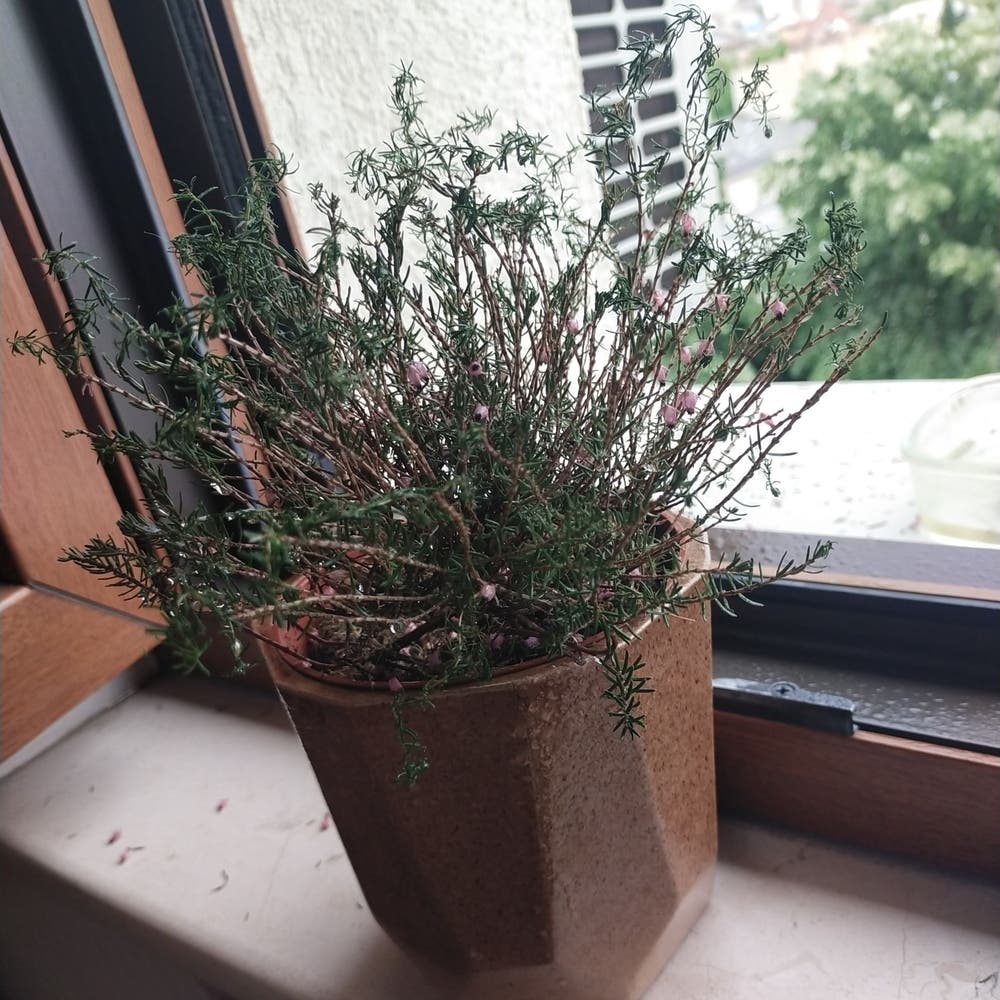
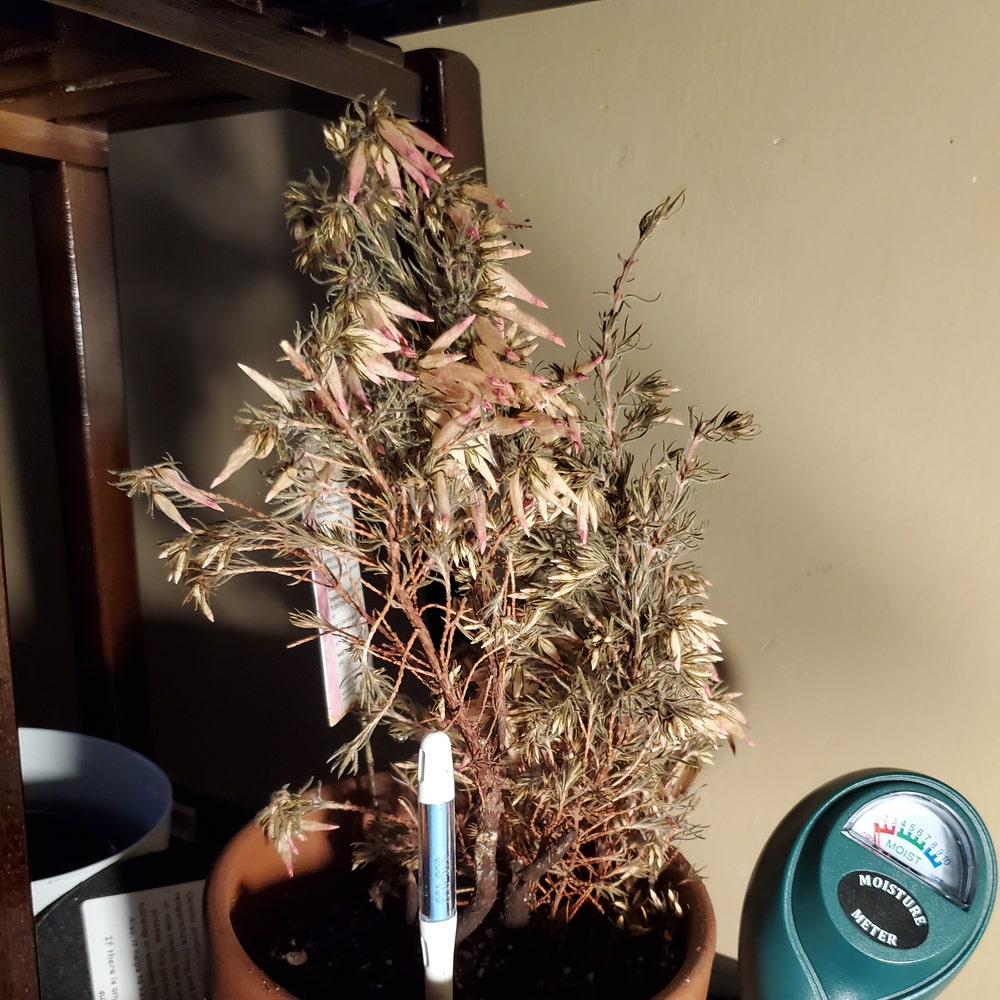
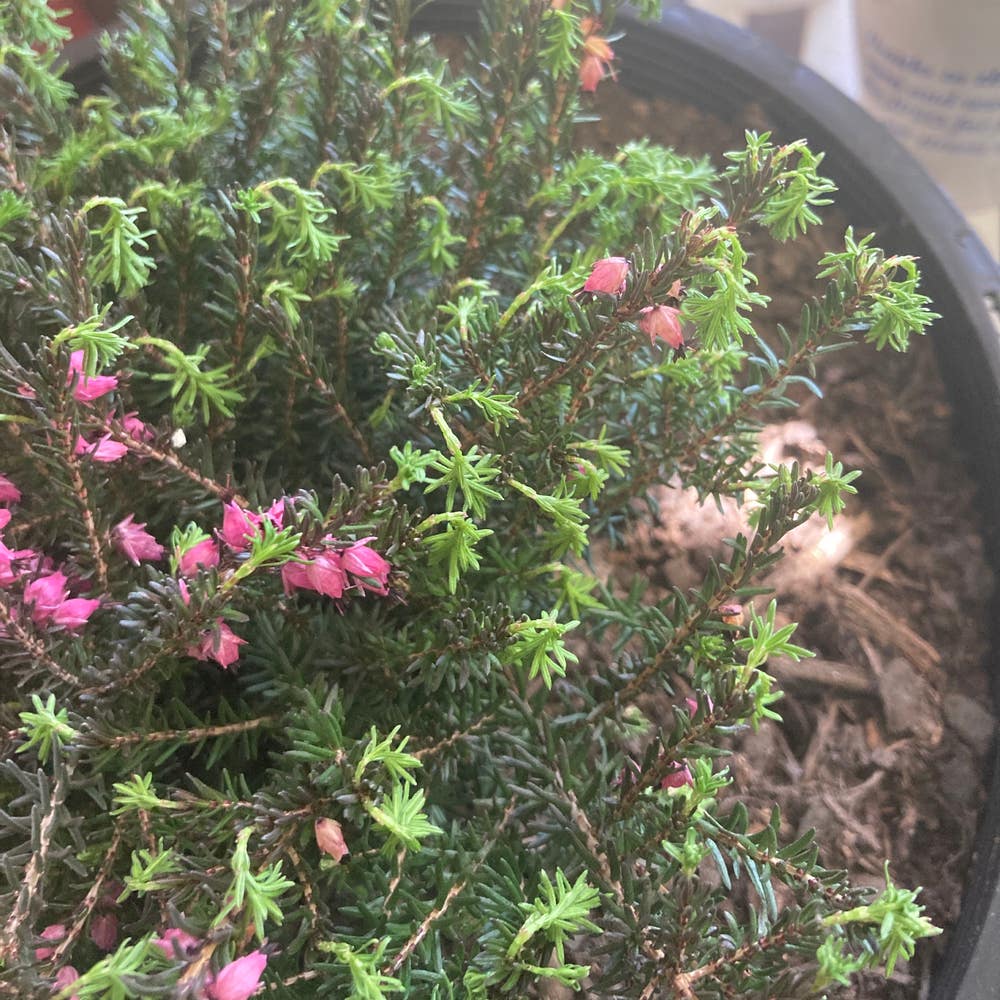
What You Should Know About Erica velitaris var. velitaris 🌸
Erica velitaris var. velitaris
By the Greg Editorial Team
Feb 28, 2025•13 min read
This article was created with the help of AI so we can cover more plants for you. May contain errors. See one? Report it here.
Elevate your garden's beauty 🌼 with the low-maintenance Erica velitaris, a resilient choice for vibrant ecosystems! 🌱
- 🌞🌱 Erica velitaris thrives in full sun with well-drained, acidic soil for optimal growth.
- 💧 Deep watering is crucial after planting; it's drought-tolerant once established.
- 🌼✂️ Light pruning after flowering maintains shape and removes dead branches effectively.
How to Grow
Choosing a Location 🌞
To thrive, Erica velitaris var. velitaris prefers full sun to partial shade. It's crucial to plant it in well-drained, acidic soil, as this will significantly impact its growth.
Consider the microclimates in your garden. Areas that receive morning sun and afternoon shade can be ideal, helping to protect the plant from harsh conditions.
Soil Preparation 🧪
Start with acidic, well-draining soil for optimal growth. Amendments like peat moss or pine bark can enhance acidity, creating a perfect environment for your plant.
Before planting, test your soil's pH levels. Aim for a range between 5.5 and 6.5 to ensure the best results.
Planting Techniques 🌱
The best time to plant is early spring or fall. Space your plants 2-3 feet apart to allow for proper air circulation.
When planting, ensure the root ball is level with the soil surface. This helps prevent water from pooling around the roots.
Watering Requirements 💧
After planting, give your Erica a deep watering to establish its roots. Moving forward, adjust your watering frequency based on soil moisture, allowing it to dry out between waterings.
Once established, these plants are drought-tolerant and require less frequent watering. This resilience makes them a great choice for low-maintenance gardens.
Fertilizing Schedule 🌿
Use an acidic fertilizer or slow-release granular fertilizer for feeding. Apply it in early spring and again in mid-summer for the best results.
Always follow the package instructions for dosage. This ensures your plant gets the nutrients it needs without the risk of over-fertilization.
Pruning Methods ✂️
Prune your Erica in late spring, right after flowering. Light pruning helps maintain its shape and removes any dead or damaged branches.
Be cautious not to over-prune, as this can stress the plant and hinder its growth.
Ongoing Care Tips 🛠️
Mulching is essential; use organic mulch to retain moisture and suppress weeds. Regularly monitor your plants for pests and diseases to catch any issues early.
Adjust your care routine based on seasonal climate changes. This proactive approach will keep your Erica healthy and thriving.
Outdoor vs. Container Growing 🏡
For container growing, choose pots with drainage holes and fill them with an acidic potting mix. This setup allows for proper drainage and nutrient retention.
If you're planting outdoors, ensure proper spacing and soil conditions. This will help your Erica flourish in its natural environment.
With these tips, you'll be well on your way to successfully growing Erica velitaris var. velitaris. Next, let's explore propagation techniques to expand your garden even further!
Propagation
🌱 Seed Propagation
To propagate Erica velitaris var. velitaris from seeds, start by harvesting them after flowering. For successful germination, provide a warm, moist environment with a light covering of soil; expect germination in about 2-4 weeks.
✂️ Cutting Propagation
Another effective method is cutting propagation. Select healthy stems that are 4-6 inches long and place them in a rooting medium made of equal parts peat and perlite; maintain humidity for 4-6 weeks to encourage root development.
🌿 Layering Techniques
Layering is a more hands-on approach. Bend a low branch to the ground, cover it with soil, and ensure it stays in place; this method works best in spring and may take 6-12 months before you can sever it from the parent plant.
With these propagation techniques, you can easily expand your collection of Erica velitaris var. velitaris, ensuring that your garden remains vibrant and diverse. Next, let’s explore the lifecycle of this fascinating plant and how it develops over time.
Lifecycle
Lifecycle Stages 🌱
Erica velitaris var. velitaris is a perennial shrub, meaning it lives for multiple years and goes through distinct growth stages. Understanding these stages helps you nurture the plant effectively throughout its life.
Germination Process 🌼
Successful germination requires specific conditions: warmth, moisture, and a light covering of soil. These factors create an ideal environment for seeds to sprout and begin their journey.
Seedling Stage 🌿
Once germination occurs, the seedling stage lasts about 4-6 weeks. During this time, the plant develops its first true leaves, marking a significant milestone in its growth.
Vegetative Growth 🌳
Following the seedling stage, the plant enters vegetative growth. This phase focuses on developing a robust foliage and root system, essential for supporting future flowering and seed production.
Flowering Phase 🌸
The flowering phase typically occurs from late winter to spring. This is when the plant showcases its beautiful blooms, attracting pollinators and enhancing the garden's aesthetic.
Seed Production 🌾
After flowering, Erica velitaris var. velitaris produces seeds. This process is crucial for the plant's reproduction and contributes to the overall biodiversity of your garden.
Growth Timeline and Speed ⏳
The time to maturity for this shrub is approximately 2-3 years. Its moderate growth rate can vary based on environmental conditions, such as soil quality and sunlight availability.
Understanding the lifecycle of Erica velitaris var. velitaris not only enriches your gardening experience but also ensures you provide the best care at each stage. Next, we’ll explore the size of this remarkable plant and how it can fit into your garden design.
Size
Mature Height and Spread 🌱
Erica velitaris var. velitaris typically reaches a height of 1 to 3 feet and spreads about 2 to 3 feet wide. This compact size makes it an excellent choice for various garden settings, from borders to containers.
Growth Rate 📈
This plant exhibits a moderate growth rate, which can vary based on environmental factors. Adequate sunlight, water, and soil quality play crucial roles in how quickly it reaches its full potential.
Size Variability Based on Conditions 🌍
The size of Erica velitaris can fluctuate significantly depending on its growing conditions. Factors such as soil quality, sunlight exposure, and water availability directly influence its growth, making it adaptable to different garden environments.
In summary, understanding the size characteristics of Erica velitaris can help you plan your garden layout effectively. Next, let’s explore the root system of this fascinating plant and how it contributes to its overall health and stability.
Roots
Root System Characteristics 🌱
Erica velitaris var. velitaris features a fibrous root system. This type of root structure is essential for anchoring the plant and absorbing nutrients efficiently.
Depth and Spread of Roots 📏
Typically, the roots extend 12-18 inches deep. They also spread beyond the plant's canopy, allowing for better stability and resource acquisition.
Common Root-Related Issues ⚠️
One of the most common problems is root rot, often caused by overwatering. Signs of this issue include yellowing leaves, which indicate that the roots are struggling.
Identifying Healthy vs. Unhealthy Roots 🧐
Healthy roots are firm, white, and spread evenly throughout the soil. In contrast, unhealthy roots appear dark, mushy, or may emit a foul smell, signaling a need for intervention.
Recognizing Rootbound Plants 🌿
Rootbound plants exhibit stunted growth and may have roots emerging from drainage holes. To remedy this, consider repotting into a larger container or amending the soil to provide more space for growth.
Understanding the root system of Erica velitaris var. velitaris is crucial for its overall health. By monitoring root conditions, you can ensure your plant thrives in your garden or home.
Benefits
Top 5 Benefits 🌟
Erica velitaris var. velitaris offers a range of advantages for gardeners and nature enthusiasts alike. Here are the top five benefits that make this plant a fantastic addition to any garden.
Attracts Pollinators
This plant is a magnet for pollinators such as bees and butterflies. By planting Erica velitaris, you can help support local ecosystems and enhance biodiversity.Drought-Tolerant
Once established, this species is remarkably drought-tolerant. This means less frequent watering, making it a great choice for those looking to conserve water.Ornamental Value
With its unique foliage and vibrant flowers, Erica velitaris adds significant ornamental value to gardens. Its aesthetic appeal can elevate the overall look of your outdoor space.Resilient in Poor Soil
This plant thrives even in less-than-ideal soil conditions. It’s perfect for low-maintenance gardens, allowing you to enjoy beautiful blooms without extensive soil preparation.Contributes to Ecosystem Health
By incorporating Erica velitaris into your garden, you contribute to overall garden diversity. This enhances ecosystem health, providing habitats for various wildlife.
Incorporating Erica velitaris var. velitaris into your garden not only beautifies your space but also supports the environment. Next, let’s explore the concept of companion planting and how it can further enhance your gardening experience.
Companion Plants
🌱 Concept of Companion Planting
Companion planting is a gardening technique that enhances biodiversity and promotes pest management. By strategically placing plants together, you can create a healthier ecosystem in your garden.
🌼 Best Companion Plants
When considering companion plants for Erica velitaris var. velitaris, think about incorporating other fynbos species, low-growing herbs, and drought-tolerant plants. These companions share similar care needs and can help repel pests, making your garden more resilient.
🚫 Plants to Avoid
It's wise to steer clear of heavy feeders or plants that require high moisture levels. These can compete for resources and create an imbalance in your garden, potentially stressing your Erica velitaris.
By choosing the right companions, you can cultivate a thriving garden that not only looks beautiful but also supports a diverse ecosystem. This thoughtful approach to planting can lead to healthier plants and a more enjoyable gardening experience.
Toxicity to Humans
Safety of Erica velitaris var. velitaris for Humans 🛡️
Erica velitaris var. velitaris is generally considered safe for humans. Major poison control centers do not list it as toxic, which is reassuring for gardeners and plant enthusiasts alike.
However, it's wise to be aware of potential minor issues. Some individuals may experience mild skin irritation or digestive discomfort if they consume the plant in excessive amounts.
Always exercise caution when handling any plant. If you notice unusual symptoms after contact or consumption, seeking medical advice is a prudent step.
This plant can be a delightful addition to your garden without the worry of toxicity, allowing you to enjoy its beauty and benefits with peace of mind.
As we explore further, let’s look at how Erica velitaris var. velitaris interacts with our furry friends.
Toxicity to Dogs
Safety of Erica velitaris var. velitaris for Dogs 🐶
Erica velitaris var. velitaris is not considered toxic to dogs according to veterinary organizations. This means you can enjoy this beautiful plant without worrying about your furry friends getting sick.
However, it's important to note that excessive consumption may lead to mild gastrointestinal upset. Keep an eye on your dog if they decide to nibble on the leaves, as this could cause some discomfort.
Tips for Introducing to Homes with Dogs 🏡
When introducing Erica velitaris var. velitaris into your home, consider its placement carefully. Position the plant in areas that are less accessible to your dog to minimize the chance of them chewing on it.
Monitoring your dog's behavior around the plant is also crucial. If you notice any unusual interest, it might be best to relocate the plant or provide distractions to keep your pup engaged elsewhere.
In summary, while Erica velitaris var. velitaris poses minimal risk to dogs, a little caution goes a long way in ensuring a harmonious home environment. Next, let’s explore its safety for our feline friends.
Toxicity to Cats
Safety of Erica velitaris var. velitaris for Cats 🐱
Erica velitaris var. velitaris is not considered toxic to cats according to major pet poison control centers. This means you can enjoy its beauty without worrying about your feline friends getting harmed.
However, it's worth noting that excessive consumption might lead to mild gastrointestinal upset. While this isn't a severe concern, it's always best to keep an eye on your cat's behavior around the plant.
Tips for Introducing to Homes with Cats 🏠
When introducing Erica velitaris var. velitaris into a home with cats, proper placement is key. Position the plant in an area that’s out of reach to minimize any nibbling.
Additionally, monitor your cat's interactions with the plant. This will help you catch any unusual behavior early on, ensuring both your plant and your pet thrive harmoniously.
With these precautions, you can enjoy the vibrant presence of this plant while keeping your furry companions safe.
Problems
Common Problems Faced 🌱
Growing Erica velitaris var. velitaris can be rewarding, but it’s essential to be aware of common issues that may arise. Understanding these problems will help you maintain a healthy plant.
Incorrect Watering 💧
Watering is crucial for plant health. Overwatering can lead to yellowing leaves and root rot, while underwatering may cause wilting and dry foliage.
Incorrect Light Conditions ☀️
Light plays a significant role in growth. Insufficient light can result in leggy growth, while too much direct sunlight can scorch the leaves.
Incorrect Temperature 🌡️
Temperature extremes can stress your plant. Cold drafts or excessive heat can stunt growth and lead to leaf drop.
Diseases 🦠
Fungal diseases can be a concern. Regularly check for signs of fungal issues, such as discolored leaves or mold, and treat them promptly to prevent spread.
Root Problems 🌿
Root health is vital for overall plant vitality. Look out for root rot, indicated by mushy roots and poor drainage, which can severely impact your plant's health.
By staying vigilant and addressing these common problems, you can ensure your Erica velitaris var. velitaris thrives in your garden. Next, let’s explore how to effectively manage pests that may threaten your plant's well-being.
Bugs
🐜 Potential Pest Issues
Erica velitaris var. velitaris can face a variety of pest challenges. While this plant exhibits some resistance, it's not immune to common garden pests.
🔍 Identification and Damage Caused by Pests
Be on the lookout for spider mites, scale insects, mealybugs, and aphids. Each of these pests can cause significant damage, such as yellowing leaves, stunted growth, or even plant death if left unchecked.
🛠️ Treatment Options for Pests
Managing pest infestations effectively is crucial for the health of your Erica velitaris. Here are some effective methods to consider:
- Insecticidal Soap: This is a gentle yet effective option for controlling soft-bodied pests like aphids and mealybugs.
- Neem Oil: A natural pesticide that disrupts the life cycle of pests while being safe for beneficial insects.
- Regular Monitoring: Keep an eye on your plants, checking the undersides of leaves and stems for early signs of infestation.
By staying proactive and employing these treatment options, you can ensure your Erica velitaris thrives without the interference of pests. Next, let’s explore what animals might be drawn to your garden and how to protect your plants from them.
What Eats
🦌 Common Animals That May Eat or Damage
Erica velitaris var. velitaris can attract a variety of hungry critters. Common threats include deer, rabbits, squirrels, birds, rodents, and groundhogs, all of which may find your plant a tasty treat.
🕵️♂️ Signs of Animal Presence
To identify if animals are feasting on your plants, look for specific signs. Tracks, droppings, and distinct damage patterns on the foliage can indicate which animals are visiting your garden.
🐾 Damage Caused by Animals
Different animals tend to target specific parts of the plant. For instance, deer may munch on the leaves, while rabbits often nibble on the stems, leaving behind telltale signs of their presence.
🚫 Deterrent Methods
To protect your Erica velitaris, consider various deterrent methods. Both chemical and organic control options are available, such as using repellents or installing physical barriers to keep these hungry visitors at bay.
By staying vigilant and employing effective deterrents, you can enjoy your garden without the worry of unwanted munchers. Next, let’s explore the common problems you might face while growing this beautiful plant.
⚠️ Safety First
This content is for general information and may contain errors, omissions, or outdated details. It is not medical, veterinary advice, or an endorsement of therapeutic claims.
Always consult a qualified healthcare professional before using any plant as food, medicine, or supplement.
Never eat any plant (or feed one to pets) without confirming its identity with at least two trusted sources.
If you suspect poisoning, call Poison Control (800) 222-1222, the Pet Poison Helpline (800) 213-6680, or your local emergency service immediately.
Spotted an error? Please report it here.
Nurture your Erica velitaris var. velitaris to bloom beautifully 🌼 with Greg's personalized care reminders and expert tips tailored just for your plant's needs!