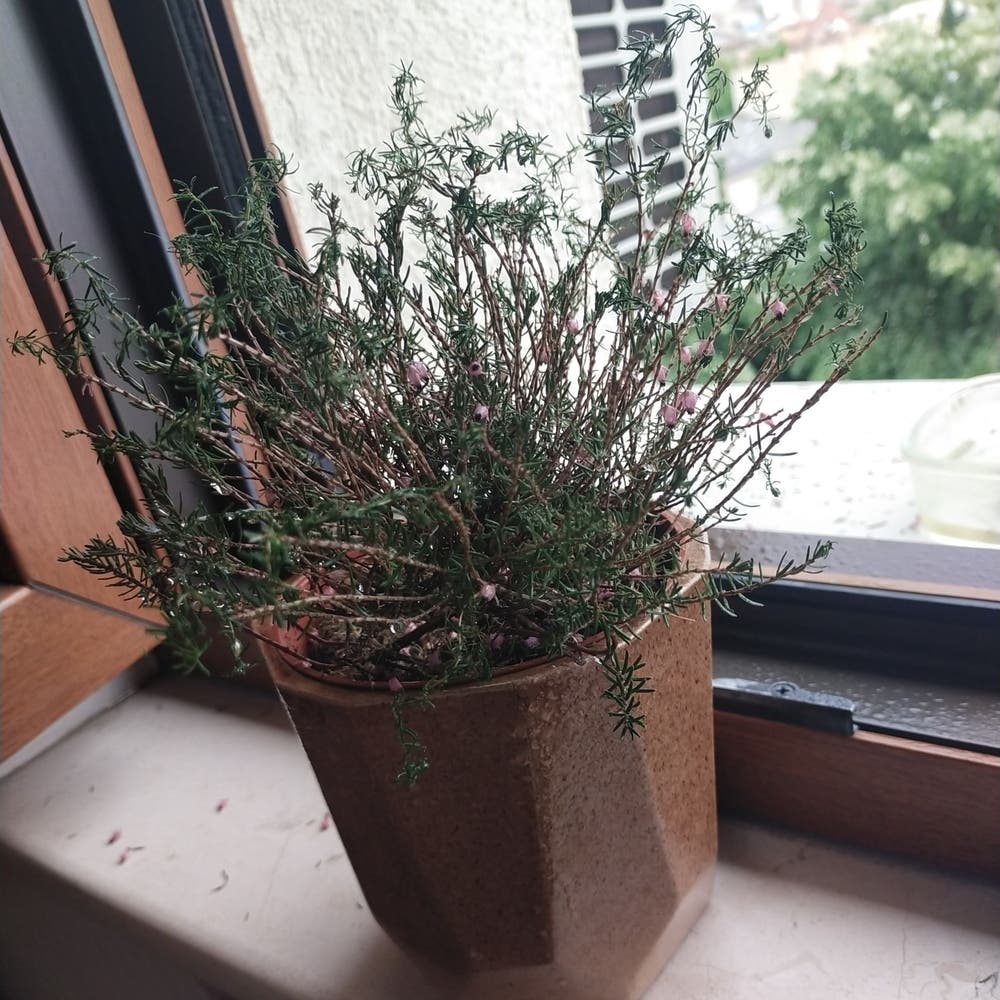
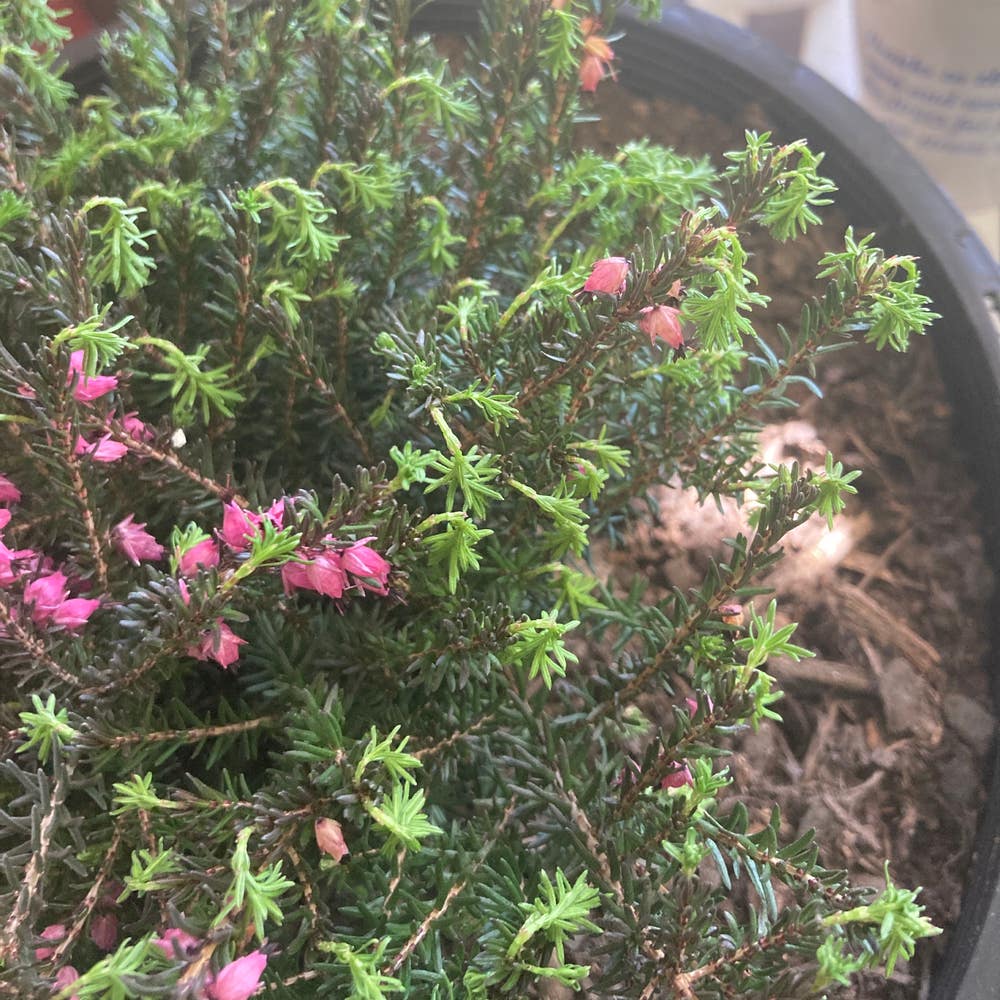
Everything You Need to Know About Erica tumida var. tumida
Erica tumida var. tumida
By the Greg Editorial Team
Feb 28, 2025•8 min read
This article was created with the help of AI so we can cover more plants for you. May contain errors. See one? Report it here.
- 🌞 Erica tumida thrives in full sun, needing at least six hours of sunlight daily.
- 🌱 Acidic, well-drained soil with pH 5.5-6.5 is essential for optimal growth.
- 💧 Drought-tolerant once established, but regular watering is crucial during the initial phase.
How to Grow
🌞 Choosing a Location
When selecting a spot for Erica tumida var. tumida, consider its sunlight requirements. This plant thrives in full sun to partial shade, so find a location that offers at least six hours of sunlight daily.
Space is also crucial. Ensure you allow enough room for the plant to reach its mature dimensions while promoting air circulation to prevent disease.
🌱 Soil Preparation
The right soil is essential for healthy growth. Erica tumida prefers acidic, well-drained soils, which help prevent root rot and other issues.
Aim for a pH level between 5.5 and 6.5. Testing your soil can help you achieve the ideal conditions for this beautiful plant.
🌿 Planting Techniques
Proper planting techniques set the foundation for success. When planting, ensure the root ball is level with the soil surface to encourage healthy growth.
For optimal growth, space your plants 2-3 feet apart. This distance allows each plant to flourish without competing for resources.
💧 Watering Requirements
Watering is critical, especially during the establishment phase. Regular watering helps the plant settle in, but once established, Erica tumida becomes drought-tolerant.
Deep watering is the best method to encourage robust root growth. This technique ensures that moisture reaches deeper into the soil, promoting a strong foundation.
🌼 Fertilizing
Fertilizing your Erica tumida is essential for vibrant growth. Use a balanced, slow-release fertilizer to provide the necessary nutrients.
Schedule fertilization for early spring and mid-summer. This timing aligns with the plant's growth cycles, ensuring it receives nutrients when needed most.
✂️ Pruning
Pruning is a key maintenance task to keep your plant healthy. The best time to prune is after flowering, which helps maintain its shape.
When pruning, focus on removing dead or damaged branches. This practice not only improves appearance but also encourages new growth.
🔍 Ongoing Care
Regular monitoring is vital for the health of your Erica tumida. Keep an eye out for pests and diseases, addressing any issues promptly.
Adjust your care based on seasonal changes. This flexibility helps ensure your plant thrives throughout the year, adapting to its environment effectively.
With these guidelines, you'll be well-equipped to grow Erica tumida var. tumida successfully. Next, let’s explore how to propagate this stunning plant for even more beauty in your garden!
Propagation
🌱 Seed Propagation
To propagate Erica tumida var. tumida from seeds, start by soaking the seeds for 24 hours. This simple step kickstarts the germination process, making it easier for them to sprout.
Once soaked, sow the seeds in a seed tray filled with a suitable growing medium. Keep the tray in a warm location, ideally between 20-25°C (68-77°F), and ensure the soil remains moist. This environment encourages healthy germination and sets the stage for robust seedlings.
✂️ Cutting Propagation
Another effective method for propagation is through cuttings. For this technique, take 4-6 inch cuttings from healthy stems, ensuring they are free from disease and pests.
Timing is crucial; the best periods for taking cuttings are early spring or late summer. During these times, the plant is more likely to root successfully, leading to new growth and vibrant plants.
With these propagation techniques, you can expand your collection of Erica tumida var. tumida, ensuring a thriving garden filled with these beautiful plants. Next, let’s explore the lifecycle of this fascinating species and what to expect as it grows.
Lifecycle
Stages of Growth 🌱
Understanding the lifecycle of Erica tumida var. tumida is essential for successful cultivation. It begins with the germination stage, where seeds or cuttings sprout into seedlings.
Next, the seedling stage transitions into vegetative growth, where the plant develops its leaves and roots. This is followed by the flowering stage, showcasing vibrant blooms that attract pollinators. Finally, the plant enters the seed production phase, completing its lifecycle.
Lifespan and Growth Rate ⏳
Erica tumida var. tumida typically enjoys a lifespan of 5 to 10 years. Its growth rate is moderate, with the plant reaching full maturity in about 2 to 3 years.
This timeline allows gardeners to plan for their care and maintenance effectively. With the right conditions, you can enjoy the beauty of this plant for many seasons to come.
As you delve deeper into the lifecycle, you'll appreciate the nuances of each stage, setting the stage for successful propagation and ongoing care. Next, let’s explore how to propagate this resilient plant effectively.
Size
Mature height and spread 🌱
Erica tumida var. tumida typically reaches a height of 1 to 3 feet, making it a manageable choice for various garden settings. Its spread ranges from 2 to 4 feet wide, allowing for a lovely, bushy appearance that can enhance any landscape.
Growth rate and factors affecting size ⏳
This plant has a moderate growth rate, generally achieving its full size within 2 to 3 years. Factors such as soil quality and sunlight exposure play a crucial role in determining how robust and expansive your Erica will become.
Size variability based on growing conditions 🌍
The size of Erica tumida can vary significantly depending on its growing conditions. For instance, plants in containers may remain smaller compared to those planted directly in garden beds, where they can spread out and thrive more freely.
Transitioning from understanding size, let's explore the common problems that can affect the health and vitality of Erica tumida.
Problems
Common Problems with Erica tumida var. tumida 🌱
Growing Erica tumida var. tumida can be rewarding, but it's essential to be aware of common problems that may arise. Addressing these issues promptly can help maintain a healthy plant.
Incorrect Watering 🚰
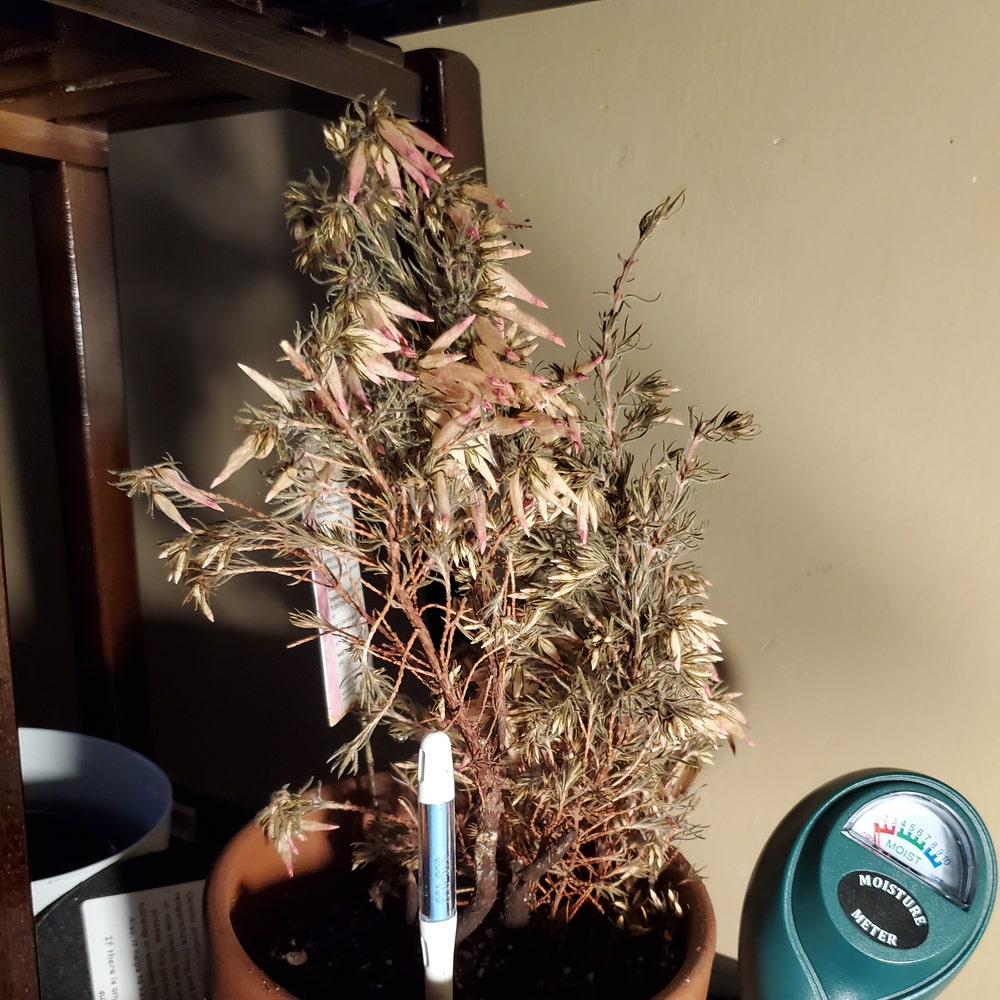
Watering is crucial for plant health. Overwatering can lead to wilting, while underwatering often results in crispy leaves.
Incorrect Light Conditions ☀️
Light exposure plays a significant role in the plant's vitality. Too much sun can cause leaf scorch, whereas insufficient light may lead to leggy growth.
Diseases 🦠
Fungal diseases can be a concern for Erica tumida. Look out for powdery mildew and rust, which manifest as white spots and leaf discoloration.
Root Problems 🌿
Root health is vital for overall plant stability. Signs of root rot include mushy roots, indicating that the plant may be suffering from excessive moisture.
Leaf Issues 🍃
Leaf scorching is another common problem. Brown tips on leaves often signal too much sun exposure, requiring adjustments in placement or care.
By staying vigilant and addressing these issues early, you can ensure your Erica tumida thrives. Next, let’s explore potential pest problems that could affect your plant’s health.
Bugs
Potential Pest Issues 🐜
When growing Erica tumida var. tumida, it's essential to keep an eye out for common pests that can affect its health.
Spider Mites
These tiny pests can wreak havoc on your plants. Look for fine webbing and stippled leaves, which indicate their presence.
Scale Insects
Scale insects can be sneaky, often hiding on stems and leaves. They leave behind a sticky residue and cause yellowing leaves, signaling that your plant might be in trouble.
Mealybugs
If you notice cotton-like masses on your Erica tumida, mealybugs are likely the culprits. These pests can weaken your plant, so addressing them promptly is crucial.
Managing Pest Problems 🛠️
To keep your Erica tumida thriving, regular monitoring is key. Inspect your plants frequently for any signs of these pests.
If you spot an infestation, act quickly. You can remove pests manually or use insecticidal soap for a more aggressive approach.
By staying vigilant and proactive, you can ensure your Erica tumida remains healthy and vibrant.
Next, let’s explore what animals might be interested in munching on your beautiful plants.
What Eats
🦌 Common Animals
When it comes to Erica tumida var. tumida, several animals may find it a tasty treat.
Deer: These graceful creatures often browse on the leaves and stems, leaving behind telltale signs of their feasting.
Rabbits: If you notice chewed stems and leaves, it’s likely that rabbits have been enjoying your plants.
Squirrels: These energetic critters may strip bark or dig around the base, searching for a snack.
🚫 Deterrent Methods
To protect your beloved Erica tumida from these hungry visitors, consider a few deterrent methods.
Chemical Methods: Commercial repellents can be effective in keeping deer and rabbits at bay. Just be sure to follow the instructions carefully for the best results.
Organic Methods: For a more natural approach, try planting deterrent species nearby or using physical barriers like fences. These methods can help create a protective shield around your plants.
By understanding what eats your Erica tumida and employing effective deterrents, you can enjoy a thriving garden free from unwanted nibblers. Next, let’s explore the potential pest issues that could affect your plant’s health.
Toxicity
To Humans 🧑⚕️
Erica tumida var. tumida is considered non-toxic, as confirmed by major poison control centers. However, consuming large quantities may lead to mild skin irritation or digestive discomfort.
To Dogs 🐶
This plant is also non-toxic to dogs, according to pet poison control resources. That said, if a dog ingests a significant amount, it might experience mild gastrointestinal upset.
To Cats 🐱
Similarly, Erica tumida var. tumida poses no toxicity risk to cats. Like dogs, they may face mild gastrointestinal issues if they munch on large amounts.
In summary, this plant is safe for humans and pets alike, making it a great addition to your garden without the worry of toxicity. Now that you know about its safety, let’s explore how to propagate this lovely plant!
⚠️ Safety First
This content is for general information and may contain errors, omissions, or outdated details. It is not medical, veterinary advice, or an endorsement of therapeutic claims.
Always consult a qualified healthcare professional before using any plant as food, medicine, or supplement.
Never eat any plant (or feed one to pets) without confirming its identity with at least two trusted sources.
If you suspect poisoning, call Poison Control (800) 222-1222, the Pet Poison Helpline (800) 213-6680, or your local emergency service immediately.
Spotted an error? Please report it here.
Unlock the secrets to a blooming garden 🌼 with Erica tumida var. tumida by using Greg's tailored care tips and reminders to ensure your plant thrives beautifully!