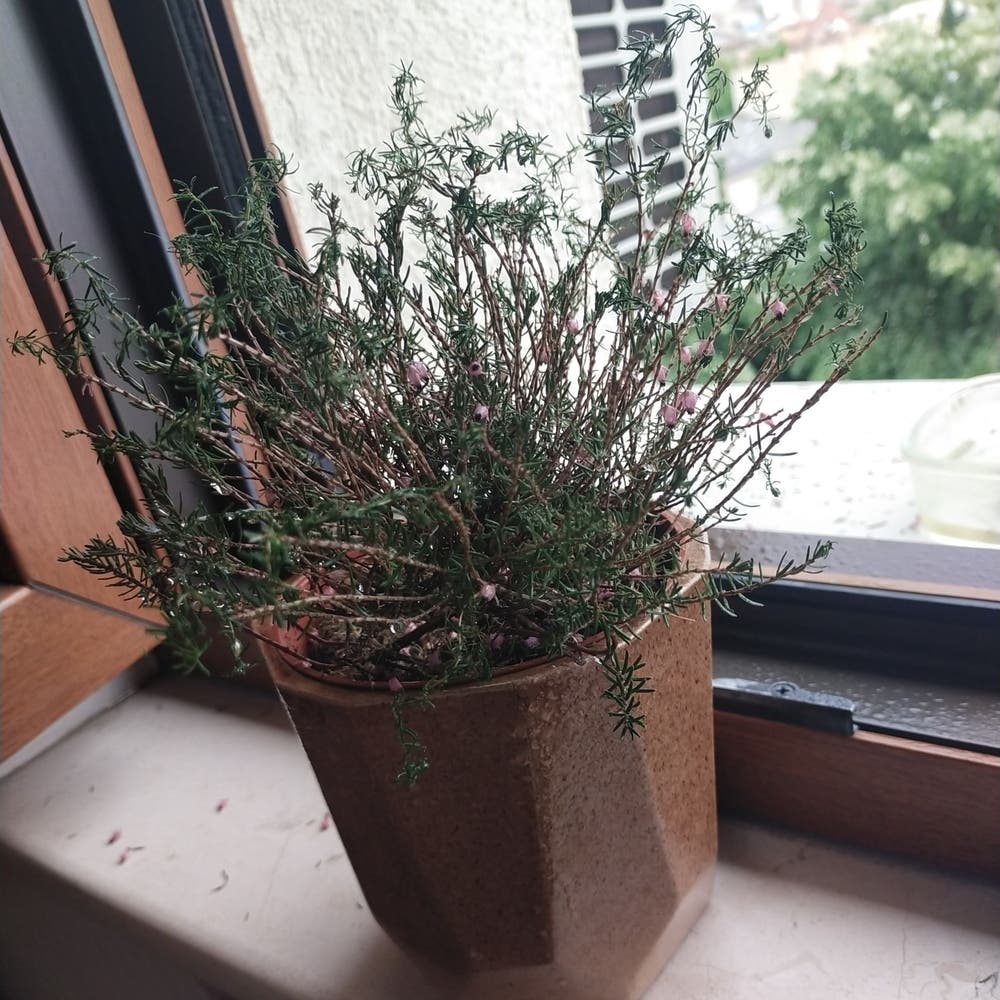
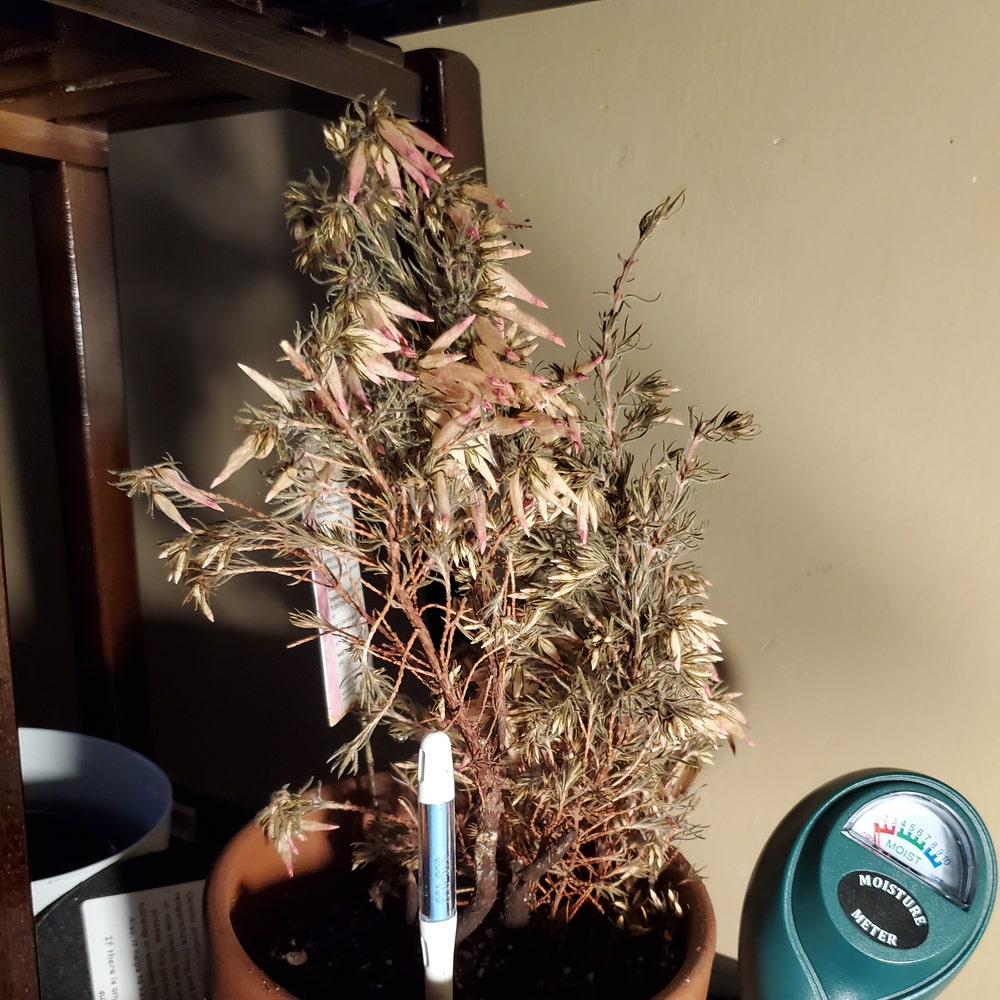
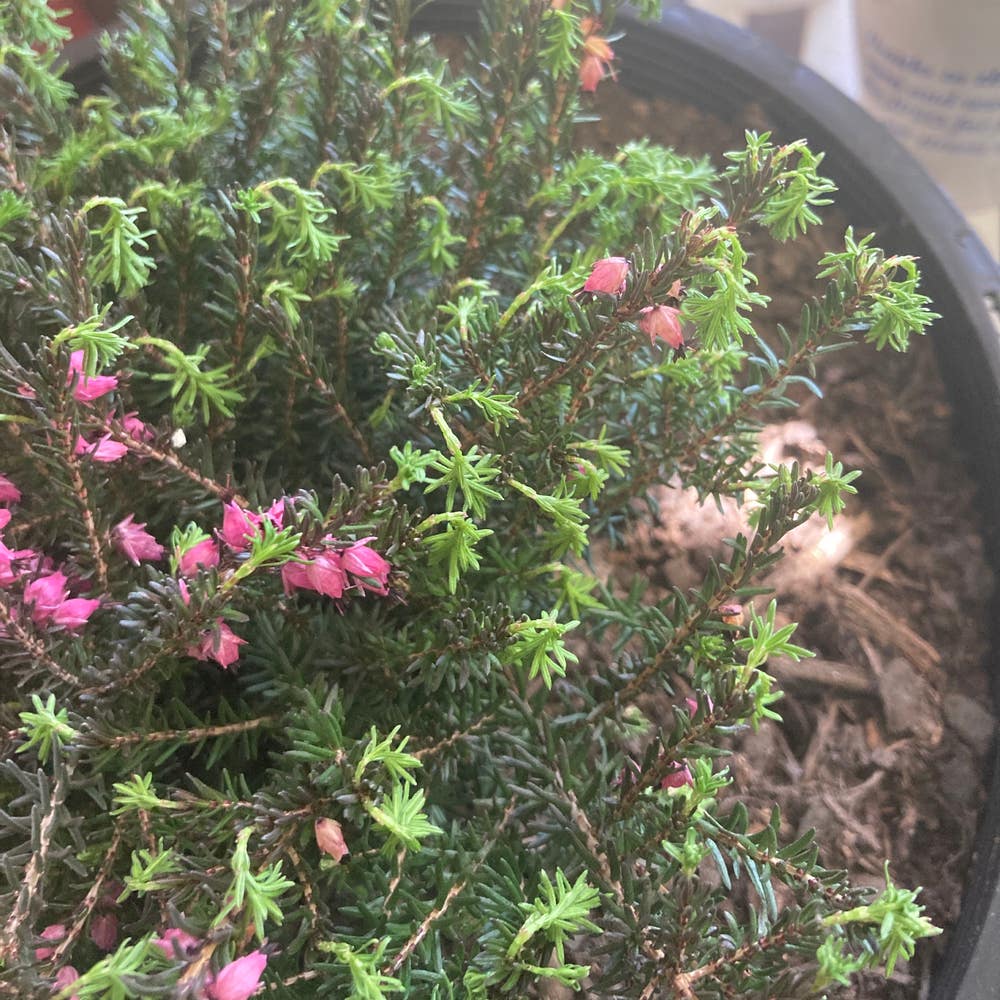
🌸 Ultimate Guide to Erica trimera
Erica trimera
By the Greg Editorial Team
Feb 24, 2025•13 min read
This article was created with the help of AI so we can cover more plants for you. May contain errors. See one? Report it here.
- 🌞 Erica trimera thrives in full sun with well-drained, acidic soil for optimal growth.
- 💧 Water deeply when soil is dry; it's drought-tolerant once established.
- 🌼 Attracts pollinators and supports wildlife, enhancing garden diversity with vibrant blooms.
How to Grow
Choosing a Location 🌞
To thrive, Erica trimera prefers full sun to partial shade. It's crucial to select a spot with well-drained, acidic soil to ensure healthy growth.
Soil Preparation 🧪
Prepare your soil by incorporating amendments like peat moss or pine bark. Aim for a pH level between 5.5 and 6.5 for optimal conditions.
Planting Techniques 🌱
When planting, ensure the root ball is level with the soil surface. Space your plants 2-3 feet apart to allow for optimal growth.
Watering Requirements 💧
After planting, give your Erica trimera a deep watering to establish roots. Moving forward, water when the top inch of soil feels dry to the touch.
Fertilizing Schedule 🌿
Use acidic, slow-release fertilizers to nourish your plants. Fertilize every 4-6 weeks during the growing season for best results.
Pruning Methods ✂️
Prune your Erica trimera in late winter or early spring. Light trimming helps maintain shape and removes any dead wood.
Ongoing Care 🛠️
For container care, ensure proper drainage and monitor moisture levels closely. In outdoor settings, apply mulch to retain moisture and suppress weeds.
With these guidelines, you'll be well on your way to nurturing a thriving Erica trimera. Next, let’s explore how to propagate this beautiful plant effectively.
Propagation
Methods of Propagation 🌱
Erica trimera can be propagated through seeds or cuttings, both effective methods for expanding your collection.
Seed Propagation
Soak Seeds: Begin by soaking the seeds in water for 24 hours. This helps to soften the seed coat and encourages germination.
Sow Seeds: Next, sow the seeds in a seed tray filled with a seed-starting mix. Ensure the seeds are evenly spaced for optimal growth.
Maintain Humidity: Keep the tray in a humid environment until germination occurs, which typically takes 2-4 weeks. A clear plastic cover can help retain moisture.
Cutting Propagation
Take Cuttings: For cuttings, select healthy stems and take 4-6 inch cuttings. This ensures you have vigorous material to work with.
Dip in Rooting Hormone: Dip the cut ends of the cuttings in rooting hormone. This step boosts the chances of successful root development.
Plant and Keep Moist: Plant the cuttings in a well-draining medium and keep the soil moist. Roots should develop within 4-6 weeks, signaling that your propagation efforts are on track.
Propagation of Erica trimera is a rewarding process that allows you to enjoy more of these beautiful plants. With the right techniques, you can easily expand your garden and share them with friends.
Next, let’s explore the lifecycle of Erica trimera, detailing its growth stages and what to expect as it matures.
Lifecycle
🌱 Lifecycle Stages
The lifecycle of Erica trimera begins with germination, which takes about 2-4 weeks for seeds. Following this, the seedling stage lasts 4-6 weeks until the plant develops true leaves.
🌿 Vegetative Growth
Next comes the vegetative growth phase, a period of rapid growth that can last several months. This is when the plant establishes its structure and prepares for flowering.
🌸 Flowering and Seed Production
Flowering typically occurs in late spring to early summer, showcasing vibrant blooms. After flowering, the plant enters the seed production stage, where seeds mature and are ready for collection.
⏳ Timeframe for Growth to Maturity
From seed to full maturity, Erica trimera takes approximately 2-3 years. This timeframe allows the plant to develop fully and thrive in its environment.
📈 Growth Rate and Lifespan
Erica trimera has a moderate growth rate, averaging about 12-24 inches per year. With proper care, these plants can live for 10 years or more, making them a long-lasting addition to your garden.
Understanding the lifecycle of Erica trimera not only helps in its cultivation but also enhances your appreciation for this resilient plant. Next, let’s explore the size characteristics of Erica trimera and how they can vary based on growing conditions.
Size
Mature Height and Spread 🌱
Erica trimera typically reaches a height of 2 to 3 feet. Its spread also ranges from 2 to 3 feet, depending on the growing conditions.
Growth Rate and Time to Full Size ⏳
This plant takes about 2 to 3 years to reach its full size. During this time, you can expect moderate growth, making it a manageable addition to your garden.
Size Variability Based on Growing Conditions 🌍
Several factors influence the size of Erica trimera. Soil quality, sunlight exposure, and watering practices all play crucial roles in determining how large your plant will grow.
Understanding these variables can help you optimize your plant's growth potential. By providing the right conditions, you can enjoy a thriving Erica trimera that enhances your garden's beauty.
As we explore the next section, let's dive into the fascinating characteristics of the root system that supports this vibrant plant.
Roots
Characteristics of the Root System 🌱
Erica trimera features a fibrous root system that is shallow, typically extending only 12-18 inches deep. This structure includes extensive lateral roots that provide stability and support for the plant.
Common Root-Related Issues and Solutions 🚫
One common issue is root rot, which occurs due to overwatering. To combat this, improving drainage is essential; consider using well-draining soil or adjusting your watering schedule.
Identifying healthy roots is crucial for plant health. Healthy roots are firm and white, while unhealthy roots appear brown and mushy, indicating potential problems.
Recognizing Rootbound Plants 🪴
Rootbound plants exhibit specific signs, such as roots growing out of the drainage holes. If you notice this, it's time to repot the plant into a larger container or amend the soil to provide more space for growth.
Understanding the root system of Erica trimera is vital for its overall health and longevity. Proper care can prevent common issues and ensure your plant thrives.
Next, we will explore the numerous benefits of cultivating Erica trimera in your garden.
Benefits
Top 5 Benefits 🌟
Erica trimera offers numerous advantages for gardeners and nature enthusiasts alike. Here are the top five benefits:
Drought-tolerant: Once established, Erica trimera requires less water, making it an eco-friendly choice that reduces overall water usage.
Attractive ornamental plant: With its vibrant flowers, this plant adds a splash of color to any garden, enhancing its visual appeal.
Supports local wildlife: By attracting pollinators like bees and butterflies, Erica trimera plays a crucial role in supporting local ecosystems.
Historical significance: This plant has been valued in traditional medicine, showcasing its cultural importance beyond mere aesthetics.
Enhances garden diversity: Its unique foliage and blooms contribute to a more diverse garden, creating a rich tapestry of colors and textures.
Symbolism and Cultural Significance 🌍
In South African culture, Erica trimera symbolizes resilience and beauty. This cultural significance adds depth to its presence in gardens, reminding us of the strength found in nature. Embracing this plant not only beautifies your space but also connects you to a rich heritage.
As you consider adding Erica trimera to your garden, remember its multifaceted benefits and the positive impact it can have on both your landscape and the environment. Next, let’s explore the concept of companion planting and discover which plants thrive alongside Erica trimera.
Companion Plants
🌱 Concept of Companion Planting
Companion planting is a gardening strategy that enhances biodiversity and pest management. By selecting the right plants to grow together, you can create a thriving ecosystem that benefits all your garden's inhabitants.
🌼 Best Companion Plants
When considering companions for Erica trimera, think about other heathers, ferns, and low-growing perennials. These plants share similar care needs and aesthetic appeal, making them perfect partners in your garden.
🚫 Plants to Avoid
It's wise to steer clear of heavy feeders or plants that require high moisture. These companions can compete for resources, potentially harming your Erica trimera's growth and health.
By thoughtfully selecting companion plants, you can create a vibrant and harmonious garden space. This not only enhances the beauty of your landscape but also promotes a healthier environment for your Erica trimera to flourish.
Next, let's explore the potential toxicity of Erica trimera to humans, dogs, and cats.
Toxicity to Humans
Erica trimera is considered safe and is not listed as toxic by major poison control centers. This means you can enjoy its beauty without worrying about severe health risks.
However, it's important to note that consuming large quantities may lead to mild skin irritation or digestive discomfort. Always exercise caution and consult a medical professional if you experience any unusual symptoms after contact or consumption.
In summary, while Erica trimera is generally safe, a little mindfulness goes a long way in ensuring a pleasant gardening experience. Next, let's explore how this plant interacts with our furry friends!
Toxicity to Dogs
Erica trimera is generally safe for dogs, as it is not listed as toxic by major pet poison control centers. However, if consumed in large quantities, it may cause mild gastrointestinal upset.
🐶 General Safety Tips
To ensure your furry friends stay safe around Erica trimera, consider these tips:
- Proper Placement: Position the plant in areas that are less accessible to dogs.
- Monitor Behavior: Keep an eye on your pets when introducing new plants to your garden.
By following these precautions, you can enjoy the beauty of Erica trimera without worrying about your dog's health.
🏁 Conclusion
With its non-toxic nature, Erica trimera can be a delightful addition to your garden. Just remember to keep an eye on your pets and enjoy the vibrant blooms!
Next, let's explore the toxicity of Erica trimera to cats.
Toxicity to Cats
Erica trimera is generally safe for cats, as it is not listed as toxic by major pet poison control centers. However, if consumed in large quantities, it may cause mild gastrointestinal upset.
🐱 General Safety Tips
To ensure a safe environment for your feline friends, consider the following tips:
- Proper Placement: Position your Erica trimera plants out of reach of curious cats.
- Monitor Behavior: Keep an eye on your pets around new plants to prevent any unwanted nibbling.
By taking these precautions, you can enjoy the beauty of Erica trimera while keeping your cats safe and healthy.
As we move forward, let’s explore the common problems that can affect the health of your Erica trimera plants.
Problems
Common Problems with Erica trimera 🌱
Growing Erica trimera can be rewarding, but it’s essential to be aware of common problems that may arise. Addressing these issues promptly can help ensure your plant thrives.
Incorrect Watering 🚰
Watering is crucial for Erica trimera's health. Overwatering can lead to root rot, characterized by yellowing leaves and wilting. To remedy this, allow the soil to dry out between waterings. Conversely, underwatering can cause the plant to droop and leaves to curl. If this happens, give your plant a deep watering and adjust your schedule to keep the top inch of soil consistently moist.
Incorrect Light Conditions ☀️
Light plays a significant role in the growth of Erica trimera. Insufficient light can result in leggy growth, where the plant stretches towards the light source. To fix this, move your plant to a brighter location. On the flip side, too much direct sunlight can scorch the leaves, leading to brown tips. If you notice this, consider providing some shade during the hottest parts of the day.
Incorrect Temperature 🌡️
Temperature fluctuations can stress your Erica trimera. If the plant experiences stunted growth or leaf drop, it may be too cold or too hot. Aim to keep it in a stable environment, ideally between 60°F and 75°F. If temperatures drop significantly, consider bringing your plant indoors or providing additional insulation.
Diseases 🦠
Diseases can also plague Erica trimera. Powdery mildew and rust are common issues that thrive in humid conditions. To combat these, improve air circulation around the plant by spacing it properly and pruning any overcrowded areas. Regularly inspect your plant for signs of disease and treat promptly with appropriate fungicides if necessary.
Leaf Issues 🍃
Leaf problems can signal underlying issues. Scorching often indicates too much sun exposure, while yellowing leaves may suggest nutrient deficiencies or overwatering. Adjust your care routine based on these symptoms, ensuring your plant receives the right amount of light, water, and nutrients.
By staying vigilant and addressing these common problems, you can enjoy a healthy and vibrant Erica trimera in your garden. Next, let’s explore the potential pest issues that may affect your plant.
Bugs
Potential Pest Issues 🐜
While Erica trimera boasts moderate pest resistance, it can still attract a few unwelcome guests. Keeping an eye out for these pests is crucial to maintaining the health of your plant.
Spider Mites 🕷️
Spider mites are tiny pests that can cause significant damage. Look for fine webbing on leaves and stippling or yellowing of foliage as signs of an infestation.
Treatment Options:
- Spray with a strong jet of water to dislodge mites.
- Use insecticidal soap or neem oil for more severe cases.
Mealybugs 🐛
Mealybugs appear as white, cottony masses on stems and leaves. They can weaken your plant by sucking sap, leading to stunted growth.
Treatment Options:
- Remove them manually with a cotton swab dipped in alcohol.
- Apply insecticidal soap or horticultural oil for larger infestations.
Aphids 🐞
Aphids are small, soft-bodied insects that cluster on new growth. They can cause curling leaves and may attract ants due to their honeydew secretion.
Treatment Options:
- Introduce beneficial insects like ladybugs to control their population.
- Use insecticidal soap or neem oil to eliminate them effectively.
By staying vigilant and addressing these pest issues promptly, you can ensure your Erica trimera thrives beautifully in your garden. Next, let’s explore what animals might be tempted to munch on this resilient plant.
What Eats
🦌 Common Animals
Erica trimera can attract a variety of wildlife, which may pose a threat to its growth. Understanding these common animals can help you protect your plants effectively.
Deer
Deer are known to nibble on Erica trimera, especially in areas where food is scarce. To deter them, consider using fencing or deer repellents, which can help keep these grazers at bay.
Rabbits
Rabbits are another frequent visitor, often leaving behind telltale signs like chewed leaves and stems. To protect your plants, use wire mesh or repellents specifically designed for rabbits.
Squirrels
Squirrels may dig around the base of your plants, searching for food. To minimize their impact, try placing physical barriers or using repellents that deter these agile critters.
Birds
While birds can be beneficial for pollination, some may peck at the flowers or seeds of Erica trimera. Netting can be an effective way to shield your plants from these feathered friends.
Rodents
Rodents, including mice and voles, can also be a concern, particularly if they burrow near the roots. Keeping the area clean and using traps or natural deterrents can help manage their presence.
By being aware of these common animals and implementing effective deterrents, you can help ensure your Erica trimera thrives in your garden. Next, let’s explore the potential pest issues that may arise with this plant.
⚠️ Safety First
This content is for general information and may contain errors, omissions, or outdated details. It is not medical, veterinary advice, or an endorsement of therapeutic claims.
Always consult a qualified healthcare professional before using any plant as food, medicine, or supplement.
Never eat any plant (or feed one to pets) without confirming its identity with at least two trusted sources.
If you suspect poisoning, call Poison Control (800) 222-1222, the Pet Poison Helpline (800) 213-6680, or your local emergency service immediately.
Spotted an error? Please report it here.
Unlock the beauty of Erica trimera in your garden 🌿 with Greg's tailored care reminders and expert tips, ensuring your plant thrives while attracting pollinators and enhancing your outdoor space!