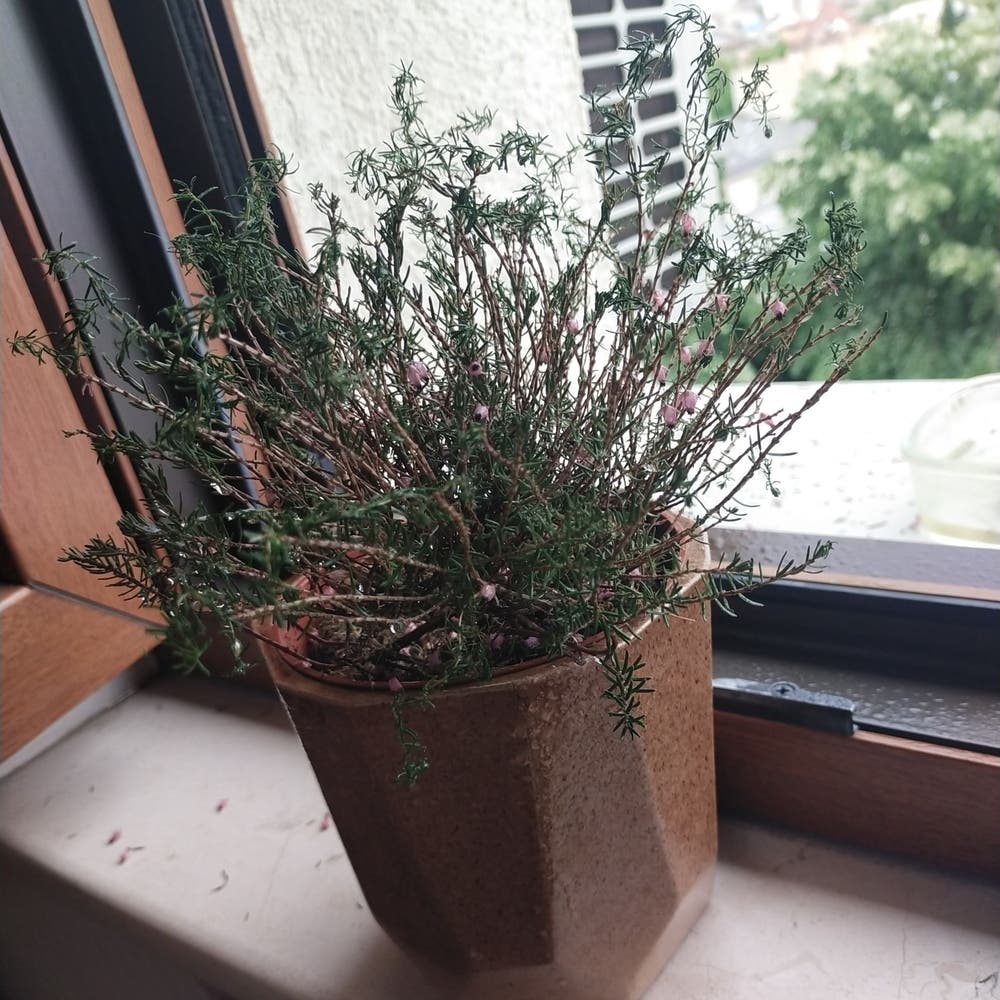
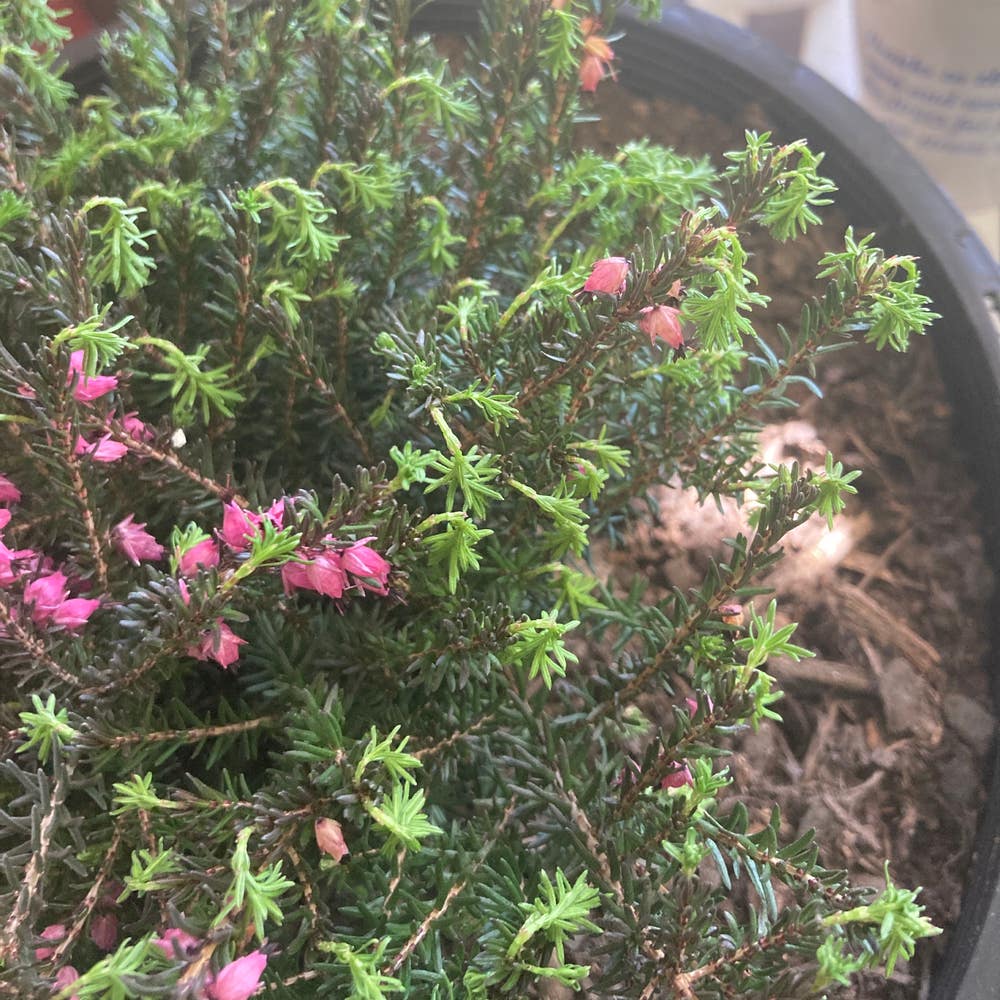
🌸 Understanding Erica tradouwensis: The Basics
Erica tradouwensis
By the Greg Editorial Team
Feb 24, 2025•11 min read
This article was created with the help of AI so we can cover more plants for you. May contain errors. See one? Report it here.
Elevate your garden's beauty effortlessly with Erica tradouwensis—simple care for stunning blooms awaits! 🌸
- 🌞 Erica tradouwensis needs 6-8 hours of sunlight for optimal growth.
- 🌱 Plant in acidic, well-draining soil with a pH of 4.5 to 6.0.
- 🐝 Attracts pollinators and is drought-tolerant, making it a garden favorite!
How to Grow
🌞 Choosing a Location
To thrive, Erica tradouwensis needs full sun to partial shade, ideally receiving 6-8 hours of direct sunlight daily. When selecting a spot, ensure there's enough space for air circulation and growth, as overcrowding can hinder its development.
🌱 Soil Preparation
This plant flourishes in acidic, well-draining soils with a pH between 4.5 and 6.0. To enhance drainage, mix in sand or perlite, which helps prevent waterlogging and promotes healthy root growth.
🌿 Planting Techniques
When planting, space your Erica tradouwensis 12-18 inches apart to accommodate their mature size. Ensure you plant them at the same depth as they were in their nursery containers to support optimal growth.
💧 Watering Requirements
Initially, water your plants regularly until they are established. Once they are settled in, you can reduce the frequency, but always water at the base to keep the foliage dry and prevent fungal issues.
🌼 Fertilizing
Use a low-phosphorus fertilizer designed for acid-loving plants to nourish your Erica tradouwensis. Fertilize every 6-8 weeks during the growing season to support vibrant growth and flowering.
✂️ Pruning
Prune your plants after flowering to encourage bushier growth and maintain their shape. Focus on trimming back spent flowers and any dead or damaged branches to promote overall health.
🔍 Ongoing Care
Regularly monitor your plants for signs of pests or diseases, as early detection is key. Adjust your care routine with the seasons; for instance, reduce watering during the winter months to prevent overwatering.
With these guidelines, you'll set your Erica tradouwensis up for success, ensuring it flourishes in your garden. Next, let's explore how to propagate this beautiful plant effectively.
Propagation
🌱 Seed Propagation
To propagate Erica tradouwensis from seeds, start by sowing them in a well-draining medium. Keep the soil moist and maintain a temperature around 20°C (68°F) for optimal germination.
✂️ Cutting Propagation
Another effective method is taking cuttings. Use 4-6 inch cuttings from healthy plants, ideally in spring or early summer, to ensure the best chance of rooting.
This propagation process allows you to expand your garden with these beautiful plants, enhancing both your landscape and your gardening skills. Next, let’s explore the lifecycle of Erica tradouwensis and how it develops over time.
Lifecycle
Lifecycle Stages 🌱
Erica tradouwensis is a perennial plant, meaning it lives for several years. Its lifecycle includes distinct stages: starting from seed or cutting, progressing through germination, seedling development, vegetative growth, flowering, and finally, seed production.
Germination and Growth 🌼
Germination typically takes 2-4 weeks under optimal conditions, making it a relatively quick process. Once germinated, it takes about 2-3 years for the plant to reach its full size, showcasing a moderate growth rate influenced by factors like soil quality and sunlight.
Factors Influencing Growth 🌞
Environmental conditions play a significant role in the growth rate of Erica tradouwensis. Adequate sunlight, proper watering, and suitable soil types can enhance its development, ensuring a vibrant and healthy plant.
This lifecycle understanding is crucial for anyone looking to cultivate Erica tradouwensis successfully. With the right care, you can enjoy its beauty and benefits for years to come.
Next, we will explore the size of this remarkable plant and what to expect as it matures.
Size
Mature Dimensions 🌱
Erica tradouwensis typically reaches a height of 1 to 3 feet. Its spread ranges from 1 to 2 feet, making it a compact yet vibrant addition to any garden.
Growth Rate and Variability 📈
This plant exhibits a moderate growth rate, which can be influenced by factors like soil quality, sunlight, and water availability. Size variability is common; depending on these conditions, your Erica could grow larger or smaller than average.
Understanding these dimensions and growth characteristics can help you plan your garden layout effectively. By providing the right care, you can ensure your Erica tradouwensis thrives and adds beauty to your landscape.
Next, let's explore the fascinating lifecycle of this resilient plant.
Roots
Root System 🌱
Erica tradouwensis features a fibrous root system that is both shallow and extensive. This structure is essential for efficient nutrient uptake, allowing the plant to thrive in its native environment.
Common Issues ⚠️
One of the most common problems faced by this plant is root rot, which occurs due to overwatering. To prevent this, ensure proper drainage in the soil.
Another issue is becoming rootbound, which can be identified by tight, circling roots within the pot. This condition can hinder growth and overall plant health.
Visual Cues 👀
Healthy roots are typically firm, white, and spread evenly throughout the soil. In contrast, unhealthy roots may appear dark, mushy, or emit a foul smell, indicating a need for immediate attention.
Management Tips 🛠️
To prevent becoming rootbound, consider repotting your Erica tradouwensis every 2-3 years or whenever the roots fill the container.
If you notice signs of root rot, reduce watering and improve drainage to help the plant recover.
By monitoring root health and taking proactive measures, you can ensure your plant remains vibrant and thriving.
Next, let's explore the various benefits of growing Erica tradouwensis in your garden.
Benefits
Top 5 Benefits 🌟
Attracts Pollinators
Erica tradouwensis is a magnet for pollinators. Its nectar-rich flowers draw in bees and other beneficial insects, supporting local ecosystems.Drought-Tolerant
Once established, this plant thrives with minimal water. Its resilience makes it an excellent choice for low-maintenance gardens.Aesthetic Appeal
The vibrant flowers of Erica tradouwensis add a splash of color to any garden. Their beauty enhances landscapes, making them visually striking.Erosion Control
This plant plays a vital role in stabilizing soil, especially in rocky or sandy areas. Its root system helps prevent erosion, contributing to healthier landscapes.Cultural Significance
Erica tradouwensis symbolizes resilience and beauty in local ecosystems. It holds cultural importance, representing the unique flora of its native regions.
These benefits make Erica tradouwensis not just a beautiful addition to your garden, but also a valuable one. As we explore companion planting next, consider how this plant can work harmoniously with others to create a thriving garden ecosystem.
Companion Plants
🌱 Companion Planting Benefits
Companion planting is a fantastic way to enhance garden diversity. It promotes healthy growth through beneficial relationships between plants.
🤝 Compatible Companions
When growing Erica tradouwensis, consider pairing it with other fynbos species like Leucadendron and Protea. These plants share similar care needs, making them ideal companions.
Additionally, companion plants can play a crucial role in pest management. They help deter unwanted pests while attracting beneficial insects that support your garden's ecosystem.
🚫 Plants to Avoid
While choosing companions, steer clear of heavy feeders. Plants that require high phosphorus can harm Erica tradouwensis, so it's best to avoid them.
By selecting the right companions, you can create a thriving garden that not only looks beautiful but also supports the health of your Erica tradouwensis. Next, let’s explore the fascinating topic of toxicity and safety regarding this plant.
Toxicity to Humans
🛡️ Safety Overview
Erica tradouwensis is not considered toxic by major poison control centers and health organizations. This means you can enjoy its beauty without worrying too much about safety.
⚠️ Potential Minor Issues
However, it's worth noting that consuming large quantities may lead to mild skin irritation or digestive discomfort. Always exercise caution and seek medical advice if you experience unusual symptoms after contact or ingestion.
👶 General Precautions
While the plant is generally safe, it's a good practice to keep it out of reach of children and pets. Awareness is key; knowing what to watch for can help ensure a positive experience with this lovely plant.
✅ Conclusion
In summary, Erica tradouwensis is a safe choice for your garden, bringing vibrant colors without significant health risks. Just remember to enjoy it responsibly, and you'll be all set to appreciate its beauty!
Next, let’s explore how this plant interacts with our furry friends, particularly dogs.
Toxicity to Dogs
Safety Overview 🐶
Erica tradouwensis is not considered toxic to dogs according to major pet poison control centers and veterinary organizations. This means you can enjoy this beautiful plant without worrying too much about your furry friends.
Potential Minor Issues ⚠️
While it's generally safe, consuming large quantities may lead to mild gastrointestinal upset in dogs. It's always a good idea to keep plants out of reach of curious pups to prevent any unwanted snacking.
Tips for Dog Owners 📝
Monitor your dog's behavior around new plants, especially if they show interest in chewing. If you notice any unusual symptoms after contact or ingestion, consult your veterinarian for advice.
This knowledge allows you to cultivate a vibrant garden while ensuring your dog's safety. Now, let's explore how Erica tradouwensis interacts with our feline friends!
Toxicity to Cats
Safety Overview 🐱
Erica tradouwensis is not considered toxic to cats by major pet poison control centers and veterinary organizations. This means you can enjoy the beauty of this plant without worrying about your feline friends.
Potential Minor Issues ⚠️
While generally safe, ingestion of large quantities may lead to mild gastrointestinal upset in cats. It's always best to keep an eye on your pets and monitor for any unusual behavior after they interact with your plants.
Tips for Plant Placement 📍
To ensure your cat stays safe, position Erica tradouwensis in areas that are hard for them to reach. This simple precaution can help prevent any accidental nibbling and keep both your plant and your pet happy.
Monitoring Interactions 👀
Stay vigilant and observe how your cat interacts with the plant. If you notice any unusual symptoms or behaviors, consult a veterinarian for advice. Keeping your home safe and your plants thriving is the ultimate goal!
As we explore more about Erica tradouwensis, let’s dive into the common problems that can arise with this beautiful plant.
Problems
Common Issues 🌱
Growing Erica tradouwensis can be rewarding, but it's not without its challenges.
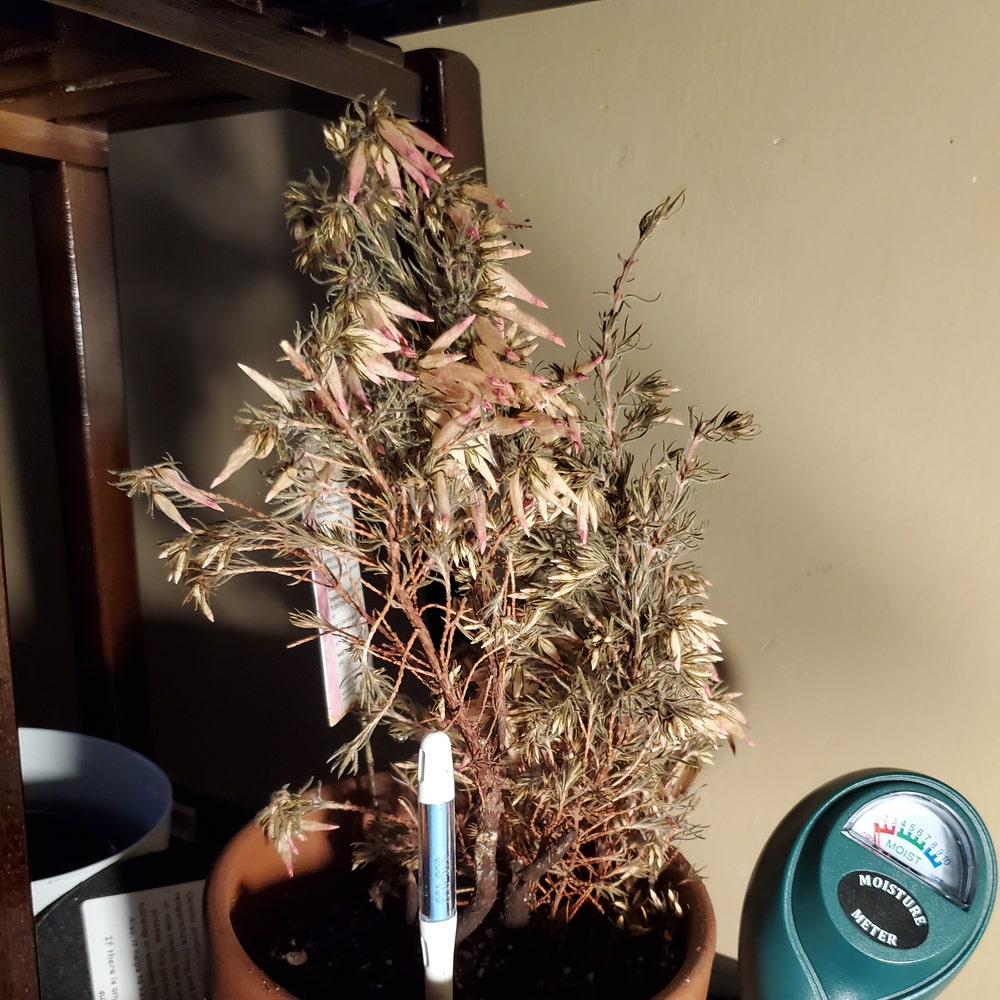
Incorrect Watering: Overwatering is a common mistake, leading to yellowing leaves. Conversely, underwatering can cause wilting, signaling that your plant is thirsty.
Incorrect Light Conditions: Light plays a crucial role in plant health. Leaf scorch is a telltale sign of too much sun, while leggy growth indicates your plant isn't getting enough light.
Diseases: Fungal issues like powdery mildew and root rot can plague your Erica. To combat these, ensure good airflow around your plants and avoid overwatering.
Identification and Solutions 🔍
Early recognition of symptoms is key to maintaining a healthy plant.
If you notice yellow leaves, check your watering habits. Adjust accordingly to find the right balance.
For light issues, reposition your plant to ensure it receives the appropriate amount of sunlight.
If diseases arise, act quickly. Improve airflow and modify your watering practices to prevent further damage.
By staying vigilant, you can keep your Erica tradouwensis thriving and beautiful.
Bugs
🐛 Potential Pest Issues
While Erica tradouwensis is generally pest-resistant, it can still fall prey to specific pests. Keeping an eye out for these invaders is crucial for maintaining plant health.
🔍 Identifying Pests
Recognizing pests early can save your plant from serious damage. Here are some common culprits:
Spider Mites
Look for fine webbing and stippled leaves. These tiny pests thrive in dry conditions.
Scale Insects
Sticky residue and yellowing leaves are telltale signs of scale insects. They can be tricky to spot but can cause significant harm.
Mealybugs
If you see cotton-like masses on stems and leaves, mealybugs are likely the issue. They suck sap and weaken the plant.
Aphids
Curling leaves and sticky honeydew indicate aphid activity. These small insects can multiply quickly, so act fast.
Whiteflies
Tiny white insects on the undersides of leaves signal a whitefly infestation. They can cause stress to your plant by feeding on its sap.
🧪 Treatment Options
Don’t panic if you spot pests; there are effective treatment options available.
- Insecticidal Soap: This is a gentle yet effective way to eliminate many pests.
- Neem Oil: A natural pesticide that disrupts the life cycle of pests.
- Beneficial Insects: Introducing ladybugs or lacewings can help control pest populations naturally.
By staying vigilant and acting quickly, you can keep your Erica tradouwensis thriving and beautiful. Next, let’s explore the common problems that can affect its growth.
What Eats
Common Animal Interactions 🦌
Erica tradouwensis can attract a variety of wildlife, which may lead to some challenges in your garden.
- Deer are often the most noticeable culprits, leaving behind chewed leaves and broken branches.
- Rabbits may nibble on young shoots, particularly in spring when new growth appears.
- Squirrels can cause bark damage and dig around the roots, searching for food.
- Birds might peck at the flowers and seeds, drawn by their vibrant colors.
- Rodents can be a nuisance too, as they leave signs of tunneling or burrowing near the roots.
Deterrent Methods 🚫
To protect your Erica tradouwensis from these hungry visitors, consider a few effective deterrent methods.
- Chemical deterrents can be useful; look for commercial repellents or create homemade solutions that are safe for your plants.
- Organic control methods are also effective. Employ physical barriers like fencing or netting to keep larger animals at bay.
By taking these precautions, you can enjoy the beauty of Erica tradouwensis while minimizing damage from local wildlife. Next, let’s explore common problems that may arise while caring for this resilient plant.
⚠️ Safety First
This content is for general information and may contain errors, omissions, or outdated details. It is not medical, veterinary advice, or an endorsement of therapeutic claims.
Always consult a qualified healthcare professional before using any plant as food, medicine, or supplement.
Never eat any plant (or feed one to pets) without confirming its identity with at least two trusted sources.
If you suspect poisoning, call Poison Control (800) 222-1222, the Pet Poison Helpline (800) 213-6680, or your local emergency service immediately.
Spotted an error? Please report it here.
Unlock the secrets to thriving Erica tradouwensis 🌼 with Greg's tailored watering plans and expert care tips that will help your garden bloom beautifully!