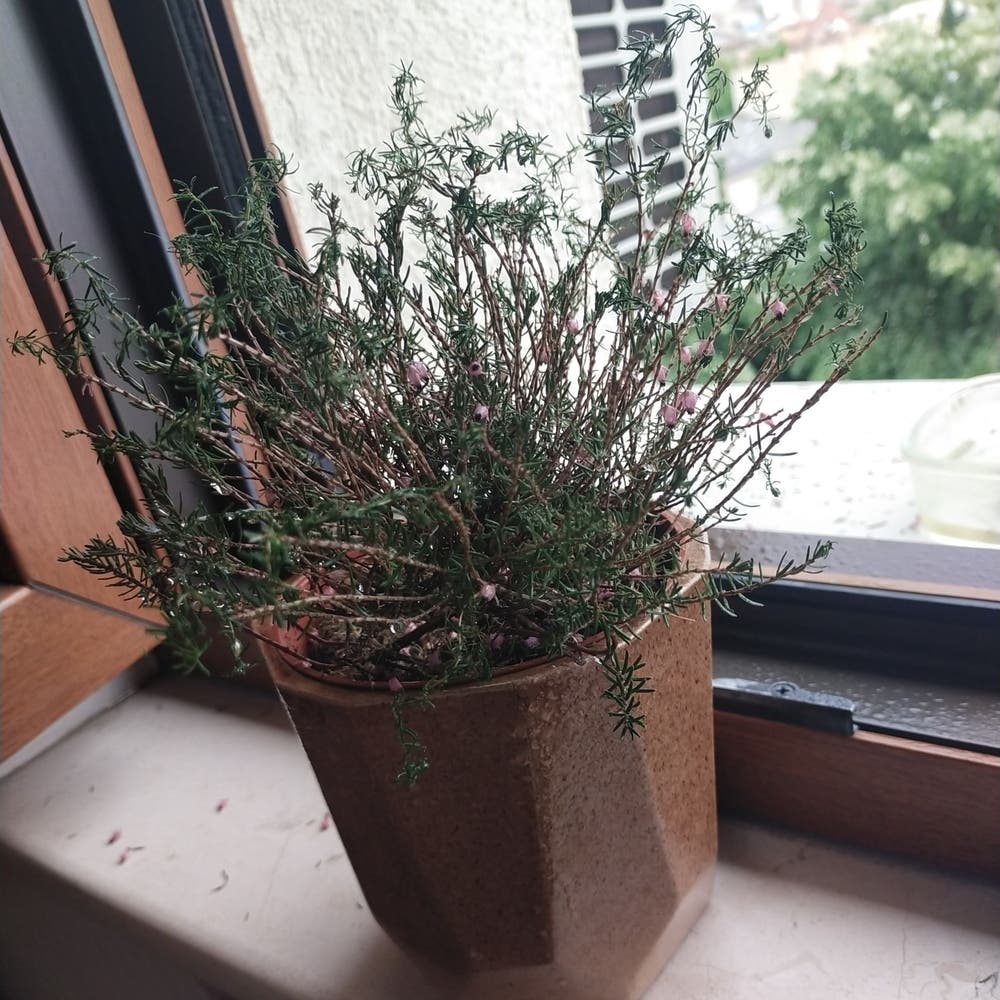
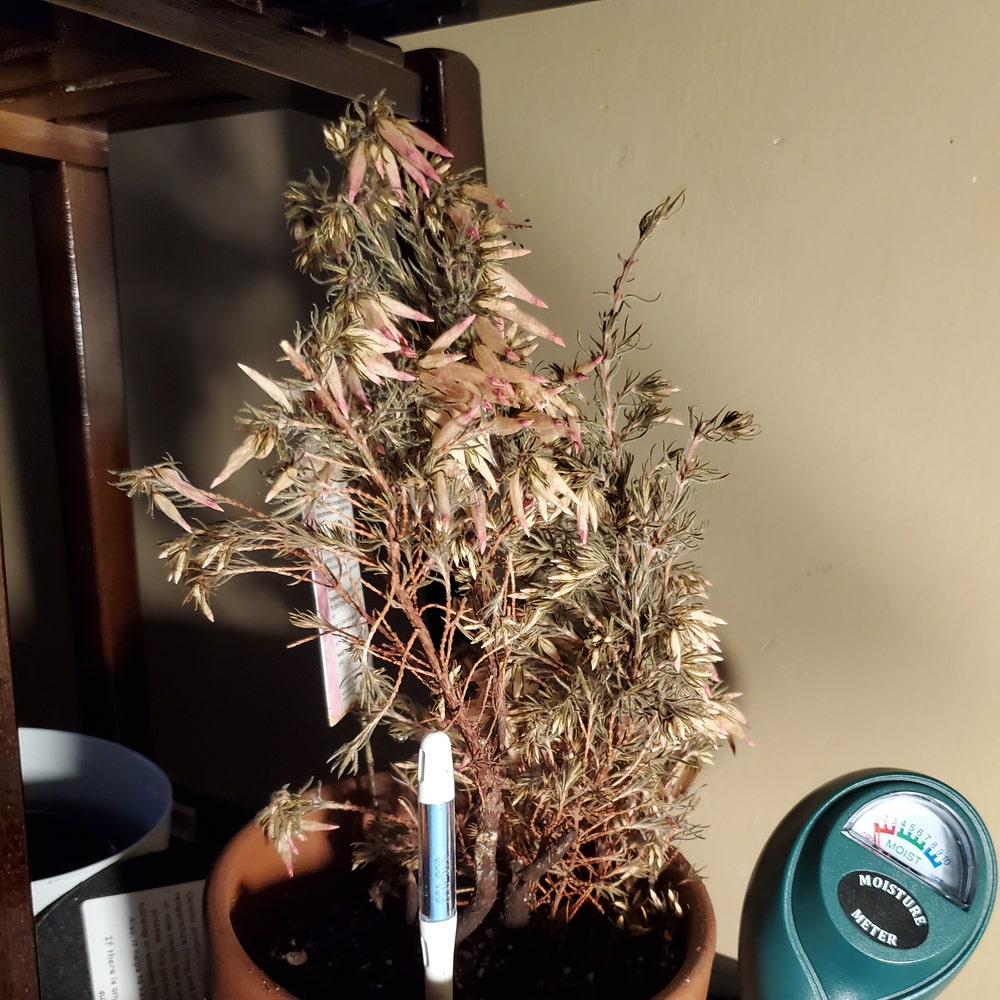
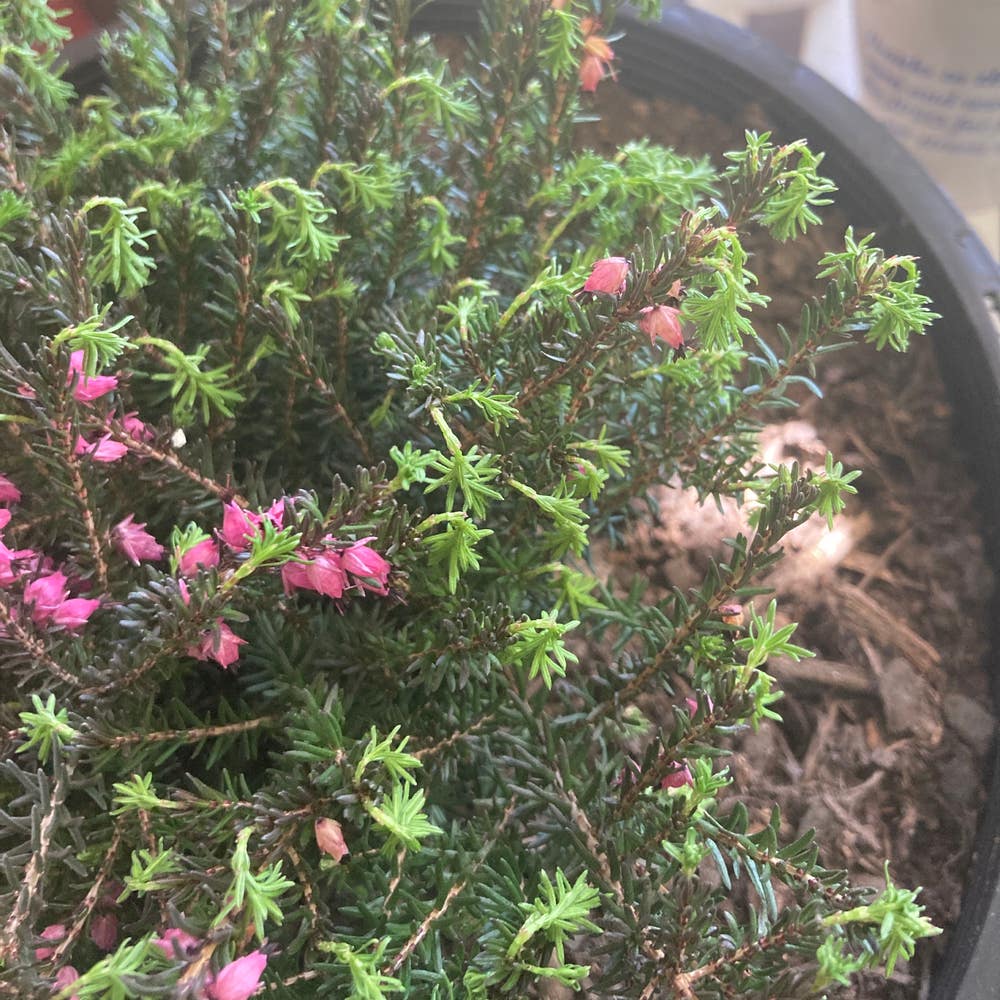
What You Should Know About Erica tenella var. tenella 🌸
Erica tenella var. tenella
By the Greg Editorial Team
Feb 28, 2025•12 min read
This article was created with the help of AI so we can cover more plants for you. May contain errors. See one? Report it here.
Elevate your garden's beauty and support local wildlife with the vibrant, low-maintenance Erica tenella! 🌼
- 🌞 Erica tenella thrives in full sun, needing at least six hours of sunlight daily.
- 🌱 Prefers acidic, well-drained soil; improve drainage with sand or grit.
- 🐝 Supports local wildlife, attracting pollinators like bees and butterflies to your garden.
How to Grow
Choosing a Location 🌞
When selecting a spot for Erica tenella var. tenella, aim for full sun to partial shade. Ideally, the plant should receive at least six hours of sunlight daily, while also being sheltered from strong winds and harsh weather conditions.
Soil Preparation 🏞️
This plant thrives in acidic, well-drained soils with a pH between 4.5 and 6.0. To enhance drainage, consider incorporating sand or grit into the soil mix.
Planting Techniques 🌱
For optimal growth, space your plants 12 to 18 inches apart. When planting, ensure that you place them at the same depth as they were in their nursery container.
Watering Requirements 🚰
Regular watering is crucial, especially during dry spells. Always water at the base of the plant to prevent wetting the foliage, which can lead to disease.
Fertilizing 🍽️
Use an acidic fertilizer or compost to nourish your Erica tenella. Fertilize in early spring and again in mid-summer for the best results.
Pruning ✂️
Prune your plant after flowering to encourage bushier growth. Focus on removing dead or damaged branches while shaping the plant for a tidy appearance.
Ongoing Care 👀
Keep an eye on your plant's health by regularly checking for pests and diseases. Adjust your watering and fertilizing routine based on seasonal changes to ensure your plant thrives year-round.
With these steps, you'll be well on your way to cultivating a healthy and vibrant Erica tenella var. tenella in your garden. Next, let's explore how to propagate this lovely plant!
Propagation
🌱 Seed Propagation
To propagate Erica tenella var. tenella from seeds, start by sowing them in spring. Keep the soil moist and warm, as this is crucial for successful germination.
Germination typically takes about 2-4 weeks under optimal conditions. Ensure you provide a warm environment to encourage healthy growth.
✂️ Cutting Propagation
Another effective method is cutting propagation. For this, take 4-6 inch cuttings from healthy plants, ensuring you choose vigorous stems.
The best time for this technique is late spring to early summer. This timing helps maximize the chances of successful rooting and growth.
With these propagation methods, you can expand your garden with beautiful Erica tenella var. tenella plants. Now that you know how to propagate, let’s explore the lifecycle of this fascinating plant.
Lifecycle
🌱 Lifecycle Stages
Erica tenella var. tenella is a perennial plant that goes through several distinct stages. These stages include seed or cutting, germination, seedling, vegetative growth, flowering, and seed production.
⏳ Lifespan and Maturity
This plant typically has a lifespan of 5 to 10 years. It reaches maturity in about 2 to 3 years, making it a relatively quick grower in the right conditions.
Understanding these lifecycle stages can help you provide the best care for your Erica tenella, ensuring it thrives and blooms beautifully in your garden. As you nurture your plant, keep an eye on its progress through these stages, and you'll be rewarded with vibrant flowers and lush growth.
Next, let's explore the size of this lovely plant and what you can expect in terms of height and spread.
Size
Mature Height and Spread 🌱
Erica tenella var. tenella typically reaches a mature height of 12 to 24 inches. Its spread ranges from 12 to 18 inches, making it a compact yet vibrant addition to any garden.
Growth Rate 📈
This plant exhibits a moderate growth rate, which is influenced by several factors. Soil quality, sunlight exposure, and water availability all play crucial roles in determining how quickly it flourishes.
With proper care, you can expect Erica tenella to thrive and fill your garden with its beautiful presence. Understanding its size and growth characteristics will help you plan your planting effectively, ensuring it has the space it needs to thrive.
As we move forward, let’s explore the fascinating lifecycle of this resilient plant.
Roots
Root System Characteristics 🌱
Erica tenella var. tenella features a fibrous root system that is both shallow and spreading. This structure allows the plant to efficiently absorb nutrients and water from the upper layers of the soil.
Common Root-Related Issues ⚠️
One of the most common problems with this plant is root rot, which occurs due to overwatering. To prevent this issue, ensure proper drainage in the soil.
Another concern is becoming rootbound, which happens when the roots grow tightly in a pot. You can identify this by observing tight, circling roots that can hinder the plant's growth.
Visual Cues for Healthy vs. Unhealthy Roots 👀
Healthy roots are firm, white, and spread evenly throughout the soil. In contrast, unhealthy roots may appear dark, mushy, or even emit a foul smell, indicating a need for immediate attention.
By keeping an eye on these root characteristics, you can help ensure your Erica tenella thrives. Next, let’s explore the benefits this beautiful plant brings to your garden.
Benefits
Top 5 Benefits of Erica tenella var. tenella 🌼
1. Attractive Ornamental Plant
Erica tenella var. tenella boasts vibrant flowers that can brighten any garden. Its stunning blooms make it a favorite among gardeners looking to add color and charm.
2. Supports Local Wildlife
This plant is a haven for local wildlife, especially pollinators like bees and butterflies. By planting Erica tenella, you contribute to the health of your local ecosystem.
3. Low Maintenance and Drought-Resistant
Once established, Erica tenella requires minimal care. Its drought-resistant nature makes it an excellent choice for gardeners seeking low-maintenance options.
4. Enhances Garden Diversity
With its unique textures and colors, Erica tenella enriches garden diversity. It pairs well with various plants, creating visually appealing landscapes.
5. Historical Medicinal Uses
Historically, Erica tenella has been used in traditional medicine for various ailments. This adds an intriguing layer to its appeal, making it not just beautiful but also beneficial.
Incorporating Erica tenella into your garden not only enhances its beauty but also supports local wildlife and offers a touch of history. As you consider your planting options, remember the multifaceted benefits this plant brings to your outdoor space.
Next, let’s explore the best companion plants that thrive alongside Erica tenella, enhancing both growth and aesthetics.
Companion Plants
🌱 Companion Planting
Companion planting is a fantastic way to enhance your garden's growth, manage pests, and boost overall diversity. By selecting the right plants to grow alongside Erica tenella var. tenella, you can create a thriving ecosystem that benefits all your plants.
🌼 Best Companion Plants
When it comes to suitable companions, consider planting other heathers, ferns, and low-growing perennials. These plants share similar care needs and aesthetic appeal, making them perfect partners for your Erica tenella.
- Heathers: They thrive in similar acidic soils and provide a beautiful color contrast.
- Ferns: Their lush foliage complements the vibrant flowers of Erica tenella.
- Low-growing perennials: These can fill in gaps and create a lush, layered look in your garden.
🚫 Plants to Avoid
While some plants work well together, others can compete for resources. Avoid heavy feeders like tomatoes and corn, as they may drain nutrients from the soil that your Erica tenella needs to flourish.
By carefully selecting companion plants, you can create a harmonious garden that not only looks great but also supports the health of your Erica tenella. This thoughtful approach will lead to a more vibrant and resilient garden overall.
As you plan your garden, keep in mind the benefits of companion planting and how it can enhance your gardening experience. Next, let’s explore the fascinating world of toxicity and safety regarding Erica tenella for humans and pets.
Toxicity to Humans
Safety for Humans 🌱
Erica tenella var. tenella is generally safe for humans, as it is not listed as toxic by major poison control centers and health organizations. However, if consumed in large quantities, it may cause mild skin irritation or minor digestive discomfort.
Cautionary Measures ⚠️
While the plant is largely harmless, it's wise to exercise caution with any plant. If you experience unusual symptoms after contact or ingestion, seek medical advice promptly.
Toxicity to Dogs
Safety for Dogs 🐶
Erica tenella var. tenella is not considered toxic to dogs according to major pet poison control centers and veterinary organizations. This means you can enjoy your garden without worrying too much about your furry friends.
However, if a dog consumes large quantities of the plant, it may experience mild gastrointestinal upset. To keep your curious canine safe, it's best to position the plant out of reach and monitor their behavior around it.
Monitoring Behavior 👀
While serious toxicity is not a concern, always keep an eye on your dog after they've been near the plant. If you notice any unusual symptoms, such as vomiting or lethargy, consult your veterinarian for advice.
Tips for Dog Owners 📝
- Placement: Choose a location for Erica tenella that is less accessible to dogs.
- Observation: Regularly check your dog's behavior when they're in the garden.
- Education: Teach your dog to avoid certain plants, reinforcing positive behavior.
With these precautions, you can enjoy the beauty of Erica tenella while ensuring your dog's safety. Now, let’s explore how this plant interacts with our feline friends.
Toxicity to Cats
Safety for Cats 🐱
Erica tenella var. tenella is not considered toxic to cats, according to major pet poison control centers and veterinary organizations. This means you can enjoy this beautiful plant without worrying about your feline friends.
Potential Minor Issues ⚠️
While it's generally safe, consuming large quantities may lead to mild gastrointestinal upset in cats. It's always a good idea to keep an eye on your pets and monitor their behavior around plants.
Tips for Cat Owners 🏠
To ensure your cat stays safe, position the plant out of their reach. Regularly check for any signs of nibbling and be proactive in managing their access to the garden.
This way, you can enjoy the vibrant beauty of Erica tenella var. tenella while keeping your curious cats safe. Now, let’s explore the common problems that can arise when growing this lovely plant.
Problems
Common Problems 🌱
Incorrect Watering
Watering is crucial for the health of Erica tenella var. tenella. Symptoms of incorrect watering include wilting or yellowing leaves, which can indicate either overwatering or underwatering.
To resolve this, adjust your watering frequency based on the moisture level of the soil. Regularly check the soil to ensure it’s neither too dry nor soggy.
Incorrect Light Conditions
Light conditions play a significant role in plant health. If you notice leggy growth or scorched leaves, your plant may be receiving too much or too little sunlight.
To fix this, consider relocating your plant to a spot that better matches its sunlight needs. Aim for a balance that provides at least 6 hours of sunlight daily.
Incorrect Temperature
Temperature extremes can stress your plant. Symptoms like stunted growth or leaf drop often signal exposure to harsh conditions.
To help your plant thrive, provide shelter from extreme temperatures or relocate it to a more stable environment. This simple adjustment can make a big difference.
Diseases
Diseases can plague even the hardiest plants. Common issues include powdery mildew, rust, and black rot, which typically manifest as fungal growth on leaves.
To combat these diseases, improve air circulation around your plant and apply fungicides as needed. Keeping your plant healthy can prevent these issues from taking hold.
Leaf Issues
Leaf problems can arise from various factors. Yellowing or fuzzy growth may indicate nutrient deficiencies or pest infestations.
To address these issues, fertilize appropriately and inspect your plant for pests. Regular monitoring can help you catch problems early and keep your plant looking its best.
Conclusion 🌟
By being aware of these common problems and their solutions, you can ensure the health and vitality of your Erica tenella var. tenella. Next, let’s explore potential pest issues that might affect your plant.
Bugs
🐞 Potential Pest Issues
While Erica tenella var. tenella is generally pest-resistant, it can still fall victim to certain pests. Being aware of these potential issues can help you maintain a healthy plant.
🔍 Identification and Treatment Options
Spider Mites
- Identification: Look for fine webbing on leaves.
- Damage: These pests cause leaf discoloration and drop.
- Treatment: Increase humidity around the plant and apply miticides as needed.
Scale Insects
- Identification: Small, brown bumps appear on stems.
- Damage: They weaken the plant significantly.
- Treatment: Manual removal is effective, along with insecticidal soap.
Mealybugs
- Identification: White, cottony masses can be seen on leaves.
- Damage: They lead to stunted growth.
- Treatment: Use alcohol wipes for removal and follow up with insecticidal soap.
Aphids
- Identification: Small, green or black insects cluster on new growth.
- Damage: They cause curling leaves and reduced vigor.
- Treatment: Neem oil or insecticidal soap can help eliminate them.
Whiteflies
- Identification: Tiny white insects fly away when disturbed.
- Damage: They result in yellowing leaves and hinder photosynthesis.
- Treatment: Use yellow sticky traps and insecticidal soap for control.
By staying vigilant and addressing these pest issues promptly, you can ensure your Erica tenella var. tenella thrives in your garden. Next, let’s explore what animals might be interested in snacking on your plants.
What Eats
Common Animals 🦌
Erica tenella var. tenella can attract a variety of hungry visitors. Deer, rabbits, squirrels, birds, rodents, and groundhogs are known to munch on this plant, potentially causing damage.
Signs of Animal Presence 🕵️♀️
Keep an eye out for signs that these critters have been feasting. Look for chewed leaves, missing branches, or even droppings nearby, which can indicate their presence.
Deterrent Methods 🚫
To protect your plants, consider using deterrent methods. Chemical repellents can be effective, but you might also explore organic options, such as planting deterrent species or using physical barriers like fencing to keep the munchers at bay.
By taking these precautions, you can enjoy the beauty of Erica tenella var. tenella without the worry of it becoming a snack for local wildlife. Next, let’s explore the potential pest issues that could affect your plant’s health.
⚠️ Safety First
This content is for general information and may contain errors, omissions, or outdated details. It is not medical, veterinary advice, or an endorsement of therapeutic claims.
Always consult a qualified healthcare professional before using any plant as food, medicine, or supplement.
Never eat any plant (or feed one to pets) without confirming its identity with at least two trusted sources.
If you suspect poisoning, call Poison Control (800) 222-1222, the Pet Poison Helpline (800) 213-6680, or your local emergency service immediately.
Spotted an error? Please report it here.
Unlock the secrets to thriving Erica tenella 🌼 with Greg's tailored watering alerts and care tips, ensuring your garden flourishes while attracting beautiful pollinators!