Ultimate Guide to Erica steinbergiana var. steinbergiana
Erica steinbergiana var. steinbergiana
By the Greg Editorial Team
Feb 28, 2025•10 min read
This article was created with the help of AI so we can cover more plants for you. May contain errors. See one? Report it here.
Elevate your garden with Erica steinbergiana, a stunning and resilient plant that thrives with minimal care! 🌱
- 🌞 Erica steinbergiana needs 6 hours of sunlight for optimal growth and health.
- 🌱 Acidic, well-draining soil is crucial; aim for pH 4.5 to 6.0.
- 🐝 Attracts pollinators while being drought-tolerant, enhancing garden sustainability.
How to Grow
Choosing a Location 🌞
When selecting a location for Erica steinbergiana var. steinbergiana, aim for full sun to partial shade, ensuring a minimum of six hours of sunlight daily. Whether you’re planting outdoors or in containers, consider the light exposure and airflow to promote healthy growth.
Soil Preparation 🌱
This plant thrives in acidic, well-draining soil with a pH between 4.5 and 6.0. To enhance soil quality, incorporate organic matter such as peat moss or compost, which will improve drainage and provide essential nutrients.
Planting Techniques 🌿
For planting, ensure the root ball is level with the soil surface to promote healthy growth. If planting outdoors, space each plant 2-3 feet apart to allow for adequate air circulation and growth.
Watering Requirements 💧
After planting, give your Erica a deep watering to establish roots. Moving forward, water when the top inch of soil feels dry, being careful to avoid waterlogging, which can lead to root rot.
Fertilizing Schedule 🌼
Use a balanced, slow-release fertilizer to nourish your plant. Fertilize in early spring and again in mid-summer to support growth during the active growing season.
Pruning Methods ✂️
Prune your Erica after flowering to maintain its shape and encourage new growth. Focus on removing dead or damaged branches and thinning out crowded areas to improve air circulation.
Ongoing Care 🛡️
Apply a layer of mulch around the base to retain moisture and suppress weeds. Regularly monitor your plants for pests and diseases, addressing any issues promptly to keep your Erica healthy and vibrant.
With these growing tips, you'll set the stage for a flourishing Erica steinbergiana var. steinbergiana. Next, let’s explore how to propagate this beautiful plant effectively.
Propagation
🌱 Seed Propagation
To start propagating Erica steinbergiana var. steinbergiana from seeds, begin by soaking them in water for 24 hours. This simple step enhances germination, which typically takes 2-4 weeks under optimal conditions.
✂️ Cutting Propagation
For cutting propagation, select healthy stems that are 4-6 inches long. Use a rooting medium composed of perlite and peat moss to encourage robust root development.
🌿 Division Propagation
The best time for division propagation is in early spring or fall. Carefully separate the root clumps and replant them to ensure they thrive in their new locations.
By mastering these propagation techniques, you can expand your collection of Erica steinbergiana var. steinbergiana and share its beauty with others. Next, let’s explore the lifecycle of this remarkable plant.
Lifecycle
Life Cycle Stages 🌱
Erica steinbergiana var. steinbergiana is classified as a perennial shrub, boasting a lifespan of 5 to 10 years. This plant thrives under optimal conditions, which include warm temperatures and consistently moist soil during the germination phase.
The seedling stage lasts about 4 to 6 weeks, during which the young plants prepare for their next phase. Once established, expect a growth timeline of approximately 2 to 3 years to reach full maturity, with a moderate growth rate of 12 to 24 inches annually.
Understanding these life cycle stages is crucial for successful cultivation. By providing the right conditions, you can enjoy the beauty of this resilient plant for years to come.
As we explore the next section, we’ll delve into the mature dimensions of Erica steinbergiana, helping you visualize its potential in your garden.
Size
Mature Dimensions 🌳
Erica steinbergiana var. steinbergiana typically reaches a height of 2 to 4 feet. Its spread can extend 2 to 3 feet wide, making it a lovely addition to any garden.
Growth Rate 📈
This perennial shrub has a moderate growth rate, which is influenced by environmental conditions. With the right care, you can expect it to thrive and fill out nicely over time.
Understanding the size and growth characteristics of Erica steinbergiana var. steinbergiana helps you plan your garden layout effectively. Next, let’s explore the root system characteristics that support its growth.
Roots
🌱 Root System Characteristics
Erica steinbergiana var. steinbergiana features a fibrous root system that is typically shallow. This allows the roots to spread outwards, maximizing their ability to absorb nutrients and water from the surrounding soil.
⚠️ Common Issues
One of the most common problems with this plant is root rot, which often results from overwatering. To prevent this, ensure proper drainage in your planting area or container.
🌿 Healthy vs. Unhealthy Roots
Healthy roots are firm and white, indicating vitality and strength. In contrast, unhealthy roots appear dark and mushy, signaling potential issues that need immediate attention.
🔒 Recognizing Rootbound Plants
If you notice roots growing out of the drainage holes of your pot, your plant may be rootbound. The solution is simple: repot the plant into a larger container to give it room to thrive.
Understanding the root system of Erica steinbergiana var. steinbergiana is crucial for its overall health and growth. By keeping an eye on root conditions, you can ensure your plant remains vibrant and flourishing.
Next, let's explore the benefits of this beautiful plant and how it can enhance your garden.
Benefits
Top 5 Benefits 🌟
1. Ornamental Value
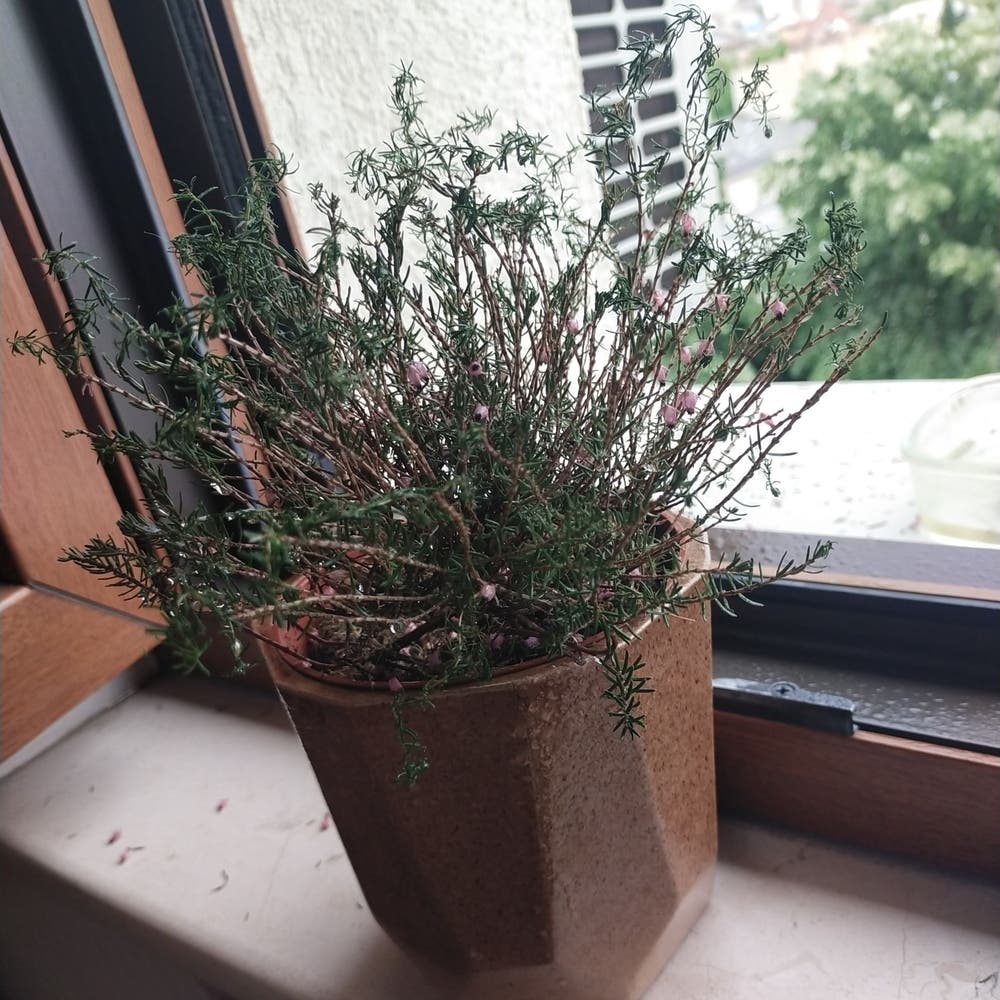
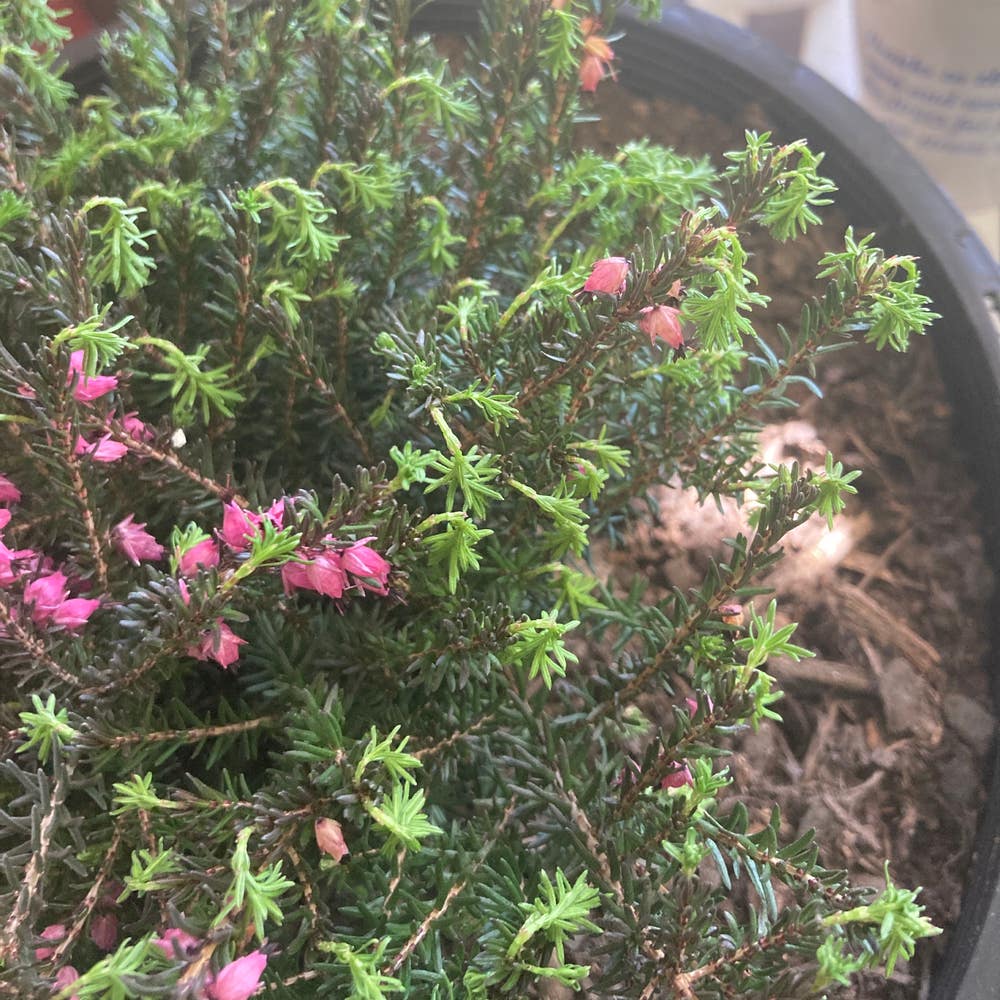
Erica steinbergiana var. steinbergiana boasts stunning foliage and vibrant flowers that can elevate any garden's aesthetic. Its unique appearance makes it a favorite among gardeners looking to add a splash of color.
2. Drought Tolerance
Once established, this plant is remarkably drought-tolerant. It requires minimal watering, making it an excellent choice for those looking to conserve water while maintaining a beautiful landscape.
3. Pollinator Attraction
The flowers of Erica steinbergiana are a magnet for bees and other beneficial insects. This not only supports local ecosystems but also enhances the overall health of your garden.
4. Soil Improvement
This plant thrives in acidic soil, which can improve the surrounding soil conditions. By planting Erica steinbergiana, you can create a more favorable environment for other plants that prefer similar conditions.
5. Cultural Significance
Originating from South Africa, Erica steinbergiana symbolizes resilience and beauty. Incorporating this plant into your garden connects you to a rich cultural heritage and adds a layer of meaning to your outdoor space.
These benefits make Erica steinbergiana var. steinbergiana a fantastic addition to any garden. Whether you're looking for beauty, sustainability, or ecological support, this plant delivers on all fronts.
Next, we'll explore the best companion plants to pair with Erica steinbergiana for a thriving garden ecosystem.
Companion Plants
Best Companions 🌿
When growing Erica steinbergiana var. steinbergiana, consider pairing it with other heathers, ferns, and low-growing perennials. These plants thrive in similar conditions, creating a harmonious garden environment.
Plants to Avoid 🚫
Steer clear of heavy feeders that demand rich soil. These plants can compete for nutrients, potentially stunting the growth of your Erica.
Benefits of Companion Planting 🌼
Companion planting enhances garden diversity and can improve pest management. By creating a balanced ecosystem, you can attract beneficial insects and deter harmful pests, leading to a healthier garden overall.
Incorporating the right companions not only boosts the aesthetic appeal of your garden but also supports the health of your Erica steinbergiana. As you plan your garden layout, think about how these relationships can work together to create a thriving space.
Next, let’s explore the potential toxicity of Erica steinbergiana to humans, dogs, and cats, ensuring a safe gardening experience for all.
Toxicity to Humans
Erica steinbergiana var. steinbergiana is generally safe for humans, as it is not listed as toxic by major poison control centers.
However, consuming large quantities may lead to mild skin irritation or digestive discomfort.
⚠️ Caution is Key
While this plant is not harmful, it's always wise to exercise caution with any plant. If you experience unusual symptoms after contact or consumption, seek medical advice promptly.
Stay informed and enjoy your gardening experience with peace of mind!
Toxicity to Dogs
Erica steinbergiana var. steinbergiana is generally safe for dogs, as it is not listed as toxic by major poison control centers. However, if your furry friend decides to munch on it, you might notice some mild gastrointestinal upset.
🐶 Monitoring Your Dog
To ensure your dog's safety, keep the plant out of reach. It's also wise to monitor their behavior around new plants, just to be on the safe side.
📝 Conclusion
While this beautiful plant can enhance your garden, always exercise caution with any greenery. If you notice any unusual symptoms in your dog after they’ve been around Erica steinbergiana, consult your veterinarian for advice.
Next, let’s explore how this plant interacts with our feline friends.
Toxicity to Cats
Erica steinbergiana var. steinbergiana is not considered toxic to cats. This means you can enjoy this beautiful plant without worrying about your feline friends getting harmed.
However, it's important to note that excessive consumption could lead to mild gastrointestinal upset. Keep an eye on your cat's behavior around new plants to ensure they don't nibble too much.
If you notice any unusual symptoms, it's always best to consult with a veterinarian. By being proactive, you can create a safe and vibrant environment for both your plants and pets.
In the next section, we will explore common problems that may arise when caring for Erica steinbergiana var. steinbergiana, ensuring you’re well-prepared to tackle any challenges.
Problems
Common Problems 🌱
Growing Erica steinbergiana var. steinbergiana can be rewarding, but it's essential to be aware of potential issues that may arise.
Incorrect Watering
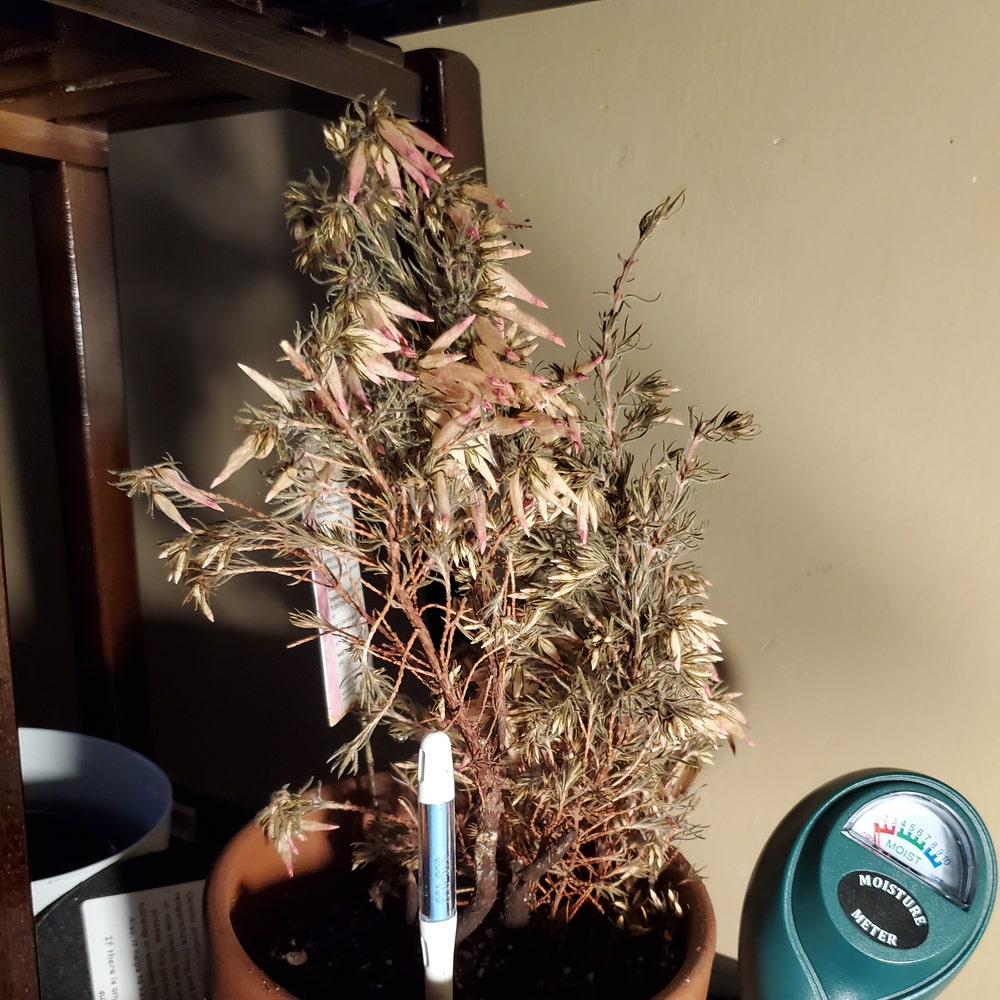
Over or under-watering can lead to significant problems. Signs of incorrect watering include wilting or yellowing leaves, indicating your plant may be thirsty or drowning.
Incorrect Light Conditions
Light is crucial for healthy growth. If your plant shows symptoms of too much or too little light, such as stunted growth or leaf drop, it may need a location adjustment.
Incorrect Temperature
Extreme temperatures can stress your Erica. Look for signs of stress, like drooping leaves or slowed growth, which may indicate that your plant is unhappy with its environment.
Diseases
Fungal diseases can be a concern. Watch out for powdery mildew or root rot, which can develop in overly damp conditions or poor air circulation.
Leaf Issues
Leaf problems can signal underlying stress. Scorching or yellowing leaves often indicate that your plant is struggling, whether from nutrient deficiencies or environmental factors.
By keeping an eye on these common problems, you can ensure your Erica steinbergiana thrives. Next, let’s explore potential pest issues that could affect your plant's health.
Bugs
🐜 Potential Pest Issues
While Erica steinbergiana var. steinbergiana boasts moderate pest resistance, it can still fall victim to a few common pests. Keep an eye out for spider mites, aphids, and mealybugs, as they can wreak havoc on your plants.
⚠️ Damage Symptoms
Recognizing the signs of pest damage is crucial for timely intervention. Look for wilting leaves, discoloration, and stunted growth, which indicate that your plant may be under attack.
🧴 Treatment Options
Fortunately, there are effective treatment options to combat these pests. Consider using insecticidal soap or neem oil, both of which are safe and effective. For minor infestations, manual removal of pests can also do the trick.
🛡️ Prevention Tips
To minimize pest issues, maintain healthy plants through proper care. Regularly inspect your Erica steinbergiana for any signs of distress, and ensure it has the right growing conditions to thrive.
By staying vigilant and proactive, you can enjoy a flourishing garden free from pest problems. Next, let’s explore what animals might be interested in snacking on your beautiful plants.
What Eats
Common Animals 🦌
When it comes to Erica steinbergiana var. steinbergiana, several animals find it quite appetizing. Deer, rabbits, and squirrels are the main culprits that may munch on your plants.
Signs of Presence 👀
Keep an eye out for signs of these hungry visitors. Chewed leaves, tracks in the soil, and droppings around your plants can indicate their presence.
Damage ⚠️
These animals can cause significant damage by browsing on the foliage and stems. This not only affects the plant's appearance but can also hinder its growth.
Deterrent Methods 🚫
To protect your plants, consider using commercial repellents designed to deter these animals. Additionally, planting species that these animals dislike can create a natural barrier, keeping your Erica steinbergiana safe and thriving.
By staying vigilant and employing these deterrent methods, you can enjoy the beauty of your plants without the worry of them becoming a snack for local wildlife. Next, let’s explore common problems that can affect your Erica steinbergiana.
⚠️ Safety First
This content is for general information and may contain errors, omissions, or outdated details. It is not medical, veterinary advice, or an endorsement of therapeutic claims.
Always consult a qualified healthcare professional before using any plant as food, medicine, or supplement.
Never eat any plant (or feed one to pets) without confirming its identity with at least two trusted sources.
If you suspect poisoning, call Poison Control (800) 222-1222, the Pet Poison Helpline (800) 213-6680, or your local emergency service immediately.
Spotted an error? Please report it here.
Cultivate a thriving Erica steinbergiana 🌼 with Greg's personalized care plans and watering reminders, ensuring your plant gets the sunlight and nutrients it needs to flourish beautifully in your garden!