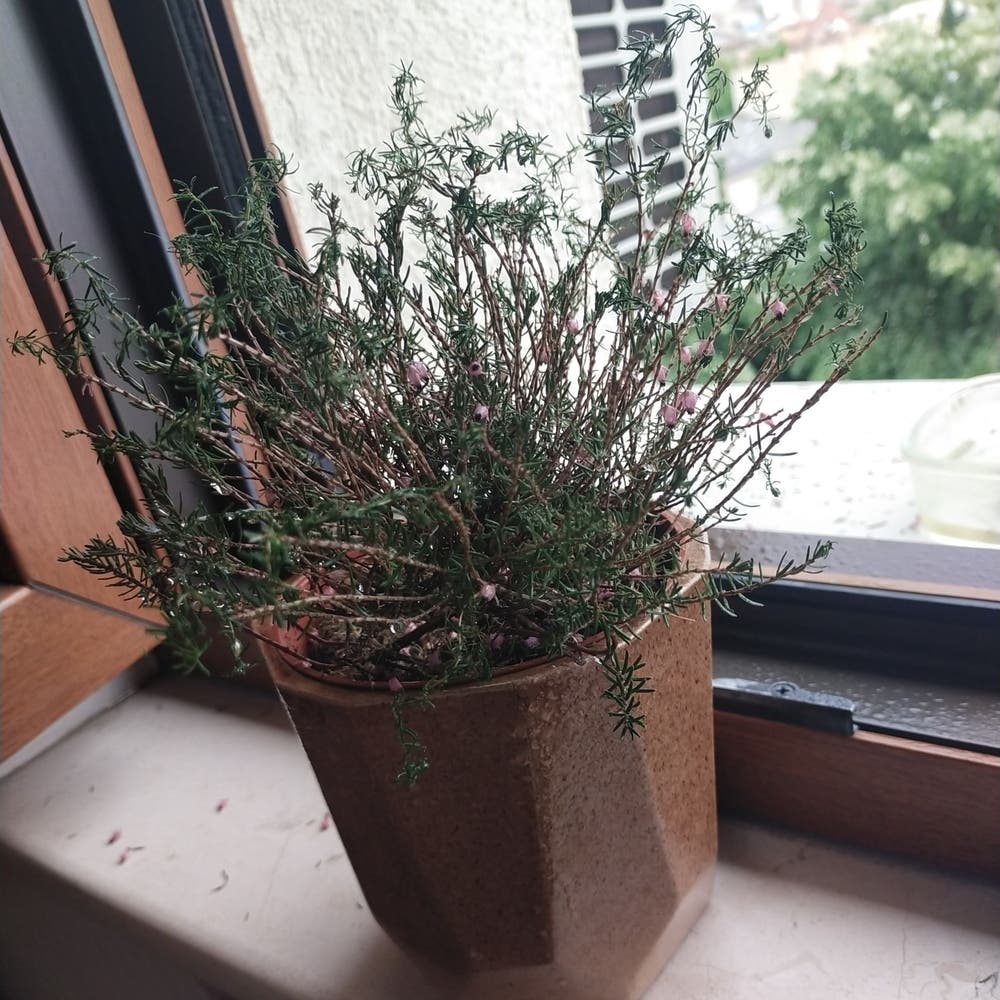
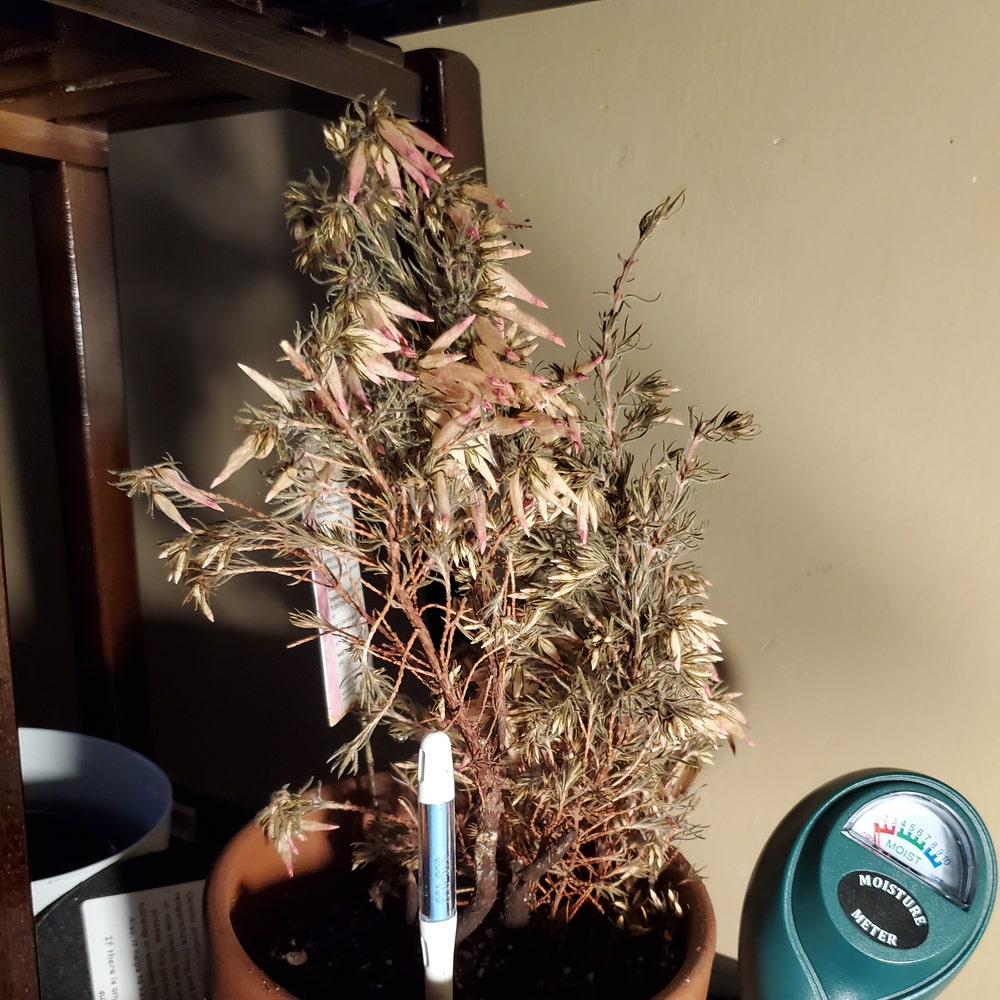
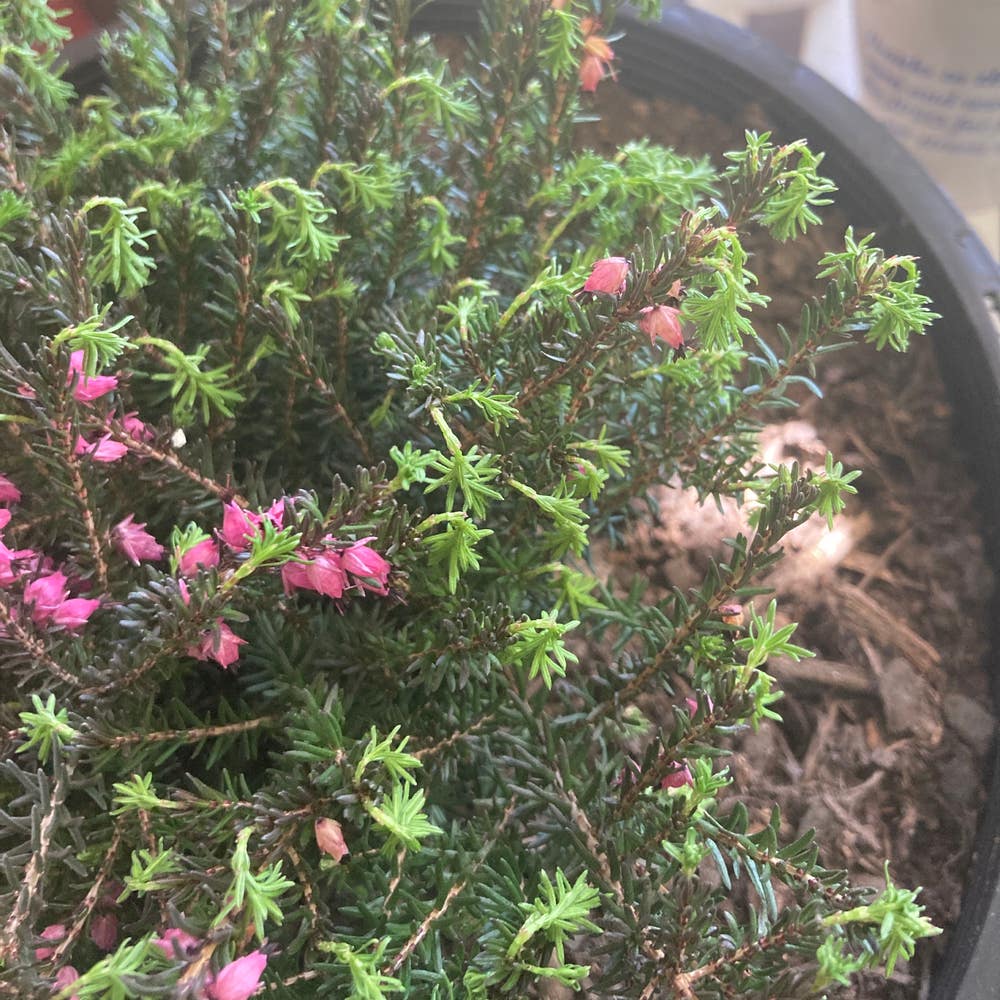
🌸 All About Erica rubiginosa var. rubiginosa: Essential Facts
Erica rubiginosa var. rubiginosa
By the Greg Editorial Team
Feb 28, 2025•13 min read
This article was created with the help of AI so we can cover more plants for you. May contain errors. See one? Report it here.
Discover how to cultivate the stunning Erica rubiginosa var. rubiginosa and enhance your garden's beauty! 🌸
- 🌞 Erica rubiginosa thrives in full sun to partial shade; choose the right location!
- 🌱 Prefers acidic, well-drained soils with pH 5.5-6.5 for optimal health.
- 🐝 Attracts pollinators, supporting local biodiversity and enhancing your garden's ecosystem.
How to Grow
🌞 Choosing the Right Location
To thrive, Erica rubiginosa var. rubiginosa needs full sun to partial shade. This plant flourishes in warm, dry climates, particularly those found in South Africa, making it essential to consider your local climate when selecting a growing location.
When deciding between outdoor and container growing, think about space and mobility. Container growing offers flexibility, while outdoor planting allows for natural growth conditions.
🌱 Soil Preparation and Amendments
This species prefers acidic, well-drained soils. To enhance drainage, incorporate organic matter into your soil mix.
Aim for a pH level between 5.5 and 6.5 for optimal growth. Testing your soil beforehand can help you achieve the right balance.
🌿 Planting Techniques and Spacing
When planting, ensure the root ball is level with the soil surface. Space your plants 2-3 feet apart to promote air circulation and prevent overcrowding.
The best times to plant are in spring or early fall, allowing the roots to establish before extreme temperatures set in.
💧 Watering Requirements and Schedules
After planting, give your Erica a deep watering to help it settle in. Once established, this plant is drought-tolerant, but monitor soil moisture to determine ongoing watering frequency.
Be aware of the signs of overwatering, such as yellowing leaves, and underwatering, which may cause wilting.
🌼 Fertilizing Strategies for Optimal Growth
Use a balanced, slow-release fertilizer to support healthy growth. Fertilize once in early spring and again in mid-summer for the best results.
Watch for signs of nutrient deficiency, like stunted growth or yellowing leaves, to adjust your fertilization strategy accordingly.
✂️ Pruning Methods for Health and Aesthetics
Prune your Erica in late winter or early spring, just before new growth begins. Light pruning helps maintain shape and removes any dead or damaged branches.
Regular pruning is crucial for promoting flowering and ensuring the overall health of your plant.
🌍 Ongoing Care for Container vs. Outdoor Growing
For container care, ensure proper drainage and keep an eye on moisture levels. Outdoor plants benefit from mulching, which helps retain moisture and suppress weeds.
Adjust your care routine seasonally to accommodate changing weather conditions and plant needs.
With these guidelines, you'll be well on your way to cultivating a thriving Erica rubiginosa var. rubiginosa! Next, let’s explore how to propagate this beautiful plant effectively.
Propagation
🌱 Seed Propagation Steps
To successfully propagate Erica rubiginosa var. rubiginosa from seeds, start with stratification. This process enhances germination rates by mimicking natural conditions.
Next, sow seeds 1/4 inch deep in a seed-starting mix. Ensure the mix is light and well-draining to promote healthy growth.
🌡️ Germination Conditions
For optimal germination, maintain warm temperatures and consistent moisture. Aim for a cozy environment that encourages those seeds to sprout.
✂️ Cutting Propagation Techniques
If you prefer cuttings, select healthy stems measuring 4-6 inches. This method can be a quicker way to establish new plants.
Use a rooting medium that combines perlite and peat moss. This mix provides excellent drainage while retaining enough moisture for root development.
⏰ Timing for Cuttings
The best time to take cuttings is in late spring or early summer. This timing aligns with the plant's active growth phase, increasing your chances of success.
📅 Timing and Conditions for Successful Propagation
For both seed and cuttinErica rubiginosa var. rubiginosaal temperature range of 20°C to 25°C (68°F to 77°F). This warmth is crucial for encouraging growth.
Additionally, provide indirect light to prevent scorching. Too much direct sunlight can hinder the delicate young plants as they establish themselves.
With these propagation techniques, you can expand your collection of Erica rubiginosa var. rubiginosa and enjoy its beauty in your garden. Next, let’s explore the lifecycle of this fascinating plant.
Lifecycle
Life cycle stages 🌱
Erica rubiginosa var. rubiginosa is a perennial plant, meaning it lives for multiple years. Its life cycle includes several key stages: seed or cutting, germination, seedling, vegetative growth, flowering, and seed production.
Germination process and timeline ⏳
The germination period for this plant typically spans 2-4 weeks under optimal conditions. Factors such as temperature and moisture levels play a crucial role in ensuring successful germination.
SeedliErica rubiginosand care 🌿
Once germinated, the seedling stage lasts about 4-6 weeks before the plants are ready for transplanting. During this time, consistent moisture and indirect light are essential for healthy development.
Vegetative growth phase 🌳
The vegetative growth phase usually lasts 1-2 years. This stage is characterized by the development of foliage and an extensive root system, setting the foundation for future growth.
Flowering period and seed production 🌸
Flowering begins in late spring to early summer, showcasing the plant's vibrant blooms. After flowering, seeds mature within 4-6 weeks, ready for the next generation.
Lifespan and growth rate 📈
In optimal conditions, Erica rubiginosa var. rubiginosa has an average lifespan of 5-10 years. Its growth rate is moderate, with the plant reaching maturity in about 2-3 years, making it a rewarding addition to any garden.
This lifecycle overview highlights the resilience and adaptability of Erica rubiginosa var. rubiginosa, paving the way for understanding its growing needs and care. Next, we will explore the plant's size and growth characteristics.
Size
Mature height and spread 🌱
Erica rubiginosa var. rubiginosa typically reaches an average mature height of 1 to 3 feet. Its spread can range from 2 to 4 feet, making it a compact yet impactful addition to any garden.
Growth rate and factors affecting size 📈
This plant has a moderate growth rate, which can be influenced by various factors. Soil quality and water availability play crucial roles, alongside environmental conditions like sunlight, temperature, and moisture levels.
Size variability based on growing conditions 🌍
The size of Erica rubiginosa can vary significantly dependingErica rubiginosa var. rubiginosats grown in containers may remain smaller compared to those planted directly in the ground, where they can spread more freely.
Soil quality and care practices also affect size. Providing optimal conditions will ensure your plant reaches its full potential, showcasing its vibrant flowers and lush foliage.
As you consider planting Erica rubiginosa, remember that the right environment can lead to impressive growth. Next, let’s explore the root system of this resilient species and how it supports its overall health.
Roots
🕵️♂️ Description of the root system type
Erica rubiginosa var. rubiginosa features a fibrous root system. This type of root system is shallow yet extensive, allowiErica rubiginosaefficiently absorb moisture and nutrients from the upper soil layers.
📏 Root depth and spread characteristics
The average root depth of this plant ranges from 12 to 18 inches. Its roots can spread beyond the plant's canopy, providing stability and access to resources.
🚫 Common root-related issues and solutions
Root rot is a common issue, primarily caused by overwatering. To prevent this, ensure proper drainage in the soil and avoid waterlogging.
👀 Identifying healthy vs. unhealthy roots
Healthy roots are typically firm and exhibit a white or light tan color. In contrast, unhealthy roots may appear dark, soft, or slimy, indicatiplanttential problems.
🔒 Recognizing and addressing rootbound conditions
Signs of a rootbound plant include roots growing out of the drainage holes. If you notice this, consider repotting the plant into a larger container or dividing it to promote healthier growth.
Understanding the root system of Erica rubiginosa var. rubiginosa is crucial for its care and maintenance. Healthy roots lead to a thriving plant, so keep an eye on their condition to ensure your plant flourishes. Next, we will explore the numerous benefits this plant offersErica rubiginosa var. rubiginosar garden.
Benefits
🌱 Ecological benefits
Erica rubiginosa var. rubiginosa plays a vital role in supporting local biodiversity. Its flowers attract a variety of pollinators, creating a thriving ecosystem.
🌸 Aesthetic appeal
With vibrant pink to red flowers, this plant enhances the beauty of any garden. Its evergreen foliage ensures year-round interest, making it a stunning addition to landscapes.
🐝 Attracting pollinators
The flowers of Erica rubiginosa are a magnet for bees, butterflies, and other beneficial insects. This not only supports pollinator populations but also contributes to the overall health of local ecosystems.
🎉 Cultural significance
This plant holds cultural importance,Erica rubiginosa var. rubiginosaonies and local crafts. It symbolizes resilience, thriving in harsh environments and inspiring those who cultivate it.
🌿 Use in traditional medicine
Historically, Erica rubiginosa has been utilized in herbal remedies by indigenous cultures. Ongoing research may uncover its potential medicinal properties, adding to its value in both gardens and health practices.
This plant's multifaceted benefits make it a remarkable choice for gardeners looking to enhance their outdoor spaces while supporting the environment. Next, let’s explore the ideal companion plants that can thrive alongside Erica rubiginosa.
Companion Plants
Explanation of Companion Planting Benefits 🌱
Companion planting is a fantastic way to enhance garden diversity and improve pest management. By pairing plants that support each other's growth, you can create a thriving ecosystem in your garden.
Recommended Companion Plants 🌼
For Erica rubiginosa var. rubiginosa, consider planting it alongside other fynbos species like Protea and Leucadendron. These companions share similar care needs and can deter pests, making them ideal partners in your garden.
Plants to Avoid 🚫
Be cautious with heavy feeders, as they can compete for nutrients and lead to deficiencies in your Erica rubiginosa. Avoid planting them nearby to ensureplant plant thrives without competition for essential resources.
Incorporating companion plants not only benefits your Erica rubiginosa but also creates a vibrant and resilient garden environment. Next, let’s explore the plant's safety profile regarding pets, ensuring a worry-free gardening experience.
Toxicity to Humans
Safety profile 🛡️
Erica rubiginosa var. rubiginosa is not listed as toxic by major poison control centers. This means it’s generally safe for handling and can be ingested in small amounts without serious concerns.
Potential minor issues ⚠️
While the plantplantsstly harmless, some individuals may experience mild skin irritation from excessive contact. Additionally, consuming large quantities could lead to minor digestive discomfort.
Recommendations for caution ⚠️
Always exercise caution with any plant, including this one. If you experience unusual symptoms, seek medical advice promptly, and be aware of your individual sensitivities to avoid any adverse reactions.
As you exErica rubiginosa var. rubiginosaosa, remember that knowledge is power. Understanding its safety profile can enhance your gardening experience and ensure a healthy environment for you and your loved ones.
Toxicity to Dogs
Safety around dogs 🐶
Erica rubiginosa var. rubiginosa is not listed as toxic to dogs by veterinary organizations. This means it’s generally safe for your furry friends to be around.
Potential minor issues ⚠️
While the plant poses no serious risks, consuming large quantities may lead to mild gastrointestinal upset. It's always wise to monitor your dog's behavior around any plants.
Tips for introducing the plant 🌱
When introducing this plant to your garden, ensure it’s placed out of reach of curious dogsErica rubiginosarve your pets for any unusual behavior or reactions to keep them safe and happy.
Toxicity to Cats
🐱 Safety around cats
Erica rubiginosa var. rubiginosa is not listed as toxic to cats by major pet poison control centers. This means you can enjoy this beautiful plant without worrying about your feline friends.
⚠️ Potential minor issues
While generally safe, consuming large quantities may cause mild gastrointestinal upset in cats. It's always a good idea to monitor your cat's behavior around plants to ensure they stay healthy.
🐾 Tips for introducing the plant
To keep your curious cats safe, place the plant out of their reach. Regularly observe your pets for any unusual behavior or reactions to ensure they are comfortable and unharmed.
With these precautions, you can enjoy the beauty of Erica rubiginosa var. rubiginosa while keeping your furry companions safe.
Problems
Common Problems Faced 🌱
Growing Erica rubiginosa var. rubiginosa can come with its share of challenges. Understanding these potential issues is crucial for maintaining a healthy plant.
Identifying Symptoms of Unhealthy Plants 🧐
Keep an eye out for signs of distress. Symptoms like wilting, discoloration, or stunted growth can indicate that your plant is not thriving.
Solutions for Common Issues 💧
Overwatering is a frequent problem. If you notice yellowing leaves or a soggy root system, reduce your watering frequency and improve drainage.
Underwatering can also be an issue. If the soil feels dry and the leaves are drooping, increase your watering schedule and check soil moisture regularly.
Addressing Diseases and Root Problems 🦠
Common diseases affecting Erica rubiginosa include powdery mildew, rust, and root rot. To combat these, improve air circulation aroErica rubiginosa var. rubiginosa watering.
Leaf and Growth Issues 🍃
Leaf scorching often results from excessive sunlight exposure. If you notice crispy edges on leaves, consider providing partial shade.
Growth problems can manifest as leggy growth, which typically occurs due to insufficient light. Adjust the plant's placement to ensure it receives adequate sunlight.
By staying vigilant and addressing these issues promptly, you can enjoy a thriving Erica rubiginosa in your garden. Next, let's explore the fascinating world of pests that may affect this resilient plant.
Bugs
🐞 Overview of Pest Resistance
Erica rubiginosa var. rubiginosa is moderately pest-resistant, making it a resilient choice for gardeners. However, vigilance is key to maintaining its health.
🐜 Common Pests
Several pests can pose a threat to this plant.
- Spider Mites: Look for webbing and stippled leaves as signs of infestation.
- Scale Insects: These pests leave behind sticky residue and cause yellowing leaves.
- Mealybugs: Identified by cotton-like masses on stems and leaves, they can weaken the plant.
🔍 Identification and Damage
Pest damage can significantly impact the plant's health. Signs include wilting, reduced vigor, and an overall decline in aesthetic appeal.
🛠️ Effective Treatment Options
When it comes to managing pests, there are several effective strategies.
- Organic Methods: Consider using neem oil or insecticidal soap. Introducing beneficial insects can also help keep pests at bay.
- Chemical Options: Reserve these for severe infestations and always follow label instructions carefully to minimize harm.
By staying proactive and informed, you can protect your Erica rubiginosa var. rubiginosa from pests and ensure it thrives in your garden. Next, let’s explore what animals might be interested in snacking on your plant.
What Eats
🦌 Common Animals That May Damage the Plant
When cultivating Erica rubiginosa var. rubiginosa, be aware of potential animal intruders.
- Deer: These graceful creatures may browse on foliage, leaving behind broken branches as evidence of their visit.
- Rabbits: Look for signs of gnawed stems and leaves, which indicate these furry munchers have taken a liking to your plants.
- Squirrels: These agile critters can cause damage to flowers and seed pods, making them a nuisance in your garden.
🕵️♂️ Signs of Animal Presence
Identifying animal activity is crucial for protecting your plants.
- Tracks: Look for footprints around your garden.
- Droppings: Animal droppings can reveal which critters are visiting.
- Chewed Plant Parts: Damaged leaves or stems are clear indicators of animal munching.
🚫 Deterrent Methods
Preventing animal damage is essential for a thriving garden.
- Chemical Deterrents: Consider using commercial repellents or homemade solutions to keep animals at bay.
- Organic Methods: Fencing, netting, or planting deterrent species nearby can effectively protect your plants from unwanted visitors.
By staying vigilant and employing these strategies, you can enjoy the beauty of Erica rubiginosa var. rubiginosa without the worry of animal interference. Next, let’s explore the common problems this plant may face and how to address them effectively.
⚠️ Safety First
This content is for general information and may contain errors, omissions, or outdated details. It is not medical, veterinary advice, or an endorsement of therapeutic claims.
Always consult a qualified healthcare professional before using any plant as food, medicine, or supplement.
Never eat any plant (or feed one to pets) without confirming its identity with at least two trusted sources.
If you suspect poisoning, call Poison Control (800) 222-1222, the Pet Poison Helpline (800) 213-6680, or your local emergency service immediately.
Spotted an error? Please report it here.
Nurture your Erica rubiginosa to bloom brilliantly 🌼 with Greg's personalized care tips and watering reminders that ensure your plant thrives in its perfect environment!