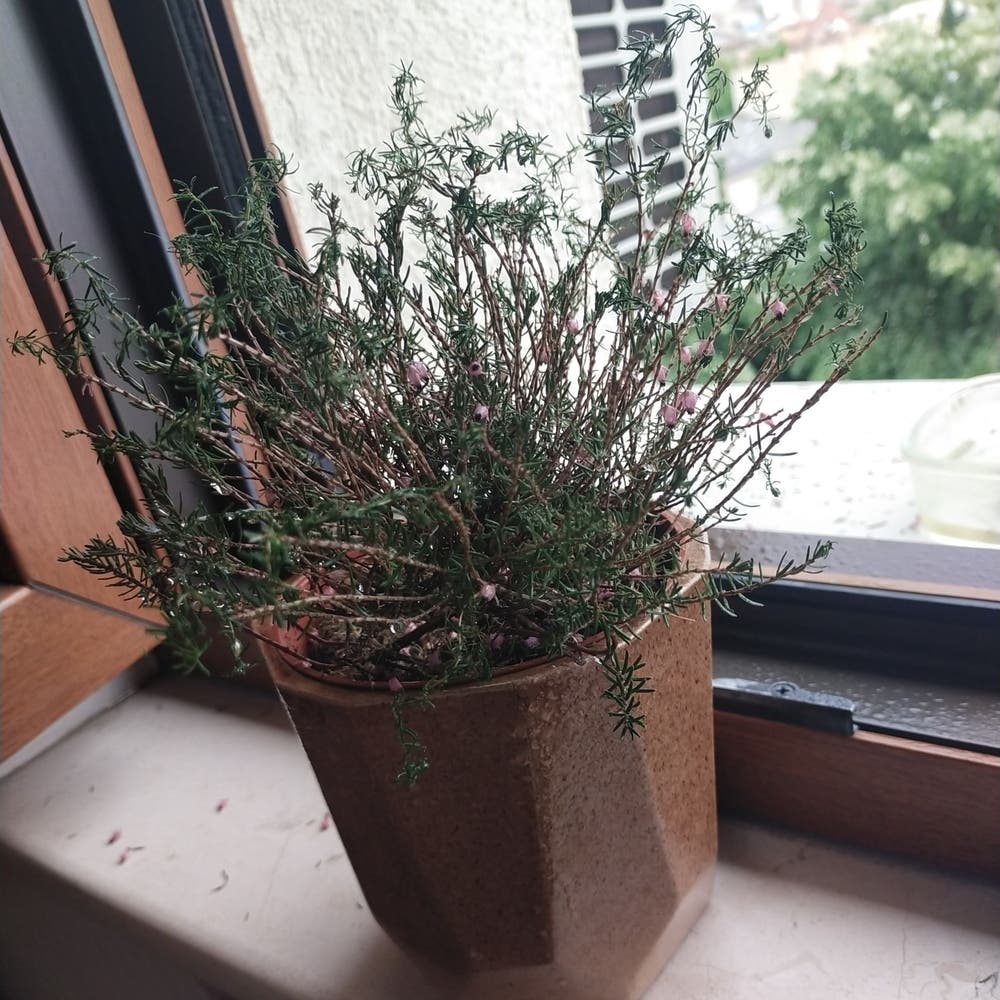
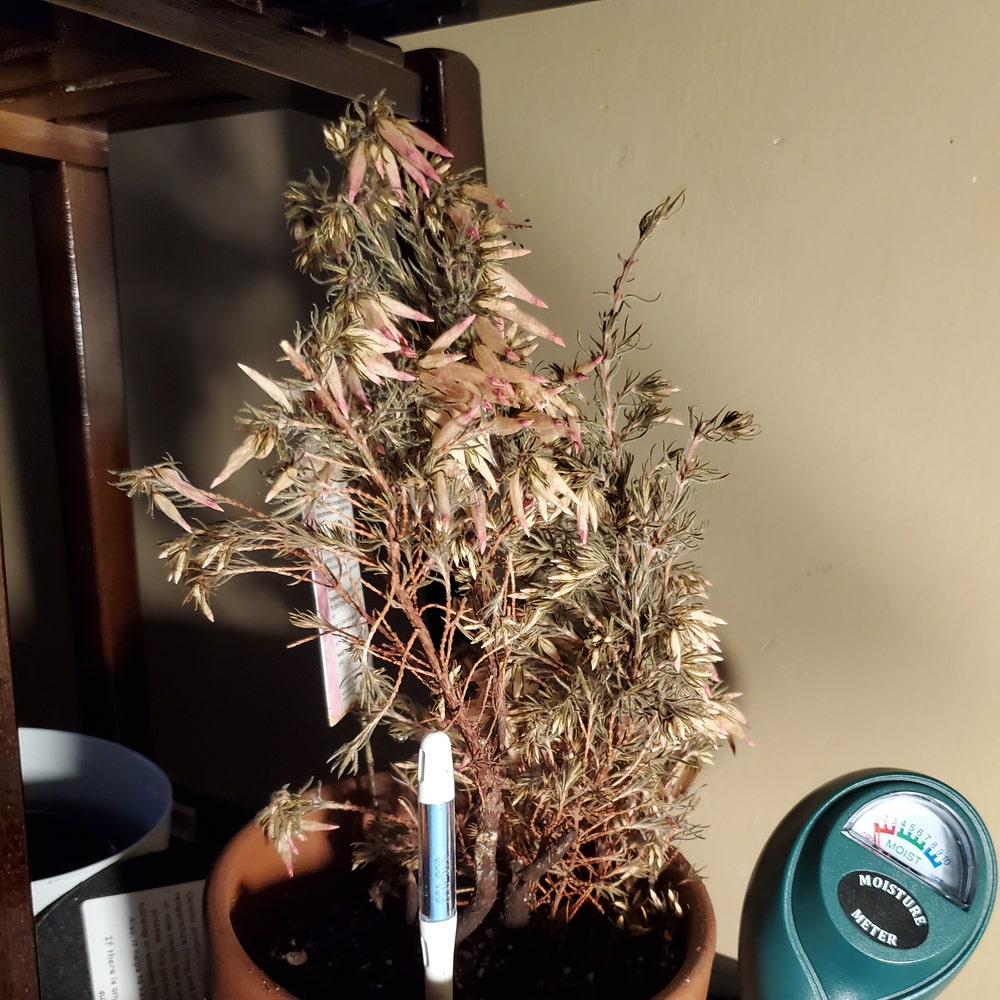
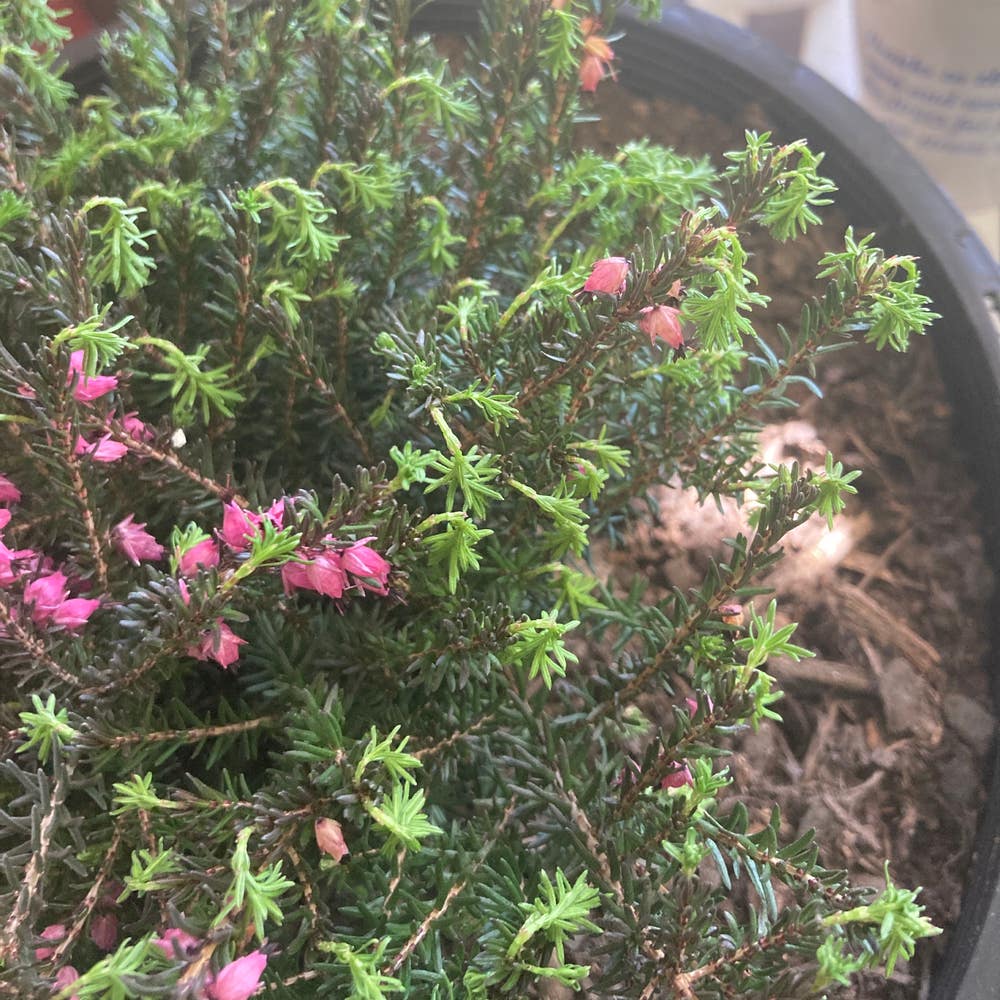
🌸 Overview of Erica racemosa var. racemosa
Erica racemosa var. racemosa
By the Greg Editorial Team
Feb 28, 2025•13 min read
This article was created with the help of AI so we can cover more plants for you. May contain errors. See one? Report it here.
- 🌞 Erica racemosa thrives in full sun to partial shade; choose the right location!
- 🌱 Acidic, well-drained soil is essential; enhance it with organic matter before planting.
- 🐝 Attracts pollinators and supports biodiversity, making it a valuable garden addition!
How to Grow
Choosing a Location 🌞
When selecting a spot for Erica racemosa var. racemosa, aim for full sun to partial shade. This plant thrives best in Mediterranean climates, so consider your local weather conditions.
Soil Preparation 🌱
The ideal soil for this species is acidic and well-drained. To enhance drainage, incorporate organic matter into the soil before planting.
Planting Techniques 🌿
Ensure the root ball is level with the soil surface when planting. Space your plants 18-24 inches apart to promote optimal growth.
Watering Requirements 💧
After planting, give your Erica a deep watering to establish roots. During dry periods, maintain a consistent watering schedule to keep the soil moist but not soggy.
Fertilizing Schedule 🌼
Use acidic, slow-release fertilizers to nourish your plants. Fertilize in early spring and again in mid-summer for the best results.
Pruning Methods ✂️
Prune your Erica after flowering to encourage bushiness and a fuller appearance. Light trimming will help maintain its shape without compromising growth.
Ongoing Care Tips 🧑🌾
Apply organic mulch around your plants to retain moisture and suppress weeds. Regularly monitor for pests and diseases to keep your Erica healthy.
Outdoor vs. Container Growing 🏡
If growing in containers, choose pots with drainage holes and use an acidic potting mix. For outdoor planting, ensure adequate spacing and sunlight exposure to support growth.
With these tips, you'll be well on your way to cultivating a thriving Erica racemosa var. racemosa in your garden! Next, let’s explore the various methods of propagation for this resilient plant.
Propagation
🌱 Seed Propagation
To start propagating Erica racemosa var. racemosa from seeds, begin by stratifying them for 2-4 weeks. This process mimics natural conditions and helps improve germination rates.
Next, ensure the soil remains moist and warm, ideally between 20-25°C. These conditions will encourage healthy seedling development.
✂️ Cutting Propagation
Another effective method is cutting propagation. Select healthy stems that are 4-6 inches long for the best results.
For rooting, use a mix of peat and perlite. This combination provides excellent drainage and aeration, promoting root growth.
🌿 Layering Techniques
Layering is a simple yet effective propagation technique. Bend a low branch to the ground and cover it with soil, allowing it to root while still attached to the parent plant.
Timing is crucial; the best period for layering is in spring or early summer. This ensures optimal growth conditions for the new roots to establish.
With these propagation methods, you can easily expand your collection of Erica racemosa var. racemosa. Whether you choose seeds, cuttings, or layering, each technique offers a rewarding way to cultivate this beautiful plant.
Next, let’s explore the lifecycle of this fascinating species and understand its growth stages.
Lifecycle
🌱 Overview of Lifecycle Stages
Erica racemosa var. racemosa is a perennial plant, meaning it lives for multiple years. This characteristic allows it to thrive and adapt to its environment over time.
🌱 Germination Process
Germination typically takes 2-4 weeks under optimal conditions. Providing warmth and moisture is essential for successful seed sprouting.
🌱 Seedling Stage
Once germinated, the seedling stage lasts about 4-6 weeks until true leaves develop. This phase is crucial for establishing a strong foundation for future growth.
🌱 Vegetative Growth
During the vegetative growth phase, which lasts 1-2 years, the plant focuses on building its structure. This period is vital for developing a robust root system before it begins to flower.
🌸 Flowering Phase
Flowering usually occurs in late winter to early spring. This vibrant display not only attracts pollinators but also signals the next stage of the plant's lifecycle.
🌱 Seed Production
After flowering, seed production begins when the seed pods dry. Collecting seeds at this stage ensures the continuation of the species.
⏳ Growth Timeline and Speed
The time to maturity for Erica racemosa var. racemosa is approximately 2-3 years. Its moderate growth rate can vary based on environmental conditions, such as soil quality and water availability.
This lifecycle overview highlights the resilience and adaptability of Erica racemosa var. racemosa, making it a fascinating addition to any garden. Next, let's explore the plant's size and growth characteristics.
Size
Mature Height and Spread 🌱
Erica racemosa var. racemosa typically reaches an average height of 1-3 feet (30-90 cm). Its spread can vary from 2-4 feet (60-120 cm), depending on the growing conditions.
Growth Rate 📈
This plant exhibits a moderate growth rate, which is largely influenced by factors such as soil quality and water availability. With the right care, you can expect it to thrive and fill out nicely.
Size Variability Based on Conditions 🌍
Several factors can affect the size of Erica racemosa. Key elements include soil quality, sunlight exposure, and water availability, all of which play crucial roles in determining how robust your plant will become.
Understanding these size dynamics can help you plan your garden layout effectively. By providing optimal conditions, you can enjoy a flourishing display of this beautiful plant.
Roots
Root System Characteristics 🌱
Erica racemosa var. racemosa features a fibrous root system. This type of root structure allows for efficient nutrient absorption and stability in the soil.
Depth and Spread of Roots 📏
Typically, the roots grow to a depth of 12-18 inches (30-45 cm). Interestingly, they can spread wider than the plant's canopy, which helps anchor the plant and access moisture.
Common Root-Related Issues ⚠️
One of the most common problems is root rot, often caused by overwatering and poor drainage. This issue can lead to significant plant stress and decline if not addressed promptly.
Identifying Healthy vs. Unhealthy Roots 👀
Healthy roots are firm and exhibit a white or light tan color. In contrast, unhealthy roots appear dark, mushy, or may emit a foul smell, indicating decay.
Recognizing Rootbound Plants 🔄
Signs of rootbound plants include roots growing out of drainage holes or circling the pot. To remedy this, consider repotting into a larger container or amending the soil to provide more space for growth.
Understanding the root system of Erica racemosa var. racemosa is crucial for its successful cultivation. Healthy roots contribute significantly to the overall vitality of the plant, ensuring it thrives in your garden.
Next, we will explore the benefits of this remarkable plant and how it can enhance your garden ecosystem.
Benefits
Top 5 Benefits 🌟
1. Attracts Pollinators
Erica racemosa var. racemosa is a magnet for pollinators, making it a vital addition to any garden. By attracting bees, butterflies, and other beneficial insects, it supports local ecosystems and enhances biodiversity.
2. Drought-Resistant
This plant thrives in dry conditions, making it perfect for water-wise gardening. Its drought-resistant nature means less frequent watering, which is a win for both your garden and the environment.
3. Ornamental Value
With its vibrant flowers and lush foliage, Erica racemosa var. racemosa adds stunning beauty to gardens and landscapes. It can serve as a focal point or complement other plants, enhancing the overall aesthetic.
4. Erosion Control
The plant's robust root system helps stabilize soil, preventing erosion in gardens. This is particularly beneficial on slopes or areas prone to runoff, making it a practical choice for sustainable gardening.
5. Cultural Significance
This species represents resilience in South African flora, embodying the region's rich biodiversity. By cultivating Erica racemosa var. racemosa, you connect with a deeper cultural narrative while contributing to conservation efforts.
These benefits make Erica racemosa var. racemosa not just a pretty face in the garden but a powerhouse of ecological and aesthetic advantages. As you consider adding this plant to your space, think about how it can enhance your gardening experience and the environment.
Next, let’s explore the concept of companion planting and how it can further enrich your garden.
Companion Plants
🌱 Concept of Companion Planting
Companion planting is a gardening strategy that enhances biodiversity and promotes healthier plants. By pairing compatible species, you can improve pest management and create a more resilient garden ecosystem.
🌼 Best Companion Plants
When growing Erica racemosa var. racemosa, consider these suitable companions:
- Other Heaths: They thrive in similar conditions and attract beneficial pollinators.
- Fynbos Plants: These native plants share the same habitat preferences, enhancing the overall aesthetic.
- Low-Growing Shrubs: They provide ground cover and help retain moisture in the soil.
🚫 Plants to Avoid
It's wise to steer clear of heavy feeders that compete for nutrients. These plants can hinder the growth of Erica racemosa by depleting the soil of essential resources.
By selecting the right companions, you can create a vibrant and thriving garden that benefits both your plants and the local ecosystem. This thoughtful approach not only enhances beauty but also fosters a healthier growing environment.
Toxicity to Humans
Erica racemosa var. racemosa is not listed as toxic by major poison control centers, making it a safe choice for gardens. However, it's wise to be cautious; excessive consumption can lead to mild skin irritation or digestive discomfort.
If you experience any unusual symptoms after contact or consumption, seeking medical advice is recommended. It's always better to err on the side of caution when it comes to plant interactions.
This plant can be a beautiful addition to your garden without the worry of toxicity, allowing you to enjoy its vibrant presence fully.
Toxicity to Dogs
When it comes to Erica racemosa var. racemosa, dog owners can breathe a sigh of relief. This plant is not listed as toxic by major pet poison control centers, making it a safe choice for your garden.
However, moderation is key. While it's generally safe, consuming large quantities may lead to mild gastrointestinal upset in dogs.
🐶 Tips for Introducing to Homes with Dogs
To ensure a harmonious coexistence, consider these simple tips:
- Proper Placement: Position the plant in areas that are less accessible to your furry friends.
- Monitoring Behavior: Keep an eye on your dog’s interactions with the plant, especially during the initial introduction.
By taking these precautions, you can enjoy the beauty of Erica racemosa var. racemosa without worrying about your canine companion's health.
As we explore the next section, let’s delve into the potential toxicity of this plant to cats.
Toxicity to Cats
Erica racemosa var. racemosa is not listed as toxic to cats by major pet poison control centers. This means you can enjoy this beautiful plant without worrying about harming your feline friends.
However, it's important to note that excessive consumption may lead to mild gastrointestinal upset. Keep an eye on your cat's behavior if they show interest in nibbling on the leaves.
🐾 Tips for Introducing to Homes with Cats
To ensure a harmonious coexistence, consider these tips:
Proper Placement: Position the plant in areas that are less accessible to your cat. High shelves or hanging planters can be great options.
Monitoring Behavior: Observe your cat's interactions with the plant. If they seem overly curious or start chewing, it might be time to relocate the plant.
By taking these precautions, you can enjoy the beauty of Erica racemosa var. racemosa while keeping your furry companions safe.
Next, let’s explore the potential problems that might arise when growing this plant.
Problems
Common Problems Faced 🌱
Growing Erica racemosa var. racemosa can be rewarding, but it comes with its share of challenges. Understanding these common problems will help you maintain a healthy plant.
Incorrect Watering 🚰
Watering issues are among the most frequent problems. Overwatering can lead to yellowing leaves and root rot, while underwatering may cause wilting and browning tips.
Incorrect Light Conditions ☀️
Light is crucial for growth. If your plant shows signs of leggy growth or pale leaves, it might not be getting enough sunlight. Conversely, scorched leaves can indicate too much direct sun exposure.
Incorrect Temperature 🌡️
Temperature extremes can stress your plant. If it’s too hot or too cold, you may notice stunted growth or leaf drop, signaling that it’s time to adjust its environment.
Diseases 🦠
Fungal diseases like powdery mildew can be a concern. Keep an eye out for white, powdery spots on leaves, which can spread quickly if not addressed.
Root Problems 🪴
Root health is vital for overall plant vigor. Signs of root rot include dark, mushy roots that emit a foul odor. If you notice these symptoms, it’s crucial to act fast to save your plant.
By being aware of these common problems, you can take proactive steps to ensure your Erica racemosa thrives. Next, let’s explore the potential pest issues that could affect your plant's health.
Bugs
🐛 Potential Pest Issues
When growing Erica racemosa var. racemosa, it's essential to be aware of potential pest issues. While this plant exhibits some resistance, it can still fall victim to various pests that may affect its health and growth.
🔍 Identification of Pests
Common pests to watch for include:
- Spider Mites: Tiny, spider-like creatures that thrive in dry conditions.
- Scale Insects: Small, immobile pests that attach themselves to stems and leaves.
- Mealybugs: White, cottony bugs that cluster in leaf axils.
- Aphids: Small, soft-bodied insects that can be green, black, or brown.
Identifying these pests early can save your plant from significant damage.
⚠️ Damage Caused by Pests
Each pest causes distinct damage:
- Spider Mites: They create fine webbing and cause yellowing leaves.
- Scale Insects: Their feeding can lead to leaf drop and stunted growth.
- Mealybugs: They weaken plants by sucking sap, leading to wilting.
- Aphids: They produce a sticky residue called honeydew, which can attract other pests.
Understanding the specific damage helps in timely intervention.
🛠️ Treatment Options
Managing pest infestations effectively involves several strategies:
- Regular Monitoring: Check your plants frequently for signs of pests.
- Natural Predators: Introduce beneficial insects like ladybugs to control aphids.
- Insecticidal Soap: Use this to target soft-bodied pests like mealybugs and aphids.
- Neem Oil: A natural pesticide that disrupts the life cycle of various pests.
By staying vigilant and employing these treatments, you can keep your Erica racemosa thriving and pest-free.
What Eats
Common Animals That May Eat or Damage 🦌
Erica racemosa var. racemosa faces threats from various animals. Common culprits include deer, rabbits, squirrels, birds, and rodents, all of which may find this plant appealing.
Signs of Animal Presence 🐾
Identifying animal activity around your plants can be straightforward. Look for tracks, droppings, and specific damage patterns that indicate which animals are visiting your garden.
Damage Description 🐇
Different animals target different parts of the plant. For instance, deer may munch on leaves, while rabbits often nibble on tender shoots. Squirrels and birds might be more interested in the flowers or seeds.
Deterrent Methods 🚫
Managing animal interactions can be done through various methods. Consider using chemical repellents or organic solutions like garlic spray to deter these visitors. Additionally, physical barriers such as fencing can effectively keep larger animals at bay.
By being proactive, you can protect your Erica racemosa and enjoy its beauty without unwanted visitors. Next, let’s explore the potential pest issues that can also affect your plant's health.
⚠️ Safety First
This content is for general information and may contain errors, omissions, or outdated details. It is not medical, veterinary advice, or an endorsement of therapeutic claims.
Always consult a qualified healthcare professional before using any plant as food, medicine, or supplement.
Never eat any plant (or feed one to pets) without confirming its identity with at least two trusted sources.
If you suspect poisoning, call Poison Control (800) 222-1222, the Pet Poison Helpline (800) 213-6680, or your local emergency service immediately.
Spotted an error? Please report it here.
Cultivate a thriving garden 🌼 with Erica racemosa by using Greg's tailored care reminders to ensure your plants flourish and attract pollinators!