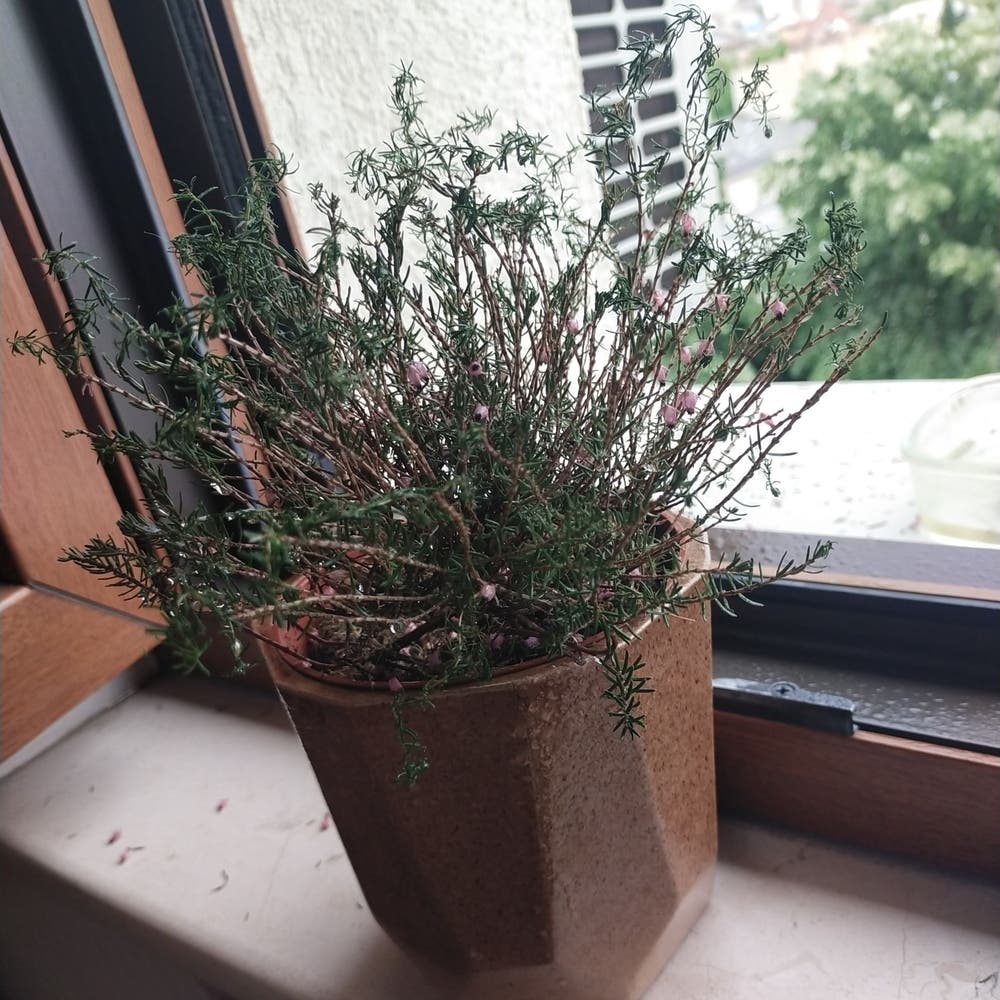
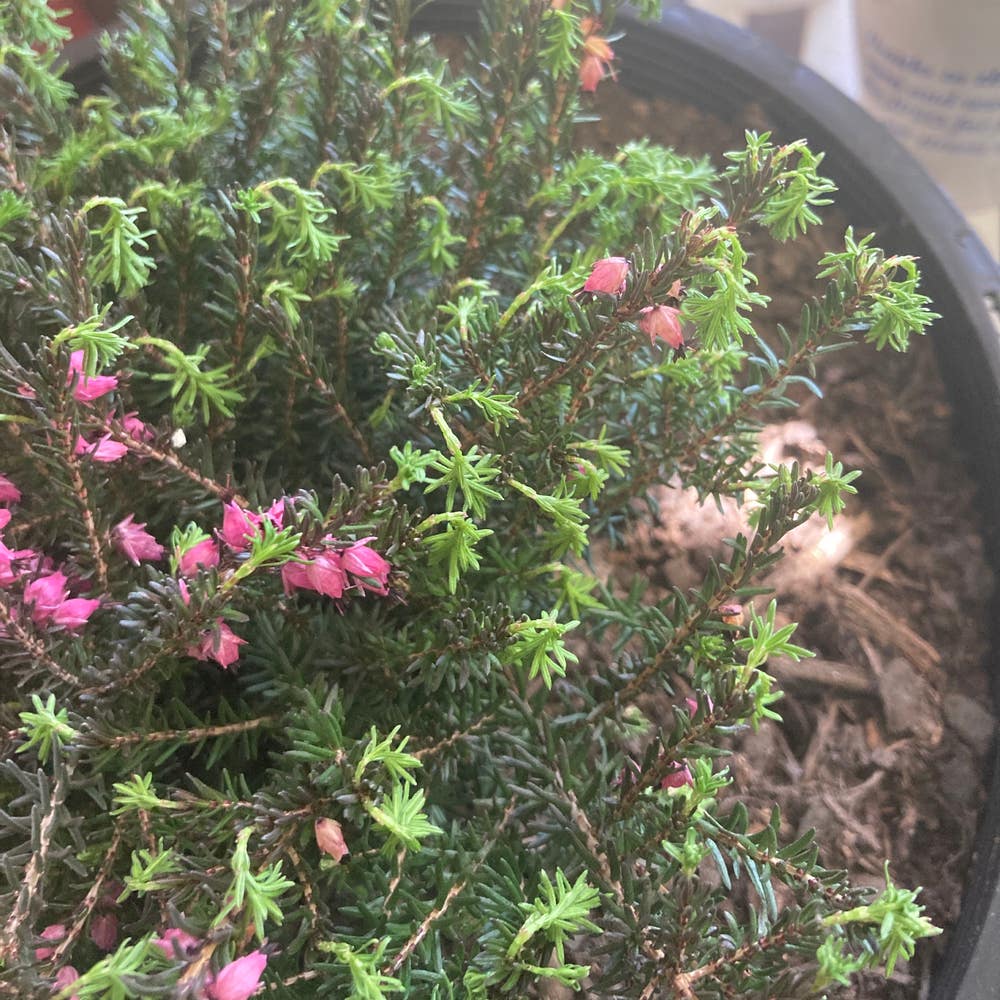
🌸 Introduction to Erica pulchella var. pulchella
Erica pulchella var. pulchella
By the Greg Editorial Team
Feb 28, 2025•9 min read
This article was created with the help of AI so we can cover more plants for you. May contain errors. See one? Report it here.
Discover how to cultivate the resilient Erica pulchella 🌱 for a vibrant, thriving garden that attracts pollinators!
- 🌞 Erica pulchella thrives in full sun to partial shade; choose planting location wisely.
- 🌱 Acidic, well-drained soil (pH 5.5-6.5) is crucial for optimal growth.
- 🐝 Attracts pollinators like bees and butterflies, enhancing garden biodiversity.
How to Grow
Choosing a Location 🌞
To thrive, Erica pulchella var. pulchella prefers full sun to partial shade. When deciding between outdoor and container growing, consider airflow and protection from harsh winds to ensure your plant flourishes.
Soil Preparation 🌱
This plant thrives in acidic, well-drained soils. Amend your soil with peat moss or pine bark to enhance acidity, and test the pH to maintain a range of 5.5 to 6.5 for optimal growth.
Planting Techniques 🌼
The best time to plant is in early spring or fall. For outdoor planting, space your plants 30-60 cm (12-24 inches) apart, and when planting in containers, ensure the root ball is level with the soil surface.
Watering Requirements 💧
After planting, give your Erica a deep watering to establish roots. Moving forward, allow the soil to dry slightly between waterings, and watch for signs of overwatering, like yellowing leaves, or underwatering, indicated by wilting.
Fertilizing Tips 🌿
Fertilize your plant once in early spring using a slow-release, balanced fertilizer. It's crucial to avoid high phosphorus fertilizers, as they can harm your plant's health.
Pruning Methods ✂️
Prune your Erica pulchella var. pulchella in late winter to early spring. Light pruning helps maintain shape and removes any dead or damaged growth, benefiting both the plant's health and aesthetics.
Ongoing Care 🔍
Regularly monitor your plant for pests and diseases. Adjust your care seasonally, such as mulching in winter and modifying watering frequency in summer, while conducting regular inspections to ensure overall health.
With these tips, your Erica pulchella var. pulchella will thrive, bringing beauty and resilience to your garden. Next, let’s explore how to propagate this stunning plant for even more greenery!
Propagation
🌱 Seed Propagation
To start your Erica pulchella var. pulchella from seeds, begin with stratification. This process enhances germination, making it easier for seeds to sprout.
Sow the seeds at a depth of 1/4 inch in well-draining soil. Under optimal conditions, you can expect germination within 2 to 4 weeks.
✂️ Cutting Propagation
Cutting propagation is another effective method. Select healthy stems that are about 10-15 cm (4-6 inches) long for the best results.
Use a rooting medium composed of equal parts peat and perlite. In a humid environment, roots should develop in about 4 to 6 weeks.
🌿 Division Propagation
Division is best done in early spring when the plant is actively growing. Carefully separate the root clumps and replant them to encourage new growth.
Ensure that each division has healthy roots to thrive. This method not only propagates new plants but also rejuvenates the parent plant.
With these propagation techniques, you can expand your collection of Erica pulchella var. pulchella and enjoy its beauty in various locations. Next, let’s explore the lifecycle of this fascinating plant.
Lifecycle
Lifecycle Stages 🌱
Erica pulchella var. pulchella is a perennial plant that undergoes several distinct stages throughout its life. These stages include germination, seedling development, vegetative growth, flowering, and seed production.
Average Lifespan ⏳
Under optimal conditions, this plant can thrive for an average of 5 to 10 years. With proper care, you can enjoy its beauty for many seasons.
Growth Timeline 📈
Typically, Erica pulchella reaches its full size within 2 to 3 years. This relatively quick growth allows gardeners to appreciate its vibrant presence in a short time frame.
Understanding the lifecycle of Erica pulchella can enhance your gardening experience. By recognizing each stage, you can provide tailored care that supports its growth and health.
Next, let’s explore the size of this remarkable plant and what to expect as it matures.
Size
Mature Height and Spread 🌱
Erica pulchella var. pulchella typically reaches a mature height of 30-60 cm (12-24 inches). Its spread mirrors its height, resulting in a bushy appearance that adds fullness to your garden.
Growth Rate and Size Variability 📈
The growth rate of this plant can vary significantly based on several factors. Soil quality, watering practices, and sunlight exposure all play crucial roles in determining how quickly it grows.
Environmental conditions also impact size variability. For instance, a well-drained, nutrient-rich soil can promote faster growth, while poor conditions may stunt development.
Understanding these factors can help you create the ideal environment for your Erica pulchella, ensuring it thrives and reaches its full potential.
As you plan your garden, consider these size characteristics to maximize the beauty and health of your plants. Next, let’s explore the fascinating root system that supports this resilient species.
Roots
Root System Characteristics 🌱
Erica pulchella var. pulchella features a fibrous root system that is essential for its stability. These shallow, spreading roots help the plant anchor itself while efficiently absorbing nutrients and moisture from the soil.
Common Root-Related Issues ⚠️
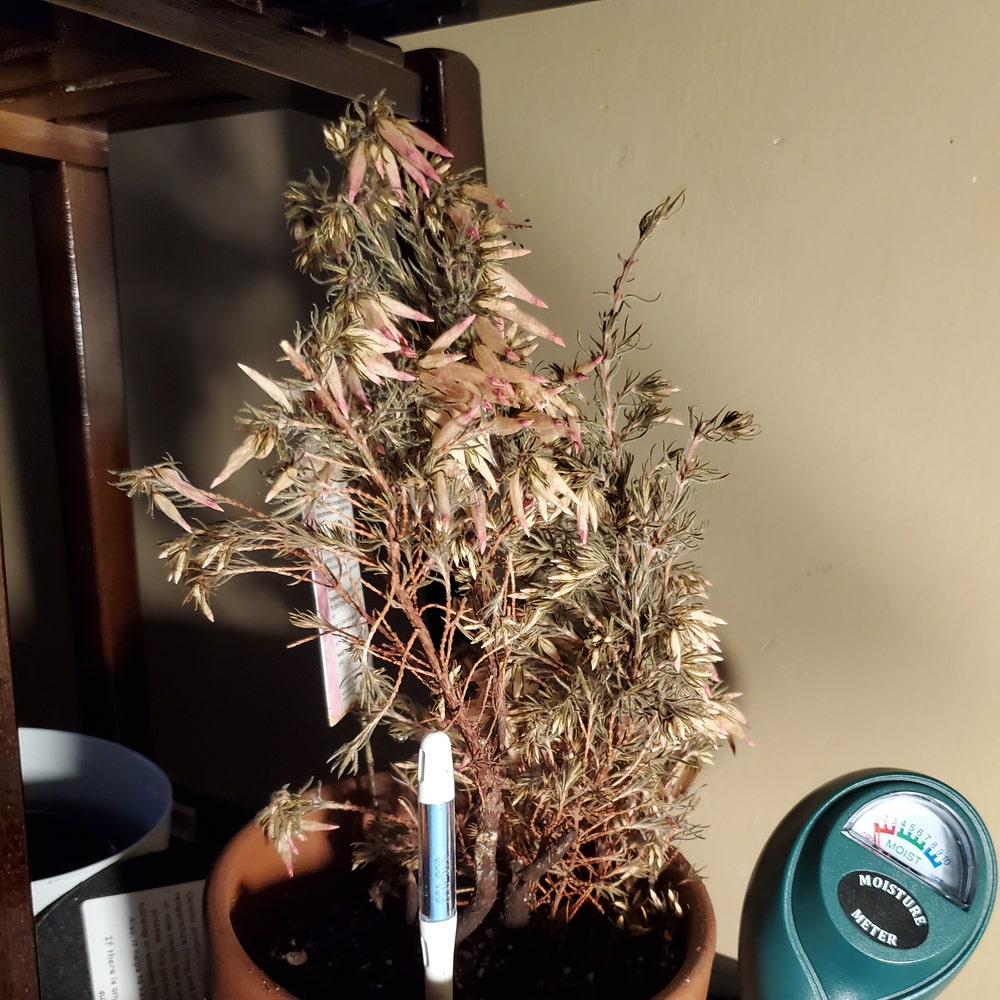
One of the most common problems faced by this plant is root rot, which typically arises from overwatering and poor drainage. Unhealthy roots often present as dark and mushy, contrasting sharply with the firm, white roots of a healthy plant.
Recognizing Rootbound Conditions 🔄
Rootbound conditions occur when roots circle the pot, restricting the plant's growth. Signs of this issue include stunted growth and water pooling on the surface, indicating that the roots can no longer absorb moisture effectively.
To remedy rootbound conditions, consider repotting the plant into a larger container or dividing the root ball. This will allow for healthier growth and better access to nutrients, ensuring your Erica pulchella thrives.
As we move forward, let’s explore the numerous benefits this resilient plant offers to your garden.
Benefits
Top 5 Benefits 🌟
1. Drought Tolerance
Once established, Erica pulchella var. pulchella thrives with minimal watering. This resilience makes it a fantastic choice for gardeners looking to conserve water.
2. Attracts Pollinators
The vibrant flowers of this plant are a magnet for bees and butterflies. By planting it, you contribute to local biodiversity and support essential pollinator populations.
3. Aesthetic Appeal
With its bright flowers and evergreen foliage, this plant offers year-round visual interest. It can enhance any garden, providing color and texture through all seasons.
4. Erosion Control
The fibrous root system of Erica pulchella helps stabilize soil, making it an excellent choice for erosion control. This benefit is particularly valuable in gardens on slopes or loose soil.
5. Cultural Significance
Valued in Australian landscapes, this plant holds cultural importance in traditional practices. Incorporating it into your garden connects you to a rich heritage and supports local ecosystems.
These benefits make Erica pulchella var. pulchella not just a beautiful addition to your garden, but also a practical one. As you explore its advantages, consider how it can fit into your gardening plans.
Companion Plants
🌱 Companion Planting
Companion planting involves growing different species together to enhance their mutual benefits. This practice can lead to improved pest management, healthier growth, and increased garden diversity.
🌼 Best Companion Plants
When selecting companions for Erica pulchella var. pulchella, consider other Australian natives like Grevillea and Callistemon. These plants share similar care requirements and attract beneficial insects, creating a thriving ecosystem in your garden.
🚫 Plants to Avoid
It's wise to steer clear of heavy feeders that may compete for nutrients with your Erica pulchella. Certain vegetables and aggressive weeds can outcompete your plants, leading to poor growth and health.
Incorporating the right companions can significantly enhance your gardening experience. By choosing compatible plants, you not only support the health of your Erica pulchella but also create a vibrant and resilient garden environment. Next, let’s explore the common problems you might encounter while growing this beautiful species.
Problems
Common Problems 🌱
Growing Erica pulchella var. pulchella can be rewarding, but it’s not without its challenges. Understanding these common problems will help you keep your plants thriving.
Incorrect Watering 💧
Watering is crucial, but getting it right can be tricky. Overwatering often leads to yellowing leaves, while underwatering results in wilting.
Incorrect Light Conditions ☀️
Light plays a significant role in plant health. Too much sun can scorch leaves, while insufficient light can cause leggy growth.
Diseases 🦠
Fungal diseases can be a real threat. Watch out for powdery mildew and root rot, which can devastate your plants if not addressed promptly.
Growth Problems 🌼
Stunted growth or a lack of flowering can signal underlying issues. Poor care practices often lead to these frustrating problems, so regular monitoring is essential.
By being aware of these common issues, you can take proactive steps to ensure your Erica pulchella var. pulchella flourishes. Next, let’s explore the potential pests that could pose a threat to your plants.
Bugs
🐞 Potential Pest Issues
While Erica pulchella var. pulchella boasts moderate pest resistance, it can still fall prey to certain pests. Awareness of these potential issues is key to maintaining a healthy plant.
🔍 Identification and Damage
Spider Mites: Look for fine webbing and stippled leaves, which indicate these tiny pests are at work.
Scale Insects: These pests leave a sticky residue and cause yellowing leaves, making them easy to spot.
Mealybugs: Identified by their cotton-like masses on stems and leaves, mealybugs can weaken your plant significantly.
Aphids: These small insects cause distorted growth and leave behind sticky honeydew, which can attract other pests.
By recognizing these signs early, you can take action to protect your Erica pulchella. Regular inspections will help you catch any infestations before they escalate.
🛠️ Managing Pest Problems
To keep your plant thriving, consider using insecticidal soap or neem oil for treatment. These options are effective and less harmful to beneficial insects.
Additionally, maintaining good airflow around your plants can deter many pests. Healthy plants are less likely to attract unwanted visitors, so focus on proper care and monitoring.
In the next section, we’ll explore what animals might be interested in your Erica pulchella and how to protect it from them.
What Eats
🦌 Common Animals
When it comes to Erica pulchella var. pulchella, several animals may find it a tasty treat.
- Deer are notorious for browsing on leaves and stems, leaving behind telltale signs of their munching habits.
- Rabbits often nibble on the lower foliage, creating a noticeable pattern of damage.
- Squirrels and rodents can also be problematic, as they dig around the base and may chew on roots, compromising plant health.
🔍 Signs of Damage
Identifying damage from these animals is crucial for timely intervention.
- Look for chewed leaves, which indicate that your plant has been snacked on.
- Tracks and droppings can provide clues about which critters are visiting your garden.
- Damage can manifest as leaf loss, stunted growth, or even root damage, all of which can hinder the plant's overall vitality.
🚫 Deterrent Methods
Preventing animal damage is essential for maintaining a healthy garden.
- Chemical deterrents can be effective; consider using commercial repellents or homemade solutions to keep pests at bay.
- For a more natural approach, organic methods such as fencing can create a barrier against larger animals.
- Planting deterrent species nearby or using physical barriers can also help protect your Erica pulchella from hungry visitors.
By being proactive and observant, you can safeguard your plants and ensure they thrive in your garden. Next, let’s explore common problems that may arise in the care of Erica pulchella.
⚠️ Safety First
This content is for general information and may contain errors, omissions, or outdated details. It is not medical, veterinary advice, or an endorsement of therapeutic claims.
Always consult a qualified healthcare professional before using any plant as food, medicine, or supplement.
Never eat any plant (or feed one to pets) without confirming its identity with at least two trusted sources.
If you suspect poisoning, call Poison Control (800) 222-1222, the Pet Poison Helpline (800) 213-6680, or your local emergency service immediately.
Spotted an error? Please report it here.
Unlock the full potential of your Erica pulchella var. pulchella with Greg's tailored care tips and reminders, ensuring your garden thrives and attracts pollinators! 🌼