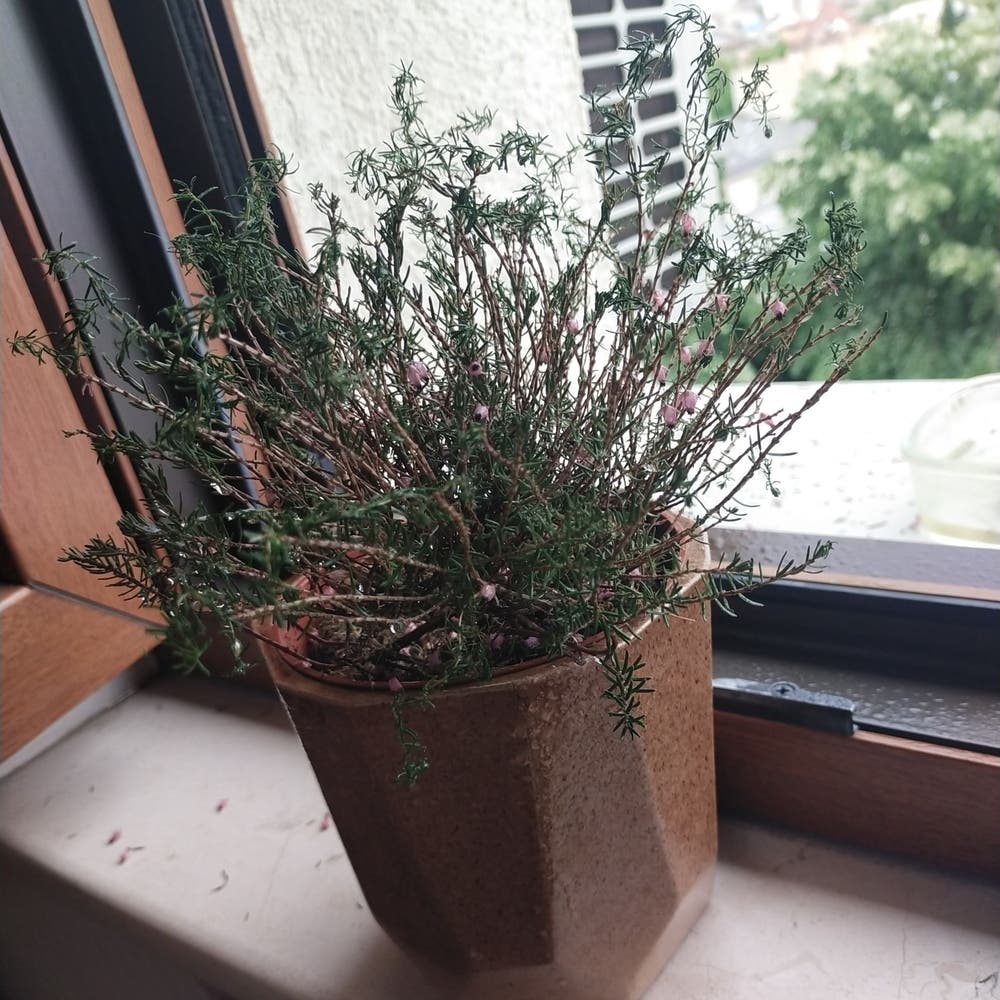
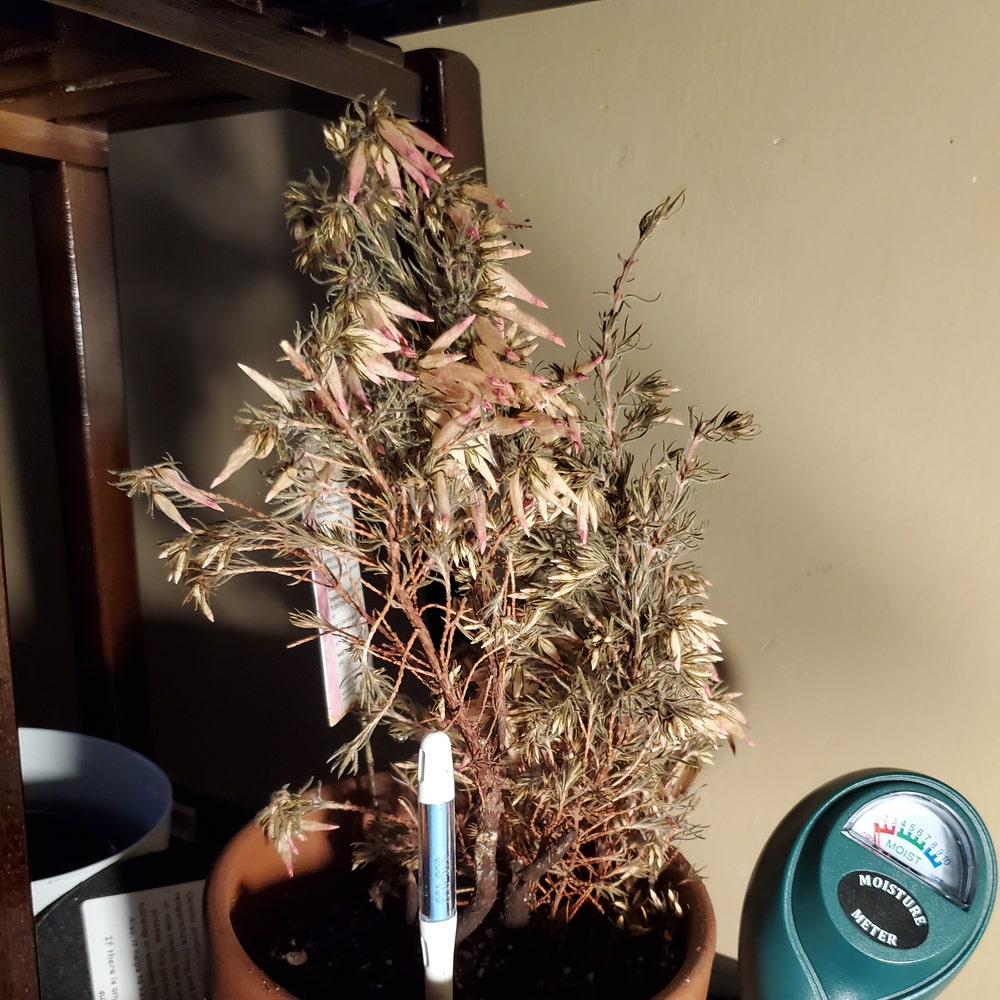
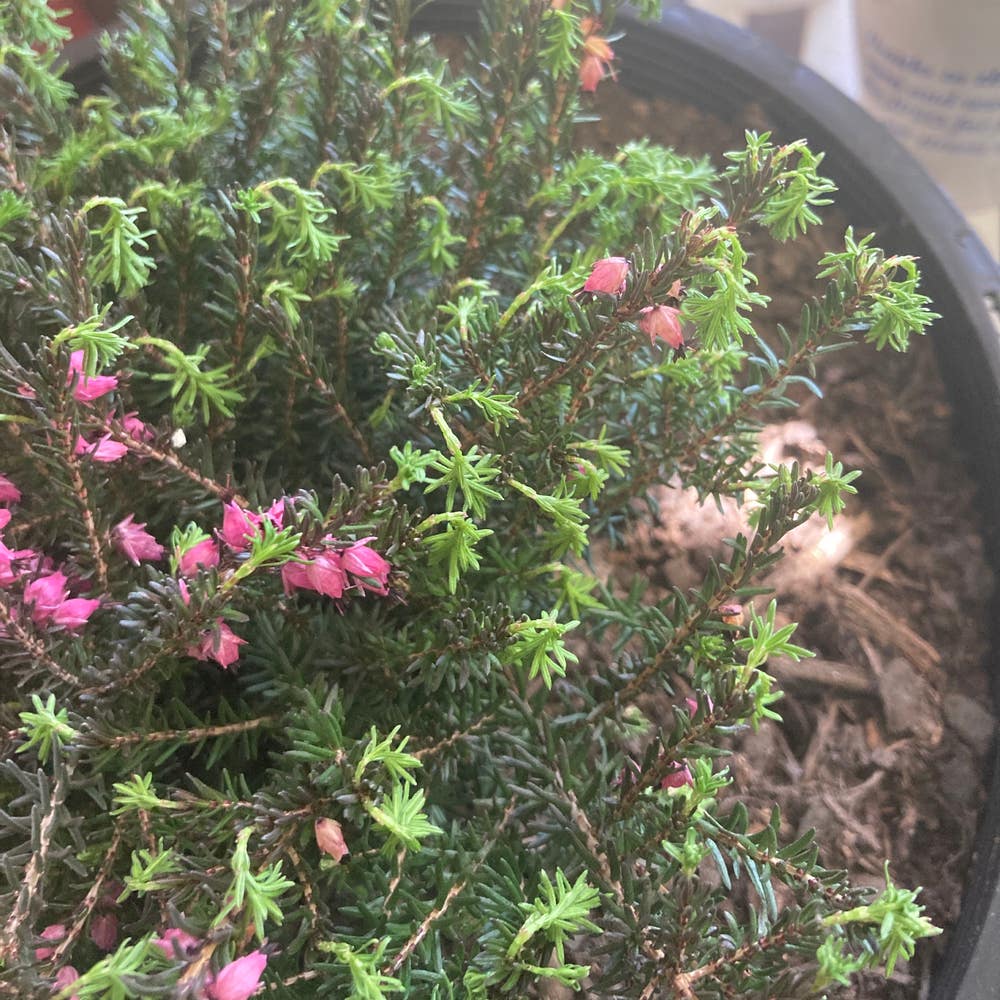
Overview of Erica polifolia var. polifolia
Erica polifolia var. polifolia
By the Greg Editorial Team
Feb 28, 2025•12 min read
This article was created with the help of AI so we can cover more plants for you. May contain errors. See one? Report it here.
Elevate your garden's charm and resilience with Erica polifolia, a low-maintenance beauty that attracts pollinators! 🌿
- 🌞 Erica polifolia thrives in full sun to partial shade, perfect for diverse gardens.
- 🌱 Maintain acidic, well-drained soil for optimal growth and health of the plant.
- 💧 Water deeply and regularly, adjusting frequency based on seasonal conditions.
How to Grow
Choosing the Right Location 🌞
To thrive, Erica polifolia var. polifolia needs full sun to partial shade. It flourishes best in mild, temperate regions, making it a great choice for many gardens.
Soil Preparation and Amendments 🏞️
This plant prefers acidic, well-drained soils. Enhance drainage by incorporating organic matter and sand into the soil before planting.
Planting Techniques and Spacing 🌱
When planting, ensure the depth is 1-2 inches below the soil surface. Space each plant 18-24 inches apart to allow for optimal growth and airflow.
Watering Requirements and Frequency 💧
After planting, give your new Erica a deep watering to establish roots. During dry spells, water weekly, but reduce frequency in cooler months to prevent overwatering.
Fertilizing Schedule and Types of Fertilizers 🌿
In spring, apply a balanced, slow-release fertilizer to support growth. Fertilize every 4-6 weeks throughout the growing season for best results.
Pruning Methods for Health and Aesthetics ✂️
Prune your Erica in late winter to early spring. Light trimming helps maintain its shape and removes any dead wood, promoting overall health.
Ongoing Care for Outdoor and Container Growth 🪴
For container plants, ensure pots have drainage holes and use a quality potting mix. In outdoor settings, apply mulch to retain moisture and suppress weeds, keeping your plants happy and healthy.
With these guidelines, your Erica polifolia var. polifolia will flourish, adding beauty and resilience to your garden. Next, let’s explore how to propagate this lovely plant for even more growth opportunities.
Propagation
🌱 Seed Propagation Steps
Propagation of Erica polifolia var. polifolia can begin with seed collection. Start by gathering seeds from mature flowers, ensuring they are fully developed.
Next, stratify the seeds by placing them in the refrigerator for 2-4 weeks. This mimics natural conditions and helps improve germination rates.
Once stratified, sow the seeds in a seed tray filled with well-draining soil. Keep the soil moist and maintain a temperature of 20°C (68°F) for optimal growth.
✂️ Cutting Propagation Techniques
Cutting propagation is another effective method. Begin by taking 4-6 inch cuttings from healthy stems, ensuring they are vigorous and disease-free.
Dip the cut ends in rooting hormone to encourage root development. Then, plant the cuttings in a mixture of peat and perlite for excellent drainage.
To maintain humidity, cover the cuttings with a plastic bag. This creates a mini greenhouse effect, promoting successful rooting.
⏰ Timing and Conditions for Successful Propagation
The best time for both seed and cutting propagation is late spring to early summer. During this period, the conditions are ideal for growth.
Ensure a warm, humid environment to facilitate optimal rooting. This will help your new plants thrive and establish strong roots.
With these techniques, you can successfully propagate Erica polifolia var. polifolia and enjoy its beauty in your garden. Next, let’s explore the lifecycle of this resilient plant.
Lifecycle
Lifecycle Stages 🌱
The lifecycle of Erica polifolia var. polifolia begins with germination, which takes about 2-3 weeks for seeds. Following this, the seedling stage lasts 4-6 weeks until the plant develops true leaves.
Vegetative Growth 🌿
During the vegetative growth phase, which can span from 6 months to 1 year, the plant focuses on establishing a robust structure. This stage is crucial for ensuring healthy flowering later on.
Flowering and Seed Production 🌸
Flowering typically occurs in late spring to early summer, showcasing the plant's vibrant blooms. After the flowering period, seeds develop in late summer, completing the cycle and preparing for the next generation.
Lifespan and Growth Timeline ⏳
Under optimal conditions, Erica polifolia var. polifolia has a lifespan of 5-10 years. It generally takes about 1-2 years to reach maturity, allowing gardeners to enjoy its beauty for many seasons.
Growth Rate 📈
This plant exhibits a moderate growth rate, particularly emphasizing root establishment in its first year. Proper care during this time can significantly influence its overall health and flowering potential.
As you delve deeper into the lifecycle of Erica polifolia, understanding its growth stages will enhance your gardening experience. Next, let’s explore the size of this resilient plant and what to expect as it matures.
Size
Mature Height and Spread 🌱
Erica polifolia var. polifolia typically reaches a mature height of 1-3 feet (30-90 cm) and can spread 2-3 feet (60-90 cm) wide. This compact size makes it an excellent choice for various garden settings.
Growth Rate and Factors Affecting Size 📈
The growth rate of this plant is moderate, largely influenced by soil quality and sunlight exposure. Key factors include soil drainage, watering frequency, and the type of fertilization used.
Size Variability 📏
It's important to note that size can vary significantly based on environmental conditions. In poor soil or shaded areas, you may find the plant growing smaller than its potential, so choose your planting spot wisely.
Understanding these size characteristics will help you plan your garden layout effectively. Next, let’s explore the root system of Erica polifolia var. polifolia and its impact on overall health.
Roots
🌱 Characteristics of the Root System
Erica polifolia var. polifolia features a fibrous root system that is essential for its stability and nutrient uptake. These roots are shallow and spread out, allowing the plant to efficiently gather moisture and nutrients from the top layers of the soil.
📏 Root Depth and Spread
Typically, the roots of this plant reach a depth of 12-18 inches (30-45 cm). They can extend up to 2 feet (60 cm) from the base, providing a robust network that supports healthy growth.
⚠️ Common Root-Related Issues and Solutions
One common issue is root rot, often caused by overwatering. To prevent this, ensure proper drainage in the soil to keep the roots healthy.
Another problem is squishy roots, which indicate poor health. Improving soil aeration can help alleviate this issue and promote a more vigorous root system.
👀 Identifying Healthy vs. Unhealthy Roots
Healthy roots are firm, white, and spread evenly throughout the soil. In contrast, unhealthy roots appear dark, mushy, or may even emit a foul smell, signaling that something is wrong.
🔄 Recognizing and Addressing Rootbound Conditions
If you notice roots growing out of the drainage holes of your container, this is a sign of rootbound conditions. The solution is simple: repot the plant into a larger container or gently loosen the roots to allow for better growth.
Understanding the root system of Erica polifolia var. polifolia is crucial for its overall health. By addressing common issues and ensuring proper care, you can enjoy a thriving plant that enhances your garden.
Benefits
Key Benefits of Growing 🌱
Growing Erica polifolia var. polifolia offers a multitude of advantages for any garden enthusiast.
Attracts Pollinators: This plant is a magnet for bees and butterflies, enhancing the biodiversity of your garden.
Enhances Garden Diversity: With its unique foliage and vibrant flowers, it adds visual interest and variety to your landscape.
Low-Maintenance: It thrives in poor soil conditions, making it an excellent choice for gardeners seeking low-maintenance options.
Year-Round Greenery: This plant provides consistent greenery, ensuring your garden remains lively throughout the seasons.
Symbol of Resilience: Its ability to adapt to harsh environments makes it a powerful symbol of resilience and strength.
Incorporating Erica polifolia var. polifolia into your garden not only beautifies your space but also supports local ecosystems. With its low-maintenance nature and vibrant presence, it’s a fantastic choice for both novice and experienced gardeners alike.
Companion Plants
🌱 Companion Planting and Its Benefits
Companion planting involves growing different plants together to enhance their growth and health. This technique can lead to improved pest management, better growth rates, and a more visually appealing garden.
🌼 Best Companion Plants
When selecting companions for Erica polifolia var. polifolia, consider other heathers, low-growing perennials, and ground covers. These plants share similar care requirements and attract beneficial insects, creating a harmonious garden ecosystem.
🚫 Plants to Avoid
It's best to steer clear of heavy feeders or plants that require high moisture levels. These plants can compete for nutrients and water, potentially hindering the growth of your Erica polifolia.
Companion planting not only boosts the health of your plants but also adds diversity to your garden. By choosing the right companions, you can create a thriving environment that benefits all your plants.
Toxicity to Humans
🛡️ Safety for Humans
Erica polifolia var. polifolia is not listed as toxic by major poison control centers. However, consuming large quantities may lead to mild skin irritation or digestive discomfort.
It's always wise to exercise caution. If you experience any unusual symptoms after contact or consumption, consulting a medical professional is the best course of action.
This plant can be a delightful addition to your garden without the worry of toxicity, allowing you to enjoy its beauty and benefits safely.
Toxicity to Dogs
Safety for Dogs 🐶
Erica polifolia var. polifolia is not listed as toxic by major pet poison control centers. This means your furry friends can safely roam around these plants without the risk of severe poisoning.
However, if dogs consume large quantities, they may experience mild gastrointestinal upset. It's always wise to keep an eye on your pets and monitor their interactions with the plant.
Proper Placement 🏠
To ensure safety, place Erica polifolia out of reach of curious dogs. This simple precaution can help prevent any accidental munching and keep your pet happy and healthy.
By being mindful of your dog's behavior around this plant, you can enjoy its beauty without worry.
Toxicity to Cats
Safety for Cats 🐱
Erica polifolia var. polifolia is not listed as toxic by major pet poison control centers. This means your feline friends can safely roam around it without the risk of severe poisoning.
However, if they consume large quantities, mild gastrointestinal upset may occur. It's always wise to monitor your cat's behavior and keep the plant out of reach to prevent any unwanted nibbling.
Proper Placement 🏠
To ensure your cat's safety, place the plant in an area that’s hard for them to access. Regularly check for any signs of interest from your pet, and consider using deterrents if necessary.
This way, you can enjoy the beauty of Erica polifolia var. polifolia while keeping your furry companions safe and sound.
As we move forward, let’s explore how to tackle common problems that may arise when growing this resilient plant.
Problems
🌱 Common Problems with Erica polifolia var. polifolia
Growing Erica polifolia var. polifolia can be rewarding, but it’s essential to be aware of potential issues that may arise. Here are some common problems to watch for:
🚰 Incorrect Watering
Overwatering or underwatering can lead to significant stress for your plant. Signs of incorrect watering include wilting or yellowing leaves, indicating that your plant is either too dry or drowning.
☀️ Incorrect Light Conditions
Light plays a crucial role in the health of your Erica. If your plant is exposed to too much direct sunlight, you may notice leaf scorch, while insufficient light can result in leggy growth as the plant stretches toward the light source.
🦠 Diseases
Fungal diseases can be a real threat to your Erica. Keep an eye out for issues like powdery mildew or blight, which can spread quickly if not addressed promptly.
🌿 Root Problems
Root rot is a common issue caused by overwatering. If you notice your plant wilting despite adequate watering, check the roots for signs of rot, which can be identified by a mushy texture.
🍃 Leaf Issues
Pests can also affect the health of your Erica. Scorching or fuzzy growth on leaves may indicate an infestation, so regular inspection is key to maintaining plant health.
By staying vigilant and addressing these common problems early, you can ensure your Erica polifolia thrives in your garden. Next, let’s explore the various pests that may pose a threat to your plant’s well-being.
Bugs
Potential Pest Issues 🐜
When growing Erica polifolia var. polifolia, be aware of common pests that can affect its health.
- Spider Mites: Look for fine webbing and stippled leaves, which indicate their presence.
- Scale Insects: These pests leave a sticky residue and can cause yellowing leaves.
- Mealybugs: Identified by cotton-like masses on stems and leaves, they can weaken your plant.
Identification and Treatment Options 🧪
Identifying these pests early is crucial for effective treatment.
For spider mites, scale insects, and mealybugs, consider using Neem oil or insecticidal soap. These treatments are effective and environmentally friendly.
Additionally, maintaining overall plant health through proper watering and fertilization can help prevent infestations. Regularly inspect your plants to catch any issues before they escalate, ensuring your Erica polifolia thrives.
By staying vigilant and proactive, you can enjoy a vibrant and healthy garden.
What Eats
🦌 Common Animals That May Damage
When cultivating Erica polifolia var. polifolia, be aware of potential animal intruders. Deer are notorious for browsing on leaves and stems, while rabbits leave behind evidence of chewed foliage. Squirrels can also cause trouble, damaging bark and digging around the roots.
🕵️♂️ Signs of Animal Presence and Damage
Identifying animal damage is crucial for timely intervention. Look for visible tracks, droppings, or damaged plant parts as indicators of their presence. These signs can help you determine which critters are causing the most trouble.
🚫 Deterrent Methods
To protect your plants, consider various deterrent methods. Chemical repellents can be effective, but you might prefer organic options. Planting deterrent species or using physical barriers can create a protective shield around your precious Erica polifolia.
By staying vigilant and employing these strategies, you can enjoy a thriving garden free from unwanted animal visitors. Next, let’s explore the potential pest issues that may arise in your garden.
⚠️ Safety First
This content is for general information and may contain errors, omissions, or outdated details. It is not medical, veterinary advice, or an endorsement of therapeutic claims.
Always consult a qualified healthcare professional before using any plant as food, medicine, or supplement.
Never eat any plant (or feed one to pets) without confirming its identity with at least two trusted sources.
If you suspect poisoning, call Poison Control (800) 222-1222, the Pet Poison Helpline (800) 213-6680, or your local emergency service immediately.
Spotted an error? Please report it here.
Unlock the secret to a thriving Erica polifolia 🌱 garden with Greg's tailored care tips and watering reminders, ensuring your plants flourish in any setting!