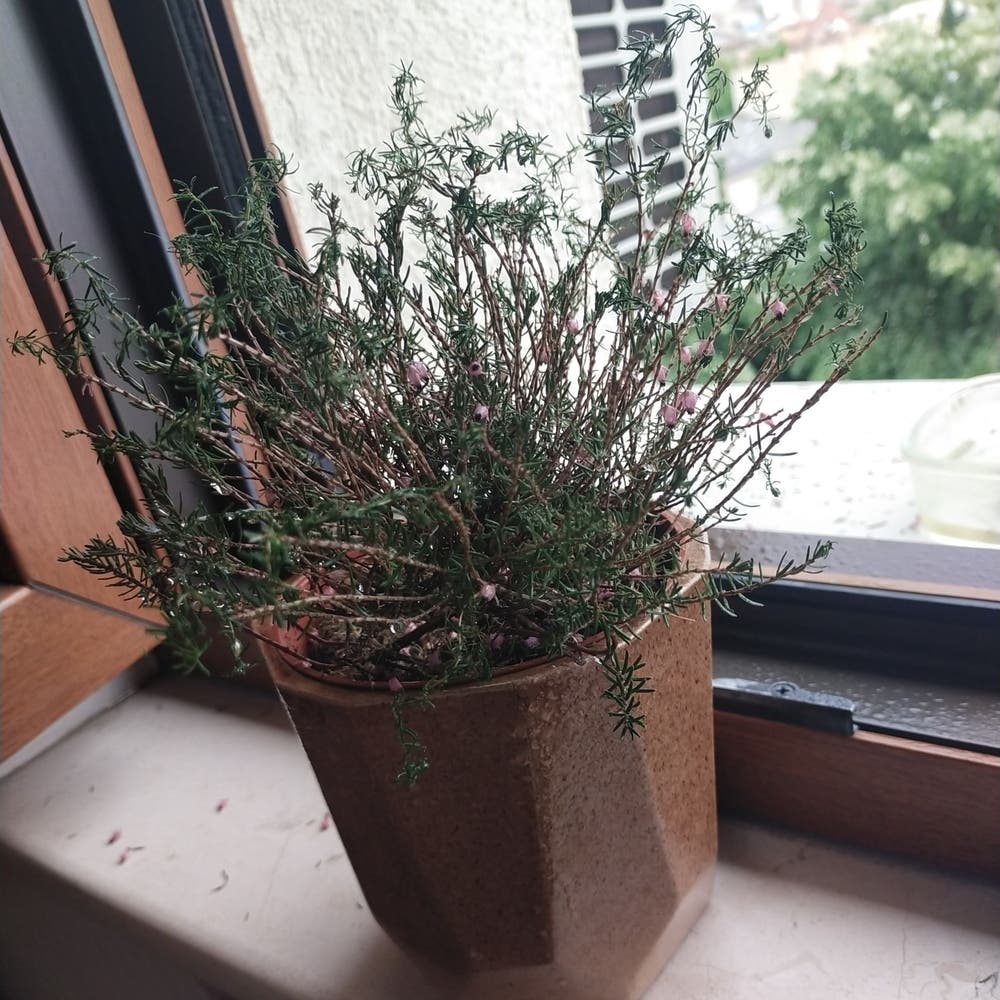
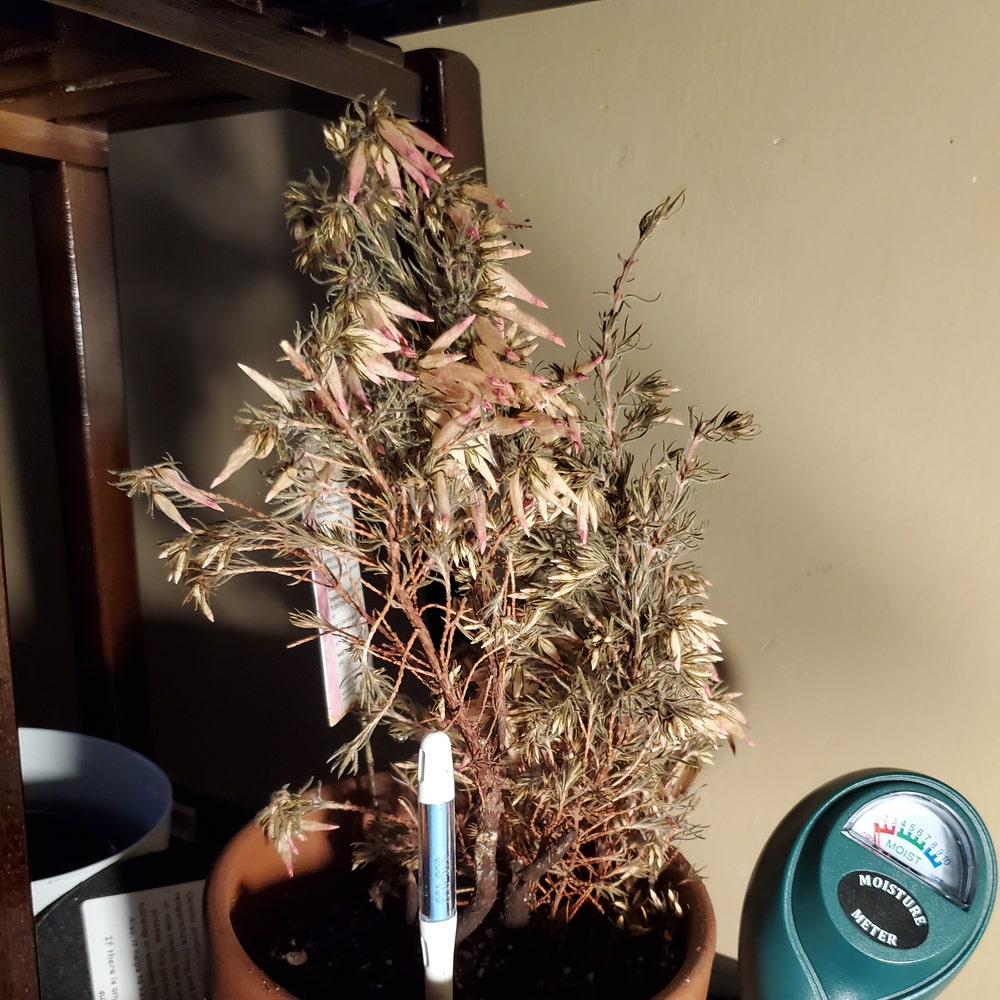
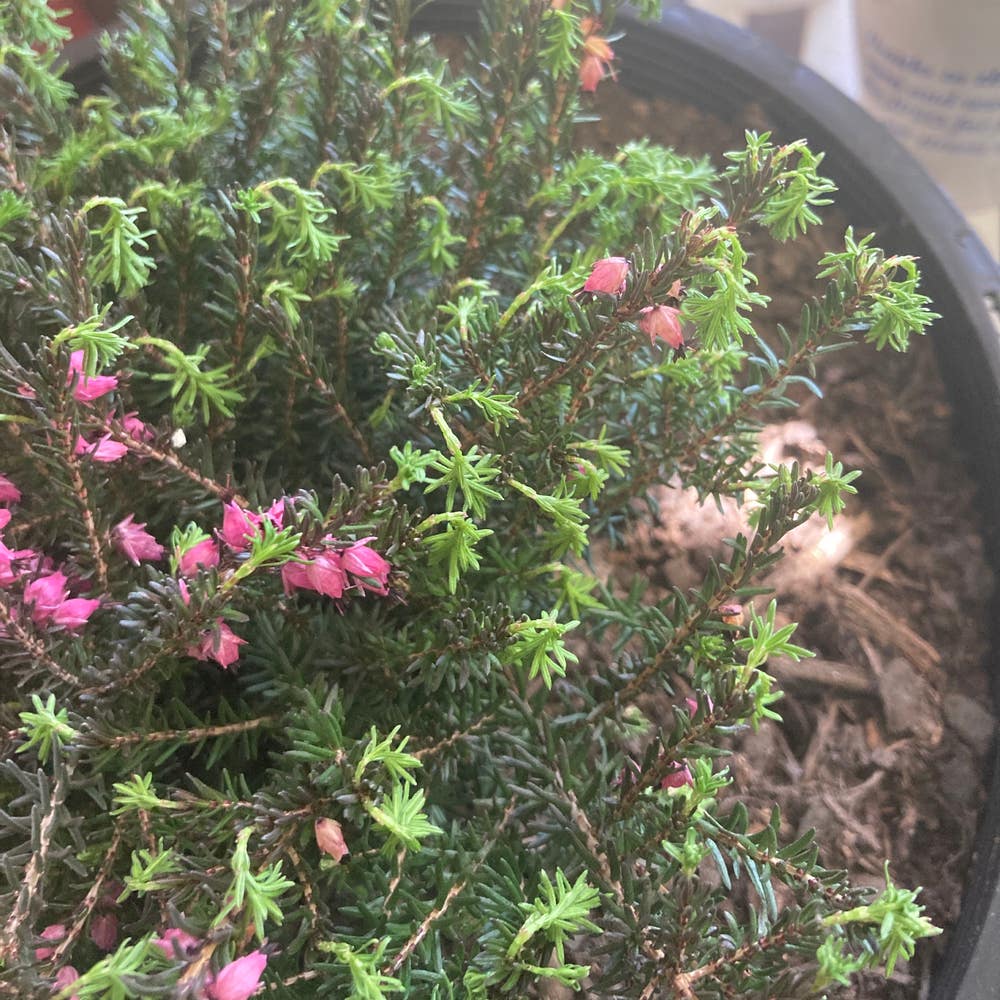
🌸 Introduction to Erica petrusiana
Erica petrusiana
By the Greg Editorial Team
Feb 24, 2025•11 min read
This article was created with the help of AI so we can cover more plants for you. May contain errors. See one? Report it here.
- 🌞 Erica petrusiana needs 6+ hours of sunlight for optimal growth.
- 🌱 Acidic, well-drained soil with pH 5.5-6.5 is crucial for thriving plants.
- 🐝 Attracts pollinators like bees and butterflies, enhancing garden biodiversity.
How to Grow
Choosing a Location 🌞
To thrive, Erica petrusiana needs full sun to partial shade, requiring a minimum of six hours of sunlight daily. When selecting a spot, be mindful of microclimates; steer clear of areas prone to excessive wind or frost pockets.
Soil Preparation 🌱
This plant flourishes in acidic, well-drained soil with a pH between 5.5 and 6.5. To enhance drainage, mix in organic matter like peat moss or compost before planting.
Planting Techniques 🌿
When planting, ensure the root ball is level with the soil surface for optimal growth. Space your plants 2-3 feet apart to promote good air circulation.
Watering Requirements 💧
After planting, give your Erica a deep watering to help establish its roots. Moving forward, allow the soil to dry out between waterings to prevent waterlogging.
Fertilizing Schedule 🌼
In early spring, apply a balanced, slow-release fertilizer to give your plant a nutrient boost. Continue fertilizing every 6-8 weeks throughout the growing season for best results.
Pruning Methods ✂️
Prune your Erica petrusiana after flowering to maintain its shape and encourage bushiness. Focus on removing dead or damaged branches, as well as spent flowers, to keep the plant healthy.
Ongoing Care Tips 🪴
If you're growing Erica in containers, ensure that pots have drainage holes and use a suitable potting mix. Additionally, applying a layer of mulch helps retain moisture and suppress weeds, making your gardening experience easier.
With these tips, you'll be well on your way to cultivating a thriving Erica petrusiana. Next, let’s explore how to propagate this beautiful plant for even more growth opportunities!
Propagation
🌱 Methods of Propagation
Erica petrusiana can be propagated through two primary methods: seeds and cuttings. Collect seeds from mature flowers for seed propagation, or take semi-hardwood cuttings in late summer for a more immediate approach.
📝 Step-by-Step Instructions
Seeds:
- Start by soaking the seeds in water for 24 hours to enhance germination.
- Sow the seeds in seed trays filled with a light soil mix, ensuring they are not buried too deep.
- Keep the soil moist and maintain a temperature of 20°C (68°F) until germination occurs, which typically takes 2-4 weeks.
Cuttings:
- Choose healthy stems that are 4-6 inches long for cuttings.
- Dip the cut ends in rooting hormone to encourage root development.
- Plant the cuttings in a well-draining medium and maintain humidity until roots develop, which usually takes about 4-6 weeks.
With these straightforward methods, you can successfully propagate Erica petrusiana and enjoy its beauty in your garden. Next, let’s explore the lifecycle of this resilient plant.
Lifecycle
Lifecycle Stages 🌱
The lifecycle of Erica petrusiana begins with germination, where seeds sprout within 2-4 weeks under optimal conditions. Following this, the seedling stage develops true leaves within 4-6 weeks, setting the foundation for future growth.
During the vegetative growth phase, the plant experiences rapid growth that lasts several months. This is followed by flowering, which typically occurs in late spring to early summer, showcasing the plant's vibrant blooms.
Finally, after flowering, seeds mature shortly after, completing the lifecycle and allowing for propagation. This cyclical process ensures the continuation of the species and adds beauty to any garden.
Lifespan and Growth Rate ⏳
Erica petrusiana is generally a perennial, boasting a lifespan of 5-10 years with proper care. Its growth rate is moderate, allowing it to reach maturity in about 2-3 years, making it a rewarding addition to your garden.
Understanding these lifecycle stages and growth characteristics can help you provide the best care for your Erica petrusiana, ensuring it thrives in your garden. Next, let’s explore the size of this beautiful plant and what you can expect as it matures.
Size
Mature Height and Spread 🌱
Erica petrusiana typically reaches a mature height of 1 to 3 feet. Its spread usually ranges from 2 to 3 feet wide, making it a compact yet vibrant addition to any garden.
Growth Rate and Size Variability 📏
This plant has a moderate growth rate, which can be influenced by various environmental factors. Size variability is common, as conditions like soil quality, sunlight exposure, and water availability can all impact its ultimate dimensions.
Understanding these aspects of Erica petrusiana can help you plan your garden layout effectively. With the right care, this plant can thrive and add beauty to your landscape.
As we move forward, let’s explore the fascinating lifecycle of Erica petrusiana and how it develops from seed to maturity.
Roots
Characteristics of the Root System 🌱
Erica petrusiana features a fibrous root system that enhances stability and nutrient uptake. These roots typically extend 12-18 inches deep and spread laterally, which helps stabilize the soil.
Common Root-Related Issues 🚫
One of the most common problems is root rot, often caused by overwatering. To prevent this, ensure proper drainage in your planting area.
Identifying Healthy vs. Unhealthy Roots 🔍
Healthy roots are firm, white, and spread evenly throughout the soil. In contrast, unhealthy roots appear dark, mushy, or may emit a foul smell.
Recognizing Rootbound Plants 🪴
If you notice roots growing out of drainage holes or circling the pot, your plant may be rootbound. To remedy this, consider repotting into a larger container or pruning the roots to encourage new growth.
Understanding the root system of Erica petrusiana is crucial for its overall health and vitality. With proper care, you can ensure your plant thrives and flourishes.
Benefits
Top 5 Benefits 🌟
Erica petrusiana offers a range of benefits that make it a fantastic addition to any garden. Here are the top five reasons to consider this resilient plant:
Attracts Pollinators: This plant is a magnet for bees and butterflies, enhancing biodiversity in your garden. By planting Erica petrusiana, you're not just beautifying your space; you're also supporting the ecosystem.
Drought-Tolerant: Once established, Erica petrusiana requires minimal watering. This drought tolerance helps reduce water usage, making it an eco-friendly choice for sustainable gardening.
Vibrant Color and Texture: With its stunning blooms and unique foliage, this plant adds vibrant color and texture to landscapes. It can serve as a focal point or complement other plants beautifully.
Low Maintenance: Ideal for busy gardeners, Erica petrusiana demands little care. Its hardy nature means you can enjoy a flourishing garden without constant attention.
Symbol of Resilience: This plant thrives in harsh environments, symbolizing resilience and adaptability. Incorporating it into your garden can inspire a sense of strength and perseverance.
These benefits make Erica petrusiana not just a plant, but a valuable ally in creating a thriving, beautiful garden. Ready to learn more about how to grow it? Let's dive into the next section!
Companion Plants
🌱 Concept of Companion Planting
Companion planting is all about creating a thriving garden ecosystem. By pairing plants that support each other's growth, you can enhance biodiversity and promote healthier plants.
🌼 Best Companion Plants
When it comes to Erica petrusiana, consider these fantastic companions:
- Lavender: This fragrant herb shares similar care needs and attracts beneficial insects, making it a perfect match.
- Rosemary: Another aromatic option, rosemary thrives in similar soil and sunlight conditions, complementing Erica petrusiana beautifully.
- Other Heaths and Heathers: These plants not only have compatible growth habits but also add aesthetic value to your garden.
🚫 Plants to Avoid
While some plants work well together, others can hinder growth. Avoid heavy feeders like tomatoes, as they compete for nutrients and can stress your Erica petrusiana.
By choosing the right companions, you can create a vibrant, healthy garden that flourishes together. Next, let’s explore the potential toxicity of Erica petrusiana to humans and pets.
Toxicity to Humans
Erica petrusiana is generally considered safe, as it is not listed as toxic by major poison control centers. You can handle and even ingest small amounts without worry, making it a great addition to your garden.
However, it's wise to exercise caution. Consuming large quantities may lead to mild skin irritation or digestive discomfort. If you experience any unusual symptoms, seeking medical advice is always a good idea.
In summary, while Erica petrusiana poses minimal risk, being mindful of your interactions with any plant is essential. This awareness ensures a safe and enjoyable gardening experience.
Next, let’s explore how this plant interacts with our furry friends—dogs and cats.
Toxicity to Dogs
Erica petrusiana is generally considered safe for dogs, as it is not listed as toxic by major pet poison control centers. However, if consumed in large amounts, it may cause mild gastrointestinal upset.
To ensure your furry friends stay safe, it's wise to monitor their behavior around the plant. Proper placement can help prevent any unwanted nibbling.
While this plant can add beauty to your garden, keeping an eye on your dog's interactions with it is always a good practice. With a little caution, you can enjoy the vibrant colors of Erica petrusiana without worry.
Toxicity to Cats
🐱 Safety First
Erica petrusiana is not listed as toxic by major pet poison control centers. This means you can enjoy its beauty without worrying about your feline friends.
Generally, the plant is safe for cats, but it's good to note that excessive consumption may lead to mild gastrointestinal upset.
To keep your curious cats safe, consider proper placement of the plant and monitor their behavior around it. This way, you can enjoy your garden while ensuring your pets stay healthy and happy.
Problems
Common Problems 🌱
Growing Erica petrusiana can be rewarding, but it’s essential to be aware of common issues that may arise.
- Incorrect Watering: Underwatering leads to wilting, while overwatering causes yellowing leaves.
- Incorrect Light Conditions: Too little light results in leggy growth, whereas too much light can scorch the leaves.
- Incorrect Temperature: Cold stress can cause leaf drop, impacting the plant's overall health.
- Diseases: Watch for fungal issues like powdery mildew and root rot, which can devastate your plant.
- Leaf Issues: Scorching, yellowing, or fuzzy growth often indicates environmental stress that needs addressing.
Symptoms and Solutions 🩺
Identifying symptoms is crucial for effective management.
- Wilting: If your plant wilts, check the soil moisture. Water deeply if it’s dry, but ensure drainage to prevent root rot.
- Yellowing Leaves: This can signal overwatering. Allow the soil to dry out before watering again.
- Leggy Growth: If your plant is stretching towards the light, consider relocating it to a brighter spot.
- Scorched Leaves: Move the plant to a location with filtered sunlight to protect it from harsh rays.
- Fungal Issues: Treat powdery mildew with fungicides or neem oil, and improve air circulation around the plant.
By recognizing these symptoms and implementing the right solutions, you can keep your Erica petrusiana thriving.
Stay tuned for the next section, where we’ll explore potential pest issues that may affect your plant.
Bugs
🐜 Potential Pest Issues
While Erica petrusiana is generally pest-resistant, it can still fall victim to a few specific pests. Keeping an eye out for these intruders is essential for maintaining the health of your plants.
🔍 Identification and Damage
- Spider Mites: Look for fine webbing and stippled leaves, which indicate these tiny pests are at work.
- Scale Insects: These pests leave behind a sticky residue and can cause yellowing leaves, signaling their presence.
- Mealybugs: Recognizable by their cotton-like masses on stems and leaves, mealybugs can weaken your plant if not addressed.
🧴 Treatment Options
To combat these pests effectively, consider using insecticidal soap or neem oil. Both options are gentle yet effective, helping to restore your plant's health without harsh chemicals.
By staying vigilant and addressing pest issues promptly, you can ensure your Erica petrusiana thrives. Next, let’s explore the common problems that can arise in its care.
What Eats
🦌 Common Animals
When cultivating Erica petrusiana, be aware of the common animals that may take a liking to your plants.
- Deer: These graceful creatures often browse on leaves and stems, leaving noticeable signs of nibbling.
- Rabbits: Look for evidence of chewed stems and leaves, as these furry friends can quickly decimate young plants.
- Squirrels: They may cause damage to flowers and seed pods, especially if they find your garden inviting.
🕵️♂️ Signs of Animal Presence
Identifying animal visitors can help you take action before they cause significant damage.
- Droppings: Look for small piles near your plants.
- Tracks: Footprints in the soil can reveal who’s been exploring your garden.
- Chewed Plant Parts: Damaged leaves or stems are clear indicators of animal activity.
🚫 Deterrent Methods
Protecting your Erica petrusiana from these hungry critters is essential for a thriving garden.
- Chemical Repellents: Consider using commercial deer and rabbit deterrents to keep these animals at bay.
- Organic Methods: Planting strong-smelling herbs or using physical barriers can effectively deter unwanted visitors.
By staying vigilant and employing these strategies, you can enjoy a flourishing garden without the worry of it becoming a buffet for local wildlife.
⚠️ Safety First
This content is for general information and may contain errors, omissions, or outdated details. It is not medical, veterinary advice, or an endorsement of therapeutic claims.
Always consult a qualified healthcare professional before using any plant as food, medicine, or supplement.
Never eat any plant (or feed one to pets) without confirming its identity with at least two trusted sources.
If you suspect poisoning, call Poison Control (800) 222-1222, the Pet Poison Helpline (800) 213-6680, or your local emergency service immediately.
Spotted an error? Please report it here.
Cultivate a thriving Erica petrusiana 🌼 with Greg's personalized care reminders and expert tips, ensuring your garden flourishes while attracting pollinators!