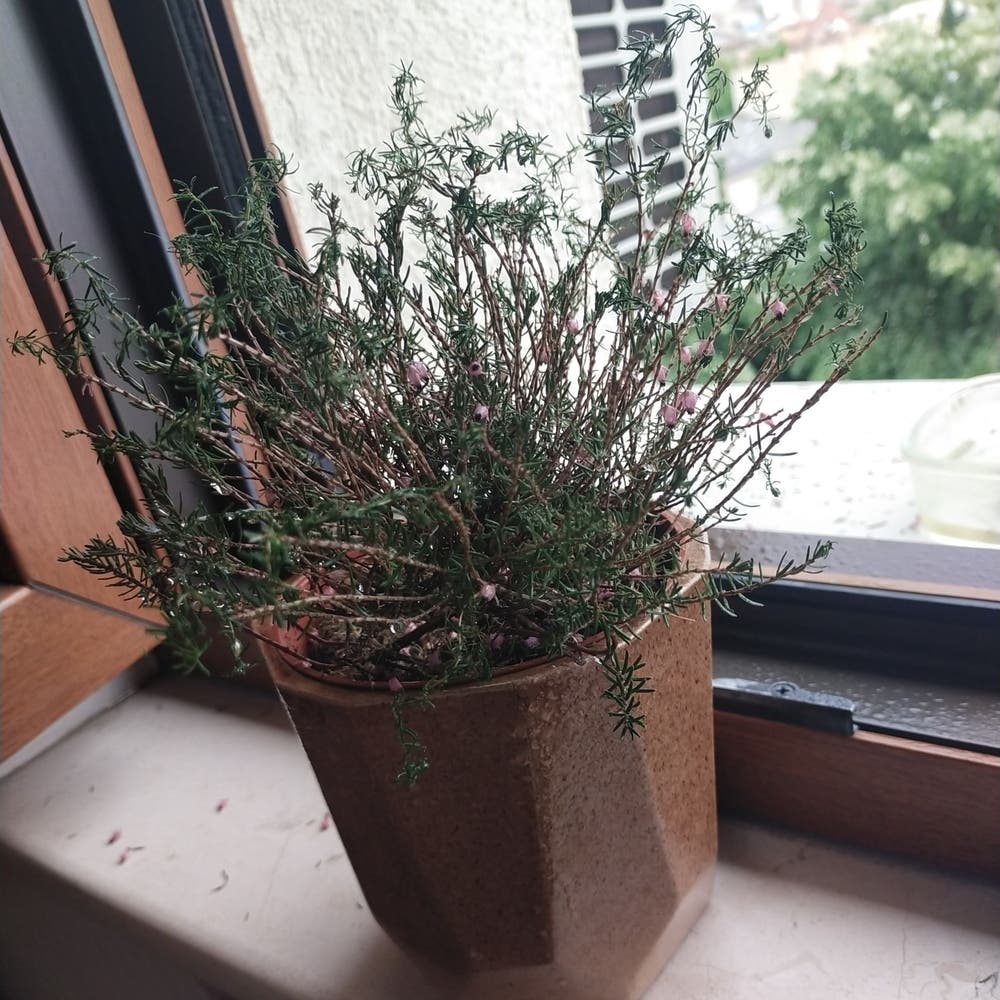
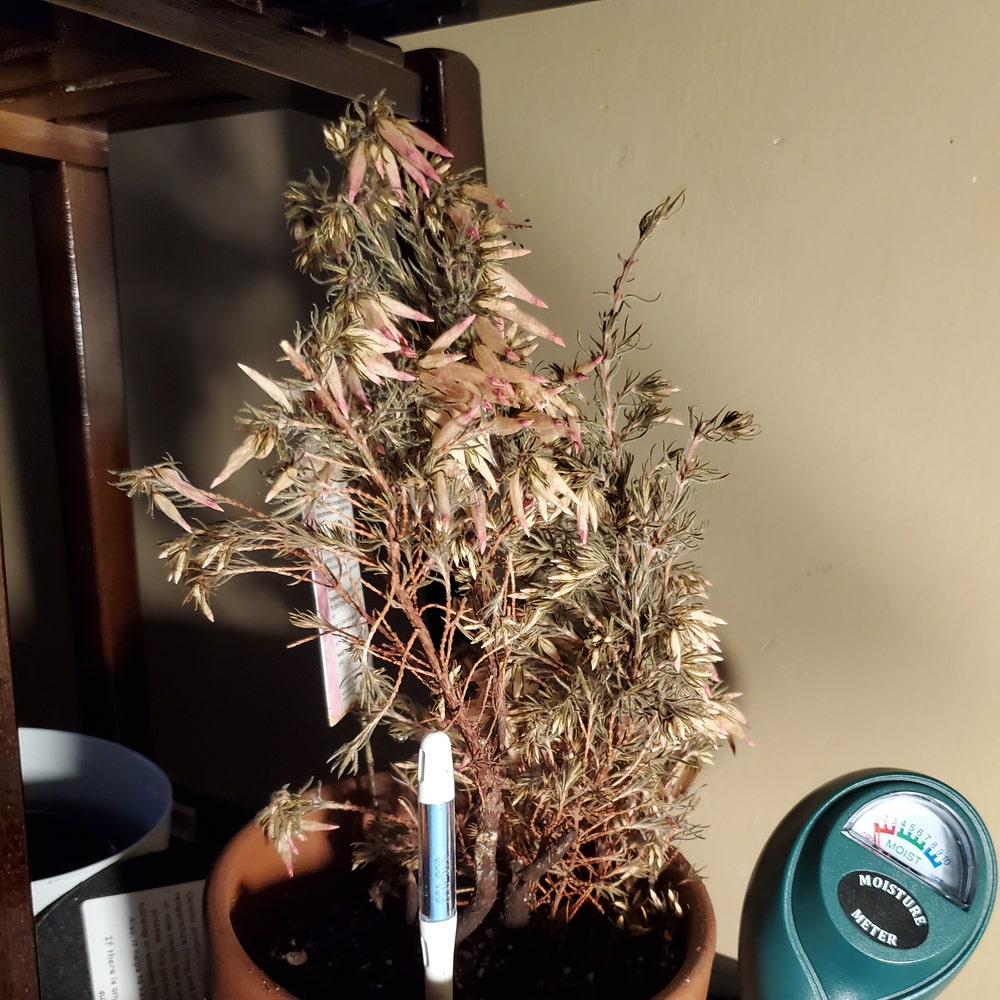
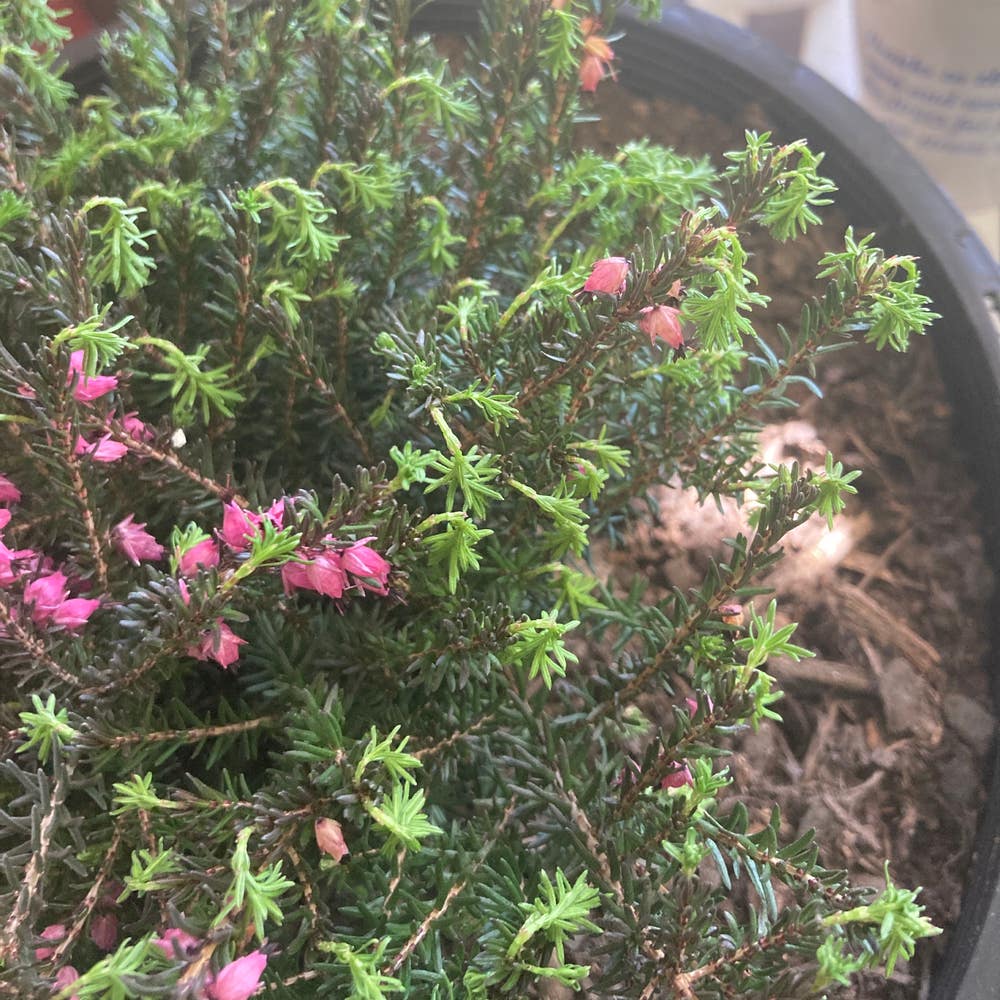
Introduction to Erica pectinifolia var. pectinifolia
Erica pectinifolia var. pectinifolia
By the Greg Editorial Team
Feb 28, 2025•11 min read
This article was created with the help of AI so we can cover more plants for you. May contain errors. See one? Report it here.
- ☀️🌱 Erica pectinifolia thrives in full sun, needing at least six hours of sunlight daily.
- 🌿💧 Acidic, well-drained soil is crucial; aim for pH between 4.5 and 6.0.
- 🐦🌼 Drought-tolerant once established, this plant is perfect for low-maintenance gardens.
How to Grow
Choosing a Location 🌞
To thrive, Erica pectinifolia var. pectinifolia needs a spot that offers full sun to partial shade. Aim for at least six hours of direct sunlight daily, and consider sheltering the plant from strong winds and harsh weather conditions.
Soil Preparation 🌱
This plant prefers acidic, well-drained soils with a pH between 4.5 and 6.0. Good drainage is crucial to prevent root rot, so ensure your soil allows excess water to escape easily.
Planting Techniques 🌿
When planting, space your Erica pectinifolia 18 to 24 inches apart for optimal growth. Make sure to plant it at the same depth as it was in the nursery pot to promote healthy establishment.
Watering Requirements 💧
Water your plants regularly until they are established, then you can reduce the frequency. Deep watering is essential to encourage robust root growth, so soak the soil thoroughly.
Fertilizing 🌼
Use a slow-release, balanced fertilizer with an NPK ratio of 10-10-10. Fertilize in early spring and again in mid-summer to support healthy growth throughout the growing season.
Pruning ✂️
Prune your Erica pectinifolia after flowering to encourage bushier growth. Focus on removing dead or damaged branches and shaping the plant for a more attractive appearance.
Ongoing Care 🔍
Regularly monitor your plants for pests and diseases to catch any issues early. Adjust your care routine based on seasonal changes to keep your Erica pectinifolia thriving year-round.
With these guidelines, you'll be well on your way to cultivating a healthy and vibrant Erica pectinifolia var. pectinifolia in your garden. Next, let’s explore how to propagate this beautiful plant!
Propagation
🌱 Seed Propagation
To propagate Erica pectinifolia var. pectinifolia from seeds, start by soaking the seeds for 24 hours. This simple step helps kickstart the germination process.
For optimal growth, maintain a temperature between 20-25°C (68-77°F). These warm conditions create a cozy environment for the seeds to sprout.
✂️ Cutting Propagation
Cutting propagation is another effective method. Select healthy stems that are about 4-6 inches long for the best results.
For rooting, use a mix of peat and perlite. Keep the mixture moist until roots develop, ensuring a successful transition from cutting to plant.
This propagation process is not only rewarding but also a great way to expand your garden with these beautiful plants. With a little patience and care, you’ll soon have new Erica pectinifolia thriving in your space.
Lifecycle
Lifecycle Stages 🌱
Erica pectinifolia var. pectinifolia is a perennial plant known for its longevity. Its lifecycle includes several key stages: seed or cutting, germination, seedling, vegetative growth, flowering, and seed production.
Germination Process and Timeline ⏳
The germination process for this plant typically takes about 2-4 weeks under optimal conditions. Providing the right temperature and moisture levels is crucial for successful sprouting.
Lifespan and Growth Rate 📈
This species reaches its full size in approximately 2-3 years, showcasing a moderate growth rate. You can expect annual growth of about 6-12 inches, making it a steady addition to your garden.
Understanding the lifecycle of Erica pectinifolia var. pectinifolia not only helps in its cultivation but also enhances your appreciation for its natural beauty. Next, let’s explore how to effectively propagate this resilient plant.
Size
Mature Height and Spread 🌱
Erica pectinifolia var. pectinifolia typically reaches a mature height of 2 to 4 feet. Its spread can range from 2 to 3 feet, making it a compact yet striking addition to any garden.
Growth Rate and Time to Full Size ⏳
This plant has a moderate growth rate, taking about 2 to 3 years to reach its full size. With proper care, you can expect it to grow approximately 6 to 12 inches annually.
Size Variability 📏
The size of Erica pectinifolia can vary significantly based on several factors. Soil quality, sunlight exposure, and water availability all play crucial roles in determining how large your plant will grow.
Understanding these variables can help you optimize your growing conditions for the best results.
As you plan your garden, keep in mind how these factors can influence not just the size but the overall health and vibrancy of your Erica pectinifolia.
Next, let’s explore the root system characteristics that support this beautiful plant's growth.
Roots
🌱 Root System Characteristics
Erica pectinifolia var. pectinifolia features a fibrous root system. This type of root structure is shallow yet extensive, which helps the plant efficiently absorb nutrients from the soil.
⚠️ Common Root-Related Issues
Root health is crucial for the overall vitality of your plant. Overwatering can lead to root rot, characterized by wilting and yellowing leaves.
Another common issue is being rootbound, which occurs when the roots grow out of the drainage holes, leading to stunted growth.
👀 Visual Cues for Healthy vs. Unhealthy Roots
Healthy roots are firm, white, and spread evenly throughout the soil. In contrast, unhealthy roots appear dark, mushy, or may emit a foul smell.
🛠️ Tips for Managing Root Problems
To prevent root rot, ensure your plant has proper drainage and avoid overwatering. If you notice rootbound symptoms, consider repotting into a larger container or amending the soil to promote healthier growth.
With these tips, you can maintain a robust root system that supports the overall health of your Erica pectinifolia var. pectinifolia. Next, let’s explore the benefits of this beautiful plant and why it deserves a spot in your garden.
Benefits
Top 5 Benefits of Erica pectinifolia var. pectinifolia 🌼
Ornamental Value
Erica pectinifolia var. pectinifolia boasts stunning foliage and vibrant flowers that can elevate the aesthetics of any garden. Its unique appearance makes it a standout choice for landscape design.
Pollinator-Friendly
This plant is a magnet for pollinators, attracting bees and other beneficial insects. By incorporating it into your garden, you contribute to the health of local ecosystems.
Drought-Tolerant
Once established, Erica pectinifolia requires minimal water, making it an excellent option for low-maintenance gardens. Its drought tolerance helps conserve water while still providing beauty.
Soil Improvement
This species plays a role in enhancing soil structure and acidity. Its roots help aerate the soil, promoting a healthier growing environment for surrounding plants.
Cultural Significance
Erica pectinifolia var. pectinifolia symbolizes resilience and beauty in South African flora. Planting it not only adds visual appeal but also connects you to a rich cultural heritage.
Incorporating Erica pectinifolia into your garden offers numerous benefits, from aesthetic enhancements to ecological contributions. Next, let’s explore how to propagate this remarkable plant effectively.
Companion Plants
🌱 Companion Planting
Companion planting is a fantastic way to enhance your garden's diversity, improve pest management, and boost overall plant health. By selecting the right companions, you can create a thriving ecosystem that benefits all your plants.
🌼 Suitable Companions
When it comes to Erica pectinifolia var. pectinifolia, consider pairing it with other fynbos species like Protea and Leucadendron. These plants share similar care requirements and attract beneficial insects, making them ideal companions.
🚫 Plants to Avoid
On the flip side, steer clear of heavy feeders such as tomatoes. These plants can compete for nutrients, potentially stunting the growth of your Erica pectinifolia.
By thoughtfully selecting companion plants, you can create a vibrant and healthy garden that flourishes together. Next, let’s explore the fascinating topic of toxicity and safety regarding Erica pectinifolia for both humans and pets.
Toxicity to Humans
Safety Overview 🛡️
Erica pectinifolia var. pectinifolia is not considered toxic to humans according to major poison control centers. This means you can handle and even ingest small amounts without significant risk.
Minor Issues from Excessive Contact 🚨
While generally safe, excessive contact or consumption may lead to mild skin irritation or digestive discomfort. It's always wise to be mindful of how much you interact with any plant.
Cautionary Advice ⚠️
Even with its safety profile, it's best to exercise caution. If you experience any unusual symptoms after contact or ingestion, seeking medical advice is a prudent step.
This plant can be a delightful addition to your garden, but staying informed about its care and potential effects is key to enjoying it safely.
Toxicity to Dogs
Safety Overview 🐶
Erica pectinifolia var. pectinifolia is considered safe for dogs, as it is not listed as toxic by major pet poison control centers. This means you can enjoy this beautiful plant without worrying about your furry friends.
Potential Minor Issues ⚠️
While generally safe, excessive consumption of the plant may lead to mild gastrointestinal upset in dogs. It's always good to monitor your pet's behavior around new plants.
Tips for Introducing the Plant to Homes with Dogs 🏡
To ensure a harmonious environment, place the plant out of reach of curious dogs. Additionally, keep an eye on how your dog interacts with the plant, as some may be more inclined to investigate than others.
Incorporating Erica pectinifolia var. pectinifolia into your home can be a delightful experience, especially when you take these simple precautions. Now that you know about its safety for dogs, let’s explore how this plant interacts with cats.
Toxicity to Cats
🛡️ Safety Overview
Erica pectinifolia var. pectinifolia is considered safe for cats, as it is not listed as toxic by major pet poison control centers. This means you can enjoy this beautiful plant without worrying about your feline friends.
⚠️ Potential Minor Issues
While generally safe, excessive consumption of the plant may lead to mild gastrointestinal upset in cats. It's always good to keep an eye on their behavior just in case.
🐾 Tips for Introducing the Plant to Homes with Cats
To ensure a harmonious coexistence, place the plant out of reach of curious cats.
Additionally, monitor how your cats interact with the plant, as some may be more inclined to investigate than others.
By taking these simple precautions, you can enjoy the beauty of Erica pectinifolia var. pectinifolia while keeping your furry companions safe.
Problems
Common Problems Faced 🌱
Growing Erica pectinifolia var. pectinifolia can come with its share of challenges. One of the most common issues is incorrect watering; overwatering leads to yellowing leaves, while underwatering results in wilting.
Light conditions also play a crucial role. Too much sun can cause leaf scorch, while insufficient light can lead to leggy growth. Temperature sensitivity is another concern; frost can stress the plant, causing leaf drop.
Diseases like powdery mildew and root rot can affect overall health. Additionally, leaf issues such as scorching, yellowing, or fuzzy growth often indicate underlying problems.
Identification and Resolution of Issues 🔍
Identifying the right solution starts with observing your plant closely. If you suspect overwatering, reduce the frequency and improve drainage to help the roots breathe.
For underwatering, simply increase your watering schedule and check the soil moisture regularly. If light issues arise, consider adjusting the plant's location to ensure it receives optimal sunlight.
Disease management may require using fungicides or removing affected parts of the plant. Lastly, if you notice growth problems, assess the environmental conditions and make necessary adjustments to your care routine.
By staying vigilant and responsive, you can keep your Erica pectinifolia thriving and healthy.
Bugs
Potential Pest Issues 🐜
Erica pectinifolia var. pectinifolia is generally a tough plant, showing moderate resistance to pests. However, it can still fall victim to a few pesky insects that may disrupt its growth.
Identification and Treatment of Relevant Pests 🔍
Spider Mites
Look for webbing and stippled leaves as signs of spider mites. To treat, apply insecticidal soap to eliminate these tiny invaders.
Scale Insects
Scale insects leave behind sticky residue and dark spots. You can remove them manually or use horticultural oil for effective control.
Mealybugs
These pests appear as cotton-like masses on stems. Treat mealybugs with neem oil or insecticidal soap to keep them at bay.
Aphids
Aphids are small green or black insects that can cluster on your plant. Control them using insecticidal soap or introduce natural predators to your garden.
By staying vigilant and addressing these pest issues promptly, you can help ensure your Erica pectinifolia thrives beautifully. Next, let’s explore what animals might be drawn to this lovely plant and how to protect it from potential damage.
What Eats
🦌 Common Animals That May Damage the Plant
Erica pectinifolia var. pectinifolia can attract a variety of animals that may cause damage.
- Deer: Look for chewed leaves and broken branches as signs of their presence.
- Rabbits: They often nibble on the lower foliage, leaving telltale signs of their feasting.
- Squirrels: These critters may dig around the base or chew on stems, causing noticeable damage.
- Birds: They can peck at flowers or seeds, which can affect the plant's ability to thrive.
- Rodents: Signs of burrowing or gnaw marks on stems indicate their activity around your plant.
🕵️♂️ Signs of Animal Presence and Damage
Identifying animal damage is crucial for maintaining the health of your Erica pectinifolia.
Look for:
- Chewed leaves
- Broken branches
- Disturbed soil around the plant
These signs can help you pinpoint which animals are causing issues and take action.
🚫 Deterrent Methods
Protecting your plant from these hungry visitors can be achieved through various methods.
- Chemical: Use repellents or sprays specifically designed to deter herbivores. These can create an unpleasant taste or smell that keeps animals at bay.
- Organic: Employ physical barriers like fencing or netting to shield your plants. This is an effective way to prevent access without harming the animals.
By being proactive, you can ensure your Erica pectinifolia thrives without unwanted visitors.
⚠️ Safety First
This content is for general information and may contain errors, omissions, or outdated details. It is not medical, veterinary advice, or an endorsement of therapeutic claims.
Always consult a qualified healthcare professional before using any plant as food, medicine, or supplement.
Never eat any plant (or feed one to pets) without confirming its identity with at least two trusted sources.
If you suspect poisoning, call Poison Control (800) 222-1222, the Pet Poison Helpline (800) 213-6680, or your local emergency service immediately.
Spotted an error? Please report it here.
Nurture your Erica pectinifolia to bloom beautifully 🌼 with Greg's tailored care tips and watering reminders that ensure your plant thrives in its perfect environment!