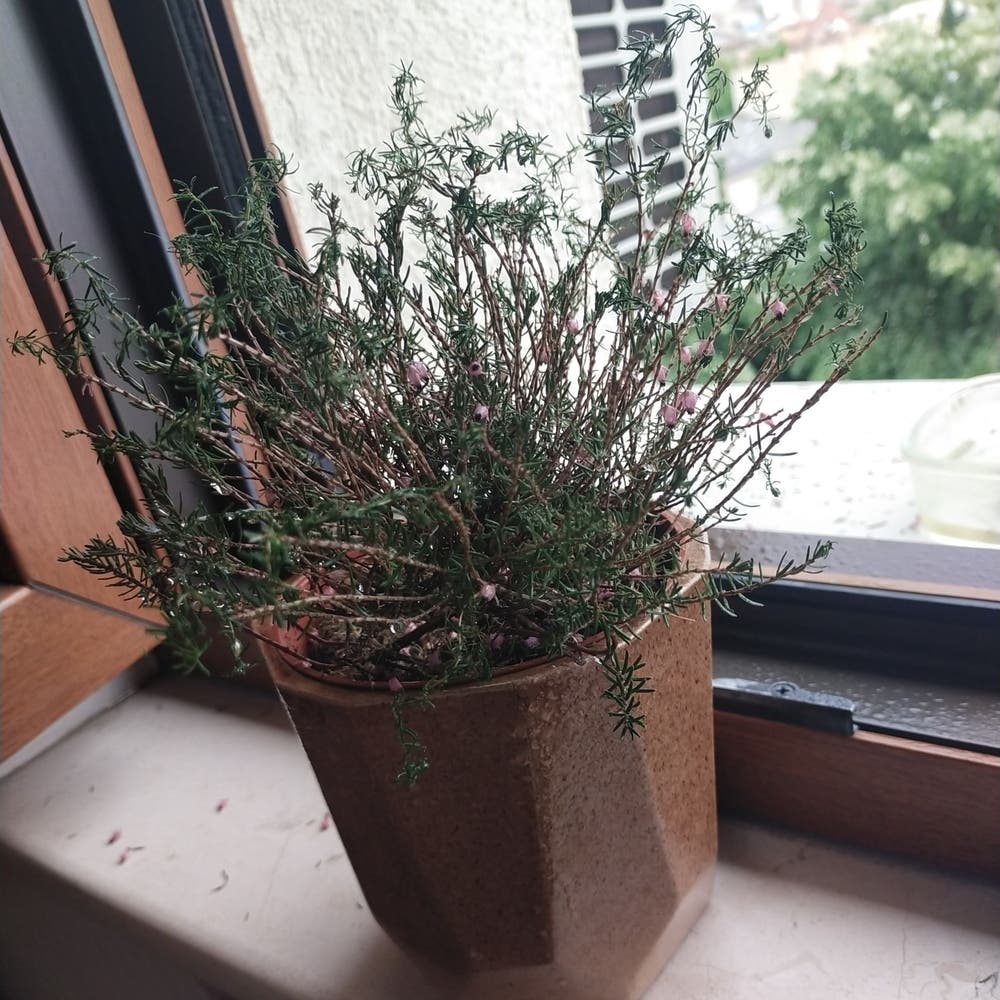
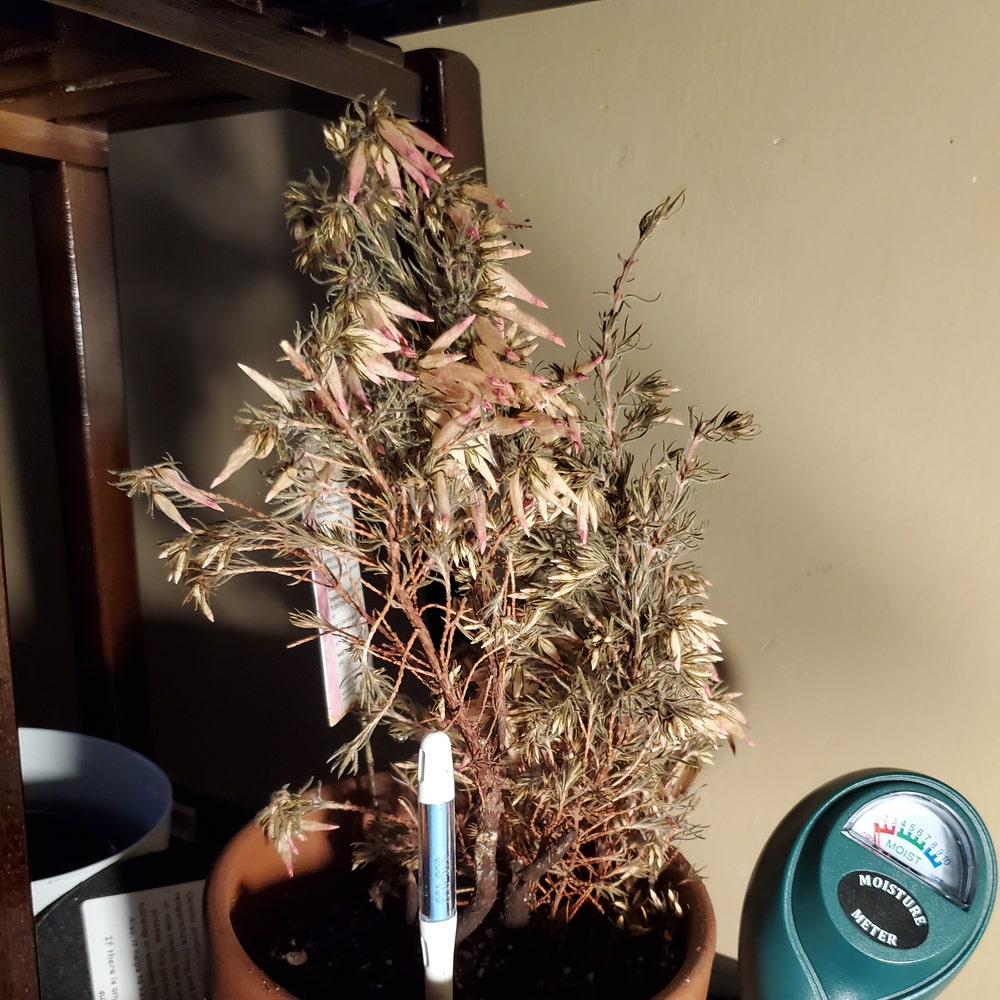
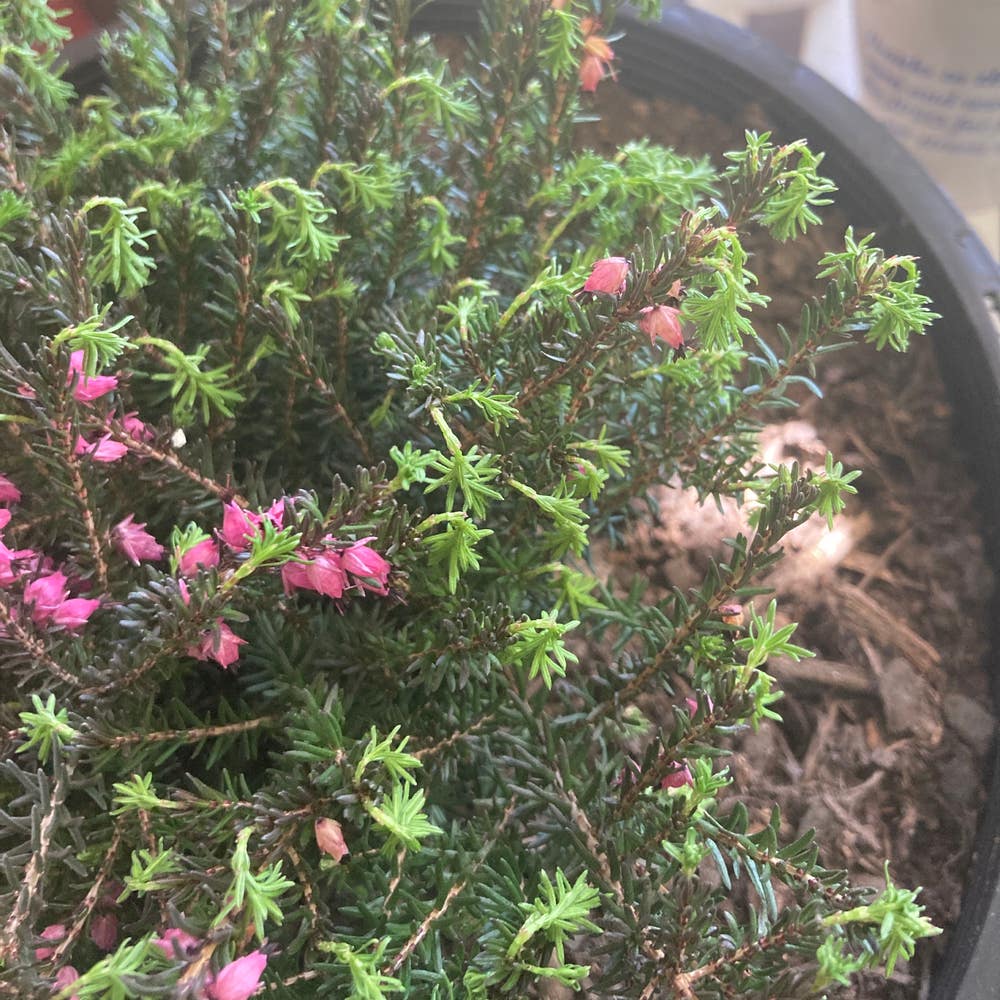
🌸 Introduction to Erica parviflora var. parviflora
Erica parviflora var. parviflora
By the Greg Editorial Team
Feb 28, 2025•11 min read
This article was created with the help of AI so we can cover more plants for you. May contain errors. See one? Report it here.
Elevate your garden with Erica parviflora, a vibrant, low-maintenance plant that attracts pollinators and thrives effortlessly! 🌼🌱
- 🌞 Erica parviflora thrives in full sun to partial shade for optimal growth.
- 🌱 Prefers acidic, well-drained soil; enhance drainage with organic matter or sand.
- 💧 Drought-tolerant once established, but keep soil moist initially for best results.
How to Grow
Choosing a Location 🌞
When growing Erica parviflora var. parviflora, aim for a spot that gets full sun to partial shade. Whether you’re planting outdoors or in containers, consider the light exposure to ensure healthy growth.
Soil Preparation 🌱
This plant thrives in acidic, well-drained soils. To enhance drainage, mix in organic matter or sand, creating an ideal environment for root development.
Planting Techniques 🌿
Planting depth is crucial; ensure the crown of the plant is level with the soil surface. Space your plants 12-18 inches apart to allow for optimal growth and airflow.
Watering Requirements 💧
Initially, keep the soil consistently moist until the plant is established. Once established, Erica parviflora becomes drought-tolerant, reducing the frequency of watering.
Fertilizing Guidelines 🌼
Use acidic, slow-release fertilizers to nourish your plants. Fertilize in early spring, just before new growth begins, to give them a healthy boost.
Pruning Methods ✂️
Prune your Erica parviflora after flowering to encourage bushiness. Light trimming will help maintain its shape and promote a fuller appearance.
Ongoing Care Tips 🔍
Regularly monitor your plants for pests and diseases to catch any issues early. Adjust your care routine seasonally based on the plant's growth phases to ensure it thrives.
With these guidelines, you’re well on your way to successfully growing Erica parviflora var. parviflora. Next, let’s explore how to propagate this beautiful plant!
Propagation
🌱 Seed Propagation
To successfully propagate Erica parviflora var. parviflora from seeds, start with stratification. This process mimics natural conditions, enhancing germination rates.
Sow the seeds at a depth of 1/4 inch in well-draining soil. This ensures they have the right environment to sprout and thrive.
✂️ Cutting Propagation
For cutting propagation, select healthy stems that are 4-6 inches long. This length provides a good balance for rooting and growth.
Use a rooting medium that combines peat and perlite. This mix promotes drainage and aeration, crucial for healthy root development.
With these methods, you can easily expand your Erica parviflora collection. Whether you choose seeds or cuttings, both techniques offer rewarding results.
Lifecycle
Lifecycle Stages 🌱
Erica parviflora var. parviflora is a perennial plant, meaning it lives for multiple years. This characteristic allows it to establish a robust root system and return each growing season, providing consistent beauty in your garden.
Germination Process 🌱
Seeds of Erica parviflora typically germinate within 2 to 4 weeks. This timeframe can vary based on environmental conditions, so patience is key during this initial stage.
Seedling Development 🌱
Healthy seedlings display vibrant green leaves and sturdy stems. They should be monitored closely to ensure they receive adequate light and moisture for optimal growth.
Vegetative Growth Phase 🌱
During the vegetative growth phase, the plant focuses on developing foliage and roots. This stage is crucial for establishing a strong foundation before flowering begins.
Flowering and Seed Production 🌸
Flowering usually occurs in late spring to summer, showcasing the plant's stunning blooms. After flowering, seed production takes place, allowing for future generations of Erica parviflora.
Growth Timeline and Speed ⏳
Erica parviflora takes approximately 2 to 3 years to reach maturity. Its growth rate is moderate, influenced by factors such as soil quality, sunlight, and water availability, making it a manageable addition to any garden.
As you nurture this plant through its lifecycle, you'll witness its transformation and beauty unfold, enriching your gardening experience. Next, let's explore the size of Erica parviflora and what you can expect in terms of height and spread.
Size
Mature Height and Spread 🌱
Erica parviflora var. parviflora typically reaches a height of 1 to 3 feet. Its spread can extend 2 to 3 feet wide, making it a compact yet vibrant addition to any garden.
Growth Rate and Size Variability 📈
The growth rate of this plant can vary significantly based on several factors. Soil quality, sunlight exposure, and water availability all play crucial roles in determining how quickly and robustly it grows.
Impact of Growing Conditions on Size 🌍
Environmental factors can lead to noticeable differences in size. For instance, plants grown in optimal conditions will flourish, while those in less favorable environments may remain smaller and less vigorous.
Understanding these aspects can help you create the best conditions for your Erica parviflora, ensuring it thrives and adds beauty to your space. As you consider its size, remember that the right care can lead to impressive growth and a stunning display in your garden.
Roots
Root System Characteristics 🌱
Erica parviflora var. parviflora features a fibrous root system. This type of root structure helps the plant efficiently absorb water and nutrients from the soil.
Depth and Spread of Roots 📏
Typically, the roots extend to a depth of 12-18 inches. They can spread wider than the plant's canopy, allowing for better stability and resource uptake.
Common Root-Related Issues ⚠️
One common problem is root rot, which occurs when the roots sit in overly wet soil. Symptoms include yellowing leaves and a general decline in plant health, so it's crucial to ensure proper drainage.
Identifying Healthy vs. Unhealthy Roots 🔍
Healthy roots are firm and white, indicating vitality. In contrast, brown or mushy roots signal decay and require immediate attention.
Recognizing Rootbound Plants 🪴
Rootbound plants exhibit signs like stunted growth and circling roots in containers. To remedy this, consider repotting or performing root pruning to encourage new growth.
Understanding the root system of Erica parviflora var. parviflora is essential for its successful cultivation. Proper care and attention to root health can lead to a thriving plant that enhances your garden.
Benefits
Top 5 Benefits 🌟
Erica parviflora var. parviflora offers a range of benefits that make it a fantastic addition to any garden. Here are the top five reasons to consider this plant:
Attracts Pollinators: This plant is a magnet for pollinators like bees and butterflies, enhancing the biodiversity of your garden. Watching these creatures thrive can be a delightful experience.
Drought-Tolerant: Once established, Erica parviflora is drought-tolerant, which means it can help reduce your water usage. This resilience makes it an eco-friendly choice for sustainable gardening.
Vibrant Color: The flowers of Erica parviflora add a splash of vibrant color to your garden. Their beauty can brighten up any landscape, making it visually appealing throughout the growing season.
Low Maintenance: After the initial establishment phase, this plant requires minimal care. This low-maintenance nature allows you to enjoy your garden without the constant upkeep.
Enhances Garden Diversity: With its unique foliage and blooms, Erica parviflora contributes to garden diversity. This variety can create a more dynamic and interesting environment for both plants and wildlife.
Incorporating Erica parviflora into your garden not only beautifies your space but also supports local ecosystems. Its numerous benefits make it a worthy consideration for any gardening enthusiast.
Companion Plants
🌱 Concept of Companion Planting
Companion planting is a gardening strategy that involves growing different plants together for mutual benefits. This approach can enhance pest management, promote improved growth, and increase garden diversity.
🌼 Best Companion Plants
When considering companion plants for Erica parviflora var. parviflora, look for other fynbos species that thrive in similar conditions. Low-growing herbs, such as thyme and oregano, also make excellent companions, as they can help deter pests while complementing the aesthetic of your garden.
🚫 Plants to Avoid
Be cautious with plants that require high moisture or heavy feeding. These can compete for resources and negatively impact the growth of Erica parviflora, leading to poor health and vitality.
Companion planting not only fosters a healthier garden but also creates a vibrant ecosystem. By selecting the right partners, you can enhance the beauty and resilience of your garden while enjoying the process of nurturing diverse plant life.
Toxicity to Humans
When it comes to Erica parviflora var. parviflora, you can breathe easy. This plant is not listed as toxic by major poison control centers, making it a safe choice for gardens and landscapes.
However, it's wise to exercise caution. While serious issues are rare, some individuals may experience mild skin irritation or digestive discomfort if they consume large quantities. Always handle plants with care and wash your hands afterward to avoid any potential irritation.
In summary, while Erica parviflora is generally safe, a little mindfulness goes a long way in ensuring a pleasant gardening experience. Now, let’s explore how this plant interacts with our furry friends!
Toxicity to Dogs
When it comes to Erica parviflora var. parviflora, good news for dog owners: this plant is not toxic according to veterinary organizations. Your furry friends can roam around the garden without the worry of serious health risks.
However, it's important to note that excessive consumption of any plant material can lead to mild gastrointestinal upset in dogs. To keep your pets safe, consider these tips for introducing this plant into your home:
Proper Placement 🌱
- Location Matters: Position the plant where your dog cannot easily access it. Elevated planters or hanging baskets can be great options.
Monitoring 👀
- Keep an Eye Out: Observe your dog’s behavior around the plant. If they show interest, redirect their attention with toys or treats.
By following these simple guidelines, you can enjoy the beauty of Erica parviflora var. parviflora while ensuring your dog remains happy and healthy.
Next, let’s explore how this plant interacts with our feline friends.
Toxicity to Cats
When it comes to Erica parviflora var. parviflora, you can breathe easy—this plant is not toxic to cats according to major pet poison control centers.
However, if your feline friend decides to nibble on it, there could be minor issues, such as mild gastrointestinal upset.
🐾 Tips for Introducing to Homes with Cats
To ensure a harmonious coexistence, consider proper placement of the plant. Keep it out of reach of curious paws, perhaps on a high shelf or in a hanging planter.
Monitoring your cat's behavior around the plant is also wise. If you notice any unusual interest, it might be best to relocate the plant to avoid any potential mishaps.
With these simple precautions, you can enjoy the beauty of Erica parviflora var. parviflora without worrying about your furry companions.
Problems
🐛 Common Problems
Growing Erica parviflora var. parviflora can be rewarding, but it’s essential to watch for common problems that may arise.
💧 Incorrect Watering
Watering issues are among the most frequent problems. Overwatering can lead to root rot, while underwatering may cause wilting.
Signs of Overwatering:
- Yellowing leaves
- Mushy roots
Signs of Underwatering:
- Drooping leaves
- Dry, brittle soil
💡 Incorrect Light Conditions
Light exposure is crucial for healthy growth. Too much direct sunlight can scorch the leaves, while too little light can stunt growth.
Symptoms of Too Much Light:
- Leaf burn
- Faded colors
Symptoms of Too Little Light:
- Leggy growth
- Sparse foliage
🌡️ Incorrect Temperature
Temperature extremes can stress your plant. Erica parviflora prefers moderate temperatures and can struggle in extreme heat or cold.
Effects of Extreme Temperatures:
- Heat stress can cause wilting.
- Cold stress may lead to leaf drop.
🦠 Diseases
Fungal diseases can be a concern, especially in humid conditions. Identifying and managing these issues early is key to maintaining plant health.
Common Fungal Issues:
- Powdery mildew
- Root rot
Management Tips:
- Ensure good air circulation.
- Avoid overhead watering.
🌱 Growth Problems
Recognizing growth problems early can save your plant. Stunted or leggy growth often indicates underlying issues.
Signs of Stunted Growth:
- Minimal new growth
- Small, underdeveloped leaves
Signs of Leggy Growth:
- Elongated stems
- Sparse leaf coverage
By staying vigilant and addressing these common problems, you can ensure your Erica parviflora thrives in your garden. Next, let’s explore the fascinating world of pests that may threaten your plant's health.
Bugs
🐛 Potential Pest Issues
When growing Erica parviflora var. parviflora, it's essential to be aware of potential pest issues. While this plant is relatively resilient, it can still fall prey to common pests that may affect its health.
🔍 Identification of Pests
Keep an eye out for common pests like spider mites, aphids, and mealybugs. These tiny invaders can wreak havoc on your plants if not identified and managed promptly.
⚠️ Damage Caused by Pests
Signs of infestation include yellowing leaves, webbing, or sticky residue on the plant. If you notice stunted growth or distorted leaves, it may be time to investigate further.
🧪 Treatment Options
For pest control, consider both organic and chemical methods. Neem oil and insecticidal soap are effective organic options, while chemical pesticides can be used if infestations are severe.
Monitoring your plants regularly can help catch these issues early, ensuring your Erica parviflora thrives. With proper care and attention, you can keep pests at bay and enjoy a vibrant garden.
What Eats
🦌 Common Animals
When it comes to Erica parviflora var. parviflora, several animals may pose a threat. Deer, rabbits, and squirrels are the primary culprits that can munch on this beautiful plant.
🕵️♂️ Signs of Animal Presence
Identifying these furry intruders is crucial for protecting your plants. Look for tracks, droppings, and signs of physical damage, such as chewed leaves or broken stems.
⚠️ Damage Description
Different animals cause various types of damage. Deer may strip entire branches, while rabbits tend to nibble on lower foliage, and squirrels can create havoc by digging around the roots.
🚫 Deterrent Methods
To safeguard your Erica parviflora, consider both chemical and organic control strategies. Using repellents, installing physical barriers, or planting companion plants can effectively deter these hungry visitors.
By staying vigilant and employing these protective measures, you can enjoy the beauty of your Erica parviflora without the worry of unwanted munchers. Next, let’s explore the potential pest issues that can affect your plant’s health.
⚠️ Safety First
This content is for general information and may contain errors, omissions, or outdated details. It is not medical, veterinary advice, or an endorsement of therapeutic claims.
Always consult a qualified healthcare professional before using any plant as food, medicine, or supplement.
Never eat any plant (or feed one to pets) without confirming its identity with at least two trusted sources.
If you suspect poisoning, call Poison Control (800) 222-1222, the Pet Poison Helpline (800) 213-6680, or your local emergency service immediately.
Spotted an error? Please report it here.
Unlock the secrets to a thriving Erica parviflora 🌼 with Greg's tailored care reminders and expert tips, ensuring your garden flourishes with minimal effort!