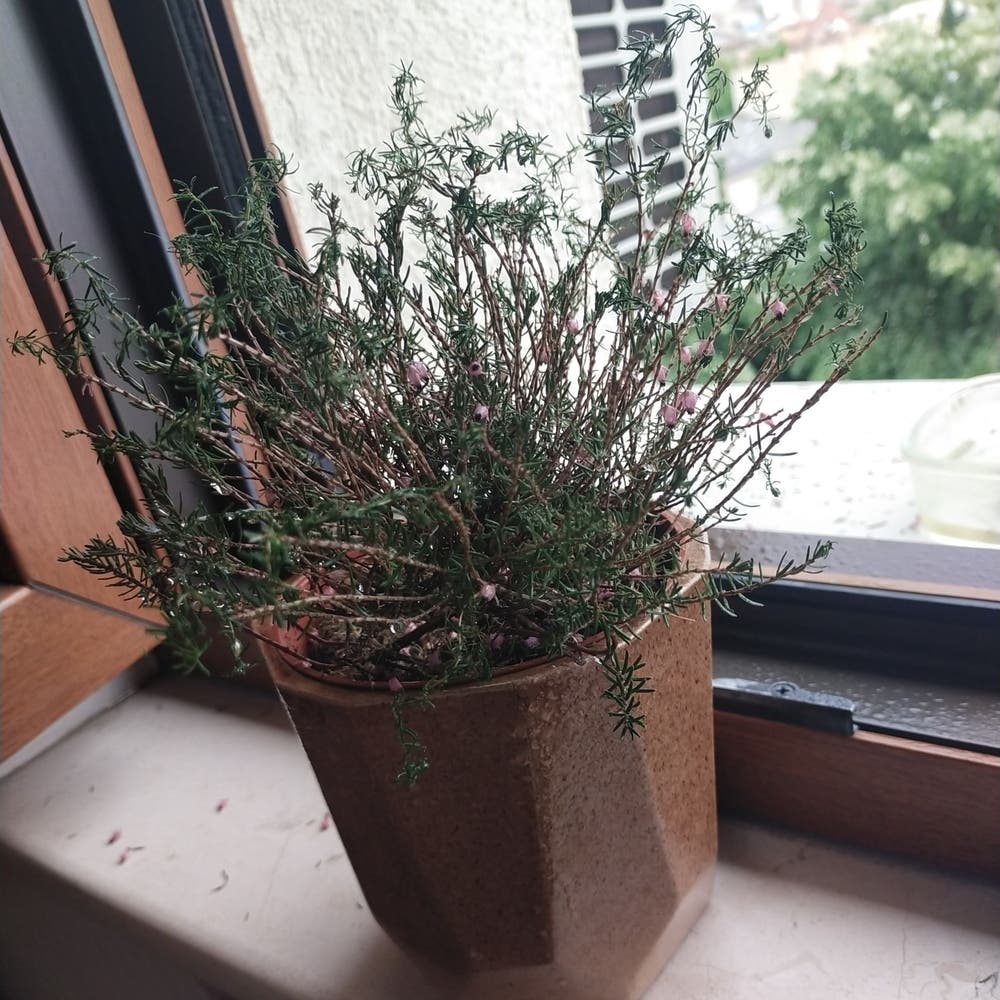
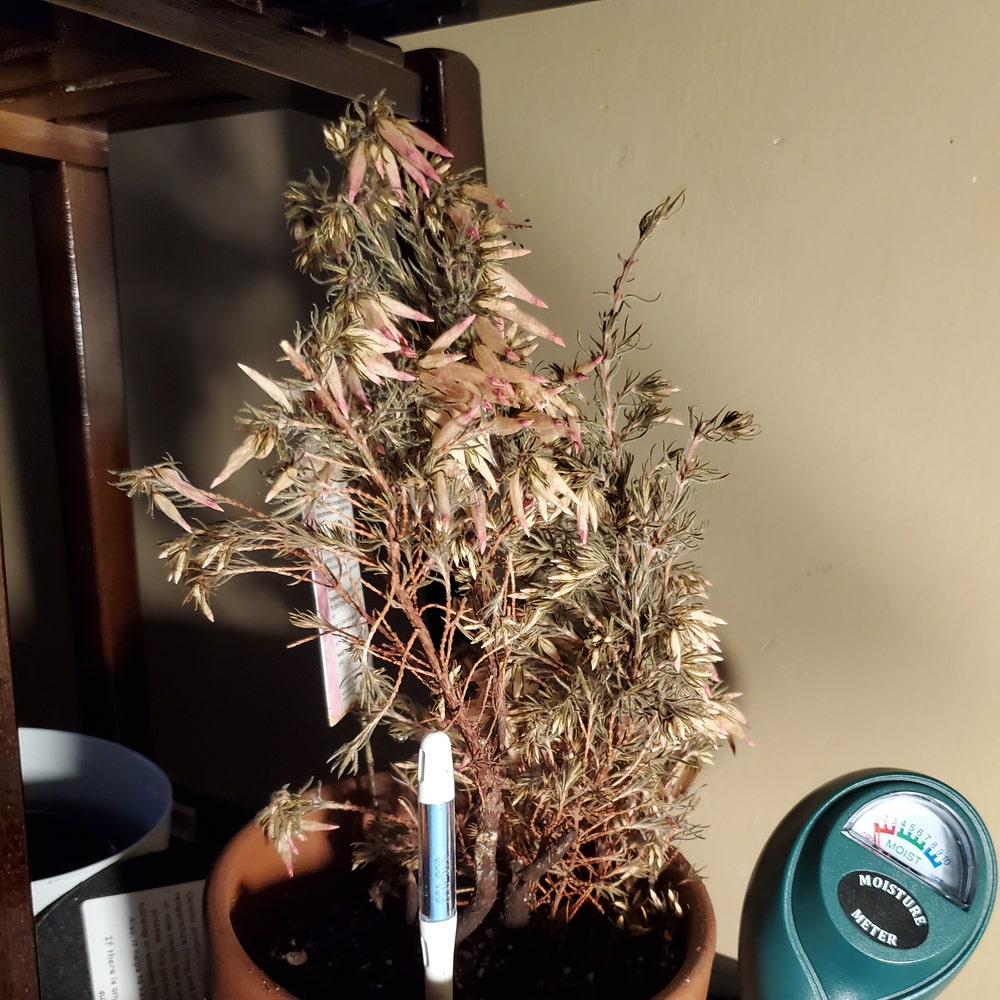
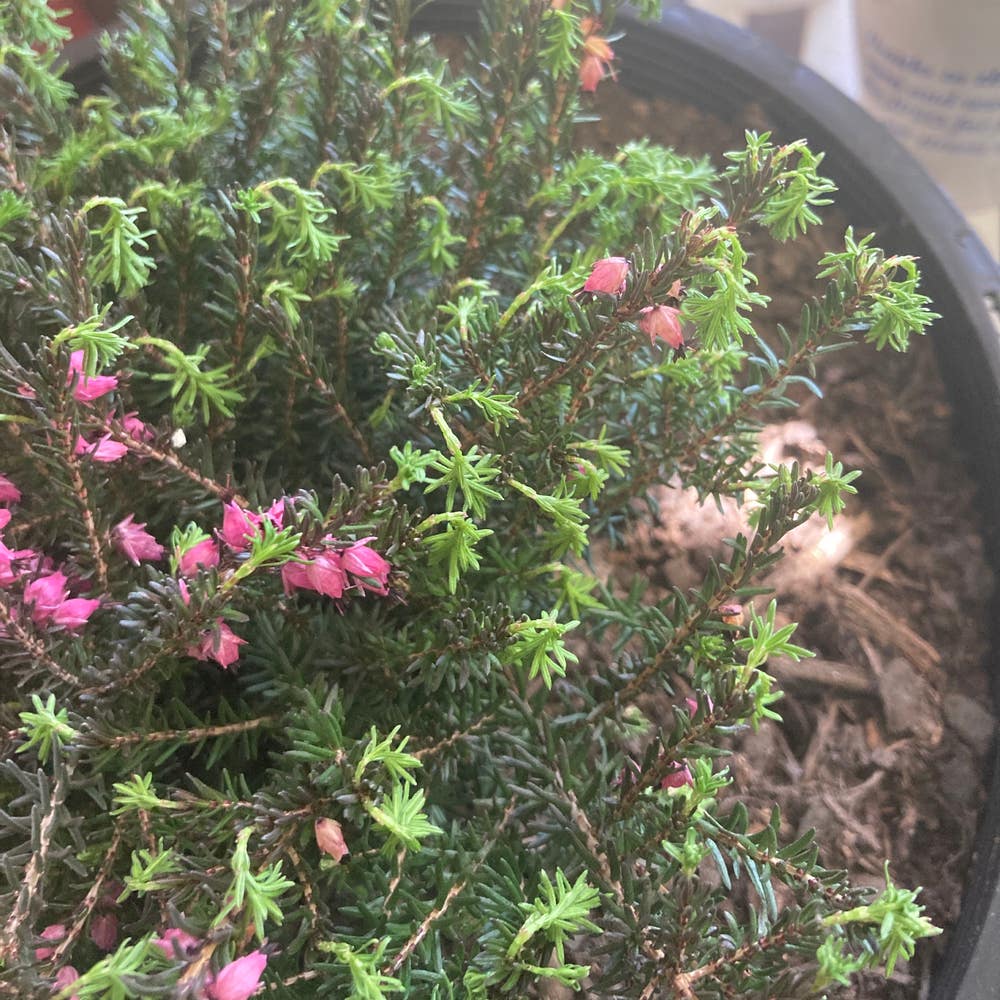
🌸 Erica parilis var. parilis Explained: Key Information
Erica parilis var. parilis
By the Greg Editorial Team
Feb 28, 2025•11 min read
This article was created with the help of AI so we can cover more plants for you. May contain errors. See one? Report it here.
Discover how to effortlessly grow Erica parilis var. parilis 🌱 and enjoy a vibrant, low-maintenance garden!
- 🌞 Erica parilis thrives in full sun to partial shade; choose planting location wisely.
- 🌱 Acidic, well-drained soil is essential; aim for pH 5.5 to 6.5 to prevent rot.
- 🐝 Attracts pollinators and enhances biodiversity, making it a valuable garden addition.
How to Grow
🌞 Choosing a Location
When selecting a spot for Erica parilis var. parilis, consider its sunlight needs. This plant thrives in full sun to partial shade, so pick a location that offers the right balance.
Space is also crucial. Ensure there's enough room for the plant's mature spread and air circulation to promote healthy growth.
🌱 Soil Preparation
Next, focus on soil quality. Erica parilis prefers acidic, well-drained soils to flourish.
Aim for a pH level between 5.5 and 6.5. Good drainage is essential to prevent root rot, so consider amending your soil if necessary.
🌿 Planting Techniques
When it’s time to plant, depth matters. Position your plant at the same depth it was in the nursery pot.
For optimal growth, space your plants 2-3 feet apart. This allows each plant to thrive without competing for resources.
💧 Watering Requirements
Watering is straightforward. Initially, water regularly until the plant is established; afterward, it becomes drought-tolerant.
Use deep watering techniques to encourage robust root development. This practice helps the plant withstand dry spells.
🌼 Fertilizing
Fertilizing is easy and beneficial. Use a balanced, slow-release fertilizer to provide essential nutrients.
Schedule your fertilization for early spring and mid-summer. This timing supports healthy growth throughout the growing season.
✂️ Pruning
Pruning helps maintain the plant's shape. The best time to prune is after flowering, which encourages bushiness.
When pruning, remove any dead or damaged branches. This keeps the plant healthy and promotes new growth.
🔍 Ongoing Care
Ongoing care is vital for a thriving plant. Regularly check for pests and diseases to catch any issues early.
Adjust your care based on seasonal changes. This adaptability ensures your Erica parilis remains healthy year-round.
With these tips, you're well on your way to successfully growing Erica parilis var. parilis. Next, let’s explore how to propagate this resilient plant.
Propagation
🌱 Seed Propagation
To propagate Erica parilis var. parilis from seeds, start by soaking them in water for 24 hours. This simple step kickstarts the germination process, which thrives in warm temperatures and requires consistent moisture.
✂️ Cutting Propagation
Another effective method is through cuttings. Take healthy 4-6 inch stems and place them in a well-draining medium, ensuring you maintain humidity to encourage rooting.
Propagation can be a rewarding experience, allowing you to expand your garden with these beautiful plants. Whether you choose seeds or cuttings, both methods offer a chance to connect with nature and witness the growth process firsthand.
Next, let’s explore the lifecycle of Erica parilis var. parilis, including its stages from germination to maturity.
Lifecycle
Lifecycle Overview 🌱
The lifecycle of Erica parilis var. parilis is a fascinating journey from seed or cutting to maturity. It encompasses several stages: germination, seedling development, vegetative growth, flowering, and ultimately, seed production.
Germination Process and Timeline ⏳
Germination typically takes about 2-4 weeks under optimal conditions. Providing warmth and consistent moisture during this period is crucial for successful sprouting.
Lifespan and Growth Rate 📈
This plant generally enjoys a lifespan of 5-10 years, making it a reliable addition to your garden. Its growth rate is moderate, with maturity usually reached within 2-3 years, allowing for a rewarding gardening experience as you watch it flourish.
With a solid understanding of its lifecycle, you can better appreciate the care and attention Erica parilis var. parilis requires. Next, let’s explore its size and how it can fit beautifully into your landscape.
Size
Mature Height and Spread 🌱
Erica parilis var. parilis typically reaches a mature height of 1 to 3 feet. Its spread can range from 2 to 4 feet, making it a versatile choice for various garden layouts.
Growth Rate and Factors Affecting Size ⏳
This plant has a moderate growth rate, which can be influenced by several factors. Soil quality and sunlight exposure play crucial roles in determining how quickly it reaches its full potential.
Size Variability 📏
The size of Erica parilis can vary significantly based on environmental conditions. Factors such as soil nutrients, water availability, and light exposure can all affect its growth, leading to differences in height and spread among individual plants.
As you plan your garden, consider these size characteristics to ensure that Erica parilis fits well with your overall design. Next, let’s explore the fascinating root system that supports this resilient plant.
Roots
🌱 Root System Characteristics
Erica parilis var. parilis features a fibrous root system that is both shallow and extensive. This structure is crucial for efficient nutrient uptake, allowing the plant to thrive in various soil conditions.
⚠️ Common Root-Related Issues
One of the most common problems is root rot, which occurs due to overwatering. Signs of this issue include wilting leaves and yellowing foliage, indicating that the roots are struggling to breathe.
Another concern is being rootbound, where the roots become cramped and start circling within the pot. Symptoms of this condition include stunted growth and visible roots emerging from drainage holes.
🛠️ Tips for Managing Root Problems
To prevent root rot, ensure your plant has proper drainage and avoid overwatering. Regularly check the soil moisture to keep the roots healthy and happy.
Recognizing rootbound plants is essential for their well-being. If you notice roots growing out of the drainage holes, it’s time to consider repotting to give your plant more space to grow.
With these tips, you can maintain a robust root system that supports the overall health of your Erica parilis var. parilis. This foundation will set the stage for vibrant growth and flowering, leading to a flourishing garden.
Benefits
Top 5 Benefits 🌟
1. Drought Tolerance
Once established, Erica parilis var. parilis is remarkably drought-tolerant. This means you can enjoy a vibrant garden without the constant worry of watering.
2. Attracts Pollinators
This plant is a magnet for pollinators, providing essential nectar for bees and other beneficial insects. By planting it, you contribute to the health of local ecosystems.
3. Aesthetic Appeal
With its unique texture and vibrant colors, Erica parilis var. parilis adds visual interest to any garden. It's an excellent choice for those looking to enhance their landscape's beauty.
4. Erosion Control
Its root system helps stabilize soil, making it a valuable asset in challenging landscapes. This natural erosion control can protect your garden from the elements.
5. Cultural Significance
This plant represents resilience in local ecosystems, showcasing the beauty of nature's adaptability. By incorporating it into your garden, you celebrate the strength of your environment.
These benefits make Erica parilis var. parilis not just a plant, but a meaningful addition to your garden. Next, let’s explore how to effectively propagate this resilient species.
Companion Plants
🌱 Companion Planting Benefits
Companion planting is a fantastic way to enhance garden diversity while promoting healthy growth. By strategically placing plants together, you can create a thriving ecosystem that supports each species.
🌼 List of Compatible Companion Plants
When it comes to Erica parilis var. parilis, consider pairing it with other heathers, low-growing shrubs, and native wildflowers. These companions not only complement the aesthetic but also share similar growing conditions, ensuring a harmonious garden environment.
🚫 Plants to Avoid
It's wise to steer clear of heavy feeders when selecting companion plants. These plants can compete for nutrients, potentially stunting the growth of your Erica parilis and diminishing its overall health.
Incorporating the right companions can elevate your gardening experience, making it more vibrant and resilient. Next, let’s explore the potential toxicity of Erica parilis to humans and pets, ensuring a safe gardening environment.
Toxicity to Humans
Safety Profile 🛡️
Erica parilis var. parilis is not listed as toxic by major poison control centers. This means you can enjoy its beauty without worrying too much about safety.
Potential Minor Issues ⚠️
However, it's wise to be cautious. Ingesting large quantities may lead to mild skin irritation or digestive discomfort.
Cautionary Advice 🚨
Always exercise caution and consult a medical professional if you experience any unusual symptoms. It's better to be safe than sorry!
Toxicity to Dogs
Safety Profile 🐶
Good news for dog owners! Erica parilis var. parilis is not listed as toxic to dogs by major pet poison control centers. This means you can enjoy your garden without worrying about your furry friend getting into trouble.
Potential Minor Issues ⚠️
While generally safe, consuming large quantities may lead to mild gastrointestinal upset. It's always wise to keep an eye on your dog and monitor their behavior after they've been near the plant.
Tips for Care 🛡️
To ensure your dog's safety, keep the plant out of reach. Regularly check for any unusual behavior, and if you notice anything concerning, consult your veterinarian for advice.
With these precautions in mind, you can appreciate the beauty of Erica parilis var. parilis without stress. Now, let's explore how to manage common problems that might arise in your garden.
Toxicity to Cats
Safety Profile 🐱
Erica parilis var. parilis is not considered toxic to cats by major pet poison control centers. This means you can enjoy this beautiful plant in your home or garden without worrying about your feline friends.
Potential Minor Issues ⚠️
While generally safe, there can be minor issues if cats consume large quantities. You might notice mild gastrointestinal upset, but this is rare.
Tips for Cat Owners 🐾
To keep your cat safe, it's wise to monitor their behavior around the plant. Discouraging excessive nibbling can help prevent any potential discomfort.
Incorporating Erica parilis var. parilis into your space can be a delightful experience, knowing it poses minimal risk to your furry companions. Now, let’s explore some common problems that may arise with this plant.
Problems
Common Problems 🌱
Growing Erica parilis var. parilis can be rewarding, but it comes with its share of challenges. Understanding these common problems can help you maintain a healthy plant.
Incorrect Watering 💧
Watering is crucial for plant health. Overwatering often leads to yellowing leaves, while underwatering results in wilting.
Incorrect Light Conditions ☀️
Light exposure plays a significant role in growth. Too much sun can cause leaf scorch, while insufficient light may result in leggy growth.
Diseases 🦠
Fungal diseases can threaten your plant's vitality. Watch out for powdery mildew and root rot, which can develop in unfavorable conditions.
Prevention and Care 🛡️
To prevent these issues, monitor your plant's environment closely. Adjust watering and light conditions as needed to keep your Erica parilis thriving.
Next, let's explore potential pest issues that may arise in your garden.
Bugs
Potential Pest Issues 🐜
When growing Erica parilis var. parilis, be on the lookout for common pests that can affect its health.
Spider Mites
These tiny pests can wreak havoc on your plants. Look for fine webbing and stippled leaves, which indicate their presence.
Scale Insects
Scale insects can be sneaky. They leave behind a sticky residue and cause yellowing leaves, making them a nuisance in your garden.
Mealybugs
Mealybugs are another pest to watch for. They appear as cotton-like masses on stems and leaves, signaling that your plant needs attention.
Managing Pest Problems 🛠️
To keep your Erica parilis thriving, regular monitoring is key. Inspect your plants frequently for signs of these pests and take action promptly to prevent infestations.
Prevention Tips 🚫
- Maintain Plant Health: Healthy plants are less susceptible to pests.
- Encourage Beneficial Insects: Ladybugs and lacewings can help control pest populations naturally.
By staying vigilant and proactive, you can enjoy a flourishing Erica parilis without the interference of pesky bugs. Next, let’s explore the common problems that can arise in your gardening journey.
What Eats
🦌 Common Animals
When it comes to Erica parilis var. parilis, several animals might find it a tasty treat.
- Deer: Look for signs like browsing on leaves and stems, which indicate these graceful creatures have taken a liking to your plants.
- Rabbits: Chewed foliage and stems are clear evidence that rabbits have been munching away in your garden.
- Squirrels: These energetic critters can cause damage to flowers and seed heads, leaving a trail of destruction behind.
🚫 Deterrent Methods
To protect your plants from these hungry visitors, consider a few effective deterrent methods.
- Chemical: Commercial repellents can be a quick solution to keep animals at bay.
- Organic: For a more natural approach, plant deterrent species or use physical barriers like fences to safeguard your garden.
By understanding what eats your Erica parilis var. parilis and employing these deterrent methods, you can enjoy a thriving garden without the worry of unwanted nibblers.
⚠️ Safety First
This content is for general information and may contain errors, omissions, or outdated details. It is not medical, veterinary advice, or an endorsement of therapeutic claims.
Always consult a qualified healthcare professional before using any plant as food, medicine, or supplement.
Never eat any plant (or feed one to pets) without confirming its identity with at least two trusted sources.
If you suspect poisoning, call Poison Control (800) 222-1222, the Pet Poison Helpline (800) 213-6680, or your local emergency service immediately.
Spotted an error? Please report it here.
Unlock the secret to a thriving Erica parilis 🌱 with Greg's tailored care tips and reminders, ensuring your garden flourishes while attracting pollinators!