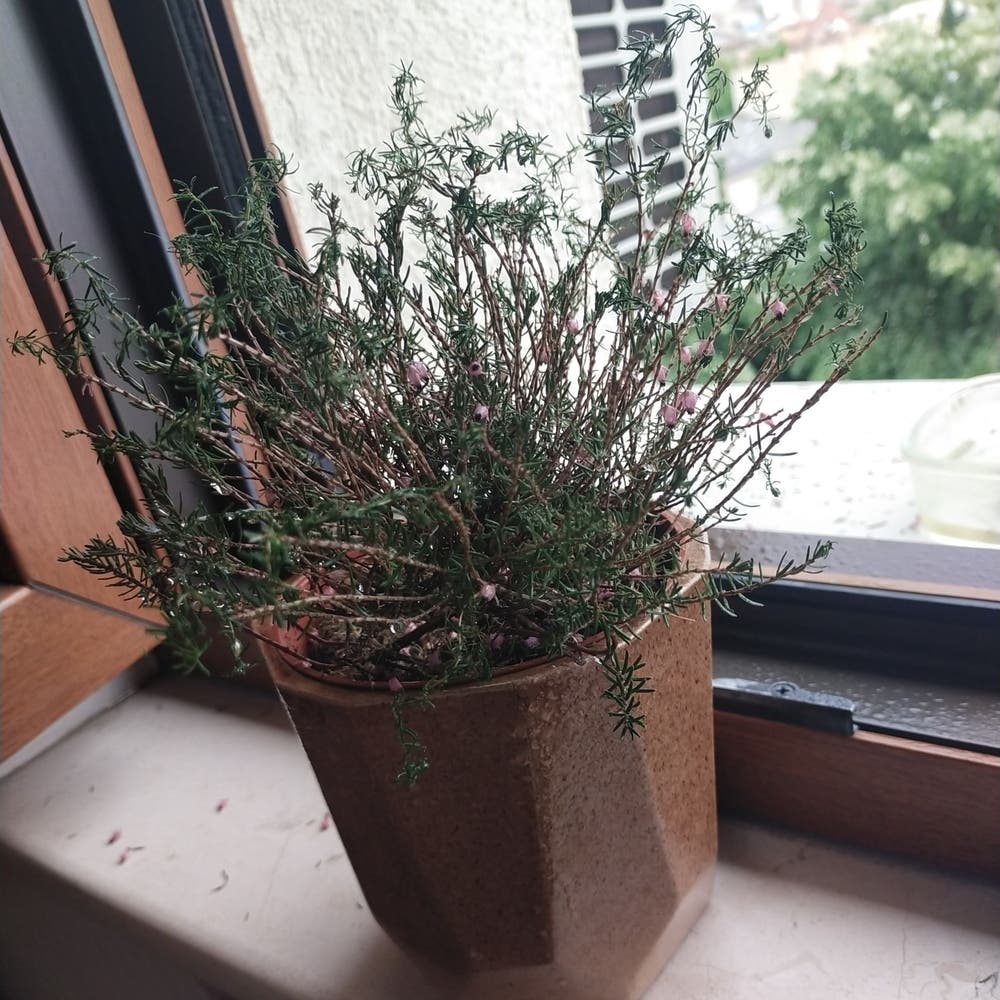
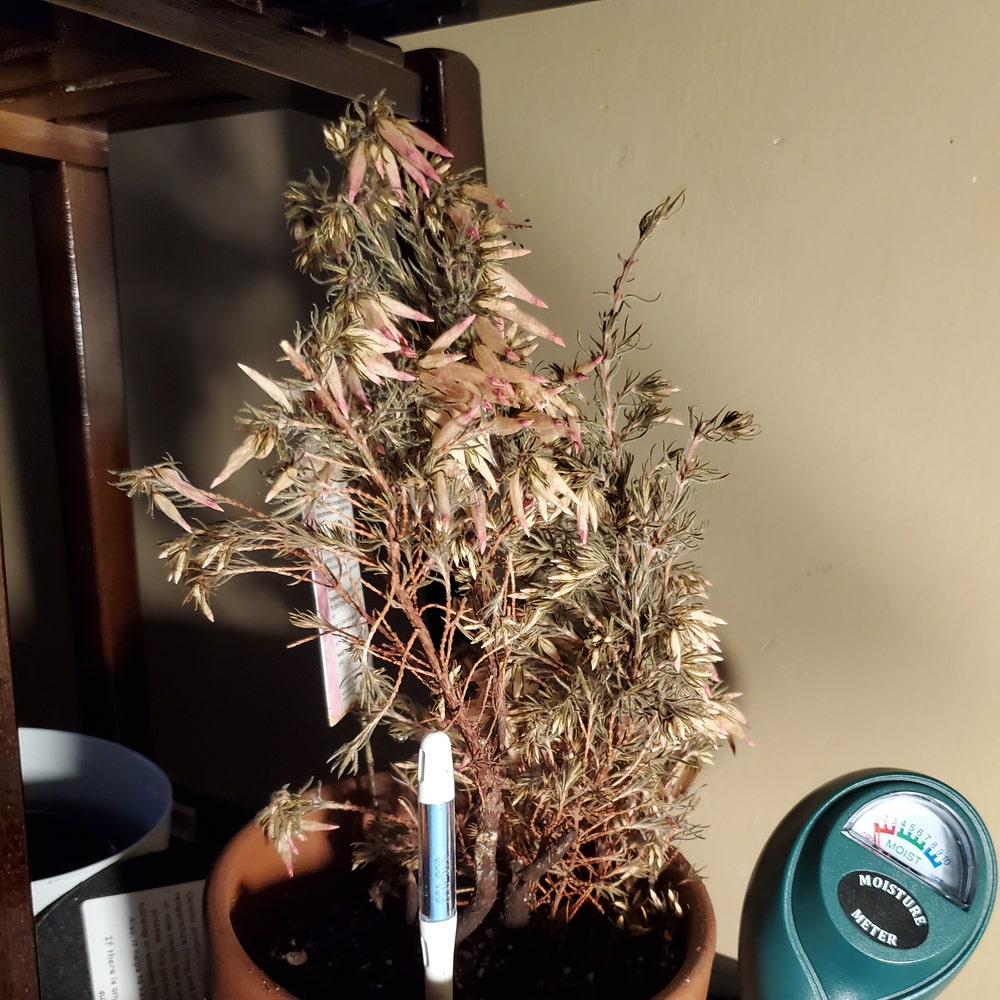
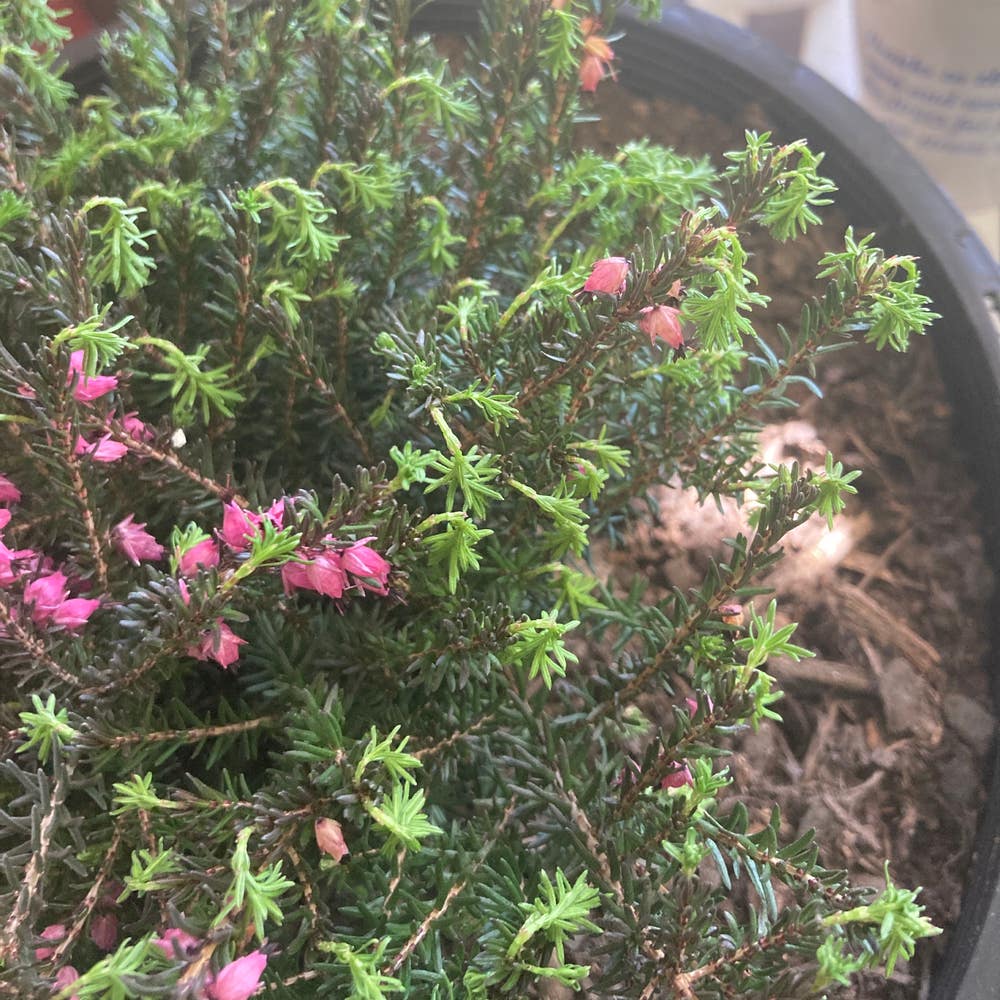
🌸 Erica oxysepala Explained: Key Information
Erica oxysepala
By the Greg Editorial Team
Feb 28, 2025•10 min read
This article was created with the help of AI so we can cover more plants for you. May contain errors. See one? Report it here.
Elevate your garden with Erica oxysepala's vibrant blooms and drought resilience! 🌸🌱 Discover how to grow this beauty today.
- 🌞🌱 Erica oxysepala thrives in full sun with well-drained, acidic soil for optimal growth.
- 💧🌿 Keep soil moist initially; once established, it becomes drought-tolerant and resilient.
- 🐝🌼 Attracts pollinators and prevents soil erosion, enhancing biodiversity in your garden.
How to Grow
Choosing a Location 🌞
To thrive, Erica oxysepala prefers full sun to partial shade. It's crucial to plant it in well-drained, acidic soil to ensure healthy growth.
Soil Preparation 🏞️
The ideal soil type for this plant is acidic and well-drained. Incorporating organic matter can significantly improve drainage and overall soil quality.
Planting Techniques 🌱
When planting, make sure the crown of the plant is level with the soil surface. Space your plants 18-24 inches apart to allow for optimal growth.
Watering Requirements 💧
Initially, keep the soil consistently moist until the plant is established. Once established, Erica oxysepala becomes drought-tolerant, requiring less frequent watering.
Fertilizing Schedule 🌿
Use a balanced, slow-release fertilizer to nourish your plants. Fertilize in early spring and again in mid-summer for best results.
Pruning Methods ✂️
Light pruning after flowering helps maintain the shape of the plant. Additionally, deadheading spent flowers encourages new blooms to flourish.
Ongoing Care 🛠️
For container care, ensure pots have drainage holes and use a quality potting mix. If planted outdoors, regularly monitor for pests and diseases to keep your plants healthy.
With these guidelines, you can cultivate a thriving Erica oxysepala that enhances your garden's beauty. Next, let’s explore how to propagate this stunning plant effectively.
Propagation
🌱 Seed Propagation Steps
Seed propagation is a straightforward method to grow Erica oxysepala. Start by collecting seeds from mature flowers, ensuring they are fully developed.
Next, sow the seeds in a seed tray, lightly covering them with soil. It's crucial to maintain humidity and warmth during this phase to encourage germination, which typically takes a few weeks.
✂️ Cutting Propagation Techniques
Cutting propagation is another effective way to expand your Erica oxysepala collection. Begin by selecting healthy stems, cutting them to a length of 4-6 inches from the parent plant.
For the rooting medium, use a mix of peat and perlite to provide the right environment for root development. Keep the cuttings moist and place them in a warm location until roots begin to form, ensuring a successful transition to new plants.
With these propagation techniques, you can easily multiply your Erica oxysepala and enjoy its beauty in various spots around your garden. Now, let's explore the lifecycle of this fascinating plant.
Lifecycle
Overview of Lifecycle Stages 🌱
The lifecycle of Erica oxysepala is a fascinating journey that begins with germination. Seeds typically sprout within 2-4 weeks, setting the stage for the next phase.
Once germinated, the plant enters the seedling stage, developing true leaves in about 4-6 weeks. This is followed by a vigorous vegetative growth phase that lasts several months, where the plant establishes itself.
Flowering occurs in late spring to early summer, showcasing beautiful blooms. After this vibrant display, seed production takes place, usually in late summer, allowing the cycle to continue.
Lifespan and Growth Rate ⏳
Erica oxysepala is generally a perennial plant, thriving for several years. Its moderate growth rate means it reaches maturity in about 2-3 years, making it a reliable addition to your garden.
Understanding these lifecycle stages helps you appreciate the plant's development and care needs. With the right conditions, you can enjoy its beauty for years to come.
As we move forward, let’s explore how to propagate this stunning plant effectively.
Size
Mature Height and Spread 🌳
Erica oxysepala typically reaches a height of 1 to 3 feet, making it a manageable addition to any garden. At maturity, it can spread 2 to 3 feet wide, creating a lovely bushy appearance.
Growth Rate and Size Variability 📈
This plant exhibits a moderate growth rate, which can be influenced by factors like soil quality and sunlight exposure. Depending on the care it receives and its growing conditions, the size of Erica oxysepala can vary, allowing for some flexibility in garden design.
With the right attention, you can enjoy its vibrant blooms and lush foliage, enhancing your outdoor space beautifully. As you plan your garden, consider how this plant's size will complement your overall landscape.
Roots
Characteristics of the Root System 🌱
Erica oxysepala features a fibrous root system that is essential for its stability and nutrient uptake. These roots are shallow and spread out, allowing the plant to efficiently absorb moisture and nutrients from the top layers of the soil.
Common Root-Related Issues and Solutions 🚫
One of the most common issues with Erica oxysepala is root rot, which occurs due to overwatering. To prevent this, ensure proper drainage by using well-drained soil and pots with drainage holes.
Identifying healthy roots is crucial for the plant's health. Healthy roots are firm and white, while unhealthy roots appear brown and mushy, indicating a problem that needs addressing.
Recognizing and Addressing Rootbound Conditions 🪴
If you notice roots growing out of the drainage holes, your plant may be rootbound. This condition can stunt growth and lead to other issues, so it's essential to repot the plant into a larger container or amend the soil to provide more space for growth.
Understanding the root system of Erica oxysepala is vital for its overall health and longevity. By keeping an eye on root conditions, you can ensure your plant thrives beautifully.
Next, we’ll explore the benefits of growing Erica oxysepala in your garden.
Benefits
🌵 Drought Tolerance
Erica oxysepala is a champion when it comes to drought tolerance. Once established, it requires significantly less water, making it an excellent choice for water-wise gardening.
🌸 Attractive Flowers
The plant boasts stunning flowers that can enhance the aesthetics of any garden. Their vibrant colors and unique shapes are sure to catch the eye of anyone passing by.
🐝 Wildlife-Friendly
This species is a magnet for pollinators like bees and butterflies. By planting Erica oxysepala, you’re not just beautifying your space; you’re also supporting local wildlife.
🌿 Erosion Control
Erica oxysepala plays a vital role in stabilizing soil. Its root system helps prevent erosion, making it a practical choice for gardens on slopes or in windy areas.
📜 Cultural Significance
Historically, Erica oxysepala has been used in traditional medicine. This adds a layer of cultural richness to your garden, connecting you to the past while you enjoy its beauty today.
These benefits make Erica oxysepala a fantastic addition to any garden, combining practicality with visual appeal. Next, let’s explore how to pair it with other plants for optimal growth and health.
Companion Plants
🌱 Explanation of Companion Planting
Companion planting is a gardening technique that enhances biodiversity and improves pest management. By strategically placing plants together, you can create a more resilient garden ecosystem.
🌼 List of Compatible Companion Plants
When growing Erica oxysepala, consider pairing it with other fynbos species like Protea and Leucadendron. These companions share similar care needs and can help repel pests, making them ideal partners in your garden.
🚫 Plants to Avoid
It's best to steer clear of heavy feeders, such as tomatoes, when planting alongside Erica oxysepala. These plants may compete for nutrients, potentially hindering the growth and health of your fynbos species.
By choosing the right companions, you can create a thriving garden that not only looks beautiful but also supports a healthy ecosystem. Next, let's explore the fascinating topic of toxicity and safety regarding Erica oxysepala for humans and pets.
Toxicity to Humans
🛡️ Safety of Erica oxysepala for Humans
Erica oxysepala is not listed as toxic by major poison control centers, making it a safe choice for gardens. You can handle and even ingest small amounts without worry, but it's always wise to seek medical advice if you experience any unusual symptoms.
While this plant is generally safe, it's essential to stay informed. Knowing what to look out for can help you enjoy your gardening experience without any surprises.
Toxicity to Dogs
Safety of Erica oxysepala for Dogs 🐶
Erica oxysepala is not listed as toxic by major pet poison control centers. This means it’s generally safe for dogs, posing no significant health risks.
However, it's always wise to monitor your furry friends for any unusual interest in the plant. While the plant is safe, keeping an eye on their behavior can prevent any unexpected mishaps.
In summary, Erica oxysepala can be a lovely addition to your garden without worrying about your dog's safety. Transitioning to the next topic, let’s explore how this plant interacts with our feline companions.
Toxicity to Cats
Safety of Erica oxysepala for Cats 🐱
Erica oxysepala is not listed as toxic by major pet poison control centers. This means it’s generally safe for your feline friends, posing no significant health risks.
However, it’s always wise to monitor your cat for any unusual interest in the plant. While it’s safe, some cats might still nibble on it out of curiosity. If you notice any odd behavior or symptoms, consult your veterinarian for peace of mind.
In summary, Erica oxysepala can be a lovely addition to your garden without worrying about your cat's safety. Just keep an eye on their interactions with the plant to ensure everything stays harmonious.
As we explore further, let’s look at the potential problems that can arise when growing Erica oxysepala.
Problems
🕵️♂️ Identification and Solutions for Common Issues
Incorrect Watering
Wilting or yellowing leaves are telltale signs of incorrect watering. Adjust your watering frequency based on the soil moisture to keep your Erica oxysepala thriving.
Incorrect Light Conditions
If you notice leggy growth or scorched leaves, your plant may not be getting the right light. Simply move it to a location with appropriate light exposure to help it recover.
Diseases
Common diseases like powdery mildew and root rot can plague your plant. To combat these issues, improve air circulation and avoid overwatering.
Leaf Issues
Yellowing or fuzzy growth on leaves can indicate underlying problems. Check for pests or nutrient deficiencies to address these leaf issues promptly.
Growth Problems
Stunted growth or leaning plants signal that something is off. Ensure proper spacing and care practices to promote healthy growth and stability.
By staying vigilant and addressing these common problems, you can keep your Erica oxysepala healthy and vibrant. Next, let’s explore potential pest issues that could affect your plant.
Bugs
🐞 Potential Pest Issues
While Erica oxysepala boasts moderate pest resistance, it can still fall prey to a few common pests. Keeping an eye on your plants will help you catch any issues early.
🔍 Identification and Treatment Options
Spider Mites
- Identification: Look for fine webbing on the leaves, which is a telltale sign of spider mites.
- Treatment: Increase humidity around the plant and consider using miticides to eliminate these pests.
Scale Insects
- Identification: These pests appear as small, brown bumps on the stems and leaves.
- Treatment: Apply insecticidal soap or neem oil to effectively manage scale infestations.
Mealybugs
- Identification: Mealybugs are recognizable by their white, cottony masses on the plant.
- Treatment: You can remove them by hand or treat the affected areas with alcohol to eradicate them.
By staying vigilant and addressing these pest issues promptly, you can help ensure your Erica oxysepala thrives. Next, let’s explore what animals might be attracted to your plants and how to deter them effectively.
What Eats
🦌 Common Animals That May Damage
Erica oxysepala can attract a variety of garden visitors, including deer, rabbits, and squirrels. These animals may find the plant's foliage appealing, leading to potential damage.
👀 Signs of Animal Presence and Damage
Keep an eye out for specific signs that indicate animal activity. Look for chewed leaves, broken stems, or even tracks in the garden, which can signal that your Erica oxysepala is being nibbled on.
🚫 Deterrent Methods
To protect your plants, consider using deterrent methods. Chemical repellents can be effective, but you might also try organic solutions, such as planting strong-smelling herbs nearby to keep those hungry critters at bay.
With a little vigilance and the right strategies, you can enjoy the beauty of Erica oxysepala without the worry of unwanted munchers. Next, let’s explore how to identify and address common problems that may arise while caring for this lovely plant.
⚠️ Safety First
This content is for general information and may contain errors, omissions, or outdated details. It is not medical, veterinary advice, or an endorsement of therapeutic claims.
Always consult a qualified healthcare professional before using any plant as food, medicine, or supplement.
Never eat any plant (or feed one to pets) without confirming its identity with at least two trusted sources.
If you suspect poisoning, call Poison Control (800) 222-1222, the Pet Poison Helpline (800) 213-6680, or your local emergency service immediately.
Spotted an error? Please report it here.
Cultivating Erica oxysepala successfully 🌱 is easy with Greg's tailored care reminders and expert tips, ensuring your garden thrives while attracting pollinators and preventing soil erosion!