Understanding Erica ovina var. ovina: The Basics
Erica ovina var. ovina
By the Greg Editorial Team
Feb 28, 2025•14 min read
This article was created with the help of AI so we can cover more plants for you. May contain errors. See one? Report it here.
Elevate your garden's charm with Erica ovina var. ovina, a low-maintenance beauty that attracts pollinators! 🌼🌱
- 🌞 Erica ovina thrives in full sun to partial shade; ideal for temperate climates.
- 🌱 Prefers acidic, well-drained soils with pH 5.5 to 6.5 for optimal growth.
- 🐾 Non-toxic to pets, making it a safe choice for gardens and landscapes.
How to Grow
Choosing a Location 🌞
When selecting a spot for Erica ovina var. ovina, aim for full sun to partial shade. This plant thrives in temperate climates and can tolerate cold, making it a versatile choice for various gardens.
Soil Preparation 🌱
Erica ovina prefers acidic, well-drained soils. Aim for a soil pH between 5.5 and 6.5 to ensure optimal growth, and avoid waterlogged conditions that can harm the roots.
Planting Techniques 🌿
For planting, space your plants 12-18 inches apart to allow for proper growth. When planting seedlings or cuttings, ensure they are set at the appropriate depth to promote healthy establishment.
Watering Requirements 💧
Watering frequency should be adjusted based on the season and soil moisture levels. Drip irrigation is often the best method, as it delivers water directly to the roots without wetting the foliage excessively.
Fertilizing 🌼
Use acidic fertilizers that are suitable for heath plants to nourish Erica ovina. Fertilize during the growing season, following a schedule that supports robust growth.
Pruning ✂️
Pruning should be done post-flowering for the best results. Use proper techniques to maintain the plant's shape and health, ensuring it remains vibrant and attractive.
Ongoing Care 👀
Keep an eye on your plants for signs of distress or nutrient deficiency, such as yellowing leaves. Adjust care routines seasonally to meet the changing needs of Erica ovina throughout the year.
With these guidelines, you can cultivate a thriving Erica ovina var. ovina that enhances your garden's beauty. Next, let's explore the fascinating world of propagation techniques for this resilient plant.
Propagation
🌱 Seed Propagation
Germinating seeds of Erica ovina var. ovina can be a rewarding experience. Start by soaking the seeds in water for 24 hours to enhance germination rates.
- Prepare the Soil: Use a well-draining mix, ideally composed of peat and sand.
- Sow the Seeds: Scatter the seeds on the surface and lightly press them into the soil.
- Moisture Maintenance: Keep the soil consistently moist but not waterlogged.
For optimal germination, maintain a temperature range of 65°F to 75°F. Additionally, ensure the seeds receive indirect sunlight to encourage growth.
✂️ Cutting Propagation
Taking cuttings is another effective method for propagating Erica ovina var. ovina. Select healthy stems that are about 4-6 inches long, ideally from the current season's growth.
- Cutting Selection: Choose stems that are firm and free from disease.
- Preparation: Trim the cuttings just below a leaf node to promote rooting.
To root the cuttings successfully, place them in a moist, well-draining potting mix. Cover the cuttings with a plastic bag or a humidity dome to maintain moisture levels.
Monitor the cuttings for signs of root development, which typically takes a few weeks. Once roots are established, you can transplant them into individual pots for further growth.
With these propagation techniques, you can expand your Erica ovina var. ovina collection and enjoy its beauty in your garden. Next, let’s explore the lifecycle of this fascinating plant.
Lifecycle
Germination Process and Timeline 🌱
Germination is the first step in the lifecycle of Erica ovina var. ovina. Typically, you can expect germination to occur within 2 to 4 weeks under optimal conditions.
Seedling Stage Characteristics 🌿
During the seedling stage, you'll notice small, vibrant green shoots emerging. These seedlings are delicate but resilient, showcasing the plant's potential for growth.
Vegetative Growth Phase 🌳
As the plant enters the vegetative growth phase, it begins to develop a more robust structure. You'll see increased leaf production and height, indicating healthy growth patterns.
Flowering and Seed Production 🌸
Flowering usually occurs in late spring to early summer, bringing beautiful blooms that attract pollinators. Following this, seed production begins, with the plant developing seeds that can be harvested for propagation.
Lifespan and Growth Rate ⏳
Erica ovina var. ovina typically reaches maturity in about 2 to 3 years. Its growth rate is moderate, making it a manageable addition to your garden without overwhelming maintenance demands.
This lifecycle overview highlights the fascinating journey of Erica ovina var. ovina, from seed to maturity. Understanding these stages can help you provide the best care and ensure a thriving plant in your garden.
Size
Mature Height and Spread 🌱
Erica ovina var. ovina typically reaches a mature height of 12 to 24 inches, with a spread of about 18 to 24 inches. This compact size makes it an excellent choice for borders or ground cover in gardens.
Growth Rate and Factors Affecting Size ⏳
The growth rate of Erica ovina var. ovina can vary significantly based on several factors. Key influences include soil quality, light exposure, and water availability, all of which play a crucial role in determining how quickly and robustly the plant grows.
Size Variability Based on Growing Conditions 🌍
Different growing conditions can lead to noticeable size variability in Erica ovina var. ovina. For instance, plants in well-drained, nutrient-rich soils with ample sunlight tend to flourish, while those in poor soils or shaded areas may remain smaller and less vigorous.
Understanding these factors can help you optimize the growth of your Erica ovina var. ovina, ensuring it thrives in your garden. Next, let’s explore the fascinating root system characteristics of this plant.
Roots
🌱 Root System Characteristics
Erica ovina var. ovina features a fibrous root system, which is essential for its stability and nutrient uptake. This type of root structure allows the plant to efficiently absorb water and minerals from the soil.
The typical root depth ranges from 12 to 18 inches, while the spread can extend up to 24 inches. This expansive network helps the plant thrive in its preferred acidic, well-drained soils.
⚠️ Common Root-Related Issues
Root rot is a common issue for Erica ovina var. ovina, often caused by overwatering or poorly drained soil. To prevent this, ensure that the soil remains moist but not waterlogged, and consider using pots with drainage holes.
Another concern is being rootbound, which occurs when the roots grow too densely within their container. Signs of this include stunted growth and roots emerging from the drainage holes. To remedy this, repot the plant into a larger container, allowing for more space to grow.
👀 Visual Cues for Healthy vs. Unhealthy Roots
Healthy roots are typically white or light tan, firm to the touch, and spread evenly throughout the soil. In contrast, unhealthy roots may appear brown or black, mushy, and have a foul odor.
Regularly inspecting the root system can help you catch problems early. If you notice any signs of distress, take action promptly to ensure the plant's health.
🛠️ Tips for Managing Root Problems
To maintain healthy roots, ensure proper watering practices by allowing the top inch of soil to dry out between waterings. This helps prevent both root rot and overwatering.
Additionally, consider using a well-draining potting mix that suits the plant's needs. Regularly check for signs of rootbound conditions and repot as necessary to promote healthy growth.
By following these best practices, you can support the robust root system of Erica ovina var. ovina, leading to a thriving plant.
Next, let’s explore the benefits of incorporating this beautiful plant into your garden.
Benefits
Aesthetic Appeal in Gardens 🌺
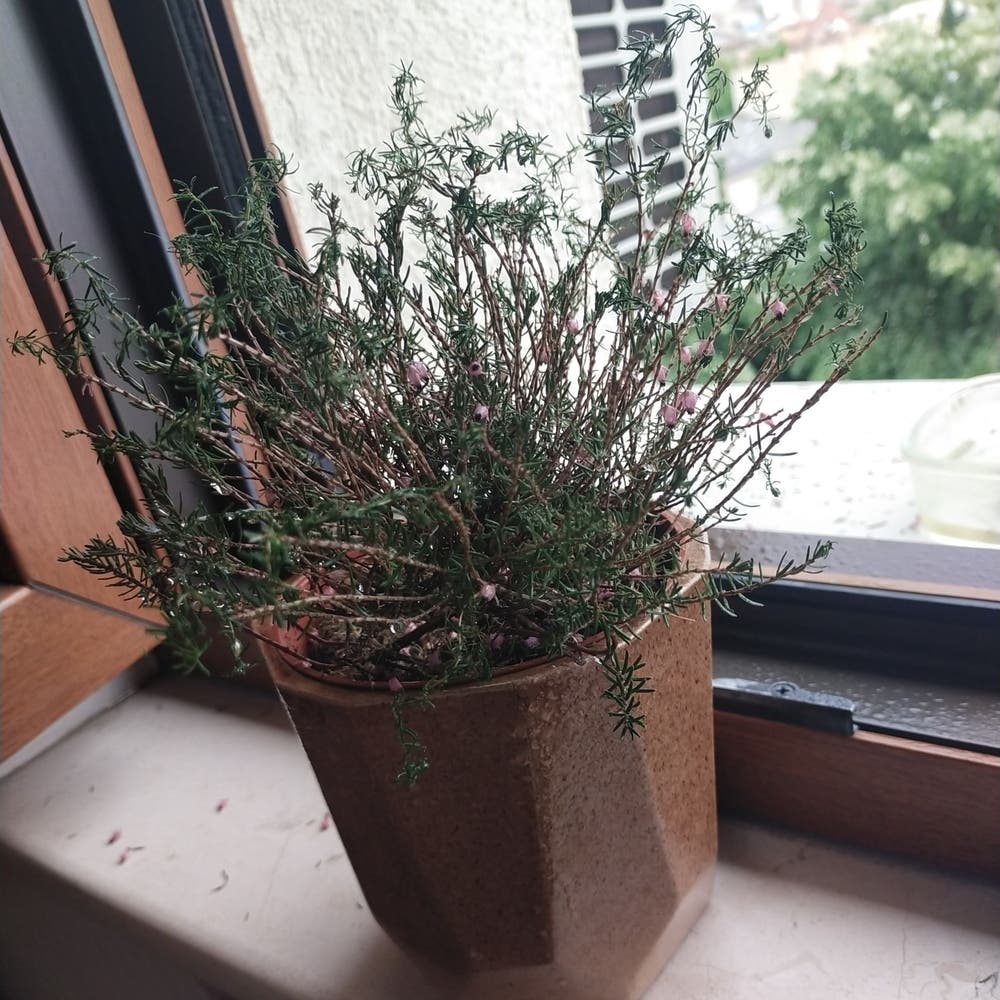
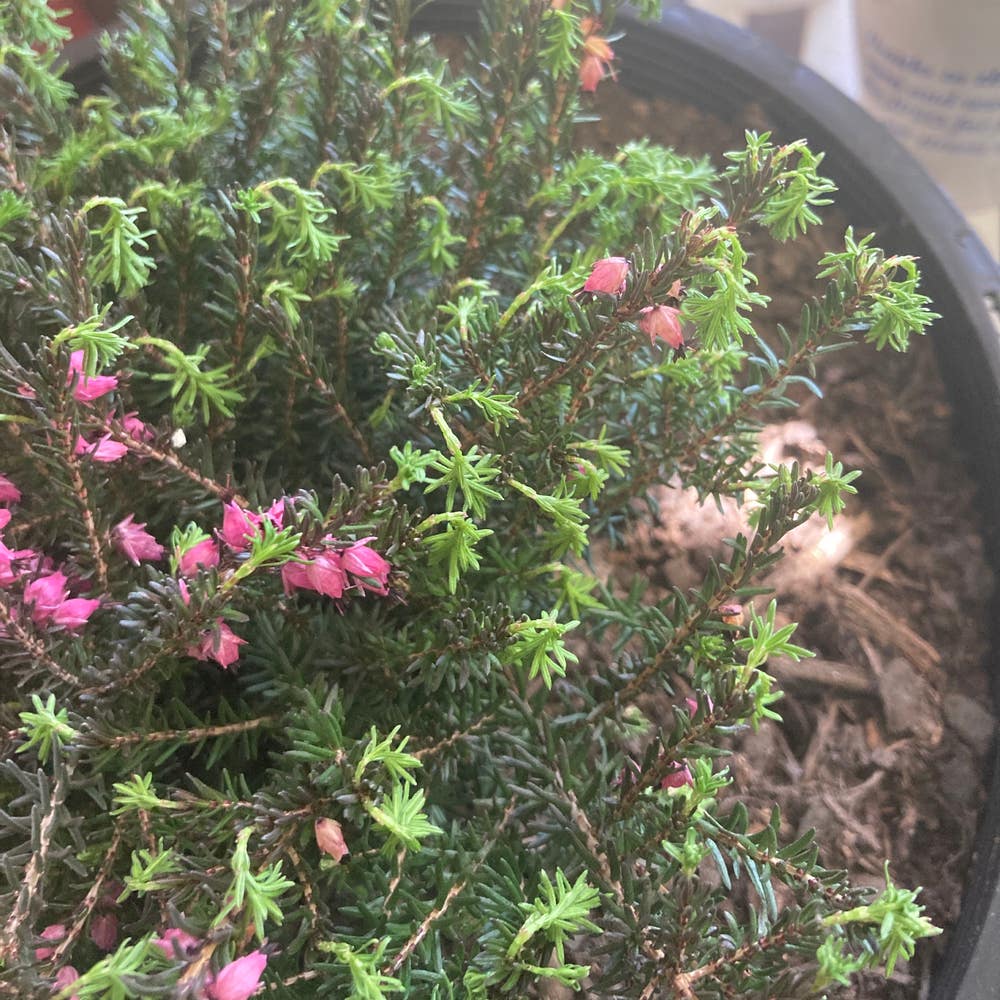
Erica ovina var. ovina brings a unique charm to gardens with its vibrant blooms and lush foliage. Its striking appearance can enhance any landscape, making it a favorite among garden enthusiasts.
Low Maintenance Requirements 🛠️
This plant is perfect for those who prefer a low-maintenance garden. Once established, it requires minimal care, allowing you to enjoy its beauty without constant attention.
Attracts Pollinators 🐝
One of the standout benefits of Erica ovina var. ovina is its ability to attract pollinators. Bees and butterflies are drawn to its flowers, promoting biodiversity in your garden.
Erosion Control in Heathland Areas 🌍
In its natural habitat, this plant plays a crucial role in preventing soil erosion. Its fibrous root system stabilizes the soil, making it an excellent choice for erosion control in heathland areas.
Historical Significance in Traditional Medicine 📜
Beyond its beauty, Erica ovina var. ovina has historical roots in traditional medicine. It has been used for various remedies, showcasing its value beyond ornamental purposes.
These benefits make Erica ovina var. ovina a fantastic addition to any garden, combining beauty, practicality, and ecological importance. As we explore further, let's delve into the fascinating world of companion planting and how this plant interacts with others in your garden.
Companion Plants
🌱 Explanation of Companion Planting
Companion planting is a gardening strategy that involves growing different plants together for mutual benefits. This technique enhances pest management and promotes garden diversity, creating a more resilient ecosystem.
🌼 Best Companion Plants
When considering companion plants for Erica ovina var. ovina, several options stand out:
- Heather (Calluna vulgaris): Shares similar soil and light requirements, enhancing the aesthetic appeal of your garden.
- Blueberries (Vaccinium spp.): Both thrive in acidic soils, and blueberries can benefit from the shade provided by the heather.
- Ferns: Their lush foliage complements the heath plant while thriving in similar conditions, providing a natural habitat for beneficial insects.
These companions not only coexist well but also contribute to a vibrant garden environment.
🚫 Plants to Avoid
While many plants can thrive alongside Erica ovina var. ovina, some should be avoided.
- Heavy feeders like corn or tomatoes can deplete soil nutrients, leaving your heath plant struggling.
- Invasive species such as mint can overshadow Erica ovina var. ovina, competing for resources and space.
Choosing the right companions is crucial for maintaining the health and beauty of your garden.
Transitioning to the next topic, understanding the toxicity of Erica ovina var. ovina is essential for ensuring safety in homes with pets and children.
Toxicity to Humans
🛡️ Safety of Erica ovina var. ovina for Humans
Erica ovina var. ovina is considered non-toxic, as it is not listed as harmful by poison control centers. This makes it a safe choice for gardens, allowing you to enjoy its beauty without worry.
However, some individuals may experience mild skin irritation or digestive discomfort if they come into contact with the plant or ingest it. It's always wise to exercise caution and seek medical advice if any adverse reactions occur.
In summary, while Erica ovina var. ovina poses minimal risk, being informed and cautious is key to ensuring a safe gardening experience. Next, let’s explore its safety for our furry friends, focusing on dogs.
Toxicity to Dogs
Safety of Erica ovina var. ovina for Dogs 🐶
Erica ovina var. ovina is considered non-toxic to dogs, meaning it’s not listed as harmful by veterinary organizations. This makes it a safe choice for pet owners who want to enhance their gardens without worrying about their furry friends.
While the plant is generally safe, some dogs may experience mild gastrointestinal upset if they ingest it. It's always wise to monitor your pet's behavior and health after introducing any new plant into your home.
Tips for Introducing to Homes with Dogs 🏡
To ensure a harmonious relationship between your dog and Erica ovina var. ovina, consider proper placement of the plant. Keep it in areas that are less accessible to your dog, especially if they tend to chew on plants.
Monitoring your dog's interactions with the plant can help prevent any potential issues. If you notice any signs of discomfort or unusual behavior, consult your veterinarian for guidance.
As you enjoy the beauty of Erica ovina var. ovina, rest assured that your dog can safely coexist with this lovely addition to your garden. Now, let’s explore how this plant interacts with our feline friends.
Toxicity to Cats
Safety of Erica ovina var. ovina for Cats 🐱
When it comes to the safety of Erica ovina var. ovina for our feline friends, you can breathe easy. This plant is not listed as toxic by pet poison control centers, making it a safe choice for homes with cats.
However, while it's generally safe, there can be potential minor issues. Some cats may experience mild gastrointestinal upset if they nibble on the leaves.
Tips for Introducing to Homes with Cats 🏡
To ensure a harmonious coexistence, consider proper placement of the plant. Keep it out of reach of curious paws to minimize any chances of nibbling.
Monitoring your cat's behavior around the plant is also wise. If you notice any signs of discomfort, it’s best to consult a veterinarian for peace of mind.
In summary, Erica ovina var. ovina can be a lovely addition to your home, even with cats around. Just keep an eye on your furry companions, and you’ll both enjoy the beauty of this plant without worry.
Next, let’s explore the potential problems that may arise when caring for Erica ovina var. ovina.
Problems
Common Problems Faced 🌱
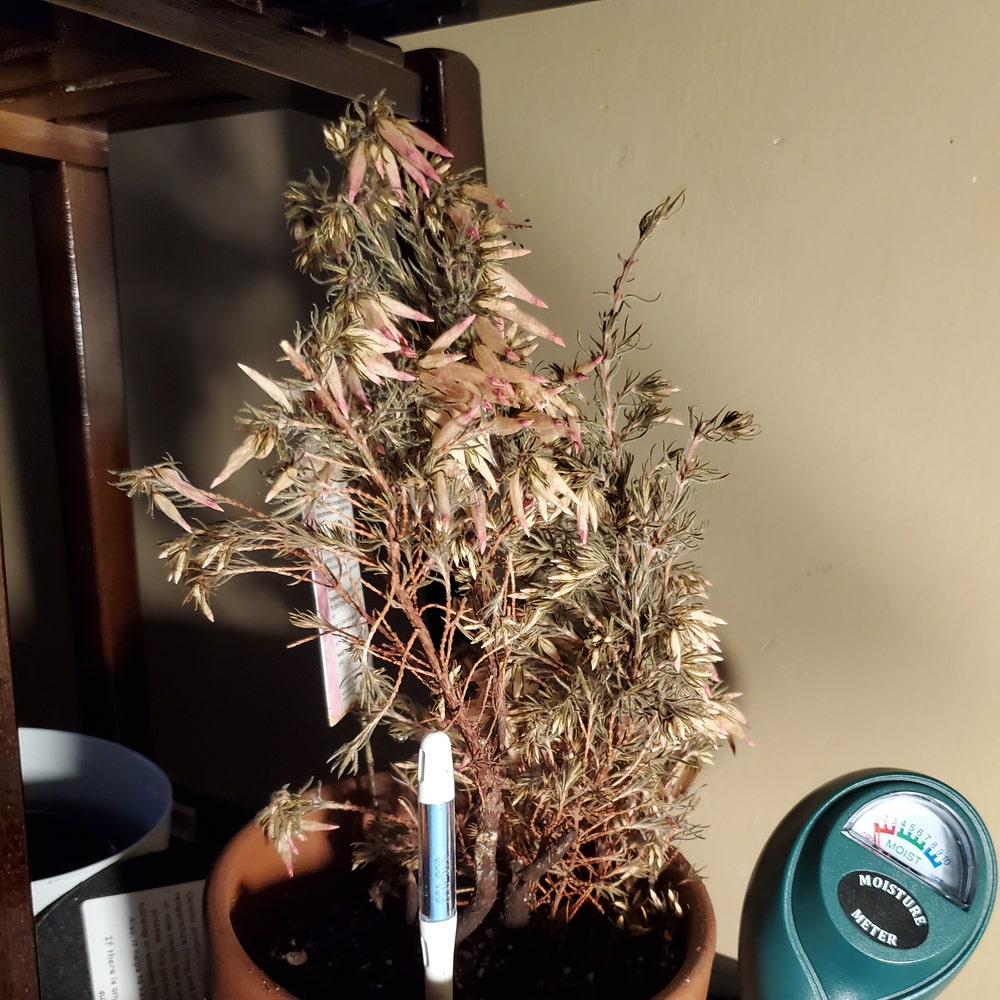
Identifying unhealthy plants is crucial for maintaining a thriving garden. Look for signs such as wilting leaves, discoloration, or stunted growth, which indicate that something might be off.
Common Issues Specific to Erica ovina var. ovina 🌼
Incorrect Watering
Watering is a delicate balance for Erica ovina var. ovina. Overwatering can lead to root rot, while underwatering may cause the plant to wilt and dry out.
Incorrect Light Conditions ☀️
Light conditions play a significant role in the health of your plants. If you notice leggy growth or pale leaves, it might be a sign that your Erica is not getting enough light.
Incorrect Temperature 🌡️
Temperature extremes can stress your plants. Cold drafts or excessive heat can lead to leaf drop or poor growth, so keep an eye on the climate around your Erica.
Diseases 🦠
Erica ovina var. ovina can be susceptible to various diseases. Fungal infections and root rot are common, so ensure proper drainage and air circulation to keep your plants healthy.
By staying vigilant and addressing these issues promptly, you can ensure your Erica ovina var. ovina remains vibrant and healthy. Next, let’s explore the potential pest issues that could threaten your plants.
Bugs
🐛 Potential Pest Issues
Erica ovina var. ovina is generally resilient, but it can still face pest challenges. Understanding its pest resistance helps in maintaining a healthy plant.
🔍 Identification and Damage Caused by Specific Pests
Spider Mites
These tiny pests are often hard to spot but can cause significant damage. Look for fine webbing and yellowing leaves as signs of an infestation.
Scale Insects
Scale insects appear as small, brownish bumps on stems and leaves. They suck plant sap, leading to yellowing and stunted growth.
Fungus Gnats
Fungus gnats thrive in moist conditions, often seen flying around the soil. Their larvae can damage roots, causing wilting and poor growth.
Mealybugs
Mealybugs are cottony white pests that cluster in leaf axils. They weaken the plant by feeding on sap, leading to leaf drop and overall decline.
Aphids
These small, green or black insects congregate on new growth. They can cause curling leaves and may transmit diseases, making them a significant concern.
Whiteflies
Whiteflies are tiny, white, moth-like insects that feed on the undersides of leaves. Their feeding can lead to yellowing and a sticky residue on the plant.
Weevils
Weevils are identifiable by their elongated snouts and can cause damage by chewing on leaves. Look for irregular holes in foliage as a telltale sign.
🛠️ Effective Treatment Options
Managing pests on Erica ovina var. ovina involves a few effective strategies. Regularly inspect your plants and use insecticidal soap or neem oil for treatment.
For severe infestations, consider introducing beneficial insects like ladybugs. They can help keep pest populations in check naturally.
By staying vigilant and proactive, you can enjoy the beauty of Erica ovina var. ovina while minimizing pest-related issues.
What Eats Erica ovina var. ovina
🐇 Common Animals That May Damage
Erica ovina var. ovina, while resilient, can attract a variety of animals that may cause damage. Common culprits include rabbits, deer, and certain insects that find the plant's foliage appealing.
🔍 Signs of Animal Presence and Damage
Identifying signs of animal activity is crucial for early intervention. Look for chewed leaves, missing buds, or droppings around the base of the plant, which indicate that animals have been feasting on your Erica.
🚫 Deterrent Methods
To protect your plants, consider both chemical and organic deterrent methods. Chemical repellents can be effective, but many gardeners prefer organic options like garlic spray or planting companion plants that deter herbivores.
Implementing physical barriers, such as fencing or netting, can also safeguard your Erica from hungry animals. Regular monitoring and quick action can help maintain the health of your plants and keep those pesky eaters at bay.
With these strategies, you can enjoy the beauty of Erica ovina var. ovina without the worry of unwanted nibblers.
⚠️ Safety First
This content is for general information and may contain errors, omissions, or outdated details. It is not medical, veterinary advice, or an endorsement of therapeutic claims.
Always consult a qualified healthcare professional before using any plant as food, medicine, or supplement.
Never eat any plant (or feed one to pets) without confirming its identity with at least two trusted sources.
If you suspect poisoning, call Poison Control (800) 222-1222, the Pet Poison Helpline (800) 213-6680, or your local emergency service immediately.
Spotted an error? Please report it here.
Nurture your Erica ovina var. ovina to thrive beautifully 🌼 with Greg's tailored watering reminders and care tips that ensure your plant flourishes while attracting pollinators to your garden!