What You Should Know About Erica oatesii var. oatesii
Erica oatesii var. oatesii
By the Greg Editorial Team
Feb 28, 2025•12 min read
This article was created with the help of AI so we can cover more plants for you. May contain errors. See one? Report it here.
- 🌞 Erica oatesii thrives in 6-8 hours of sunlight; ensure proper light exposure.
- 🌱 Prefers acidic, well-drained soil with pH 4.5-6.0 for optimal growth.
- 🐝 Attracts pollinators like bees and butterflies, boosting garden biodiversity.
How to Grow
Choosing the Right Location 🌞
To successfully grow Erica oatesii var. oatesii, start by selecting the right location. This plant thrives in full sun to partial shade, requiring 6-8 hours of sunlight daily.
It prefers mild climates, ideally between 15°C to 25°C (59°F to 77°F). This temperature range ensures optimal growth and flowering.
Soil Preparation 🏞️
Next, focus on soil preparation. Erica oatesii var. oatesii flourishes in acidic, well-drained soils with low nutrient levels.
Aim for a soil pH between 4.5 and 6.0 to create the perfect environment. Good drainage is crucial to prevent root rot, so ensure your planting area allows excess water to escape.
Planting Techniques 🌱
When it comes to planting, spacing is key. Position your plants 30-45 cm (12-18 inches) apart to promote optimal air circulation.
Plant them at the same depth as they were in their nursery containers. This helps them adjust quickly to their new home.
Watering Requirements 💧
Watering is essential for establishing your plants. Water regularly until they are well-established, then reduce the frequency.
Utilize drip irrigation or soaker hoses to maintain moisture without waterlogging the soil. This method ensures your plants receive consistent hydration.
Fertilizing 🌿
Fertilizing is another important aspect of care. Use low-nitrogen, slow-release fertilizers that are suitable for acid-loving plants.
Fertilize once in early spring and again in mid-summer to support healthy growth. This schedule helps maintain nutrient levels throughout the growing season.
Pruning ✂️
Pruning helps keep your plants healthy and attractive. The best time to prune is late winter or early spring, just before new growth begins.
Remove any dead or damaged branches and shape the plant as needed. This practice encourages bushier growth and enhances overall appearance.
Ongoing Care 🔄
Ongoing care is vital for the longevity of your Erica oatesii var. oatesii. Regularly monitor your plants for signs of pests or diseases.
Adjust your watering and fertilizing routines based on seasonal changes. This proactive approach ensures your plants remain healthy and vibrant throughout the year.
With these tips, you’ll be well on your way to cultivating a thriving Erica oatesii var. oatesii garden. Next, let’s explore how to propagate this beautiful plant effectively.
Propagation
🌱 Seed Propagation
To propagate Erica oatesii var. oatesii from seeds, start by soaking them for 24 hours before planting. This simple step helps kickstart the germination process.
For optimal growth, maintain a temperature of around 20°C (68°F) and ensure the soil stays moist. This creates a nurturing environment for your seeds to thrive.
✂️ Cutting Propagation
Another effective method is cutting propagation. Take healthy cuttings measuring 10-15 cm (4-6 inches) from established plants.
Timing is crucial; the best period for this technique is late spring or early summer. This ensures that your cuttings have the best chance of rooting successfully.
With these propagation techniques, you can expand your collection of Erica oatesii var. oatesii and enjoy its beauty in your garden. Next, let’s explore the lifecycle of this resilient plant.
Lifecycle
Lifecycle Stages 🌱
Erica oatesii var. oatesii is a perennial shrub, meaning it lives for several years, unlike annual plants that complete their life cycle in one season. This resilient plant goes through several stages: starting from seed or cutting, it progresses to germination, then to the seedling phase, followed by vegetative growth, flowering, and finally, seed production.
Lifespan and Growth 📈
Under ideal conditions, Erica oatesii can thrive for 5 to 10 years. It typically reaches its full size within 2 to 3 years, making it a relatively quick-growing option for gardeners looking to add vibrant greenery to their spaces.
This lifecycle not only showcases the plant's adaptability but also its potential to enhance your garden year after year. Understanding these stages can help you provide the best care and maximize the beauty of your Erica oatesii.
As you nurture this plant, you'll witness its journey from a tiny seed to a flourishing shrub, contributing to the overall health and aesthetics of your garden. Next, let’s explore the size and dimensions of this remarkable plant.
Size
Mature Dimensions 🌳
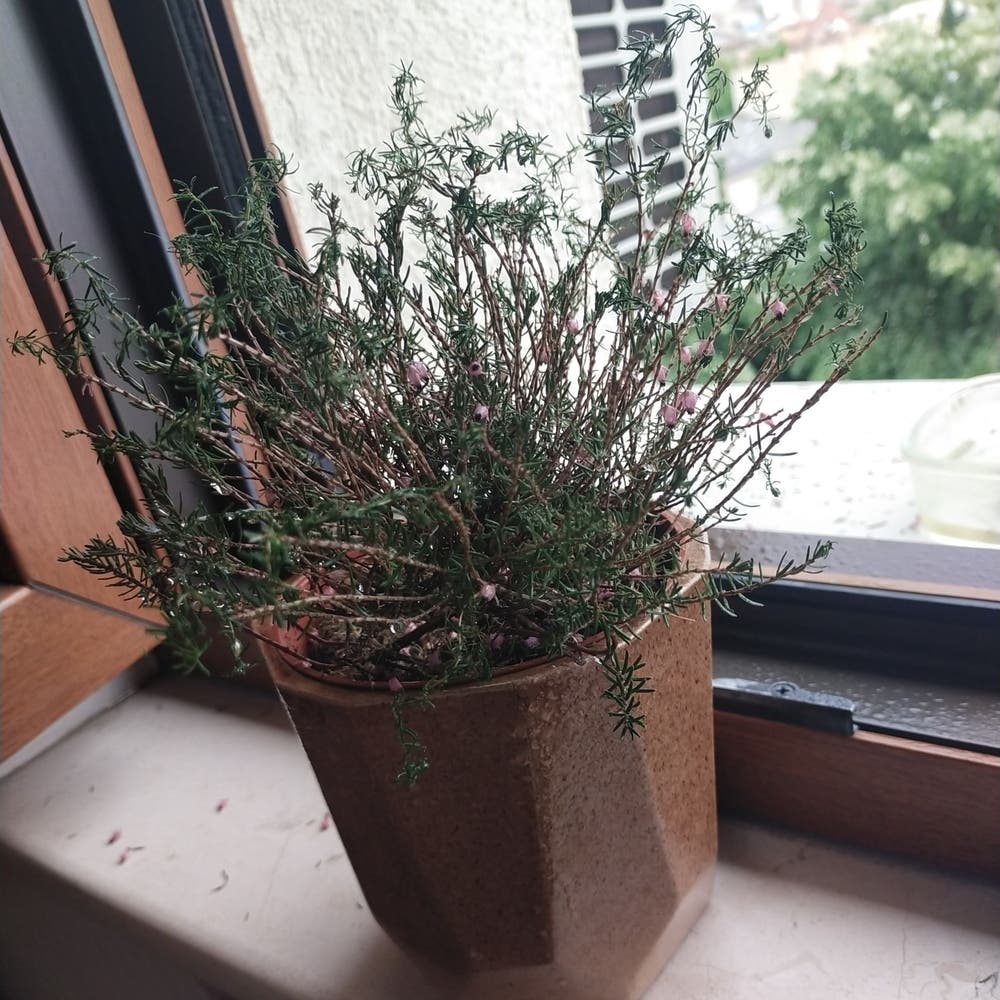
Erica oatesii var. oatesii is a stunning perennial shrub that can reach a mature height of 60-90 cm (24-36 inches). Its spread typically ranges from 45-60 cm (18-24 inches), making it a lovely addition to any garden space.
Growth Rate 📈
This plant boasts a moderate growth rate, which can be influenced by several factors. Soil quality, water availability, and sunlight exposure all play crucial roles in how quickly your Erica oatesii thrives.
Practical Considerations 📝
When planning your garden, consider the mature dimensions of Erica oatesii. Adequate spacing will ensure that each plant has room to grow and flourish without competing for resources.
Conclusion 🔍
Understanding the size and growth characteristics of Erica oatesii var. oatesii helps you create a harmonious garden layout. Next, let’s explore the fascinating root system that supports this resilient shrub.
Roots
🌱 Root System Characteristics
Erica oatesii var. oatesii features a fibrous root system that plays a crucial role in its growth and stability. These shallow roots typically extend 30-45 cm (12-18 inches) deep, allowing the plant to efficiently absorb moisture and nutrients from the topsoil.
⚠️ Common Issues
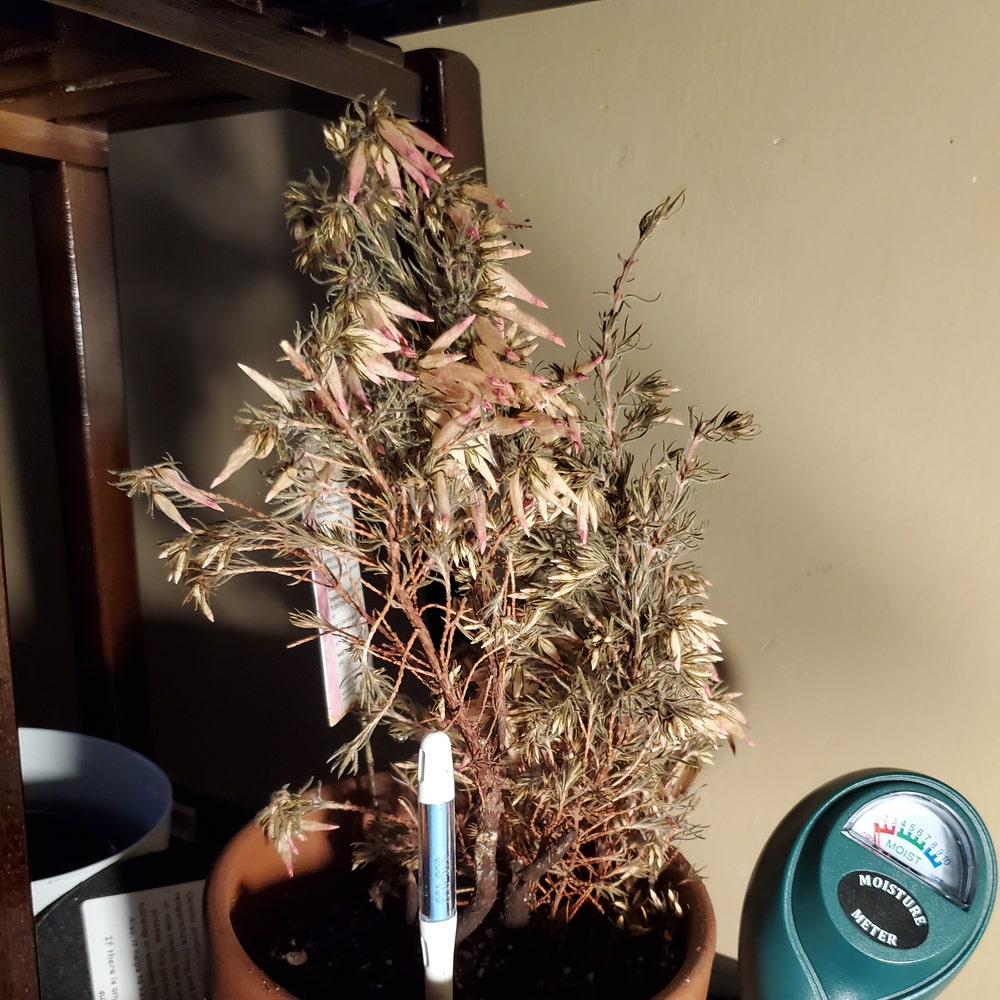
While this root structure is beneficial, it can lead to some common issues, particularly root rot from overwatering. Watch for signs like wilting and yellowing leaves, which indicate that the roots are struggling and may need immediate attention.
Understanding the root system of Erica oatesii var. oatesii is essential for successful cultivation. By ensuring proper watering practices and monitoring plant health, you can help your shrub thrive and enjoy its beauty for years to come.
Next, let’s explore the benefits of this remarkable plant and why it deserves a spot in your garden.
Benefits
Top 5 Benefits of Erica oatesii var. oatesii 🌼
1. Drought Resistance
Erica oatesii var. oatesii thrives in dry conditions, making it perfect for xeriscaping and low-water gardens. This resilience helps conserve water while maintaining a vibrant garden.
2. Attracts Pollinators
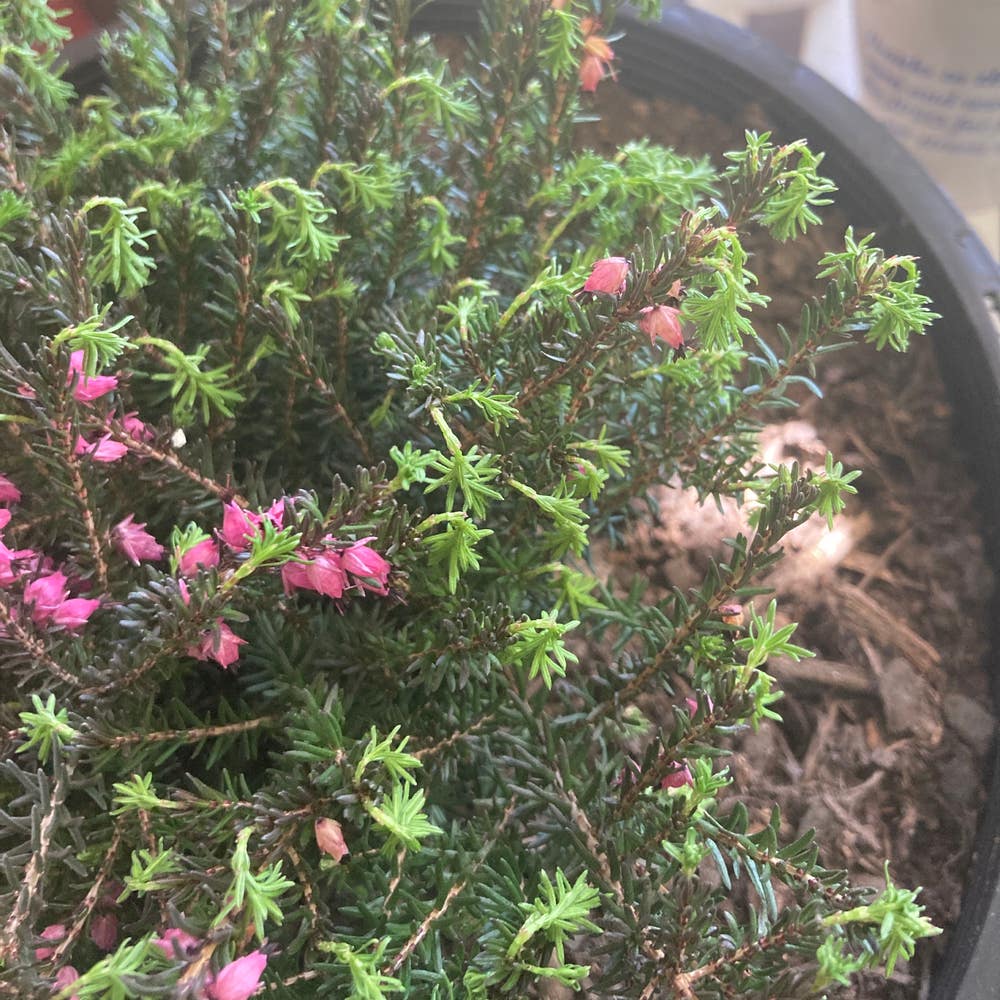
The beautiful flowers of Erica oatesii var. oatesii are a magnet for bees and butterflies. By planting this shrub, you can support local pollinator populations and enhance biodiversity in your garden.
3. Ornamental Value
With its unique texture and vibrant colors, Erica oatesii var. oatesii adds visual interest to any landscape. It serves as an eye-catching focal point or a lovely backdrop for other plants.
4. Erosion Control
This hardy shrub plays a crucial role in stabilizing soil, especially in sloped areas. Its root system helps prevent erosion, making it a practical choice for environmentally conscious gardeners.
5. Cultural Significance
Erica oatesii var. oatesii embodies the resilience and beauty of South African flora. By incorporating this plant into your garden, you celebrate its rich cultural heritage and ecological importance.
These benefits make Erica oatesii var. oatesii not just a pretty face in the garden but a valuable addition to any landscape. As we move forward, let's explore how to propagate this remarkable plant and share its beauty with others.
Companion Plants
Best Companions 🌱
When it comes to pairing Erica oatesii var. oatesii in your garden, consider other fynbos species like Leucadendron and Protea. These plants share similar care requirements, making them ideal companions.
Benefits of Companion Planting 🌼
Companion planting not only enhances the aesthetic appeal of your garden but also promotes healthier growth. The pest-repellent properties of these fynbos species can help protect Erica oatesii from potential threats.
Plants to Avoid 🚫
While some plants thrive alongside Erica oatesii, it's best to steer clear of heavy feeders like tomatoes or corn. These plants can compete for nutrients, potentially stunting the growth of your Erica oatesii.
By carefully selecting companion plants, you can create a vibrant and resilient garden that showcases the beauty of Erica oatesii var. oatesii while ensuring its health and vitality. Next, let’s explore the intriguing topic of toxicity and safety profiles for humans and pets.
Toxicity to Humans
Safety Profile 🛡️
Erica oatesii var. oatesii is considered safe for humans, as it is not listed as toxic by major poison control centers. You can handle this plant without worry, although excessive contact might lead to mild skin irritation or minor digestive discomfort if consumed in large quantities.
Caution is Key ⚠️
While generally safe, it's always wise to exercise caution. If you experience any unusual symptoms after contact or ingestion, seeking medical advice is a good idea. Enjoy your gardening with peace of mind, knowing that Erica oatesii var. oatesii poses minimal risk to your health.
Conclusion 🎉
With its safety profile, this plant can be a delightful addition to your garden. Next, let’s explore how Erica oatesii var. oatesii interacts with our furry friends!
Toxicity to Dogs
Safety Profile 🐶
Erica oatesii var. oatesii is not listed as toxic to dogs by major pet poison control centers. This means you can enjoy this beautiful plant without worrying about your furry friends getting sick.
While generally safe around dogs, minor gastrointestinal upset may occur if they consume excessive amounts. It's wise to monitor their behavior around new plants and discourage them from munching on any non-food items.
Best Practices for Plant Placement 🏡
To ensure a safe environment, place Erica oatesii var. oatesii in areas that are less accessible to your dog. This proactive approach can help prevent any unwanted nibbling.
Always remember that individual sensitivities can vary. Even though this plant is considered safe, it's best to keep an eye on your dog’s interactions with it.
Conclusion ✅
In summary, Erica oatesii var. oatesii poses minimal risk to dogs, making it a great addition to your garden. Just keep an eye on your pets to ensure they don’t overindulge, and you’ll both enjoy the beauty of this plant without any worries.
Next, let’s explore how this plant interacts with our feline friends.
Toxicity to Cats
Safety Profile 🐱
Erica oatesii var. oatesii is not listed as toxic to cats by major pet poison control centers. This means you can enjoy this beautiful plant without worrying about your feline friends.
While generally safe around cats, mild gastrointestinal upset may occur if they consume excessive amounts.
Recommendations for Care 🛡️
To ensure a safe environment, consider proper placement of the plant. Monitoring your cat's behavior around new plants is also a good practice.
Although considered safe, it's wise to discourage cats from eating large quantities of any non-food plant material. Individual sensitivities can vary, so keeping an eye on their interactions is key.
Conclusion 📜
In summary, Erica oatesii var. oatesii poses minimal risk to cats, making it a great addition to your home. With a little caution and care, you can enjoy this lovely plant while keeping your furry companions safe.
Next, let’s explore the potential problems that may arise when growing this unique shrub.
Problems
Common Issues 🌱
Growing Erica oatesii var. oatesii can be rewarding, but it comes with its share of challenges. Understanding these common issues will help you maintain a healthy plant.
Incorrect Watering 🚰
Watering is crucial for your plant's health. Overwatering can lead to yellowing leaves, while underwatering often results in wilting.
Incorrect Light Conditions ☀️
Light plays a significant role in growth. Insufficient light can cause leggy growth, whereas too much sun can scorch the leaves.
Diseases 🦠
Fungal diseases can be problematic. Look out for powdery mildew and black rot, which manifest as white spots or dark patches on the leaves.
Root Problems 🌿
Root health is vital for overall plant vigor. Root rot is indicated by mushy roots, and squishy roots typically signal overwatering.
By keeping an eye on these issues, you can ensure your Erica oatesii var. oatesii thrives beautifully in your garden. Next, let's explore potential pest problems that may affect your plant's health.
Bugs
🐜 Potential Pest Issues
While Erica oatesii var. oatesii boasts moderate pest resistance, it can still fall prey to a few common culprits. Keep an eye out for spider mites, scale insects, and mealybugs, as these pests can disrupt your plant's health.
🔍 Identifying Pests
Recognizing the signs of these pests early can save your plant from serious damage.
- Spider Mites: Look for webbing and stippled leaves, which indicate their presence.
- Scale Insects: A sticky residue on leaves is a telltale sign of scale infestation.
- Mealybugs: Cotton-like masses on stems and leaves are a clear indicator of mealybug activity.
🧪 Treatment Options
If you spot any of these pests, don't panic! There are effective treatment options available.
- Spider Mites: Increase humidity around the plant and consider using insecticidal soap.
- Scale Insects: Gently scrub the affected areas with a soft cloth and apply horticultural oil.
- Mealybugs: Remove them manually or use a cotton swab dipped in alcohol for targeted treatment.
🛡️ Prevention Tips
Preventing pest issues is often easier than dealing with them after they arise.
- Regularly inspect your plants for any signs of pests.
- Maintain good air circulation and avoid overcrowding to reduce stress on your plants.
- Keep your garden clean and free of debris, which can harbor pests.
By staying vigilant and proactive, you can keep your Erica oatesii var. oatesii thriving and pest-free. Next, let’s explore what animals might be interested in snacking on your beautiful shrub.
What Eats
🦌 Common Animals
Erica oatesii var. oatesii can attract a few hungry visitors, including deer, rabbits, and squirrels. These critters may nibble on the leaves or break branches, leaving behind clear signs of their presence.
🔍 Identifying Damage
Look for chewed leaves and broken branches to determine if animals are feasting on your plants. If you notice these signs, it’s time to consider some deterrent methods.
🚫 Deterrent Methods
To protect your plants, you can use chemical repellents that deter these animals. Alternatively, organic control methods like fencing can effectively keep them at bay while maintaining the beauty of your garden.
💭 Final Thoughts
Keeping an eye on your Erica oatesii var. oatesii will help you catch any animal visitors early. With the right precautions, you can enjoy this resilient plant without the worry of unwanted munchers.
Next, let’s explore the common problems that can affect the health of your Erica oatesii var. oatesii.
⚠️ Safety First
This content is for general information and may contain errors, omissions, or outdated details. It is not medical, veterinary advice, or an endorsement of therapeutic claims.
Always consult a qualified healthcare professional before using any plant as food, medicine, or supplement.
Never eat any plant (or feed one to pets) without confirming its identity with at least two trusted sources.
If you suspect poisoning, call Poison Control (800) 222-1222, the Pet Poison Helpline (800) 213-6680, or your local emergency service immediately.
Spotted an error? Please report it here.
Cultivating Erica oatesii var. oatesii is a breeze with the right sunlight and soil, and with Greg's tailored watering alerts, you'll nurture your plant to achieve blooming success 🌼!