Understanding Erica monsoniana var. monsoniana: The Basics
Erica monsoniana var. monsoniana
By the Greg Editorial Team
Feb 28, 2025•13 min read
This article was created with the help of AI so we can cover more plants for you. May contain errors. See one? Report it here.
Discover how to cultivate the resilient Erica monsoniana 🌱 for a vibrant, eco-friendly garden that thrives in any setting!
- 🌞 Erica monsoniana thrives in full sun to partial shade, perfect for diverse gardens.
- 🌱 Prefers acidic, well-drained soils with pH 5.5 to 6.5 for healthy growth.
- 💧 Drought-tolerant once established, making it ideal for water-conscious gardeners.
How to Grow
🌞 Choosing the Right Location
When growing Erica monsoniana var. monsoniana, sunlight is crucial. This plant thrives in full sun to partial shade, making it adaptable to various garden settings.
Ideal climate conditions mimic the South African fynbos regions, characterized by mild, wet winters and hot, dry summers. Whether you choose to plant outdoors or in containers, ensure the location provides adequate light and protection from harsh elements.
🌱 Soil Preparation and Amendments
Soil quality is vital for healthy growth. Erica monsoniana prefers acidic, well-drained soils, which help prevent root rot and promote robust development.
To enhance soil quality, incorporate organic matter and peat moss. Aim for a soil pH range of 5.5 to 6.5 to create the perfect environment for your plants.
🌿 Planting Techniques and Spacing
Proper planting techniques set the foundation for success. Ensure the root ball is level with the soil surface when planting.
For optimal growth, space your plants 18-24 inches apart. The best time to plant is in spring or early fall, allowing them to establish before extreme weather conditions.
💧 Watering and Fertilizing
Watering is essential, especially right after planting. Provide deep watering to help establish roots.
As the plant grows, adjust your watering frequency based on soil moisture. Fertilize in spring and mid-summer with low-nitrogen, slow-release fertilizers to support healthy growth.
✂️ Pruning and Ongoing Care
Pruning is key to maintaining the shape and health of your Erica monsoniana. The best time to prune is late winter to early spring.
Lightly trim spent flowers and any leggy growth to encourage bushier growth. For container care, ensure proper drainage and monitor moisture levels, while outdoor plants benefit from mulching to retain moisture and suppress weeds.
With these guidelines, you can cultivate a thriving Erica monsoniana that adds beauty and resilience to your garden. Next, let’s explore how to propagate this stunning plant for even more gardening success.
Propagation
🌱 Seed Propagation Steps
To start propagating Erica monsoniana var. monsoniana from seeds, begin with stratification. This process enhances germination rates, so soak the seeds in water for 24 hours before planting.
Sow the seeds at a depth of 1/4 inch in a quality seed-starting mix. Under optimal conditions, expect germination within 2 to 4 weeks.
✂️ Cutting Propagation Techniques
For those who prefer cuttings, select healthy stems that are 4 to 6 inches long. Ensure the cuttings are taken from vigorous plants to increase success rates.
Use a rooting medium that consists of equal parts peat and perlite. In a humid environment, roots should develop within 4 to 6 weeks.
🌿 Division Methods for Established Plants
Dividing established plants is best done in early spring or fall. This method helps rejuvenate the plant and encourages new growth.
Carefully separate the root clumps, ensuring each division has adequate roots. Replant them promptly to minimize stress and promote healthy establishment.
With these propagation techniques, you can easily expand your collection of Erica monsoniana var. monsoniana, ensuring a vibrant garden filled with these resilient beauties. Next, let’s explore the lifecycle of this fascinating plant.
Lifecycle
Lifecycle Overview 🌱
Understanding the lifecycle of Erica monsoniana var. monsoniana is essential for successful cultivation. This plant goes through several distinct stages, each crucial for its development.
Germination 🌱
Germination takes about 2-4 weeks from seed. During this time, the seed absorbs moisture and begins to sprout.
Seedling Stage 🌱
Once germinated, the seedling stage lasts 4-8 weeks. This phase is marked by the development of true leaves, signaling that the plant is ready for further growth.
Vegetative Growth 🌱
Following the seedling stage, the plant enters a rapid vegetative growth phase. This period can last several months, during which the plant establishes a strong foundation.
Flowering 🌸
Flowering typically occurs in late spring to early summer. This is when the plant showcases its vibrant blooms, attracting pollinators and adding beauty to the garden.
Seed Production 🌾
After flowering, seeds mature in late summer. This stage is vital for propagation, allowing the plant to continue its lifecycle.
Overall Lifespan ⏳
Under optimal conditions, Erica monsoniana can live for 5-10 years. This longevity makes it a valuable addition to any garden.
Time to Maturity ⏳
Finally, the time to maturity is approximately 2-3 years for full growth. Patience is key, as this plant rewards caregivers with stunning displays and ecological benefits.
With a clear understanding of its lifecycle, you can better appreciate the growth journey of Erica monsoniana var. monsoniana. Next, let’s explore its size and growth habits to further enhance your gardening knowledge.
Size
Growth Habits 🌱
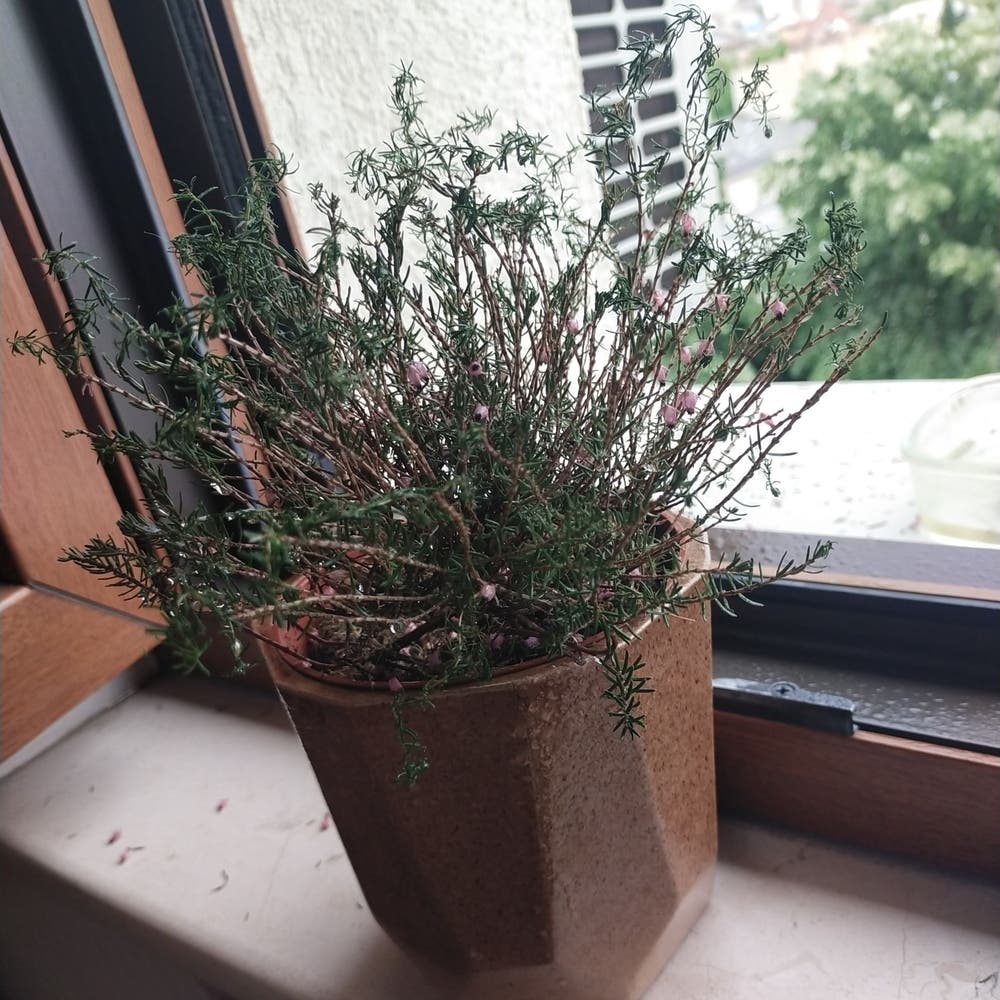
Erica monsoniana var. monsoniana typically reaches an average mature height of 2 to 3 feet. Its spread mirrors this height, creating a balanced, bushy appearance in your garden.
Growth Rate Variability ⏳
The growth rate of this plant can vary significantly based on several factors. Soil quality, light exposure, and watering practices all play crucial roles in determining how quickly your Erica will thrive.
Size Variability 📏
Environmental conditions can lead to noticeable differences in size. Factors such as climate, soil type, and care can influence whether your plant leans towards the lower or upper end of its growth range.
Understanding these growth habits is essential for planning your garden layout. By considering the size and growth patterns of Erica monsoniana, you can create a harmonious and visually appealing landscape.
Roots
🌱 Root System Characteristics
Erica monsoniana var. monsoniana features a fibrous root system that is essential for its stability and nutrient uptake. These roots typically grow shallow, reaching depths of only 12-18 inches, but they spread extensively laterally, allowing the plant to effectively absorb moisture and nutrients from the surrounding soil.
🚫 Common Root-Related Issues
One of the most common problems faced by this plant is root rot, which can occur if the soil remains too wet. To prevent this, ensure proper drainage and avoid overwatering, as these practices will help maintain a healthy root environment.
👀 Identifying Healthy vs. Unhealthy Roots
Healthy roots are firm and white or light tan in color, indicating vitality. In contrast, unhealthy roots may appear dark, mushy, or have a foul odor, signaling potential rot or disease.
🪴 Understanding Rootbound Conditions
Rootbound conditions occur when the roots grow too densely within their container, leading to stunted growth. Signs include roots emerging from drainage holes or circling the pot's interior; to manage this, consider repotting into a larger container or dividing the plant.
With a solid understanding of the root system, you can ensure your Erica monsoniana thrives. Next, let's explore the benefits of growing this resilient plant.
Benefits
🌱 Advantages of Growing
Growing Erica monsoniana var. monsoniana offers a multitude of benefits that make it a fantastic choice for any garden. One of its standout features is its ability to attract pollinators, especially bees, which play a crucial role in our ecosystem.
This plant is also drought-tolerant, requiring minimal water once established. This makes it an excellent option for those looking to conserve water while maintaining a vibrant garden.
🌼 Ornamental Appeal
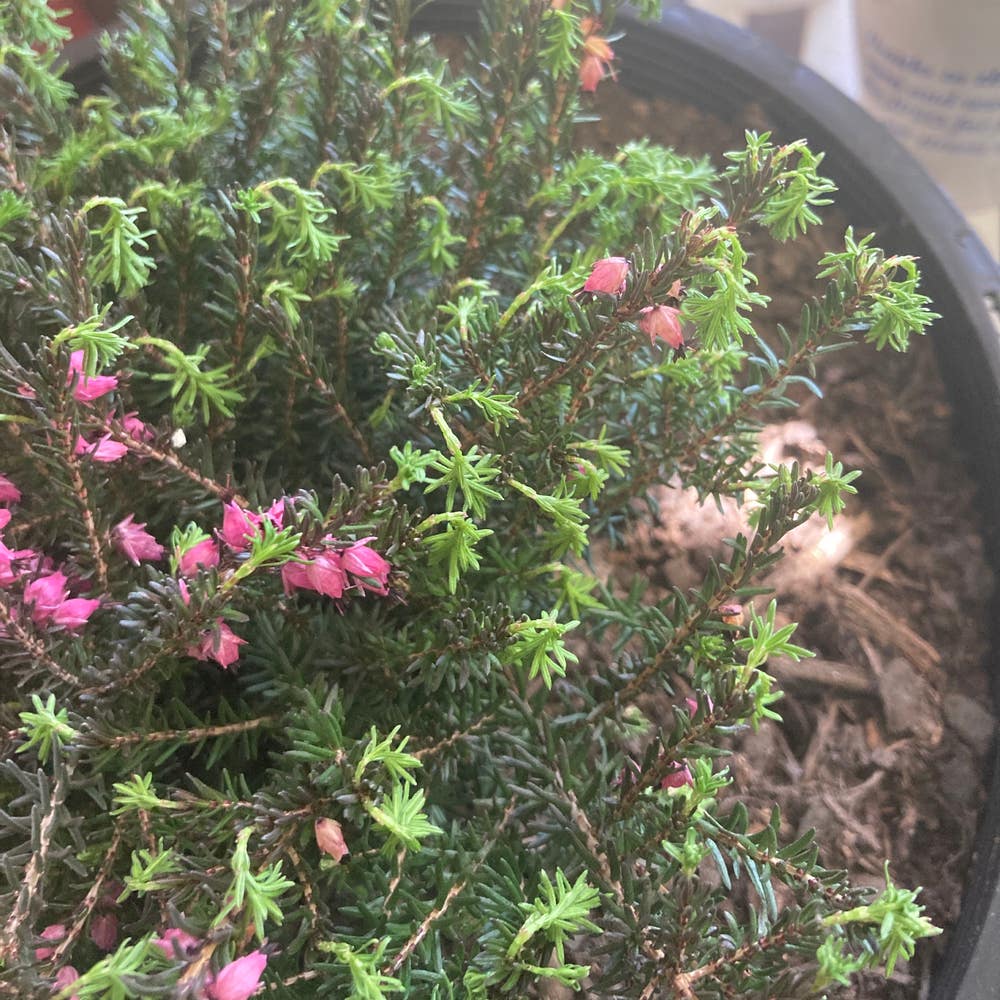
The ornamental appeal of Erica monsoniana var. monsoniana cannot be overstated. Its attractive foliage and vibrant flowers add a splash of color and texture to any landscape.
Additionally, it serves as an effective ground cover, helping to control erosion. This is particularly beneficial in areas prone to soil loss, making it a practical choice for environmentally conscious gardeners.
🌍 Cultural Significance
Beyond its physical attributes, this plant holds cultural significance. It symbolizes resilience in gardening, reminding us of nature's ability to thrive even in challenging conditions.
Incorporating Erica monsoniana var. monsoniana into your garden not only enhances its beauty but also contributes to a sustainable ecosystem. With its many advantages, it's clear why this plant deserves a spot in your landscape.
As we explore further, let's delve into the best companion plants that can enhance the growth and health of Erica monsoniana var. monsoniana.
Companion Plants
Best Companions 🌱
Companion planting is all about growing plants together to enhance their growth and health. By selecting the right companions, you can create a thriving garden ecosystem.
Suggested Companions 🌿
For Erica monsoniana var. monsoniana, consider pairing it with other fynbos species or low-growing herbs. These plants share similar care requirements and can create a harmonious garden environment.
Reasons for Compatibility 🤝
The compatibility of these companions lies in their shared needs for sunlight, soil type, and moisture levels. Additionally, many of these plants are naturally pest-resistant, which helps protect your garden from unwanted invaders.
Plants to Avoid 🚫
Be cautious with heavy feeders that compete for nutrients. These plants can overshadow Erica monsoniana, leading to stunted growth and poor health.
By choosing the right companions, you can enhance the beauty and resilience of your garden. Next, let’s explore the potential toxicity of Erica monsoniana to humans and pets.
Toxicity to Humans
Safety Overview 🛡️
Erica monsoniana var. monsoniana is not listed as toxic, according to major poison control centers. This means you can handle and even ingest small amounts without worry.
General Safety ⚠️
While it's generally safe, be mindful of potential minor issues. Some individuals may experience mild skin irritation from excessive contact, so it's a good idea to wash your hands after handling the plant.
Conclusion ✅
In summary, this plant is a safe choice for gardens and homes. Its non-toxic nature allows you to enjoy its beauty without the fear of harmful effects.
As we move forward, let’s explore how this plant interacts with our furry friends, particularly dogs.
Toxicity to Dogs
Safety Overview 🐶
Erica monsoniana var. monsoniana is not listed as toxic to dogs, according to major pet poison control centers. This means you can enjoy this beautiful plant without worrying about your furry friends.
General Safety 🐕
In general, this plant is safe around dogs, posing minimal risk. You can let your pets roam freely in your garden without fear of harmful effects.
Potential Minor Issues ⚠️
However, it's worth noting that consuming large quantities might lead to mild gastrointestinal upset. While this is rare, it's always good to monitor your pets and ensure they don't munch too much on any plant material.
In summary, Erica monsoniana var. monsoniana is a dog-friendly choice for your garden. With its vibrant appeal and safety for pets, it’s a win-win for plant lovers and dog owners alike.
Next, let’s explore how this plant interacts with cats and their safety around it.
Toxicity to Cats
Safety Overview 🐱
Erica monsoniana var. monsoniana is not listed as toxic to cats, according to major pet poison control centers. This means you can enjoy this beautiful plant in your home or garden without worrying about your feline friends.
General Safety 🛡️
In general, this plant is safe around cats, presenting minimal risk. However, it's always wise to monitor your pets and ensure they don't consume large quantities.
Potential Minor Issues ⚠️
While the plant is safe, ingestion of large amounts may lead to mild gastrointestinal upset. Keep an eye out for any unusual behavior in your cats, but rest assured that serious issues are unlikely.
This knowledge allows you to appreciate Erica monsoniana var. monsoniana without fear for your pets' safety. Next, let’s explore the potential problems that can arise when growing this plant.
Problems
Common Issues 🌱
Growing Erica monsoniana var. monsoniana can be rewarding, but it's essential to be aware of common problems that may arise. Understanding these issues will help you maintain a healthy plant.
Incorrect Watering 🚰
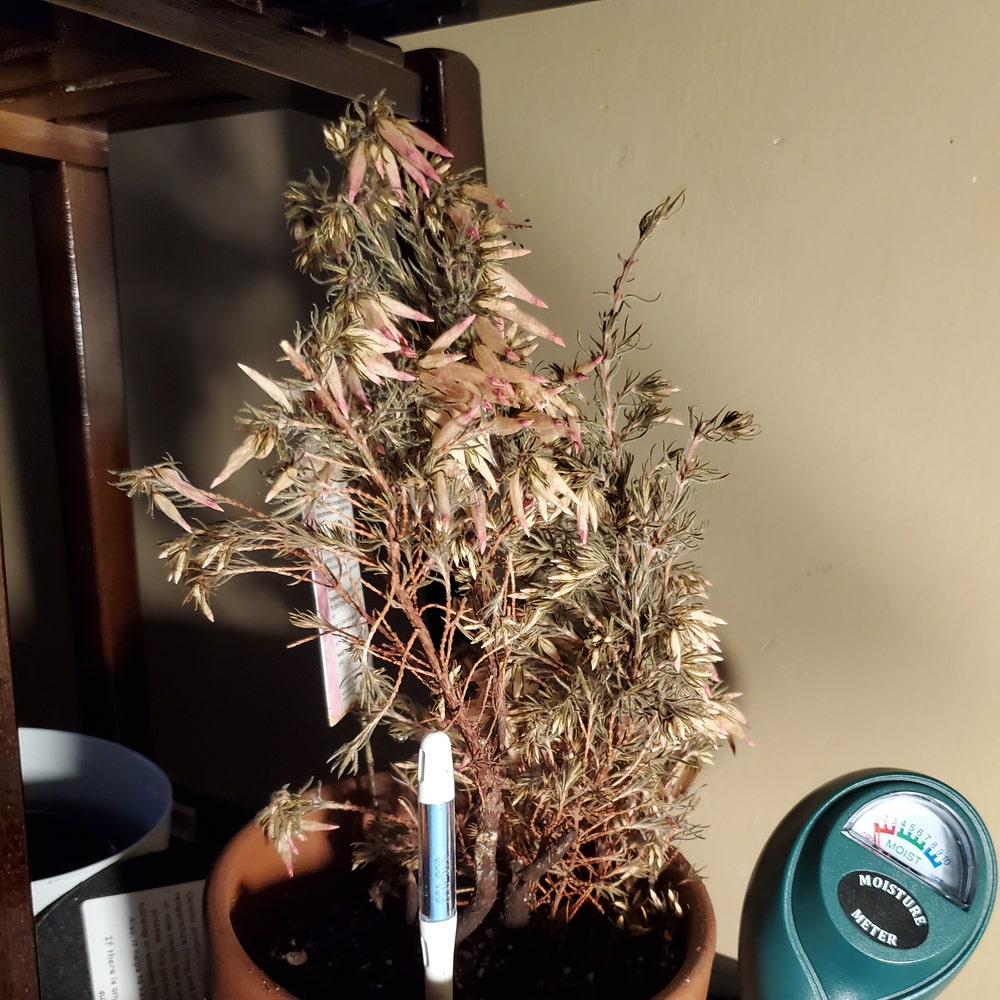
Watering is crucial for plant health. Overwatering can lead to yellowing leaves and root rot, while underwatering may cause wilting and browning tips.
Incorrect Light Conditions ☀️
Light is another vital factor. Too much sunlight can scorch the leaves, while insufficient light can result in leggy growth and poor flowering.
Diseases 🦠
Fungal diseases can also pose a threat. Watch out for powdery mildew, which appears as a white coating, and rust, characterized by orange spots on the leaves.
Root Problems 🥴
Root health is fundamental to overall plant vitality. Signs of root rot include a foul smell and mushy roots, indicating that the plant is in distress and needs immediate attention.
By keeping an eye on these common issues, you can ensure your Erica monsoniana thrives. Next, let’s explore the pests that might disrupt your gardening success.
Bugs
🐜 Pest Issues
While Erica monsoniana var. monsoniana is generally pest-resistant, it can still encounter a few unwelcome visitors. Understanding these pests and how to manage them is crucial for maintaining a healthy plant.
🐞 Common Pests
Spider Mites: These tiny pests thrive in dry conditions and can cause significant damage by sucking the sap from leaves. Look for fine webbing and stippled leaves as signs of their presence.
Scale Insects: Often appearing as small, brown bumps on stems and leaves, scale insects can weaken your plant by feeding on its sap. They can be treated with insecticidal soap or by gently scraping them off.
Mealybugs: These white, cottony pests cluster in leaf axils and can lead to leaf drop and stunted growth. A cotton swab dipped in alcohol can effectively eliminate them.
Aphids: These small, green or black insects can multiply quickly and cause curling leaves. A strong blast of water can dislodge them, or you can use neem oil for more persistent infestations.
💊 Treatment Options
Regular monitoring is key to catching these pests early. If you notice any signs of infestation, act quickly to prevent further damage.
Insecticidal Soap: This is a safe and effective option for treating soft-bodied insects like aphids and mealybugs.
Neem Oil: A natural pesticide that disrupts the life cycle of pests, neem oil can be used as a preventive measure or treatment.
Companion Planting: Consider planting pest-repelling plants nearby to deter unwanted visitors naturally.
By staying vigilant and employing these strategies, you can keep your Erica monsoniana thriving and beautiful. Next, let’s explore how to protect your plants from animal interactions.
What Eats
🦌 Overview of Potential Herbivores
When cultivating Erica monsoniana var. monsoniana, be aware of the herbivores that might take a liking to your plants. Common culprits include deer, rabbits, and squirrels, all of which can cause significant damage if left unchecked.
👀 Signs of Animal Presence and Damage
Identifying signs of animal activity is crucial for protecting your plants. Look for browsing on leaves, which indicates that animals are munching away, and chewed stems that reveal their presence.
🚫 Deterrent Methods
To keep these hungry visitors at bay, consider both chemical and organic control methods. Chemical repellents can be effective, but many gardeners prefer organic options like planting strong-smelling herbs or using barriers to deter these herbivores naturally.
By staying vigilant and employing these strategies, you can enjoy the beauty of your Erica monsoniana without the worry of unwanted nibblers. Now that you’re equipped with knowledge about potential threats, let’s explore how to keep your plants thriving despite these challenges.
⚠️ Safety First
This content is for general information and may contain errors, omissions, or outdated details. It is not medical, veterinary advice, or an endorsement of therapeutic claims.
Always consult a qualified healthcare professional before using any plant as food, medicine, or supplement.
Never eat any plant (or feed one to pets) without confirming its identity with at least two trusted sources.
If you suspect poisoning, call Poison Control (800) 222-1222, the Pet Poison Helpline (800) 213-6680, or your local emergency service immediately.
Spotted an error? Please report it here.
Unlock the beauty of Erica monsoniana 🌼 in your garden with Greg's tailored care tips and watering reminders that ensure your plants thrive effortlessly!