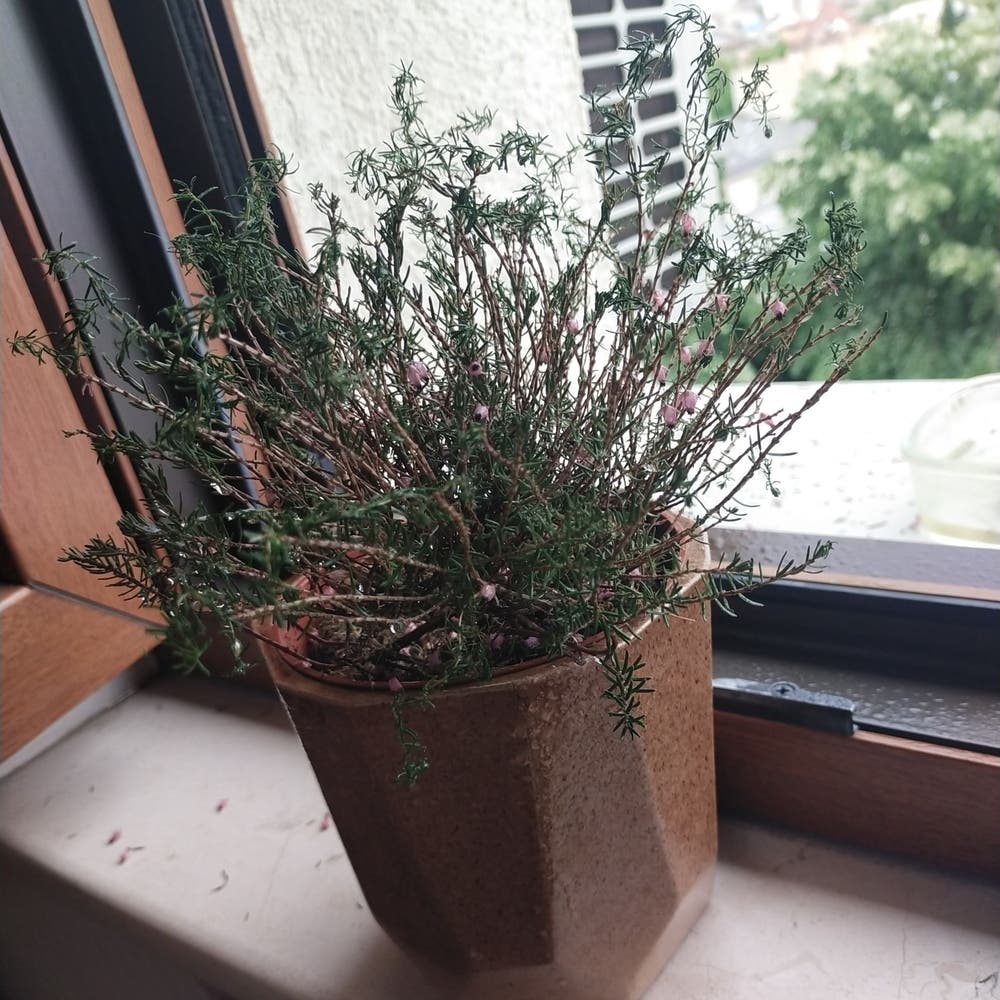
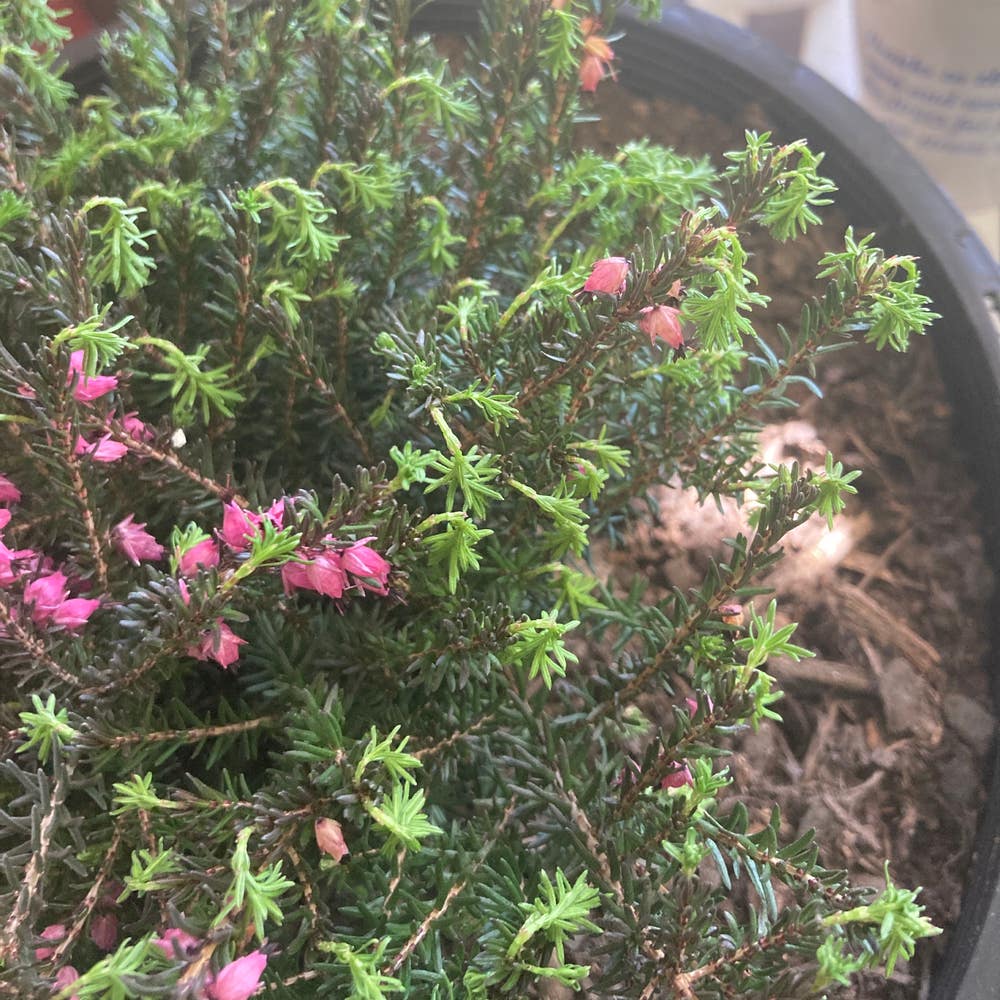
🌸 Ultimate Guide to Erica lucida var. lucida
Erica lucida var. lucida
By the Greg Editorial Team
Feb 28, 2025•10 min read
This article was created with the help of AI so we can cover more plants for you. May contain errors. See one? Report it here.
- 🌞 Erica lucida thrives in full sun; protect from strong winds for best growth.
- 🌱 Prefers acidic, well-drained soil; enhance drainage with organic matter.
- 🐝 Attracts pollinators like bees and butterflies, boosting garden biodiversity.
How to Grow
🌞 Choosing the Right Location
To thrive, Erica lucida var. lucida needs full sun to partial shade. Additionally, consider wind exposure; protecting your plants from strong winds will promote healthier growth.
🌱 Soil Preparation and Amendments
This plant prefers acidic, well-drained soils. To enhance drainage, incorporate organic matter into your soil mix.
🌿 Planting Techniques
When planting outdoors, space your Erica lucida plants 2-3 feet apart to allow for proper growth. If you’re using containers, choose pots that are at least 12 inches deep to accommodate their root systems.
💧 Watering Requirements
After planting, give your Erica lucida a deep watering to help establish roots. Moving forward, adjust your watering frequency based on soil moisture, aiming for weekly watering during dry spells.
🌼 Fertilizing Strategies
Fertilize your plants twice a year with a balanced fertilizer to support their growth. Opt for acidic fertilizers, as they are particularly suitable for ericaceous plants.
✂️ Pruning Methods
Timing is key for pruning; late winter or early spring is ideal before new growth begins. Use light pruning techniques to maintain shape and remove any dead wood.
🌾 Ongoing Care Tips
Mulching is essential; use organic mulch to retain moisture and suppress weeds effectively. Regularly monitor your plants for pests and diseases to catch any issues early.
By following these guidelines, you’ll create an environment where Erica lucida can flourish, setting the stage for a vibrant garden. Next, let’s explore how to propagate this beautiful plant effectively.
Propagation
🌱 Methods of Propagation
Propagation of Erica lucida var. lucida can be achieved through three primary methods: seeds, cuttings, and division. Each method has its own unique techniques that can lead to successful plant growth.
Seeds
Collecting seeds from mature plants is the first step. Once harvested, sow them in seed trays for optimal germination.
Cuttings
For cuttings, select healthy stems that are about 4-6 inches long. This method allows for quicker establishment of new plants.
Division
Dividing established plants is another effective method. This is best done in early spring when the plant is ready to grow.
📋 Step-by-Step Instructions
Seeds: Soak seeds for 24 hours before sowing them in seed trays. Keep the soil moist until germination occurs, which typically takes a few weeks.
Cuttings: Take 4-6 inch cuttings from healthy stems. Dip the cut ends in rooting hormone and plant them in a well-draining medium to encourage root development.
Division: Carefully separate clumps of the plant in early spring. Replant the divided sections immediately to minimize shock.
🌿 Best Practices for Successful Rooting
To ensure successful rooting, maintain humidity for cuttings by covering them with a plastic cover. This creates a greenhouse effect that promotes moisture retention.
Additionally, provide warmth and indirect light for optimal germination. This environment mimics the natural conditions that encourage growth, leading to healthier plants.
With these propagation techniques, you can expand your collection of Erica lucida var. lucida and enjoy its beauty in your garden. Next, let’s explore the lifecycle of this fascinating plant.
Size
Mature Height and Spread 🌱
Erica lucida var. lucida typically reaches a mature height of 2 to 4 feet. Its spread can range from 2 to 3 feet, making it a compact yet impactful addition to your garden.
Growth Rate and Size Variability 📈
This plant exhibits a moderate growth rate, which can be significantly influenced by soil quality and sunlight exposure. Size variability is common, as factors like soil type and watering practices can lead to differences in growth.
Timeframe to Reach Full Size ⏳
Under optimal conditions, you can expect Erica lucida to reach its full size in about 2 to 3 years. However, in less favorable conditions, growth may slow down, resulting in stunted plants that take longer to mature.
This understanding of size is crucial for planning your garden layout and ensuring that Erica lucida has enough space to thrive. Next, let’s explore the fascinating lifecycle of this resilient plant.
Benefits
Key Benefits of Growing 🌱
Growing Erica lucida var. lucida offers a range of advantages that can enhance your garden and support local ecosystems.
Drought Tolerance: Once established, this plant requires significantly less water, making it a sustainable choice for water-conscious gardeners.
Ornamental Appeal: With its stunning flowers, Erica lucida adds vibrant color and beauty to any landscape, elevating your garden's aesthetic.
Wildlife Attraction: This plant serves as a valuable nectar source for pollinators, such as bees and butterflies, promoting biodiversity in your garden.
Erosion Control: Its fibrous root system helps stabilize soil, making it an excellent choice for preventing erosion in garden beds.
Cultural Significance: Historically, Erica lucida has been used in traditional medicine and rituals, adding a layer of cultural richness to your gardening experience.
Incorporating this plant into your garden not only beautifies your space but also contributes to environmental health and cultural heritage. As you consider your planting options, think about how Erica lucida can fit into your gardening goals.
Next, let’s explore the best companion plants that can thrive alongside Erica lucida, enhancing your garden's diversity and health.
Companion Plants
🌱 Companion Planting Benefits
Companion planting is a fantastic way to enhance your garden's diversity. It promotes better pest management and overall plant health, creating a thriving ecosystem.
🌼 Compatible Companion Plants
When it comes to Erica lucida var. lucida, consider pairing it with other ericaceous plants like Rhododendrons and Azaleas. These companions share similar care needs and can help repel pests, making them ideal partners in your garden.
🚫 Plants to Avoid
On the flip side, steer clear of heavy feeders like tomatoes. These plants can compete for nutrients, potentially stunting the growth of your Erica lucida.
By choosing the right companions, you can create a harmonious garden that flourishes together. This thoughtful approach not only boosts aesthetics but also fosters a healthier growing environment.
Toxicity to Humans
Safety Profile 🌱
Erica lucida var. lucida is not listed as toxic by major poison control centers. This means it’s generally safe for handling and even ingestion in small amounts.
Potential Minor Issues ⚠️
While the plant poses minimal risk, consuming large quantities may lead to mild skin irritation or digestive discomfort. It's always best to enjoy this beautiful plant with a bit of caution.
Recommendations for Caution 🛡️
Exercise care with any plant, including Erica lucida. If you experience unusual symptoms after contact or consumption, seek medical advice promptly. Staying informed helps ensure a safe and enjoyable gardening experience.
Toxicity to Dogs
🐶 Safety for Dogs
Erica lucida var. lucida is not listed as toxic by major pet poison control centers. This means it's generally safe for dogs, although minor issues may arise from excessive consumption.
🏡 Tips for Introducing to Homes with Dogs
To ensure a harmonious environment, place the plant out of reach of curious dogs. It's also wise to monitor your dog's behavior around the plant, watching for any unusual interest or reactions.
By taking these precautions, you can enjoy the beauty of Erica lucida var. lucida without worrying about your furry friends.
Next, let's explore how this plant interacts with our feline companions.
Toxicity to Cats
Safety for Cats 🐱
Erica lucida var. lucida is generally safe for cats. Major pet poison control centers do not list it as toxic, so you can breathe easy knowing your feline friends can roam around it without worry.
Tips for Introducing to Homes with Cats 🏡
To keep your plant safe, place it out of reach of curious cats. It's also wise to monitor their behavior; watch for any unusual interest in the plant, just to be on the safe side.
With these precautions, you can enjoy the beauty of Erica lucida var. lucida without compromising your cat's safety. Next, let’s explore how to tackle common problems that may arise while growing this lovely plant.
Problems
Common Problems 🌱
Growing Erica lucida var. lucida can come with its share of challenges. The most common issues include incorrect watering, light conditions, diseases, leaf problems, and growth difficulties.
Incorrect Watering
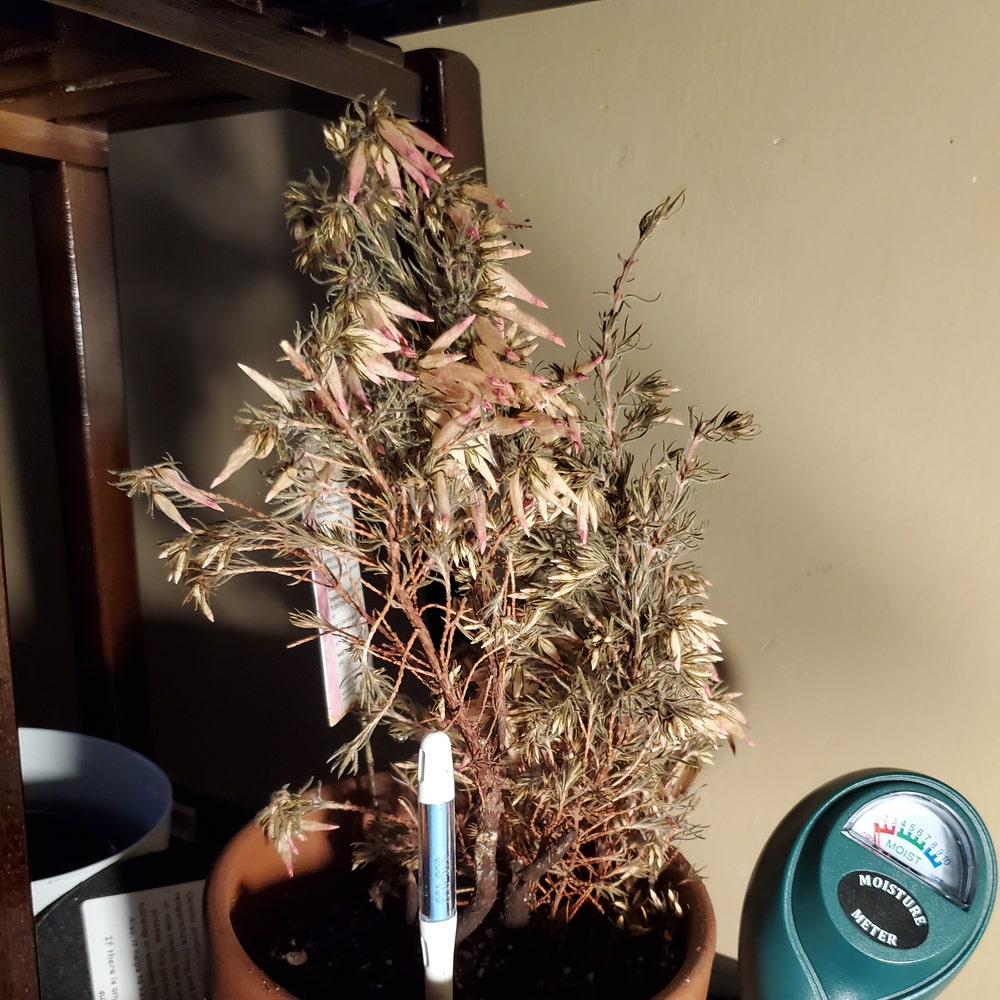
Overwatering leads to yellowing leaves, while underwatering results in wilting. Both extremes can stress the plant and hinder its growth.
Incorrect Light Conditions
Too much sun can cause leaf scorch, whereas insufficient light may result in leggy growth. Finding the right balance is crucial for healthy development.
Diseases
Fungal diseases like powdery mildew and root rot can plague your plant. These issues often arise from environmental stressors or improper care.
Leaf Issues
Scorching, yellowing, and fuzzy growth can indicate underlying problems. These symptoms often signal that your plant needs immediate attention.
Growth Problems
Stunted growth or leaning can occur due to inadequate light or nutrient deficiencies. Regular monitoring can help catch these issues early.
Identification and Causes 🔍
Identifying the root cause of your plant's problems is essential.
Overwatering
If the soil remains soggy, it's a sign of overwatering. Adjust your watering schedule to allow the soil to dry out between waterings.
Light Issues
Observe your plant's growth. If you notice scorch marks or leggy stems, it might be time to relocate your Erica lucida to a more suitable light condition.
Solutions for Common Problems 🛠️
Addressing these issues can help restore your plant's health.
Adjust Watering Frequency
Check soil moisture regularly and water accordingly.Relocate for Optimal Light
Move your plant to a spot that provides the right amount of sunlight.Treat Fungal Diseases
Use appropriate fungicides to combat any fungal infections.Prune Damaged Leaves
Trimming away unhealthy foliage encourages new growth.Repot if Rootbound
If roots are circling the pot, repotting can give them room to grow.
By staying vigilant and proactive, you can ensure your Erica lucida thrives in your garden. Next, let’s explore the fascinating world of pests that may affect your plant.
Bugs
Potential Pest Issues 🐜
While Erica lucida var. lucida is known for its moderate pest resistance, it can still fall victim to a few common pests. Keeping an eye out for these nuisances is essential for maintaining the health of your plants.
Identification and Damage 🔍
- Spider Mites: Look for fine webbing and stippled leaves, which indicate these tiny pests are at work.
- Mealybugs: These appear as cotton-like masses on stems and leaves, sucking the sap and weakening the plant.
- Aphids: Small green or black insects that cause leaf curling, they can quickly multiply if not addressed.
Treatment Options 💊
To combat these pests effectively, consider the following treatments:
- Neem Oil: This natural solution is effective against a variety of pests and is safe for the environment.
- Insecticidal Soap: A great option for edible plants, it targets soft-bodied insects without harming your plants.
- Regular Monitoring: Keep a close watch on your plants. Early detection and treatment are key to preventing infestations.
By staying vigilant and employing these strategies, you can protect your Erica lucida var. lucida from pest-related issues and ensure its vibrant growth. Next, let’s explore the common problems that may arise in your gardening journey.
What Eats
🦌 Common Animals
When growing Erica lucida var. lucida, be mindful of the local wildlife. Deer often browse on the leaves and stems, while rabbits leave evidence of nibbling on the lower foliage. Squirrels may also dig around the base of the plant, causing potential disturbances.
👀 Signs of Animal Presence
Identifying signs of animal activity can help you take action early. For deer, look for broken branches and stripped leaves, which indicate they’ve been feasting. Rabbits leave clean cuts on stems and leaves, making it easy to spot their presence.
🚫 Deterring Methods
To protect your plants, consider various deterrent methods. Chemical deterrents, whether commercial repellents or homemade solutions, can be effective in keeping animals at bay. Additionally, physical barriers like fencing or netting provide a solid line of defense against these hungry critters.
By being proactive and observant, you can enjoy the beauty of Erica lucida var. lucida without the worry of unwanted munchers. Next, let’s explore the common problems that may arise while caring for this lovely plant.
⚠️ Safety First
This content is for general information and may contain errors, omissions, or outdated details. It is not medical, veterinary advice, or an endorsement of therapeutic claims.
Always consult a qualified healthcare professional before using any plant as food, medicine, or supplement.
Never eat any plant (or feed one to pets) without confirming its identity with at least two trusted sources.
If you suspect poisoning, call Poison Control (800) 222-1222, the Pet Poison Helpline (800) 213-6680, or your local emergency service immediately.
Spotted an error? Please report it here.
Unlock the secrets to thriving Erica lucida 🌼 with Greg's tailored care tips and reminders, ensuring your plant flourishes beautifully in your garden!