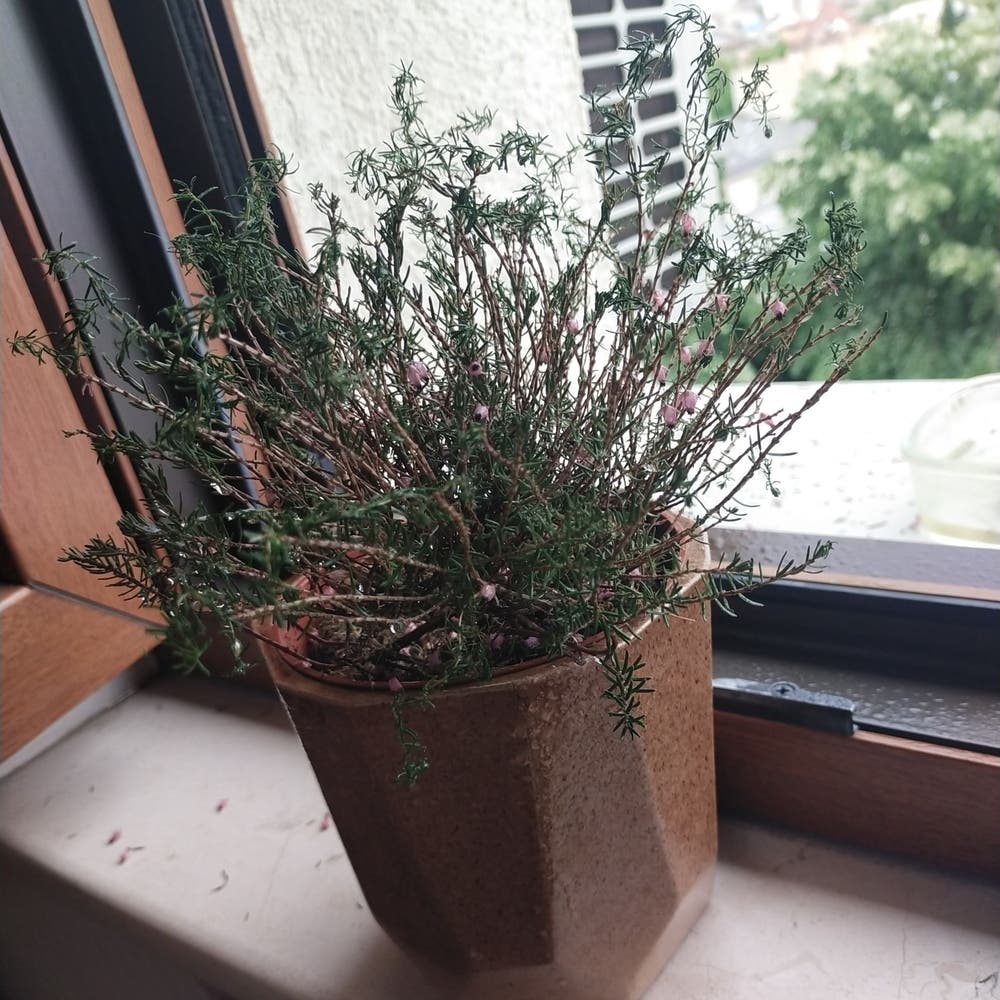
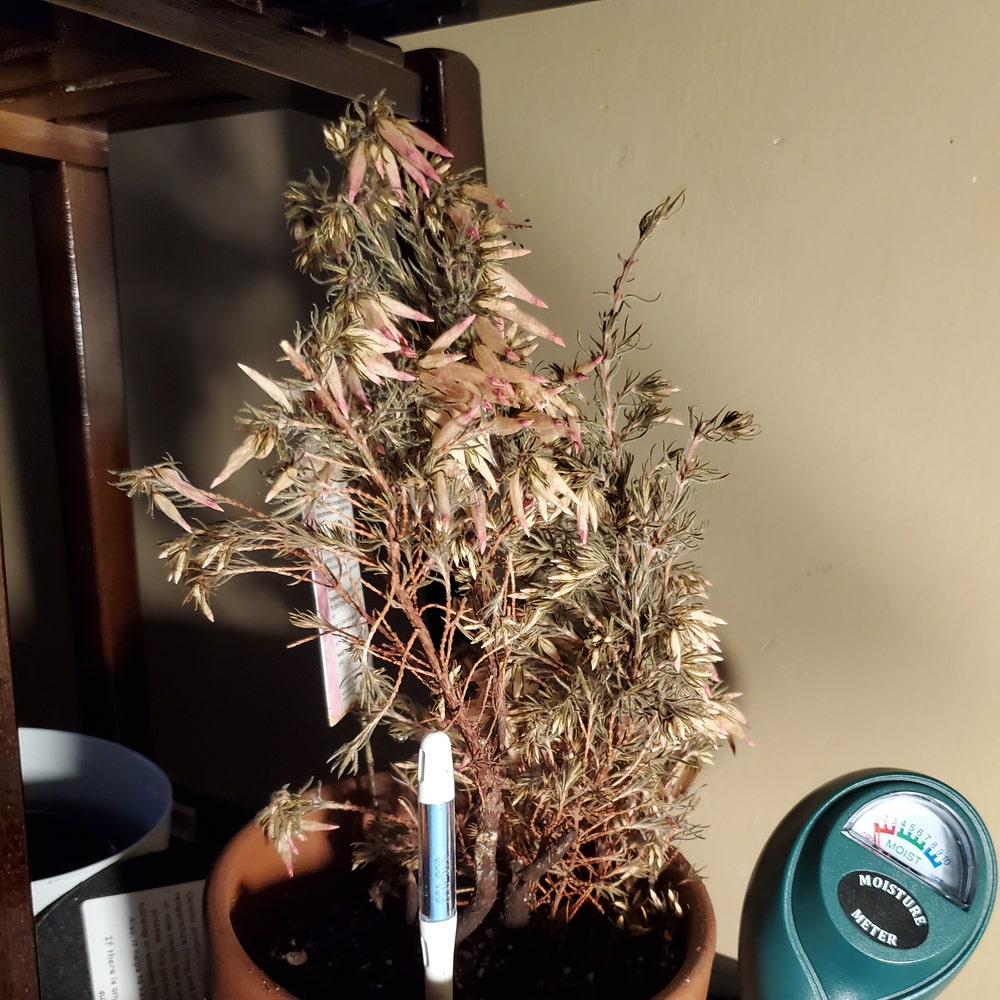
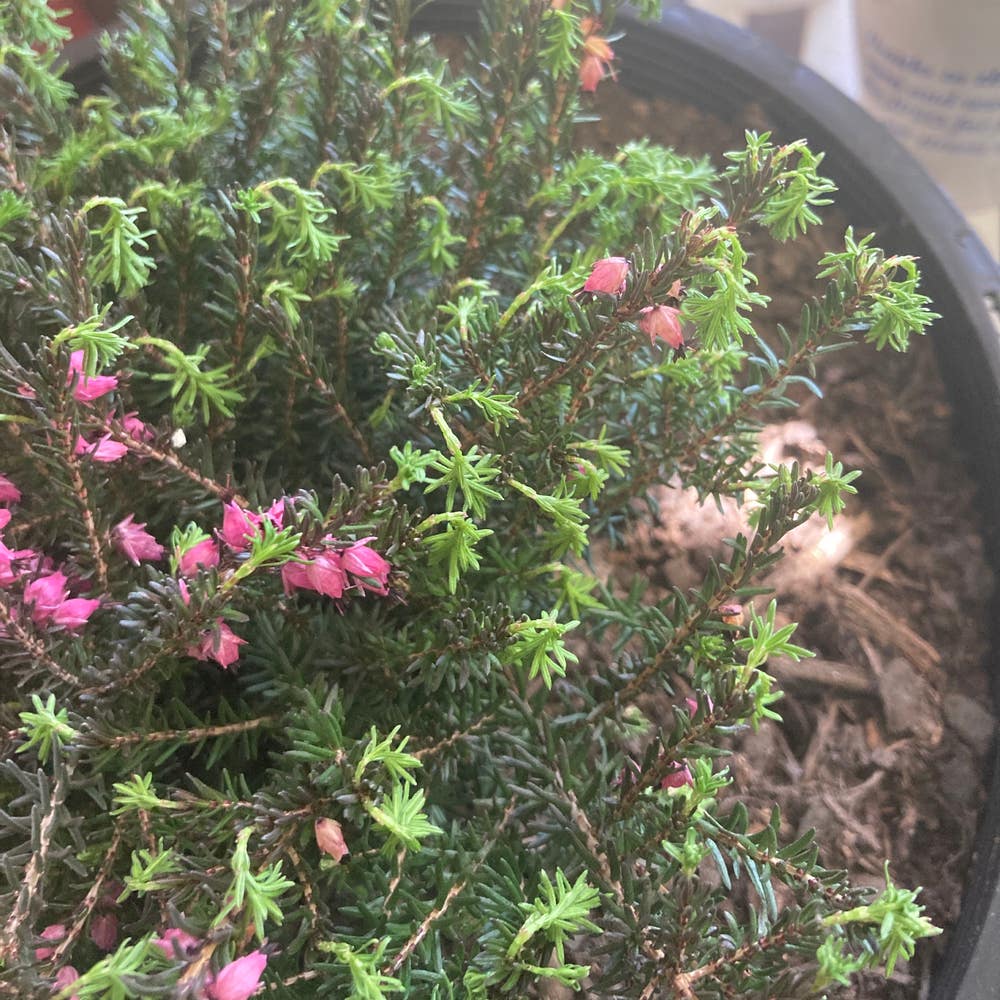
Overview of Erica longipedunculata var. longipedunculata
Erica longipedunculata var. longipedunculata
By the Greg Editorial Team
Feb 28, 2025•8 min read
This article was created with the help of AI so we can cover more plants for you. May contain errors. See one? Report it here.
Elevate your garden with Erica longipedunculata, a low-maintenance beauty that attracts pollinators and thrives effortlessly! 🌼🌱
- 🌞 Erica longipedunculata thrives in full sun and prefers mild temperatures for optimal growth.
- 🌱 Use acidic, well-drained soil and slow-release fertilizers for healthy development.
- 🐝 Attracts pollinators, enhancing garden biodiversity while being low-maintenance for novice gardeners.
How to Grow
Choosing a Location 🌞
When selecting a spot for Erica longipedunculata var. longipedunculata, aim for full sun to partial shade. This plant thrives in mild temperatures, so avoid areas prone to frost.
Soil Preparation 🌱
This variety prefers acidic, well-drained soils. To enhance drainage, incorporate organic matter into the soil before planting.
Planting Techniques 🌿
Ensure the crown of the plant is level with the soil surface when planting. Space each plant 12-18 inches apart to allow for optimal growth.
Watering Requirements 💧
Regular watering is essential, but allow the soil to dry slightly between sessions. Aim for consistent moisture without waterlogging the roots.
Fertilizing Schedule 🌼
Use acidic, slow-release fertilizers to nourish your plants. Fertilize every 6-8 weeks during the growing season for best results.
Pruning Methods ✂️
Prune after flowering to encourage bushier growth. Light trimming helps maintain shape and removes any dead flowers.
Ongoing Care Tips 🪴
For container care, ensure pots have drainage holes and use an appropriate potting mix. If growing outdoors, regularly monitor for pests and diseases to keep your plants healthy.
With these guidelines, you'll be well on your way to successfully growing Erica longipedunculata var. longipedunculata. Next, let's explore how to propagate this resilient plant effectively.
Propagation
🌱 Seed Propagation
Starting Erica longipedunculata var. longipedunculata from seeds is a rewarding process. Sow the seeds at a depth of 1/4 inch, and under optimal conditions, you can expect germination within 2 to 4 weeks.
✂️ Cutting Propagation
Another effective method is cutting propagation. Take healthy stems and cut them to a length of 4-6 inches, then place them in a rooting medium made of peat and perlite for the best results.
🌿 Layering Techniques
Layering is a simple yet effective technique for propagation. Bend a low branch to the ground, cover it with soil, and leave the tip exposed; this method works best in spring or early summer.
With these propagation methods, you can easily expand your collection of Erica longipedunculata var. longipedunculata. Next, let's explore the size of this fascinating plant and what to expect as it matures.
Size
Mature Height and Spread 🌱
Erica longipedunculata var. longipedunculata typically reaches a mature height of 1 to 3 feet. Its spread ranges from 1 to 2 feet, making it a compact yet striking addition to any garden.
Growth Rate and Size Variability 📈
This plant exhibits a moderate growth rate, which can vary based on environmental conditions. Factors such as sunlight, soil quality, and moisture levels play a significant role in how quickly it grows.
Factors Affecting Size 🌍
Soil quality is crucial; nutrient-rich soils encourage larger growth. Additionally, consistent moisture availability is essential for achieving optimal size, as it helps the plant thrive without stress.
Understanding these aspects will help you cultivate a healthy and vibrant Erica longipedunculata. With the right care, you can enjoy its beauty and resilience in your garden.
Benefits
Top 5 Benefits 🌟
Erica longipedunculata var. longipedunculata offers a range of benefits that make it a fantastic addition to any garden. Here are the top five reasons to consider this resilient plant:
Attracts Pollinators: This plant is a magnet for pollinators like bees and butterflies. By planting it, you contribute to the health of local ecosystems.
Low-Maintenance: Its ability to thrive in poor soil conditions means less fuss for you. This makes it perfect for busy gardeners or those new to gardening.
Unique Ornamental Value: With its long flower stalks, this plant adds a striking visual element to your landscape. It stands out and can be a conversation starter in any garden.
Enhances Garden Diversity: Adding Erica longipedunculata introduces unique textures and colors. This diversity can create a more vibrant and engaging garden space.
Symbolizes Resilience: This plant thrives in harsh environments, representing adaptability. It serves as a reminder of nature's strength and resilience, inspiring gardeners to embrace challenges.
Incorporating Erica longipedunculata into your garden not only beautifies your space but also supports local wildlife and promotes biodiversity. With its low-maintenance needs and striking appearance, it's a win-win for any gardener.
As we explore the next section, let’s delve into the propagation methods to expand your collection of this remarkable plant.
Problems
Common Problems 🌱
Growing Erica longipedunculata var. longipedunculata can come with its share of challenges. The most common issues include incorrect watering, which can lead to root rot from overwatering or wilting from underwatering.
Insufficient light conditions can also pose a problem, resulting in leggy growth that detracts from the plant's natural beauty. Additionally, fungal diseases such as powdery mildew and rust can affect the health of your plant.
Identifying Symptoms and Causes 🔍
Recognizing signs of distress is crucial for maintaining your plant's health. Look out for wilting leaves, discoloration, or stunted growth, as these symptoms often indicate underlying issues.
Understanding the causes behind these symptoms can help you take corrective action. For instance, if your plant is wilting, it could be a sign of either too much or too little water.
Solutions for Common Issues 🛠️
To tackle watering problems, adjust your practices to ensure proper drainage and moisture levels. Regularly check the soil; it should be slightly dry between watering sessions.
If your plant is not getting enough light, consider relocating it to a sunnier spot. This simple change can significantly improve its growth and overall vitality.
By staying vigilant and responsive to these common problems, you can keep your Erica longipedunculata thriving and beautiful. Next, let’s explore the various pests that may affect your plant and how to manage them effectively.
Bugs
🐜 Potential Pest Issues
While Erica longipedunculata var. longipedunculata boasts moderate pest resistance, it can still fall prey to certain nuisances. Keeping an eye out for these pests is essential to maintaining the plant's health.
🔍 Identification of Common Pests
Two common pests to watch for are spider mites and mealybugs. Spider mites leave fine webbing on leaves, while mealybugs appear as white, cotton-like masses on stems.
⚠️ Damage Caused by Pests
These pests can cause significant damage, leading to leaf discoloration, stunted growth, and an overall decline in plant health. If you notice these symptoms, it's time to take action.
🧴 Effective Treatment Options
For pest control, neem oil or insecticidal soap can be effective solutions. Regular monitoring and early intervention are key to preventing infestations and keeping your plant thriving.
By staying vigilant and addressing pest issues promptly, you can ensure your Erica longipedunculata remains healthy and vibrant. Next, let’s explore what animals might be lurking around, looking to nibble on your plant.
What Eats
Common Animals That May Damage the Plant 🐾
Erica longipedunculata var. longipedunculata can attract a variety of hungry visitors. Deer, rabbits, and squirrels are particularly known for nibbling on its foliage, which can lead to significant damage.
Signs of Animal Presence 🕵️♂️
To identify if these critters are causing trouble, look for telltale signs. Tracks, droppings, or chewed leaves are all indicators that animals have been feasting on your plants.
Types of Damage Caused 💔
The impact of animal browsing can be quite detrimental. When these animals munch on the leaves, it can lead to stunted growth and overall decline in the plant's health.
Deterrent Methods 🚫
Fortunately, there are several effective strategies to keep these pests at bay. Consider using repellents, installing fencing, or planting deterrent species nearby to protect your Erica longipedunculata from unwanted nibblers.
With these tips, you can enjoy the beauty of your plant while minimizing the risk of damage from hungry animals. Next, let’s explore the potential pest issues that may arise with this resilient species.
Toxicity to Humans
Erica longipedunculata var. longipedunculata is not listed as toxic by major poison control centers. However, it's wise to be cautious; consuming large quantities may lead to mild skin irritation or digestive discomfort.
Always exercise caution with any plant. If you experience unusual symptoms after contact or consumption, seek medical advice promptly. This approach ensures you enjoy the beauty of your garden while prioritizing safety.
Toxicity to Dogs
Erica longipedunculata var. longipedunculata is not considered toxic by major pet poison control centers. This means your furry friends can enjoy the garden without the risk of serious harm.
However, if a dog consumes large quantities of this plant, it may experience mild gastrointestinal upset. Symptoms could include vomiting or diarrhea, so it's best to monitor their behavior.
To keep your curious canine safe, ensure that this plant is placed out of reach. A little precaution goes a long way in maintaining a harmonious garden environment.
As always, if you notice any unusual symptoms in your dog, consult your veterinarian for advice. Keeping our pets safe while enjoying the beauty of our gardens is a rewarding balance.
Toxicity to Cats
Erica longipedunculata var. longipedunculata is not listed as toxic by major pet poison control centers. This means your feline friends can safely coexist with this plant.
However, if consumed in large quantities, it may cause mild gastrointestinal upset. It's always wise to monitor your pets and ensure they don’t munch on your plants excessively.
To keep your curious cats safe, place the plant out of their reach. This simple precaution can prevent any potential discomfort while allowing you to enjoy the beauty of your garden.
With proper placement, you can appreciate the ornamental value of this plant without worrying about your furry companions.
⚠️ Safety First
This content is for general information and may contain errors, omissions, or outdated details. It is not medical, veterinary advice, or an endorsement of therapeutic claims.
Always consult a qualified healthcare professional before using any plant as food, medicine, or supplement.
Never eat any plant (or feed one to pets) without confirming its identity with at least two trusted sources.
If you suspect poisoning, call Poison Control (800) 222-1222, the Pet Poison Helpline (800) 213-6680, or your local emergency service immediately.
Spotted an error? Please report it here.
Cultivate the resilience of Erica longipedunculata 🌱 with Greg's tailored watering reminders and care tips to help your garden flourish effortlessly!