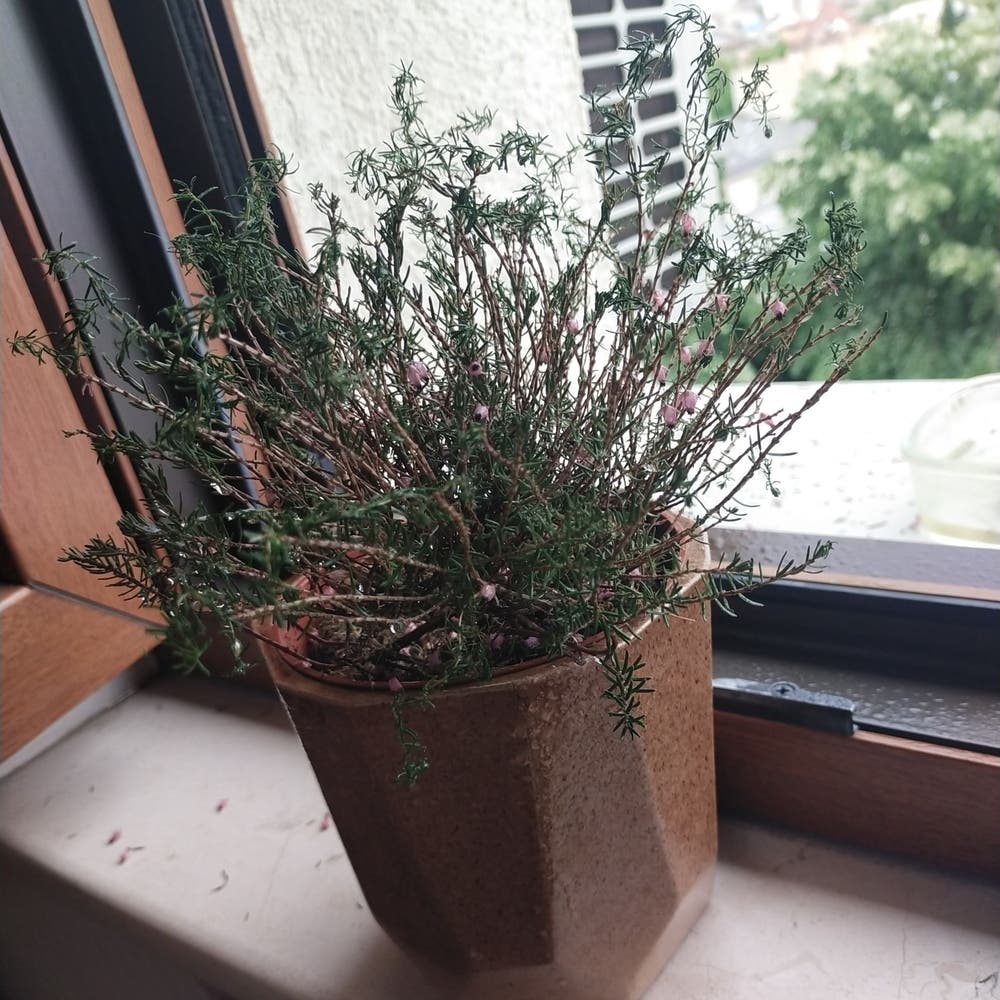
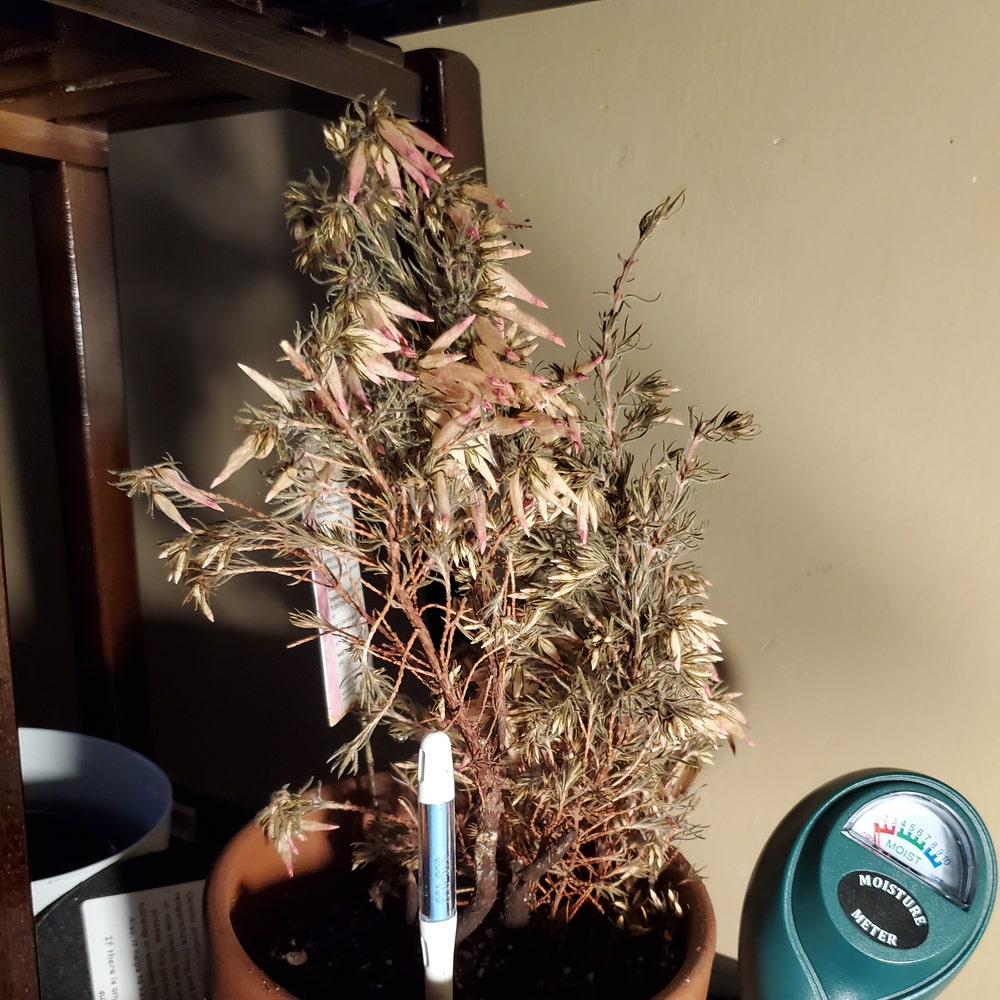
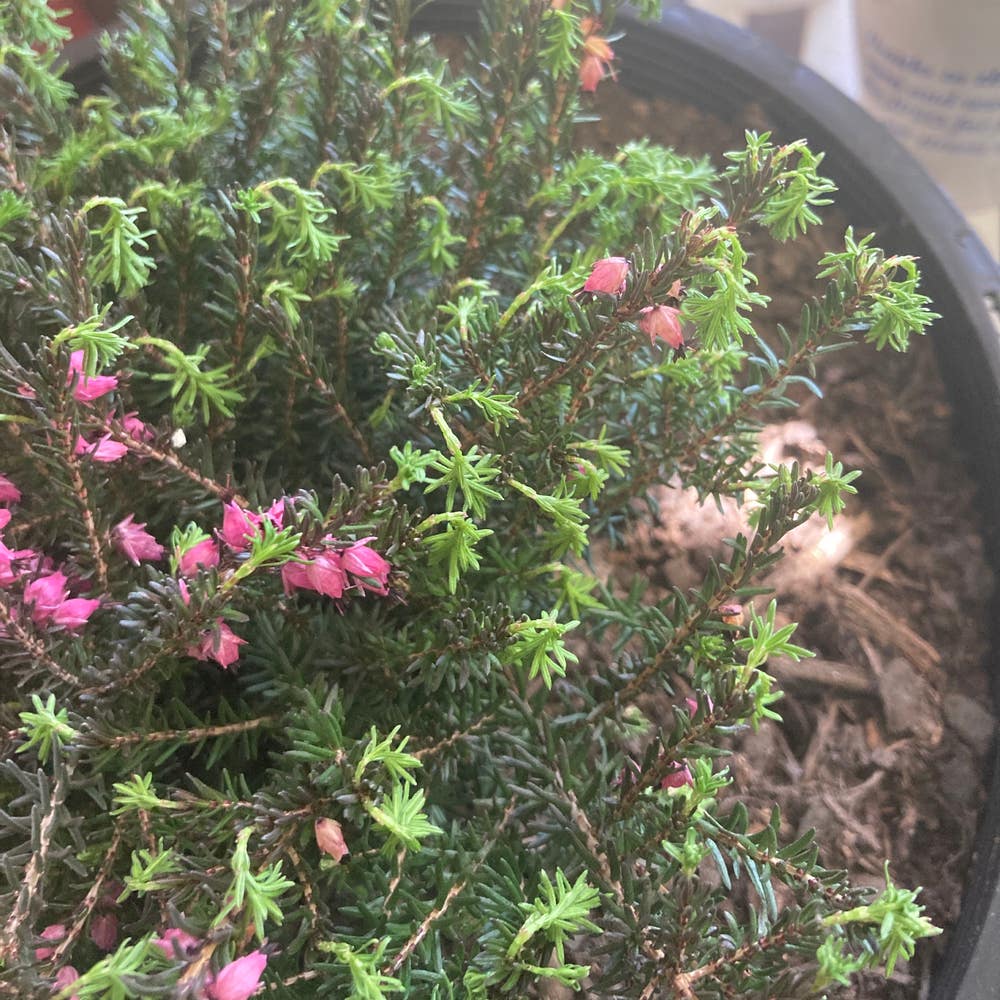
What You Should Know About Erica leucopelta var. leucopelta
Erica leucopelta var. leucopelta
By the Greg Editorial Team
Feb 28, 2025•11 min read
This article was created with the help of AI so we can cover more plants for you. May contain errors. See one? Report it here.
- 🌞🌱 Erica leucopelta thrives in full sun with well-drained, acidic soil for optimal growth.
- 🌿💧 Keep soil moist initially; it becomes drought-tolerant once established.
- 🐾 Generally safe for pets, but excessive consumption may cause mild gastrointestinal upset.
How to Grow
Choosing a Location 🌞
For Erica leucopelta var. leucopelta, the ideal growing conditions range from full sun to partial shade. It's crucial to select a spot with well-drained, acidic soil to ensure healthy growth.
Soil Preparation 🏜️
This plant thrives in acidic, sandy loam or a peat-based mix. Aim for a pH level between 5.5 and 6.5, and don’t forget to incorporate organic matter before planting to enhance drainage.
Planting Techniques 🌱
When planting, ensure the root ball is level with the soil surface for optimal growth. Space your plants 18-24 inches apart to give them room to flourish.
Watering Requirements 🚰
Initially, keep the soil consistently moist until the plant is established. Once settled, Erica leucopelta becomes drought-tolerant, but remember to water during prolonged dry spells.
Fertilizing Schedule 🍽️
Use a balanced, slow-release fertilizer to nourish your plants. Fertilize every 6-8 weeks during the growing season for best results.
Pruning Methods ✂️
Timing is key for pruning; late winter to early spring is ideal. Focus on removing dead or damaged branches to encourage healthy growth.
Ongoing Care 🛡️
For container care, ensure pots have drainage holes and use a suitable potting mix. If growing outdoors, keep an eye out for pests and diseases, adjusting your watering based on rainfall.
With these guidelines, you'll set the stage for a thriving Erica leucopelta var. leucopelta. Next, let’s explore how to propagate this beautiful plant effectively.
Propagation
🌱 Seed Propagation
To start with seed propagation, stratify your seeds for 2-4 weeks before sowing. This process mimics natural conditions, helping to break dormancy and improve germination rates.
For optimal germination, provide a warm, moist environment. Under these conditions, expect germination to occur within 2-4 weeks, giving you a head start on your Erica leucopelta var. leucopelta garden.
✂️ Cutting Propagation
Cutting propagation is another effective method. Select healthy plants and take 4-6 inch cuttings from them.
For rooting, use a mix of perlite and peat moss. Place the cuttings under a humidity dome, where they should root in about 4-6 weeks, allowing you to expand your collection effortlessly.
🌿 Division Propagation
Division propagation is best done in early spring or fall. This method involves carefully separating clumps of the plant and replanting them immediately.
By dividing your plants, you not only propagate but also rejuvenate them, promoting healthier growth. This technique is a great way to manage your garden while ensuring your Erica leucopelta thrives.
With these propagation methods, you can easily expand your garden and enjoy the beauty of Erica leucopelta var. leucopelta. Next, let's explore the lifecycle of this fascinating plant and understand its growth stages.
Lifecycle
🌱 Stages of Growth
Erica leucopelta var. leucopelta is a perennial plant with a multi-year life cycle. Understanding its growth stages can help you nurture it effectively.
🌱 Germination
Seeds typically germinate within 2-4 weeks under optimal conditions. This initial phase is crucial for establishing a healthy plant.
🌱 Seedling Development
After germination, seedlings require 6-12 months of care before they can be transplanted. During this time, they develop essential roots and foliage.
🌱 Vegetative Growth
The vegetative growth stage features a moderate growth rate. This phase focuses on establishing a robust root system and lush foliage.
🌸 Flowering
Expect flowering to occur from late spring to early summer. After flowering, seeds develop, ensuring the continuation of the plant's life cycle.
⏳ Lifespan
Erica leucopelta can live for several years, reaching maturity in approximately 2-3 years. With proper care, it can thrive and contribute beauty to your garden for a long time.
Understanding these stages not only enhances your gardening skills but also deepens your appreciation for this resilient plant. Next, let’s explore its mature dimensions and growth variability.
Size
Mature Dimensions 🌱
Erica leucopelta var. leucopelta typically reaches a height of 1 to 3 feet. Its spread can extend from 2 to 3 feet wide, making it a compact yet impactful addition to any garden.
Growth Rate and Variability 📈
This plant exhibits a moderate growth rate, which can vary significantly based on environmental conditions. Factors such as soil quality and sunlight exposure play crucial roles in determining its ultimate size.
Understanding these dimensions and growth patterns can help you plan your garden layout effectively. By providing optimal conditions, you can encourage robust growth and vibrant blooms, enhancing your outdoor space.
As we explore the next section, let's delve into the fascinating root system of Erica leucopelta and its importance to the plant's overall health.
Roots
🌱 Root System Characteristics
Erica leucopelta var. leucopelta features a fibrous root system that is essential for its growth. This shallow root structure extends laterally, allowing the plant to efficiently absorb water and nutrients from the surrounding soil.
⚠️ Common Issues
One of the most common problems with this plant is root rot, which occurs due to overwatering. Symptoms include wilting and yellowing leaves, signaling that the roots are struggling.
Healthy roots should be firm and exhibit a white or light tan color. In contrast, unhealthy roots appear dark and mushy, indicating a need for immediate attention.
Recognizing rootbound conditions is crucial for maintaining plant health. Signs include roots growing out of drainage holes, which suggests it's time to repot or divide the plant to encourage further growth.
Understanding these root characteristics and potential issues will help you provide the best care for your Erica leucopelta var. leucopelta. Next, let’s explore the benefits this plant brings to your garden.
Benefits
Top 5 Benefits 🌟
Erica leucopelta var. leucopelta offers a range of benefits that make it a fantastic addition to any garden.
1. Aesthetic Appeal
This plant boasts evergreen foliage and unique flowers, adding vibrant color and texture to your landscape. Its striking appearance can elevate the overall look of your garden throughout the seasons.
2. Attracts Pollinators
By planting Erica leucopelta, you invite pollinators like bees and butterflies into your garden. This not only enhances biodiversity but also supports the health of your local ecosystem.
3. Erosion Control
The fibrous root system of this plant plays a crucial role in stabilizing soil. This makes it an excellent choice for areas prone to erosion, helping to maintain the integrity of your landscape.
4. Cultural Significance
In South African culture, Erica leucopelta holds a special place. Its historical and cultural relevance adds depth to your gardening experience, connecting you to a rich heritage.
5. Low Maintenance Requirements
Once established, this plant requires minimal care. Its drought tolerance and resilience make it a perfect choice for busy gardeners or those new to gardening.
Incorporating Erica leucopelta into your garden not only enhances its beauty but also contributes positively to the environment. With its numerous benefits, it's a plant worth considering for your next gardening project.
Companion Plants
Best Companions 🌱
When it comes to growing Erica leucopelta var. leucopelta, choosing the right companion plants can make all the difference. Pairing it with other heathland plants, such as heather and native grasses, creates a harmonious garden environment.
These companions not only enhance the aesthetic appeal but also contribute to improved growth. They help with pest management and promote garden diversity, creating a thriving ecosystem that benefits all plants involved.
Consider planting these companions to maximize the health and beauty of your garden. By fostering a diverse plant community, you can enjoy a vibrant landscape that attracts pollinators and supports local wildlife.
As you plan your garden, think about how these companion plants can work together with Erica leucopelta. This thoughtful approach will lead to a more resilient and visually stunning garden space.
Next, let’s explore the fascinating topic of toxicity, addressing how Erica leucopelta interacts with humans and pets.
Toxicity to Humans
When it comes to Erica leucopelta var. leucopelta, you can breathe easy. This plant is generally considered safe and is not listed as toxic by major health organizations.
However, it's wise to keep a watchful eye. While serious issues are rare, consuming large quantities may lead to mild skin irritation or digestive discomfort.
Always exercise caution with any plant. If you experience unusual symptoms after contact or consumption, seek medical advice promptly. Your health and safety should always come first!
With this knowledge, you can enjoy the beauty of Erica leucopelta without unnecessary worry. Now, let’s explore how this plant interacts with our furry friends!
Toxicity to Dogs
When it comes to Erica leucopelta var. leucopelta, dog owners can breathe a sigh of relief. This plant is not listed as toxic to dogs by veterinary organizations, making it a safe choice for gardens shared with our furry friends.
However, moderation is key. While the plant isn’t harmful, excessive consumption can lead to mild gastrointestinal upset. To keep your pup safe, it's wise to keep these plants out of reach and monitor their behavior around them.
In case your dog does nibble on a leaf or two, watch for any unusual symptoms. If you notice anything concerning, don’t hesitate to consult your veterinarian for peace of mind.
By being proactive, you can enjoy the beauty of Erica leucopelta while ensuring your dog's safety. Now, let’s explore how to prevent common issues that may arise with this plant.
Toxicity to Cats
When it comes to the safety of Erica leucopelta var. leucopelta for our feline friends, you can breathe easy. This plant is not listed as toxic to cats by major pet poison control centers, making it a safe addition to your home.
However, moderation is key. While it's generally safe, consuming large quantities may lead to mild gastrointestinal upset. To keep your curious cats safe, ensure that these plants are placed in areas where they can't easily access them.
By taking these simple precautions, you can enjoy the beauty of Erica leucopelta var. leucopelta without worrying about your pets. Now that you know it's safe for cats, let's explore how to prevent common issues that may arise with this lovely plant.
Problems
Common Issues 🌱
Growing Erica leucopelta var. leucopelta can be rewarding, but it's essential to watch for common problems. Incorrect watering is a primary concern; overwatering can lead to root rot, while underwatering results in wilting.
Identifying Symptoms 👀
Keep an eye out for yellowing leaves, wilting, or stunted growth. These symptoms often indicate that your plant isn't getting the care it needs.
Solutions 🛠️
To address these issues, adjust your watering habits and improve drainage. Additionally, monitor light conditions to ensure your plant thrives in its environment.
By staying vigilant and responsive to your plant's needs, you can enjoy a healthy and vibrant Erica leucopelta.
Bugs
🐞 Potential Pest Issues
While Erica leucopelta var. leucopelta is generally pest-resistant, it can occasionally fall victim to spider mites and mealybugs. These pests can disrupt your plant's health, so it's essential to keep an eye out for any signs of infestation.
🔍 Identifying Pests
Spider mites often leave behind fine webbing and cause stippled leaves, indicating their presence. On the other hand, mealybugs appear as cotton-like masses on the plant, making them relatively easy to spot.
🧴 Treatment Options
If you notice these pests, don't panic! You can treat infestations effectively with neem oil or insecticidal soap. Additionally, introducing beneficial insects can help keep these pests at bay naturally.
🚫 Prevention Tips
To minimize the risk of pest issues, maintain good air circulation around your plants and avoid overcrowding. Regularly inspect your plants for any early signs of trouble, ensuring they remain healthy and vibrant.
By staying vigilant and proactive, you can enjoy the beauty of Erica leucopelta var. leucopelta without the worry of pest problems. Next, let’s explore what animals might be tempted to nibble on your lovely plants.
What Eats
Common Animals 🦌
When it comes to Erica leucopelta var. leucopelta, several common animals might find its foliage quite appetizing. Deer, rabbits, and rodents are known to nibble on its leaves, which can lead to noticeable damage.
Signs of Damage 🐾
Keep an eye out for signs of these hungry visitors. Chewed leaves, droppings, and tracks near your plants can indicate that wildlife is enjoying your garden a bit too much.
Deterrent Methods 🚫
To protect your plants, consider using commercial repellents designed to deter these animals. Additionally, planting deterrent species nearby can help keep them at bay, ensuring your Erica leucopelta thrives without unwanted munching.
As you cultivate your garden, remember that a little vigilance can go a long way in maintaining the health of your plants. Now, let’s explore the potential pest issues that can affect your Erica leucopelta.
⚠️ Safety First
This content is for general information and may contain errors, omissions, or outdated details. It is not medical, veterinary advice, or an endorsement of therapeutic claims.
Always consult a qualified healthcare professional before using any plant as food, medicine, or supplement.
Never eat any plant (or feed one to pets) without confirming its identity with at least two trusted sources.
If you suspect poisoning, call Poison Control (800) 222-1222, the Pet Poison Helpline (800) 213-6680, or your local emergency service immediately.
Spotted an error? Please report it here.
Nurture your Erica leucopelta like a pro 🌱 with Greg's custom care tips and watering reminders to keep it thriving in your garden!