What You Should Know About Erica leptopus var. leptopus
Erica leptopus var. leptopus
By the Greg Editorial Team
Feb 28, 2025•12 min read
This article was created with the help of AI so we can cover more plants for you. May contain errors. See one? Report it here.
Elevate your garden with Erica leptopus 🌼, a stunning, low-maintenance plant that thrives with minimal care! 🌱
- 🌞 Erica leptopus thrives in full sun to partial shade; choose the right location!
- 🌱 Prefers acidic, well-draining soil enriched with organic matter for optimal growth.
- 💧 Regular watering is key until established; then, it becomes drought-tolerant.
How to Grow
Choosing a Location 🌞
To thrive, Erica leptopus var. leptopus prefers full sun to partial shade. When deciding between outdoor planting or container growth, consider the light exposure and space available.
Soil Preparation 🌱
This plant flourishes in acidic, well-draining soils. To enhance drainage, incorporate organic matter like compost or peat into your soil mix.
Planting Techniques 🌼
The best time to plant is early spring or fall, allowing the roots to establish before extreme temperatures hit. For outdoor planting, space your plants 18-24 inches apart to ensure adequate airflow and growth.
Watering Requirements 💧
Initially, regular watering is crucial until the plant is established; afterward, it becomes drought-tolerant. Watch for signs of overwatering, such as yellowing leaves, or underwatering, indicated by wilting.
Fertilizing Schedule 🌿
Use a balanced, slow-release fertilizer to provide essential nutrients. Apply it in early spring, just before new growth begins, to give your plant a healthy boost.
Pruning Methods ✂️
Prune after flowering to encourage bushiness and maintain a neat shape. Light trimming is all that's needed to keep your plant looking its best.
Ongoing Care 🪴
For container plants, ensure pots have drainage holes to prevent waterlogging. In outdoor settings, mulching helps retain moisture and suppress weeds, creating a healthier environment for your Erica leptopus.
With these growing tips, you’ll set the stage for a flourishing plant that adds beauty and resilience to your garden. Next, let’s explore how to propagate this lovely species.
Propagation
🌱 Seed Propagation
To propagate Erica leptopus var. leptopus from seeds, start with stratification. This process enhances germination, which typically takes about 2-4 weeks under optimal conditions.
✂️ Cutting Propagation
For cutting propagation, select healthy cuttings that are 4-6 inches long. Use a rooting medium that combines peat and perlite for the best results.
🌿 Layering Techniques
Layering is another effective propagation method. Simply bend a low branch to the ground, cover it with soil, and wait; roots will develop in about 6-12 months.
This variety of propagation techniques allows you to expand your collection of Erica leptopus var. leptopus easily. Whether you choose seeds, cuttings, or layering, each method offers a unique way to enjoy this resilient plant.
Lifecycle
Lifecycle Stages 🌱
Erica leptopus var. leptopus is a perennial plant, meaning it lives for multiple years. This characteristic allows it to thrive and adapt to various environmental conditions over time.
Germination Process 🌡️
For successful germination, warm temperatures and consistent moisture are essential. These optimal conditions help the seeds break dormancy and sprout effectively.
Seedling Stage Development 🌿
Once germination occurs, the seedling stage lasts about 4-6 weeks. During this time, the plant develops its first true leaves, signaling its readiness for further growth.
Vegetative Growth Phase 🌳
In the vegetative growth phase, Erica leptopus exhibits rapid leaf development and establishes its root system. This phase is crucial for building a strong foundation for future growth.
Flowering Period 🌸
The flowering period typically occurs from late winter to spring, lasting several weeks. This is when the plant showcases its beautiful blooms, attracting pollinators and enhancing garden aesthetics.
Seed Production and Lifespan 🌾
Under ideal conditions, Erica leptopus can live for 5-10 years. This lifespan allows for multiple cycles of seed production, contributing to its propagation and sustainability.
Growth Timeline and Speed ⏳
The time to maturity for Erica leptopus is approximately 2-3 years. Its moderate growth rate depends on various factors, including soil quality, sunlight, and water availability.
This lifecycle overview highlights the resilience and adaptability of Erica leptopus, making it a valuable addition to any garden. As we explore its benefits next, you'll discover why this plant is worth cultivating.
Size
Mature Height and Spread 🌱
Erica leptopus var. leptopus typically reaches a height of 2 to 4 feet. Its spread generally ranges from 2 to 3 feet wide, making it a lovely addition to any garden or landscape.
Growth Rate Specifics 📈
This plant boasts an average growth rate of 12 to 24 inches per year. With the right conditions, you can watch it flourish and fill your space beautifully.
Size Variability Based on Conditions 🌍
Several factors can influence the size of Erica leptopus var. leptopus. Soil quality, sunlight exposure, and water availability all play crucial roles in determining how large your plant will grow.
Understanding these variables can help you create the ideal environment for your plant to thrive. With proper care, you can enjoy a robust and vibrant specimen in your garden.
Roots
Root System Characteristics 🌱
Erica leptopus var. leptopus features a fibrous root system that is essential for its stability and nutrient uptake. These roots are shallow and spread out, allowing the plant to efficiently absorb moisture and nutrients from the top layers of soil.
Growth Patterns and Health Indicators 🌿
Healthy roots are typically firm, white, and well-structured, indicating a robust plant. In contrast, unhealthy roots may appear dark, mushy, or emit a foul smell, signaling potential issues that need addressing.
Identifying Rootbound Plants 🪴
One common problem is rootbound plants, which can be identified by roots growing out of drainage holes or circling the pot. This condition restricts growth and can lead to poor plant health.
Solutions for Root-Related Issues 🔧
If you find your plant is rootbound, repotting it into a larger container can provide the necessary space for growth. To prevent root rot, ensure proper drainage and avoid overwatering, which can suffocate the roots and lead to decay.
With these insights into the root system of Erica leptopus var. leptopus, you can better understand how to care for your plant. Next, let's explore the benefits this resilient species brings to your garden.
Benefits
Top 5 Benefits 🌟
1. Drought Resistance
Once established, Erica leptopus var. leptopus requires minimal water, making it a fantastic choice for water-wise gardens. This resilience helps conserve resources while still providing beauty.
2. Ornamental Value
With its striking foliage and vibrant flowers, this plant enhances any garden's aesthetic appeal. Its unique appearance can serve as a focal point or complement other plants beautifully.
3. Wildlife Attraction
This species is a haven for pollinators and beneficial insects. By planting it, you contribute to a thriving ecosystem right in your backyard.
4. Erosion Control
Erica leptopus var. leptopus plays a vital role in stabilizing soil, particularly in sloped areas. Its root system helps prevent erosion, making it a practical choice for landscaping.
5. Cultural Significance
This plant symbolizes resilience and adaptability, embodying the spirit of diverse landscapes. Incorporating it into your garden can reflect a commitment to sustainability and environmental stewardship.
These benefits make Erica leptopus var. leptopus not just a beautiful addition to your garden but also a responsible choice for the environment. As you consider your planting options, think about how this remarkable plant can enhance your outdoor space while supporting local wildlife and soil health.
Companion Plants
🌱 Concept of Companion Planting
Companion planting is all about creating a harmonious garden ecosystem. It enhances diversity and can significantly improve pest management, making your garden healthier and more vibrant.
🌼 Best Companion Plants
When it comes to Erica leptopus var. leptopus, consider pairing it with other fynbos species like Proteas and Leucadendrons. These plants share similar care needs and thrive in comparable environmental conditions, ensuring a cohesive and thriving garden.
🚫 Plants to Avoid
Be cautious with heavy feeders that may compete for nutrients. These plants can stress your Erica and hinder its growth, so it's best to keep them at a distance.
Companion planting not only boosts the health of your plants but also adds layers of beauty to your garden. By choosing the right companions, you can create a flourishing landscape that benefits all its inhabitants.
Toxicity to Humans
Erica leptopus var. leptopus is generally safe and is not listed as toxic by major poison control centers. This means you can enjoy its beauty without worrying about severe health risks.
However, it's important to note that consuming large quantities may lead to mild skin irritation or digestive discomfort. Always exercise caution with any plant, and if you experience unusual symptoms, don’t hesitate to seek medical advice.
In summary, while this plant is not harmful, it's wise to respect its nature and handle it with care. Enjoy the vibrant addition it brings to your garden, but keep an eye on your interactions with it.
Toxicity to Dogs
Erica leptopus var. leptopus is generally safe for dogs, as it is not listed as toxic by major pet poison control centers. This means you can enjoy this beautiful plant without worrying too much about your furry friends.
However, it's important to note that if dogs consume large quantities, they may experience mild gastrointestinal upset. To keep your pets safe, consider placing the plant out of their reach and monitoring their behavior around it.
If you notice any unusual symptoms after your dog has been near the plant, don't hesitate to consult your veterinarian. Keeping your garden safe for pets while enjoying the beauty of Erica leptopus can be a rewarding experience.
Next, let’s explore how this plant interacts with cats and their safety around it.
Toxicity to Cats
Erica leptopus var. leptopus is not considered toxic to cats according to major pet poison control centers. This means you can enjoy this beautiful plant without worrying about your feline friends getting hurt.
However, if your cat decides to nibble on it, there could be some minor issues. Eating large quantities might lead to mild gastrointestinal upset, which is something to keep an eye on.
🐾 Monitoring Your Cat's Behavior
To ensure your cat stays healthy, it's wise to monitor their behavior around the plant. If you notice any unusual symptoms, such as vomiting or lethargy, it's best to consult a veterinarian.
🚫 Tips for Prevention
Encouraging your cat to avoid the plant can be helpful. You might consider placing the Erica leptopus in an area that's less accessible or using deterrents to keep your curious kitty at bay.
In summary, while Erica leptopus var. leptopus is safe for cats, a little caution goes a long way. Keeping an eye on your pet and managing their access to the plant will help maintain a harmonious home.
Problems
Common Problems 🌱
Growing Erica leptopus var. leptopus can be rewarding, but it comes with its share of challenges. Here are some common issues to watch for:
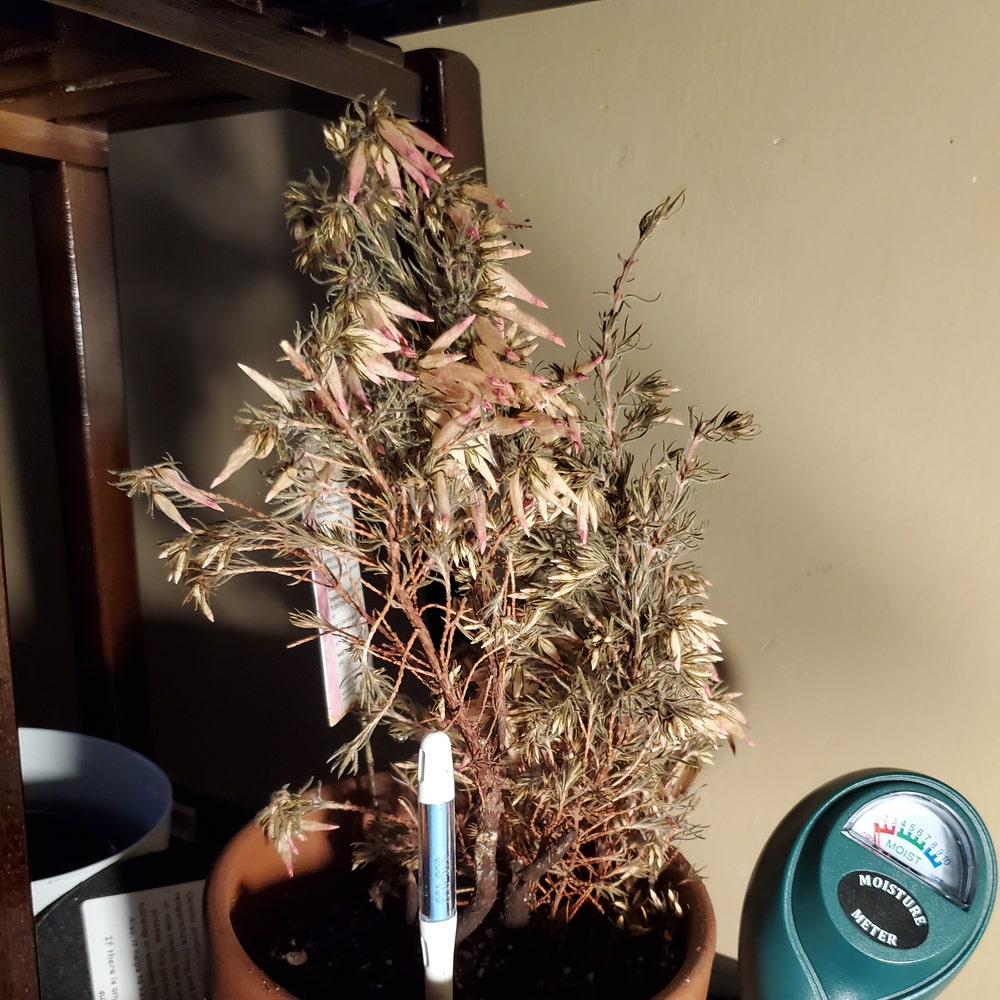
- Incorrect Watering: Overwatering leads to yellowing leaves, while underwatering causes wilting.
- Incorrect Light Conditions: Too much sun can scorch the leaves, resulting in brown edges.
- Incorrect Temperature: Cold damage may occur in frost-prone areas, affecting plant health.
- Diseases: Fungal issues like powdery mildew and root rot can threaten your plant's vitality.
- Leaf Issues: Scorching, yellowing, or fuzzy growth can indicate underlying problems.
Identifying Symptoms and Causes 🔍
Understanding the symptoms is key to resolving these issues.
- Overwatering: Look for yellowing leaves and a soggy soil texture.
- Underwatering: Wilting leaves and dry soil are telltale signs.
- Light Problems: Scorched leaves often appear crispy and discolored.
- Temperature Stress: Leaves may turn black or mushy in cold conditions.
- Diseases: Powdery mildew presents as a white, powdery coating on leaves.
Solutions for Common Issues 🛠️
Addressing these problems can help revive your Erica leptopus.
- For Watering Issues: Adjust your watering schedule based on soil moisture. Ensure pots have drainage holes to prevent sogginess.
- For Light Conditions: Move the plant to a location with filtered sunlight if leaf scorch occurs.
- For Temperature Problems: Provide frost protection, such as covering the plant during cold snaps.
- For Diseases: Treat fungal issues with fungicides and improve air circulation around the plant.
- For Leaf Issues: Trim affected leaves and adjust care practices to promote healthier growth.
By staying vigilant and responsive to these common problems, you can ensure your Erica leptopus thrives. Next, let’s explore the potential pests that could pose a threat to your plant's health.
Bugs
🐜 Potential Pest Issues
While Erica leptopus var. leptopus boasts moderate pest resistance, it can still fall prey to certain pests. Keeping an eye out for these invaders is crucial for maintaining plant health.
🔍 Identification of Pests
Common pests that may target your Erica include:
- Spider Mites: Tiny, often invisible to the naked eye, they create fine webbing on leaves.
- Aphids: Small, soft-bodied insects that cluster on new growth, sucking sap and causing distortion.
- Mealybugs: White, cottony masses that appear on stems and leaves, leading to sticky residue.
- Whiteflies: Small, white flying insects that can cause yellowing leaves and stunted growth.
⚠️ Damage Caused by Pests
Each pest brings its own set of problems:
- Spider Mites: They can cause leaf discoloration and premature leaf drop.
- Aphids: These pests lead to curling leaves and can transmit plant viruses.
- Mealybugs: Their feeding can weaken the plant, making it more susceptible to diseases.
- Whiteflies: They cause yellowing and wilting, significantly affecting overall vigor.
🛠️ Effective Treatment Options
To combat these pests, consider the following treatments:
- Insecticidal Soap: A safe option that suffocates soft-bodied insects on contact.
- Neem Oil: This natural pesticide disrupts the life cycle of pests and deters future infestations.
- Beneficial Insects: Introduce ladybugs or lacewings, which prey on aphids and other pests.
By staying vigilant and employing these strategies, you can keep your Erica leptopus thriving and pest-free. Next, let’s explore what animals might pose a threat to your plant.
What Eats
🦌 Common Animals That May Damage the Plant
Erica leptopus var. leptopus faces threats from various animals. Deer, rabbits, squirrels, and rodents are known to nibble on its foliage, potentially causing significant damage.
👣 Signs of Animal Presence
Identifying animal visitors can be straightforward. Look for tracks, droppings, or chewed foliage as clear indicators that your plant has attracted some hungry guests.
⚠️ Types of Damage Caused
The damage from these animals typically involves browsing on leaves and stems. This can lead to stunted growth and an overall decline in plant health.
🚫 Deterrent Methods
To protect your plants, consider a mix of chemical and organic control methods. Fencing, repellents, and companion planting can effectively deter these hungry critters from making a meal out of your Erica leptopus.
As you implement these strategies, remember that a little vigilance goes a long way in keeping your plants thriving. With the right precautions, you can enjoy the beauty of Erica leptopus var. leptopus without the worry of unwanted munchers.
⚠️ Safety First
This content is for general information and may contain errors, omissions, or outdated details. It is not medical, veterinary advice, or an endorsement of therapeutic claims.
Always consult a qualified healthcare professional before using any plant as food, medicine, or supplement.
Never eat any plant (or feed one to pets) without confirming its identity with at least two trusted sources.
If you suspect poisoning, call Poison Control (800) 222-1222, the Pet Poison Helpline (800) 213-6680, or your local emergency service immediately.
Spotted an error? Please report it here.
Help your Erica leptopus thrive 🌼 with Greg's personalized watering reminders and tailored care plans that ensure it flourishes for years to come!