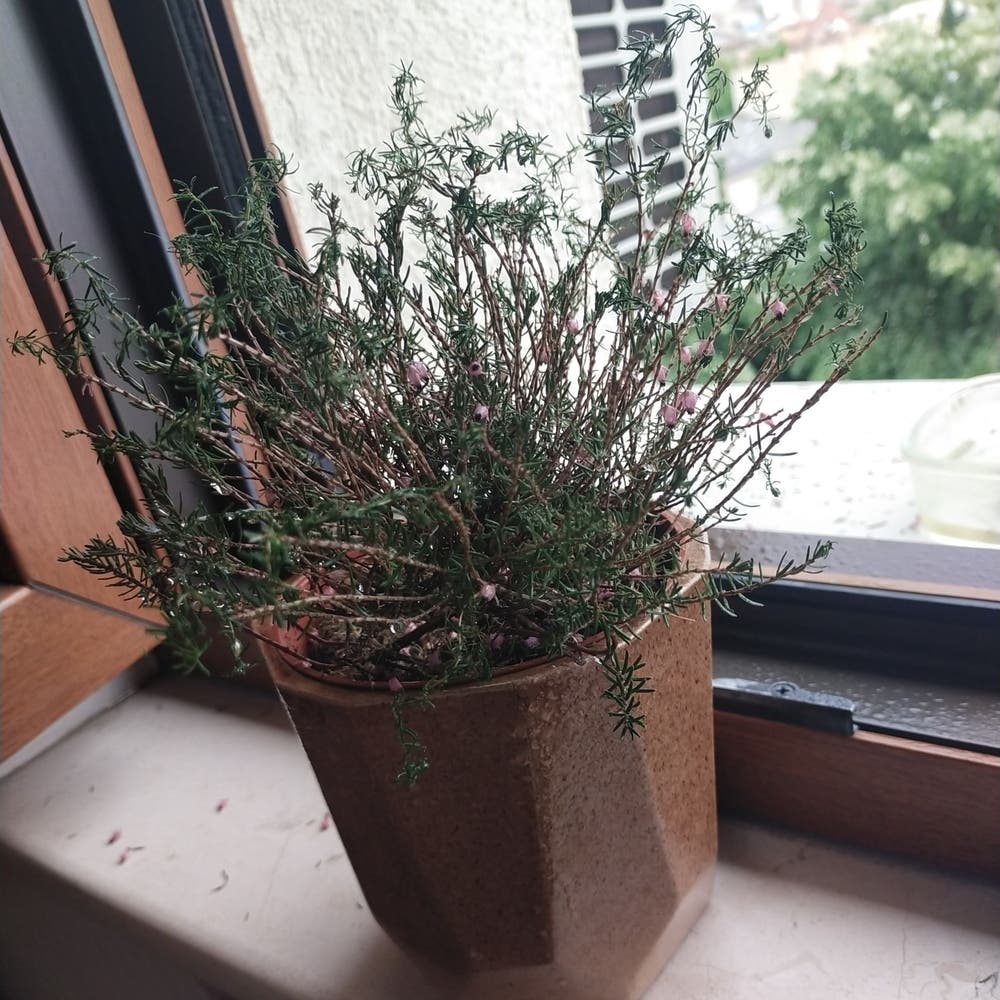
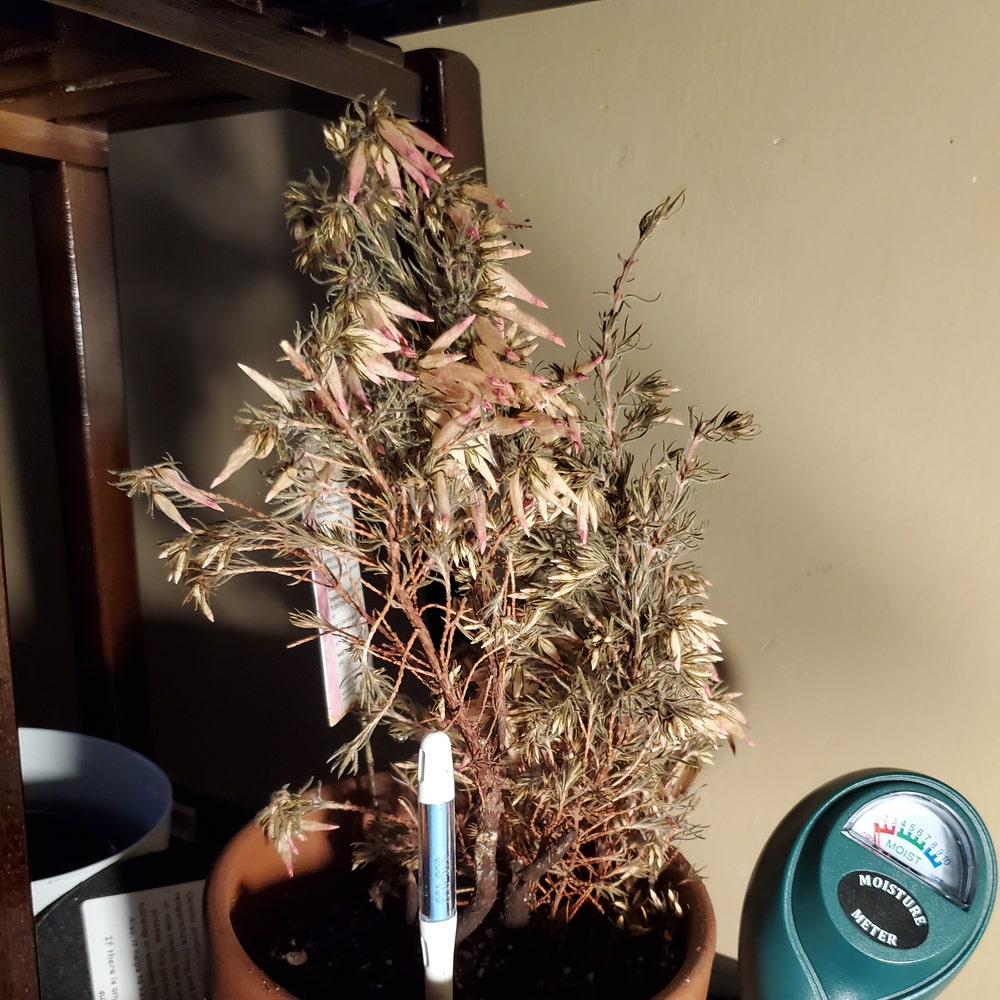
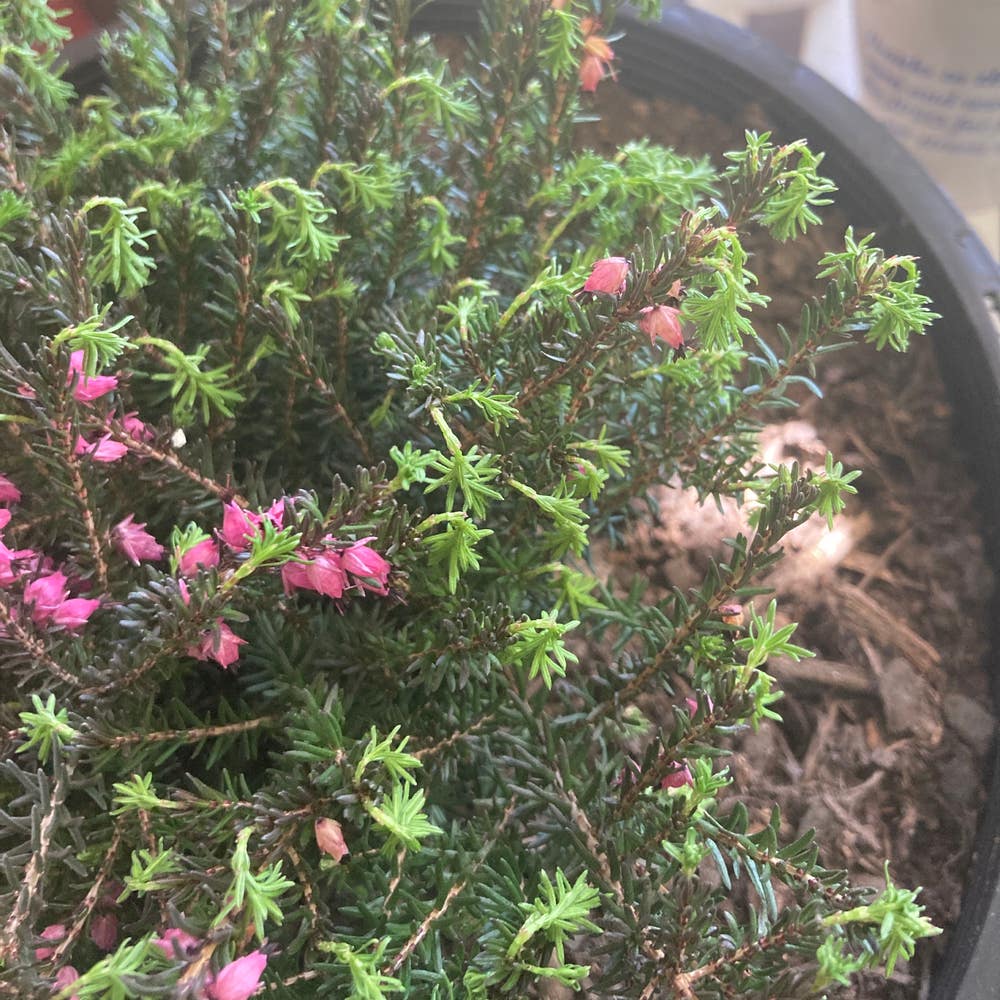
🌸 Erica lepidota Explained: Key Information
Erica lepidota
By the Greg Editorial Team
Feb 28, 2025•12 min read
This article was created with the help of AI so we can cover more plants for you. May contain errors. See one? Report it here.
Elevate your garden with Erica lepidota, a resilient beauty that thrives on care and attracts pollinators! 🌿🐝
- 🌞 Erica lepidota needs 6-8 hours of sunlight for optimal growth.
- 🌱 Acidic, well-draining soil with pH 4.5-6.0 is essential for health.
- 🚫💧 Avoid overwatering; yellow leaves indicate too much water, while wilting means too little.
How to Grow
Choosing a Location 🌞
To thrive, Erica lepidota needs full sun to partial shade, ideally receiving 6-8 hours of sunlight daily. When deciding between outdoor and container growing, consider the space and light availability in your garden.
Soil Preparation 🌱
This plant prefers acidic, well-draining soil with a pH between 4.5 and 6.0. To enhance drainage, incorporate amendments like peat moss or pine bark into your soil mix.
Planting Techniques 🌿
When planting, ensure the root ball is level with the soil surface for optimal growth. For outdoor planting, space your plants 2-3 feet apart to allow for healthy expansion.
Watering Requirements 🚰
Regular watering is crucial during dry spells, but be cautious to avoid waterlogging. Look for signs of overwatering, such as yellowing leaves, or underwatering, indicated by wilting foliage.
Fertilizing Guidelines 🍽️
In spring, apply a balanced, slow-release fertilizer to support growth. Focus on providing essential nutrients like nitrogen, phosphorus, and potassium for robust development.
Pruning Methods ✂️
Prune your Erica lepidota after flowering to maintain its shape and encourage healthy growth. Remove any dead or damaged branches and thin out crowded areas to promote airflow.
Ongoing Care 🛠️
For container care, ensure pots have drainage holes and regularly monitor moisture levels. In outdoor settings, apply mulch to retain moisture and suppress weeds, creating a thriving environment for your plants.
With these guidelines, you'll be well on your way to successfully growing Erica lepidota. Next, let’s explore how to propagate this resilient plant for even more gardening success!
Propagation
🌱 Methods of Propagation
Erica lepidota can be propagated through two primary methods: seeds and cuttings. Both methods are effective, but they require different approaches and care.
📋 Step-by-Step Instructions for Each Method
Propagation from Seeds
Soak Seeds: Start by soaking the seeds in water for 24 hours before planting. This helps to soften the seed coat and encourages germination.
Sow Seeds: Next, sow the seeds in a seed tray filled with a mix of peat and perlite. This combination provides excellent drainage and aeration.
Maintain Moisture: Keep the soil moist and maintain a temperature between 20-25°C (68-77°F). This warm environment is crucial for successful germination.
Germination Time: Expect germination to take about 2-4 weeks. Be patient and keep an eye on the moisture levels during this period.
Propagation from Cuttings
Select Healthy Stems: Choose healthy stems that do not have flowers. This ensures that the plant focuses energy on root development rather than blooming.
Use Rooting Hormone: Dip the cut ends of the stems in rooting hormone. This step boosts the chances of successful rooting.
Plant in Medium: Place the cuttings in a well-draining medium. Keeping the environment humid will help the cuttings establish roots.
Rooting Time: Allow 4-6 weeks for the cuttings to root. Monitor their progress and maintain humidity to encourage healthy growth.
With these methods, you can successfully propagate Erica lepidota and enjoy the beauty of this resilient plant in your garden. Next, let’s explore the lifecycle of Erica lepidota and understand its growth stages.
Lifecycle
🌱 Lifecycle Stages
The lifecycle of Erica lepidota begins with germination, where seeds sprout within 2-4 weeks. Following this, the seedling stage develops true leaves in about 4-6 weeks, setting the stage for further growth.
🌿 Vegetative Growth
During the vegetative growth phase, the plant experiences rapid growth that lasts several months. This is when it establishes a strong foundation before moving on to flowering.
🌸 Flowering and Seed Production
Flowering typically occurs in late spring to early summer, showcasing the plant's vibrant blooms. After flowering, the seeds mature, ready to continue the cycle.
⏳ Lifespan and Growth Rate
In optimal conditions, Erica lepidota has a lifespan of 5-10 years. It grows at a moderate pace, reaching maturity in about 2-3 years, making it a rewarding addition to any garden.
This lifecycle not only highlights the resilience of Erica lepidota but also emphasizes the importance of proper care to ensure healthy growth. Understanding these stages can help you nurture your plants effectively, leading to a thriving garden.
Next, we will explore the size characteristics of Erica lepidota, including its mature height and spread.
Size
Mature Height and Spread 🌱
Erica lepidota typically reaches a mature height of 1 to 2 feet. Its spread can extend up to 3 feet wide, making it a compact yet impactful addition to any garden.
Growth Rate and Size Variability 📏
This plant exhibits a moderate growth rate, which can be influenced by factors like soil quality and sunlight exposure. Size variability is common, as growing conditions such as soil type and moisture levels can significantly affect its overall dimensions.
Understanding these characteristics helps gardeners plan effectively, ensuring that Erica lepidota fits well within their landscape design. As you cultivate this resilient plant, keep an eye on its growth to adapt care strategies accordingly.
Roots
Characteristics of the Root System 🌱
Erica lepidota features a fibrous root system that is essential for its stability and nutrient uptake. These roots are shallow and spread out, allowing the plant to efficiently absorb moisture and nutrients from the top layers of the soil.
Common Root-Related Issues and Solutions ⚠️
Root rot is a common issue caused by overwatering, which can suffocate the roots. To prevent this, ensure good drainage in your pots or garden beds.
Signs of unhealthy roots include dark, mushy textures, indicating rot. If you notice these symptoms, it’s crucial to address the watering habits and check for drainage issues.
Identifying Healthy vs. Unhealthy Roots 🔍
Healthy roots are typically firm and exhibit a white or light tan color. In contrast, unhealthy roots will appear dark, mushy, or may even emit a foul smell.
Regularly inspecting the root system can help catch problems early, ensuring your Erica lepidota thrives.
Understanding Rootbound Conditions 🪴
Rootbound conditions occur when roots circle the pot, limiting the plant's growth potential. This is often indicated by stunted growth or roots emerging from the drainage holes.
To remedy this, consider repotting into a larger container or pruning the roots. This will give your plant the space it needs to flourish and continue growing strong.
With proper attention to the roots, your Erica lepidota can thrive, setting the stage for healthy growth and vibrant blooms. Next, let’s explore the benefits this resilient plant brings to your garden.
Benefits
Top 5 Benefits of Erica Lepidota 🌿
Erica lepidota offers a multitude of benefits that make it a fantastic addition to any garden. Here are the top five reasons to consider growing this resilient plant.
1. Attracts Pollinators 🐝
One of the standout features of Erica lepidota is its ability to attract pollinators, especially bees. This not only enhances your garden's biodiversity but also supports local ecosystems.
2. Drought-Tolerant 💧
Once established, Erica lepidota is remarkably drought-tolerant. This characteristic makes it a low-maintenance choice for gardeners who want beauty without the constant need for watering.
3. Year-Round Greenery 🌳
This plant provides lush greenery throughout the year, adding aesthetic value to your landscape. Its vibrant foliage can brighten up any garden, regardless of the season.
4. Erosion Control 🌍
Thanks to its fibrous root system, Erica lepidota can be effectively used for erosion control. It helps stabilize soil, making it a practical choice for slopes and areas prone to erosion.
5. Symbol of Resilience 💪
Erica lepidota symbolizes resilience and adaptability, reflecting its origins in South Africa. Growing this plant can inspire a sense of connection to nature and the strength of the environment.
Incorporating Erica lepidota into your garden not only enhances its beauty but also contributes positively to the ecosystem. With its numerous benefits, it's a plant worth considering for any gardening enthusiast.
Next, let's explore the fascinating world of companion planting and how it can further enhance your gardening experience.
Companion Plants
🌱 Explanation of Companion Planting
Companion planting is a gardening strategy that enhances diversity and promotes plant health. By pairing compatible plants, you can improve pest management and create a more vibrant ecosystem in your garden.
🌼 Best Companion Plants
When growing Erica lepidota, consider these ideal companions:
- Other Ericas: They thrive in similar soil and light conditions, making them perfect partners.
- Low-Growing Herbs: Herbs like thyme and oregano are excellent choices as they don’t compete for nutrients and can help deter pests.
🚫 Plants to Avoid
Be cautious with heavy feeders such as tomatoes and corn. These plants can deplete soil nutrients, leaving your Erica lepidota struggling to thrive.
By selecting the right companions, you can create a flourishing garden that supports the health and vitality of your Erica lepidota. Next, let’s explore the potential toxicity of this plant to humans and pets.
Toxicity to Humans
Safety of Erica lepidota for Humans 🌿
Erica lepidota is not listed as toxic by major poison control centers, making it a safe choice for gardens. You can handle and even ingest it in small amounts without worry.
However, consuming large quantities might lead to mild skin irritation or digestive discomfort. If you experience any unusual symptoms, it's wise to seek medical advice.
General Handling Precautions 🧼
While generally safe, it's always a good idea to wash your hands after handling any plant. This simple step can help prevent any potential irritation or allergic reactions.
Conclusion 📜
In summary, Erica lepidota is a low-risk plant for humans, allowing you to enjoy its beauty without concern. As you explore more about this fascinating species, remember to stay informed and cautious, ensuring a safe gardening experience.
Next, let's delve into the safety of Erica lepidota for our furry friends—dogs and cats!
Toxicity to Dogs
Safety of Erica lepidota for Dogs 🐶
Erica lepidota is not listed as toxic by major pet poison control centers, making it a safe choice for dog owners. Generally, it poses minimal risk around dogs, but it's wise to keep an eye on your furry friends.
While mild gastrointestinal upset may occur if large quantities are consumed, this is rare. Always monitor your pets when they’re near any plants, including Erica lepidota, to ensure they don’t munch too much.
In summary, Erica lepidota can coexist peacefully with your canine companions, allowing you to enjoy your garden without worry. Next, let’s explore its safety for cats and what you need to know about keeping your feline friends safe around this plant.
Toxicity to Cats
Safety of Erica lepidota for Cats 🐱
Erica lepidota is not listed as toxic by major pet poison control centers, making it a safe choice for households with cats. Generally, there’s minimal risk associated with this plant, so you can enjoy its beauty without worry.
However, if your cat consumes large quantities, mild gastrointestinal upset may occur. It's always a good idea to monitor your pets around any plants, just to be safe.
In summary, Erica lepidota can coexist peacefully with your feline friends, allowing you to cultivate a vibrant garden without the stress of toxicity concerns.
Problems
🌱 Common Problems Faced When Growing
Growing Erica lepidota can be rewarding, but it comes with its challenges. Here are some common problems you might encounter.
Incorrect Watering
Watering is crucial for plant health.
- Overwatered: Look for yellowing leaves and soggy roots, which indicate too much moisture.
- Underwatered: If you see wilting or dry leaves, it’s time to give your plant a drink.
Incorrect Light Conditions
Light plays a significant role in growth.
- Signs: If your plant exhibits leggy growth or scorched leaves, it may not be getting the right amount of sunlight.
Incorrect Temperature
Temperature fluctuations can stress your plant.
- Signs: Stunted growth or leaf drop often signals that the temperature is not ideal for your Erica lepidota.
Diseases
Fungal diseases can be a real headache.
- Fungal Issues: Keep an eye out for powdery mildew or rust, which manifest as white spots or leaf discoloration.
Root Problems
Healthy roots are essential for overall plant vitality.
- Root Rot: If you notice mushy roots and wilting, your plant may be suffering from root rot, often caused by overwatering.
By being aware of these common issues, you can take proactive steps to ensure your Erica lepidota thrives. Next, let’s explore potential pest problems that could affect your plant.
Bugs
🐞 Potential Pest Issues
While Erica lepidota is generally pest-resistant, it can still fall prey to a few common pests. Keeping an eye out for these nuisances can help maintain the health of your plants.
🧪 Identification and Treatment Options
Spider Mites
- Signs: Look for fine webbing on leaves, which indicates a spider mite infestation.
- Treatment: Increase humidity around the plant and apply miticides to control the population.
Scale Insects
- Signs: Sticky residue on leaves and yellowing foliage are telltale signs of scale insects.
- Treatment: Use insecticidal soap to eliminate these pests effectively.
Fungus Gnats
- Signs: Small flies buzzing around the soil surface can indicate fungus gnats.
- Treatment: Allow the soil to dry out between waterings to disrupt their lifecycle.
Mealybugs
- Signs: Cotton-like masses on stems are a clear indication of mealybugs.
- Treatment: Wipe them off with alcohol or apply insecticidal soap for effective control.
Aphids
- Signs: Curling leaves and sticky residue on the plant suggest an aphid problem.
- Treatment: Neem oil or insecticidal soap can help manage these pests.
By staying vigilant and addressing these pest issues promptly, you can ensure your Erica lepidota thrives. Next, let’s explore the common animals that may damage your plants and how to deter them effectively.
What Eats
🦌 Common Animals That May Damage
Erica lepidota can attract a variety of hungry critters. Deer, rabbits, squirrels, birds, rodents, and groundhogs are known to nibble on this plant, potentially causing significant damage.
🔍 Signs of Animal Presence and Damage
Identifying the culprits can be straightforward.
- Deer: Look for stripped branches and leaves, a clear sign they've been browsing.
- Rabbits: Chewed stems and leaves often indicate their presence, leaving behind clean cuts.
- Squirrels: If you notice disturbed soil around the base, it’s likely squirrels have been digging.
🚫 Deterrent Methods
Protecting your Erica lepidota from these animals can be achieved through various methods.
- Chemical methods: Using repellents or sprays can help deter these pests effectively.
- Organic methods: Consider planting deterrent herbs or installing physical barriers like fencing to keep them at bay.
By being proactive, you can enjoy the beauty of Erica lepidota without the worry of unwanted visitors. Now that you know how to protect your plants, let’s explore the potential pest issues that can arise in your garden.
⚠️ Safety First
This content is for general information and may contain errors, omissions, or outdated details. It is not medical, veterinary advice, or an endorsement of therapeutic claims.
Always consult a qualified healthcare professional before using any plant as food, medicine, or supplement.
Never eat any plant (or feed one to pets) without confirming its identity with at least two trusted sources.
If you suspect poisoning, call Poison Control (800) 222-1222, the Pet Poison Helpline (800) 213-6680, or your local emergency service immediately.
Spotted an error? Please report it here.
Unlock the secrets to thriving Erica lepidota 🌿 with Greg's tailored care reminders and expert tips, ensuring your plant gets the perfect sunlight, soil, and watering it craves!