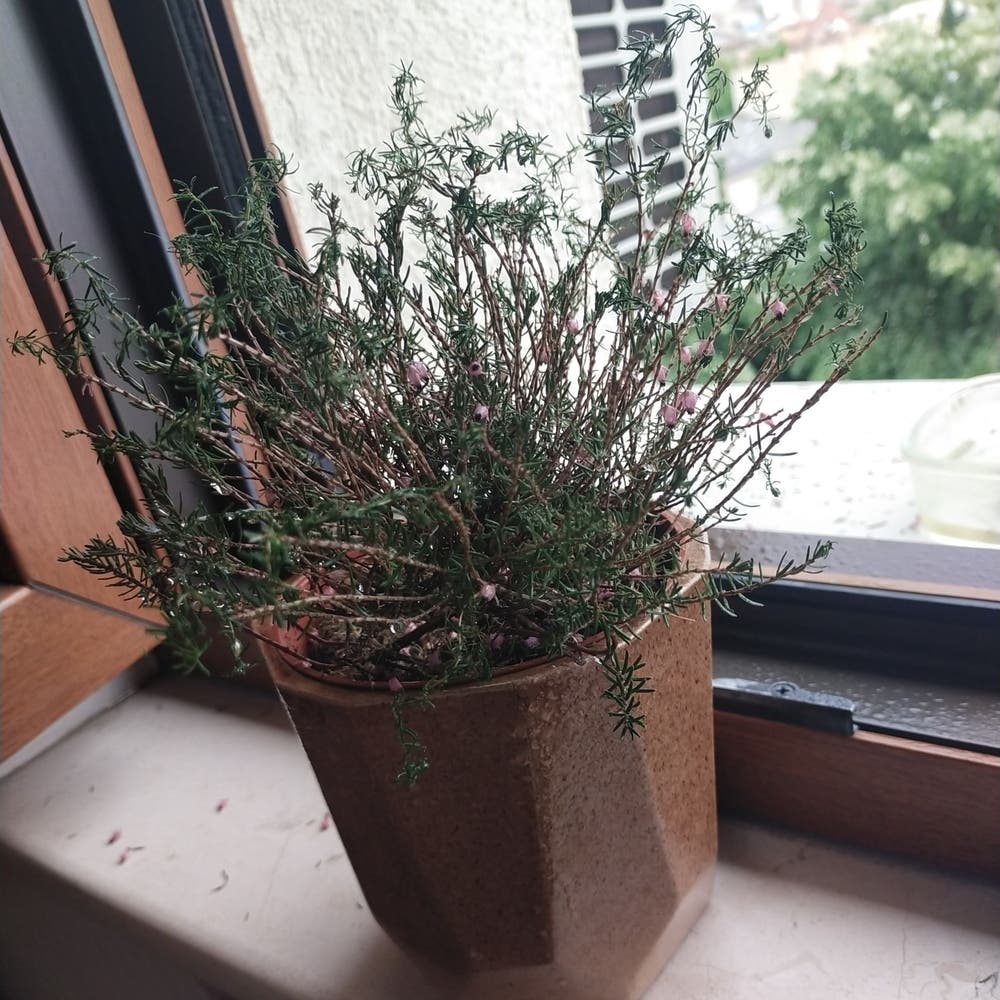
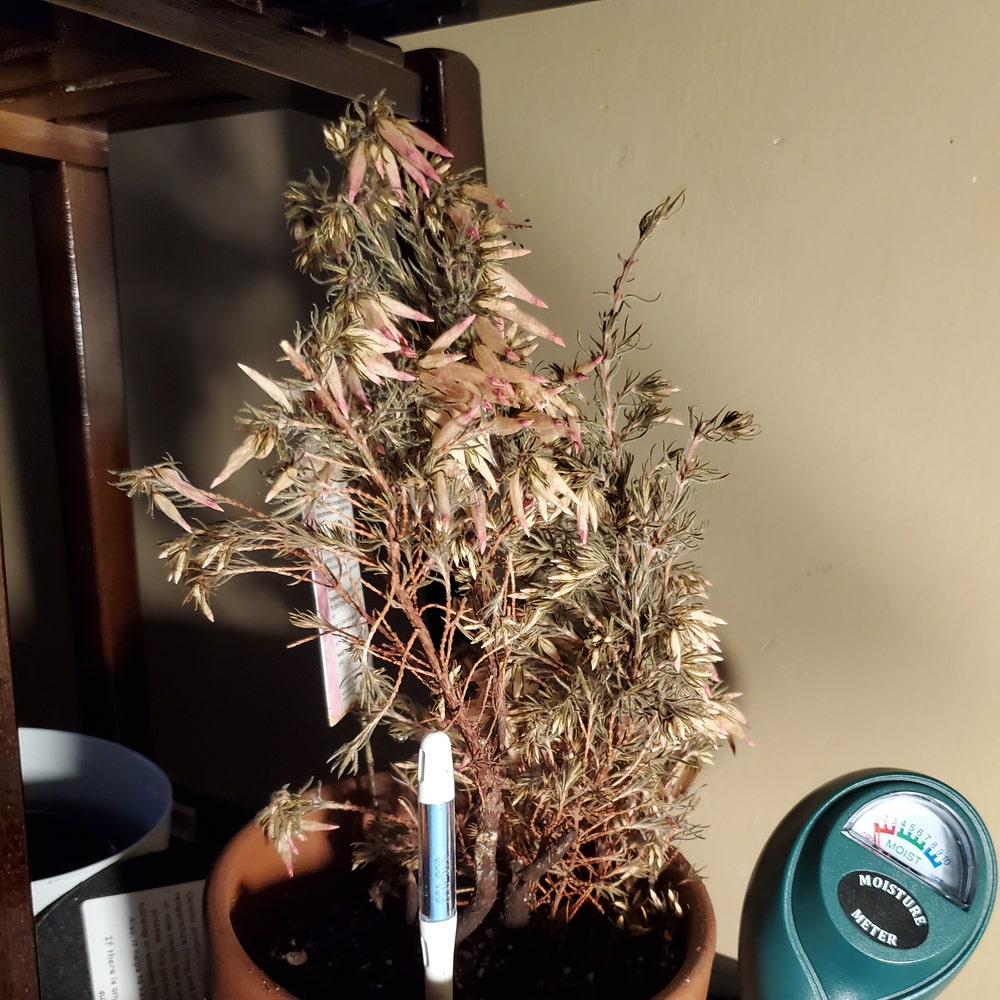
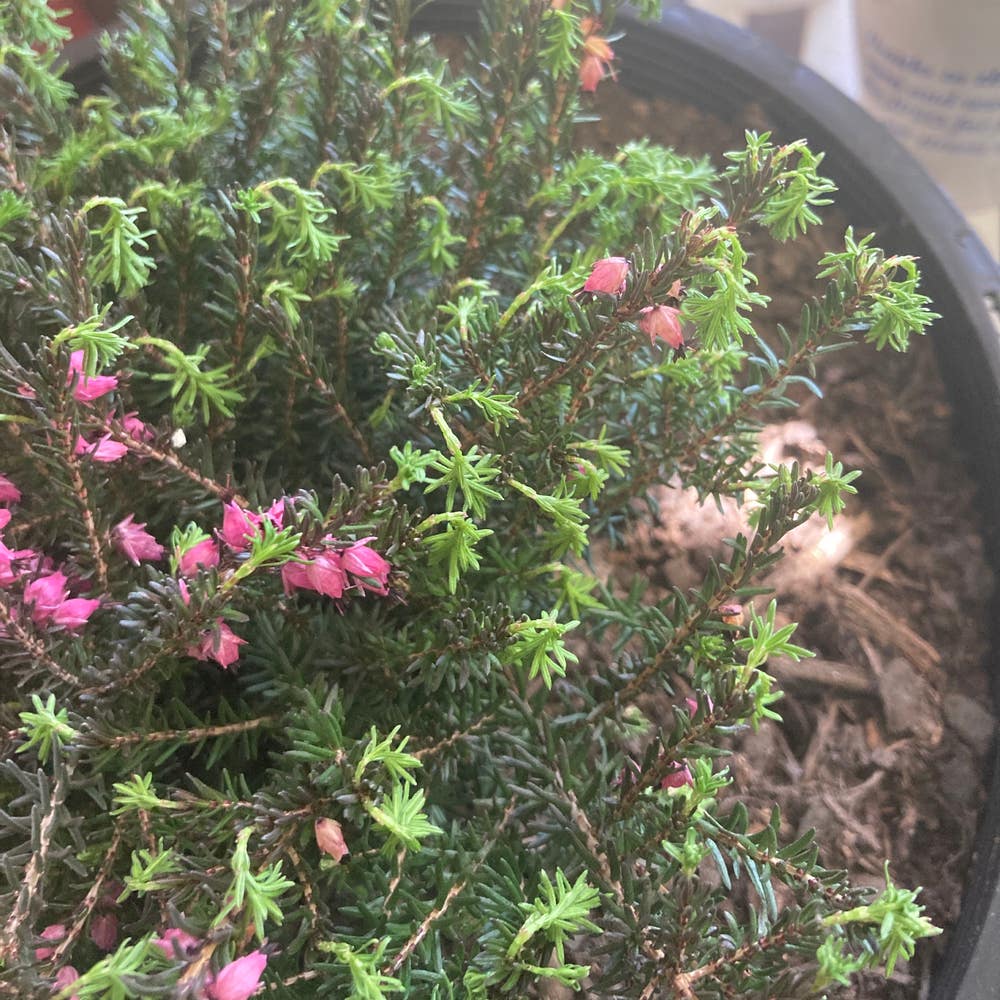
Introduction to Erica kougabergensis var. kougabergensis
Erica kougabergensis var. kougabergensis
By the Greg Editorial Team
Feb 28, 2025•13 min read
This article was created with the help of AI so we can cover more plants for you. May contain errors. See one? Report it here.
- 🌞 Erica kougabergensis thrives in full sun to partial shade; choose planting location wisely.
- 🌱 Prefers acidic, well-drained soil; amend with organic matter for optimal growth.
- 💧 Water frequently until established, then weekly; monitor container plants closely for needs.
How to Grow
Choosing the Right Location 🌞
When growing Erica kougabergensis var. kougabergensis, aim for a spot that receives full sun to partial shade. This plant thrives in bright conditions, but too much direct sunlight can stress it, especially in hotter climates.
Consider whether you’ll plant it outdoors or in containers. Outdoor settings allow for natural growth, while containers offer flexibility and easier management of soil conditions.
Soil Preparation and Amendments 🌱
This plant prefers acidic, well-drained soils to flourish. To achieve this, consider amending your soil with organic matter like peat moss or compost.
Adding perlite or sand can enhance drainage, ensuring the roots don’t sit in water. This preparation is crucial for optimal growth and health.
Planting Techniques and Spacing 📏
For planting, aim for a depth of about 2 to 3 inches for seedlings and cuttings. This depth allows for stable root establishment while preventing rot.
When spacing your plants, maintain a distance of 12 to 18 inches apart. This spacing promotes healthy air circulation and reduces competition for nutrients.
Watering Requirements and Schedules 💧
Newly planted Erica kougabergensis requires more frequent watering, ideally every few days until established. Once settled, you can reduce watering to once a week, depending on rainfall.
Be vigilant for signs of overwatering, like yellowing leaves or root rot, and underwatering, which may cause wilting. Adjust your watering schedule accordingly to keep your plants thriving.
Fertilizing Strategies for Optimal Growth 🌼
Use a balanced fertilizer with an NPK ratio of 10-10-10 or similar for best results. This ratio supports overall plant health and encourages vibrant growth.
Fertilize every 4 to 6 weeks during the growing season. This timing ensures your plant receives the nutrients it needs to flourish.
Pruning Methods for Health and Aesthetics ✂️
Pruning is best done in late winter or early spring before new growth begins. This timing helps maintain the plant's shape and encourages bushier growth.
Use clean, sharp tools to trim away dead or damaged branches. Regular pruning keeps the plant healthy and visually appealing.
Ongoing Care for Container vs. Outdoor Growing 🪴
Container plants require more frequent monitoring for water and nutrient levels compared to those planted in the ground. Ensure your containers have drainage holes to prevent waterlogging.
For outdoor plants, check for pests and diseases regularly. Both settings benefit from observing plant health closely, allowing for timely interventions when needed.
With these guidelines, you’re well on your way to successfully growing Erica kougabergensis var. kougabergensis! Next, let’s explore propagation methods to expand your garden.
Propagation
🌱 Seed Propagation Methods
Collecting seeds from Erica kougabergensis var. kougabergensis is straightforward. Wait until the seed pods are dry and brown, then gently shake them to release the seeds.
Sow the seeds in a well-draining potting mix, ideally in spring. Keep the soil moist but not soggy to encourage germination.
✂️ Cutting Propagation Techniques
When propagating through cuttings, select healthy, non-flowering stems. Aim for cuttings that are about 4 to 6 inches long for the best results.
Use a sterile rooting medium, such as perlite or a mix of peat and sand. This ensures good drainage and aeration, which are crucial for successful rooting.
⏰ Timing and Conditions for Successful Propagation
Spring is the best time for propagation, as the plant is actively growing. This season provides the ideal conditions for both seed sowing and taking cuttings.
Maintain temperatures between 65°F and 75°F with high humidity levels to promote healthy growth. A humidity dome can help create the perfect environment for your new plants.
Lifecycle
Overview of Lifecycle Stages 🌱
The lifecycle of Erica kougabergensis var. kougabergensis unfolds through distinct stages: germination, seedling, vegetative growth, flowering, and seed production. Each stage plays a crucial role in the plant's development, typically spanning several months to a few years.
Lifespan and Growth Timeline ⏳
This plant boasts an impressive lifespan, often living several years under optimal conditions. It generally takes about 2 to 3 years to reach full maturity, allowing gardeners to enjoy its beauty and benefits for an extended period.
Growth Rate and Time to Maturity 📈
Erica kougabergensis var. kougabergensis exhibits a moderate growth rate, making it a manageable choice for gardeners. On average, you can expect it to grow a few inches each year, reaching its full height and spread within a reasonable timeframe.
Understanding these lifecycle stages helps you provide the right care at each phase, ensuring your plant thrives beautifully. Next, let’s explore the size characteristics of this remarkable species.
Size
Mature Height and Spread 🌱
Erica kougabergensis var. kougabergensis typically reaches a mature height of about 2 to 3 feet, with a spread of approximately 2 to 4 feet. This compact size makes it an excellent choice for both garden beds and container arrangements.
Growth Rate and Factors Affecting Size 📈
The growth rate of this plant can vary significantly based on several factors. Key influences include soil quality, light exposure, and water availability, all of which play crucial roles in determining how quickly and robustly the plant develops.
Size Variability Based on Environmental Conditions 🌍
Environmental conditions can lead to noticeable size variability in Erica kougabergensis. For instance, plants grown in optimal sunlight and well-drained, acidic soils tend to flourish, achieving their full potential, while those in less favorable conditions may remain smaller and less vigorous.
Understanding these aspects of size can help you create the best environment for your Erica kougabergensis, ensuring it thrives beautifully in your garden. Next, let’s explore the root system of this fascinating plant and how it contributes to its overall health and growth.
Roots
Description of the Root System 🌱
Erica kougabergensis var. kougabergensis features a fibrous root system. This type of root structure allows for efficient nutrient absorption and stability in various soil conditions.
Root Depth and Spread Characteristics 🌍
Typically, the roots extend moderately deep and spread widely. This characteristic helps the plant access water and nutrients while anchoring it securely in the ground.
Common Root-Related Issues and Solutions ⚠️
Root rot is a common issue that can plague this plant, often caused by overwatering or poorly draining soil. To prevent this, ensure proper drainage and allow the soil to dry out between watering sessions.
Identifying Healthy vs. Unhealthy Roots 🧐
Healthy roots are usually firm and white or light tan in color. In contrast, unhealthy roots may appear dark, mushy, or have a foul odor, indicating the need for corrective action.
Understanding Rootbound Conditions and Management 🔄
Rootbound conditions occur when the roots grow too densely within their container, limiting growth. To manage this, gently remove the plant from its pot, loosen the roots, and repot it in a larger container to encourage healthy development.
Benefits
Aesthetic Appeal in Gardens 🌼
Erica kougabergensis var. kougabergensis brings a vibrant splash of color and texture to any garden. Its unique foliage and flowers create visual interest, making it a favorite among landscape designers and gardening enthusiasts alike.
Drought Tolerance and Low Maintenance 💧
This plant thrives in dry conditions, making it an excellent choice for water-wise gardens. Its low maintenance requirements mean you can enjoy its beauty without the constant need for watering or care.
Attracts Pollinators and Beneficial Insects 🐝
By planting Erica kougabergensis, you invite a variety of pollinators into your garden. Bees and butterflies are drawn to its flowers, promoting biodiversity and supporting local ecosystems.
Unique Adaptation to Fire-Prone Habitats 🔥
This species has evolved to thrive in fire-prone areas, showcasing its resilience. Its ability to regenerate after fire events makes it a valuable addition to gardens in similar climates.
Cultural Significance in Local Ecosystems 🌍
Erica kougabergensis holds cultural importance in its native regions, often playing a role in local traditions and practices. By incorporating this plant into your garden, you contribute to the preservation of these cultural connections.
These benefits highlight why Erica kougabergensis var. kougabergensis is not just a plant, but a valuable asset to any garden. Its contributions extend beyond aesthetics, enhancing the environment and supporting local wildlife.
Companion Plants
🌱 Explanation of Companion Planting and Its Benefits
Companion planting is all about pairing plants that support each other’s growth. This practice enhances garden diversity, leading to healthier plants and a more vibrant ecosystem.
By planting Erica kougabergensis var. kougabergensis alongside compatible species, you can improve pest management and create a more resilient garden. This diversity not only attracts beneficial insects but also promotes a balanced environment.
🌼 List of Compatible Companion Plants
Here are some plants that thrive alongside Erica kougabergensis:
- Lavender: Shares similar sunlight and soil preferences, while repelling pests.
- Thyme: A low-growing herb that complements the aesthetic and attracts pollinators.
- Rosemary: Offers similar care needs and can deter harmful insects.
These companions work well due to their shared requirements for light, water, and soil conditions, making them ideal partners in your garden.
🚫 Plants to Avoid Near
While some plants thrive together, others can hinder growth. Avoid planting Erica kougabergensis near:
- Heavy feeders: Such as corn or tomatoes, which can deplete soil nutrients.
- Invasive species: Like mint, which can overtake and crowd out your plant.
- Plants with high moisture needs: Such as ferns, which may lead to root rot.
Keeping these plants at a distance will help ensure your Erica kougabergensis remains healthy and vibrant.
By understanding companion planting, you can create a flourishing garden that not only looks great but also thrives in harmony. Next, let’s explore the potential problems that may arise in your gardening journey.
Toxicity to Humans
Safety Profile 🌿
Erica kougabergensis var. kougabergensis is not listed as toxic by major poison control centers. This means you can enjoy its beauty without worrying about significant health risks to humans.
Potential Minor Issues ⚠️
While generally safe, some individuals may experience mild skin irritation or digestive discomfort if they consume the plant excessively. It's always wise to enjoy plants in moderation.
Recommendations for Caution 🩺
Even though serious toxicity is not a concern, it's important to exercise caution. If you notice any unusual symptoms after contact or consumption, seek medical advice promptly. Staying informed helps ensure a safe and enjoyable gardening experience.
Toxicity to Dogs
Safety Profile 🐶
Erica kougabergensis var. kougabergensis is not listed as toxic to dogs by major pet poison control centers. This means you can enjoy this beautiful plant without worrying about your furry friends getting harmed.
Potential Minor Issues ⚠️
However, it's worth noting that excessive consumption may lead to mild gastrointestinal upset in dogs. If your pet decides to munch on a few leaves, keep an eye out for any signs of discomfort.
Tips for Introducing the Plant 🌱
When introducing this plant into your home or garden, consider its placement carefully. Ensure it’s in an area where your dog can’t easily reach it, and monitor their behavior around the plant to prevent any unwanted nibbling.
With these precautions, you can enjoy the beauty of Erica kougabergensis while keeping your canine companions safe.
Toxicity to Cats
Safety Profile 🐱
Erica kougabergensis var. kougabergensis is not listed as toxic to cats by major pet poison control centers. This means you can enjoy this plant in your home without worrying about serious health risks for your feline friends.
Potential Minor Issues 🚨
While generally safe, excessive consumption of the plant may lead to mild gastrointestinal upset in cats. It's always best to monitor your pet's behavior around new plants to ensure they don't overindulge.
Tips for Introducing the Plant 🌱
When introducing Erica kougabergensis to your home, consider its placement carefully. Keep it out of reach of curious paws, and observe your cat's interactions with the plant to ensure they don’t nibble too much.
By taking these precautions, you can enjoy the beauty of this plant while keeping your furry companions safe and sound.
Problems
Common Problems Faced 🌱
Growing Erica kougabergensis var. kougabergensis can be rewarding, but it does come with its share of challenges. Understanding these common issues will help you maintain a thriving plant.
Recognition and Resolution of Specific Issues 🔍
Here are the top five problems you might encounter, along with their solutions:
1. Incorrect Watering
Both overwatering and underwatering can stress your plant. Ensure the soil is well-drained and only water when the top inch feels dry.
2. Incorrect Light Conditions
This plant thrives in full sun to partial shade. If you notice leggy growth or fading colors, consider adjusting its light exposure.
3. Incorrect Temperature
Extreme temperatures can hinder growth. Keep your plant in a stable environment, ideally between 60°F and 75°F (15°C to 24°C).
4. Diseases
Fungal issues like powdery mildew and rust can plague your plant. Ensure good air circulation and apply fungicides if necessary.
5. Leaf Issues
Scorching or yellowing leaves often indicate stress. Check your watering and light conditions to address these symptoms promptly.
By recognizing these problems early and applying the right solutions, you can keep your Erica kougabergensis thriving and beautiful. Next, let’s explore the potential pest issues that could affect your plant.
Bugs
🐛 Potential Pest Issues
When growing Erica kougabergensis var. kougabergensis, it's essential to be aware of potential pest issues. While this plant exhibits some resistance to pests, it can still fall victim to a few common nuisances.
🔍 Identification and Treatment of Relevant Pests
Here’s a rundown of pests that may affect your plant, along with tips for identification and treatment:
Spider Mites
These tiny pests are often found on the undersides of leaves. Look for fine webbing and stippling on foliage; treat with insecticidal soap or neem oil.
Scale Insects
Scale insects appear as small, brownish bumps on stems and leaves. They can be removed with a cotton swab dipped in alcohol or treated with horticultural oil.
Mealybugs
Mealybugs look like small, white cottony masses. They can be wiped off with a damp cloth or treated with insecticidal soap for effective control.
Aphids
Aphids are small, soft-bodied insects that cluster on new growth. They can be managed by spraying with water or using insecticidal soap to eliminate them.
Whiteflies
These tiny, white flying insects can be found on the undersides of leaves. Yellow sticky traps can help monitor their presence, while insecticidal soap can effectively reduce their numbers.
By staying vigilant and addressing these pests promptly, you can help ensure the health and vitality of your Erica kougabergensis var. kougabergensis. Next, let’s explore the common problems faced by this resilient plant.
What Eats
🐇 Common Animals That May Damage the Plant
Erica kougabergensis var. kougabergensis can attract a variety of animals that may cause damage. Common culprits include rabbits, deer, and certain insects that find the plant's foliage appealing.
👀 Signs of Animal Presence and Damage
Look for telltale signs of animal activity around your plants. Chewed leaves, missing stems, and droppings in the vicinity are clear indicators that animals are taking an interest in your garden.
🚫 Deterrent Methods
To protect your plants, consider both chemical and organic deterrent methods.
- Chemical deterrents: Use commercial repellents that are safe for plants but unpleasant for animals.
- Organic methods: Planting strong-smelling herbs like lavender or using barriers such as fencing can effectively keep animals at bay.
By staying vigilant and employing these strategies, you can help ensure your Erica kougabergensis thrives without unwanted visitors.
⚠️ Safety First
This content is for general information and may contain errors, omissions, or outdated details. It is not medical, veterinary advice, or an endorsement of therapeutic claims.
Always consult a qualified healthcare professional before using any plant as food, medicine, or supplement.
Never eat any plant (or feed one to pets) without confirming its identity with at least two trusted sources.
If you suspect poisoning, call Poison Control (800) 222-1222, the Pet Poison Helpline (800) 213-6680, or your local emergency service immediately.
Spotted an error? Please report it here.
Unlock the full potential of your Erica kougabergensis with Greg's tailored watering reminders and expert care tips, ensuring your plant thrives in your garden! 🌿