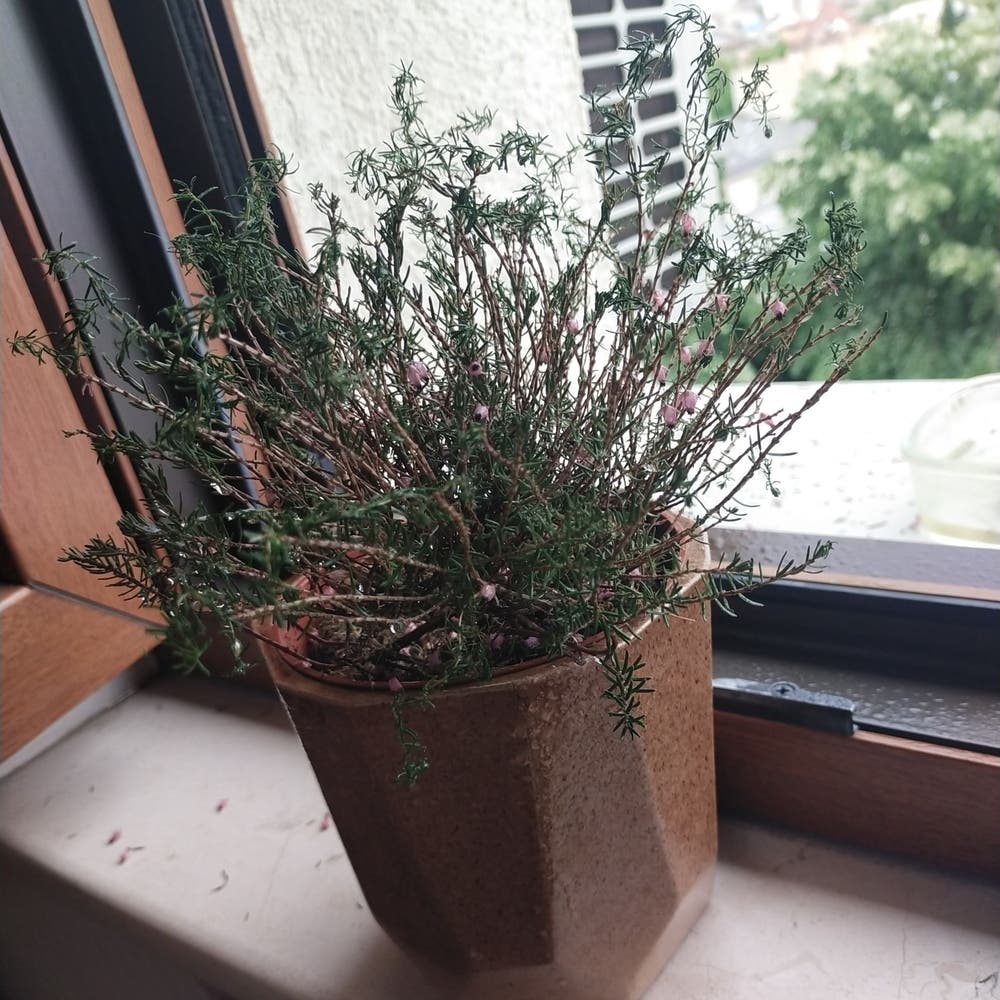
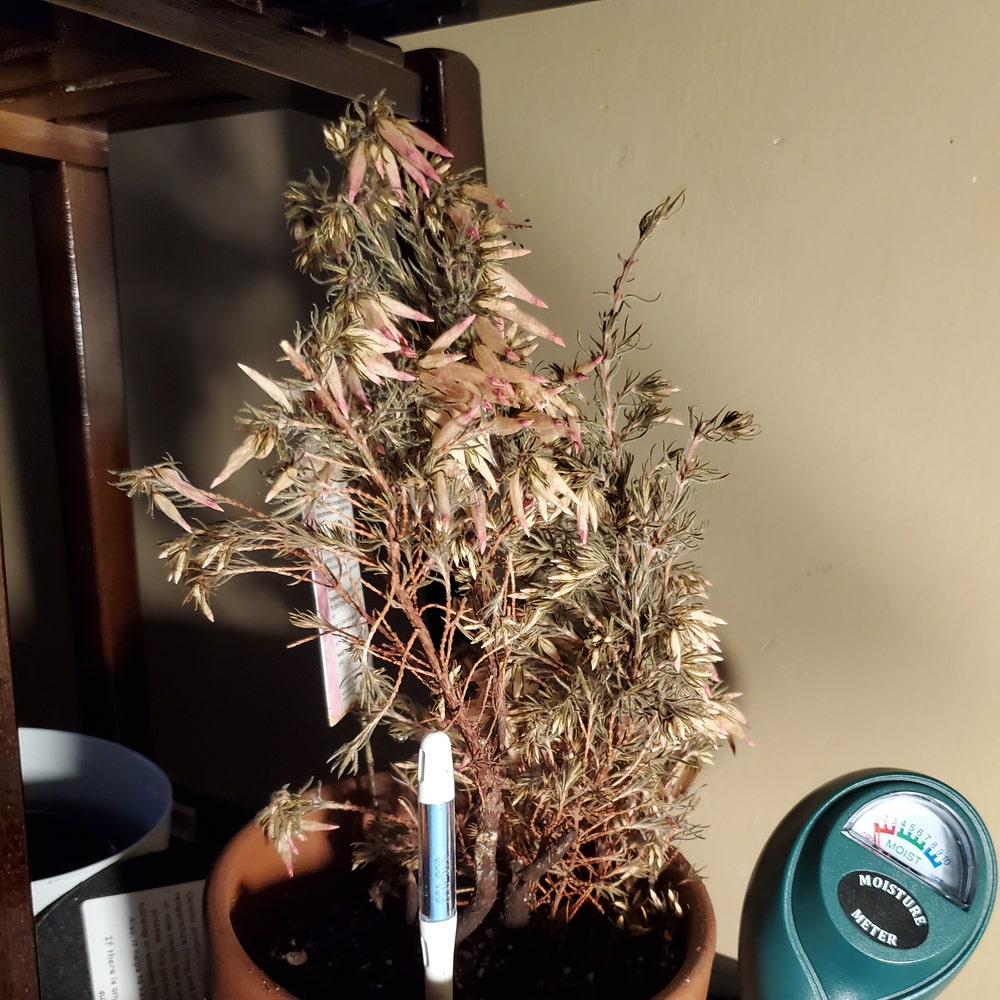
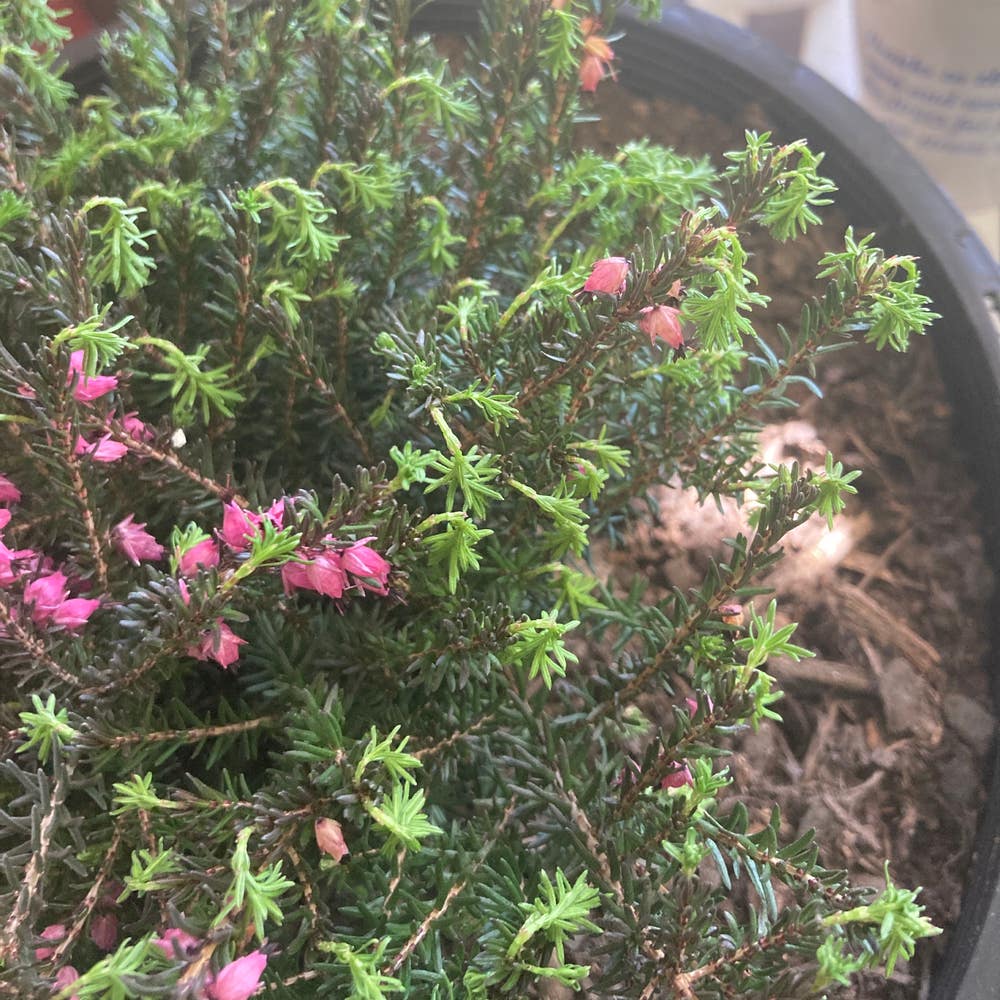
Introduction to Erica intervallaris var. intervallaris
Erica intervallaris var. intervallaris
By the Greg Editorial Team
Feb 28, 2025•12 min read
This article was created with the help of AI so we can cover more plants for you. May contain errors. See one? Report it here.
- 🌞 Erica thrives in full sun to partial shade, perfect for diverse garden settings.
- 🌱 Prefers acidic, well-drained soils with a pH of 4.5 to 6.0 for optimal growth.
- 💧 Drought tolerant once established, but needs weekly watering initially for healthy development.
How to Grow
🌍 Choosing the Right Location
When growing Erica intervallaris var. intervallaris, selecting the right location is crucial. This plant thrives in full sun to partial shade, making it adaptable to various light conditions.
The ideal climate for Erica is reminiscent of South Africa's fynbos regions, characterized by mild, wet winters and dry summers. Whether you choose to plant outdoors or in containers, ensure the location provides adequate sunlight and protection from harsh winds.
🏗️ Soil Preparation and Amendments
Erica prefers acidic, well-drained soils to flourish. To enhance drainage, incorporate organic matter such as compost or peat moss into the soil.
Maintaining the optimal pH level is essential for growth, ideally between 4.5 and 6.0. This range supports nutrient availability, allowing your Erica to thrive.
🌱 Planting Techniques and Spacing
For planting, aim for a depth of about 15-20 cm for seedlings. This depth helps establish a strong root system.
Spacing is equally important; maintain a minimum distance of 30-45 cm between plants to allow for healthy growth. The best time to plant is during the early spring or fall, aligning with the plant's natural growth cycle.
💧 Watering Requirements and Schedules
Initially, newly planted Erica needs frequent watering—about once a week—to establish roots. Ensure the soil remains moist but not soggy.
Once established, these plants exhibit drought tolerance, requiring less frequent watering. Watch for signs of overwatering, such as yellowing leaves, or underwatering, indicated by wilting.
🌿 Fertilizing Strategies for Optimal Growth
During the growing season, fertilize Erica every 4-6 weeks to promote healthy growth. A balanced fertilizer with an NPK ratio of 10-10-10 is recommended.
You can choose between organic options, like fish emulsion, or synthetic fertilizers. Both can effectively support your plant's nutritional needs, so select what aligns best with your gardening philosophy.
With these guidelines, you'll be well on your way to cultivating a thriving Erica intervallaris var. intervallaris. Next, let’s explore how to propagate this beautiful plant.
Propagation
🌱 Seed Propagation Steps
To successfully propagate Erica intervallaris var. intervallaris from seeds, start with seed preparation. This often involves stratification or scarification to enhance germination rates.
Next, consider the sowing depth. A depth of about 1/4 inch is recommended for optimal seed growth.
Germination conditions are crucial for success. Aim for a temperature range of 65-75°F and maintain consistent moisture to encourage sprouting.
✂️ Cutting Propagation Techniques
When propagating through cuttings, selecting the right stems is essential. Look for healthy, semi-hardwood stems that are free from disease.
For the rooting medium, a mixture of perlite and peat moss works wonders. This combination provides excellent drainage and aeration for developing roots.
Timing is key in cutting propagation. Late spring to early summer is the optimal season for taking cuttings, as the plant is actively growing.
With these techniques, you'll be well on your way to successfully propagating Erica intervallaris var. intervallaris. Next, let’s explore the lifecycle of this fascinating plant.
Lifecycle
🌱 Lifecycle Stages
The lifecycle of Erica intervallaris var. intervallaris begins with germination, which typically occurs within two to three weeks under optimal conditions. Seeds require warmth and consistent moisture to sprout successfully, making a controlled environment ideal for this initial stage.
Once germinated, the plant enters the seedling stage, marked by the development of true leaves and a sturdy stem. During this phase, it's crucial to provide adequate light and nutrients to support healthy growth.
As the plant transitions into vegetative growth, it will exhibit vigorous growth patterns, expanding both in height and width. This stage can last several months, depending on environmental factors such as light, water, and soil quality.
🌸 Flowering and Seed Production
Flowering usually occurs in late spring to early summer, bringing vibrant blooms that attract pollinators. The exact timing can vary based on local climate conditions and care practices.
After flowering, Erica produces seeds, typically within a few weeks. These seeds are formed in capsules that will eventually open, dispersing seeds into the surrounding area for potential new growth.
This lifecycle not only showcases the beauty of Erica but also highlights its resilience and adaptability in various environments. Understanding these stages can help you cultivate a thriving plant that contributes to your garden's ecosystem.
Next, we will explore the size of Erica intervallaris var. intervallaris, including its mature height and growth rate.
Size
Mature Height and Spread 🌳
Erica intervallaris var. intervallaris typically reaches an average mature height of about 1 to 1.5 meters. This plant can spread approximately 1 meter wide, creating a lovely, bushy appearance in your garden.
Growth Rate and Factors Affecting Size 📈
The growth rate of Erica can vary significantly based on environmental factors. Key influences include light exposure, soil quality, and water availability, all of which can either accelerate or slow down its growth.
In optimal conditions, you can expect a healthy growth rate, while poor conditions may stunt its development. Understanding these factors will help you create the best environment for your Erica to thrive.
As you cultivate this plant, keep an eye on its surroundings to ensure it reaches its full potential. This attention to detail will reward you with a vibrant and flourishing addition to your garden.
Roots
🌱 Characteristics of the Root System
Erica intervallaris var. intervallaris features a fibrous root system that plays a crucial role in its growth and stability. These roots enhance soil structure, improve drainage, and help the plant absorb nutrients efficiently.
The typical root depth can reach up to 30 centimeters, while the spread may extend to about 60 centimeters. This growth pattern allows the plant to establish a strong foundation, making it resilient in various soil conditions.
🛠️ Common Root-Related Issues and Solutions
Root rot is a common issue that can plague Erica plants, often caused by overwatering or poorly drained soil. Symptoms include yellowing leaves, wilting, and a foul smell emanating from the soil.
To combat unhealthy roots, ensure proper watering practices and improve soil drainage. If root rot is detected, remove the affected roots and repot the plant in fresh, well-draining soil to promote recovery.
🔍 Identifying Healthy vs. Unhealthy Roots
Healthy roots are typically white or light tan, firm to the touch, and have a smooth texture. These indicators suggest that the plant is thriving and well-nourished.
In contrast, unhealthy roots may appear brown, mushy, or have a foul odor. Additionally, if you notice roots circling the pot, this is a sign of rootbound conditions, indicating that it’s time to repot the plant for better growth.
Understanding these root characteristics and potential issues can significantly enhance your success in growing Erica intervallaris var. intervallaris. Next, we will explore the benefits of cultivating this unique plant in your garden.
Benefits
Key Benefits of Growing 🌼
Growing Erica intervallaris var. intervallaris offers a multitude of advantages that can enhance any garden. Its ornamental value is undeniable, with vibrant blooms that add a splash of color and charm to landscapes.
This plant is also a magnet for pollinators, playing a crucial role in supporting local ecosystems. By attracting bees and butterflies, it contributes to the health and diversity of your garden.
Drought Tolerance 💧
One of the standout features of Erica is its drought tolerance. Once established, it requires minimal watering, making it an excellent choice for low-maintenance gardens, especially in arid climates.
Resilience in Poor Soils 🌱
Erica thrives in poor soils, showcasing its adaptability. This resilience allows it to flourish in challenging environments where other plants might struggle.
Cultural Significance 🎭
Beyond its practical benefits, Erica holds cultural significance in various traditions. It symbolizes beauty and resilience, making it a meaningful addition to any garden.
In summary, growing Erica intervallaris var. intervallaris not only beautifies your space but also supports the environment and carries cultural weight. Next, let’s explore the best companion plants that can enhance its growth and overall garden health.
Companion Plants
🌱 Companion Planting and Its Benefits
Companion planting is the practice of growing different plants together for mutual benefits. This technique can enhance garden health by improving growth and managing pests naturally.
🌼 Best Companion Plants
When choosing companions for Erica intervallaris var. intervallaris, consider plants that share similar care needs. Some excellent options include:
- Leucadendron: Thrives in similar acidic soils and attracts beneficial insects.
- Protea: Offers visual appeal and shares the same water requirements.
- Aloe Vera: Provides drought resistance and complements the aesthetic.
These companions create a symbiotic relationship, enhancing each other's growth while adding beauty to your garden.
🚫 Plants to Avoid
Not all plants are good neighbors for Erica. Avoid species like:
- Cabbage family (Brassicas): They can compete for nutrients and space.
- Mint: Its aggressive growth can overshadow Erica and steal resources.
- Nightshades: These can attract pests that may harm Erica.
Choosing the wrong companions can lead to competition for resources or attract pests, so it's essential to select wisely.
By understanding companion planting, you can create a thriving garden ecosystem that benefits both Erica and its neighbors. Next, let's explore the toxicity of Erica to humans, dogs, and cats to ensure a safe gardening experience.
Toxicity to Humans
🛡️ Safety for Humans
Erica intervallaris var. intervallaris is considered non-toxic, meaning it’s not listed as harmful by health organizations. This makes it a safe choice for gardens, especially if you have children or curious pets around.
However, it's worth noting that some individuals may experience mild skin irritation or digestive discomfort if they come into contact with the plant or consume it in large quantities. Always exercise caution and enjoy the beauty of this plant without worry!
Toxicity to Dogs
Safety for Dogs 🐶
When it comes to Erica intervallaris var. intervallaris, dog owners can breathe a sigh of relief. This plant is not listed as toxic by pet poison control centers, making it a safe choice for gardens shared with our furry friends.
However, it's worth noting that while the plant is non-toxic, excessive consumption might lead to mild gastrointestinal upset in dogs. Keeping an eye on your pet's behavior around the plant can help prevent any minor issues.
In summary, Erica is a dog-friendly option that adds beauty to your garden without the worry of toxicity. Now that you know it's safe for dogs, let's explore how it interacts with our feline companions.
Toxicity to Cats
Safety for Cats 🐱
Erica intervallaris var. intervallaris is considered non-toxic to cats, meaning it won't pose a significant threat to your feline friends. This makes it a safe choice for households with curious cats who might be tempted to nibble on your plants.
While the plant is non-toxic, excessive consumption can lead to minor gastrointestinal upset. It's always wise to monitor your pets and ensure they don't overindulge in any plant material, just to keep their tummies happy.
In summary, you can enjoy the beauty of Erica without worrying about your cat's safety. Just keep an eye on their behavior around the plant, and you’ll both be able to appreciate its charm without concern.
Next, let's explore the toxicity of Erica to dogs, ensuring all your furry companions are safe around this lovely plant.
Problems
Common Problems 🌱
Growing Erica intervallaris var. intervallaris can be rewarding, but it comes with its share of challenges. Understanding these common problems is key to maintaining a healthy plant.
Incorrect Watering 💧
Watering is crucial, but getting it right can be tricky. Overwatering can lead to root rot, where the roots become mushy and dark, while underwatering may cause wilting and dry leaves.
Incorrect Light Conditions ☀️
Light exposure is another critical factor. If your Erica isn’t getting enough sunlight, you might notice leggy growth or pale leaves, indicating it's time to adjust its location.
Diseases 🦠
Fungal diseases can also pose a threat. Look for signs like discolored spots on leaves or a powdery residue, which can indicate a fungal infection that needs immediate attention.
Root Problems 🥴
Healthy roots are essential for plant vitality. If you notice squishy roots or a foul smell, these are clear signs of root rot, which requires prompt action to save your plant.
Leaf Issues 🍃
Leaf health is a good indicator of overall plant condition. Scorching, yellowing, or fuzzy growth on leaves can signal environmental stress or pest problems that need to be addressed.
By keeping an eye on these common issues, you can ensure your Erica thrives. Next, let’s explore the potential pests that could threaten your plant's health.
Bugs
Potential Pest Issues 🐜
When growing Erica intervallaris var. intervallaris, it's essential to be aware of potential pest issues. While this plant is relatively resilient, it can still fall prey to a few common pests.
Pest Resistance 🛡️
Erica plants generally exhibit a good level of pest resistance. However, they are not entirely immune, and certain pests can still pose a threat if conditions are favorable for infestation.
Common Pests 🐞
- Aphids: These tiny insects suck sap from the leaves, leading to yellowing and stunted growth.
- Spider Mites: Often found on the undersides of leaves, they create fine webs and cause leaf discoloration.
- Mealybugs: These pests appear as white, cottony masses and can weaken the plant by feeding on its sap.
Identifying these pests early is crucial to preventing significant damage.
Treatment Options 💊
Managing pest infestations effectively involves several strategies:
- Insecticidal Soap: A safe option that targets soft-bodied insects like aphids and mealybugs.
- Neem Oil: This natural pesticide disrupts the life cycle of pests and can deter spider mites.
- Regular Monitoring: Keep an eye on your plants for any signs of pests, allowing for early intervention.
By staying vigilant and employing these treatment options, you can maintain the health of your Erica plants and enjoy their beauty without the worry of pest damage.
Conclusion 📝
Understanding potential pest issues and how to manage them is key to successful cultivation. With the right care and attention, your Erica intervallaris can thrive, adding vibrancy to your garden. Next, let's explore the common problems that may arise during its growth.
What Eats
Common Animals 🐇
When growing Erica intervallaris var. intervallaris, be aware of potential threats from various animals. Common culprits include rabbits, deer, and certain insects that may find your plant irresistible.
Look for signs of animal presence, such as chewed leaves or missing buds. These indicators can help you identify which critters are causing the damage.
Deterrent Methods 🚫
To protect your plants, consider using chemical control methods like commercial repellents. These products can create a barrier that deters animals from munching on your Erica.
Alternatively, organic control methods can be just as effective. Natural deterrents such as garlic spray or planting strong-smelling herbs nearby can help keep unwanted visitors at bay.
By employing these strategies, you can enjoy the beauty of your Erica without the worry of it becoming a snack for local wildlife.
⚠️ Safety First
This content is for general information and may contain errors, omissions, or outdated details. It is not medical, veterinary advice, or an endorsement of therapeutic claims.
Always consult a qualified healthcare professional before using any plant as food, medicine, or supplement.
Never eat any plant (or feed one to pets) without confirming its identity with at least two trusted sources.
If you suspect poisoning, call Poison Control (800) 222-1222, the Pet Poison Helpline (800) 213-6680, or your local emergency service immediately.
Spotted an error? Please report it here.
Cultivate the stunning Erica intervallaris with confidence 🌼—let Greg provide tailored care reminders and expert tips to help your garden flourish!