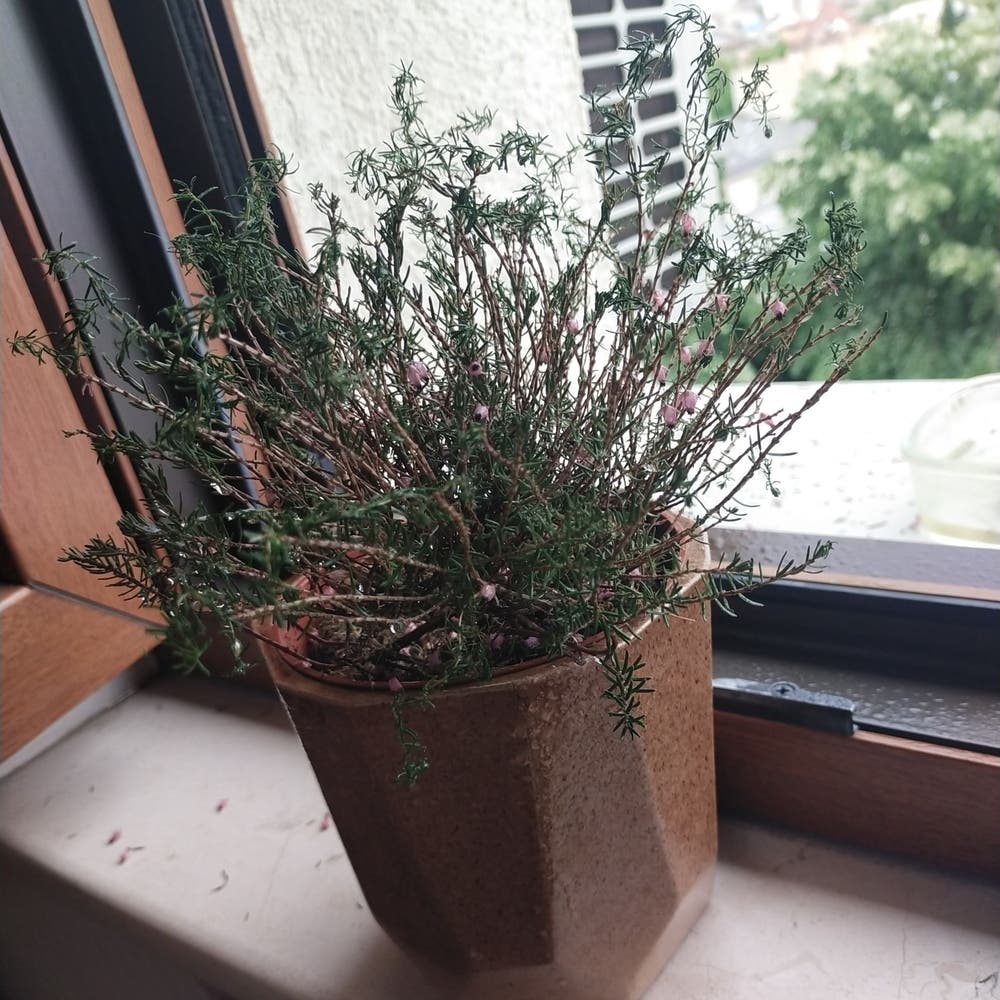
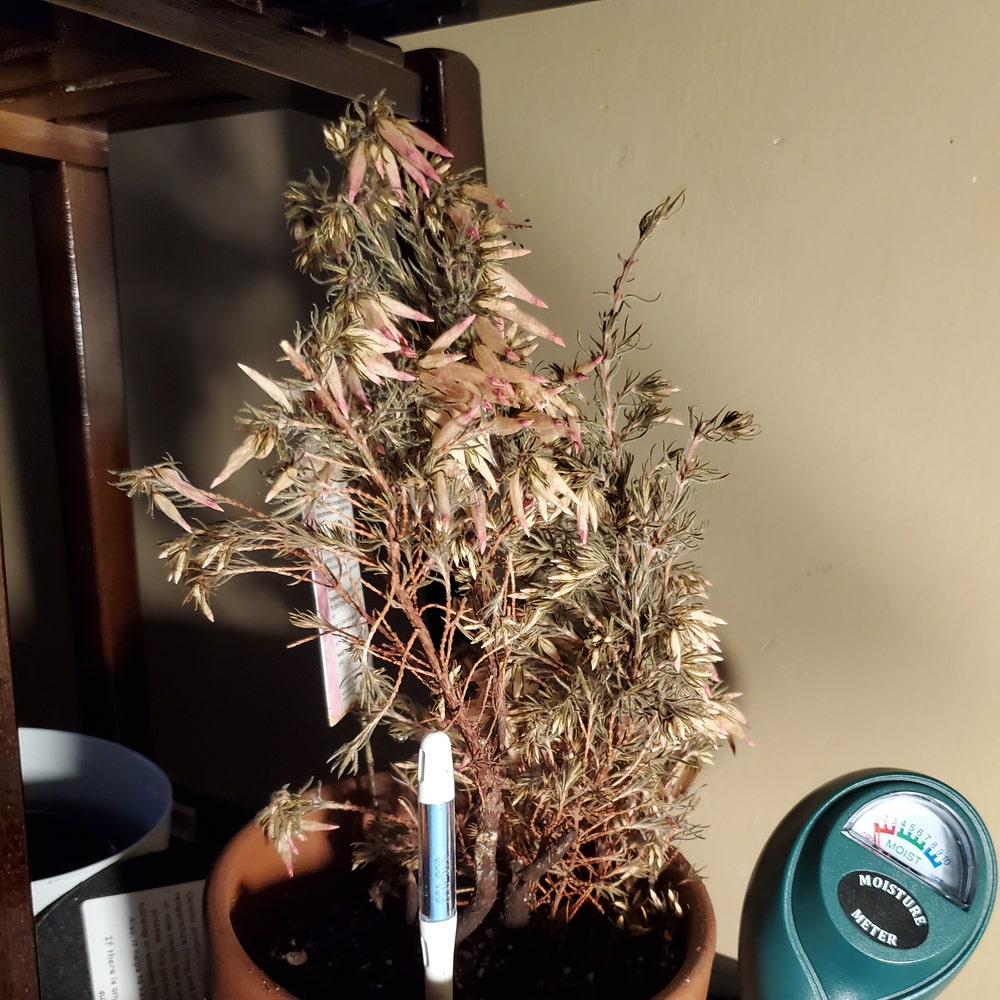
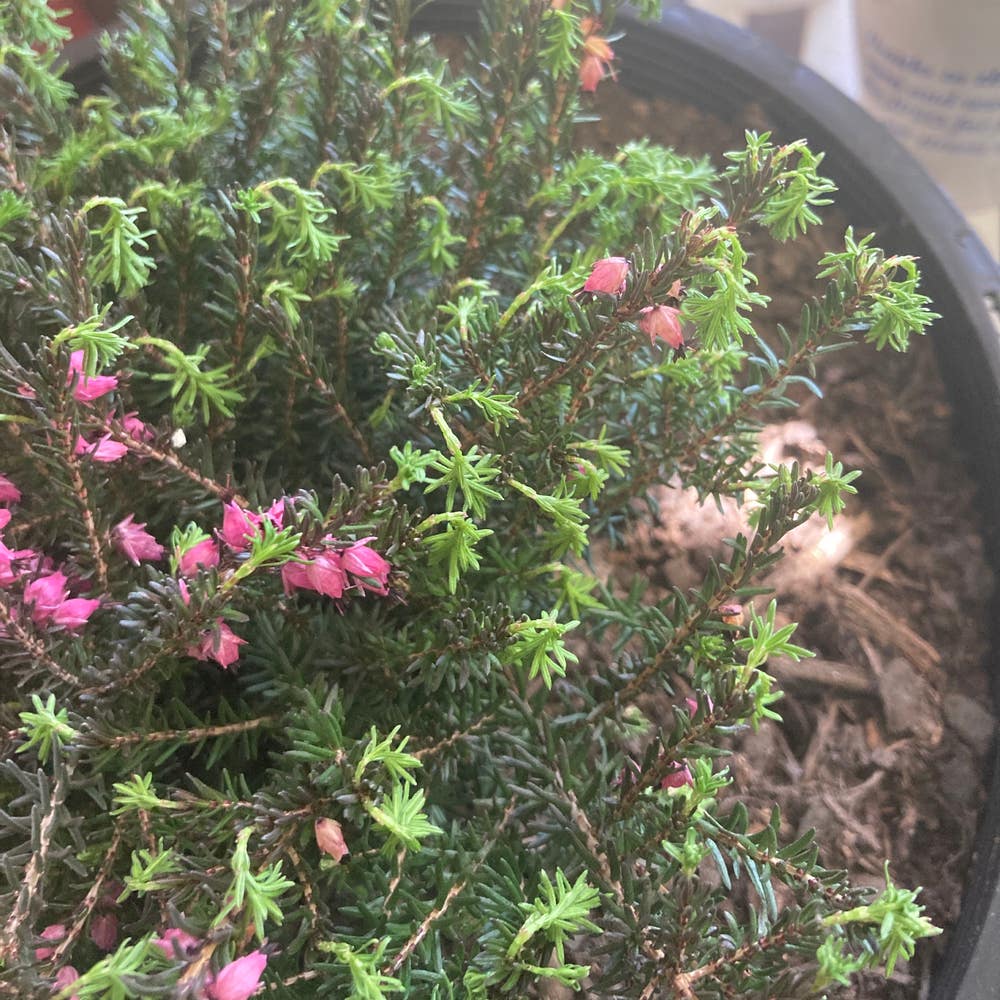
What You Should Know About Erica inamoena 🌸
Erica inamoena
By the Greg Editorial Team
Mar 07, 2025•14 min read
This article was created with the help of AI so we can cover more plants for you. May contain errors. See one? Report it here.
Unlock the secrets to thriving Erica inamoena 🌿 and elevate your garden with stunning blooms and easy care tips!
- 🌞 Erica inamoena thrives in full sun to partial shade; avoid excessive direct sunlight.
- 🌱 Prefers acidic, well-drained soil enriched with organic matter for optimal growth.
- 🐾 Non-toxic to pets, making it a safe choice for pet-friendly gardens.
How to Grow
Choosing a Location 🌞
When selecting a spot for Erica inamoena, aim for full sun to partial shade. This plant thrives in bright conditions, but too much direct sunlight can be harsh, especially in hotter climates.
Consider whether you’re planting outdoors or in containers. Container growth offers flexibility but may require more frequent watering and care.
Soil Preparation 🌱
Erica inamoena prefers acidic, well-drained soils. This ensures that the roots can breathe and absorb nutrients effectively.
To enhance drainage, mix in organic matter like compost. This not only improves soil structure but also provides essential nutrients.
Planting Techniques 🌿
For planting, ensure the crown of the plant is level with the soil surface. This helps prevent rot and encourages healthy growth.
Space your plants 18-24 inches apart to allow for optimal air circulation and growth. Crowding can lead to competition for resources.
Watering Requirements 💧
Regular watering is crucial until the plant is established. However, avoid waterlogging, as this can lead to root rot.
Watch for signs of overwatering, such as wilting or yellowing leaves, and underwatering, which may cause drooping or dry leaf tips.
Fertilizing Schedule 🌼
Use an acidic fertilizer during the growing season to support healthy growth. This is particularly important for maintaining vibrant foliage and flowers.
Timing is key: fertilize in early spring and again in mid-summer for the best results. This ensures the plant has the nutrients it needs during peak growth periods.
Pruning Methods ✂️
Prune Erica inamoena after flowering to encourage bushy growth. This helps maintain a tidy appearance and promotes new growth.
Light trimming is effective for shaping the plant without causing stress. Regular maintenance keeps your plant looking its best.
Ongoing Care 🔍
Keep an eye out for pests and diseases that may affect your plant. Regular monitoring can help catch issues early.
Adjust your care routine seasonally based on the plant's growth stage. This ensures that Erica inamoena receives the right support throughout the year.
With these guidelines, you’re well on your way to successfully growing Erica inamoena. Next, let’s explore how to propagate this resilient plant for even more beauty in your garden.
Propagation
🌱 Seed Propagation
To start propagating Erica inamoena from seeds, begin with stratification. This process enhances germination rates, so soak the seeds in water for 24 hours before planting.
Sow the seeds at a depth of 1/4 inch in well-draining soil. This ensures they have the right conditions to sprout and thrive.
✂️ Cutting Propagation
Another effective method is cutting propagation. Select healthy stems that are 4-6 inches long, ensuring they are free from disease.
For the rooting medium, use a mix of equal parts peat and perlite. This combination provides excellent drainage and aeration for the developing roots.
🌿 Layering Techniques
Layering is a simple yet effective propagation technique. To do this, bury a stem in soil while keeping it attached to the parent plant.
Timing is crucial; perform this in early spring for the best results. This method allows the new plant to establish roots while still receiving nutrients from the parent.
With these propagation techniques, you can easily expand your collection of Erica inamoena and enjoy its beauty in multiple locations. Next, let’s explore the lifecycle of this fascinating plant.
Lifecycle
Lifecycle Stages 🌱
Erica inamoena is a perennial plant, boasting a lifespan that spans several years. This longevity allows it to thrive in various environments, making it a resilient choice for gardeners.
Germination Process 🌱
The germination process for Erica inamoena typically takes 2-4 weeks under optimal conditions. Providing the right temperature and moisture can significantly enhance the chances of successful germination.
Seedling Development 🌱
Once germinated, the seedling stage lasts about 4-6 weeks before the plants are ready for transplanting. During this time, seedlings develop their initial root systems and foliage, setting the stage for future growth.
Vegetative Growth Phase 🌱
In the vegetative growth phase, Erica inamoena exhibits a moderate growth rate. Established plants tend to grow more vigorously, showcasing their adaptability to the surrounding environment.
Flowering and Seed Production 🌸
The flowering period occurs from late spring to early summer, bringing vibrant blooms that attract pollinators. After flowering, seed production takes place, with seeds maturing in late summer, ready for the next cycle of growth.
Lifespan and Growth Rate ⏳
Erica inamoena typically reaches full size in approximately 2-3 years. Its growth rate is moderate and can be influenced by factors such as soil quality, sunlight, and water availability, making it essential to provide optimal conditions for the best results.
This lifecycle overview highlights the resilience and adaptability of Erica inamoena, setting the stage for understanding its care and propagation. Next, we will explore how to effectively propagate this remarkable plant.
Size
Mature Height and Spread 🌱
Erica inamoena typically reaches a mature height of 1 to 3 feet, making it a manageable addition to any garden. Its spread can range from 2 to 4 feet, providing a lovely, bushy appearance that enhances landscape aesthetics.
Growth Rate and Size Variability 📈
The growth rate of Erica inamoena can vary significantly based on environmental factors. Key elements such as soil quality, sunlight exposure, and water availability play crucial roles in determining how robust your plant will become.
Factors Affecting Size 📏
When grown in containers, Erica inamoena may not reach its full potential size due to limited root space. In contrast, plants in the ground often thrive, benefiting from more extensive root systems and better access to nutrients.
Understanding these size dynamics can help you make informed decisions about planting and care, ensuring your Erica inamoena flourishes beautifully. Next, let's explore the fascinating world of its roots and their importance to overall plant health.
Roots
🌱 Root System Characteristics
Erica inamoena features a fibrous root system that is essential for its stability and nutrient uptake. These roots are shallow and spread out, allowing the plant to efficiently absorb moisture and nutrients from the soil.
📏 Depth and Spread of Roots
Typically, the roots extend laterally to support the plant's growth. This shallow spread helps the plant adapt to various soil conditions while maximizing its access to surface moisture.
⚠️ Common Root-Related Issues
One of the most common problems faced by Erica inamoena is root rot, often caused by overwatering. Signs of this issue include wilting and yellowing leaves, indicating that the roots are struggling to function properly.
✅ Identifying Healthy vs. Unhealthy Roots
Healthy roots are characterized by their firmness, white color, and even spread throughout the soil. In contrast, unhealthy roots appear dark, mushy, or may emit a foul smell, signaling that the plant is in distress.
🪴 Recognizing and Addressing Rootbound Conditions
If you notice roots growing out of the drainage holes of your pot, your plant may be rootbound. To remedy this, consider repotting it into a larger container or amending the soil to provide more space for growth.
Understanding the root system of Erica inamoena is crucial for its overall health. By monitoring root conditions, you can ensure your plant thrives and continues to beautify your garden.
Benefits
Top 5 Benefits 🌟
Ornamental Value
Erica inamoena is a stunning addition to any garden. Its unique flowers and foliage bring vibrant colors and textures that can elevate your outdoor space.
Drought Resistance
This plant thrives in dry conditions, making it a perfect choice for water-wise gardening. By incorporating Erica inamoena, you can significantly reduce your water usage while still enjoying a lush landscape.
Pollinator Attraction
One of the standout benefits of Erica inamoena is its ability to attract pollinators. Bees and butterflies are drawn to its blooms, supporting local ecosystems and enhancing biodiversity in your garden.
Erosion Control
With its robust root system, Erica inamoena helps stabilize soil. This makes it an excellent choice for preventing erosion in gardens and landscapes, especially in sloped areas.
Cultural Significance
Beyond its beauty and practicality, Erica inamoena represents resilience and adaptability in South African flora. Planting this species connects you to a rich cultural heritage and showcases the diversity of the natural world.
Incorporating Erica inamoena into your garden not only beautifies your space but also contributes positively to the environment. Next, let’s explore the best companion plants that can enhance your gardening experience even further.
Companion Plants
🌱 Concept of Companion Planting
Companion planting is all about creating a harmonious garden ecosystem. By pairing plants that benefit each other, you can enhance garden diversity, improve pest management, and foster symbiotic relationships.
🌼 Best Companion Plants
When it comes to Erica inamoena, consider planting it alongside other heathers, low-growing succulents, and drought-tolerant perennials. These companions not only complement its aesthetic but also thrive in similar conditions, making them ideal partners in your garden.
🚫 Plants to Avoid
On the flip side, steer clear of heavy feeders or plants that require high moisture levels. These can compete for resources and create an imbalance, potentially harming your Erica inamoena.
By choosing the right companions, you can create a thriving garden that showcases the beauty and resilience of Erica inamoena while ensuring a healthy growing environment. Next, let’s explore the potential toxicity of this plant to humans and pets.
Toxicity to Humans
Safety for Humans 🛡️
When it comes to Erica inamoena, you can breathe easy. This plant is not listed as toxic by major poison control centers, making it a safe choice for your garden.
However, it's wise to be cautious. While serious issues are rare, some individuals may experience mild skin irritation or digestive discomfort if they consume large quantities. Always exercise caution and consult a medical professional if you notice any unusual symptoms after contact with the plant.
Key Takeaways 📋
- Non-toxic: Safe for humans according to poison control.
- Minor issues possible: Skin irritation or digestive upset from excessive consumption.
- Stay informed: Seek medical advice for any unusual reactions.
With Erica inamoena, you can enjoy its beauty without the worry of toxicity. Just remember to handle it with care, and you'll be good to go!
Toxicity to Dogs
Safety for Dogs 🐶
When it comes to Erica inamoena, dog owners can breathe a sigh of relief. This plant is not listed as toxic by veterinary organizations, making it a safe choice for your garden.
However, moderation is key. If your dog consumes large quantities, they might experience mild gastrointestinal upset.
Tips for Dog Owners 📝
To keep your furry friends safe, consider these simple tips:
- Proper Placement: Position the plant in areas that are less accessible to your dog.
- Monitoring Behavior: Keep an eye on your dog's interactions with new plants to prevent any unwanted snacking.
By taking these precautions, you can enjoy the beauty of Erica inamoena without worrying about your dog's health.
As we move forward, let’s explore how this plant interacts with our feline friends.
Toxicity to Cats
🐱 Safety for Cats
When it comes to Erica inamoena, cat owners can breathe a sigh of relief. This plant is not listed as toxic by major pet poison control centers, making it a safe choice for homes with feline friends.
⚠️ Potential Minor Issues
However, moderation is key. While it's generally safe, excessive consumption might lead to mild gastrointestinal upset in cats.
🏡 Tips for Cat Owners
To keep your curious kitty safe, consider proper placement of the plant. Monitor your cat's behavior around new plants to ensure they don’t nibble too much.
With these precautions, you can enjoy the beauty of Erica inamoena without worrying about your furry companions.
As we move forward, let’s explore the common problems that may arise when growing this stunning plant.
Problems
Common Problems 🌱
Growing Erica inamoena can be rewarding, but it comes with its share of challenges. Understanding these common problems can help you maintain a healthy plant.
Incorrect Watering 🚰
Watering is crucial for Erica inamoena's health. Overwatering can lead to root rot, while underwatering may cause wilting. Look for signs like yellowing leaves or a droopy appearance to identify these issues.
Incorrect Light Conditions ☀️
Light plays a vital role in plant growth. Too much sunlight can scorch the leaves, while too little can stunt growth. Monitor your plant's exposure to ensure it thrives.
Incorrect Temperature 🌡️
Temperature extremes can stress your Erica inamoena. Cold drafts or excessive heat can hinder growth and lead to other problems. Aim for a stable environment to keep your plant happy.
Diseases 🦠
Fungal diseases can be a concern for Erica inamoena. Keep an eye out for unusual spots or mold on leaves. Early identification and treatment are key to managing these issues effectively.
Leaf Issues 🍃
Leaf health is a direct indicator of your plant's well-being. Scorching, yellowing, or fuzzy growth can signal underlying problems. Regularly inspect your leaves to catch any issues before they escalate.
By staying vigilant and addressing these common problems, you can ensure your Erica inamoena remains vibrant and healthy. Next, let’s explore the potential pest issues that could affect your plant.
Bugs
🐛 Potential Pest Issues
Erica inamoena can face various pest challenges, but it also shows some resilience. Understanding its susceptibility helps in managing these issues effectively.
🔍 Identification of Common Pests
Common pests that may target Erica inamoena include:
- Spider Mites: Tiny, often invisible, these pests create fine webbing and cause leaf discoloration.
- Scale Insects: These appear as small, brownish bumps on stems and leaves, sucking sap and weakening the plant.
- Mealybugs: White, cottony masses on the plant indicate mealybug presence, leading to sticky residue and potential mold.
- Aphids: Small, green or black insects that cluster on new growth, causing curling leaves and stunted growth.
- Whiteflies: These tiny, white insects fly up when the plant is disturbed, feeding on the undersides of leaves.
⚠️ Damage Caused by Pests
Each pest leaves its mark on Erica inamoena:
- Spider Mites: Result in stippled leaves and webbing, indicating a severe infestation.
- Scale Insects: Cause yellowing leaves and can lead to dieback if not controlled.
- Mealybugs: Create a sticky residue and can lead to sooty mold, affecting photosynthesis.
- Aphids: Cause curling and yellowing of leaves, often leading to reduced vigor.
- Whiteflies: Result in leaf yellowing and can transmit diseases.
💊 Effective Treatment Options
Managing pest infestations effectively is crucial for the health of Erica inamoena. Here are some recommended treatments:
- Insecticidal Soap: Effective against soft-bodied insects like aphids and mealybugs. Spray directly on the pests.
- Neem Oil: A natural pesticide that disrupts the life cycle of various pests. Apply as a foliar spray.
- Horticultural Oil: Helps smother pests like scale insects and spider mites. Use during cooler parts of the day to avoid leaf burn.
- Regular Monitoring: Keep an eye on your plants for early signs of infestation. Catching pests early can prevent larger problems.
- Encourage Beneficial Insects: Ladybugs and lacewings can help control pest populations naturally.
By staying vigilant and employing these strategies, you can keep your Erica inamoena thriving and pest-free. Next, let’s explore what animals might be interested in snacking on this resilient plant.
What Eats
🦌 Common Animals
Erica inamoena can attract a variety of hungry visitors. Common culprits include deer, rabbits, squirrels, birds, rodents, and groundhogs.
👣 Signs of Animal Presence
Identifying these animals can be straightforward. Look for tracks, droppings, and visible damage to the plant, such as chewed leaves or broken stems.
⚠️ Types of Damage
Each animal interacts with Erica in its own way. Deer may nibble on the foliage, while rabbits tend to munch on tender shoots. Squirrels and birds might strip seeds or flowers, and rodents can dig around the roots, causing stress to the plant.
🚫 Deterrent Methods
Preventing animal damage requires a proactive approach. Here are some effective strategies:
- Fencing: Install a fence around your garden to keep larger animals like deer and groundhogs at bay.
- Repellents: Use natural repellents, such as garlic or hot pepper sprays, to deter smaller pests.
- Companion Planting: Surround Erica inamoena with plants that animals dislike, creating a natural barrier.
- Physical Barriers: Use mesh or netting to protect vulnerable plants from birds and small mammals.
By employing these methods, you can help ensure your Erica inamoena thrives without unwanted interference. Now that you know how to protect your plants, let’s explore the potential pest issues that can arise.
⚠️ Safety First
This content is for general information and may contain errors, omissions, or outdated details. It is not medical, veterinary advice, or an endorsement of therapeutic claims.
Always consult a qualified healthcare professional before using any plant as food, medicine, or supplement.
Never eat any plant (or feed one to pets) without confirming its identity with at least two trusted sources.
If you suspect poisoning, call Poison Control (800) 222-1222, the Pet Poison Helpline (800) 213-6680, or your local emergency service immediately.
Spotted an error? Please report it here.
Nurture your Erica inamoena to bloom beautifully 🌼 with Greg's tailored care reminders and expert tips that ensure your plant thrives in its perfect environment!