🌸 Ultimate Guide to Erica holosericea var. holosericea
Erica holosericea var. holosericea
By the Greg Editorial Team
Feb 28, 2025•10 min read
This article was created with the help of AI so we can cover more plants for you. May contain errors. See one? Report it here.
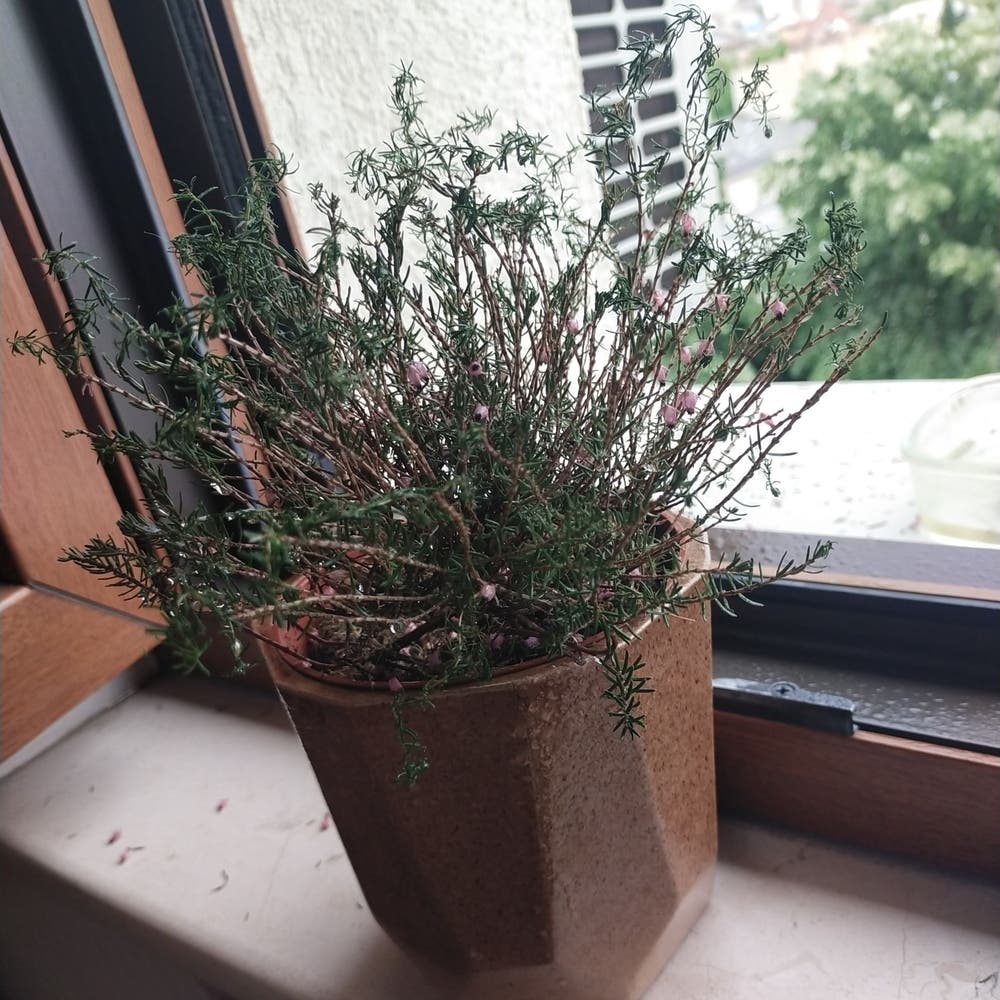
Elevate your garden with Erica holosericea 🌿, a stunning, low-maintenance plant that attracts pollinators and thrives effortlessly!
- 🌞 Erica holosericea thrives in full sun to partial shade for optimal growth.
- 🌱 Prefers acidic, well-drained soil with a pH of 4.5 to 6.0.
- 💧 Drought-tolerant once established, requiring deep watering and dry soil between sessions.
How to Grow
Choosing a Location 🌞
To thrive, Erica holosericea var. holosericea prefers full sun to partial shade. This optimal light condition is crucial for vibrant flowering.
Consider the microclimates in your garden. Protect your plants from harsh winds and frost to ensure their health and longevity.
Soil Preparation 🌱
This plant flourishes in acidic, well-drained soils with a pH between 4.5 and 6.0.
To enhance drainage, incorporate organic matter like peat moss or compost into the soil. This will create a nurturing environment for your plants.
Planting Techniques 🌿
When planting, ensure the root ball is level with the soil surface. This helps prevent water pooling around the roots.
Space your plants 2-3 feet apart to allow for adequate air circulation and growth. This spacing is essential for their overall health.
Watering Requirements 💧
After planting, give your Erica a deep watering to establish strong roots.
Once established, allow the soil to dry out between waterings, as this plant is drought-tolerant.
Fertilizing Tips 🌼
In early spring, use a slow-release, acidic fertilizer to give your plants a nutrient boost.
Focus on phosphorus to promote abundant flowering throughout the growing season.
Pruning Methods ✂️
Prune your Erica holosericea after flowering to maintain its shape and encourage new growth.
Remove any dead or damaged branches and thin out crowded areas to promote healthy development.
Ongoing Care 🛠️
For container care, ensure pots have drainage holes and use a suitable potting mix. This prevents waterlogging and root rot.
When growing outdoors, monitor for pests and diseases. Adjust your watering based on rainfall to keep your plants thriving.
With these tips, you’ll be well on your way to cultivating a beautiful and resilient Erica holosericea var. holosericea in your garden! Next, let’s explore the fascinating process of propagation.
Propagation
🌱 Seed Propagation Steps
Seed propagation is a straightforward method to grow Erica holosericea var. holosericea.
- Seed collection: Start by harvesting seeds from mature flowers.
- Germination conditions: Sow the seeds in a seed tray, lightly covering them with soil.
- Germination time: Expect germination to take 2-4 weeks under warm, moist conditions.
This method is easy and rewarding, making it perfect for beginners.
✂️ Cutting Propagation Techniques
If you prefer a quicker approach, consider propagation through cuttings.
- Selecting cuttings: Choose 4-6 inch semi-hardwood cuttings from healthy plants.
- Rooting medium: Use a mix of perlite and peat moss for optimal rooting conditions.
- Rooting time: Allow 4-6 weeks in a humid environment for the cuttings to establish roots.
This technique requires a bit more attention but can yield excellent results.
With these propagation methods, you can expand your collection of Erica holosericea var. holosericea and enjoy its beauty in your garden. Next, let’s explore the lifecycle of this fascinating plant.
Lifecycle
Life Cycle Stages 🌱
Erica holosericea var. holosericea is a resilient perennial plant that can thrive for several years. Its life cycle is fascinating and involves several key stages.
Germination 🌱
Germination kicks off the life cycle, requiring an optimal temperature of 20-25°C (68-77°F). This is when the seeds begin to sprout, setting the stage for future growth.
Seedling Development 🌿
After germination, seedlings develop over a period of 4-6 weeks. This stage is crucial as the young plants establish their roots and begin to grow.
Vegetative Growth 🌳
The vegetative growth phase lasts for 1-2 years before the plant flowers. During this time, the plant focuses on building a robust structure and gathering energy for the next stage.
Flowering 🌸
Flowering occurs in late winter to early spring, showcasing beautiful blooms. This is followed by seed production, ensuring the continuation of the species.
Full Maturity 🌼
Finally, the plant reaches full maturity in approximately 2-3 years. At this point, it showcases its full height and spread, contributing to the garden's beauty.
Understanding these stages helps gardeners provide the best care for Erica holosericea var. holosericea, ensuring vibrant growth and abundant blooms. Next, we’ll explore the plant's size and growth characteristics.
Size
Mature Dimensions 🌱
Erica holosericea var. holosericea typically reaches a height of 3 to 4 feet. Its spread can extend 2 to 3 feet wide, making it a lovely addition to any garden.
Growth Rate and Size Variability 📏
This plant has a moderate growth rate, which can be influenced by soil quality and environmental conditions. Size variability is common, as factors like light and water availability can affect its overall dimensions.
Understanding these characteristics helps you plan your garden layout effectively. With the right care, you can enjoy the beauty of Erica holosericea for years to come.
Roots
Root System Characteristics 🌱
Erica holosericea var. holosericea features a predominantly fibrous root system. This structure allows for efficient nutrient uptake, essential for the plant's health and growth.
The roots typically extend 12-18 inches deep, providing stability and access to moisture. They can also spread outwards up to 2-3 feet, which helps the plant absorb nutrients from a wider area.
Common Root-Related Issues ⚠️
One of the most common problems with Erica holosericea is root rot, often caused by overwatering. To prevent this issue, ensure the soil is well-drained and avoid waterlogging.
Identifying healthy versus unhealthy roots is crucial. Healthy roots are firm and white, while unhealthy roots appear dark and mushy, indicating decay.
Another issue to watch for is rootbound plants. Signs include roots growing out of drainage holes, which can hinder growth. Solutions involve repotting or pruning the roots to encourage healthier development.
Understanding these root characteristics and potential issues will help you maintain a thriving Erica holosericea. Next, let's explore the benefits of this remarkable plant and why it deserves a spot in your garden.
Benefits
Top 5 Benefits 🌟
1. Attracts Pollinators
Erica holosericea var. holosericea is a magnet for pollinators. Its nectar-rich flowers draw in bees and butterflies, supporting local ecosystems.
2. Drought-Tolerant
Once established, this plant thrives on minimal water. Its drought-tolerant nature makes it perfect for low-maintenance gardens, saving you time and effort.
3. Aesthetic Appeal
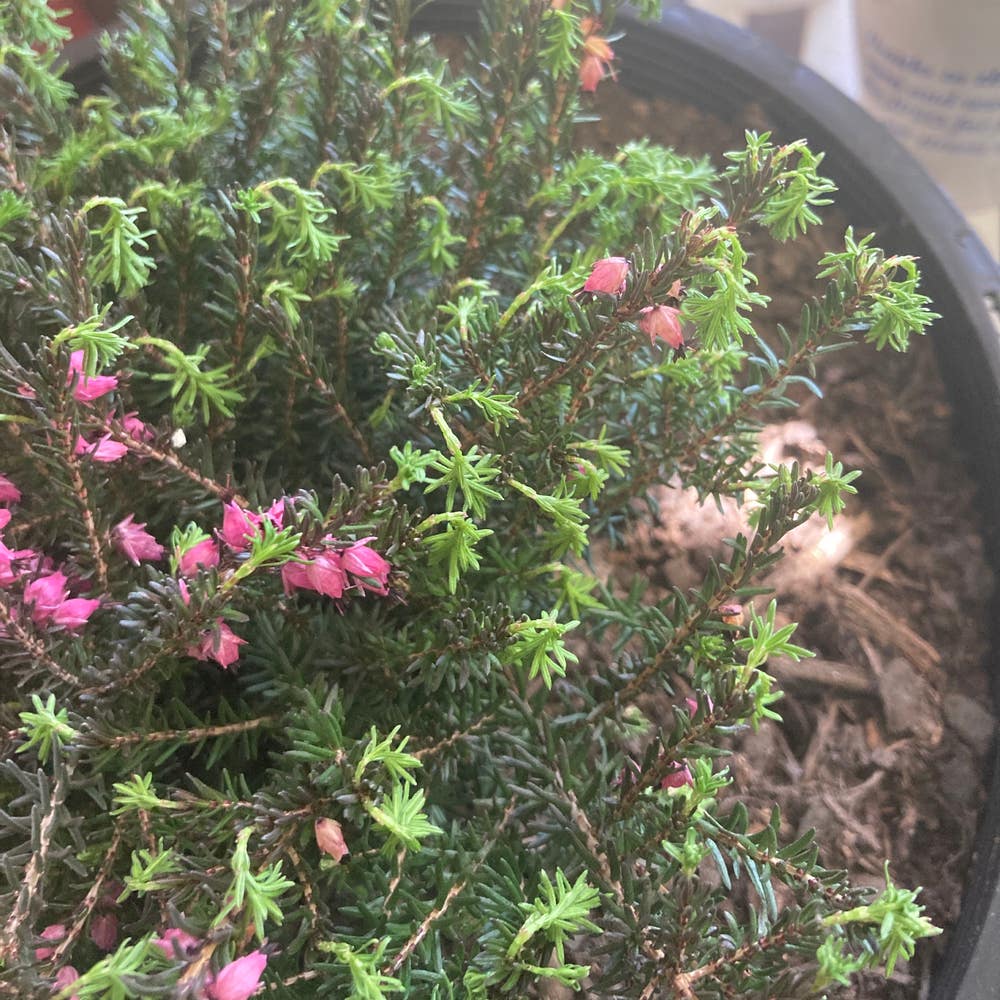
With its stunning blooms, Erica holosericea var. holosericea adds beauty to any garden. The vibrant flowers can elevate your landscape design and create a visual feast.
4. Erosion Control
The dense growth of this plant helps stabilize soil. This makes it an excellent choice for preventing erosion in gardens, ensuring your landscape remains intact.
5. Cultural Significance
This species represents the rich biodiversity of South African ecosystems. By growing Erica holosericea var. holosericea, you contribute to preserving this unique heritage.
These benefits make Erica holosericea var. holosericea a fantastic addition to your garden. Its combination of beauty, resilience, and ecological importance is hard to beat!
Companion Plants
Best Companions 🌱
When growing Erica holosericea var. holosericea, consider pairing it with other heaths and heathers. These plants thrive in similar soil and light conditions, creating a harmonious garden environment.
Companion plants not only enhance the aesthetic appeal but also promote healthy growth. They can help deter pests, making your garden more resilient and vibrant.
Plants to Avoid 🚫
On the flip side, steer clear of heavy feeders like tomatoes. These plants compete for nutrients, which can hinder the growth of your Erica holosericea.
Choosing the right companions is crucial for a thriving garden. By selecting compatible plants, you ensure a flourishing ecosystem that benefits all your greenery.
Toxicity to Humans
Erica holosericea var. holosericea is generally safe and not listed as toxic by major poison control centers. This means you can enjoy its beauty without worrying about severe health risks.
However, it's worth noting that consuming large quantities may lead to minor issues, such as mild skin irritation or digestive discomfort. Always exercise caution with any plant and consult a medical professional if you experience unusual symptoms.
In summary, while this plant is not harmful, a little mindfulness goes a long way in ensuring a safe gardening experience. Now, let’s explore how this plant interacts with our furry friends!
Toxicity to Dogs
Erica holosericea var. holosericea is considered safe for dogs, as it is not listed as toxic by major poison control centers.
However, if your dog consumes a large amount, it may experience mild gastrointestinal upset.
🐶 Precautionary Measures
To keep your furry friends safe, it's wise to position these plants out of their reach.
Always monitor your dog's behavior around new plants to ensure they don't nibble on them out of curiosity.
With a little care, you can enjoy the beauty of Erica holosericea var. holosericea without worrying about your dog's health.
Next, let’s explore how this plant interacts with our feline companions.
Toxicity to Cats
Erica holosericea var. holosericea is considered safe for cats, as it is not listed as toxic by major poison control centers. However, if your feline friend decides to munch on it, there could be mild gastrointestinal upset from consuming large quantities.
🐱 Practical Tips for Cat Owners
To keep your curious cats safe, position these plants in areas that are hard for them to reach. It's also wise to monitor their behavior around new plants to ensure they don't indulge too much.
💭 Final Thoughts
While this plant can add beauty to your garden, being mindful of your pets is essential. Enjoy the vibrant blooms without worrying about your furry companions!
Problems
Common Issues 🌱
Growing Erica holosericea var. holosericea can be rewarding, but it's essential to be aware of potential problems.
Incorrect Watering
Watering is crucial for plant health. Overwatering can lead to yellowing leaves, while underwatering often results in wilting.
Incorrect Light Conditions
Light plays a significant role in growth. Insufficient light can cause leggy growth, making the plant look weak and unappealing.
Diseases
Fungal diseases can pose a threat. Keep an eye out for powdery mildew and rust, which can affect the plant's overall health.
Leaf Issues
Leaf problems can signal environmental stress. Scorching leaves indicate too much sun exposure, while yellowing may suggest a nutrient deficiency.
By staying vigilant and addressing these common issues, you can help your Erica holosericea thrive. Next, let’s explore the potential pests that could affect your plant's health.
Bugs
🐜 Potential Pest Issues
While Erica holosericea var. holosericea is generally pest-resistant, it can still fall victim to a few specific pests. Keeping an eye out for spider mites, scale insects, and mealybugs is essential, as these critters can cause noticeable damage to your plants.
🔍 Identification of Pests
- Spider Mites: Look for fine webbing on leaves and tiny specks that may indicate their presence.
- Scale Insects: These appear as small, brownish bumps on stems and leaves, often leading to yellowing foliage.
- Mealybugs: Identified by their cotton-like appearance, they can cluster in leaf axils and on stems.
🧪 Treatment Options
If you notice any of these pests, don’t panic! Treatment options are straightforward. Using insecticidal soap or neem oil can effectively control these pests without harming your plant.
🚫 Prevention Tips
To minimize pest issues, maintain healthy plants through proper watering and fertilization. Regularly inspect your Erica holosericea for any signs of infestation, and act quickly to keep your garden thriving.
By staying vigilant and proactive, you can enjoy the beauty of your Erica holosericea without the worry of pest problems. Next, let’s explore what animals might be interested in munching on your plants.
What Eats
🦌 Common Animals
When it comes to Erica holosericea var. holosericea, a few common culprits may cause damage. Deer, rabbits, and squirrels are known to nibble on this beautiful plant, potentially impacting its health and growth.
👀 Signs of Presence
Keep an eye out for signs that these animals are around. Look for tracks, chewed leaves, or broken branches, which can indicate that your plant has become a snack for local wildlife.
🚫 Deterrent Methods
To protect your Erica holosericea, consider implementing some deterrent methods. Using commercial repellents can help keep these animals at bay, while barriers like fencing can provide a more permanent solution to safeguard your garden.
By being proactive, you can enjoy the beauty of your plant without the worry of it becoming a meal for hungry critters.
⚠️ Safety First
This content is for general information and may contain errors, omissions, or outdated details. It is not medical, veterinary advice, or an endorsement of therapeutic claims.
Always consult a qualified healthcare professional before using any plant as food, medicine, or supplement.
Never eat any plant (or feed one to pets) without confirming its identity with at least two trusted sources.
If you suspect poisoning, call Poison Control (800) 222-1222, the Pet Poison Helpline (800) 213-6680, or your local emergency service immediately.
Spotted an error? Please report it here.
Unlock the full potential of your Erica holosericea 🌼 with Greg's tailored care reminders and expert tips, ensuring your plant thrives in the perfect light and soil conditions while attracting beautiful pollinators to your garden!