🌸 Understanding Erica hirtiflora var. hirtiflora: The Basics
Erica hirtiflora var. hirtiflora
By the Greg Editorial Team
Feb 28, 2025•11 min read
This article was created with the help of AI so we can cover more plants for you. May contain errors. See one? Report it here.
- 🌞 Erica hirtiflora thrives in full sun to partial shade; choose the right location!
- 🌱 Acidic, well-drained soil (pH 5.5-6.5) is essential for healthy growth.
- 💧 Regular watering is crucial until established; then it becomes drought-tolerant.
How to Grow
Choosing a Location 🌞
When selecting a spot for Erica hirtiflora var. hirtiflora, consider its sunlight needs. This plant thrives in full sun to partial shade, so find a location that provides ample light.
Space is also crucial. Ensure you allow enough room for the plant's mature spread and air circulation to promote healthy growth.
Soil Preparation 🌱
The right soil is essential for your plant's success. Aim for acidic, well-drained soils to keep your Erica happy.
Check the soil pH, which should ideally range from 5.5 to 6.5. This balance will help your plant absorb nutrients effectively.
Planting Techniques 🌿
Proper planting techniques set the foundation for growth. Space your plants 18-24 inches apart to give them room to flourish.
When planting, ensure you place them at the same depth as they were in the nursery pot. This helps maintain their health and stability.
Watering Requirements 💧
Watering is a straightforward task with Erica hirtiflora. Initially, water regularly until the plant is established, after which it becomes drought-tolerant.
Use deep watering methods to encourage strong root growth. This practice helps the plant thrive even in less-than-ideal conditions.
Fertilizing 🌼
Fertilizing is easy and beneficial for your plant. Use a balanced, slow-release fertilizer to provide essential nutrients.
Schedule fertilization for early spring and mid-summer to support healthy growth throughout the seasons.
Pruning ✂️
Pruning is a moderate task that helps maintain the plant's shape. The best time to prune is after flowering, ensuring you keep the plant looking its best.
Focus on removing dead or damaged branches and spent flowers. This practice encourages new growth and enhances the plant's overall appearance.
Ongoing Care 🔍
Ongoing care is vital for a thriving Erica hirtiflora. Regularly monitor the plant's health by checking for pests and diseases.
Be prepared to adapt your care based on seasonal changes. This flexibility will help your plant flourish year-round.
With these tips, you’re well on your way to successfully growing Erica hirtiflora var. hirtiflora. Next, let’s explore the fascinating world of propagation techniques!
Propagation
🌱 Seed Propagation
To propagate Erica hirtiflora var. hirtiflora from seeds, start by sowing them in spring. Keep the soil moist, and you'll see germination in about 2 to 4 weeks at a temperature of 20°C (68°F).
✂️ Cutting Propagation
Another effective method is cutting propagation. Take 4 to 6-inch cuttings from healthy stems, ideally in late spring or early summer, for the best results.
This dual approach to propagation allows you to expand your collection or share this beautiful plant with friends. Whether you choose seeds or cuttings, both methods can lead to thriving new plants.
Size and Growth
Mature dimensions 🌱
Erica hirtiflora var. hirtiflora typically reaches a height of 1 to 3 feet and can spread between 2 to 4 feet wide. This moderate size makes it an excellent choice for various garden settings.
Growth rate and factors affecting size 📈
The growth rate of this plant is moderate, largely influenced by soil quality and sunlight exposure. Providing optimal conditions can lead to more vigorous growth and a fuller appearance.
Size variability 📏
It's important to note that size can vary significantly based on soil conditions. Plants in enriched soil tend to thrive and grow larger, while those in poor soil may remain smaller and less robust.
This understanding of size and growth will help you make informed decisions about planting and care. Next, let’s explore the root system characteristics that support this plant's development.
Roots
Root System Characteristics 🌱
Erica hirtiflora var. hirtiflora features a fibrous root system that is both shallow and spreading. This structure allows the plant to efficiently absorb nutrients and water from the upper soil layers.
Common Root-Related Issues ⚠️
Root rot is a common problem, often caused by overwatering, which leads to mushy roots. Additionally, plants can become rootbound, indicated by stunted growth and roots circling the pot.
Visual Cues for Healthy vs. Unhealthy Roots 👀
Healthy roots are firm and white, with no foul odor. In contrast, unhealthy roots appear dark, mushy, or emit a foul smell, signaling potential issues.
Solutions for Root Problems 🛠️
To prevent root rot, ensure your Erica hirtiflora is planted in well-drained soil and follow proper watering practices. If your plant is rootbound, consider repotting it into a larger container to give the roots more room to grow.
Understanding the root system and its potential issues is crucial for maintaining the health of your Erica hirtiflora. With proper care, you can ensure robust growth and vibrant blooms. Next, let’s explore the benefits this stunning plant brings to your garden.
Benefits
🌸 Ornamental Appeal
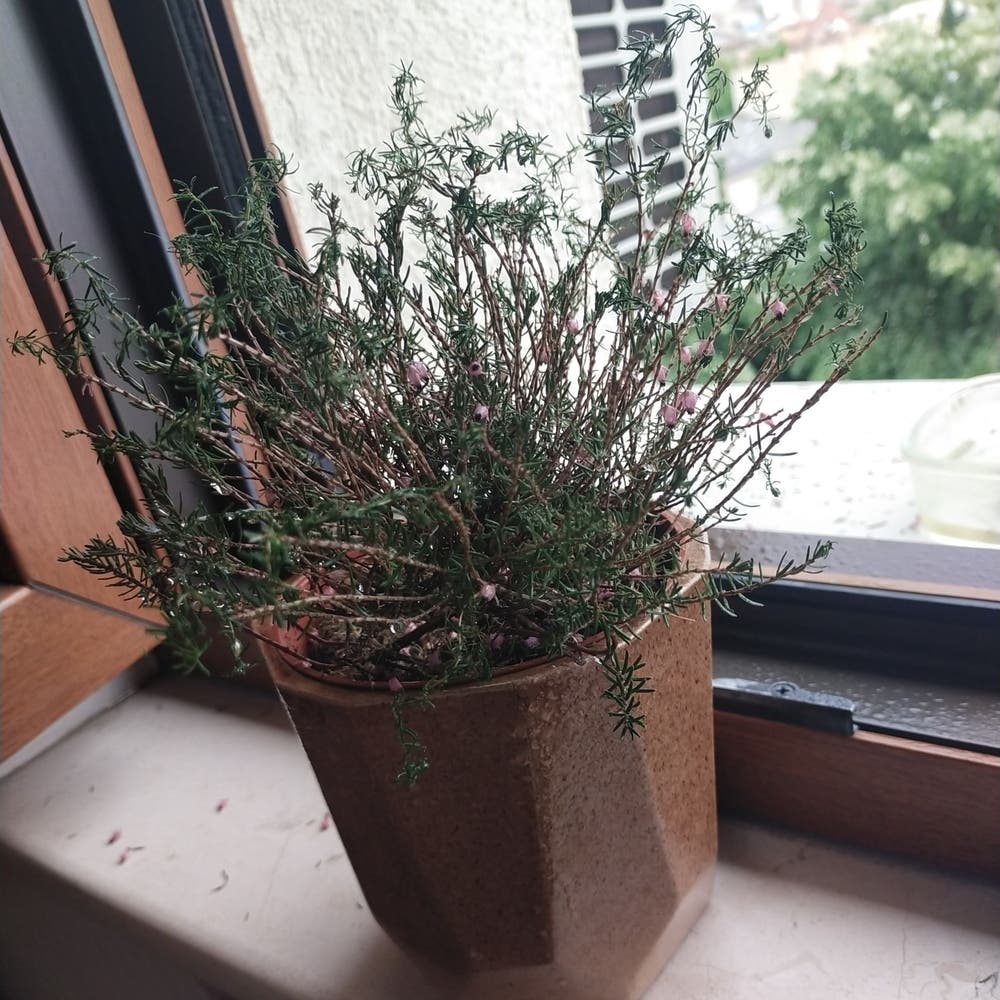
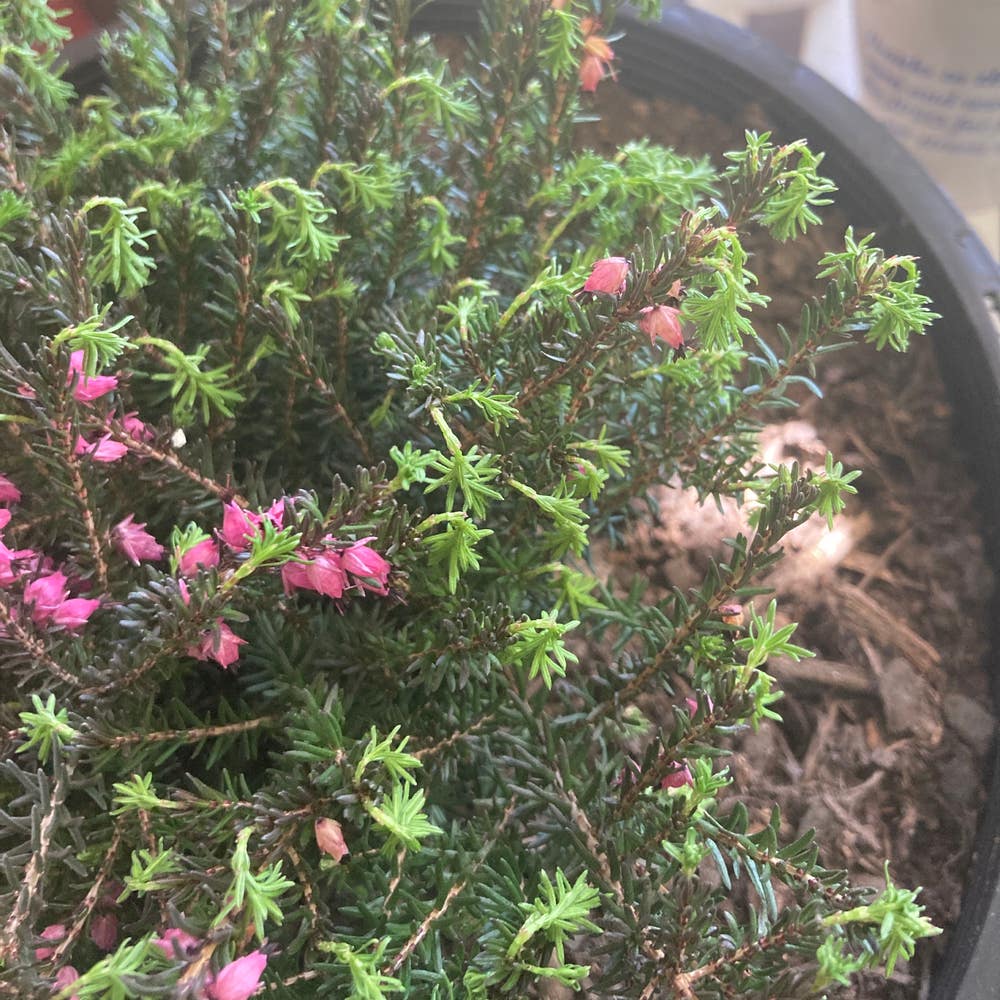
Erica hirtiflora var. hirtiflora boasts stunning tubular flowers that range from pink to purple. These vibrant blooms add a splash of color to any garden, making it a favorite among plant enthusiasts.
🐝 Attracting Pollinators
This plant is a magnet for pollinators, particularly bees and butterflies. By incorporating it into your garden, you enhance biodiversity and support essential ecosystems.
🌵 Drought Resistance
One of the standout features of Erica hirtiflora is its ability to thrive in poor soil conditions. Once established, it requires minimal care, making it an excellent choice for low-maintenance gardening.
🌍 Cultural Significance
In South African culture, this plant symbolizes resilience and beauty. Its presence in gardens reflects a connection to the rich heritage and natural beauty of the region.
🌿 Contribution to Biodiversity
Beyond its aesthetic appeal, Erica hirtiflora plays a vital role in local ecosystems. It provides habitat and food sources for various wildlife, contributing to a balanced and thriving environment.
Incorporating Erica hirtiflora into your garden not only enhances its beauty but also supports the surrounding ecosystem. With its numerous benefits, this plant is a worthy addition for any gardener looking to make a positive impact.
Companion Plants
🌱 Companion planting benefits
Companion planting is a fantastic strategy for enhancing growth and managing pests. By pairing plants wisely, you can create a thriving garden ecosystem that promotes diversity.
🌼 Best companions
For Erica hirtiflora var. hirtiflora, consider planting it alongside other fynbos species or low-growing herbs. These companions not only complement its growth but also contribute to a vibrant garden atmosphere.
🚫 Plants to avoid
Be cautious with heavy feeders, as they can compete for nutrients. Avoid planting them near your Erica to ensure it thrives without unnecessary competition.
Incorporating the right companions can elevate your gardening experience, making it more enjoyable and productive. Next, let’s explore the fascinating world of toxicity and safety regarding Erica hirtiflora var. hirtiflora.
Toxicity to Humans
When it comes to the safety of Erica hirtiflora var. hirtiflora, you can breathe easy. This plant is not listed as toxic by major poison control centers, making it a safe choice for your garden.
However, it's worth noting that consuming large quantities may lead to mild skin irritation or digestive discomfort. Always exercise caution and consult a doctor if you experience any unusual symptoms after contact or consumption.
In summary, while this plant is generally safe, a little mindfulness goes a long way. Enjoy the beauty of Erica hirtiflora var. hirtiflora without worry, but stay informed to ensure a pleasant gardening experience.
Next, let’s explore how this plant interacts with our furry friends, particularly dogs.
Toxicity to Dogs
When it comes to Erica hirtiflora var. hirtiflora, dog owners can breathe a sigh of relief. This plant is not listed as toxic by veterinary organizations, making it a safe choice for homes with furry friends.
However, moderation is key. While it’s generally safe, consuming large quantities can lead to mild gastrointestinal upset in dogs. Keep an eye on your pup to ensure they don’t munch too much on the leaves.
🏡 Tips for Introducing to Homes
To create a harmonious environment, consider the placement of your Erica hirtiflora. Position it in areas that are less accessible to your dog, reducing the chances of them nibbling on it.
Monitoring your dog's behavior around the plant is also essential. If you notice any unusual interest, gently redirect them to their toys or other safe plants. This way, you can enjoy the beauty of your garden without worry.
In summary, Erica hirtiflora var. hirtiflora is a delightful addition to your garden that won’t pose a threat to your canine companions. With a little care and attention, both your plants and pets can thrive together.
Next, let’s explore the plant's toxicity to cats and how to ensure their safety around this beautiful species.
Toxicity to Cats
When it comes to the safety of cats, Erica hirtiflora var. hirtiflora is in the clear. Major pet poison control centers do not list this plant as toxic, making it a safe choice for homes with feline friends.
However, it's important to note that while the plant isn't harmful, consuming large quantities can lead to mild gastrointestinal upset. If your cat decides to nibble on a leaf or two, keep an eye out for any signs of discomfort.
🏡 Tips for Introducing to Homes
To ensure a harmonious coexistence, consider the following tips when introducing Erica hirtiflora to your home:
Proper Placement: Position the plant in an area that is less accessible to your cat. This can help minimize any unwanted munching.
Monitoring Behavior: Keep an eye on your cat's interactions with the plant. If they show excessive interest, it might be worth relocating the plant to a safer spot.
By taking these precautions, you can enjoy the beauty of Erica hirtiflora while keeping your feline companions safe and happy.
As we move forward, let’s explore the potential problems that can arise with this plant and how to address them effectively.
Problems
🌱 Common Problems
Growing Erica hirtiflora var. hirtiflora can come with its challenges. Two of the most common issues are incorrect watering and light conditions.
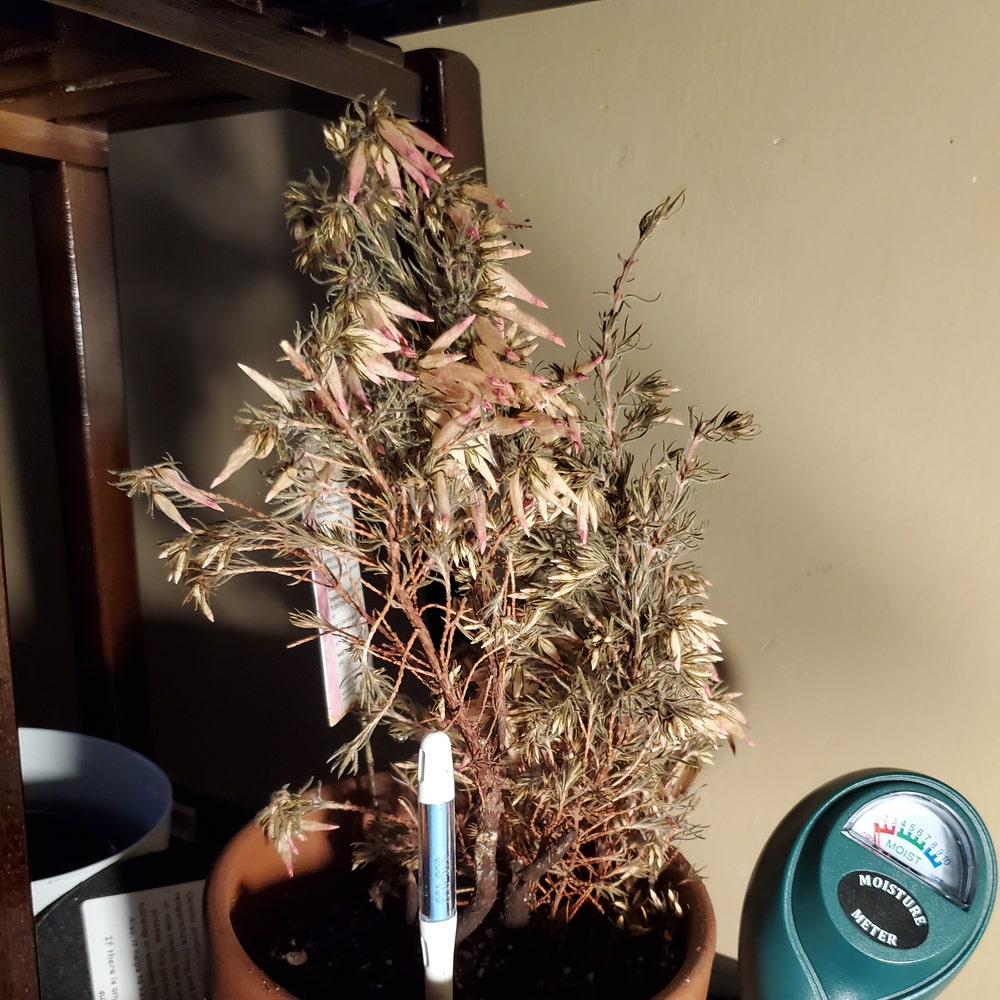
Incorrect watering can manifest as either overwatering or underwatering. Overwatered plants often show yellowing leaves and root rot, while underwatered ones may droop and become crispy.
Light conditions also play a crucial role in plant health. Insufficient light can lead to leggy growth, while too much direct sunlight can cause leaf scorch, resulting in brown, crispy edges.
🦠 Diseases and Pests
Fungal diseases can pose a significant threat to your Erica hirtiflora. Common issues include powdery mildew, rust, and black rot, which can affect the overall vigor of the plant.
Pests can also be a concern, although this species is generally resistant. Keep an eye out for spider mites and mealybugs, which can cause damage if left unchecked.
🛠️ Solutions for Resolving Problems
To tackle these issues, start by adjusting your watering practices. Ensure the soil is well-drained and only water when necessary.
Improving air circulation around your plants can also help prevent fungal diseases. Consider spacing your plants adequately and trimming any overcrowded areas to promote healthy growth.
With these strategies, you can keep your Erica hirtiflora thriving and vibrant!
Bugs
🐛 Potential Pest Issues
While Erica hirtiflora var. hirtiflora boasts moderate pest resistance, it can still fall prey to certain nuisances. Keeping an eye out for these pests is essential for maintaining plant health.
🔍 Identification and Damage
Spider Mites: These tiny pests leave behind fine webbing and cause stippling on leaves, which can weaken the plant over time.
Mealybugs: Recognizable by their white, cotton-like masses on stems, mealybugs can sap the plant's vitality if not addressed promptly.
🧴 Treatment Options
To combat these pests, consider using neem oil or insecticidal soap. Both are effective treatments that can help restore your plant's health.
Additionally, encouraging beneficial insects in your garden can naturally keep pest populations in check. Ladybugs and lacewings are excellent allies in this battle.
By staying vigilant and proactive, you can ensure your Erica hirtiflora thrives despite potential pest challenges. Next, let’s explore what animals might be interested in snacking on your plant.
What Eats
Common Animals 🦌
When it comes to Erica hirtiflora var. hirtiflora, several animals find its foliage quite appetizing. Deer, rabbits, and squirrels are the primary culprits that may nibble on this beautiful plant.
Signs of Animal Presence 🐾
Identifying animal visitors can be straightforward. Look for chewed leaves, droppings, and tracks around the base of the plant, which indicate that your garden has attracted some hungry guests.
Deterring Methods 🚫
To protect your Erica hirtiflora from these munching marauders, consider a few effective strategies. Fencing can create a physical barrier, while repellents can deter animals with their scent. Additionally, planting deterrent species nearby can help keep these critters at bay, allowing your plant to thrive without interruption.
With these tips, you can enjoy the beauty of your Erica hirtiflora while minimizing the impact of local wildlife. Now, let’s explore the potential pest issues that could affect your plant.
⚠️ Safety First
This content is for general information and may contain errors, omissions, or outdated details. It is not medical, veterinary advice, or an endorsement of therapeutic claims.
Always consult a qualified healthcare professional before using any plant as food, medicine, or supplement.
Never eat any plant (or feed one to pets) without confirming its identity with at least two trusted sources.
If you suspect poisoning, call Poison Control (800) 222-1222, the Pet Poison Helpline (800) 213-6680, or your local emergency service immediately.
Spotted an error? Please report it here.
Unlock the beauty of your garden 🌿 with Greg's tailored care tips and watering reminders, ensuring your Erica hirtiflora thrives while supporting local biodiversity!