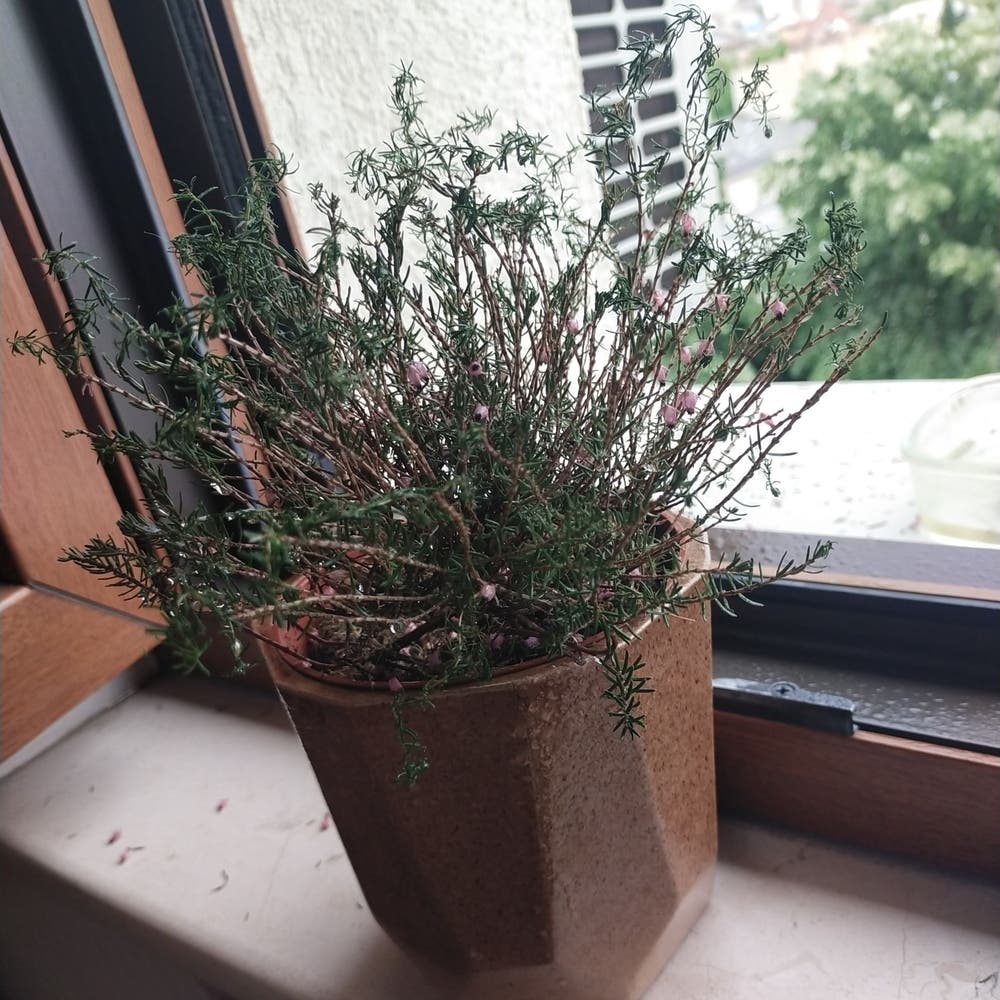
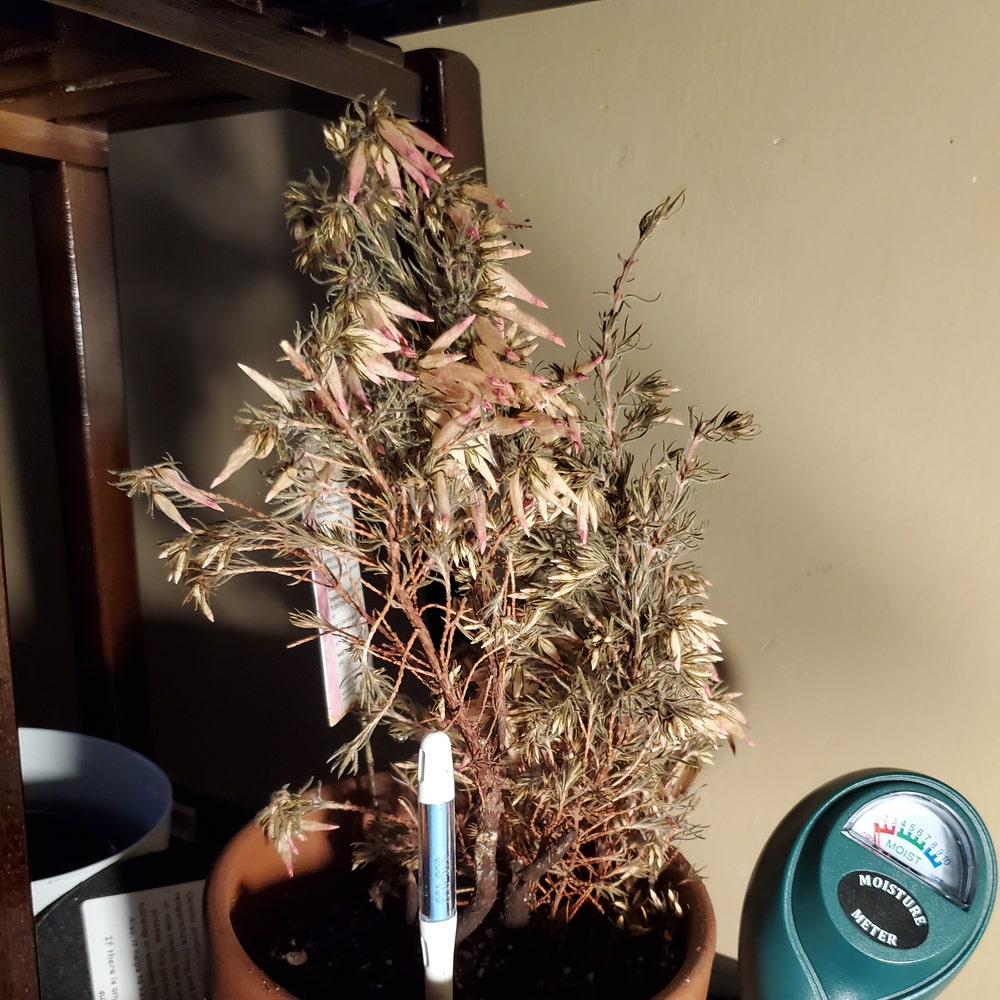
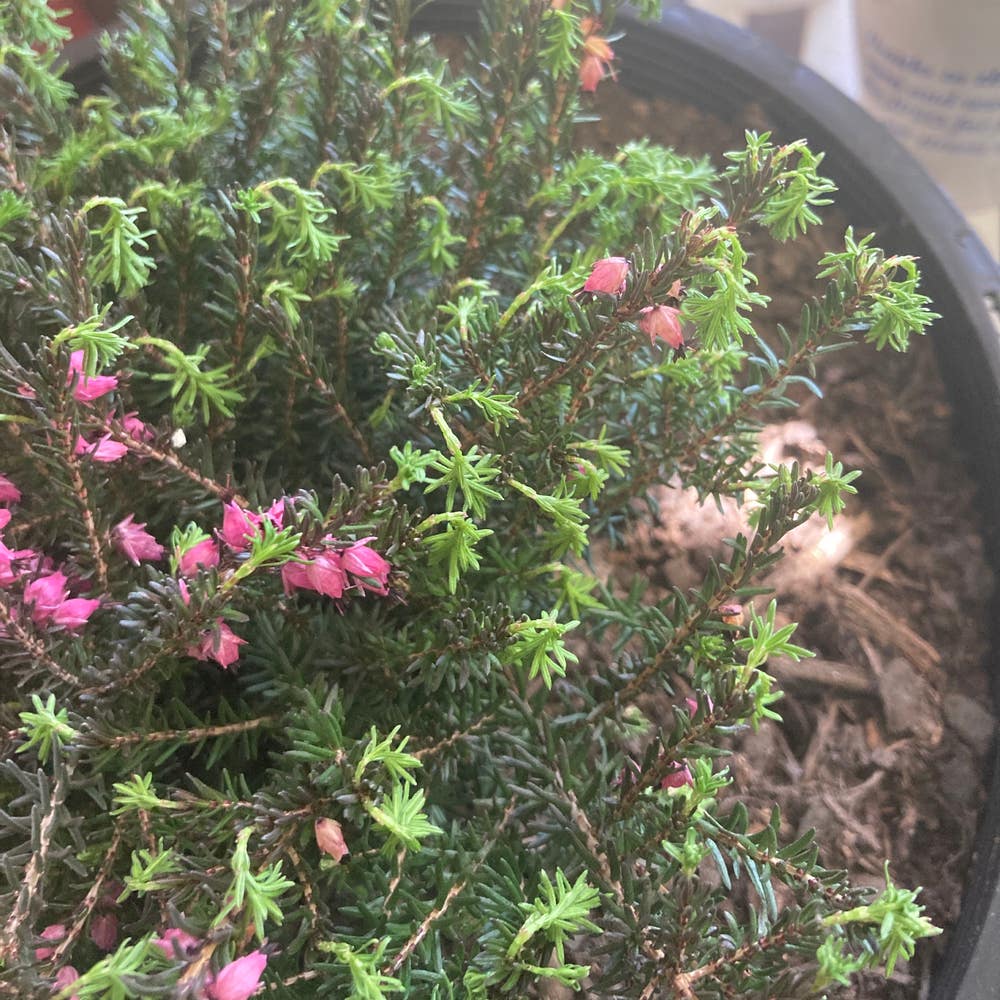
What is a Erica hendricksei? Complete Guide 🌸
Erica hendricksei
By the Greg Editorial Team
Feb 28, 2025•11 min read
This article was created with the help of AI so we can cover more plants for you. May contain errors. See one? Report it here.
Discover how to effortlessly grow Erica hendricksei, a stunning, low-maintenance plant that enhances any garden! 🌱
- 🌞 Erica hendricksei needs 6-8 hours of sunlight for optimal growth.
- 🌱 Plant in acidic, well-drained soil with a pH of 4.5 to 6.0.
- 🐝 Attracts pollinators and supports biodiversity in your garden.
How to Grow
Choosing a Location 🌞
To thrive, Erica hendricksei needs full sun to partial shade, ideally receiving 6-8 hours of sunlight daily. When selecting a spot, ensure there's enough space for air circulation and growth, as this will help prevent disease.
Soil Preparation 🏞️
This plant prefers acidic, well-drained soils with a pH between 4.5 and 6.0. To enhance drainage, mix in sand or perlite, which will keep the roots happy and healthy.
Planting Techniques 🌱
When planting, space your Erica hendricksei 18-24 inches apart to accommodate their mature spread. Make sure to plant them at the same depth they were in their nursery container to promote strong growth.
Watering Requirements 🚰
Water your plants regularly until they are established, then reduce the frequency. Always water at the base to keep the foliage dry and prevent fungal issues.
Fertilizing 🍽️
Use a slow-release fertilizer designed for acid-loving plants to nourish your Erica hendricksei. Fertilize in early spring and again in mid-summer for optimal growth.
Pruning ✂️
Prune your plants after flowering to maintain their shape and encourage new growth. Focus on trimming back any leggy growth and removing dead flowers to promote a healthy appearance.
Ongoing Care 👀
Keep an eye on your plants for signs of stress or disease, such as wilting or discoloration. Adjust your watering and fertilizing routines based on seasonal changes to ensure they continue to thrive.
With these tips, you'll be well on your way to growing a healthy and vibrant Erica hendricksei. Next, let's explore how to propagate this beautiful plant!
Propagation
🌱 Seed Propagation
To propagate Erica hendricksei from seeds, start by sowing them in spring. Keep the soil moist and maintain a warm environment, ideally between 70°F to 75°F, to encourage germination.
Germination usually takes about 2-4 weeks. Patience is key, as this process can vary based on conditions.
✂️ Cutting Propagation
Another effective method is cutting propagation. Take 4-6 inch cuttings from healthy stems during late spring or early summer.
Make sure each cutting has at least one node, as this is crucial for successful rooting. This technique can be a rewarding way to expand your collection of Erica hendricksei.
With these propagation methods, you can easily multiply your plants and enjoy their beauty in multiple locations. Next, let’s explore the lifecycle of this fascinating perennial.
Lifecycle
Erica hendricksei is a perennial plant that goes through several distinct stages during its lifecycle. These stages include seed or cutting, germination, seedling stage, vegetative growth, flowering, and seed production.
🌱 Lifespan and Growth Rate
With proper care, Erica hendricksei can live for several years, showcasing its resilience and adaptability. Its growth rate is moderate, typically reaching maturity in about 2 to 3 years, making it a rewarding addition to any garden.
📈 Stages of Growth
- Seed/Cutting: This initial stage involves planting seeds or taking cuttings from healthy plants.
- Germination: Seeds germinate when conditions are right, usually requiring warmth and moisture.
- Seedling Stage: Young plants develop roots and leaves, establishing themselves in the soil.
- Vegetative Growth: During this phase, the plant focuses on growing foliage and strengthening its root system.
- Flowering: Erica hendricksei produces beautiful flowers, attracting pollinators and enhancing garden aesthetics.
- Seed Production: After flowering, the plant produces seeds, continuing its lifecycle.
Understanding these stages helps gardeners provide the right care at each phase, ensuring a thriving Erica hendricksei. As we move forward, let's explore how to effectively propagate this lovely plant.
Size
Mature Height and Spread 🌱
Erica hendricksei typically reaches a mature height of 1 to 3 feet. Its spread can range from 2 to 3 feet wide, making it a compact and manageable addition to your garden.
Growth Rate and Time to Full Size ⏳
Under ideal conditions, this plant takes approximately 2 to 3 years to reach its full size. Patience is key, as the moderate growth rate allows it to establish a strong foundation.
Size Variability Based on Growing Conditions 🌍
The growth rate of Erica hendricksei can fluctuate based on several factors. Soil quality, sunlight exposure, and water availability all play crucial roles in determining how quickly this plant thrives.
In optimal conditions, expect lush growth, while less favorable environments may slow its development. Understanding these variables can help you create the best conditions for your Erica hendricksei to flourish.
As you plan your garden, keep these size considerations in mind to ensure a harmonious landscape. Next, let’s explore the fascinating root system of this resilient plant.
Roots
Root System Characteristics 🌱
Erica hendricksei features a fibrous root system that is both shallow and spreading. This design enhances stability, allowing the plant to thrive in various conditions.
Common Root-Related Issues ⚠️
One of the most common problems is root rot, which occurs due to overwatering. To prevent this, ensure proper drainage in your planting medium.
Another issue is becoming rootbound, which you can identify by observing tight, circling roots in the pot. This can hinder growth and overall plant health.
Visual Cues for Healthy vs. Unhealthy Roots 👀
Healthy roots are firm, white, and spread out, indicating a robust plant. In contrast, unhealthy roots appear dark, mushy, or may emit a foul smell.
Tips for Managing Root Problems 🛠️
If you notice your plant is rootbound, repot it into a container that is 1-2 inches larger in diameter. This gives the roots room to expand and promotes healthy growth.
Additionally, maintain proper watering practices to avoid root rot. Regularly check the moisture level of the soil to ensure your plant thrives.
With these insights, you can effectively manage the root health of your Erica hendricksei, setting the stage for a flourishing plant. Next, let’s explore the numerous benefits this beautiful plant brings to your garden.
Benefits
🌼 Attracts Pollinators
One of the standout benefits of Erica hendricksei is its ability to attract pollinators. This not only enhances your garden's biodiversity but also supports the ecosystem by providing food for bees, butterflies, and other beneficial insects.
💧 Drought-Tolerant
Once established, Erica hendricksei is remarkably drought-tolerant. This characteristic means you can enjoy a vibrant garden while reducing your water usage, making it an eco-friendly choice.
🍃 Year-Round Greenery
With its evergreen foliage, this plant offers year-round greenery. This feature ensures your garden remains lively and visually appealing, even in the colder months.
🌳 Versatile Landscaping
Erica hendricksei is versatile in landscaping applications. Whether you’re designing a rock garden or creating borders, this plant fits seamlessly into various garden styles.
🧑🌾 Low Maintenance
For busy gardeners, Erica hendricksei is a low-maintenance option. Its resilience and minimal care requirements make it an ideal choice for those who want beauty without the hassle.
These benefits make Erica hendricksei a fantastic addition to any garden, providing both aesthetic appeal and practical advantages. As you consider your planting options, keep these advantages in mind to enhance your gardening experience.
Companion Plants
Explanation of Companion Planting 🌱
Companion planting is a gardening strategy that promotes biodiversity and pest management. By selecting compatible plants, you can create a thriving ecosystem that supports healthy growth and minimizes pest issues.
List of Compatible Plants 🌼
When considering companions for Erica hendricksei, think about other Erica species, heathers, and low-growing perennials. These plants share similar care requirements and can help repel pests, making them ideal partners in your garden.
Plants to Avoid Near Erica hendricksei 🚫
It's best to steer clear of heavy feeders or plants that thrive in rich, moist soils. These plants can compete for nutrients and water, potentially harming your Erica hendricksei.
By choosing the right companions, you can enhance the health and beauty of your garden while enjoying the benefits of companion planting. This thoughtful approach not only boosts biodiversity but also creates a more resilient growing environment.
Toxicity to Humans
Erica hendricksei is generally considered safe for humans, as it is not listed as toxic by major poison control centers. However, it's wise to be cautious; consuming large quantities might lead to mild skin irritation or minor digestive discomfort.
If you or someone you know experiences unusual symptoms after contact with the plant, it's best to seek medical advice. Always remember that while this plant is not harmful, exercising care with any plant is a good practice.
As you enjoy the beauty of Erica hendricksei in your garden, keep in mind the importance of awareness and safety. This knowledge allows you to appreciate your plants while ensuring a healthy environment for everyone.
Toxicity to Dogs
Erica hendricksei is generally safe for dogs, as it is not listed as toxic by major pet poison control centers. However, if your furry friend decides to munch on a large quantity, they might experience mild gastrointestinal upset.
To keep your dog safe, it's wise to monitor their behavior around new plants. Curious pups can sometimes get into trouble, so placing Erica hendricksei out of reach is a good precaution.
By being proactive, you can enjoy your garden while ensuring your dog's well-being. Remember, if you notice any unusual symptoms in your pet, consult your veterinarian for advice.
Toxicity to Cats
🐱 Safety First
Erica hendricksei is considered safe for cats, as it is not listed as toxic by major pet poison control centers. However, if consumed in large quantities, it may cause mild gastrointestinal upset.
To keep your feline friends safe, it's wise to keep this plant out of their reach. Always monitor their behavior around new plants to ensure they don't nibble on anything they shouldn't.
With a little caution, you can enjoy the beauty of Erica hendricksei without worrying about your curious cats. This plant can be a lovely addition to your home or garden, providing vibrant greenery without the risk of toxicity.
Problems
🌱 Common Problems Faced When Growing
Growing Erica hendricksei can be rewarding, but it comes with its challenges.
Incorrect Watering: One of the most common issues is improper watering. Signs of underwatering include wilting leaves, while yellowing leaves often indicate overwatering.
Incorrect Light Conditions: Light exposure is crucial. Too much sun can scorch the leaves, while insufficient light can lead to leggy growth.
Diseases: Fungal diseases like powdery mildew and root rot can also plague your plants. These issues often arise from poor air circulation or excessive moisture.
Leaf Issues: You might notice scorching, yellowing, or fuzzy growth on the leaves, which can signal various problems.
🔍 Identification and Resolution of Top 5 Issues
Identifying and resolving these issues early can save your plants.
Overwatering: Check the soil moisture. If it feels soggy, reduce your watering frequency.
Underwatering: If you see wilting, it’s time to increase your watering schedule.
Light Issues: Observe your plant's growth patterns. If it’s leggy, consider moving it to a brighter spot.
Fungal Diseases: Treat with appropriate fungicides and ensure good air circulation around your plants.
Root Problems: Inspect the roots for any signs of distress. If they appear crowded or unhealthy, repot your Erica hendricksei in fresh soil.
By staying vigilant and addressing these common problems, you can enjoy a thriving Erica hendricksei in your garden. Next, let’s explore the potential pest issues that may affect your plant.
Bugs
🐛 Potential Pest Issues
While Erica hendricksei is generally resilient, it can still attract certain pests. Keeping an eye on your plants will help you catch any issues early.
🕷️ Identification and Treatment Options for Relevant Pests
Spider Mites
Look for fine webbing on the leaves. Treat these pests with insecticidal soap to eliminate them effectively.
Scale Insects
These pests leave a sticky residue and cause yellowing leaves. You can remove them by hand or apply horticultural oil for control.
Mealybugs
If you notice cotton-like masses on the stems, mealybugs are likely the culprit. Treat them with alcohol-soaked cotton swabs to wipe them away.
Aphids
These small green insects often appear on new growth. Control aphid populations using neem oil or insecticidal soap for effective results.
Whiteflies
Tiny white insects found on the undersides of leaves indicate a whitefly infestation. Use yellow sticky traps to capture and control these pests.
By staying vigilant and addressing these common pest issues, you can keep your Erica hendricksei thriving and healthy. Next, let’s explore what animals might be interested in snacking on your plants.
What Eats Erica hendricksei
🦌 Common Animals That May Damage
Erica hendricksei can attract a variety of animals that may cause damage. Common culprits include deer, rabbits, squirrels, and rodents.
🕵️♂️ Signs of Animal Presence and Damage
Identifying animal activity is crucial for protecting your plants.
- Deer: Look for browsing on leaves and stems, along with visible tracks in the soil.
- Rabbits: They leave behind cleanly cut stems and noticeably missing foliage.
- Squirrels: Watch for signs of digging around the base of the plant, which can disturb roots.
🚫 Deterrent Methods for Managing Animal Interactions
Preventing animal damage is essential for maintaining the health of your Erica hendricksei.
- Chemical deterrents: Consider using commercial repellents or homemade solutions, like garlic spray, to keep these animals at bay.
- Organic control methods: Planting deterrent species nearby or utilizing physical barriers such as fencing can effectively protect your plants.
By being proactive and observant, you can enjoy the beauty of Erica hendricksei without the worry of unwanted visitors. Next, let’s explore the potential pest issues that may arise while growing this resilient plant.
⚠️ Safety First
This content is for general information and may contain errors, omissions, or outdated details. It is not medical, veterinary advice, or an endorsement of therapeutic claims.
Always consult a qualified healthcare professional before using any plant as food, medicine, or supplement.
Never eat any plant (or feed one to pets) without confirming its identity with at least two trusted sources.
If you suspect poisoning, call Poison Control (800) 222-1222, the Pet Poison Helpline (800) 213-6680, or your local emergency service immediately.
Spotted an error? Please report it here.
Transform your garden with the stunning Erica hendricksei 🌿, and let Greg guide you with customized care reminders to keep your plant thriving year-round!