🌸 All About Erica gysbertii var. gysbertii: Essential Facts
Erica gysbertii var. gysbertii
By the Greg Editorial Team
Feb 28, 2025•14 min read
This article was created with the help of AI so we can cover more plants for you. May contain errors. See one? Report it here.
Unlock the beauty of your garden with Erica gysbertii var. gysbertii—easy to grow and a pollinator magnet! 🌼
- 🌞 Erica gysbertii thrives in full sun to partial shade; ensure proper spacing for air circulation.
- 🌱 Requires acidic, well-drained soil with a pH of 5.5 to 6.5 for optimal growth.
- 🐝 Attracts pollinators and is drought-resistant, making it ideal for low-maintenance gardens.
How to Grow
Choosing a Location 🌞
When selecting a location for Erica gysbertii var. gysbertii, aim for full sun to partial shade. This plant thrives best with adequate spacing to ensure proper air circulation and growth.
Soil Preparation 🏞️
Prepare your soil with a focus on acidic, well-drained conditions. The ideal pH range is between 5.5 and 6.5, as waterlogged soils can lead to detrimental effects on plant health.
Planting Techniques 🌱
For optimal growth, space your plants 18 to 24 inches apart. Ensure you follow the recommended planting depth guidelines to promote healthy root development.
Watering Requirements 💧
Establish a watering schedule based on soil moisture levels. Use best practices to water effectively, preventing root rot while keeping the soil adequately moist.
Fertilizing 🌿
Choose fertilizers specifically designed for acidic soils to nourish your plants. Fertilization should occur regularly throughout the growing season to support robust growth.
Pruning ✂️
Timing is key when it comes to pruning; do it at the right moment for optimal growth and flowering. Use proper techniques to shape your plants and maintain their health.
Ongoing Care 🔍
Regularly monitor your plants for signs of distress, ensuring they remain healthy. Adjust your care routine according to seasonal changes to keep them thriving year-round.
With these guidelines, you're well on your way to successfully growing Erica gysbertii var. gysbertii. Next, let’s explore how to propagate this beautiful plant effectively.
Propagation
🌱 Seed Propagation
Germinating seeds of Erica gysbertii var. gysbertii can be a rewarding process. Start by soaking the seeds in water for 24 hours to enhance germination.
Next, plant the seeds in a well-draining, acidic soil mix. Keep the soil consistently moist but not soggy.
Expect germination to take about 2 to 4 weeks. Be patient, as the seeds need the right conditions to sprout successfully.
✂️ Cutting Propagation
Taking cuttings is another effective way to propagate Erica gysbertii. Choose healthy stems that are about 4 to 6 inches long, ideally from the current season's growth.
Prepare the cuttings by removing the lower leaves and dipping the cut end in rooting hormone. This helps stimulate root growth.
For rooting, place the cuttings in a moist, well-draining medium and keep them in a warm, humid environment. Typically, you can expect roots to develop in about 4 to 6 weeks.
With both methods, ensure you provide the right conditions for success. This will set you on the path to growing your own beautiful Erica gysbertii plants.
Next, let’s explore the lifecycle of this fascinating plant.
Lifecycle
🌱 Lifecycle Stages
The lifecycle of Erica gysbertii var. gysbertii begins with either seeds or cuttings. From these starting points, the plant progresses through distinct stages until it reaches maturity.
Germination is the first critical phase, requiring specific conditions such as warmth and moisture. Typically, this process takes about 2-4 weeks, setting the foundation for healthy growth.
🌿 Seedling Stage Characteristics
During the seedling stage, the plant exhibits rapid growth and requires attentive care. Adequate light, moisture, and nutrients are essential to support its development.
You’ll notice the seedlings developing their first true leaves, which are crucial for photosynthesis. This phase is vital for establishing a strong root system.
🌳 Vegetative Growth Phase
As the plant transitions into the vegetative growth phase, it focuses on building its structure. This stage is characterized by increased leaf production and stem elongation.
Providing optimal sunlight and water is crucial during this time. The plant thrives in well-drained, acidic soil, which supports its growth habits.
🌸 Flowering and Seed Production
Flowering typically occurs in late spring to early summer, depending on environmental conditions. The plant produces vibrant flowers that attract pollinators, which are essential for seed production.
Once pollinated, the flowers will set seeds, completing the lifecycle. This stage is not only beautiful but also vital for the continuation of the species.
⏳ Lifespan and Growth Rate
Erica gysbertii var. gysbertii has a lifespan of approximately 2-3 years before reaching its full potential.
On average, you can expect a growth rate of about 12-18 inches per year under ideal conditions. This steady growth makes it a rewarding addition to any garden.
With a solid understanding of its lifecycle, you can better appreciate the care and attention this plant requires. Next, we’ll explore its size and how various factors influence its growth.
Size
Mature Height and Spread 🌱
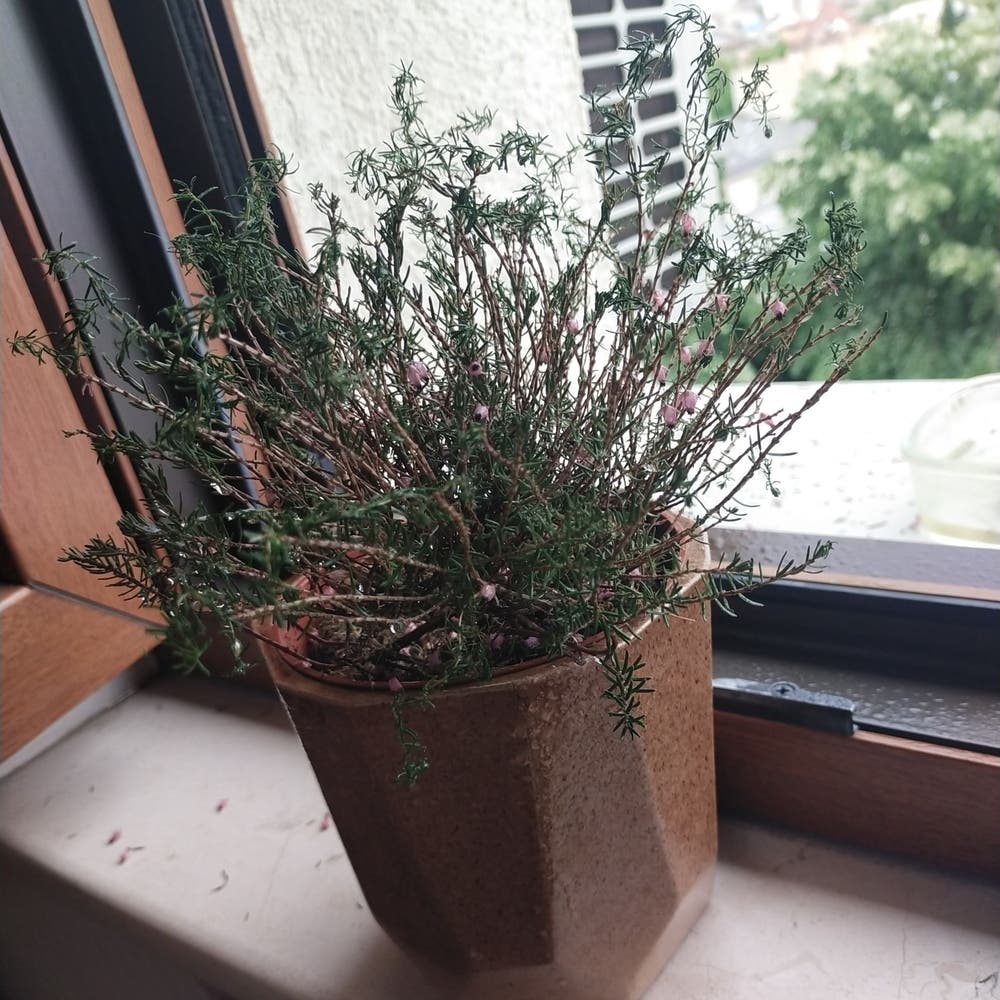
Erica gysbertii var. gysbertii typically reaches a mature height of 2 to 3 feet, with a similar spread. This compact size makes it an excellent choice for various garden settings, providing both beauty and functionality.
Growth Rate and Factors Affecting Size 📈
The growth rate of Erica gysbertii can vary significantly based on several factors. Key influences include soil quality, sunlight exposure, and water availability, all of which play crucial roles in determining how quickly and robustly the plant develops.
Size Variability Based on Growing Conditions 🌍
Different growing conditions can lead to noticeable size variability in Erica gysbertii. For instance, plants in well-drained, nutrient-rich soils with ample sunlight may grow larger than those in shaded or poor soil environments.
Understanding these factors can help you optimize your gardening efforts, ensuring that your Erica gysbertii thrives beautifully in your landscape.
Roots
Root System Characteristics 🌱
Erica gysbertii var. gysbertii features a fibrous root system that is essential for its stability and nutrient uptake. These roots typically spread out widely, allowing the plant to access moisture and nutrients efficiently.
Common Root-Related Issues ⚠️
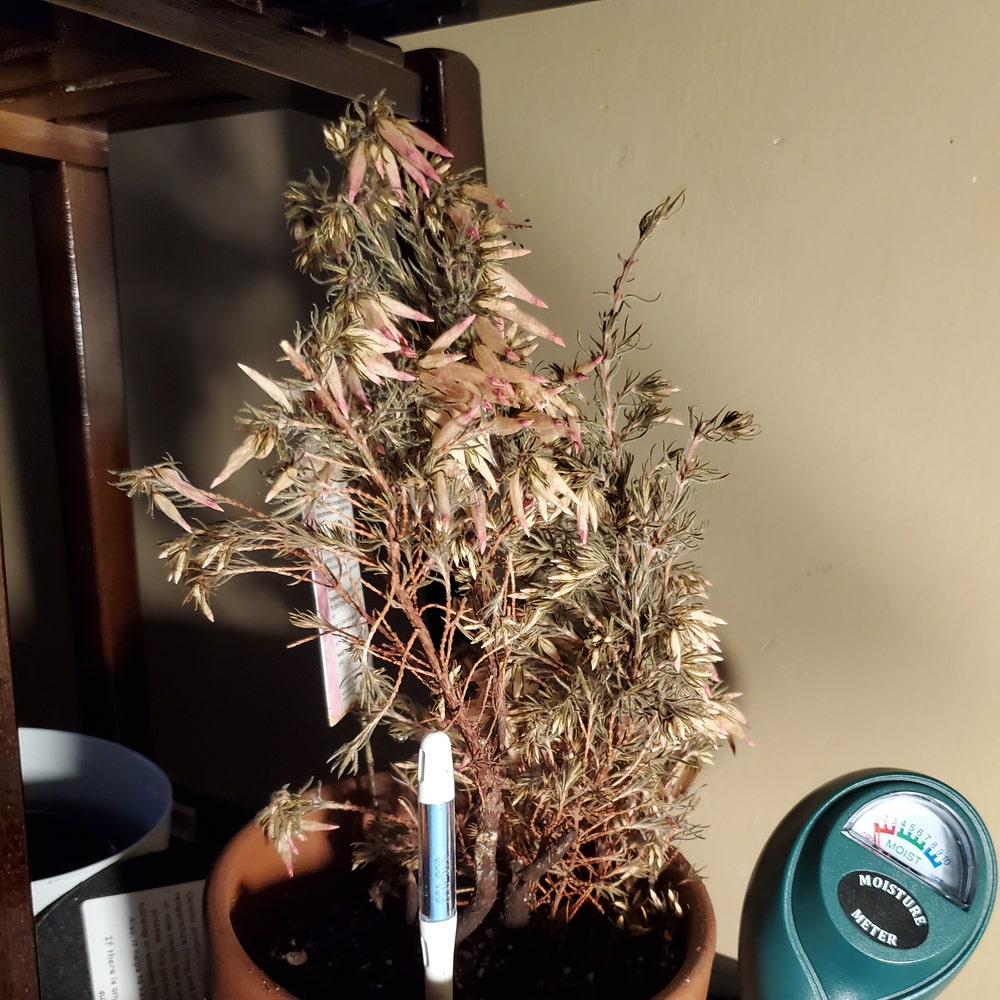
Root rot is a significant concern for this plant, often caused by overwatering or poorly draining soil. Symptoms include wilting leaves and a foul odor from the roots; prevention involves ensuring proper drainage and avoiding waterlogged conditions.
Another issue is being rootbound, which occurs when the roots grow too densely in their container. Signs include stunted growth and roots emerging from the drainage holes; remedy this by repotting into a larger container or dividing the plant.
Visual Cues for Healthy vs. Unhealthy Roots 👀
Healthy roots are firm and white or light tan in color, indicating vitality and proper function. In contrast, unhealthy roots may appear soft, discolored, or emit a foul smell, signaling decay or disease.
Tips for Managing Root Problems 🛠️
To maintain healthy root systems, ensure proper watering practices and choose well-draining soil. Regularly check for signs of distress and repot as needed to provide ample space for growth.
By keeping an eye on your plant's roots, you can foster a thriving Erica gysbertii var. gysbertii that flourishes in your garden. Next, let’s explore the benefits this remarkable plant brings to your landscape.
Benefits
Top 5 Benefits 🌟
Attracts Pollinators
Erica gysbertii var. gysbertii is a magnet for pollinators, enhancing garden biodiversity. This not only supports local ecosystems but also increases the productivity of nearby plants.Drought-Resistant
This plant thrives in dry conditions, making it a fantastic choice for water-wise gardening. Its drought resistance reduces overall water usage, which is a win for both your garden and the environment.Ornamental Value
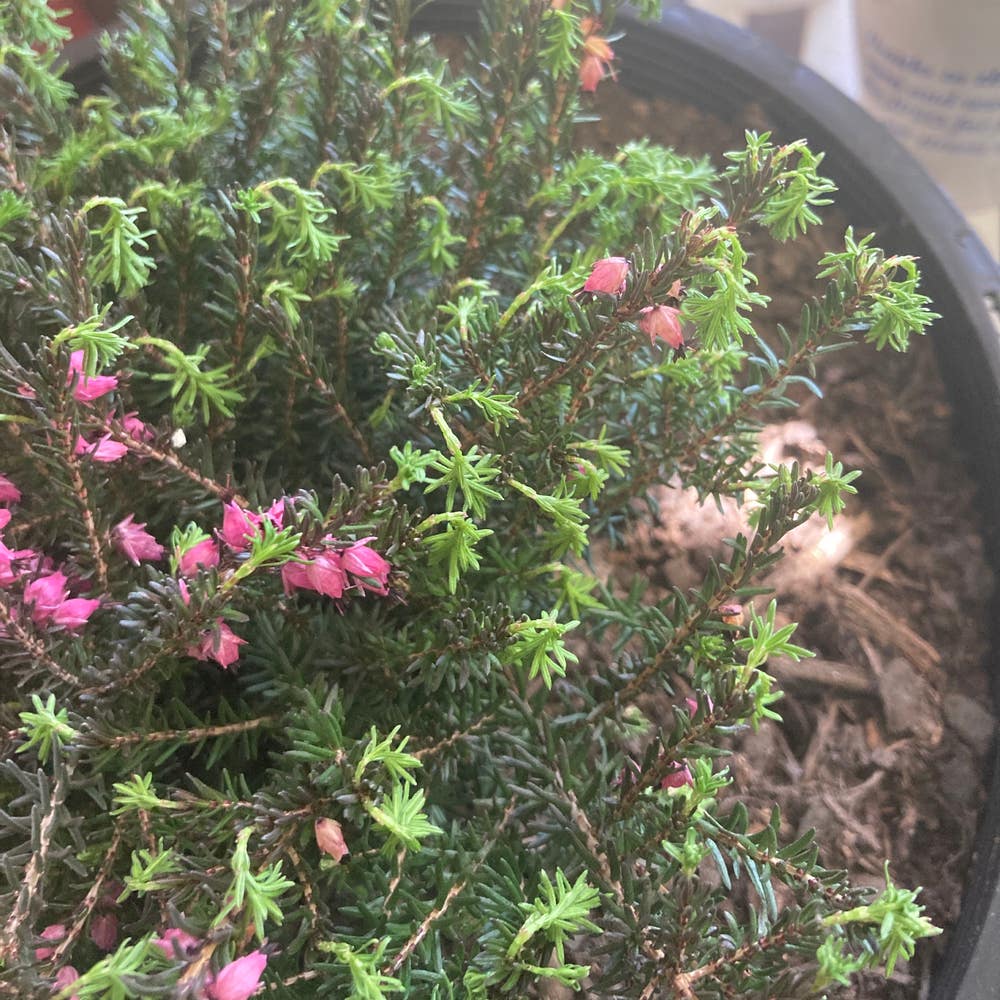
With its unique foliage and vibrant flowers, Erica gysbertii var. gysbertii adds stunning visual interest to any garden. Its aesthetic appeal makes it a favorite among gardeners looking to create beautiful landscapes.Low Maintenance
Once established, this plant requires minimal care, making it perfect for busy gardeners. Its resilience means you can enjoy a flourishing garden without constant attention.Cultural Significance
In South African horticulture, Erica gysbertii var. gysbertii holds a special place. It is often featured in local traditions and adds cultural depth to gardens, connecting people with their heritage.
Cultural Significance and Symbolism 🌍
The cultural importance of Erica gysbertii var. gysbertii extends beyond its beauty. In South Africa, this plant symbolizes resilience and adaptability, reflecting the spirit of the region's diverse flora.
Incorporating this species into your garden not only enhances its aesthetic appeal but also pays homage to local traditions. Its presence can evoke a sense of connection to the land and its history, enriching your gardening experience.
As you cultivate this remarkable plant, you contribute to preserving its legacy while enjoying the myriad benefits it brings to your garden.
Companion Plants
🌱 Companion Planting Benefits
Companion planting is a fantastic strategy that can enhance your garden's health and productivity. By pairing plants wisely, you can manage pests naturally, boost growth, and increase overall garden diversity.
🌼 Compatible Companion Plants
When growing Erica gysbertii var. gysbertii, consider planting it alongside other fynbos species, herbs, and flowering plants. These companions not only thrive in similar conditions but also support each other’s growth, creating a vibrant ecosystem.
🚫 Plants to Avoid
Be cautious of certain plants that may compete for resources or attract pests. Avoid planting aggressive species that can overshadow your Erica gysbertii or those known to harbor harmful insects, ensuring a healthier garden environment.
Transitioning to the next section, understanding the potential problems that can arise in your garden will help you maintain the health of your Erica gysbertii and its companions.
Toxicity to Humans
Erica gysbertii var. gysbertii is not listed as toxic by major poison control centers or health organizations. This makes it a safe choice for gardens, allowing you to enjoy its beauty without worrying about harmful effects.
However, there are potential minor issues to be aware of. Contact or ingestion may lead to mild skin irritation or digestive discomfort, particularly if consumed in excessive amounts.
It's essential to monitor for any unusual symptoms after contact or ingestion. Keeping an eye on how you or others react can help ensure a safe and enjoyable gardening experience.
In summary, while Erica gysbertii var. gysbertii is generally safe, a little caution goes a long way in maintaining health and happiness in your garden.
Next, let’s explore how this plant interacts with our furry friends, specifically focusing on its toxicity to dogs.
Toxicity to Dogs
Erica gysbertii var. gysbertii is not considered toxic to dogs, according to veterinary organizations. This means you can enjoy this beautiful plant without worrying about your furry friends getting sick.
However, if your dog consumes large quantities, they may experience mild gastrointestinal upset. It's always a good idea to monitor their behavior and health after any plant interaction.
🐶 Tips for Introducing the Plant to Homes with Dogs
To ensure a harmonious relationship between your dog and this plant, consider the following tips:
- Proper Placement: Position the plant in areas that are less accessible to your dog. Elevated pots or hanging baskets can be effective.
- Monitoring Behavior: Keep an eye on your dog’s interest in the plant. If they show excessive curiosity, redirect their attention to their toys or other safe plants.
By taking these precautions, you can enjoy the beauty of Erica gysbertii var. gysbertii while keeping your canine companions safe and happy.
As we explore further, let’s look at how this plant interacts with our feline friends.
Toxicity to Cats
Erica gysbertii var. gysbertii is not toxic to cats, according to major pet poison control centers. This means you can enjoy this beautiful plant without worrying about your feline friends getting harmed.
However, it's important to note that while the plant is safe, excessive consumption might lead to mild gastrointestinal upset. Keeping an eye on your cat's behavior after they interact with the plant is a good practice.
🐾 Tips for Introducing the Plant to Homes with Cats
To ensure a harmonious coexistence between your plant and your cat, consider these tips:
Proper Placement: Position the plant in areas that are less accessible to your cat. High shelves or hanging planters can be effective.
Monitoring Behavior: Observe your cat's interactions with the plant. If they show excessive interest, it might be worth relocating the plant.
By following these simple guidelines, you can enjoy the beauty of Erica gysbertii var. gysbertii while keeping your furry companions safe and happy.
Problems
Common Problems 🌱
Growing Erica gysbertii var. gysbertii can be rewarding, but it’s not without its challenges. Here are the top five common issues you might encounter:
Incorrect Watering: Overwatering or underwatering can lead to serious problems. Signs include wilting or yellowing leaves, indicating a need for adjustment.
Incorrect Light Conditions: This plant thrives in full sun to partial shade. If you notice leggy growth or leaf drop, it may not be receiving enough light.
Diseases: Fungal issues like powdery mildew and rust can affect your plant. Look for white powdery spots or rust-colored patches on leaves as indicators.
Leaf Issues: Scorching or yellowing leaves often signal stress. These symptoms can arise from too much sun exposure or nutrient deficiencies.
Growth Problems: If your plant isn’t growing as expected or appears leggy, it may be struggling with its environment. Check for proper spacing and light conditions.
Identification and Solutions 🛠️
Identifying these problems early can save your plant from further distress. Here’s how to tackle each issue:
Incorrect Watering: Adjust your watering schedule based on soil moisture. Ensure the top inch of soil dries out before watering again.
Incorrect Light Conditions: Move your plant to a brighter location if it’s leggy. Alternatively, provide some shade if it’s getting scorched.
Diseases: Treat fungal infections with fungicides or remove affected leaves. Ensure good air circulation to prevent recurrence.
Leaf Issues: Assess your watering and light conditions. Consider fertilizing if nutrient deficiencies are suspected.
Growth Problems: Reevaluate your plant’s environment. Ensure it has enough space and the right light to thrive.
By staying vigilant and addressing these common problems, you can keep your Erica gysbertii var. gysbertii healthy and flourishing. Next, let’s explore potential pest issues that could affect your plant.
Bugs
Potential Pest Issues 🐛
When growing Erica gysbertii var. gysbertii, be aware of its pest resistance and susceptibility. While this plant can withstand some pests, it’s not entirely immune, making vigilance essential.
Identification and Treatment Options 🧪
Common pests that may target your Erica include:
Spider Mites: These tiny pests thrive in dry conditions, causing stippling on leaves. To manage them, increase humidity and use insecticidal soap.
Mealybugs: Recognizable by their cotton-like appearance, mealybugs can weaken your plant. Remove them with a cotton swab dipped in alcohol or apply neem oil for effective control.
Aphids: These small, soft-bodied insects can cluster on new growth, leading to distorted leaves. Spray them off with water or use insecticidal soap to keep their numbers in check.
Regular monitoring and prompt action can help you maintain a healthy Erica gysbertii var. gysbertii. By staying proactive, you can enjoy the beauty of this plant without the worry of pest damage.
What Eats
🦌 Common Animals
When it comes to Erica gysbertii var. gysbertii, several common animals may take a liking to your plants. Deer, rabbits, and squirrels are the main culprits, each with distinct feeding habits that can impact your garden.
Deer tend to nibble on tender shoots and leaves, often leaving behind ragged edges. Rabbits, on the other hand, prefer to munch on lower foliage and can quickly decimate young plants. Squirrels may not eat the plants directly but can disturb the soil and roots while foraging for nuts.
🕵️♂️ Signs of Animal Presence and Damage
Identifying animal damage early can save your plants from further harm. Look for specific signs:
- Deer: Ragged leaf edges and broken branches are telltale signs.
- Rabbits: Cleanly cut stems and missing lower leaves indicate their presence.
- Squirrels: Disturbed soil and uprooted plants suggest they’ve been digging around.
Each type of damage can help you pinpoint which animal is causing the trouble.
🚫 Deterrent Methods
Protecting your Erica gysbertii from these hungry visitors can be achieved through various methods. Both chemical and organic deterrents can be effective.
- Chemical methods: Commercial repellents can deter deer and rabbits with their strong scents.
- Organic methods: Planting strong-smelling herbs like lavender or using homemade sprays with garlic or hot pepper can keep these animals at bay.
Additionally, physical barriers like fences or netting can provide a solid defense against these garden pests. By employing a combination of these strategies, you can safeguard your plants and enjoy a thriving garden.
⚠️ Safety First
This content is for general information and may contain errors, omissions, or outdated details. It is not medical, veterinary advice, or an endorsement of therapeutic claims.
Always consult a qualified healthcare professional before using any plant as food, medicine, or supplement.
Never eat any plant (or feed one to pets) without confirming its identity with at least two trusted sources.
If you suspect poisoning, call Poison Control (800) 222-1222, the Pet Poison Helpline (800) 213-6680, or your local emergency service immediately.
Spotted an error? Please report it here.
Cultivate a thriving Erica gysbertii 🌼 with Greg's tailored care tips and watering reminders, ensuring your plant flourishes while supporting local ecosystems effortlessly!