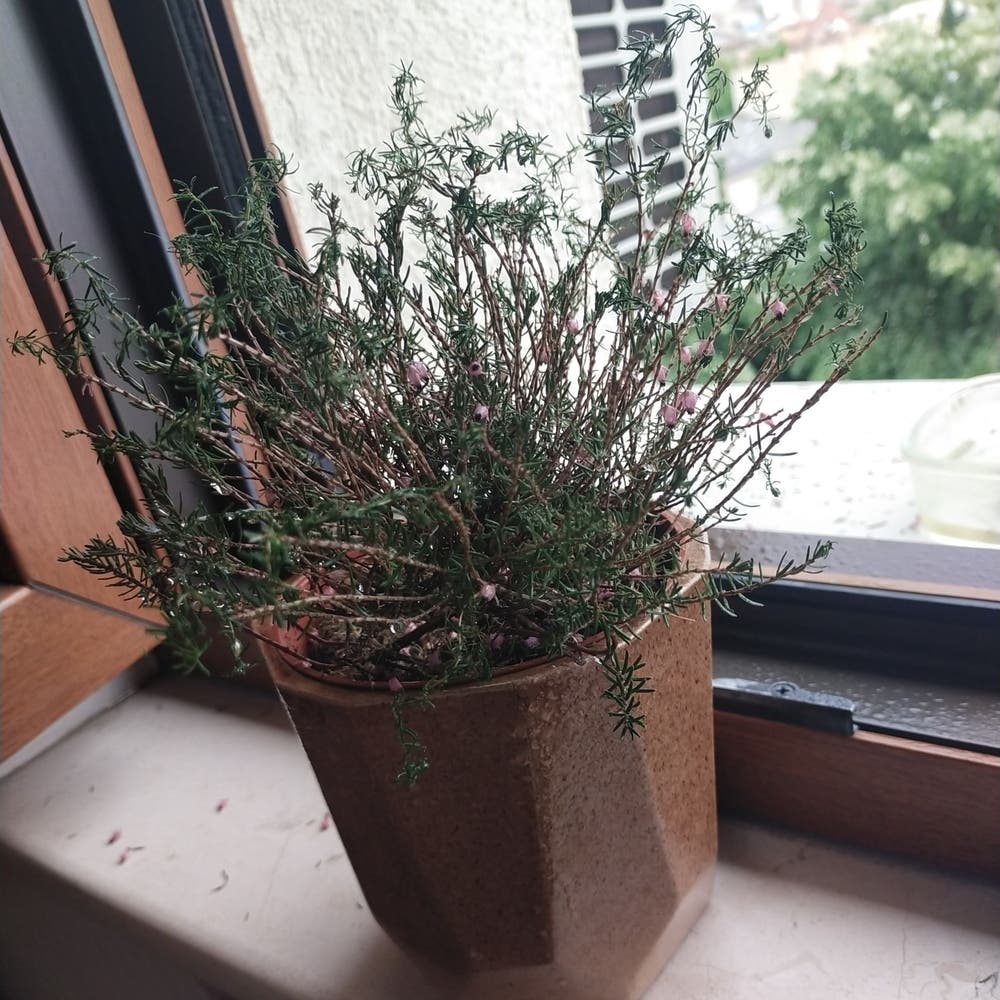
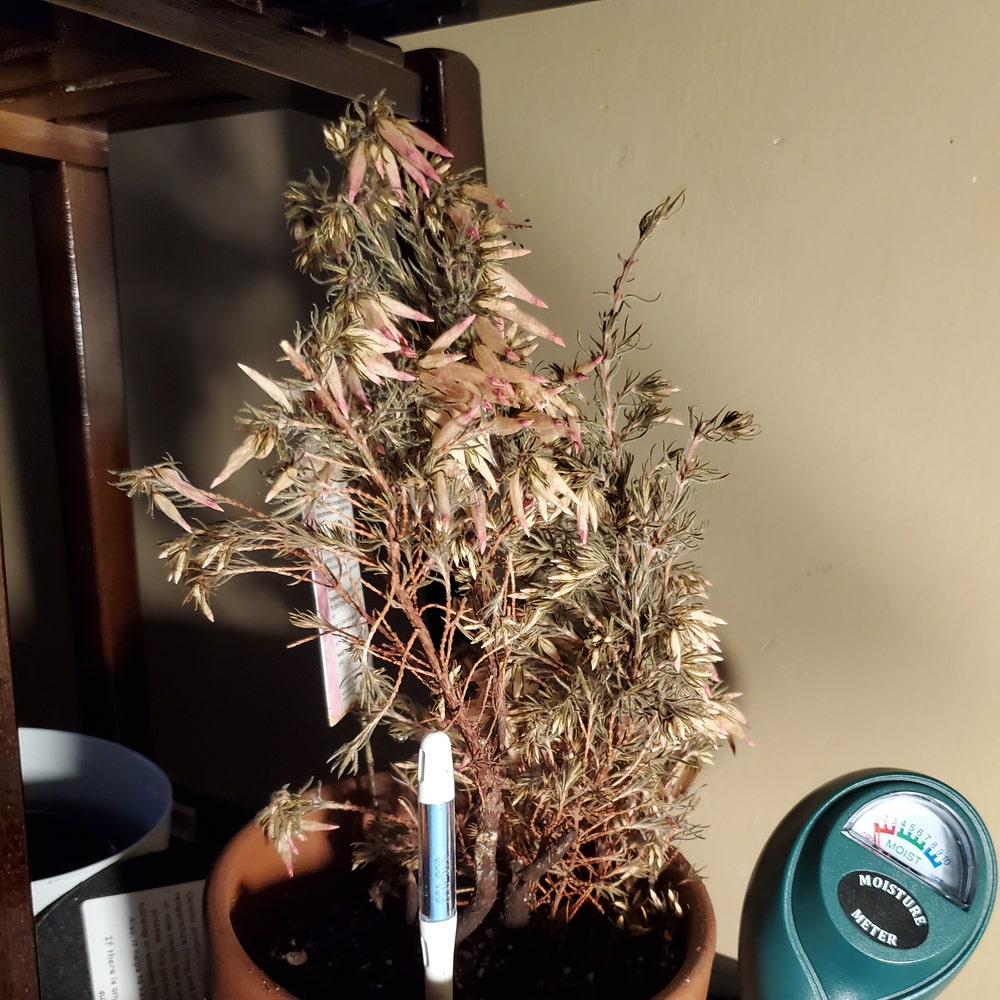
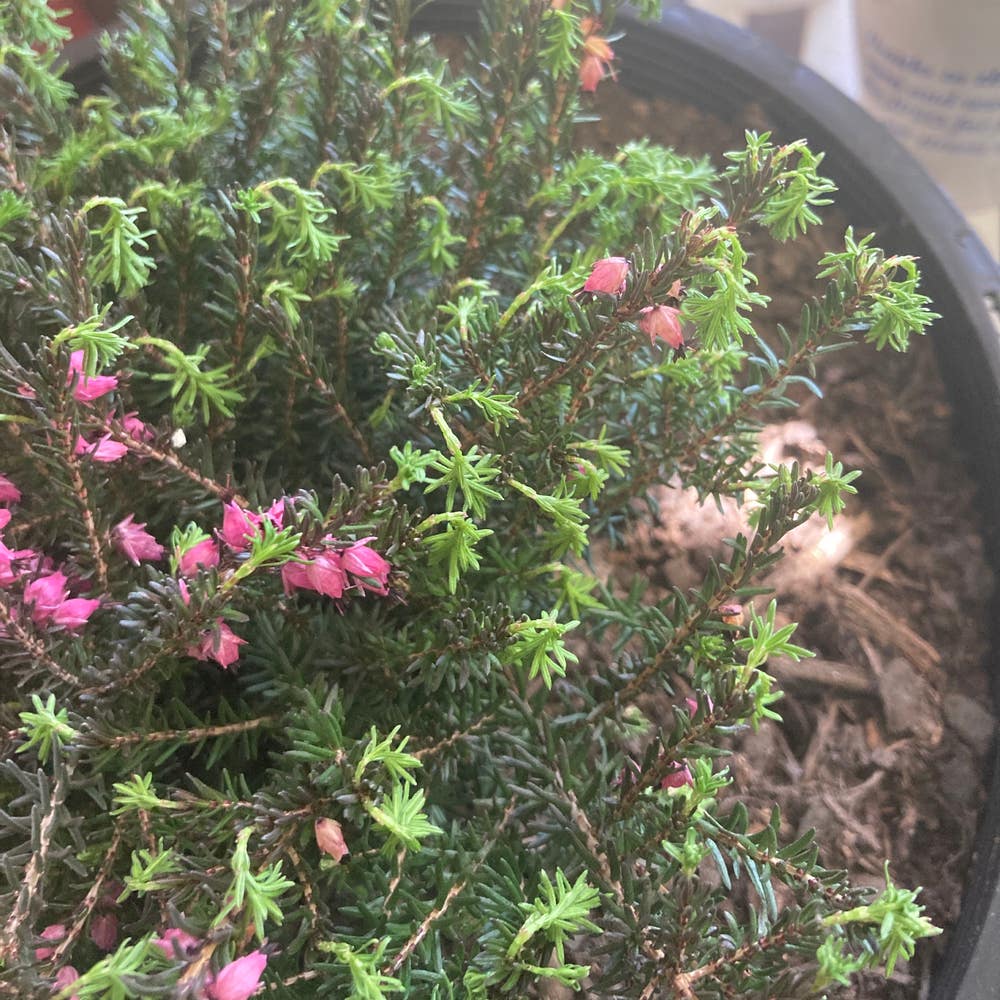
What You Should Know About Erica guthriei var. guthriei
Erica guthriei var. guthriei
By the Greg Editorial Team
Feb 28, 2025•12 min read
This article was created with the help of AI so we can cover more plants for you. May contain errors. See one? Report it here.
Elevate your garden's beauty effortlessly with Erica guthriei var. guthriei, a resilient plant that thrives with minimal care! 🌿
- 🌞 Erica guthriei thrives in full sun to partial shade; choose planting location wisely.
- 🌱 Requires acidic, well-drained soil (pH 5.5-6.5) to prevent root rot.
- 🐾 Not toxic to pets, but mild irritation may occur with excessive contact.
How to Grow
🌞 Choosing a Location
When selecting a spot for Erica guthriei var. guthriei, aim for full sun to partial shade. This plant thrives best when it receives ample sunlight while also having some protection from the harshest rays.
Consider the space around your plants carefully. Allow enough room for their mature spread and ensure good air circulation to promote healthy growth.
🌱 Soil Preparation
The ideal soil for Erica guthriei is acidic and well-drained. Aim for a pH level between 5.5 and 6.5 to create the perfect environment for your plants.
Good drainage is crucial to prevent root rot. Make sure your planting area allows excess water to escape easily.
🌿 Planting Techniques
When planting, ensure that the crown of the plant is level with the soil surface. This positioning helps the plant establish itself more effectively.
For optimal air circulation, space your plants 2-3 feet apart. This distance allows each plant to grow without competing for resources.
💧 Watering Requirements
During the establishment period, your Erica guthriei will need regular watering. Keep the soil consistently moist but not soggy.
Consider using drip irrigation for efficient watering. This method delivers water directly to the roots, reducing waste and minimizing leaf wetness compared to overhead watering.
🌼 Fertilizing
Use slow-release, acidic fertilizers to nourish your plants. This type of fertilizer provides a steady supply of nutrients over time.
Fertilize during the growing season, typically every 4-6 weeks. This schedule helps support healthy growth and vibrant blooms.
With these tips in mind, you're well on your way to successfully growing Erica guthriei var. guthriei. Next, let’s explore how to propagate this beautiful plant for even more garden enjoyment.
Propagation
🌱 Seed Propagation
To successfully propagate Erica guthriei var. guthriei from seeds, you need to create the right environment. Aim for a warm, moist setting with good air circulation, as these conditions are crucial for seed germination.
Expect germination to take about 2 to 4 weeks. Patience is key during this stage, as the seeds require consistent moisture and warmth to sprout.
✂️ Cutting Propagation
Taking cuttings is another effective way to propagate this plant. For best results, use healthy, semi-hardwood stems and ensure you have sharp, clean tools to avoid any damage.
The optimal time for taking cuttings is during the late spring to early summer. This timing allows the plant to recover and establish roots before the cooler months set in.
With these propagation techniques, you can expand your garden and enjoy the beauty of Erica guthriei var. guthriei in no time!
Lifecycle
🌱 Stages of Growth
The lifecycle of Erica guthriei var. guthriei begins with either seed germination or cutting propagation. From these starting points, the plant progresses through various growth stages until it reaches maturity, which typically takes about 2-3 years.
During its growth, you can expect a moderate growth rate of around 12-18 inches per year. This steady development allows you to witness the transformation from a small seedling or cutting into a robust, mature plant.
⏳ Lifespan
Once established, Erica guthriei var. guthriei can thrive for several years, with a lifespan of approximately 2-3 years until it reaches its full potential. This relatively short timeframe is perfect for gardeners looking to enjoy vibrant blooms and lush foliage without a long-term commitment.
📈 Growth Rate
The moderate growth rate of this plant makes it an appealing choice for gardeners. With the right conditions, you can see noticeable growth each year, adding to the excitement of nurturing your garden.
In summary, understanding the lifecycle of Erica guthriei var. guthriei equips you with the knowledge to cultivate it successfully. Next, let’s explore the plant's size and how to manage its growth effectively.
Size
Mature Dimensions 🌱
Erica guthriei var. guthriei typically reaches a mature height of 3 to 4 feet. Its spread usually ranges from 2 to 3 feet, making it a compact yet visually appealing addition to your garden.
Growth Rate and Variability ⏳
Under optimal conditions, this plant takes about 3 to 5 years to reach its full size. Several factors can influence its growth, including soil quality, sunlight exposure, and water availability, so keep these in mind for the best results.
Understanding these dimensions and growth rates can help you plan your garden layout effectively. With the right care, Erica guthriei can thrive and enhance your outdoor space beautifully.
Roots
Root System Characteristics 🌱
Erica guthriei var. guthriei features a fibrous root system that plays a crucial role in its growth and stability. This shallow yet extensive network allows the plant to efficiently absorb nutrients and water from the surrounding soil.
Common Issues ⚠️
Root rot is a significant concern for this plant, often caused by overwatering or poorly drained soils. Look for signs like wilting or yellowing leaves, and ensure proper drainage to prevent this issue.
Another common problem is becoming rootbound, which occurs when the roots grow too densely within the pot. If you notice roots circling the pot or emerging from drainage holes, it's time to repot.
Visual Cues for Healthy Roots 👀
Healthy roots are typically firm and white, indicating a robust and thriving plant. In contrast, unhealthy roots appear dark and mushy, signaling potential problems that need immediate attention.
By keeping an eye on root health, you can ensure your Erica guthriei var. guthriei remains vibrant and flourishing.
Next, let's explore the benefits this plant brings to your garden.
Benefits
Top 5 Benefits 🌟
Erica guthriei var. guthriei offers numerous advantages for gardeners and nature enthusiasts alike. Here are the top five benefits that make this plant a must-have in your garden.
Attracts Pollinators
This plant is a magnet for pollinators like bees and butterflies. By incorporating it into your garden, you’ll help support local ecosystems and enjoy the vibrant activity of these essential creatures.Drought-Tolerant
Once established, Erica guthriei var. guthriei is remarkably drought-tolerant. This means you can enjoy a beautiful garden while reducing your water usage, making it an eco-friendly choice.Evergreen Foliage
With its evergreen leaves, this plant provides year-round interest. You won’t have to worry about bare patches in your garden during the winter months.Adaptable to Poor Soil
This variety thrives even in poor soil conditions. Its adaptability enhances garden diversity, allowing you to cultivate a wider range of plants without the need for extensive soil amendments.Cultural Significance
Originating from South Africa, Erica guthriei var. guthriei holds cultural importance in its native ecosystems. By growing this plant, you’re not just beautifying your space; you’re also honoring its heritage.
Incorporating Erica guthriei var. guthriei into your garden not only enhances its beauty but also contributes positively to the environment. Next, let’s explore the best companion plants that can thrive alongside this remarkable species.
Companion Plants
🌱 Companion Planting Benefits
Companion planting is a fantastic way to enhance your garden's diversity while managing pests naturally. By pairing Erica guthriei var. guthriei with compatible plants, you can create a thriving ecosystem that supports healthy growth and minimizes pest issues.
🌼 Compatible Plants
When selecting companion plants, consider other heathland species and low-growing perennials. These plants share similar care requirements, making them ideal partners for Erica guthriei var. guthriei.
- Heathland Plants: These plants thrive in similar acidic soils and can attract beneficial insects.
- Low-Growing Perennials: They provide ground cover, helping to retain moisture and suppress weeds.
Choosing the right companions not only enhances your garden's aesthetic but also promotes a healthier growing environment. By fostering these relationships, you can enjoy a vibrant garden that flourishes with minimal intervention.
As you plan your garden, think about how these companion plants can work alongside Erica guthriei var. guthriei to create a harmonious and productive space. Next, let’s explore the fascinating lifecycle of this resilient plant.
Toxicity to Humans
Erica guthriei var. guthriei is not listed as toxic by major health organizations, making it a safe choice for gardens. However, some individuals may experience mild skin irritation or digestive discomfort if they come into excessive contact with the plant.
It's always wise to handle any plant with care, especially if you have sensitive skin. While this species is generally safe, being cautious can help you enjoy your gardening experience without any unexpected reactions.
As you cultivate this beautiful plant, remember to wash your hands after handling it, just to be on the safe side. This simple step can help you avoid any minor irritations and keep your gardening fun and enjoyable.
Next, let's explore how Erica guthriei var. guthriei interacts with our furry friends, particularly dogs.
Toxicity to Dogs
When it comes to Erica guthriei var. guthriei, dog owners can breathe a sigh of relief. This plant is not listed as toxic by major pet poison control centers, making it a safe choice for gardens shared with furry friends.
However, it's important to note that while the plant isn't harmful, consuming large quantities may lead to mild gastrointestinal upset in dogs. Keeping an eye on your pet's behavior around the garden can help ensure they enjoy the outdoors without any tummy troubles.
For those considering adding this plant to their landscape, rest assured that your canine companions can frolic freely without the worry of toxicity.
As we explore more about this fascinating plant, let’s dive into the potential issues it may face in your garden.
Toxicity to Cats
When it comes to the safety of your feline friends, Erica guthriei var. guthriei is in the clear. Major pet poison control centers do not list this plant as toxic to cats.
However, it's worth noting that if a cat consumes large quantities, it may experience mild gastrointestinal upset. This means you should keep an eye on your pet's behavior if they decide to nibble on your garden's greenery.
In summary, while Erica guthriei var. guthriei poses no significant threat to cats, moderation is key. Always ensure your pets have a safe environment, and enjoy the beauty of this plant worry-free!
Next, let’s explore the potential problems that can arise when growing this unique plant.
Problems
🐛 Common Issues
Growing Erica guthriei var. guthriei can be rewarding, but it's essential to be aware of potential problems that may arise. Here are some common issues to watch for.
💧 Incorrect Watering
Watering is crucial for plant health. Overwatering can lead to root rot, where the roots become dark and mushy, while underwatering may cause wilting and leaf drop.
To prevent these issues, check the soil moisture regularly. A simple finger test can help; if the top inch of soil feels dry, it’s time to water.
☀️ Incorrect Light Conditions
Light conditions play a significant role in the plant's growth. Insufficient light can result in leggy growth and pale leaves, while excessive light may cause leaf scorch and browning edges.
Monitor your plant's location and adjust as necessary. If you notice these symptoms, consider relocating your Erica guthriei to a spot with more suitable light conditions.
🦠 Diseases
Fungal diseases can also pose a threat to your plant's health. Look out for signs like discolored leaves or a powdery residue, which may indicate a fungal infection.
To manage these issues, ensure good air circulation and avoid overhead watering. If a problem arises, treating with a fungicide can help restore your plant's vitality.
By staying vigilant about these common problems, you can enjoy a thriving Erica guthriei var. guthriei in your garden. Next, let’s explore the potential pest issues that could affect your plant's health.
Bugs
🐜 Potential Pest Issues
When growing Erica guthriei var. guthriei, it's essential to be aware of potential pest issues. This plant is generally resilient, but it can still fall prey to common pests like spider mites and scale insects.
🔍 Identification and Treatment
Spider Mites
These tiny pests can be a real nuisance. Look for signs such as fine webbing on the leaves and stippling or yellowing of the foliage. To control spider mites, increase humidity around the plant and consider using insecticidal soap or neem oil for effective treatment.
Scale Insects
Scale insects appear as small, brownish bumps on stems and leaves. They can weaken your plant by sucking sap. To manage scale, gently scrub the affected areas with a soft brush or cloth, and apply horticultural oil to suffocate them.
By staying vigilant and addressing these pest issues promptly, you can keep your Erica guthriei thriving and healthy. Next, let’s explore what animals might be interested in munching on your plant.
What Eats
Common Animals 🦌
When it comes to Erica guthriei var. guthriei, a few common garden visitors can pose a threat. Deer are notorious for their browsing habits, often leaving behind telltale signs like chewed leaves and stripped branches. If you notice your plants looking nibbled, it’s likely these graceful creatures are the culprits.
Rabbits are another potential problem. They tend to leave clean-cut edges on the foliage, making their damage easy to identify. If you spot small, rounded droppings near your plants, you might have a rabbit visitor munching on your garden.
Deterrent Methods 🚫
Preventing these animals from feasting on your Erica guthriei var. guthriei can be tackled with a few strategies. Chemical deterrents like commercial repellents can be effective, but they often require reapplication after rain.
On the other hand, organic control methods such as planting strong-smelling herbs or using physical barriers like fencing can also work wonders. Consider using chicken wire or mesh to protect young plants until they establish themselves.
By understanding what eats your plants and employing these deterrent methods, you can help ensure your Erica guthriei thrives in your garden. Next, let’s explore the common problems that can arise while growing this beautiful plant.
⚠️ Safety First
This content is for general information and may contain errors, omissions, or outdated details. It is not medical, veterinary advice, or an endorsement of therapeutic claims.
Always consult a qualified healthcare professional before using any plant as food, medicine, or supplement.
Never eat any plant (or feed one to pets) without confirming its identity with at least two trusted sources.
If you suspect poisoning, call Poison Control (800) 222-1222, the Pet Poison Helpline (800) 213-6680, or your local emergency service immediately.
Spotted an error? Please report it here.
Cultivate a thriving garden 🌼 with Erica guthriei var. guthriei by using Greg's tailored care reminders to keep your plants happy and support local ecosystems!