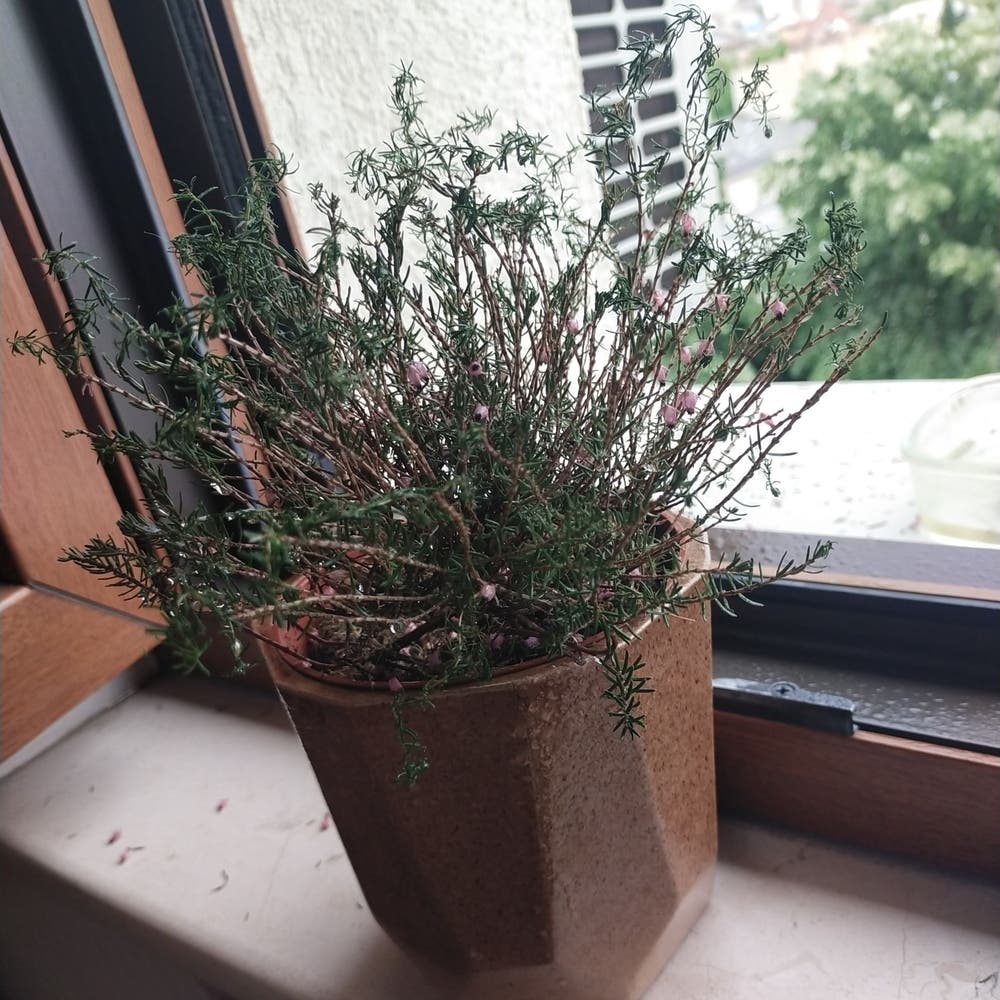
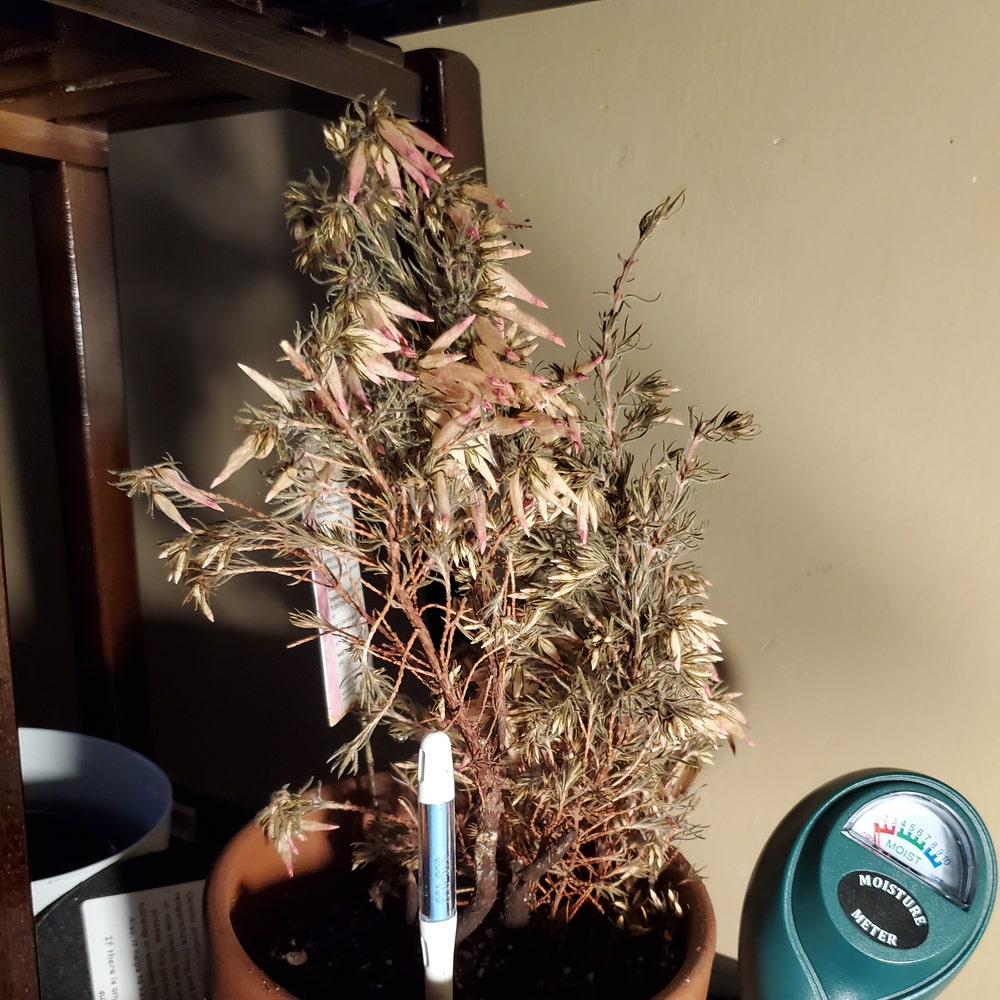
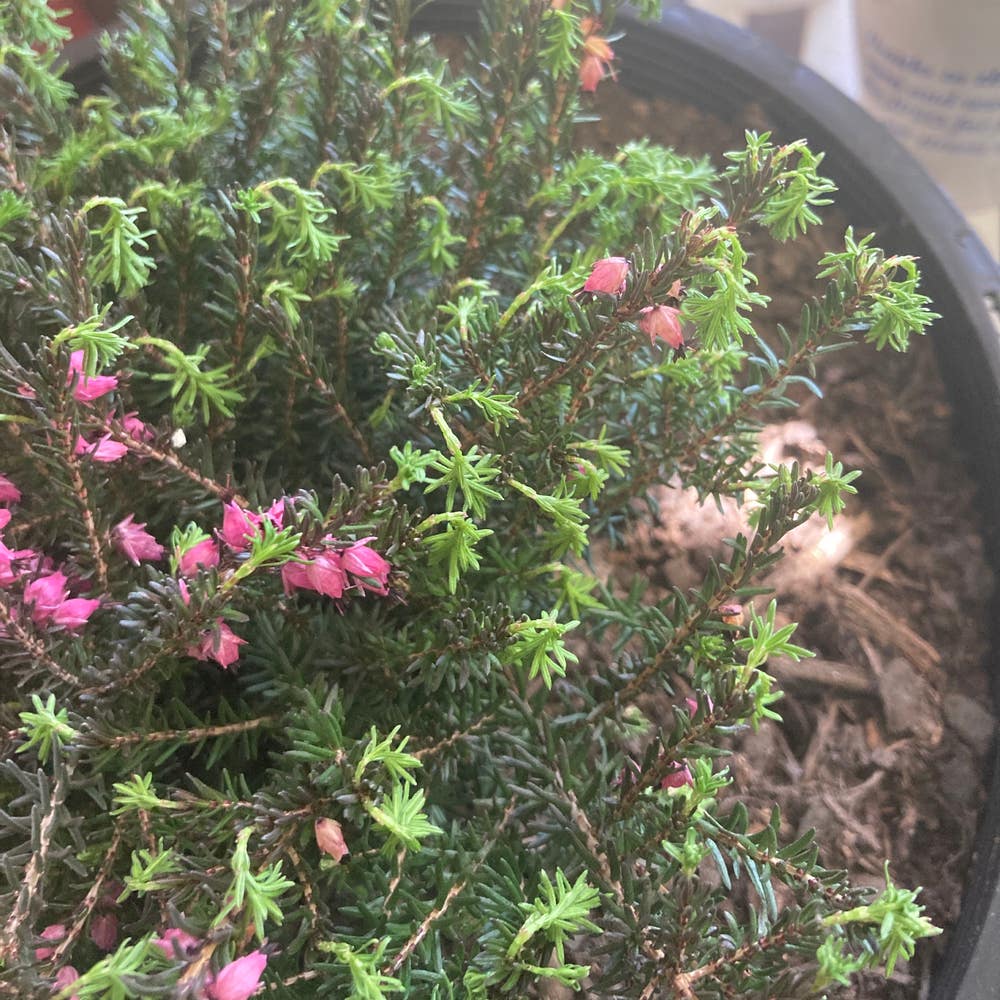
🌸 Understanding Erica glomiflora var. glomiflora: The Basics
Erica glomiflora var. glomiflora
By the Greg Editorial Team
Feb 28, 2025•12 min read
This article was created with the help of AI so we can cover more plants for you. May contain errors. See one? Report it here.
Elevate your garden with Erica glomiflora 🌱, a resilient beauty that thrives with minimal care and attracts pollinators!
- 🌞 Erica glomiflora thrives in full sun to partial shade; choose planting location wisely.
- 🌱 Prefers acidic, well-drained soils with pH 5.5-6.5 for optimal growth.
- 🐝 Attracts pollinators and is drought-tolerant, making it a resilient garden choice.
How to Grow
Choosing a Location 🌞
When growing Erica glomiflora var. glomiflora, selecting the right location is crucial. This plant thrives in full sun to partial shade, so find a spot that offers plenty of light while allowing for some protection during the hottest parts of the day.
Space is also important. Ensure you allow enough room for the plant's mature spread and air circulation to prevent diseases.
Soil Preparation 🏞️
Next, focus on soil preparation. Erica glomiflora prefers acidic, well-drained soils, which are essential for its health.
Aim for a pH level between 5.5 and 6.5 for optimal growth. Testing your soil beforehand can save you time and effort later.
Planting Techniques 🌱
Now, let's talk about planting techniques. When planting, ensure the crown of the plant is level with the soil surface to promote healthy growth.
For spacing, plant your Erica glomiflora 18-24 inches apart. This distance allows each plant to flourish without competing for resources.
Watering Requirements 💧
Watering is vital, especially during the establishment phase. Regular watering is necessary until the plant is established, after which it becomes drought-tolerant.
Use deep watering methods to encourage robust root growth. This practice helps the plant thrive even in drier conditions.
Fertilizing 🌿
Fertilizing your Erica glomiflora can enhance its growth. Use a balanced, slow-release fertilizer to provide essential nutrients.
Fertilize in early spring and again in mid-summer for the best results. This schedule supports healthy growth throughout the growing season.
Pruning ✂️
Pruning is an important part of ongoing care. The best time to prune is after flowering, as this encourages new growth.
When pruning, remove any dead or damaged branches. This not only improves the plant's appearance but also its overall health.
Ongoing Care 🔍
Finally, ongoing care is essential for a thriving Erica glomiflora. Regularly monitor the plant's health by checking for pests and diseases.
Seasonal adjustments, such as mulching in winter, can protect the roots from harsh conditions. This proactive approach ensures your plant remains healthy year-round.
With these tips in mind, you're well on your way to successfully growing Erica glomiflora var. glomiflora. Next, let's explore how to propagate this beautiful plant.
Propagation
🌱 Seed Propagation
To propagate Erica glomiflora var. glomiflora from seeds, start by sowing them in spring. Keep the soil consistently moist, and under optimal conditions, you can expect germination within 2 to 4 weeks.
✂️ Cutting Propagation
Another effective method is through cuttings. Take 4 to 6-inch cuttings from healthy plants, ideally in late spring or early summer, to ensure the best chance of success.
This dual approach to propagation allows you to expand your garden with these beautiful plants efficiently. Whether you choose seeds or cuttings, both methods can lead to thriving new plants that enhance your landscape.
Lifecycle
Germination Process and Timeline 🌱
The journey of Erica glomiflora var. glomiflora begins with germination, which typically takes 2-4 weeks. This period is crucial as it sets the stage for healthy growth.
Seedling Stage Characteristics 🌿
Once germination occurs, small, needle-like leaves emerge. These delicate leaves are a sign that your plant is ready to take on the world.
Vegetative Growth Phase 🌳
The vegetative growth phase lasts about 1-2 years. During this time, the plant focuses on building a strong foundation before it blooms.
Flowering and Seed Production 🌸
Flowering usually happens in late winter to spring. This is when the plant showcases its beauty and begins the cycle of seed production.
Lifespan and Growth Rate Specifics ⏳
Under optimal conditions, Erica glomiflora can live between 5-10 years. It has a moderate growth rate, reaching maturity in about 2-3 years, making it a rewarding addition to your garden.
As you nurture this plant through its lifecycle, you'll witness its transformation and contribute to its vibrant presence in your landscape. Next, let's explore the size of this remarkable species and how it fits into your garden design.
Size
Mature Height and Spread 🌱
Erica glomiflora var. glomiflora typically reaches a height of 1 to 3 feet. Its spread can range from 2 to 4 feet, making it a versatile choice for various garden layouts.
Growth Rate and Time to Full Size ⏳
This plant takes approximately 2 to 3 years to reach its full size. During this time, it establishes a robust structure that enhances its overall appeal.
Size Variability Based on Growing Conditions 🌦️
The size of Erica glomiflora can vary significantly based on environmental factors. Sunlight exposure, soil quality, and water availability all play crucial roles in determining how tall and wide this plant will grow.
Understanding these size characteristics can help you plan your garden effectively. By considering the growing conditions, you can ensure that Erica glomiflora thrives and adds beauty to your landscape.
Next, let’s explore the fascinating root system of this plant and how it contributes to its overall health and growth.
Roots
Root System Characteristics 🌱
Erica glomiflora var. glomiflora features a fibrous root system that is essential for its stability and nutrient uptake. These roots are shallow and spread out, allowing the plant to efficiently gather moisture and nutrients from the top layers of soil.
Common Root-Related Issues ⚠️
One common issue is root rot, which occurs due to overwatering. Signs of this problem include wilting leaves and yellowing foliage.
Another concern is being rootbound, where the roots become cramped in their container. Symptoms include stunted growth and roots circling around the pot.
Visual Cues for Healthy vs. Unhealthy Roots 👀
Healthy roots are firm and white, indicating vitality and proper function. In contrast, unhealthy roots appear dark and mushy, often accompanied by a foul odor, signaling decay.
Solutions for Root Problems 🛠️
To prevent root rot, ensure your plant has proper drainage and avoid excessive watering. If you notice rootbound symptoms, repot the plant into a larger container to give the roots more space to grow.
With these insights, you can maintain a healthy root system for your Erica glomiflora, setting the stage for vibrant growth and flourishing blooms. Next, let’s explore the benefits this plant brings to your garden.
Benefits
🌼 Attracts Pollinators
One of the standout benefits of Erica glomiflora var. glomiflora is its ability to attract pollinators, especially bees. This not only supports local ecosystems but also enhances the vibrancy of your garden.
💧 Drought-Tolerant
Once established, this plant is drought-tolerant, significantly reducing your water usage. This resilience makes it a fantastic choice for sustainable gardening.
🌿 Year-Round Greenery
As an evergreen shrub, Erica glomiflora provides year-round greenery. This consistent foliage adds life to your garden, even during the colder months.
🌈 Enhances Garden Diversity
With its unique foliage and flowers, this plant enhances garden diversity. It introduces different textures and colors, making your outdoor space more visually appealing.
🌱 Ornamental Ground Cover
Finally, Erica glomiflora serves as an excellent ornamental ground cover. Its spreading nature improves landscape aesthetics while also providing functional benefits like soil erosion control.
These benefits make Erica glomiflora not just a pretty addition to your garden, but a valuable one as well. Next, let’s explore the concept of companion planting and how it can further enhance your gardening experience.
Companion Plants
👫 Explanation of Companion Planting
Companion planting is a gardening strategy that enhances growth and pest management while boosting garden diversity. By selecting the right plant partners, you can create a thriving ecosystem that benefits all species involved.
🌱 List of Beneficial Companion Plants
When growing Erica glomiflora var. glomiflora, consider pairing it with other fynbos species like Protea and Leucadendron. These companions share similar care requirements and can help repel pests, making them ideal partners in your garden.
🚫 Plants to Avoid Planting Near
It's best to steer clear of heavy feeders, such as corn or tomatoes, near Erica glomiflora. These plants compete for nutrients, which can hinder the growth and health of your fynbos species.
By choosing the right companions and avoiding nutrient competitors, you can create a flourishing garden that showcases the beauty of Erica glomiflora while promoting a healthy growing environment. Next, let’s explore the potential toxicity of this plant to humans, dogs, and cats.
Toxicity to Humans
Erica glomiflora var. glomiflora is not listed as toxic by major poison control centers, making it a relatively safe choice for gardens. However, if consumed in large quantities, it may cause mild skin irritation or digestive discomfort.
It's always wise to exercise caution. If you experience any unusual symptoms after contact or consumption, seeking medical advice is recommended. Enjoy this beautiful plant while being mindful of its effects!
Toxicity to Dogs
When it comes to Erica glomiflora var. glomiflora, dog owners can breathe a sigh of relief. This plant is not listed as toxic by major pet poison control centers, making it a safe choice for gardens shared with our furry friends.
However, it's important to note that while the plant isn't toxic, consuming large quantities may lead to mild gastrointestinal upset. To keep your dog safe, ensure that the plant is placed out of reach of curious noses and paws.
👀 Monitoring Behavior
Always keep an eye on your dog's behavior around the plant. If you notice any unusual interest or attempts to nibble, it might be wise to intervene. Observing your pet's interactions can help prevent any potential issues and ensure a harmonious garden environment.
In summary, Erica glomiflora var. glomiflora is a dog-friendly plant, but a little caution goes a long way in keeping your canine companions safe and happy.
Toxicity to Cats
Erica glomiflora var. glomiflora is not listed as toxic to cats by major pet poison control centers. This means you can enjoy this beautiful plant without worrying about harming your feline friends.
However, it's important to note that consuming large quantities may lead to mild gastrointestinal upset. To keep your curious cats safe, position the plant out of their reach.
Regularly monitor your cats for any unusual interactions with the plant. If you notice them showing excessive interest, it might be wise to relocate the plant or provide alternative distractions.
By taking these simple precautions, you can enjoy the beauty of Erica glomiflora var. glomiflora while ensuring your cats remain healthy and happy. Now, let’s explore the common problems that can arise when growing this plant.
Problems
🌱 Common Problems Faced
Growing Erica glomiflora var. glomiflora can be rewarding, but it comes with its share of challenges. Understanding these common problems will help you keep your plant thriving.
💧 Incorrect Watering
Watering issues are among the most frequent problems. Overwatering leads to yellowing leaves, while underwatering causes wilting and stress.
☀️ Incorrect Light Conditions
Light exposure is crucial for healthy growth. Too much sun can scorch the leaves, while insufficient light results in leggy growth as the plant stretches for more light.
🌡️ Incorrect Temperature
Temperature fluctuations can also affect your plant. In frost-prone areas, cold damage can occur, impacting overall health and vigor.
🦠 Diseases
Fungal diseases like powdery mildew can plague Erica glomiflora. Look for white spots on leaves as a telltale sign that your plant may need immediate attention.
🌿 Root Problems
Root health is vital for your plant's success. Signs of root rot include mushy roots, which can be remedied by improving drainage and adjusting your watering habits.
By being aware of these common problems, you can take proactive steps to ensure your Erica glomiflora thrives. Next, let’s explore potential pest issues that could also affect your plant’s health.
Bugs
Potential Pest Issues 🐜
When growing Erica glomiflora var. glomiflora, be on the lookout for common pests that can wreak havoc on your plants.
Spider Mites
These tiny pests can be a real nuisance. Look for webbing and stippled leaves as telltale signs of their presence.
Scale Insects
Scale insects are sneaky little critters. You can identify them by the sticky residue they leave behind and the small bumps on the stems.
Fungus Gnats
Fungus gnats are often found buzzing around the soil surface. Their presence is marked by small flies that can be quite bothersome.
Mealybugs
If you notice cotton-like masses on your leaves and stems, mealybugs are likely the culprits. They can quickly multiply and cause significant damage.
Aphids
Aphids are another pest to watch for. Signs include curled leaves and sticky honeydew, which can attract other pests and lead to further issues.
Managing Pest Problems 🛠️
Keeping an eye on your plants is crucial for early detection. Regular inspections can help you catch these pests before they become a bigger problem.
Consider using organic methods for pest control, such as introducing beneficial insects or using insecticidal soap.
With a little vigilance, you can keep your Erica glomiflora thriving and beautiful.
Next, let’s explore what animals might be interested in snacking on your plants.
What Eats
🦌 Common Animals That May Damage
When cultivating Erica glomiflora var. glomiflora, be aware of potential animal threats.
- Deer: They often browse on leaves and stems, leaving noticeable damage.
- Rabbits: Look for evidence of chewed stems and leaves, which indicate their presence.
- Squirrels: These critters may dig around the base of your plant, causing disruption.
- Birds: They can peck at flowers and foliage, leading to unsightly damage.
- Rodents: Signs include burrowing and nibbling on roots, which can severely affect plant health.
🕵️♂️ Signs of Animal Presence and Damage
Identifying animal activity is crucial for protecting your plants.
- Visual cues: Keep an eye out for tracks, droppings, and chewed plant parts. These indicators can help you determine which animals are causing trouble.
🚫 Deterrent Methods
Preventing animal damage is essential for a thriving garden.
- Chemical methods: Consider using commercial repellents designed to deter specific animals.
- Organic methods: Planting deterrent species or using physical barriers can effectively keep unwanted visitors at bay.
By staying vigilant and employing these strategies, you can protect your Erica glomiflora var. glomiflora from potential threats and ensure its healthy growth. Next, let’s explore the common problems that may arise while caring for this unique plant.
⚠️ Safety First
This content is for general information and may contain errors, omissions, or outdated details. It is not medical, veterinary advice, or an endorsement of therapeutic claims.
Always consult a qualified healthcare professional before using any plant as food, medicine, or supplement.
Never eat any plant (or feed one to pets) without confirming its identity with at least two trusted sources.
If you suspect poisoning, call Poison Control (800) 222-1222, the Pet Poison Helpline (800) 213-6680, or your local emergency service immediately.
Spotted an error? Please report it here.
Unlock the secret to a thriving Erica glomiflora 🌼 with Greg's tailored care tips and watering reminders, ensuring your garden flourishes and attracts pollinators all year round!