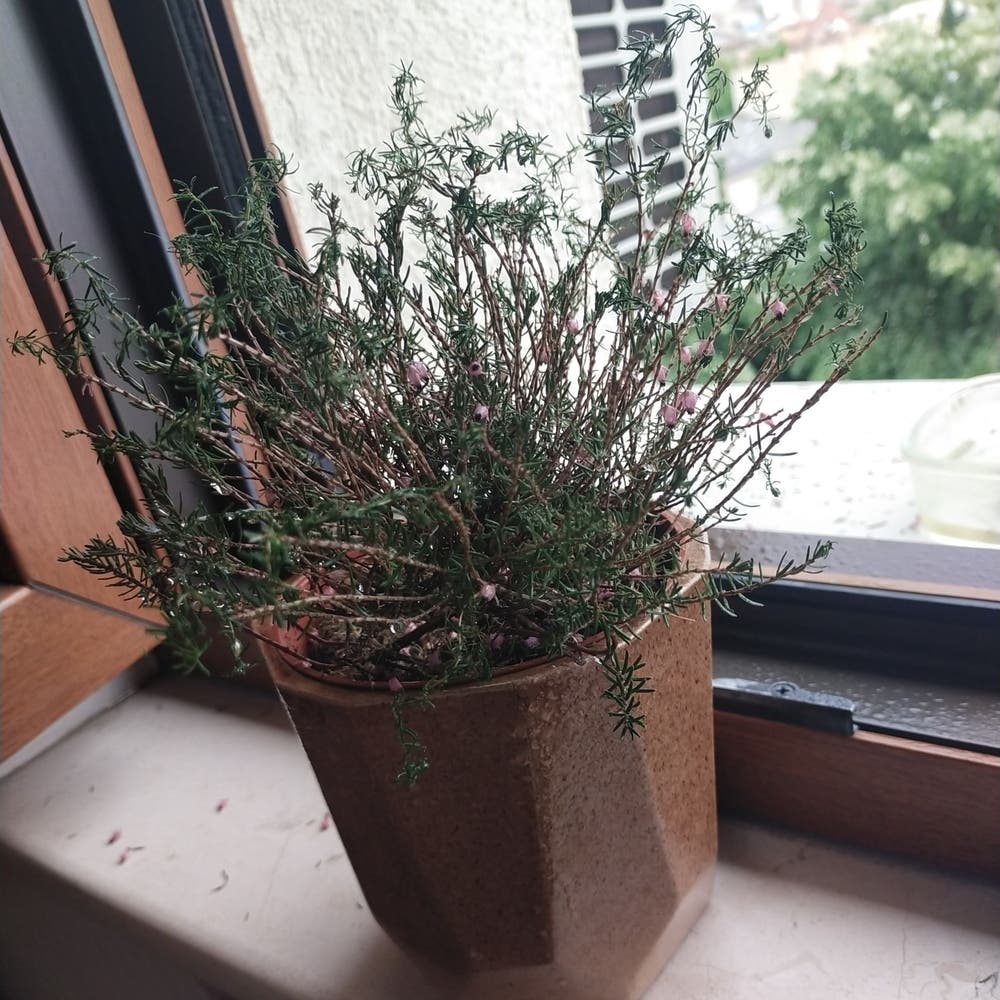
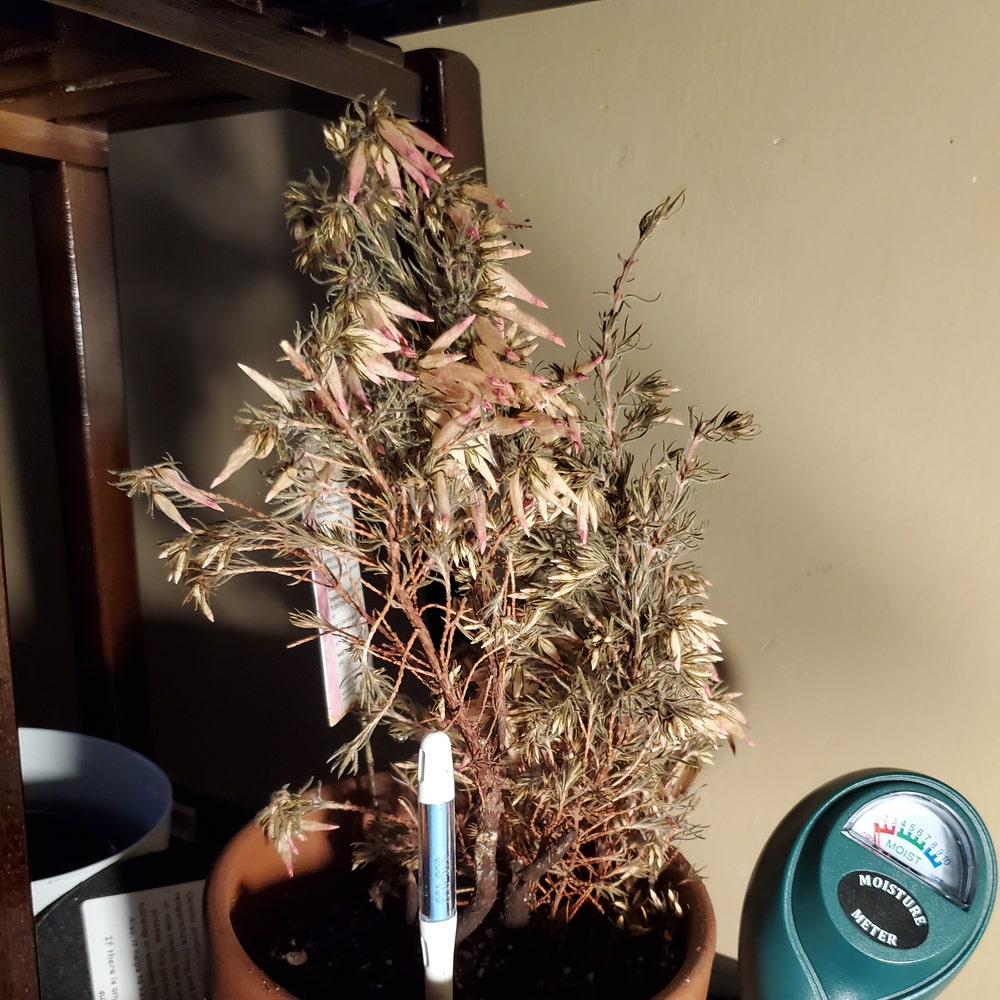
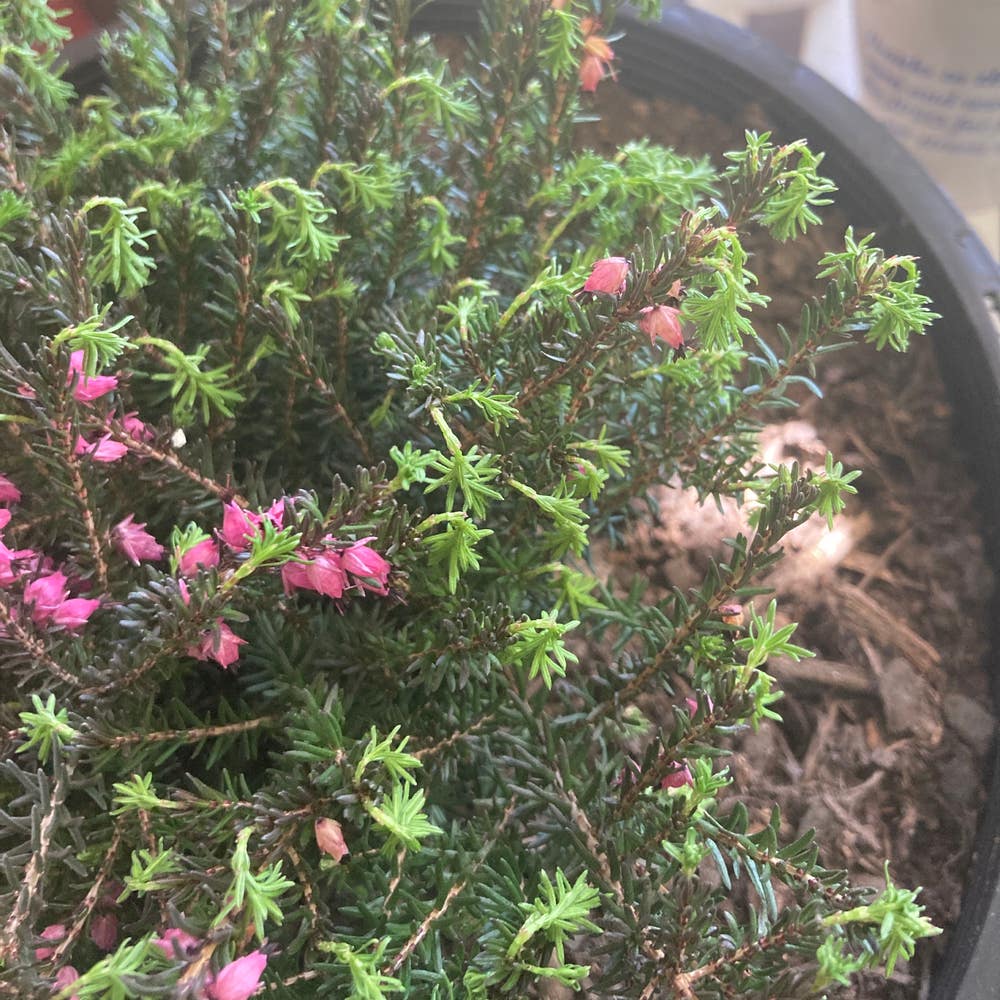
What You Should Know About Erica glabella
Erica glabella
By the Greg Editorial Team
Feb 24, 2025•11 min read
This article was created with the help of AI so we can cover more plants for you. May contain errors. See one? Report it here.
Elevate your garden with Erica glabella, a low-maintenance beauty that attracts pollinators and thrives effortlessly! 🌼🌱
- 🌞 Erica glabella thrives in full sun to partial shade; choose the right location.
- 🌱 Prefers acidic, well-drained soil; enhance drainage with organic matter.
- 🐾 Non-toxic to pets, making it safe for pet-friendly gardens.
How to Grow
Choosing a Location 🌞
For Erica glabella, the ideal growing conditions range from full sun to partial shade. Choosing the right location is crucial as it ensures optimal growth and vibrant flowering.
Soil Preparation 🌱
This plant thrives in acidic, well-drained soils. To enhance drainage, incorporate organic matter into the soil, creating a rich environment for growth.
Planting Techniques 🌿
When planting, ensure the root ball is level with the soil surface. Space your plants 2-3 feet apart to allow for optimal air circulation and growth.
Watering Requirements 💧
Initially, keep the soil consistently moist until the plant is established. Once established, you can reduce the frequency of watering, as Erica glabella is drought-tolerant.
Fertilizing Schedule 🌼
Use a balanced, slow-release fertilizer to nourish your plants. Fertilize in early spring, just before new growth begins, to give them a healthy start.
Pruning Methods ✂️
Prune your Erica glabella annually after flowering to maintain its shape. Light trimming encourages bushier growth and enhances its overall appearance.
Ongoing Care Tips 🧑🌾
Applying mulch helps retain moisture and suppress weeds, making care easier. Regularly monitor your plants for pests and diseases to catch any issues early.
Outdoor vs. Container Growing 🏡
Outdoor growing is ideal for larger spaces with suitable soil conditions. If you opt for container growing, ensure your pots have drainage holes and use an appropriate potting mix to support healthy growth.
With these tips, you can create a thriving environment for your Erica glabella, ensuring it flourishes beautifully in your garden or home.
Propagation
🌱 Seed Propagation
To propagate Erica glabella from seeds, start by harvesting seeds from mature flowers. Ensure you provide a warm, moist environment for germination, which typically takes about 2-4 weeks.
✂️ Cutting Propagation
For cutting propagation, select healthy, semi-hardwood cuttings. Use a rooting medium that combines peat and perlite for the best results, promoting strong root development.
🌿 Layering Techniques
Layering is another effective method for propagation. Simply bend a low branch to the ground, cover it with soil, and wait; roots will develop in approximately 6-12 months.
This propagation knowledge will help you expand your Erica glabella collection or share it with fellow gardening enthusiasts. Next, let’s explore the lifecycle of this fascinating plant.
Lifecycle
Lifecycle Stages 🌱
Erica glabella is a perennial plant, boasting a lifespan that spans several years. Its growth journey unfolds through distinct stages: germination, seedling, vegetative growth, flowering, and seed production.
Maturity and Growth Rate 📈
Typically, full maturity is achieved within 2-3 years. This plant exhibits a moderate growth rate, adding about 6-12 inches annually, making it a steady contributor to your garden's beauty.
Observing Growth Progress 👀
As you nurture Erica glabella, you'll witness its transformation from a tiny seedling to a vibrant flowering plant. Each stage is a testament to its resilience and adaptability, rewarding your care with stunning blooms and lush foliage.
Conclusion 🏁
Understanding the lifecycle of Erica glabella not only enhances your gardening skills but also deepens your appreciation for this remarkable plant. With patience and proper care, you can enjoy its beauty for years to come.
Next, let's explore the size of Erica glabella and what to expect as it matures.
Size
Mature Height and Spread 🌱
Erica glabella typically reaches an average height of 2 to 4 feet, making it a manageable addition to any garden. Its spread usually ranges from 2 to 3 feet, allowing for a compact yet vibrant display.
Growth Rate and Size Variability 📈
This plant exhibits a moderate growth rate, which can be influenced by various growing conditions. Factors such as soil quality and care practices can lead to size variability, so providing optimal conditions will yield the best results.
As you cultivate Erica glabella, remember that its size can reflect the attention and care you provide. With the right environment, this plant can thrive and become a stunning focal point in your landscape.
Next, let’s explore the fascinating lifecycle of Erica glabella and how it develops over time.
Roots
Root System Characteristics 🌱
Erica glabella features a fibrous root system that is both shallow and spreading. This structure allows the plant to efficiently absorb moisture and nutrients from the upper layers of the soil.
Common Root-Related Issues ⚠️
One of the most common problems for Erica glabella is root rot, which typically arises from overwatering and poor drainage. Signs of unhealthy roots include dark, mushy areas that indicate decay.
Identifying Healthy vs. Unhealthy Roots 🔍
Healthy roots should feel firm and exhibit a white or light tan color. In contrast, unhealthy roots will appear soft and may show brown or black discoloration.
Recognizing Rootbound Plants 🪴
Rootbound plants occur when roots circle the pot, restricting growth and nutrient uptake. The best solution is to repot the plant into a larger container or amend the soil to encourage healthier root development.
Understanding the root system of Erica glabella is crucial for its overall health and growth. By monitoring root conditions, you can ensure that your plant thrives and flourishes in your garden.
Benefits
Top 5 Benefits 🌟
Erica glabella, commonly known as the fynbos heath, offers a range of advantages that make it a fantastic addition to any garden. Here are the top five benefits you should know about:
Drought Tolerance: Once established, Erica glabella requires significantly less water, making it an excellent choice for water-wise gardening. This resilience helps conserve water resources while maintaining a vibrant garden.
Attracts Pollinators: The beautiful flowers of Erica glabella are a magnet for bees and butterflies. By planting this species, you not only enhance your garden's beauty but also support local ecosystems.
Ornamental Appeal: With its colorful blooms, Erica glabella adds a striking visual element to gardens. Its unique appearance can elevate the aesthetic of any landscape, making it a favorite among gardeners.
Erosion Control: This plant plays a vital role in stabilizing soil, particularly in gardens prone to erosion. Its root system helps hold the soil in place, preventing loss during heavy rains.
Cultural Significance: Erica glabella has been used in traditional medicine and as an ornamental plant for generations. Its historical importance adds a layer of depth to its cultivation, connecting gardeners to cultural practices.
Incorporating Erica glabella into your garden not only enhances its beauty but also contributes positively to the environment. With these benefits in mind, you can appreciate why this plant is a worthy choice for your gardening endeavors.
Next, let’s explore the various methods of propagating Erica glabella to expand your collection!
Companion Plants
🌱 Concept of Companion Planting
Companion planting is a gardening strategy that enhances biodiversity and improves pest management. By selecting the right plants to grow together, you can create a more resilient garden ecosystem.
🌼 Best Companion Plants
When it comes to Erica glabella, consider pairing it with other fynbos species like Proteas and Leucadendrons. These companions share similar care requirements and thrive in comparable environmental conditions, making them ideal partners in your garden.
🚫 Plants to Avoid
It's best to steer clear of heavy feeders or plants that require rich soil. These plants will compete for nutrients and water, potentially hindering the growth of your Erica glabella.
By choosing the right companions, you can foster a thriving garden that supports the health of all its inhabitants. Next, let’s explore the toxicity of Erica glabella to humans, dogs, and cats.
Toxicity to Humans
Safety of Erica glabella for Humans 🛡️
Erica glabella is not listed as toxic, meaning it poses no significant health risks to humans. You can handle and even ingest small amounts without worry, making it a safe addition to your garden.
However, it's always wise to exercise caution with any plant. If you experience unusual symptoms after contact or ingestion, seeking medical advice is the best course of action.
This plant can bring beauty and joy to your space without the fear of toxicity. Enjoy its presence and the vibrant life it adds to your environment!
As we explore the safety of Erica glabella, it's also important to consider its effects on our furry friends. Let's dive into the toxicity of Erica glabella for dogs next.
Toxicity to Dogs
Safety of Erica glabella for Dogs 🐶
Erica glabella is considered non-toxic to dogs, meaning it poses no harmful effects according to veterinary organizations. This makes it a safe choice for gardens where furry friends roam freely.
While the plant is generally safe, it's always wise to keep an eye on your pets around any greenery. If you notice any unusual symptoms after contact or ingestion, consulting a veterinarian is the best course of action.
General Safety 🛡️
With minimal risk associated with Erica glabella, dog owners can enjoy the beauty of this plant without worry. Just remember, a little caution goes a long way in ensuring your pet's well-being.
As we explore further, let's look at how Erica glabella interacts with our feline friends.
Toxicity to Cats
Safety of Erica glabella for Cats 🐱
Erica glabella is considered safe for cats, with no harmful effects reported by veterinary organizations. This means you can enjoy this beautiful plant without worrying about your feline friends.
General Safety ⚠️
While Erica glabella poses minimal risk, it's always wise to keep an eye on your pets around any plants. If you notice unusual symptoms after contact or ingestion, consult a veterinarian for peace of mind.
Cautionary Note 📝
Even though this plant is not toxic, every cat is unique. Monitoring their behavior around plants can help ensure their safety and well-being.
This knowledge allows you to create a vibrant garden while keeping your furry companions safe. Now, let's explore common problems that may arise when caring for Erica glabella.
Problems
Common Problems Faced 🌱
Growing Erica glabella can be rewarding, but it’s not without its challenges. Understanding these common problems can help you maintain a healthy plant.
Incorrect Watering 🚰
Watering issues are among the most frequent problems. Overwatering can lead to root rot, while underwatering may cause wilting and stress.
Incorrect Light Conditions 💡
Light conditions also play a crucial role in plant health. Insufficient light can result in leggy growth, while too much direct sunlight may cause leaf scorch.
Diseases 🦠
Fungal diseases can be a concern for Erica glabella. Watch for signs of powdery mildew, rust, black rot, and blight, which can all affect the plant's vitality.
Root Problems 🌿
Root health is vital for overall plant success. Symptoms of root rot include dark, mushy roots, indicating poor drainage or overwatering.
Leaf Issues 🍃
Leaf problems can manifest in various ways. Scorching, yellowing, or fuzzy growth may signal environmental stress or pest issues that need addressing.
By staying vigilant and addressing these common problems, you can enjoy a thriving Erica glabella in your garden. Next, let’s explore the potential pest issues that may arise.
Bugs
Potential Pest Issues 🐜
While Erica glabella boasts moderate pest resistance, it’s not entirely immune to certain nuisances. Keep an eye out for common pests like spider mites and mealybugs, which can wreak havoc if left unchecked.
Identifying Pests 🔍
Recognizing these pests early can save your plants from significant damage. Spider mites often leave fine webbing on leaves, while mealybugs appear as small, white cottony masses.
Treatment Options 💊
If you spot these pests, don’t panic! Treatment options are readily available. Insecticidal soap is effective for many pests, and Neem oil can help deter infestations while being gentle on your plants.
Prevention Tips 🚫
To minimize pest issues, maintain healthy plants through proper care. Regularly inspect your Erica glabella for signs of trouble, and ensure good air circulation around your plants.
Conclusion 📝
By staying vigilant and employing these treatment options, you can keep your Erica glabella thriving and beautiful. Next, let’s explore the common problems that can arise in your gardening journey.
What Eats
🦌 Common Animals That May Damage
When growing Erica glabella, be aware of potential visitors that might munch on your plants. Deer are notorious for browsing on leaves and stems, leaving behind telltale signs of their snacking habits.
Rabbits can also be a nuisance, often nibbling on the lower foliage. This damage can lead to stunted growth and an unsightly appearance, which is the last thing you want in your garden.
🚫 Deterrent Methods
To protect your plants, consider implementing some deterrent methods. Fencing is a reliable option, creating a physical barrier that keeps larger animals at bay.
Additionally, using repellents can help deter both deer and rabbits. These products can be effective in keeping your Erica glabella safe from unwanted grazing.
By taking these precautions, you can enjoy the beauty of your plants without the worry of them becoming a snack for local wildlife.
⚠️ Safety First
This content is for general information and may contain errors, omissions, or outdated details. It is not medical, veterinary advice, or an endorsement of therapeutic claims.
Always consult a qualified healthcare professional before using any plant as food, medicine, or supplement.
Never eat any plant (or feed one to pets) without confirming its identity with at least two trusted sources.
If you suspect poisoning, call Poison Control (800) 222-1222, the Pet Poison Helpline (800) 213-6680, or your local emergency service immediately.
Spotted an error? Please report it here.
Nurture your Erica glabella to bloom vibrantly 🌸 with Greg's tailored care reminders and expert tips that ensure your plant thrives in any garden!