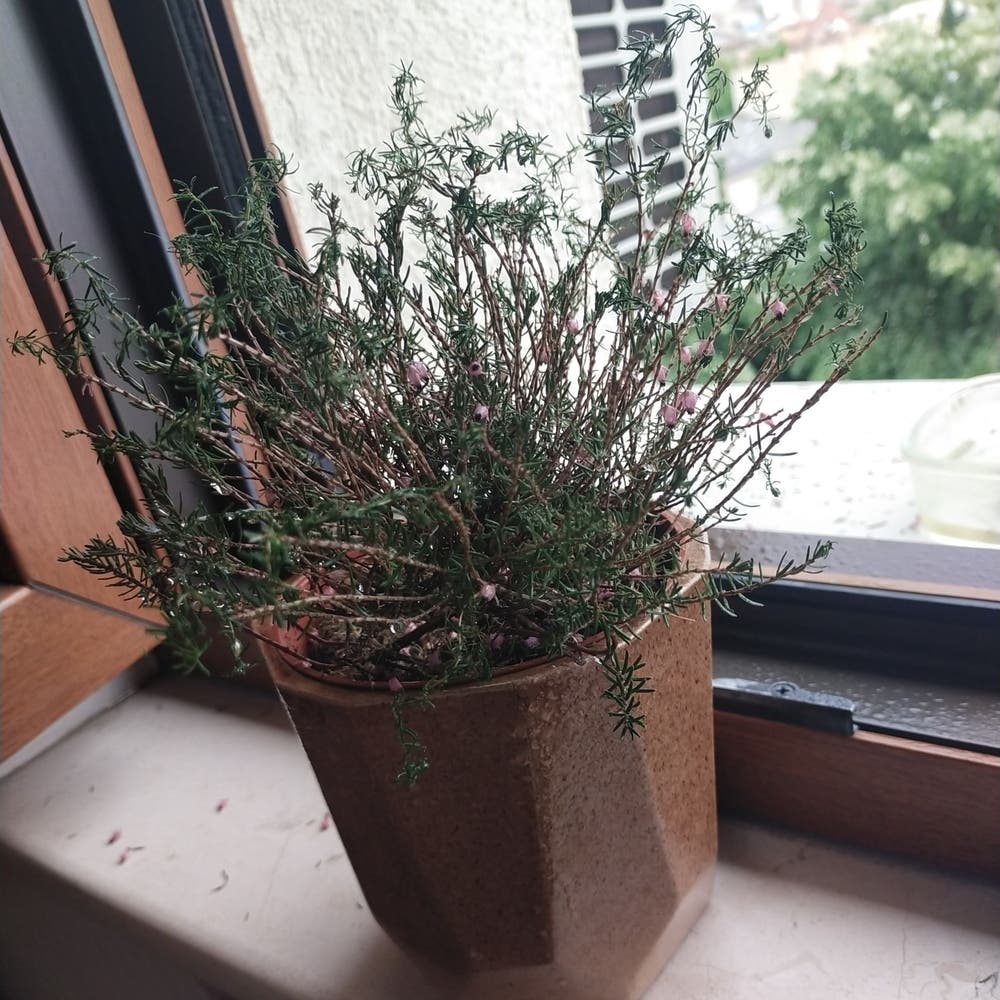
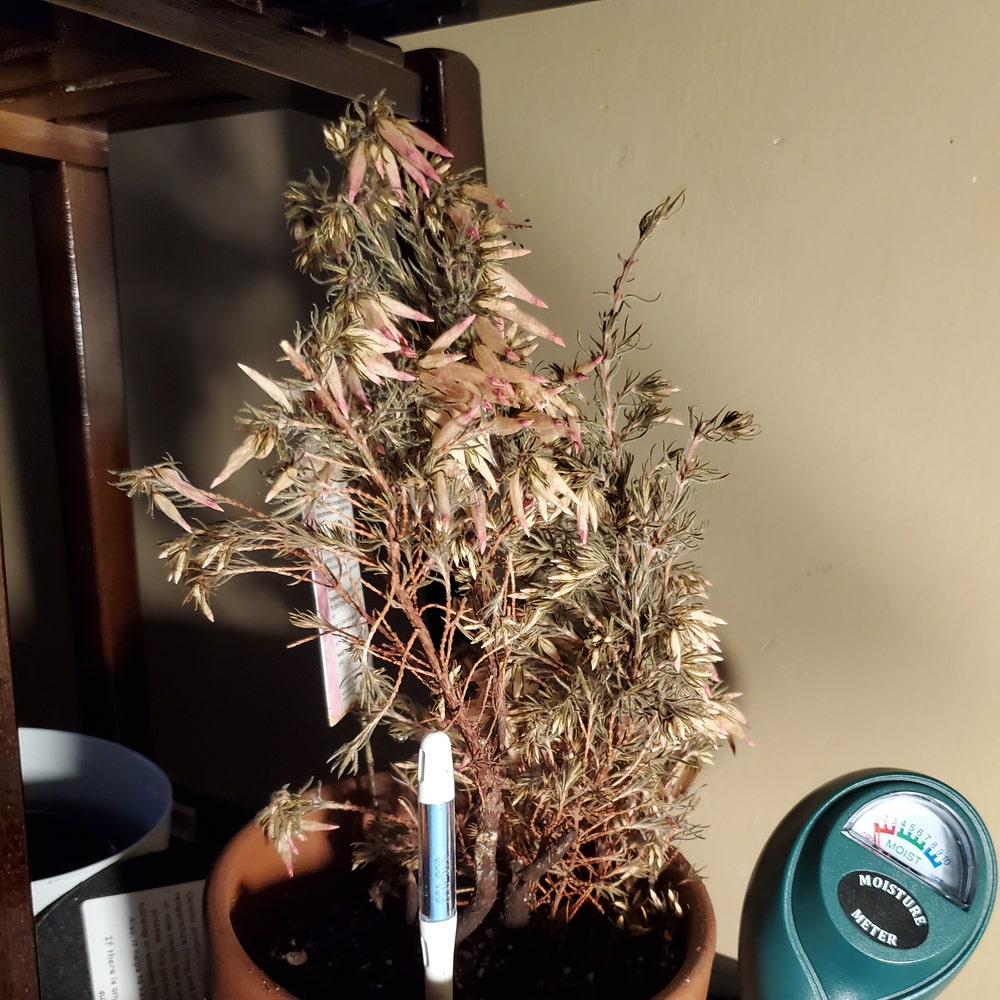
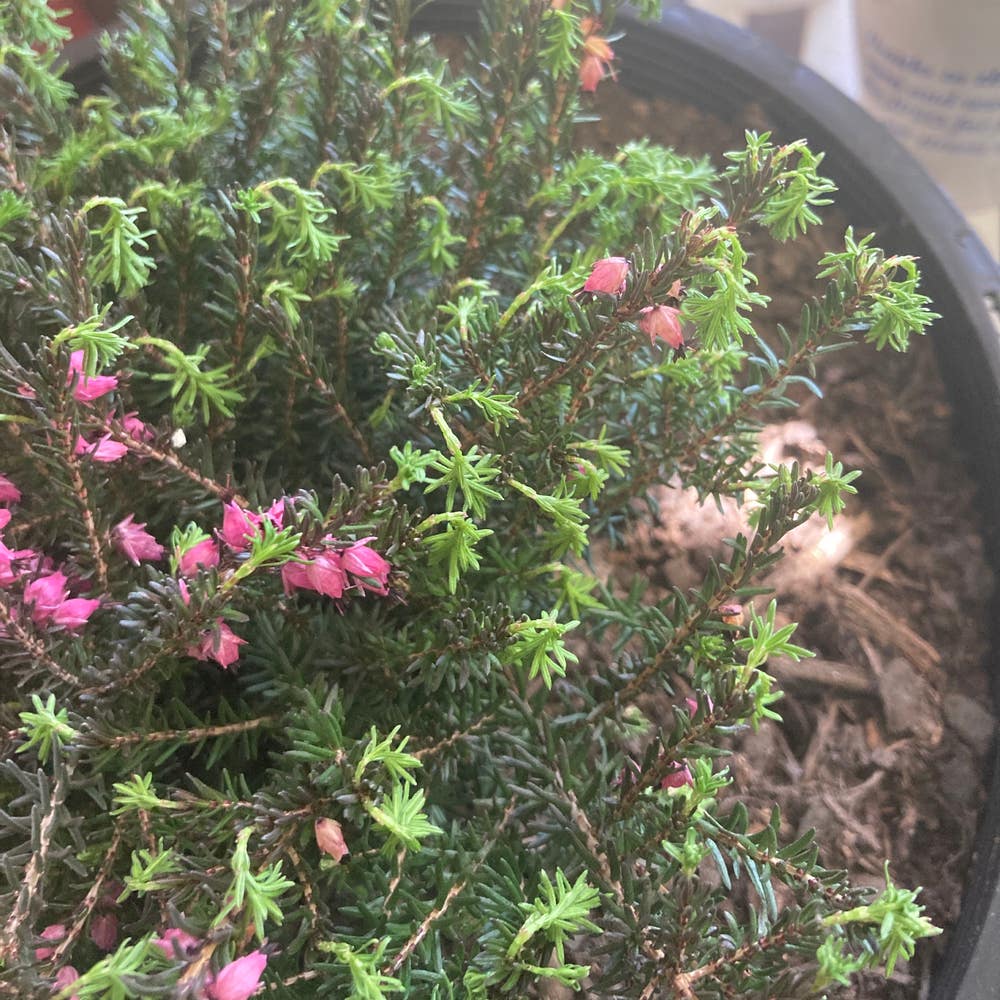
Erica fastigiata var. fastigiata: A Comprehensive Overview
Erica fastigiata var. fastigiata
By the Greg Editorial Team
Feb 28, 2025•14 min read
This article was created with the help of AI so we can cover more plants for you. May contain errors. See one? Report it here.
Elevate your garden with Erica fastigiata's stunning blooms and resilience, attracting pollinators effortlessly! 🌼🌱
- 🌞 Erica fastigiata thrives in full sun to partial shade, adapting to various light conditions.
- 🌱 Prefers acidic, well-drained soils with a pH of 5.5 to 6.5 for optimal growth.
- 🐾 Safe for pets - not toxic to humans, dogs, or cats, perfect for family gardens.
How to Grow
Choosing the Right Location 🌍
Selecting the right location for Erica fastigiata var. fastigiata is crucial for its success. This plant thrives in full sun to partial shade, making it adaptable to various light conditions.
The ideal climate for this species is reminiscent of South Africa's fynbos regions. Additionally, protecting it from coastal winds is essential, as strong gusts can hinder its growth and overall health.
Soil Preparation and Amendments 🏞️
For optimal growth, Erica fastigiata prefers acidic, well-drained soils. To enhance drainage, consider adding organic matter like compost or peat moss.
Maintaining the right pH level is vital; aim for a range between 5.5 and 6.5 for best results. This ensures the plant can absorb nutrients effectively.
Planting Techniques and Spacing 🌱
When planting, ensure the depth is appropriate—generally, the root ball should be level with the soil surface. For spacing, maintain a distance of about 18 to 24 inches between plants to allow for healthy growth.
The best time for planting is during the spring or early fall. This timing helps the plant establish roots before extreme temperatures set in.
Watering Requirements and Schedules 💧
After planting, consistent moisture is key. Water regularly to keep the soil evenly moist, especially during the first few weeks.
Once established, Erica fastigiata exhibits drought tolerance, requiring less frequent watering. Be vigilant for signs of overwatering, such as yellowing leaves, or underwatering, indicated by wilting.
Fertilizing Strategies for Optimal Growth 🌿
For fertilization, use a balanced fertilizer with an NPK ratio of 10-10-10 or similar. This will provide the necessary nutrients for robust growth.
Timing is important; fertilize every 4-6 weeks during the growing season. You can choose between organic options, like fish emulsion, or synthetic fertilizers based on your gardening philosophy.
Pruning Methods for Health and Aesthetics ✂️
Pruning is best done in late winter or early spring before new growth begins. This helps maintain the plant's shape and encourages healthy branching.
Use sharp, clean tools to remove dead or damaged growth. This not only improves aesthetics but also promotes better air circulation around the plant.
Ongoing Care for Container vs. Outdoor Growing 🏡
For container care, ensure your pots have adequate drainage holes and are large enough to accommodate root growth. Regularly check moisture levels, as containers can dry out faster than garden beds.
In outdoor settings, mulching can help retain moisture and protect against pests. Be prepared to adjust care routines with the changing seasons, ensuring your plant remains healthy year-round.
With these guidelines, you'll be well-equipped to cultivate Erica fastigiata var. fastigiata successfully. Next, let's explore the propagation methods to expand your collection!
Propagation
🌱 Methods of Propagation
Propagation of Erica fastigiata var. fastigiata can be achieved through two primary methods: seed propagation and cutting propagation.
Seed Propagation
To sow seeds, start by preparing a seed tray filled with a well-draining, acidic potting mix. Lightly press the seeds into the soil and cover them with a thin layer of sand. Keep the soil consistently moist but not soggy, and place the tray in a warm location with indirect sunlight. Germination typically occurs within a few weeks.
Cutting Propagation
For cutting propagation, select healthy stems and cut them just below a node. Remove the lower leaves and dip the cut end in rooting hormone. Plant the cutting in a moist potting mix, ensuring it is stable. Cover the pot with a plastic bag to maintain humidity, and place it in a warm area with bright, indirect light. Roots should develop in a few weeks.
🌡️ Ideal Conditions for Successful Propagation
Creating the right environment is crucial for successful propagation.
Temperature and Humidity Requirements
Aim for a temperature range of 20-25°C (68-77°F) for optimal growth. Maintain high humidity levels, ideally around 70%, to encourage root development.
Light Exposure for Seedlings and Cuttings
Seedlings and cuttings thrive in bright, indirect light. Avoid direct sunlight, as it can scorch young plants. A south-facing window or a grow light can provide the necessary light without the risk of overheating.
With these propagation techniques and ideal conditions, you can successfully cultivate Erica fastigiata var. fastigiata, setting the stage for a thriving garden. Next, let’s explore the lifecycle of this fascinating plant.
Lifecycle
Lifecycle Stages 🌱
The lifecycle of Erica fastigiata var. fastigiata begins with germination, which typically occurs within 2 to 4 weeks under optimal conditions. This stage requires consistent moisture and warmth to encourage seed sprouting.
Once germinated, the plant enters the seedling stage, where it develops its first true leaves. During this time, it's crucial to provide adequate light and nutrients to support healthy growth.
As the plant transitions into vegetative growth, it focuses on expanding its foliage and root system. This phase is characterized by rapid growth, requiring careful attention to watering and soil quality to ensure robust development.
Timeframe for Growth to Maturity ⏳
From seed to maturity, Erica fastigiata var. fastigiata generally takes about 2 to 3 years. This timeframe can vary based on environmental conditions and care practices.
Typically, the growth rate can be categorized into fast and slow periods. Expect vigorous growth during the spring and summer months, while growth may slow down significantly in cooler seasons.
Size
Mature Height and Spread 🌱
Erica fastigiata var. fastigiata typically reaches a mature height of about 1 to 2 meters, with a spread of approximately 0.5 to 1 meter. These dimensions can vary significantly based on environmental factors such as soil quality, sunlight, and moisture levels.
Growth Rate and Factors Affecting Size 🚀
The growth rate of this plant can be influenced by several conditions. Optimal sunlight exposure and well-drained, acidic soil can promote faster growth, while poor soil quality or insufficient light may slow it down considerably.
Maintaining consistent moisture is also crucial for healthy growth. When established, Erica fastigiata can thrive in less-than-ideal conditions, but it will flourish best with the right care.
Understanding these factors can help you create the perfect environment for your plants. By adjusting light and soil conditions, you can encourage robust growth and vibrant blooms.
As we explore the next section, we'll delve into the root characteristics of Erica fastigiata, which play a vital role in its overall health and growth.
Roots
Characteristics of the Root System 🌱
Erica fastigiata var. fastigiata features a fibrous root system that is essential for its stability and nutrient uptake. These roots typically spread out rather than grow deep, allowing the plant to efficiently absorb moisture and nutrients from the top layers of the soil.
Common Root-Related Issues and Solutions ⚠️
Root rot is a common issue that can plague this plant, often caused by overwatering or poorly drained soil. To prevent root rot, ensure proper drainage and allow the soil to dry out between watering sessions.
If you notice signs of unhealthy roots, such as a foul smell or mushy texture, it’s crucial to act quickly. Trim away affected roots and repot the plant in fresh, well-draining soil to promote recovery.
Identifying Healthy vs. Unhealthy Roots 🔍
Healthy roots should appear firm and white or light tan in color, indicating vitality. In contrast, unhealthy roots may look brown or black and feel soft, signaling potential problems.
Additionally, if your plant shows signs of being rootbound—like stunted growth or roots growing out of the drainage holes—it's time to repot. Providing more space will allow the roots to expand and thrive, leading to a healthier plant overall.
Benefits
🌟 Top 5 Benefits of Growing Erica fastigiata var. fastigiata
1. Ornamental Value
Erica fastigiata var. fastigiata brings stunning beauty to any garden. Its vibrant flowers and unique foliage make it a standout choice for landscaping.
2. Attracts Pollinators
This plant plays a crucial role in local ecosystems by attracting pollinators. Bees and butterflies are drawn to its blooms, supporting biodiversity in your garden.
3. Drought Tolerance
Once established, Erica fastigiata var. fastigiata requires minimal watering. Its drought tolerance makes it an excellent choice for water-wise gardening.
4. Resilience in Poor Soils
This variety thrives in challenging soil conditions. Its ability to flourish in poor, acidic soils means you can enjoy its beauty without extensive soil amendments.
5. Cultural Significance
In South Africa, Erica fastigiata var. fastigiata holds cultural importance. It symbolizes resilience and beauty, connecting gardeners to the rich heritage of the region.
These benefits make Erica fastigiata var. fastigiata not just a plant, but a valuable addition to any garden. Its aesthetic appeal, ecological contributions, and cultural significance create a compelling case for growing this remarkable species.
As you consider adding this plant to your garden, think about how it can enhance both your landscape and the local environment. Next, let’s explore the best companion plants that can thrive alongside Erica fastigiata var. fastigiata.
Companion Plants
🌱 Companion Planting and Its Benefits
Companion planting is all about enhancing garden diversity by pairing plants that benefit each other. This practice can lead to improved growth and effective pest management, creating a healthier garden ecosystem.
🌼 Best Companion Plants
When choosing companion plants for Erica fastigiata var. fastigiata, consider the following compatible options:
- Leucadendron: Shares similar care needs and thrives in similar conditions.
- Aloe Vera: Offers drought tolerance and attracts beneficial insects.
- Geraniums: Known for their pest-repelling properties and vibrant colors.
These plants not only complement each other visually but also work together to deter pests and promote overall health.
🚫 Plants to Avoid
While some plants thrive together, others can create issues. Avoid pairing Erica fastigiata with:
- Tomatoes: They can attract pests that may harm Erica.
- Cabbage family: These plants may compete for nutrients and space.
Being mindful of these incompatible plants can help you maintain a thriving garden.
Toxicity to Humans
🛡️ Safety Overview
Erica fastigiata var. fastigiata is not listed as toxic, making it a safe choice for gardens and homes. However, it's always wise to be cautious when handling any plant.
⚠️ Minor Issues from Contact or Ingestion
While generally safe, some individuals may experience mild skin irritation upon contact. Ingesting large amounts could lead to digestive discomfort, so moderation is key.
👀 Recommendations for Caution
Always monitor for unusual symptoms after handling or ingestion. Practicing general plant handling safety, such as washing hands after contact, can help prevent any minor issues.
This plant can be a delightful addition to your space, but staying informed ensures a safe and enjoyable experience. Next, let’s explore its effects on our furry friends, starting with dogs.
Toxicity to Dogs
Safety Overview 🐶
Erica fastigiata var. fastigiata is not listed as toxic to dogs, according to veterinary sources. This means you can enjoy this beautiful plant without worrying about harmful effects on your furry friends.
Minor Issues from Excessive Consumption 🤢
While generally safe, consuming large quantities may lead to mild gastrointestinal upset in dogs. It's always best to monitor your pet's behavior around new plants to ensure their well-being.
Tips for Introducing to Homes with Dogs 🏡
When introducing Erica fastigiata to your home, consider proper placement to avoid easy access for your dog. Keeping the plant out of reach can prevent any accidental nibbles.
Additionally, observe your dog's interactions with the plant. This will help you identify any unusual behavior or signs of discomfort early on, ensuring a harmonious coexistence.
As you enjoy the beauty of this plant, remember that a little caution goes a long way in keeping your canine companions safe.
Toxicity to Cats
Safety Overview 🐱
Erica fastigiata var. fastigiata is not listed as toxic to cats, according to veterinary sources. This means you can enjoy this beautiful plant without worrying about harmful effects on your feline friends.
Minor Issues from Excessive Consumption 🚫
While generally safe, excessive consumption may lead to mild gastrointestinal upset in cats. It's always best to monitor your pet's behavior around plants to ensure they don't overindulge.
Tips for Introducing to Homes with Cats 🏡
To keep your cat safe, place the plant in areas that are hard for them to reach. Additionally, observe your cat's interactions with the plant to catch any unusual behavior early on.
By taking these precautions, you can enjoy the beauty of Erica fastigiata var. fastigiata while ensuring your cat remains healthy and happy. Now, let's explore the common problems you might face while growing this plant.
Problems
Common Problems Faced 🌱
Growing Erica fastigiata var. fastigiata can come with its share of challenges. Understanding these common problems is key to maintaining a healthy plant.
Incorrect Watering
Watering issues are among the most frequent problems. Signs of overwatering include yellowing leaves and root rot, while underwatering may lead to wilting and dry leaf edges.
Incorrect Light Conditions
Light conditions play a crucial role in plant health. Insufficient light can cause leggy growth and pale leaves, while too much direct sunlight may scorch the foliage.
Incorrect Temperature
Temperature extremes can stress your plant. High temperatures can lead to wilting, while cold drafts may stunt growth or cause leaf drop.
Identification and Solutions 🔍
Identifying problems early can save your plant from serious damage. Here’s a breakdown of common issues and their solutions.
Overwatering: Look for yellow leaves and mushy roots. To remedy this, reduce watering frequency and ensure proper drainage.
Underwatering: Signs include drooping leaves and dry soil. Increase watering frequency and check for adequate moisture retention.
Fungal Diseases: Watch for spots on leaves or a powdery coating. Treat with fungicides and improve air circulation around the plant.
Leaf Issues: Common symptoms include discoloration and curling. Adjust watering and light conditions to see improvements.
Growth Problems: If your plant isn’t growing as expected, check for nutrient deficiencies or inadequate light. Fertilize appropriately and ensure it receives enough sunlight.
By addressing these issues promptly, you can help your Erica fastigiata thrive. Next, let’s explore the potential pest problems that could affect your plant’s health.
Bugs
🐛 Potential Pest Issues
When growing Erica fastigiata var. fastigiata, it's essential to be aware of potential pest issues. While this plant exhibits some resilience, it can still fall prey to various pests that may affect its health and growth.
🔍 Identification and Treatment Options
Spider Mites
Spider mites are tiny pests that can cause significant damage. Look for fine webbing on leaves and stippling, which indicates their presence. To control them, increase humidity around the plant and use insecticidal soap or neem oil.
Scale Insects
Scale insects appear as small, brownish bumps on stems and leaves. They can weaken the plant by sucking sap. Treat them by gently scrubbing the affected areas with a soft brush and applying horticultural oil to suffocate them.
Mealybugs
Mealybugs are cottony white pests that cluster in leaf joints. They can cause yellowing and stunted growth. Remove them with a cotton swab dipped in alcohol, and follow up with insecticidal soap for effective treatment.
Aphids
Aphids are small, green or black insects that can cause curling leaves and stunted growth. They reproduce quickly, so act fast! Use a strong stream of water to dislodge them or apply insecticidal soap to manage infestations.
Whiteflies
Whiteflies are small, white, moth-like insects that can be found on the undersides of leaves. They can cause yellowing and wilting. Control them by using yellow sticky traps and applying insecticidal soap to eliminate them.
By staying vigilant and addressing these pest issues promptly, you can ensure the health and vibrancy of your Erica fastigiata var. fastigiata. Next, let’s explore the common problems that may arise during its growth.
What Eats
🐇 Common Animals That May Damage
In your garden, various herbivores might take a liking to Erica fastigiata var. fastigiata. Common culprits include rabbits, deer, and even some insects that can cause significant damage.
👀 Signs of Animal Presence and Damage
Identifying signs of animal activity is crucial for protecting your plants. Look for chewed leaves, missing buds, or droppings around your garden, which indicate that herbivores are nearby.
🚫 Deterrent Methods
To safeguard your plants, consider both chemical and organic deterrent methods. Chemical repellents can be effective, but many gardeners prefer organic options like garlic spray or planting companion plants that naturally repel pests.
By staying vigilant and employing these strategies, you can help ensure your Erica fastigiata thrives without unwanted visitors. Next, we’ll explore the common problems faced by this resilient plant and how to tackle them effectively.
⚠️ Safety First
This content is for general information and may contain errors, omissions, or outdated details. It is not medical, veterinary advice, or an endorsement of therapeutic claims.
Always consult a qualified healthcare professional before using any plant as food, medicine, or supplement.
Never eat any plant (or feed one to pets) without confirming its identity with at least two trusted sources.
If you suspect poisoning, call Poison Control (800) 222-1222, the Pet Poison Helpline (800) 213-6680, or your local emergency service immediately.
Spotted an error? Please report it here.
Let your Erica fastigiata var. fastigiata thrive effortlessly 🌱 with Greg's tailored care reminders for watering and fertilizing, ensuring this adaptable beauty flourishes in your garden!