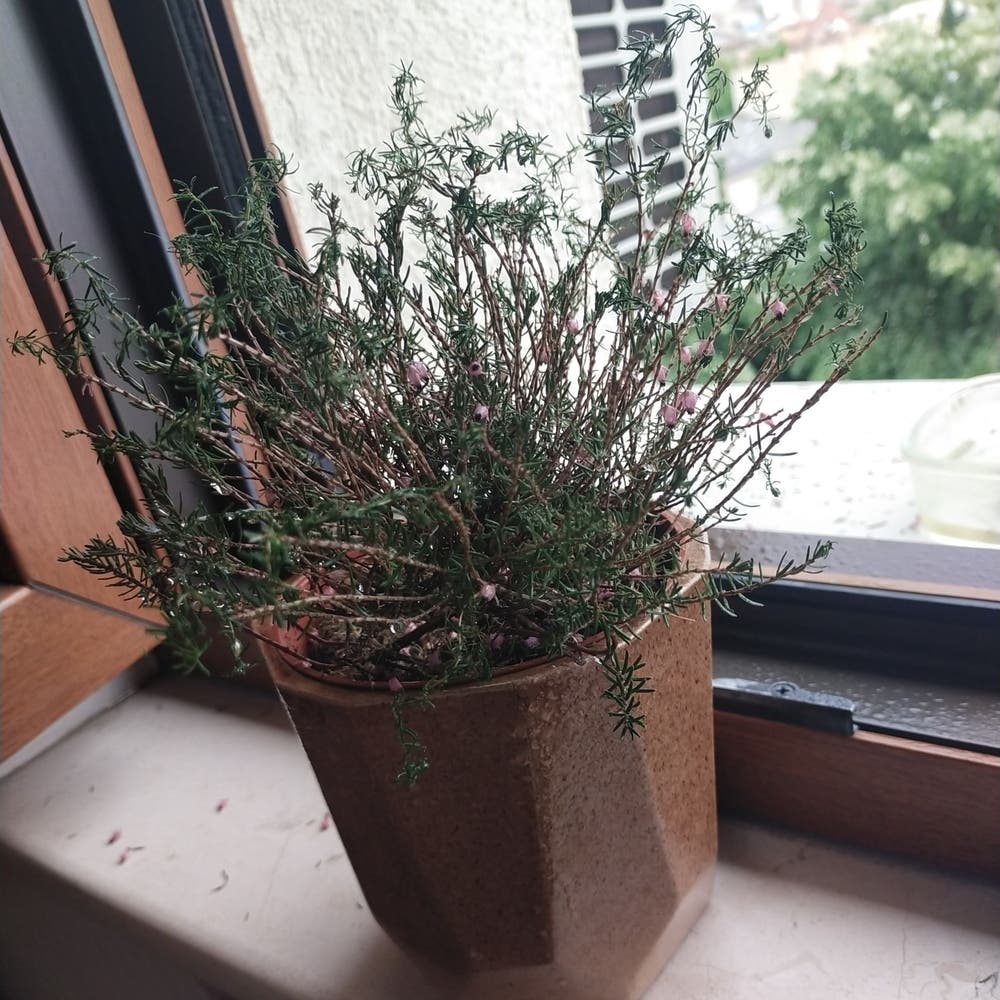
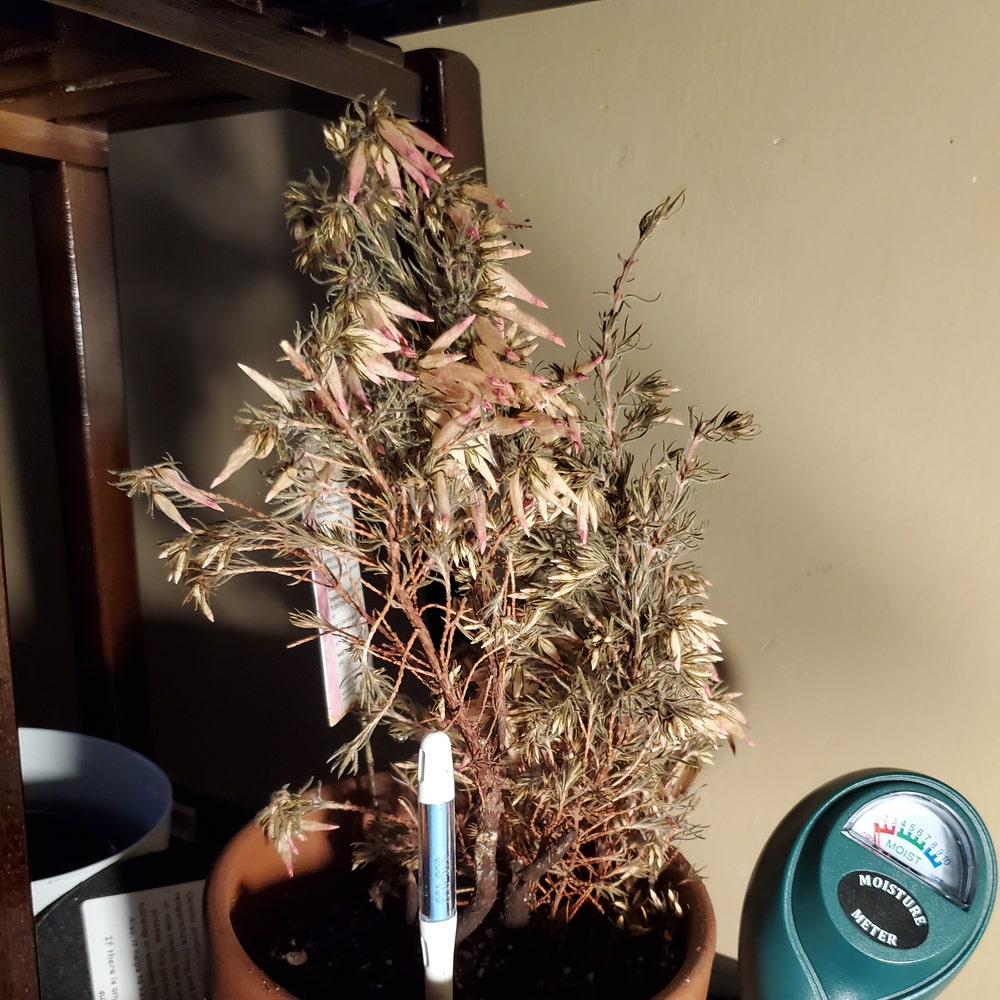
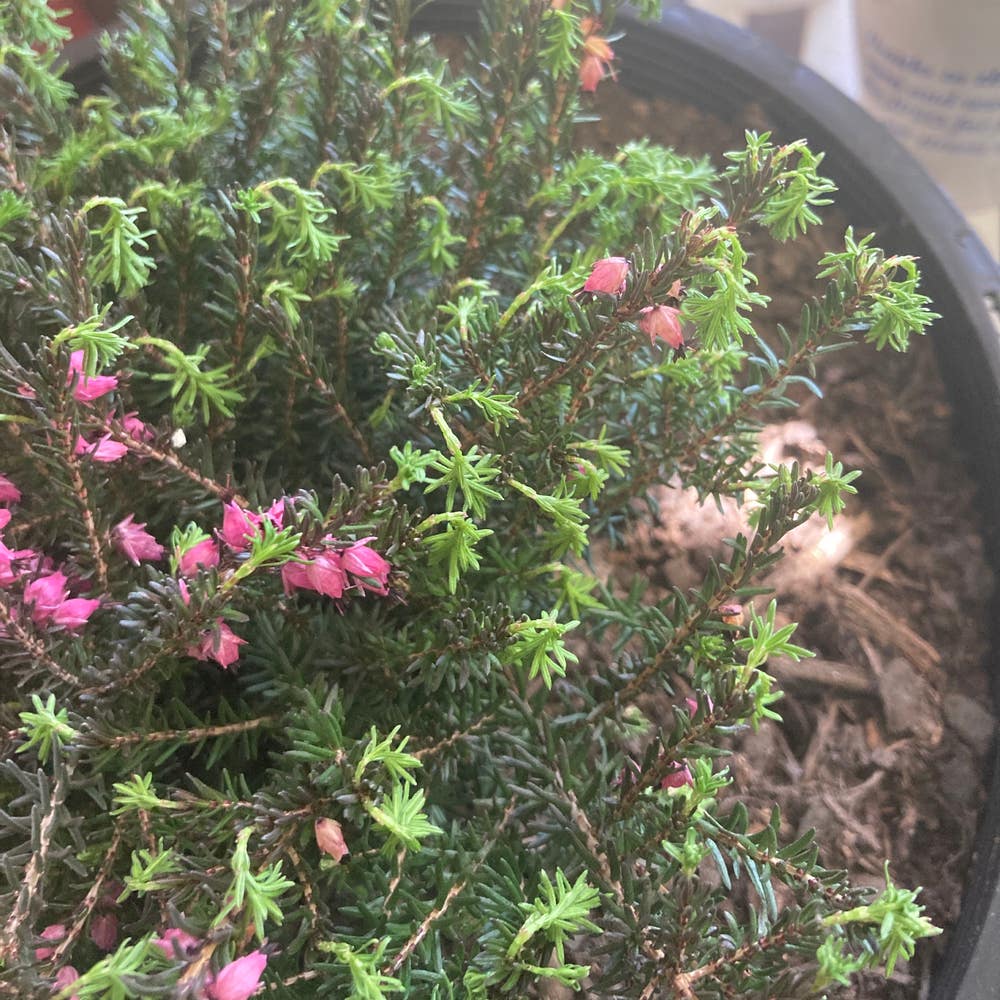
Overview of Erica fascicularis var. fascicularis
Erica fascicularis var. fascicularis
By the Greg Editorial Team
Feb 28, 2025•11 min read
This article was created with the help of AI so we can cover more plants for you. May contain errors. See one? Report it here.
Elevate your garden effortlessly with the stunning, drought-tolerant Erica fascicularis! 🌿✨
- 🌞 Erica fascicularis thrives in 6-8 hours of sunlight for optimal growth.
- 🌱 Acidic, well-drained soil with pH 5.5-6.5 prevents root rot.
- 🐝 Attracts pollinators, enhancing garden biodiversity and ecosystem health.
How to Grow
🌞 Choosing a Location
When selecting a spot for Erica fascicularis var. fascicularis, aim for full sun to partial shade, ideally providing 6-8 hours of sunlight daily. This plant thrives in temperate climates and shows impressive drought tolerance, making it a resilient choice for various gardens.
🌱 Soil Preparation
For optimal growth, use acidic, well-drained soils with a pH between 5.5 and 6.5. Good drainage is crucial to prevent root rot, so consider amending your soil if necessary.
🌿 Planting Techniques
Space your plants 18-24 inches apart to allow for healthy growth and airflow. When planting, ensure you place them at the same depth as they were in the nursery pot to promote stability.
💧 Watering Requirements
Water your Erica regularly until it is well-established, then reduce the frequency. Employ drip irrigation or soaker hoses to keep foliage dry and minimize the risk of fungal diseases.
🌼 Fertilizing
Opt for a slow-release, acid-loving fertilizer to nourish your plants. Fertilize in early spring and again in mid-summer to support robust growth.
✂️ Pruning
Prune your Erica after flowering to encourage bushier growth. Focus on removing any dead or damaged branches and shaping the plant for a more aesthetically pleasing appearance.
🔍 Ongoing Care
Regularly monitor your plants for pests and diseases to catch any issues early. In winter, apply mulch around the base to protect roots and retain moisture, ensuring your plants thrive through the colder months.
With these guidelines, you can cultivate a healthy and vibrant Erica fascicularis var. fascicularis in your garden. Next, let’s explore how to propagate this beautiful plant effectively.
Propagation
🌱 Seed Propagation
To start propagating Erica fascicularis var. fascicularis from seeds, soak them in water for 24 hours before sowing. This simple step helps kickstart the germination process.
For optimal germination, maintain a temperature between 20-25°C (68-77°F). These conditions create a cozy environment for the seeds to sprout and thrive.
✂️ Cutting Propagation
Another effective method is cutting propagation. Take 4-6 inch cuttings from healthy plants, ensuring you select vigorous stems for the best results.
Timing is crucial; late spring or early summer is the ideal window for this technique. This period allows the cuttings to root successfully and establish themselves before the growing season ends.
With these propagation methods, you can expand your collection of Erica fascicularis var. fascicularis and enjoy its beauty in your garden. Next, let’s explore the lifecycle of this resilient plant.
Lifecycle
Lifecycle Overview 🌱
Erica fascicularis var. fascicularis is a perennial plant that undergoes several distinct stages throughout its life. These stages include seed or cutting, germination, seedling stage, vegetative growth, flowering, and seed production.
This plant typically has a lifespan of 5 to 10 years and reaches maturity in about 2 to 3 years. Understanding these stages can help you provide the best care and maximize the plant's potential in your garden.
Stages of Growth 🌿
- Seed/Cutting: The lifecycle begins with either seeds or cuttings, which are essential for propagation.
- Germination: Seeds require specific conditions to germinate, typically involving warmth and moisture.
- Seedling Stage: Once germinated, seedlings develop their first true leaves and establish roots.
- Vegetative Growth: During this phase, the plant focuses on growing leaves and stems, preparing for future flowering.
- Flowering: The plant produces beautiful flowers, attracting pollinators and enhancing garden aesthetics.
- Seed Production: After flowering, seeds are produced, allowing the lifecycle to continue.
By recognizing these stages, you can better support your Erica fascicularis var. fascicularis, ensuring it thrives and contributes to your garden's beauty.
Next, let’s explore the size of this remarkable plant and what you can expect as it matures.
Size
Mature Dimensions 🌱
Erica fascicularis var. fascicularis can reach a mature height of 1 to 3 feet (30 to 90 cm) and spread out to 2 to 4 feet (60 to 120 cm). This compact size makes it an excellent choice for various garden settings, from borders to containers.
Growth Rate 📈
The growth rate of this plant is moderate, largely influenced by soil quality and sunlight exposure. Depending on the growing conditions, you may notice variability in size, so providing optimal care can lead to lush, vibrant growth.
In summary, understanding the size and growth characteristics of Erica fascicularis var. fascicularis helps you plan its placement in your garden effectively. Next, let’s explore the fascinating lifecycle of this resilient plant.
Roots
Root System Characteristics 🌱
The Erica fascicularis var. fascicularis features a fibrous root system characterized by shallow, spreading roots. This structure allows the plant to efficiently absorb moisture and nutrients from the top layers of soil.
However, be cautious of common issues such as root rot, which can occur from overwatering. Additionally, watch for rootbound plants, which can be identified by roots growing out of the drainage holes of their pots.
Visual Cues for Root Health 👀
Healthy roots are typically firm, white, and spread evenly throughout the soil. These indicators suggest that the plant is thriving and well-established.
In contrast, unhealthy roots may appear dark, mushy, or emit a foul smell. If you notice these signs, it’s crucial to address the underlying issues promptly to ensure your plant's longevity and vitality.
By keeping an eye on root health, you can help your Erica fascicularis flourish in your garden. This attention to detail will set the stage for a robust and vibrant plant.
As we move forward, let's explore the benefits of this remarkable plant and how it can enhance your garden.
Benefits
Top 5 Benefits 🌟
Attracts Pollinators
Erica fascicularis var. fascicularis is a magnet for pollinators, enhancing garden biodiversity. This not only supports local ecosystems but also boosts the health of your garden.Drought-Tolerant
This plant thrives in low-water conditions, making it an excellent choice for drought-tolerant gardens. Its resilience means you can enjoy a vibrant landscape without constant watering.Year-Round Greenery
With its evergreen foliage, this plant provides consistent greenery throughout the year. This feature adds visual interest to your garden, regardless of the season.Versatile in Landscaping
Whether used in borders or containers, Erica fascicularis var. fascicularis fits seamlessly into various landscaping designs. Its adaptability allows for creative gardening solutions.Cultural Significance
This plant holds a special place in Australian flora, symbolizing resilience and beauty. Incorporating it into your garden connects you to a rich cultural heritage.
These benefits make Erica fascicularis var. fascicularis not just a beautiful addition to your garden, but also a practical one. As we explore further, you'll discover how to propagate and care for this remarkable plant.
Companion Plants
🌱 Companion Planting Benefits
Companion planting is a fantastic way to enhance your garden's diversity and improve pest management. By strategically selecting plants that support each other, you can create a thriving ecosystem that benefits all.
🤝 Compatible Companions
When considering companions for Erica fascicularis var. fascicularis, here are some excellent choices:
Leptospermum (Tea Tree)
This plant shares similar soil and light requirements, making it a perfect match. Its aromatic foliage can also attract beneficial insects.
Callistemon (Bottlebrush)
Not only does it thrive in similar conditions, but it also attracts the same pollinators, enhancing your garden's biodiversity. The vibrant flowers add a splash of color, too.
Native Grasses
These plants provide essential ground cover, helping to prevent weeds while complementing the aesthetic of your garden. They also support local wildlife, creating a balanced environment.
🚫 Plants to Avoid
While many plants can thrive alongside Erica fascicularis, some should be avoided. Heavy feeders, like tomatoes, may compete for nutrients and hinder growth. Keeping these plants at bay will ensure your Erica has the resources it needs to flourish.
By choosing the right companions, you can create a vibrant and healthy garden that not only looks great but also supports local ecosystems. Next, let’s explore the potential toxicity of Erica fascicularis to humans, dogs, and cats.
Toxicity to Humans
Erica fascicularis var. fascicularis is generally safe for humans. Major poison control centers and health organizations do not list it as toxic.
However, it's wise to exercise caution. Consuming large quantities may lead to mild skin irritation or digestive discomfort.
If you experience any unusual symptoms after contact or consumption, seek medical advice promptly. Always better to be safe than sorry!
Toxicity to Dogs
When it comes to the safety of Erica fascicularis var. fascicularis for our furry friends, there's good news. This plant is not listed as toxic to dogs by major pet poison control centers.
However, it's important to note that while the plant itself is safe, consuming large quantities can lead to mild gastrointestinal upset. To keep your curious canine safe, ensure the plant is placed out of reach and monitor their behavior around it.
In summary, Erica fascicularis var. fascicularis can be a lovely addition to your garden without posing a significant risk to your dog. Just keep an eye on your pup, and you can enjoy the beauty of this plant worry-free.
Next, let's explore how this plant interacts with our feline friends in the following section on toxicity to cats.
Toxicity to Cats
Erica fascicularis var. fascicularis is not considered toxic to cats according to major pet poison control centers. This means you can enjoy this beautiful plant without worrying about your feline friends getting harmed.
However, if your cat munches on large quantities, it may experience mild gastrointestinal upset. To prevent this, place the plant in areas that are hard for cats to reach and keep an eye on their behavior around it.
While the plant is generally safe, it's always wise to monitor your pets. If you notice any unusual symptoms, consult a veterinarian for advice.
With proper placement and care, you can enjoy the beauty of Erica fascicularis var. fascicularis while keeping your curious cats safe.
Next, let’s explore common problems that may arise when growing this plant.
Problems
Common Problems 🌱
Growing Erica fascicularis var. fascicularis can be rewarding, but it comes with its share of challenges. Understanding these common problems will help you maintain a healthy plant.
Incorrect Watering 🚰
Watering issues are among the most frequent problems. If your plant wilts, it may be underwatered, while yellowing leaves often indicate overwatering.
Incorrect Light Conditions 💡
Light conditions play a crucial role in plant health. Leggy growth suggests insufficient light, whereas scorched leaves are a sign of too much direct sunlight.
Diseases 🦠
Diseases can also affect your Erica fascicularis. Watch out for powdery mildew, rust, and root rot, which can compromise the plant's vitality.
Monitoring and Prevention 🛡️
Regularly check your plant for these symptoms. Early detection and proper care can prevent these issues from escalating, ensuring your plant thrives.
With a little attention, you can keep your Erica healthy and vibrant. Next, let’s explore potential pest issues that may arise in your garden.
Bugs
Potential Pest Issues 🐜
While Erica fascicularis var. fascicularis boasts moderate pest resistance, it can still fall victim to a few common nuisances. The most frequent offenders include spider mites, scale insects, and mealybugs.
Identifying Pests 🔍
Recognizing these pests early can save your plant from significant damage.
- Spider Mites: Look for fine webbing on the leaves and stippling damage.
- Scale Insects: These appear as small, brownish bumps on stems and leaves.
- Mealybugs: Identified by their cotton-like appearance, they cluster in leaf joints.
Damage Caused by Pests 💔
Each pest can wreak havoc on your plant's health. Spider mites can cause leaf discoloration and drop, while scale insects suck sap, weakening the plant. Mealybugs can lead to sticky residue and sooty mold, which can further hinder photosynthesis.
Treatment Options 🧪
Fortunately, there are effective ways to manage these pests.
- Insecticidal Soap: This is a go-to solution for soft-bodied insects like mealybugs and spider mites.
- Neem Oil: A natural pesticide that disrupts the life cycle of pests.
- Horticultural Oil: This can smother scale insects effectively.
Prevention Tips 🚫
To keep your Erica healthy, consider these preventive measures:
- Regular Inspections: Check your plants frequently for early signs of pests.
- Proper Watering: Avoid overwatering, which can attract pests.
- Healthy Environment: Ensure good air circulation around your plants.
By staying vigilant and proactive, you can maintain the health of your Erica fascicularis var. fascicularis and enjoy its beauty without the worry of pest problems. Next, let’s explore what animals might be interested in munching on your plant.
What Eats
🦌 Common Animals
When it comes to Erica fascicularis var. fascicularis, several common animals may pose a threat. Deer, rabbits, and rodents are known to nibble on this plant, potentially causing damage.
👀 Signs of Animal Presence
Look for telltale signs of animal activity. Chewed leaves, broken branches, or missing plants can indicate that your garden has been visited by these hungry critters.
🚫 Deterrent Methods
To protect your plants, consider implementing some deterrent strategies. Fencing, repellents, or planting companion plants that animals dislike can help keep these pests at bay.
💭 Final Thoughts
While it’s essential to be aware of what eats your Erica fascicularis, don’t let it discourage you. With the right precautions, you can enjoy the beauty of this plant in your garden without too much worry.
Next, let’s explore the potential pest issues that can affect your plant's health.
⚠️ Safety First
This content is for general information and may contain errors, omissions, or outdated details. It is not medical, veterinary advice, or an endorsement of therapeutic claims.
Always consult a qualified healthcare professional before using any plant as food, medicine, or supplement.
Never eat any plant (or feed one to pets) without confirming its identity with at least two trusted sources.
If you suspect poisoning, call Poison Control (800) 222-1222, the Pet Poison Helpline (800) 213-6680, or your local emergency service immediately.
Spotted an error? Please report it here.
Nurture your Erica fascicularis var. fascicularis to bloom beautifully 🌼 with Greg's tailored care reminders and expert tips that ensure your plant thrives in any garden setting!