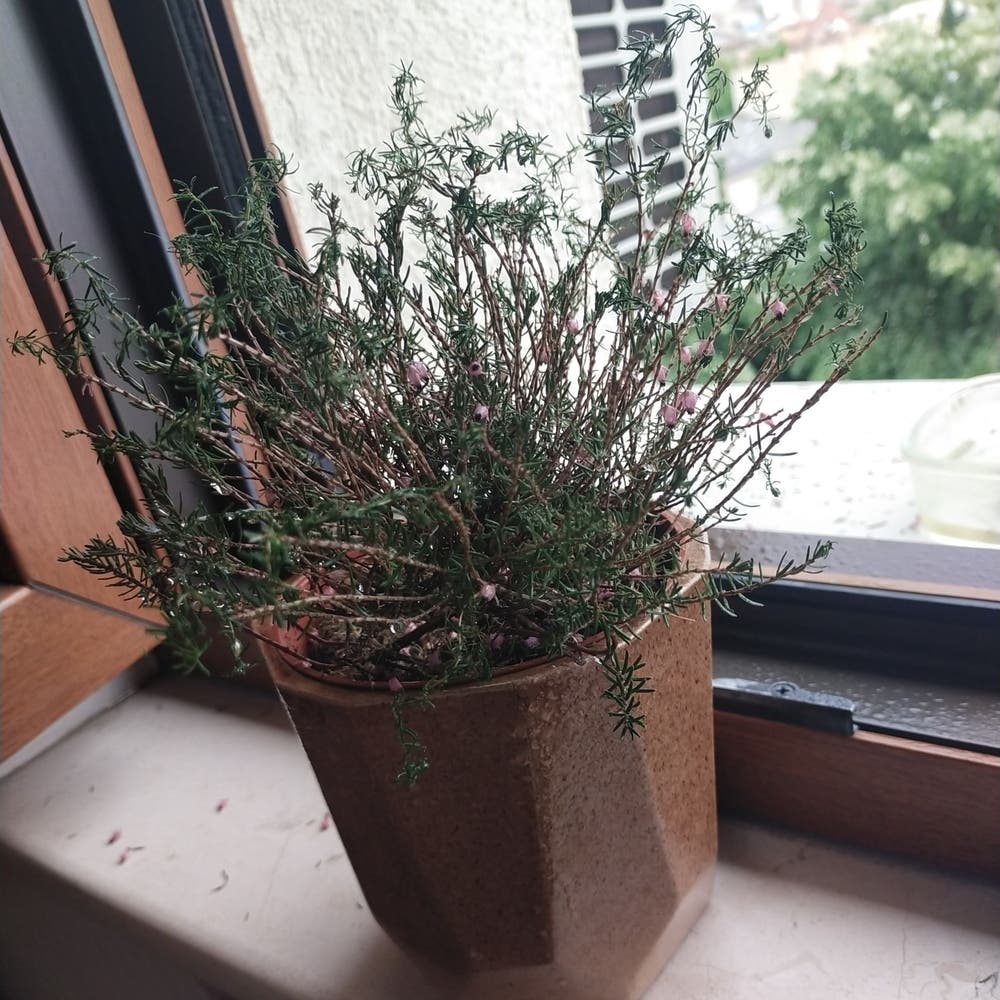
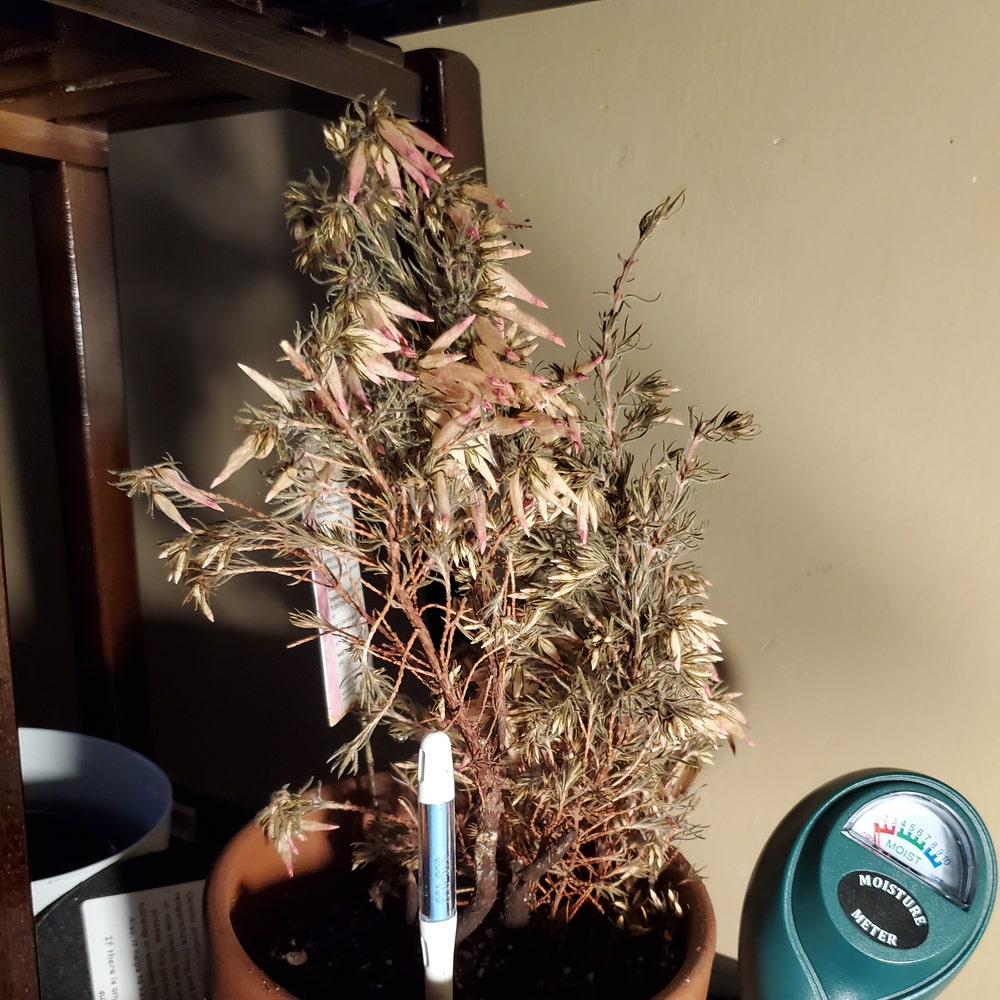
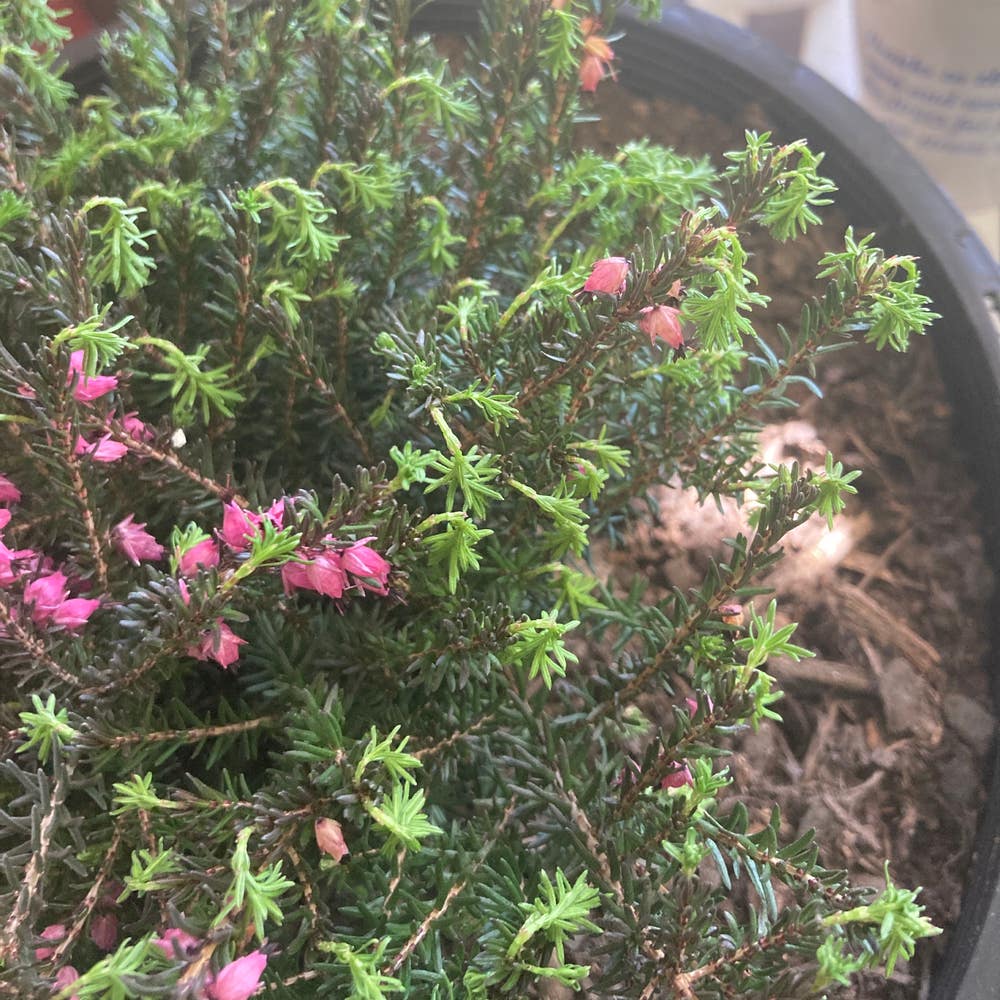
Overview of Erica elimensis var. elimensis
Erica elimensis var. elimensis
By the Greg Editorial Team
Feb 28, 2025•10 min read
This article was created with the help of AI so we can cover more plants for you. May contain errors. See one? Report it here.
- 🌞 Erica elimensis thrives in full sun to partial shade; choose planting location wisely.
- 🌱 Acidic, well-drained soil is essential; enhance drainage with organic matter for optimal health.
- 💧 Water consistently initially, then switch to deep, infrequent watering for strong roots.
How to Grow
🌞 Choosing a Location
For optimal growth, Erica elimensis var. elimensis thrives in full sun to partial shade. When deciding between outdoor planting or container placement, consider the plant's light requirements and space availability.
🌱 Soil Preparation
This plant prefers acidic, well-drained soils, which are crucial for its health. To enhance drainage, incorporate organic matter into the soil, creating a rich environment for growth.
🌿 Planting Techniques
When planting, ensure the root ball is level with the soil surface to promote healthy root establishment. Space your plants about 1 meter apart to allow for their mature spread.
💧 Watering Requirements
In the initial weeks after planting, keep the soil consistently moist to help establish roots. Once established, water deeply but infrequently to encourage deep root growth, which is vital for the plant's resilience.
🌼 Fertilizing Schedule
Use a balanced, slow-release fertilizer to support healthy growth. Fertilize in early spring and again in mid-summer to provide essential nutrients during the growing season.
✂️ Pruning Methods
Prune your Erica elimensis in late winter or early spring, just before new growth begins. Focus on removing dead or damaged branches to encourage vigorous, healthy growth.
🌿 Ongoing Care
For container plants, ensure pots have drainage holes and regularly monitor moisture levels to prevent overwatering. If planted outdoors, apply mulch to retain moisture and suppress weeds, creating a nurturing environment for your plant.
This comprehensive care guide will set you on the right path to successfully growing Erica elimensis var. elimensis. Next, let's explore the exciting world of propagation techniques to expand your garden!
Propagation
🌱 Seed Propagation Steps
Propagation of Erica elimensis var. elimensis can begin with seed collection. Harvest seeds from mature flowers, ensuring they are fully developed for the best germination rates.
Next, prepare your soil using a seed-starting mix. This mix provides the right balance of drainage and nutrients to support young seedlings.
When it comes to sowing, scatter the seeds on the surface of the soil and lightly cover them. This helps protect the seeds while allowing them to receive the necessary light for germination.
Finally, maintain warmth and moisture in the environment to encourage germination. Keeping the soil consistently moist will help the seeds sprout within a few weeks.
✂️ Cutting Propagation Methods
For those who prefer a quicker method, cutting propagation is an excellent option. Start by selecting healthy stems from the plant; semi-hardwood cuttings work best for this process.
Prepare the cuttings by trimming them to a length of 4-6 inches and removing the lower leaves. This helps focus the plant's energy on root development.
Next, use a rooting medium that consists of a mix of peat and perlite. This combination provides excellent drainage while retaining enough moisture for the cuttings.
Finally, care for the cuttings by keeping them moist and placing them in indirect light. This environment will support root development, allowing your new plants to thrive.
With these propagation techniques, you can expand your collection of Erica elimensis var. elimensis and enjoy its beauty in your garden. Now, let’s explore the lifecycle of this fascinating plant.
Lifecycle
🌱 Life Cycle Stages
Erica elimensis var. elimensis is a perennial plant that undergoes distinct stages from seed to maturity. Understanding these stages helps in nurturing the plant effectively.
🌱 Germination Process
Seeds typically germinate within 2-4 weeks under optimal conditions. This timeframe is crucial for establishing a healthy plant.
🌱 Seedling Development
As the seeds sprout, small, tender leaves emerge, indicating the plant's initial growth phase. These delicate leaves are vital for photosynthesis and overall health.
🌱 Vegetative Growth Phase
During this phase, the plant experiences rapid leaf development and root establishment. This growth is essential for supporting future flowering and seed production.
🌸 Flowering and Seed Production
Erica elimensis usually blooms in late spring to early summer. This flowering period is not only beautiful but also crucial for the plant's reproduction.
📅 Lifespan and Growth Rate
This plant can live for several years, growing at a rate of approximately 30-60 cm per year. It typically reaches full maturity in about 2-3 years, making it a rewarding addition to any garden.
Understanding the lifecycle of Erica elimensis var. elimensis enhances your gardening experience. With this knowledge, you can better anticipate the plant's needs and ensure its thriving growth.
Size
Mature Height and Spread 🌳
Erica elimensis var. elimensis typically reaches a height of 1 to 2 meters. Its spread is approximately 1 meter wide, making it a substantial presence in any garden.
Growth Rate and Size Variability 📈
Several factors influence the size of this plant, including soil quality, water availability, and sunlight exposure. Optimal conditions can lead to impressive growth, while neglect can stunt its development.
Factors Affecting Size ⚖️
Drought conditions can significantly limit growth and size, as the plant struggles to access necessary moisture. Conversely, overwatering can also be detrimental, leading to stunted growth and other health issues.
Understanding these size dynamics is crucial for successful cultivation. By providing the right conditions, you can help your Erica elimensis thrive and reach its full potential.
Roots
Root System Characteristics 🌱
Erica elimensis var. elimensis features a fibrous root system. This type of root structure is essential for stability and nutrient absorption.
Root Depth and Spread 📏
Typically, the roots extend between 30 to 60 cm deep. They can also spread wider than the plant's canopy, allowing for effective water and nutrient uptake.
Common Root-Related Issues ⚠️
One of the most common problems is root rot, which occurs due to overwatering. Symptoms include wilting and yellowing leaves, signaling that the roots are struggling.
Identifying Healthy vs. Unhealthy Roots 🧐
Healthy roots are firm, white, and spread evenly throughout the soil. In contrast, unhealthy roots appear dark, mushy, or may emit a foul smell, indicating decay.
Recognizing and Addressing Rootbound Conditions 🔄
If you notice roots growing out of the drainage holes, your plant may be rootbound. The best solutions are to repot the plant into a larger container or prune the roots to promote healthier growth.
Understanding the root system of Erica elimensis var. elimensis is crucial for its overall health. Proper care ensures that your plant thrives, setting the stage for vibrant growth and flowering.
Benefits
Top 5 Benefits 🌟
1. Attracts Pollinators
Erica elimensis var. elimensis is a magnet for pollinators, drawing in bees and butterflies. This not only enhances your garden's beauty but also supports local ecosystems.
2. Drought-Tolerant
Once established, this plant requires minimal watering, making it a low-maintenance choice for gardeners. Its drought tolerance means you can enjoy a vibrant garden without constant upkeep.
3. Aesthetic Appeal
With its unique texture and vibrant colors, Erica elimensis var. elimensis adds visual interest to any landscape. It can serve as a stunning focal point or complement other plants beautifully.
4. Erosion Control
This species plays a vital role in stabilizing soil, especially in sloped areas. Its root system helps prevent erosion, making it a practical choice for challenging terrains.
5. Cultural Significance
In South Africa, Erica elimensis var. elimensis symbolizes resilience and beauty. Incorporating this plant into your garden connects you to a rich cultural heritage while celebrating the unique flora of the region.
These benefits make Erica elimensis var. elimensis not just a plant, but a valuable addition to any garden. As we explore further, let's delve into the ideal companion plants that enhance its growth and health.
Companion Plants
🌱 Concept of Companion Planting
Companion planting is a gardening technique that promotes diversity and enhances pest management. By strategically placing plants together, you can create a more resilient ecosystem in your garden.
🌼 Best Companion Plants
For Erica elimensis var. elimensis, consider pairing it with other fynbos species like Proteas and Leucadendrons. These plants share similar care requirements, making them ideal companions that thrive together.
🚫 Plants to Avoid
It's best to steer clear of heavy feeders when selecting companion plants. These plants can compete for nutrients, potentially hindering the growth and health of your Erica elimensis.
By choosing the right companions, you can create a vibrant and thriving garden that supports both your plants and local wildlife. This thoughtful approach not only enhances the beauty of your space but also fosters a healthier growing environment.
Problems
Common Problems 🌱
Growing Erica elimensis var. elimensis can come with its share of challenges. Understanding these common problems will help you maintain a healthy plant.
Incorrect Watering 💧
Watering is crucial for plant health. Overwatering can lead to root rot, while underwatering results in wilting leaves.
Incorrect Light Conditions 💡
Light conditions significantly affect growth. Insufficient light can cause leggy growth, making the plant weak and spindly.
Incorrect Temperature 🌡️
Temperature extremes can be detrimental. Cold weather can damage foliage, so it's essential to protect your plant from harsh conditions.
Diseases 🦠
Fungal diseases, such as powdery mildew, can pose a threat. Look for white spots on leaves as a telltale sign of infection.
Growth Problems 📉
Growth issues can indicate underlying problems. Leaning or etiolated growth often signals insufficient light, requiring immediate attention.
By keeping an eye out for these issues, you can ensure your Erica elimensis thrives. Next, let’s explore the potential pests that might disrupt your plant's health.
Bugs
🐜 Potential Pest Issues
While Erica elimensis var. elimensis is generally pest-resistant, it can still fall prey to certain pests. Keeping an eye out for these invaders is crucial to maintaining the health of your plant.
🔍 Identification of Common Pests
Identifying pests early can save your plant from significant damage. Here are some common culprits:
Spider Mites
Look for fine webbing and stippled leaves. These tiny pests can quickly multiply, leading to severe damage.
Scale Insects
These pests leave a sticky residue and cause yellowing leaves. They often blend in with the plant, making them tricky to spot.
Mealybugs
Characterized by cotton-like masses on stems and leaves, mealybugs can weaken your plant if not addressed promptly.
💥 Damage Caused by Pests
Pests can wreak havoc on your Erica elimensis. Expect to see leaf drop, stunted growth, and an overall decline in health if infestations go unchecked.
🧪 Effective Treatment Options
Fortunately, there are effective treatments to combat these pests. Consider using neem oil or insecticidal soap to manage infestations.
Additionally, introducing beneficial insects like ladybugs can help keep pest populations in check. These natural predators are a gardener's best friend!
By staying vigilant and employing these strategies, you can protect your Erica elimensis and ensure it thrives. Next, let’s explore what animals might pose a threat to your plant.
What Eats
🦌 Common Animals That May Damage
When it comes to Erica elimensis var. elimensis, several animals might take a liking to your plants.
- Deer: These graceful creatures often leave signs of their presence with chewed leaves and broken branches.
- Rabbits: Known for their nibbling habits, rabbits can cause noticeable damage characterized by gnawed stems and leaves.
- Squirrels: These agile critters may strip bark or nibble on flowers, adding to the list of potential threats.
⚠️ Types of Damage Caused
The browsing habits of these animals can lead to significant issues for your plants.
Reduced plant vigor is a common consequence, as the foliage they consume is essential for photosynthesis and overall health.
🛡️ Deterrent Methods
To protect your beloved Erica elimensis, consider implementing a few deterrent methods.
- Fencing: Installing barriers can effectively prevent access to these hungry visitors.
- Repellents: You can use commercial options or whip up homemade solutions like garlic spray to keep them at bay.
By taking these proactive steps, you can help ensure your plants thrive despite the challenges posed by local wildlife.
⚠️ Safety First
This content is for general information and may contain errors, omissions, or outdated details. It is not medical, veterinary advice, or an endorsement of therapeutic claims.
Always consult a qualified healthcare professional before using any plant as food, medicine, or supplement.
Never eat any plant (or feed one to pets) without confirming its identity with at least two trusted sources.
If you suspect poisoning, call Poison Control (800) 222-1222, the Pet Poison Helpline (800) 213-6680, or your local emergency service immediately.
Spotted an error? Please report it here.
Grow your Erica elimensis var. elimensis flourishingly 🌼 with Greg's tailored care reminders and expert tips that make meeting its unique needs a breeze!