🌸 Erica dissimulans Explained: Key Information
Erica dissimulans
By the Greg Editorial Team
Mar 07, 2025•11 min read
This article was created with the help of AI so we can cover more plants for you. May contain errors. See one? Report it here.
- 🌞 Erica dissimulans needs 6-8 hours of sunlight for optimal growth.
- 🌱 Acidic, well-drained soil with pH 4.5-6.0 is essential for healthy roots.
- 🐝 This plant attracts pollinators and is low-maintenance, perfect for gardens!
How to Grow
Choosing a Location 🌞
To thrive, Erica dissimulans needs full sun to partial shade, ideally receiving 6-8 hours of sunlight daily. When deciding between outdoor and container growing, consider your space and climate, as both options can yield beautiful results.
Soil Preparation 🌱
This plant flourishes in acidic, well-drained soil with a pH between 4.5 and 6.0. Enhance your soil by incorporating organic matter like peat moss or compost to improve its structure and nutrient content.
Planting Techniques 🌿
When planting, ensure the root ball is level with the soil surface to promote healthy growth. Space your plants 18-24 inches apart to allow for optimal air circulation and prevent overcrowding.
Watering Requirements 💧
After planting, give your Erica dissimulans a deep watering to help establish its roots. Moving forward, water when the top inch of soil feels dry, being careful to avoid waterlogging, which can harm the roots.
Fertilizing Schedule 🌼
Use a balanced, slow-release fertilizer specifically formulated for acid-loving plants. Fertilize in early spring and again in mid-summer to support healthy growth and flowering.
Pruning Methods ✂️
Prune your plants annually after flowering to maintain their shape and encourage new growth. Focus on removing dead or damaged branches and spent flowers to keep your Erica dissimulans looking its best.
Ongoing Care Tips 🐞
Regularly monitor your plants for pests and diseases to catch any issues early. Additionally, applying mulch can help retain moisture and suppress weeds, making your gardening experience easier and more enjoyable.
With these essential growing tips, you'll be well on your way to cultivating a thriving Erica dissimulans garden. Next, let’s explore the fascinating world of propagation techniques to expand your collection!
Propagation
🌱 Seed Propagation
Seed propagation is a straightforward method to grow Erica dissimulans. Start by collecting seeds from mature flowers.
Next, sow the seeds in a seed tray filled with a light soil mix.
Keep the soil moist and warm, and expect germination within 2-4 weeks.
✂️ Cutting Propagation
Cutting propagation is another effective way to expand your collection. Begin by taking 4-6 inch cuttings from healthy stems.
Dip the cut ends in rooting hormone before planting them in a well-draining medium.
Maintain humidity around the cuttings until roots develop, which typically takes 4-6 weeks.
With these methods, you can easily propagate Erica dissimulans and enjoy its beauty in your garden. Next, let’s explore the lifecycle of this resilient plant.
Lifecycle
Lifecycle Stages 🌱
Erica dissimulans is a perennial plant, boasting a lifespan that can stretch over several years. Under optimal conditions, germination takes place within 2 to 4 weeks, setting the stage for a vibrant growth journey.
Seedling Development 🌿
Once germination occurs, seedlings will develop true leaves within 4 to 6 weeks. This is an exciting phase, as the plant begins to establish its identity and prepare for the next stages of growth.
Growth Phase 📈
The rapid growth phase follows, lasting several months and heavily influenced by environmental conditions. During this time, the plant can flourish, showcasing its resilience and adaptability.
Flowering and Seed Production 🌸
Flowering typically occurs in late spring to summer, a beautiful sight that attracts pollinators. After flowering, the plant produces seeds, ensuring the continuation of its lifecycle.
Maturity Timeline ⏳
Full maturity is generally reached in 2 to 3 years, characterized by a moderate growth rate. This gradual development allows gardeners to appreciate the plant's journey from seed to a fully established specimen.
As you explore the lifecycle of Erica dissimulans, consider how each stage contributes to its overall beauty and ecological importance. Next, we’ll delve into the plant's size, examining its mature height and spread.
Size
Mature Height and Spread 🌱
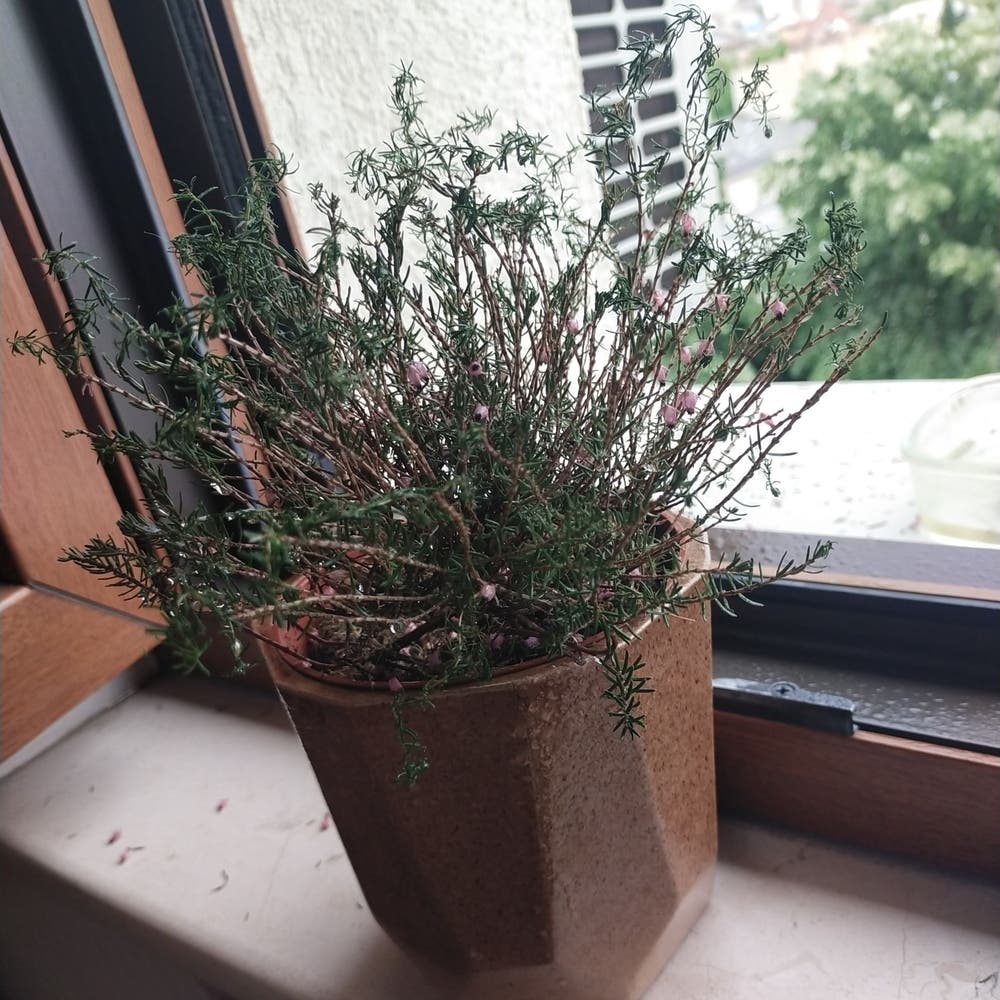
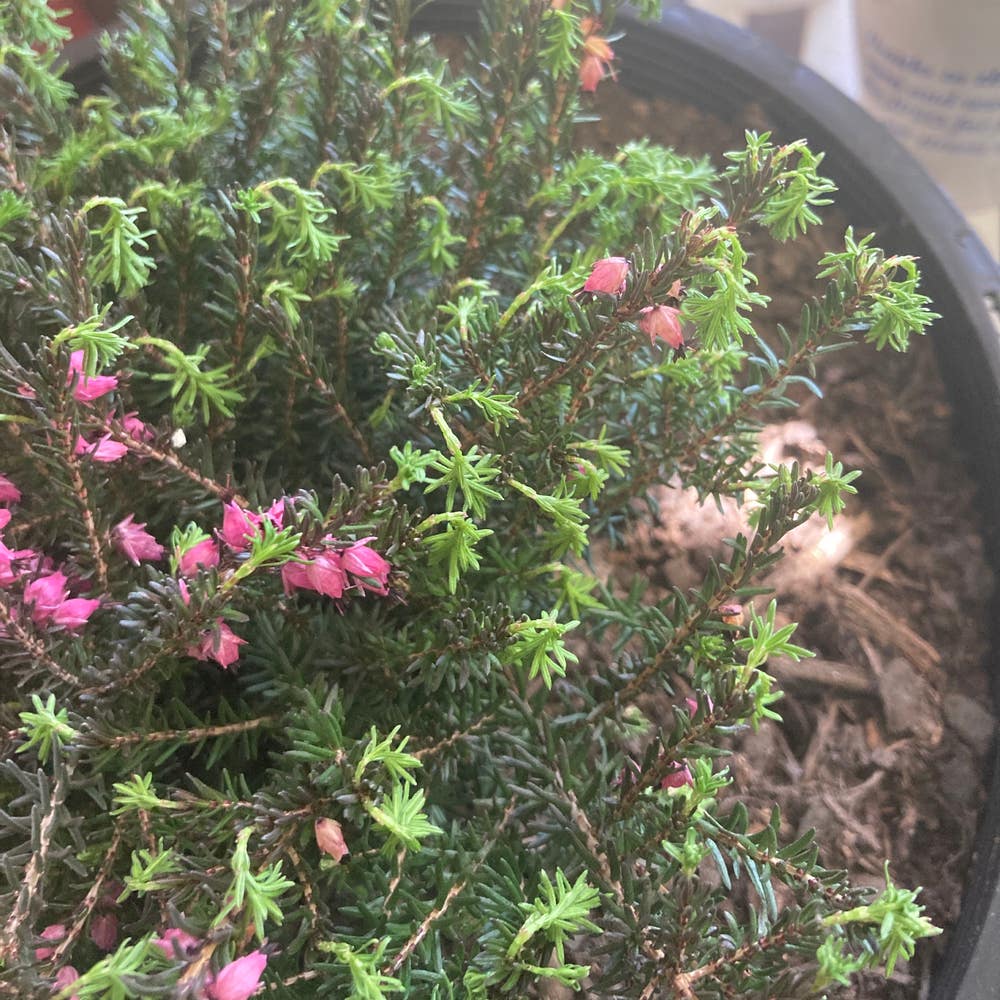
Erica dissimulans typically reaches a mature height of 1 to 3 feet (30-90 cm). Its spread can range from 2 to 3 feet (60-90 cm), depending on the specific variety you choose.
Growth Rate and Size Variability 📏
This plant exhibits a moderate growth rate, which can vary based on environmental conditions. Compact varieties may be smaller than their standard counterparts, offering options for different garden spaces.
Factors Affecting Size ⚖️
Several factors can influence the overall size of Erica dissimulans. Key elements include soil quality, sunlight exposure, and consistent watering practices, all of which play a crucial role in its growth potential.
Understanding these aspects will help you cultivate a thriving Erica dissimulans that fits perfectly in your garden. Next, let’s explore the root system characteristics that support this plant's growth.
Roots
Root System Characteristics 🌱
Erica dissimulans features a fibrous root system that enhances stability and nutrient uptake. This shallow root structure typically spreads horizontally, allowing the plant to efficiently absorb moisture and nutrients from the surrounding soil.
Common Root-Related Issues ⚠️
One of the most common problems is root rot, often caused by overwatering. To prevent this, ensure proper drainage in your planting medium.
Healthy roots should be firm, white, and spread evenly throughout the soil. In contrast, unhealthy roots appear dark, mushy, or foul-smelling, indicating potential issues.
If you notice roots growing out of drainage holes or circling the pot, your plant may be rootbound. The solution is simple: repot into a larger container or prune the roots to encourage healthy growth.
Understanding these root characteristics and issues can significantly enhance your gardening success with Erica dissimulans. With proper care, your plants will thrive and contribute beautifully to your garden.
Benefits
Top 5 Benefits 🌟
Erica dissimulans offers a range of benefits that make it a fantastic addition to any garden. Here are the top five reasons to consider this resilient plant.
Attracts Pollinators
This plant is a magnet for pollinators like bees and butterflies, enhancing your garden's biodiversity. By planting Erica dissimulans, you contribute to a healthier ecosystem.Drought-Tolerant
Its drought-resistant nature means you can enjoy a vibrant garden while reducing water usage. This makes it an excellent choice for eco-conscious gardeners.Year-Round Greenery
With its lush foliage, Erica dissimulans provides visual interest throughout the year. You won’t have to worry about bare spots in your garden during the off-season.Low Maintenance
This plant is perfect for novice gardeners. Its low maintenance requirements allow you to enjoy a beautiful garden without the stress of constant care.Cultural Significance
Originating from South Africa, Erica dissimulans holds cultural importance in its native ecosystems. By growing it, you connect with a rich botanical heritage.
Incorporating Erica dissimulans into your garden not only enhances its beauty but also supports the environment. Next, let’s explore how to propagate this versatile plant for even more gardening success.
Companion Plants
🌱 Companion Planting
Companion planting is a fantastic way to enhance garden diversity and foster symbiotic relationships among plants. By choosing the right companions, you can create a thriving ecosystem that benefits all your plants.
🌼 Best Companion Plants
When it comes to Erica dissimulans, consider pairing it with other heathers, ferns, and low-growing perennials. These plants share similar care needs and pest management properties, making them ideal companions.
🚫 Plants to Avoid
Be cautious with heavy feeders or plants that require a different soil pH. These can compete for nutrients or disrupt the delicate balance your Erica dissimulans thrives on.
By selecting the right companions, you can maximize the health and beauty of your garden. Next, let’s explore the potential toxicity of Erica dissimulans to humans and pets.
Toxicity to Humans
🛡️ Safety for Humans
Erica dissimulans is not listed as toxic by major poison control centers, making it a safe choice for gardens. However, it's wise to exercise caution; ingesting large quantities may lead to mild skin irritation or digestive discomfort.
Always be mindful when handling any plant. If you experience unusual symptoms after contact or ingestion, seeking medical advice is a prudent step.
Toxicity to Dogs
Safety for Dogs 🐶
Erica dissimulans is considered safe for dogs, as it is not toxic according to veterinary organizations. However, if your furry friend decides to munch on it, you might notice mild gastrointestinal upset.
Monitoring and Precautions 👀
To keep your dog safe, it's wise to place these plants out of reach. Always keep an eye on your dog's behavior around plants, ensuring they don't indulge too much.
Conclusion 📝
While Erica dissimulans poses no significant threat to dogs, a little caution goes a long way. Next, let’s explore how this plant interacts with our feline friends.
Toxicity to Cats
Safety for Cats 🐱
Erica dissimulans is not considered toxic according to major pet poison control centers. While it’s generally safe, excessive consumption may lead to mild gastrointestinal upset.
Practical Tips 🛡️
To keep your feline friends safe, position these plants where cats cannot easily access them. This simple precaution can help prevent any potential issues while allowing you to enjoy the beauty of Erica dissimulans in your home or garden.
Final Thoughts 💭
Being informed about plant safety is essential for pet owners. With Erica dissimulans, you can cultivate a vibrant space without worrying about your cat's health.
As we move on, let’s explore the common problems that can arise when growing this beautiful plant.
Problems
Common Problems 🌱
Growing Erica dissimulans can be rewarding, but it’s not without its challenges. Here are the most common problems you might encounter:
- Incorrect Watering: Overwatering or underwatering can stress the plant.
- Incorrect Light Conditions: Too much or too little sunlight can hinder growth.
- Diseases: Issues like powdery mildew and rust can affect plant health.
- Root Problems: Root rot is a significant concern if drainage isn’t adequate.
- Leaf Issues: Yellowing or scorching leaves signal underlying problems.
Symptoms and Solutions 🛠️
Identifying symptoms early can save your plants. Here’s a quick guide to common issues and their solutions:
Watering Issues:
- Symptoms: Wilting or drooping leaves indicate underwatering, while yellowing leaves may suggest overwatering.
- Solution: Adjust your watering schedule. Ensure the top inch of soil dries out before watering again.
Light Conditions:
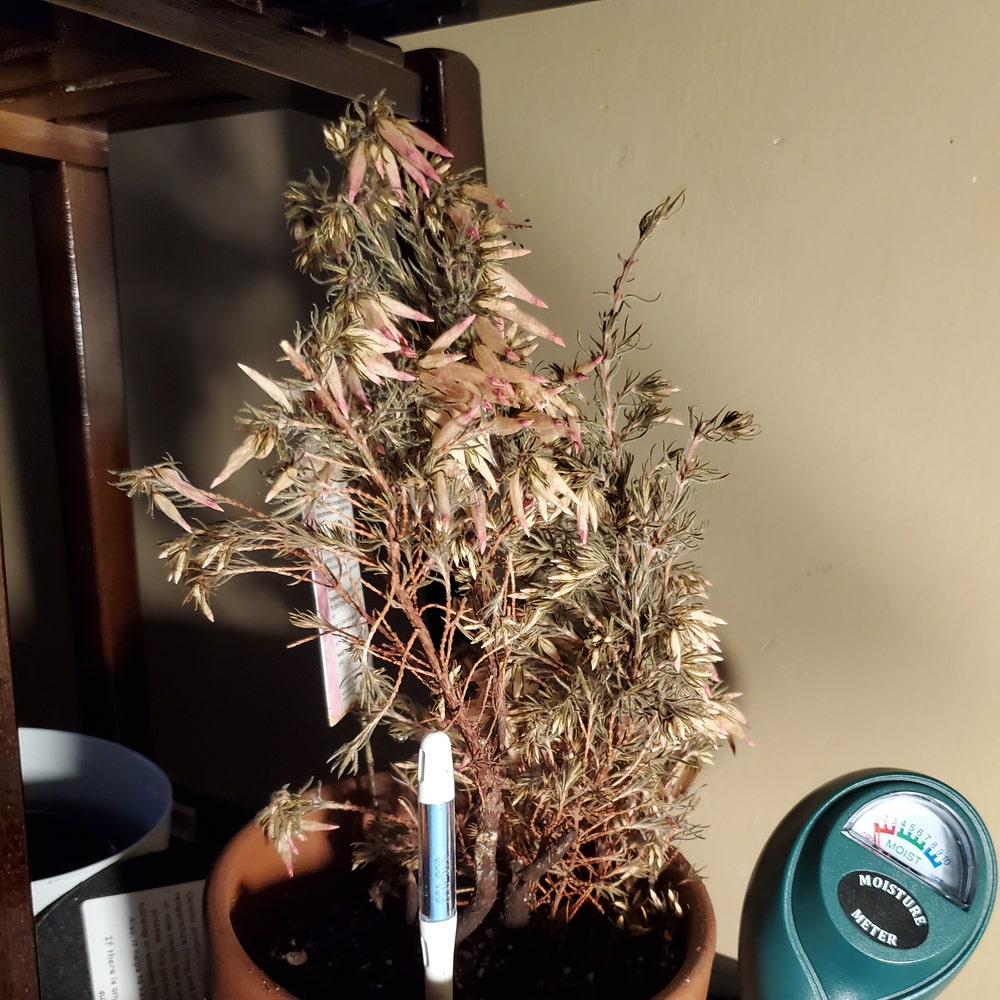
- Symptoms: Stunted growth or leggy stems can mean insufficient light, while scorched leaves indicate too much sun.
- Solution: Move the plant to a location with appropriate light exposure, ideally 6-8 hours of sunlight.
Diseases:
- Symptoms: White powdery spots signal powdery mildew, while rust appears as orange or brown spots on leaves.
- Solution: Improve air circulation and apply fungicides if necessary.
Root Problems:
- Symptoms: Dark, mushy roots indicate root rot, while roots circling the pot suggest rootbound conditions.
- Solution: Ensure proper drainage and consider repotting if roots are confined.
Leaf Issues:
- Symptoms: Yellowing leaves can result from nutrient deficiencies or overwatering; scorching may be due to excessive sun exposure.
- Solution: Adjust watering practices and check for nutrient needs.
By staying vigilant and addressing these common problems promptly, you can keep your Erica dissimulans thriving. Next, let’s explore how to effectively propagate this resilient plant.
Bugs
🐜 Potential Pest Issues
While Erica dissimulans is generally pest-resistant, it can still fall victim to a few specific pests. Keeping an eye out for these intruders is essential for maintaining the health of your plants.
🔍 Identification and Treatment
Spider Mites
Look for fine webbing on the leaves, a telltale sign of spider mites. To treat them, apply insecticidal soap, which effectively eliminates these pests without harming your plant.
Mealybugs
These pests appear as cotton-like masses on stems and leaves. You can remove them easily with an alcohol-soaked cotton swab, ensuring your plant stays healthy and vibrant.
By staying vigilant and addressing these pest issues promptly, you can enjoy a thriving Erica dissimulans garden. Next, let’s explore what animals might be interested in munching on your plants.
What Eats
🦌 Common Animals
When it comes to Erica dissimulans, several common animals may find its foliage quite appetizing. Deer, rabbits, and rodents are known to nibble on these plants, potentially causing damage to your garden.
🕵️♂️ Signs of Animal Presence
To determine if these critters are visiting your garden, look for telltale signs. Chewed leaves, droppings, or tracks can indicate that your plants are being munched on.
🚫 Deterrent Methods
Fortunately, there are effective strategies to keep these hungry visitors at bay. Consider using fencing to create a physical barrier, applying repellents to deter them, or implementing companion planting strategies to confuse or repel these animals.
By taking these steps, you can protect your Erica dissimulans and enjoy a thriving garden. Next, let’s explore the common problems that can arise while growing this beautiful plant.
⚠️ Safety First
This content is for general information and may contain errors, omissions, or outdated details. It is not medical, veterinary advice, or an endorsement of therapeutic claims.
Always consult a qualified healthcare professional before using any plant as food, medicine, or supplement.
Never eat any plant (or feed one to pets) without confirming its identity with at least two trusted sources.
If you suspect poisoning, call Poison Control (800) 222-1222, the Pet Poison Helpline (800) 213-6680, or your local emergency service immediately.
Spotted an error? Please report it here.
Unlock the secrets to a thriving Erica dissimulans garden 🌼 with Greg's tailored care reminders and expert tips that will keep your plants healthy and vibrant all year round!