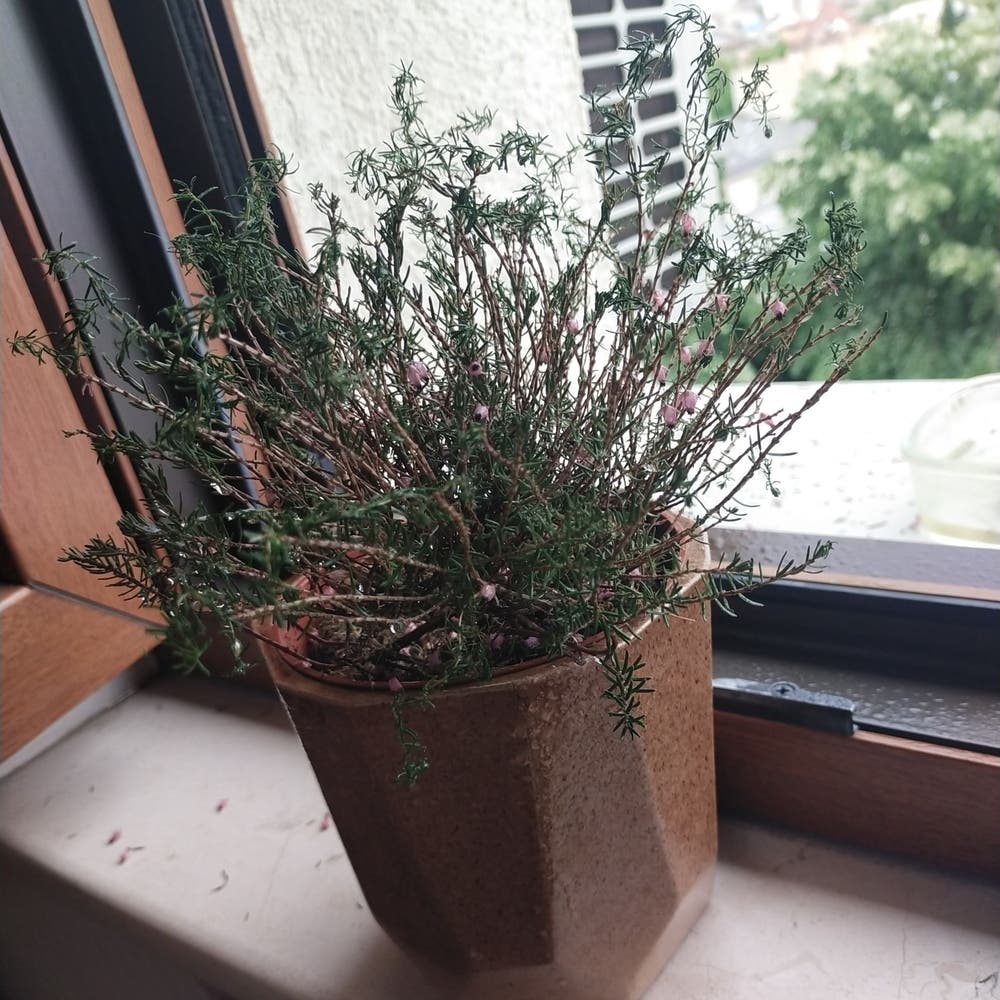
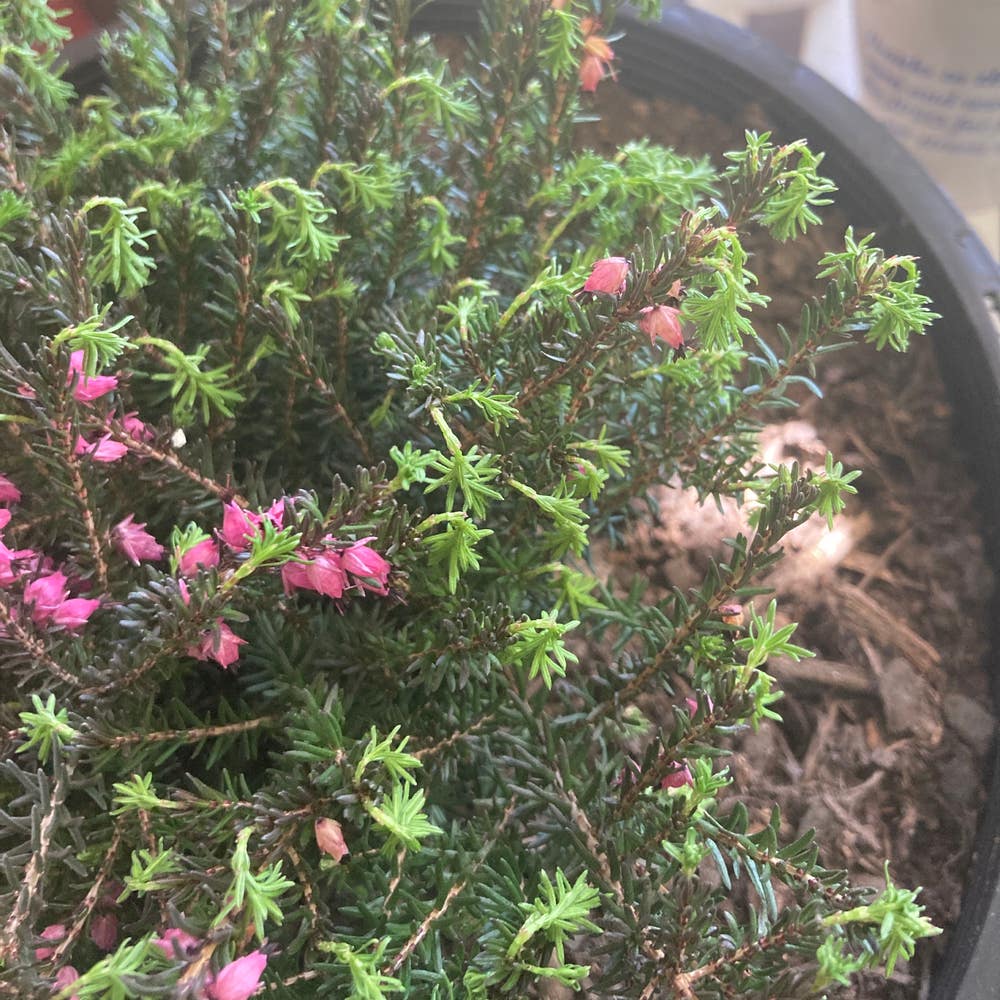
Introduction to Erica curvirostris var. curvirostris
Erica curvirostris var. curvirostris
By the Greg Editorial Team
Feb 28, 2025•11 min read
This article was created with the help of AI so we can cover more plants for you. May contain errors. See one? Report it here.
Cultivate a vibrant garden with Erica curvirostris—easy care for stunning blooms awaits! 🌼
- 🌞 Erica curvirostris needs 6-8 hours of sunlight for optimal growth.
- 🌱 Plant in acidic, well-drained soil with a pH of 4.5-6.0 for best results.
- 🐾 Safe for pets - Erica curvirostris is non-toxic to humans, dogs, and cats!
How to Grow
🌞 Choosing a Location
To thrive, Erica curvirostris var. curvirostris needs full sun to partial shade, ideally receiving 6-8 hours of direct sunlight daily. When deciding between outdoor or container growing, consider the space and conditions available to ensure optimal growth.
🌱 Soil Preparation
This plant prefers acidic, well-drained soils with a pH between 4.5 and 6.0. To enhance drainage, mix in organic matter and sand, creating a nurturing environment for your Erica.
🌿 Planting Techniques
When planting, ensure the root ball is level with the soil surface to promote healthy growth. For outdoor planting, space your plants 2-3 feet apart to allow for adequate air circulation and growth.
💧 Watering Requirements
After planting, give your Erica a deep watering to help establish its roots. Moving forward, water when the top inch of soil feels dry, being careful to avoid waterlogging, which can harm the plant.
🌼 Fertilizing Schedule
Use an acidic, slow-release fertilizer during the growing season to provide essential nutrients. Fertilize every 4-6 weeks while the plant is actively growing to support its health and vitality.
✂️ Pruning Methods
Prune your Erica after flowering to maintain its shape and encourage new growth. Focus on removing dead or damaged branches and spent flowers to keep the plant looking its best.
🌿 Ongoing Care
For container care, ensure your pots have drainage holes and regularly monitor moisture levels. If growing outdoors, apply mulch to retain moisture and suppress weeds, creating a thriving environment for your Erica.
With these guidelines, you'll be well on your way to cultivating a healthy and vibrant Erica curvirostris var. curvirostris. Next, let’s explore how to propagate this beautiful plant effectively.
Propagation
🌱 Seed Propagation
To start propagating Erica curvirostris, begin with seed preparation. Stratify the seeds for 2-4 weeks before sowing to enhance germination rates.
Once stratified, expect germination to take 2-4 weeks under optimal conditions. Keep the soil moist but not waterlogged for the best results.
✂️ Cutting Propagation
Another effective method is cutting propagation. Select healthy stems and cut them into 4-6 inch sections for rooting.
For the rooting medium, use a mix of peat and perlite. This combination provides the necessary drainage and aeration for successful root development.
🌿 Layering Techniques
Layering is a more hands-on approach to propagation. Bend a low branch to the ground and cover it with soil, leaving the tip exposed to encourage rooting.
This method typically takes 6-12 months for roots to develop. It’s a rewarding way to expand your collection while ensuring the parent plant remains healthy.
With these propagation techniques, you can easily multiply your Erica curvirostris plants and enjoy their beauty in your garden or share them with friends. Next, let’s explore the lifecycle of this fascinating plant.
Lifecycle
Lifecycle Stages 🌱
Erica curvirostris var. curvirostris is a perennial plant, meaning it lives for multiple years. Its lifecycle includes several key stages: germination, seedling development, vegetative growth, flowering, and seed production.
Germination Process 🌼
For optimal germination, maintain a temperature between 20-25°C (68-77°F). Additionally, exposing seeds to light can significantly enhance germination rates, making it a crucial factor in the process.
Lifespan and Growth Timeline ⏳
This plant typically has a lifespan of 5-10 years, showcasing its resilience. With a moderate growth rate, you can expect Erica curvirostris to reach its full size in about 2-3 years, making it a rewarding addition to your garden.
As you explore the lifecycle of Erica curvirostris, consider how its growth stages influence care and maintenance. Next, we’ll delve into the fascinating methods of propagation for this unique plant.
Size
Mature Height and Spread 🌳
Erica curvirostris var. curvirostris typically reaches a height of 1-2 meters (3-6 feet). Its spread ranges from 1 to 1.5 meters (3-5 feet), making it a striking addition to any garden.
Growth Rate and Size Variability 📈
This plant exhibits a moderate growth rate, which can vary based on its growing conditions. Different cultivars may also show variability in height and spread, offering options for diverse garden designs.
Understanding these size characteristics helps in planning your garden layout effectively. With the right care, Erica curvirostris can thrive and become a focal point in your landscape.
As we explore further, let’s dive into the fascinating world of its root system characteristics.
Roots
🌱 Root System Characteristics
Erica curvirostris var. curvirostris features a fibrous root system. This type of root structure is shallow yet spreads extensively, allowing the plant to efficiently absorb nutrients and water from the soil.
⚠️ Common Root-Related Issues
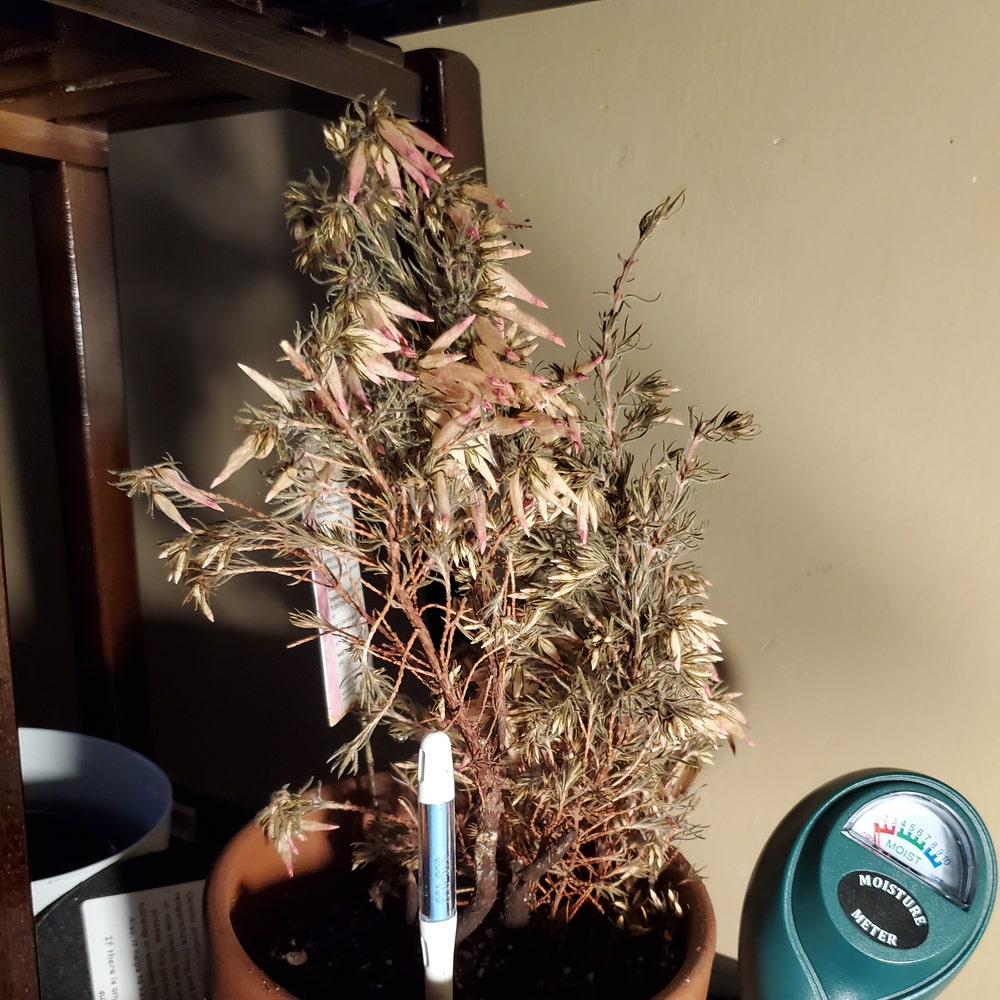
One of the most common problems with this plant is root rot, which occurs due to overwatering. Symptoms include wilting and yellowing leaves, signaling that the roots are struggling.
Healthy roots should be firm, white, and spread evenly throughout the soil. In contrast, unhealthy roots may appear dark, mushy, or emit a foul smell, indicating a need for immediate attention.
Understanding these root characteristics and issues is crucial for maintaining the health of your Erica curvirostris. Proper care can prevent root-related problems and ensure your plant thrives.
Next, let’s explore the benefits of incorporating Erica curvirostris into your garden.
Benefits
Top 5 Benefits 🌟
Aesthetic Appeal
Erica curvirostris var. curvirostris boasts unique tubular flowers that can transform any garden into a vibrant spectacle. Their striking appearance adds a splash of color and intrigue, making them a favorite among garden enthusiasts.
Drought Resistance
This plant is well-adapted to dry conditions, which means it requires less water than many other species. Its drought resistance not only conserves water but also makes it a low-maintenance choice for busy gardeners.
Wildlife Attraction
The flowers of Erica curvirostris are a magnet for pollinators like bees and birds. By planting this species, you can create a lively ecosystem in your garden, supporting local wildlife and enhancing biodiversity.
Soil Improvement
With a preference for acidic soils, Erica curvirostris can improve the soil quality for other plants. Its growth can help maintain the necessary pH levels, benefiting neighboring flora in your garden.
Cultural Significance
This species represents resilience in South African ecosystems, symbolizing the adaptability of nature. By cultivating Erica curvirostris, you connect with a rich cultural heritage and contribute to preserving its legacy.
These benefits make Erica curvirostris not just a beautiful addition to your garden but also a practical and meaningful choice. As we explore further, you'll discover how to propagate this remarkable plant and ensure its thriving presence in your outdoor space.
Companion Plants
Best Companion Plants 🌱
When selecting companion plants for Erica curvirostris, consider those that thrive in similar conditions. Other fynbos species, heathers, and certain succulents make excellent choices.
These plants not only share similar care needs but also offer pest-repellent properties. This synergy can enhance the overall health and aesthetics of your garden.
Benefits of Companion Planting 🌼
Companion planting with Erica curvirostris provides several advantages:
- Shared Care Needs: Plants that require similar sunlight and soil conditions can simplify maintenance.
- Pest Resistance: Certain companions can deter pests, reducing the need for chemical treatments.
- Biodiversity: A diverse plant community can improve resilience against diseases and pests.
By carefully choosing companion plants, you can create a thriving ecosystem that supports the health of Erica curvirostris while adding beauty to your garden.
As you plan your garden, think about how these companions can work together harmoniously. This approach not only benefits your plants but also enriches your gardening experience.
Next, let’s explore the toxicity of Erica curvirostris to humans, dogs, and cats, ensuring a safe environment for all.
Toxicity to Humans
🛡️ Safety of Erica curvirostris
When it comes to safety, Erica curvirostris is a reassuring choice for gardeners. It is not listed as toxic by major poison control centers, making it safe for handling and even ingestion in small amounts.
However, it's always wise to exercise caution. If you or someone else experiences unusual symptoms after contact, seeking medical advice is recommended.
Toxicity to Dogs
Safety of Erica curvirostris for Dogs 🐶
Erica curvirostris is not listed as toxic by major pet poison control centers, making it a safe choice for homes with dogs. Generally, it poses minimal risk, allowing you to enjoy its beauty without worry.
However, it's always wise to monitor your dog's behavior around plants. While the plant is safe, discourage your furry friend from consuming large quantities, as this could lead to mild digestive upset.
In summary, Erica curvirostris can coexist peacefully with your canine companions, adding charm to your garden without the fear of toxicity. If you're considering adding this plant to your space, rest assured that your dogs can safely roam nearby.
Toxicity to Cats
Safety of Erica curvirostris for Cats 🐱
Erica curvirostris is not listed as toxic by major pet poison control centers, making it a safe choice for households with feline companions. Generally, this plant poses minimal risk around cats, allowing you to enjoy its beauty without worry.
However, it's always wise to monitor your cat's behavior around any plant. While Erica curvirostris is safe, discouraging your cat from consuming large quantities is a good practice to ensure their well-being.
In summary, you can confidently include Erica curvirostris in your home or garden, knowing it won't harm your furry friends. Keep an eye on their interactions, and you'll foster a safe and vibrant environment for both plants and pets.
As we explore the next section, let's dive into the potential problems that may arise with Erica curvirostris and how to tackle them effectively.
Problems
Common Problems 🌱
1. Incorrect Watering
Watering is crucial for the health of Erica curvirostris. Overwatering can lead to wilting, while underwatering results in dry leaves.
To resolve these issues, adjust your watering schedule based on the moisture level of the soil. Checking the top inch of soil can help you determine when it's time to water.
2. Incorrect Light Conditions
Light conditions play a significant role in plant growth. If your Erica curvirostris exhibits leggy growth or scorched leaves, it may not be receiving the right amount of sunlight.
To fix this, simply move the plant to a location that offers appropriate sunlight levels. Aim for full sun to partial shade for optimal growth.
3. Diseases
Diseases can pose a threat to your plant's vitality. Common issues include powdery mildew, rust, and blight, which can affect overall health.
To combat these diseases, improve air circulation around the plant and apply fungicides as needed. Regular monitoring can help catch these problems early.
By addressing these common problems, you can ensure your Erica curvirostris thrives in your garden. Next, let’s explore the potential pest issues that might affect your plant.
Bugs
🐜 Potential Pest Issues
While Erica curvirostris var. curvirostris is moderately pest-resistant, it can still fall prey to a few common nuisances. Keep an eye out for spider mites, scale insects, and mealybugs, as they can disrupt your plant's health.
🧴 Treatment Options
To combat these pests effectively, consider using insecticidal soap or neem oil. Both options are gentle yet effective, helping to keep your plants thriving without harsh chemicals.
🦋 Beneficial Insects
Another approach is to introduce beneficial insects into your garden. Ladybugs and lacewings can help control pest populations naturally, creating a balanced ecosystem around your Erica curvirostris.
🔍 Monitoring and Prevention
Regularly inspect your plants for signs of infestation. Early detection is key to preventing a small problem from becoming a larger one.
💭 Final Thoughts
By staying vigilant and employing these treatment methods, you can protect your Erica curvirostris and enjoy its beauty without the worry of pest-related issues. Next, let's explore what animals might be interested in munching on your beloved plant.
What Eats Erica curvirostris
Common Animals 🦌
Erica curvirostris can attract a variety of wildlife, which may pose a threat to its health.
Deer are often the most noticeable culprits, leaving behind telltale signs of browsing on leaves and stems.
Rabbits also enjoy this plant, evidenced by chewed leaves and stems that can quickly diminish its beauty.
Squirrels can be a nuisance as well, engaging in bark stripping and digging around the roots, which can compromise the plant's stability.
Deterrent Methods 🚫
To protect your Erica curvirostris, consider using commercial repellents designed to deter these animals.
Additionally, planting deterrent species nearby can help create a natural barrier, keeping your beloved plant safe from hungry visitors.
By being proactive, you can enjoy the beauty of Erica curvirostris without the worry of unwanted nibblers.
⚠️ Safety First
This content is for general information and may contain errors, omissions, or outdated details. It is not medical, veterinary advice, or an endorsement of therapeutic claims.
Always consult a qualified healthcare professional before using any plant as food, medicine, or supplement.
Never eat any plant (or feed one to pets) without confirming its identity with at least two trusted sources.
If you suspect poisoning, call Poison Control (800) 222-1222, the Pet Poison Helpline (800) 213-6680, or your local emergency service immediately.
Spotted an error? Please report it here.
Cultivate a thriving Erica curvirostris 🌱 with Greg's tailored care reminders and community support, ensuring your plant flourishes beautifully for years to come!